Builders
 Carpenters
 Electricians
 Flooring Specialists
 Gardeners
 Handymen
 Heating Engineers
 Painters & Decorators
 Plasterers & Renderers
 Plumbers
 Roofers
 Tilers
 my
mySoakaway Installation Cost
At a Glance
- The average cost of installing a soakaway drain is around £850.
- The job will take approximately 1 to 3 days to complete.
- NEW! Use our soakaway cost calculator for an instant estimate.
- A complete pricing breakdown, covering materials, labour, and what factors affect the final cost.
- What maintenance a soakaway requires and how much it costs to unblock or jet one.
- How to find and hire a local soakaway installer near you using MyJobQuote.
Get free estimates
Are you a trade? Get more work today!
Soakaway drains are a great way to keep water away from your home, but how much do they cost to install?
The average cost to install soakaway drainage is typically around £850 for a typical, medium-sized domestic soakaway, although smaller soakaways can start from £660 and larger driveway soakaways often exceed £1,000.
Ready for a quote?
We have a range of soakaway installers ready to offer you a free quote!
Check out our guide to find out what impacts the cost and what you have to consider before installing a soakaway.
£850
Table of Contents
- How Much Does a Soakaway Cost?
- What Affects Soakaway Installation Costs?
- Additional Soakaway Drain Costs
- How Do I Know if I Need a Driveway Soakaway?
- What to Consider When Installing Soakaways
- Soakaway Maintenance Costs
- Soakaway vs Permeable Driveway
- Doing It Yourself
- Checklist: Hiring a Soakaway Drain Installer
- FAQs
How Much Does a Soakaway Cost?
The average cost of installing a soakaway is around £850 for a typical domestic system, although smaller soakaways for patios or roof drainage can start from around £660, while larger driveway systems often cost £1,000 to £1,200+.
The final price depends mainly on the size of the soakaway, ground conditions, and whether any reinstatement is needed afterwards. Soft ground with easy access keeps labour costs lower, while clay soil, deeper excavation, or breaking through an existing driveway will increase the total cost.
Soakaways must also be installed correctly to ensure water drains away safely from your property. If pipes are poorly aligned or undersized, water can build up underground and eventually lead to costly problems such as collapsed drain repairs.
If paving, tarmac, or drainage channels need to be lifted and reinstated during installation, labour costs will rise further, which is why itemised quotes are important before work begins.
The soakaway for my property isn’t working anymore - any idea why this might be? How can I diagnose the problem, and if I figure out what the issue is? Is it something I could fix on my own, or is it the sort of job I should hire a professional for?
"What does the soakaway serve, and how old is it? It may just be old and not as sufficient as it used to be. You may be able to have it jetted, if not it will need a new soakaway."
Soakaway Installation Prices
| Soakaway Size | Duration | Material Cost | Labour Cost | Total Cost |
|---|---|---|---|---|
| 190 Litre Soakaway | 1 Day | £160 | £500 | £660 |
| 333 Litre Soakaway | 1 Day | £200 | £550 | £750 |
| 800 Litre Soakaway | 2 to 3 Days | £230 | £800 | £1,050 |
| 950 Litre Soakaway | 2 to 3 Days | £260 | £950 | £1,200 |
Want a custom price?
Post your job
Soakaway Cost Calculator
Soakaway Material Costs
Material costs for a soakaway typically range from £160 to £260 for the core components, depending on the size and system type chosen.
Modern plastic crate systems are the most common choice for domestic installations. They consist of interlocking polypropylene cells wrapped in a geotextile membrane, and are designed to maximise void space for water storage while being quicker to install than traditional alternatives. A 190-litre crate system costs around £160 in materials, while a 950-litre system runs closer to £260.
What is your biggest concern when installing a soakaway drain?
Overall installation cost
3 votes - 27%27% of votes
Whether my garden design is suitable
3 votes - 27%27% of votes
Risk of blockages or flooding
3 votes - 27%27% of votes
Planning permissions and regulations
2 votes - 18%18% of votes

11 votes
See results
Hide results
Traditional rubble-filled pits use broken bricks, gravel, or hardcore instead of crates. Materials are cheaper (often little more than the cost of the aggregate), but the excavation required is usually larger, which increases labour costs and can offset any saving on materials.
Other materials included in most quotes are the inlet pipe, drainage membrane, and pea shingle or sharp sand for the base layer. Longer pipe runs from downpipes or guttering will add to materials costs.
Soakaway Labour Costs
Labour is typically the largest part of a soakaway installation quote, ranging from £500 for a small system in easy-access ground to over £950 for a larger installation.
Most soakaway installers charge a day rate of around £200 to £350 per worker, depending on location. A straightforward job with good access usually involves a 2-person team and a mini digger, completing the work in 1 day. Larger systems, clay soil, or restricted access can push this to 2 to 3 days with a bigger crew.
Access is one of the biggest variables in labour pricing. In properties where a mini digger can reach the installation area, excavation is fast. In narrow or terraced gardens, or where materials need to be carried through the house, manual digging significantly increases the time and cost involved.
If you're searching for soakaway installers near you, MyJobQuote lets you compare free quotes from local tradespeople. Getting at least 3 quotes is advisable, as labour rates can vary between contractors and regions.
What Affects Soakaway Installation Costs?
There are a few key factors that influence the cost of installing a soakaway:
- Size of the Drainage Area — Larger areas require bigger soakaways as they usually produce more runoff, meaning more materials and labour are needed.
- Depth of Installation — Deeper installations may require additional excavation and support structures, increasing costs.
- Soil Type & Permeability — Clay soils drain poorly and may require larger or more complex soakaway systems, while sandy soils are easier to work with. More excavation may also be required for difficult soil conditions.
- Accessibility — Costs rise if contractors need to remove paving, cut through tarmac, work in tight spaces, or if the installation site is difficult to access.
- Permits and Regulations — Some projects require a percolation test, building control approval, or extra drainage checks.
- Soakaway Method Used — Modern plastic crate systems are usually quicker to install, while traditional rubble-filled pits can involve more excavation.
- Distance from Downpipes or Guttering — Longer pipe runs mean more materials and labour.
- Existing Underground Services — The presence of underground utilities (pipes, drains, or cables) can complicate installation and increase costs.
Additional Soakaway Drain Costs
As well as the installation itself, there are a few other costs involved when fitting a soakaway drainage system.
| Additional Cost | Typical Price |
|---|---|
| Building control application | £200–£400 |
| Percolation test | £150–£300 |
| Waste removal / skip hire | £150–£300 |
| Lawn reinstatement | £100–£200 |
| Turf reinstatement | £400–£500 |
| Tarmac driveway repairs | £300–£600 |
| Block paving repairs | £500–£1,000 |
| Soakaway unblocking (jetting) | £100–£400 |
Want a custom price?
Post your job
Building Control Application
In England and Wales, new drainage that takes rainwater from the house to the soakaway will require Building Control approval, but a soakaway just for a driveway or patio usually doesn't. Some installers handle the paperwork but charge you the council fee plus admin on top.
Percolation Test
You can't just guess what size soakaway you need. Someone's got to dig test holes, fill them with water, and time how fast it drains. Some installers include it in their survey but some don't, so it's worth checking. Skip it and you risk the whole system failing because it's the wrong size for your soil type.
Waste Removal and Skip Hire
Digging out an 800-litre soakaway creates about 3 to 4 tonnes of soil, so you have to consider the cost to hire a skip or grab lorry, unless your quote specifically says "including muck away".
Ground Reinstatement
Installation quotes usually cover backfilling the hole, but not restoring your garden to its original presentable state. Depending on what's going on top of the excavation site, costs can vary.
Driveway Repairs
If you have front gutters, the pipes probably need routing under your driveway, which means cutting through and patching up after. Tarmac repairs add £300 to £600, while lifting and relaying block paving properly costs £500 to £1,000.
ACO Drain and Channel Drain Installation Cost
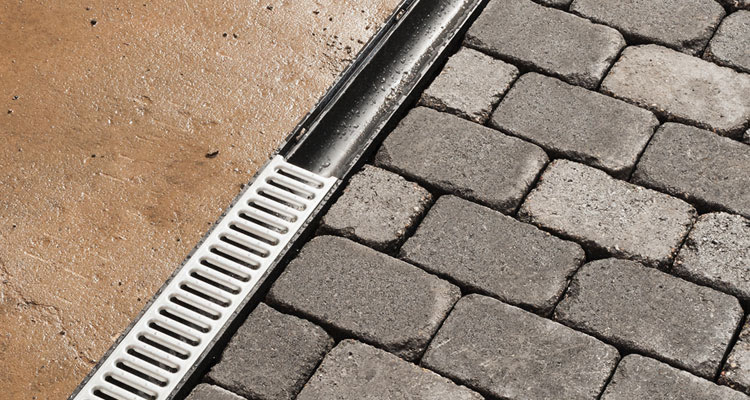
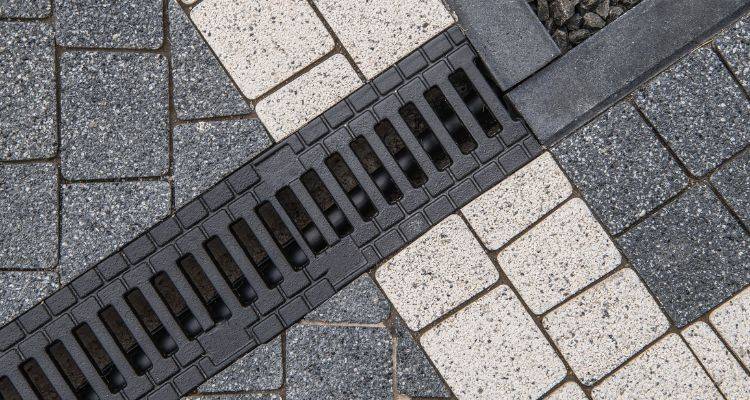
An ACO drain, also called a channel drain or trench drain, is a linear drainage solution often installed alongside or instead of a soakaway. It collects surface water across a linear run and directs it into an underground drainage system, making it a popular choice for driveways, patios, and the base of garage doors.
Materials for the channel and grate typically cost £15 to £60 per metre, depending on whether you choose a standard plastic domestic channel or a heavier-duty metal grate. Labour usually makes up the bulk of the cost, running from £250 to £600 or more, bringing most domestic installations to a total of £400 to £1,500.
Retrofitting a channel drain into an existing driveway typically costs £450 to £950 for a standard 3 to 4 metre garage threshold run. Cutting through block paving or concrete adds more to the cost than tarmac, which is quicker to reinstate.
Channel drains still need somewhere to discharge water. If there's no existing drain to connect to, a new soakaway will be needed alongside, which brings the combined cost to around £1,000 to £2,500 in total.
How Do I Know if I Need a Driveway Soakaway?
In England and Wales, you are responsible for the drains serving only your property that are within the property boundary.
You should make sure that water doesn't pool on your property or run off on to the pavements surrounding it as a result of rainwater accumulation.
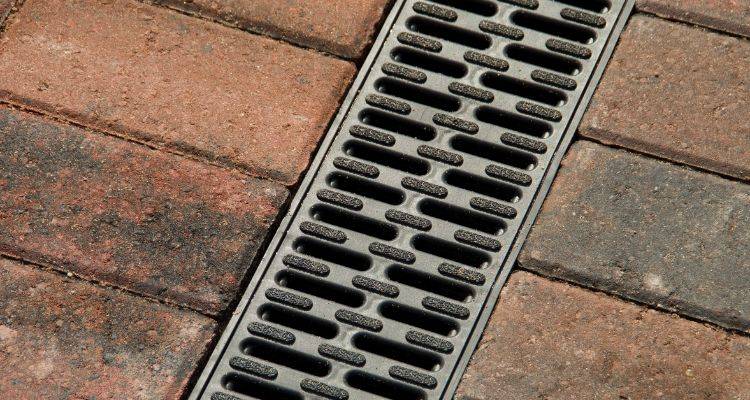
Making a soakaway drain is one way of managing excess water if you live in an area with poor drainage. Soakaways deal with surface water issues by collecting and containing rainwater so it can gradually drain into the ground instead of contributing to waterlogging.
If you have any of the following at your property, you'll likely need to install a soakaway:
- High Volume of Impermeable Surfaces — The fewer natural surfaces there are, the more chance there is for standing water issues on patios, pavements, drives, and roads.
- Existing Drainage Issues — If you live in an area where there is already an issue with standing water, you're likely to need soakaways installed as a solution.
- Building Regulations — In England and Wales, new drainage should ideally be directed to a soakaway where practical, then the watercourse, and finally the sewers as a last resort.
Your soakaway specialist will carry out a percolation test to assess the soil to see how quickly water drains from it.
Heavy clay soils and closely compacted soils won't drain well and are often unsuitable for soakaways, but a percolation test shows whether the ground can take one. Sand, chalk, gravel, and clay and sandy loam will mostly all be suitable for soakaways.
We need to put in a drainage system to take rainwater down the drive and away. How much is an approx 10 metre linear drain system with soakaway in drive inc. removal and re-laying of block paving?
"I would recommend a site visit first to see what your best options would be, as there could be other options. An existing soakaway, if big enough, could be connected or expanded to facilitate the extra load, and this could work out cheaper.
We would first need to calculate the area and conduct a ground percolation test to check adequate ground drainage. If there is a nearby surface drain or combined line, we could possibly connect to this."
We would first need to calculate the area and conduct a ground percolation test to check adequate ground drainage. If there is a nearby surface drain or combined line, we could possibly connect to this."
What to Consider When Installing Soakaways
Before hiring a contractor to install a soakaway, you first need to consider what you need and if a soakaway is the right solution for your property:
- Check Whether a Soakaway Is Suitable for Your Soil — A percolation test will show how quickly water drains and whether your ground can support a soakaway system.
- Think About Where the Water Will Come From — Roof runoff, patios, and driveways all create different drainage loads, which affect the soakaway size required.
- Allow Enough Distance from Buildings — Soakaways should normally be installed at least 5 metres away from your home to protect foundations.
- Consider Access for Excavation — If the installer needs to break through paving or work in a tight area, labour costs will rise.
- Combine Driveway Work Where Possible — If you're already replacing paving or adding drainage channels, doing both jobs together usually reduces labour costs.
- Check Whether Existing Drainage Can Be Reused — In some cases, an existing drain or pipe run can be adapted instead of installing a completely new system. A drain survey can help determine what is needed.
Soakaway Maintenance Costs
Soakaways are largely low-maintenance, but they do require occasional attention to stay effective. The main cost to budget for is unblocking, which is typically needed when silt or debris builds up in the inlet pipe or the crate system itself.
The most common fix is high-pressure water jetting, carried out by a drainage specialist. This flushes accumulated silt through the system and usually takes a few hours. Jetting a blocked soakaway typically costs between £100 and £400, depending on the severity of the blockage and ease of access.
If jetting doesn't resolve the issue, it usually means the soakaway has silted up beyond recovery and needs replacing. A full replacement costs broadly the same as a new installation, around £660 to £1,200 for most domestic systems.
To reduce the risk of blockages, keep gutters and downpipes clear of leaves and debris. This is the single most effective way to prevent silt entering the system in the first place.
Warning signs that your soakaway needs attention:
- Water pooling around gullies or drainage points after rainfall.
- Water drains away much slower than it used to.
- Soggy patches of ground above the soakaway location.
- Unpleasant smells coming from standing water near drainage points.
Soakaway vs Permeable Driveway
It's worth considering whether a permeable driveway might solve your drainage problems instead. While soakaways cost around £850, permeable paving runs £70 to £100 per square metre, but replaces your driveway at the same time.
If you're already planning driveway work, permeable surfaces could prevent the need for a separate soakaway. However, if your existing driveway's in good condition, adding a soakaway makes more financial sense and is the more cost-effective option.
Here are some comparisons between soakaway costs and permeable driveway costs to help you make an informed decision:
| Factor | Soakaway | Permeable Driveway |
|---|---|---|
| Initial Cost (60m² drive) | £850–£1,100 | £4,200–£6,000 |
| 10-Year Maintenance | £250–£400 | £200 |
| Best For | Good existing driveways | Driveway replacement needed |
Want a custom price?
Post your job
Doing It Yourself
Driveway soakaway installation is not a simple DIY job. It is best left to professional plumbers and soakaway specialists to ensure the installation is done correctly and in line with Building Regulations guidance.
Your installer will take the following steps to install a soakaway:
- Site Assessment — Before any installation begins, your soakaway fitter will assess the land. The soil will be tested to see how it drains, and the soakaway will be positioned following Building Regulations guidance, avoiding underground services like electrical cables, gas, or water supplies. Soakaways should be at least 5 metres from a building or a road.
- Excavation — Your installer will then start excavating the land, creating a pit for making a soakaway. Different calculations will be made to determine the depth and volume depending on your type of soakaway system. Any natural debris, such as roots or rubble, will be cleared.
- Base Preparation — Once cleared, the pit will have a layer of pea shingle or sharp sand added and levelled out.
- Add Soakaway Crates and Connect the Inlet Pipe — Soakaway crates will then be installed as per the manufacturer's instructions, and the inlet pipe will be connected.
- Backfilling — The soakaway will then be backfilled to stabilise the system.
Checklist: Hiring a Soakaway Drain Installer
When you start looking for soakaway installation near you, keep the following in mind to ensure you're hiring the right contractor for the job:
- Choose a specialist – Look for companies with experience in soakaway and drainage installations rather than general groundwork alone.
- Get at least 3 quotes – Comparing several installers helps you understand your local price range and spot unusually high or low estimates.
- Ask for an itemised quote – Make sure labour, materials, waste removal, and any survey or approval costs are clearly listed.
- Check previous work – Ask to see photos, reviews, or examples of similar soakaway projects they have completed.
- Understand regulations – Your installer should be aware of drainage rules, including minimum distances from buildings and boundaries.
- Check whether reinstatement is included – If paving, tarmac, or lawn needs restoring afterwards, confirm whether this is part of the quote.
Ask a Trade
Got a question that only a tradesperson can answer? We have thousands of trades ready to answer any question you may have.
Ask your question

FAQs
How Does a Soakaway Drain Work?
When rain hits your roof and driveway, it needs somewhere to go and that's where a soakaway comes in. Underground, you've got a gravel-filled chamber or crate system collecting all that water through pipes, giving it time to naturally seep away into the surrounding soil.
How Long Should a Soakaway Take to Drain?
A soakaway is designed to drain from full to half empty in 24 hours or less. If it takes longer than this then it may be silted up, blocked, or too small for the area it is draining.
How Long Will Soakaway Installation Take?
Typically, the new drain system (installation only) should last from 1 to 3 days. If you do additional paving work or choose to install water lines and pumps, this can increase the duration of your drainage installation up to 2 weeks in some homes.
What's the Difference Between Soakaway and Drainage Costs?
New drainage systems typically run £500 to £1,000, while soakaways cost around £850 on average. The difference is that soakaways handle surface water only, while full drainage systems deal with wastewater too, hence the price variation.
Can I Install the Drains Myself?
It is not advised. If possible, you should hire a local contractor and plumbing team to do this job for you outside of the home to ensure precision and accuracy in the fitting and installation.
Do I Need Planning Permission to Install a Soakaway?
Rules vary across the UK, so always check with your council's planning department before work begins. If you are replacing an old soakaway, permission is not required usually.
What Is the Life Expectancy of a Soakaway?
The lifespan of a soakaway will depend on the type of soakaway, soil conditions, the amount of water it handles, and whether debris is prevented from entering the system. Over time, soakaways can become less effective if silt builds up.
Can I Install a Soakaway in Clay Soil?
Clay soil is one of the most difficult ground types for soakaways because water drains through it very slowly. In some cases, a soakaway may still be possible, but only if a percolation test shows the ground can absorb water at an acceptable rate or if the soakaway is made larger to compensate, but usually alternative drainage solutions are recommended for clay soil.
How Much Does It Cost to Unblock a Soakaway?
Unblocking a soakaway typically costs between £100 and £400. The most common method is high-pressure water jetting, which flushes silt and debris from the inlet pipe and crate system. If jetting doesn't resolve the issue, the soakaway may need replacing entirely.