Builders
 Carpenters
 Electricians
 Flooring Specialists
 Gardeners
 Handymen
 Heating Engineers
 Painters & Decorators
 Plasterers & Renderers
 Plumbers
 Roofers
 Tilers
 my
myResin Driveway Cost
At a Glance
- The average resin driveway costs around £4,500 in the UK.
- Installing a new resin driveway typically takes 2 to 5 days.
- Resin driveway cost examples and typical costs per m² in 2026.
- What's involved and how long it'll take.
- How to find a local driveway installer on MyJobQuote.
Get free estimates
Are you a trade? Get more work today!
Want to know how much a new resin-bound driveway costs to lay?
In 2026, most UK homeowners can expect to pay between £1,800 and £8,000 for a resin driveway, depending on the size, the resin system used, and how much preparation work is needed.
"Resin driveway" is the umbrella term for this type of surface, covering two main systems: resin bound, where resin and aggregate are pre-mixed for a smooth, trowelled finish, and resin bonded, where loose aggregate is scattered over a layer of resin for a more textured surface. This guide covers resin driveway costs as a whole, and notes where pricing differs between the two systems.
Read on to find out what impacts resin driveway costs and how much you can expect to budget.

£4,500
Table of Contents
- How Much Does a Resin Driveway Cost?
- Calculate the Cost of a Resin Driveway
- How Much Do Resin Driveway Installers Cost? (Labour Only)
- Cost of Resin Driveway Materials (Supply Only)
- Cost of Resin Driveway Alternatives
- Factors That Impact Resin Driveway Costs
- Additional Resin Driveway Costs
- What's Involved in Installing a Resin Driveway?
- Resin Driveway Benefits
- Cost of Maintaining a Resin Driveway
- Checklist: Finding a Resin Driveway Installer Near You
- FAQs
How Much Does a Resin Driveway Cost?
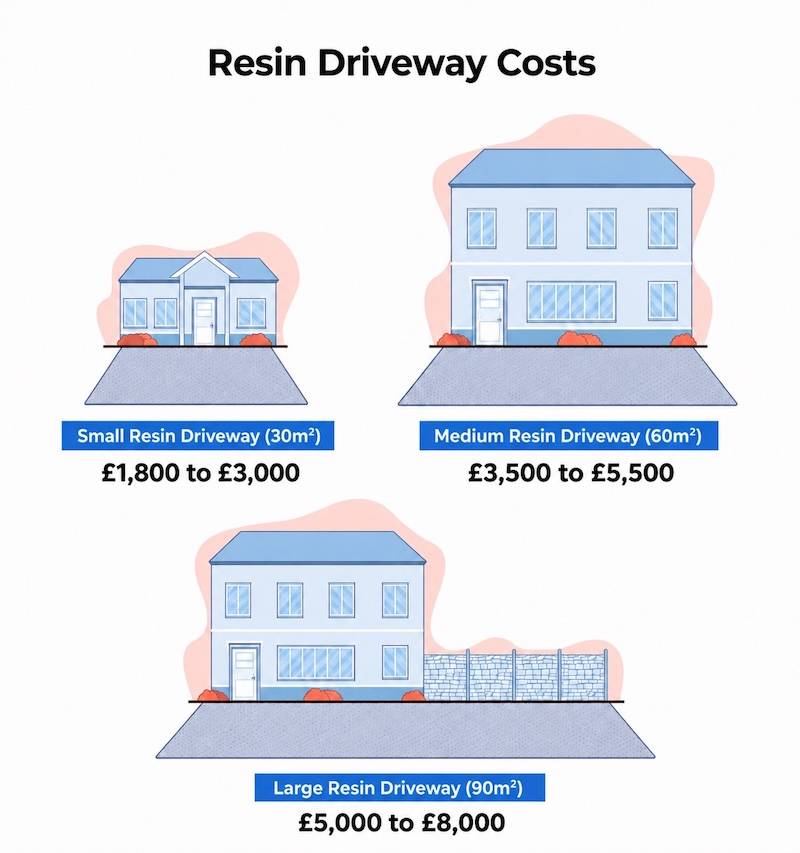
The average cost of installing a resin driveway is approximately £60 to £95 per m², and most jobs take between 2 and 5 days to complete. This means a typical 60m² driveway will usually cost between £3,500 and £5,500.
However, what a resin-bound driveway costs and how long it takes will depend on the complexity and scale of the job.
The duration of the job, and therefore the cost, will be affected by the size of the driveway and its current condition, as one of the biggest resin-bound driveway costs is labour, which can be between £300 and £500 per day for a typical team of installers.
What resin driveway feature do you consider most important?
Durability and long-lasting
4 votes - 29%29% of votes
Low maintenance and easy to clean
2 votes - 14%14% of votes
Affordable and budget-friendly
6 votes - 43%43% of votes
Overall appearance or design
2 votes - 14%14% of votes

14 votes
See results
Hide results
Resin Driveway Price List
Below, we break down the typical cost of a resin-bound driveway using the most common driveway sizes.
For a straightforward resin driveway installation, materials will usually account for the majority of the total cost, with labour making up the rest.
| Driveway Size | Material Cost | Labour Cost | Total Cost |
|---|---|---|---|
| 30m² | £1,200–£2,000 | £600–£1,000 | £1,800–£3,000 |
| 60m² | £2,400–£3,800 | £1,100–£1,700 | £3,500–£5,500 |
| 90m² | £3,400–£5,400 | £1,600–£2,600 | £5,000–£8,000 |
Want a custom price?
Post your job
Resin Driveway Cost per m²
In most cases, resin driveway installation costs work out at around £60 to £95 per m², depending on the size of the driveway, the resin system used, and how much preparation is needed.
The table below shows a typical breakdown of those costs.
| Type | Cost per m² |
|---|---|
| Materials | £40–£65 |
| Labour | £15–£30 |
| Total | £60–£95 |
Want a custom price?
Post your job
What colour resins are generally offered for a resin driveway?
"There are many colours and blends, so it depends on the property for the contrast and colour coordination. For example, if it’s a brick house, you would go for earth colours; a light coloured house may suit a dark colour. It is a personal preference, and you can combine colours, e.g., for a pathway, driveway, and borders."
Calculate the Cost of a Resin Driveway
Want a clearer idea of what your resin driveway project might cost?
Try our resin driveway cost calculator for an instant, personalised estimate.
You'll just need a few basic details, including the size of your driveway, the resin finish you'd like, and the condition of your existing surface.
This calculator is a starting point. For an exact price, get quotes from local installers near you.
How Much Do Resin Driveway Installers Cost? (Labour Only)
| Driveway Size | Labour Duration | Labour Cost |
|---|---|---|
| 30m² | 2 days | £600–£1,000 |
| 60m² | 2 to 3 days | £1,100–£1,700 |
| 90m² | 3 to 5 days | £1,600–£2,600 |
Want a custom price?
Post your job
The labour cost for installing a resin driveway typically ranges from £600 to £2,600, based on the size of the driveway and existing surface.
Most resin driveway installations are carried out by a small team, with labour costs ranging from £300 to £500 per day, depending on location and experience.
Best Time to Install a Resin Driveway
In the UK, the best time to install resin-bound driveways is usually late spring or early autumn, as mild temperatures and dry conditions are ideal for proper curing of the resin.
It's best to avoid winter installations, as colder temperatures and increased rainfall during your resin driveway installation can compromise the quality of the finish. Most reputable companies account for this in their quote by including a weather clause.
Cost of Resin Driveway Materials (Supply Only)
If you wanted to lay your own resin driveway, removing labour costs, the approximate material costs for a 60m² driveway would be:
| Supplies | Unit Cost | Estimated Cost for 60m² Driveway |
|---|---|---|
| Aggregate | £8–£20 per 25kg bag | £400–£960 |
| Bound Resin | £40–£60 per 7.5kg tub | £720–£1,100 |
| Bonded Resin | £140–£170 per 31kg kit | £840–£1,000 |
| Resin Primer | £30–£40 per 7kg tin | £75–£145 |
| Anti-Slip Crushed Glass | £10–£15 per 5kg bag | £60–£90 |
| Sand | £4–£8 per 25kg bag | £95–£190 |
Want a custom price?
Post your job
The total estimated DIY material cost for a 60m² resin driveway is approximately £2,200 to £3,500, depending on the type of resin system used, the quality of materials selected, and whether additional preparation products are required.
For people on a tighter budget, resin driveway kits can sometimes offer a cost-effective option, although careful preparation and accurate mixing are essential for a durable finish.
UV-stable resin typically costs £5.30 to £5.90 per kg, against £4.20 to £5.20 per kg for non-UV. For resin-bound driveways, installers typically use around 2 to 3kg of resin per m², based on the depth of the surface and the aggregate used.
A typical driveway will require approximately:
- 30m² Driveway — around 60 to 90kg of resin.
- 60m² Driveway — around 120 to 180kg of resin.
- 90m² Driveway — around 180 to 270kg of resin.
What's best drive surface for covering a sloping driveway?
"You could use any surface really, however, if it's a steep slope, I wouldn’t recommend using gravel as it has a lot of movement. Tarmac, resin, or concrete are good options as they form a solid unit and don’t separate."
Cost of Resin Driveway Alternatives
If you want to calculate driveway costs but aren't sure how they compare to other popular driveway types, this table will help. Take a look at the most common driveway types and their cost per m²:
| Type of Driveway Material | Cost per m² (low to high) |
|---|---|
| Gravel | £40–£70 |
| Tarmac | £45–£80 |
| Resin | £60–£95 |
| Block Paving | £70–£120 |
| Concrete | £85–£135 |
Want a custom price?
Post your job
Block paving and concrete are usually among the more expensive driveway options, while gravel and tarmac tend to sit at the lower end of the price range. Resin is often a mid-range option, offering a balance between appearance and durability.
Below is a quick comparison of the main alternatives to resin driveways.
Block Paving Driveway Cost
- Best For: Decorative, customisable, and durable driveways.
- Typical Installed Cost: £70 to £120 per m².
Block paving is one of the most attractive driveway options and is available in a wide range of colours, sizes, and laying patterns. A typical 60m² block paved driveway usually costs around £4,500 to £7,500. It is durable and visually appealing, but installation is more labour-intensive than resin and usually takes longer.
Gravel Driveway Cost
- Best For: Affordable and quick-to-install driveways.
- Typical Installed Cost: £40 to £70 per m².
Gravel driveways are one of the cheapest driveway options, with a typical 60m² driveway usually costing around £2,500 to £4,200. Gravel is quick to install, naturally permeable, and available in a wide range of stone types and colours, although it can shift over time and usually needs more maintenance than resin.
Tarmac Driveway Cost
- Best For: Durable, traditional, and cost-effective driveways.
- Typical Installed Cost: £45 to £80 per m².
Tarmac driveways are a practical and durable option, with a typical 60m² driveway usually costing around £2,500 to £5,000. They are relatively quick to install and often cheaper than resin, but they offer less choice in terms of appearance and are not naturally permeable unless additional drainage is included.
Concrete Driveway Cost
- Best For: Durable and minimal maintenance driveways.
- Typical Installed Cost: £85 to £135 per m².
Concrete driveways are a strong and long-lasting choice, with a typical 60m² driveway usually costing around £5,000 to £7,500. They can be finished in a plain, coloured, or patterned style, but they are generally more expensive than resin and may require more extensive preparation and curing time.
Which is the more permeable driveway material - sandstone paving or resin?
"Resin is permeable but would need a solid base underneath, preferably tarmac. Sandstone wouldn’t be permeable as it would need to be laid on a strong sharp sand/cement base."
Factors That Impact Resin Driveway Costs
There are multiple factors that can increase the overall cost of your new resin driveway. As well as the likes of your postcode (for example labour fees are generally higher in London and the South East), below we take a look at a number of other cost factors to consider:
Driveway Size and Shape
The shape and driveway size will increase the overall cost of the job, with larger projects or complex designs being proportionally more expensive. Likewise, if there is any cracked concrete, unstable ground, or pebbled areas where the resin driveway is to be laid, additional groundwork may be required, therefore increasing the overall cost of the job.
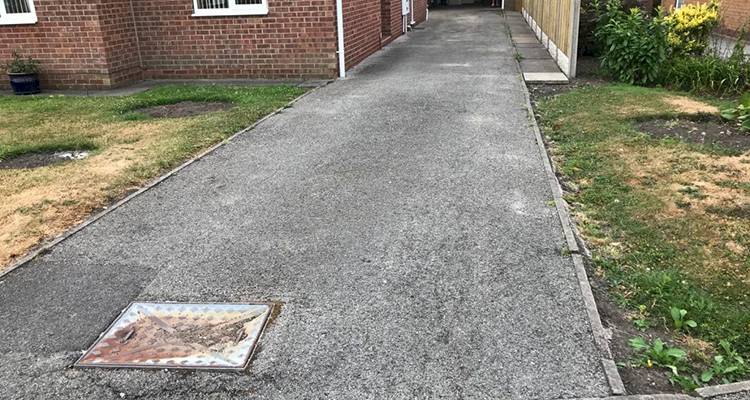
If you already have a concrete driveway, it may be possible to lay the new resin straight on top. However, you may be after a new driveway altogether, in which case the resin driveway fitter will have to remove the old driveway first and then prepare the base. As you can imagine, this is time-consuming and will add significant costs to the job.
Existing Driveway
Resin driveways need to have a completely flat and stable base before they are laid, so it is important that they are not laid onto any existing surface which is cracked, crumbling, or could move.
If you have a gravel driveway, all of the gravel needs to be removed before the resin is laid, which will increase your resin driveway installation costs.
Is it possible to have a resin-based driveway installed atop a concrete driveway?
"Yes, you can lay resin on concrete. Obviously, you have to put a sealant over the concrete first and repair any cracks."
Type of Resin and Stone
Resin-bonded driveways are cheaper but require more maintenance, while resin-bound surfaces cost more for a smooth, low-maintenance finish. UV-stable resin comes at a higher cost, but helps to limit colour change, while non-UV-stable resin darkens over time.
The size of aggregate used can also affect the final price, with longer installation times sometimes needed for larger aggregate. The depth of your resin-bound surface will depend on the size of stone used, as bigger stones need to be laid in a deeper layer. Opting for bigger stones can increase the overall cost but improve drainage and reduce puddles.
Type of Edging
A stable edge is essential to keep resin driveways and pathways in place, creating a smooth finish while avoiding leaving any loose stones.
The type of edging can also affect the overall cost. Brick edging is often one of the most common and cost-effective choices, while stone and metal edging usually cost more. If your resin driveway is already bordered by a wall or existing edging, the total cost may be lower as less additional edging will be needed.
Sub-Base Condition
The sub-base is another factor that affects your resin driveway cost. If the current driveway already has a stable base, less groundwork is required. A site survey will usually assess this, but if the sub-base needs replacing or the existing base needs fixing first, this can increase the final price.
Additional Resin Driveway Costs
Here are some additional jobs to consider when installing a resin-bound driveway:
Cost of Installing a Soakaway
If your resin driveway is impermeable and doesn't allow water to run to a lawn, border, or other permeable area, you will need to install a soakaway. A soakaway drain costs around £850, although smaller systems can start from £660, while larger driveway soakaways can cost £1,000 to £1,200 or more for proper drainage.
Cost of Installing a Driveway Gate
Adding a new gate at the end of the driveway is another job to consider, as this can also help create boundaries and add an extra level of security to your property. If you already have the pillars and structure in place then the average costs for installing a driveway gate start from approximately £700.
Cost of Dropping the Kerb
As with any new driveway, you may need to consider the cost of dropping a kerb, which averages around £2,000, to gain easy access to the road. It's a legal requirement to have a dropped kerb if you need to drive over a pavement to access your driveway, and you'll need permission from the council to have one installed.
What's Involved in Installing a Resin Driveway?
Installing a resin driveway isn't a straightforward DIY job, so most homeowners hire a professional. Here's a quick overview of what to expect.
Before the Job
- Surface Preparation — The surface is prepared based on its current condition, which may involve removing old tarmac or gravel and excavating for a stable sub-base.
- Edging Installed — If you've chosen edging, it's fitted first so the resin and aggregate can meet it directly when laid.
During the Job
- Applying Resin and Aggregate — The resin and aggregate are mixed for a minute or two then immediately spread across the surface and trowelled smooth.
- Anti-Slip Additives — If chosen, anti-slip glass is scattered over the freshly trowelled surface, so it bonds and provides grip.
After the Job
- Curing Time — The surface needs to cure before walking or driving on it, in line with the manufacturer's and installer's guidelines.
- Clean-Up — Installers clear away any leftover materials and debris, and advise when it's safe to use the driveway.
Do resin driveways provide resistance to really hot and cold weather, like heatwaves and frost?
"They are resistant to heat and frost. The resin sets hard and it will be able to resist heat. It is also frost-resistant. They are prone to needing a good cleaning by a reputable company as they can become dirty and hold a lot of moss. But they are a better option than tarmac."
Ask a Trade
Got a question that only a tradesperson can answer? We have thousands of trades ready to answer any question you may have.
Ask your question

Resin Driveway Benefits
Choosing to have a resin driveway installed comes with many benefits, some of which are outlined below:
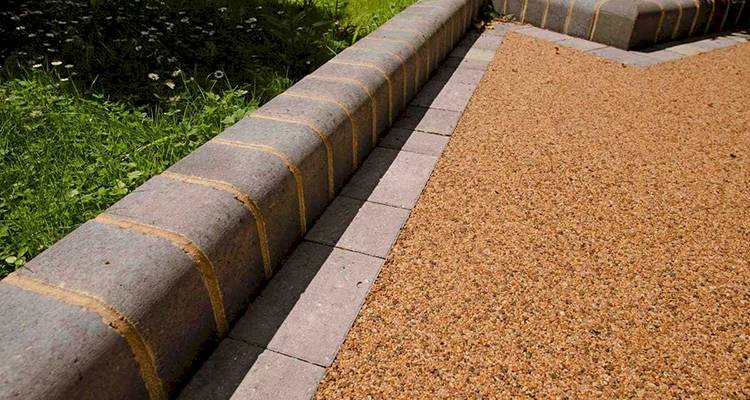
- Highly Durable — Resin driveways offer an extremely hard-wearing, resin-bound surface that's resistant to temperature changes, impact, and heavy footfall, keeping their appearance intact even with everyday family activity. Only UV-stable resin will hold its colour over time, however.
- Long-Lasting — With an average lifespan of around 15 to 25 years when installed correctly (although this can vary by manufacturer), resin driveways provide a long-lasting and low-maintenance surface that requires minimal upkeep, making them a cost-effective solution for your home.
- Low Maintenance — Resin-bound driveways on a permeable base let rainwater run through, reducing puddling, while proper edging helps keep the surface intact over time. Weed membranes can be fitted under the base to stop weeds from growing up from below the driveway.
- Highly Versatile — Resin can be used for driveways, patios, and pathways, with options for UV-stable resin or non-UV resins and anti-slip finishes, allowing consistent design and safe surfaces around your home.
- Aesthetically Pleasing — Resin driveways enhance visual appeal and improve safety, making them a potential selling point if you decide to move.
- Variety of Styles — Available in many colours and aggregate sizes (1 to 10mm), with diverse edging options like brick, stone, wood, or aluminium, letting you customise the look to suit your home.
- Fast to Install — Resin driveways are usually quicker to install than many other driveway types. Most jobs take around 2 to 5 days depending on the size of the driveway and how much preparation is needed. Once laid, the surface can often be driven on within around 3 days, depending on weather conditions and the system used.
Could you give me an idea of the pros and cons of resin driveways?
"Resin driveways are excellent, porous, and hard-wearing. Cost should be considered when constructing any new driveway."
Cost of Maintaining a Resin Driveway
A high-quality resin-bound driveway does not need much maintenance to stay looking good. Here are a few ways to keep your new driveway clean:
| Maintenance Job | Typical Cost | How Often |
|---|---|---|
| Weed Removal | £5–£20 | As needed |
| Algae and Moss Treatment | £10–£15 | 1 to 2 times a year |
| Oil Spill Treatment | £3–£6 | As needed |
| Jet Washing Hire | £25–£40 | Every 2 to 3 months |
| Professional Jet Washing | £80–£200 | Annually |
Want a custom price?
Post your job
Removing Weeds
Do weeds come through resin driveways?
This type of driveway is very weed-resistant, but when they do occasionally come through, removing them promptly is recommended.
Ideally, you should try and remove them by hand if you can, making sure to remove the whole root, not just snapping off the visible weed. But if you have a more serious weed problem, you are able to use a domestic style of weed killer or specialised herbicide. This will not do any damage to your resin driveway but will remove those pesky weeds.
Removing Algae
The professional labourer who laid your new resin driveway should give you instructions as to what you are able to treat any algae or moss issue with so as to not cause damage to your resin driveway.
Generally, most well-known brands of moss and algae killers, such as "Algon" for example, will be safe to use, but you must always check before doing so. You should always remember to wash the surface of your resin driveway thoroughly after you have applied any algae and/or moss killer so that it does not stain or bleach the surface of the resin.
Removing Oil Spills
Trying to avoid the occurrence of oil being spilt onto your resin driveway is the ideal here, but we know that accidents can happen no matter how careful we try to be. If an accident involving oil or grease does happen, don't despair! But you will need to treat them as quickly as possible.
The longer you leave oil or grease on the resin surface, the more damage it will do, so soak it up with something absorbent straight away.
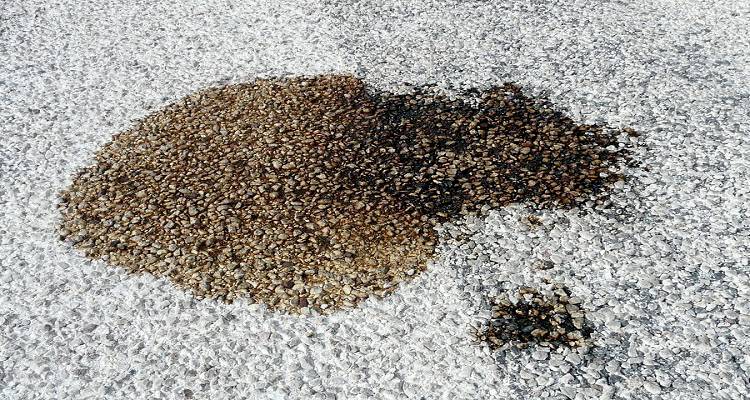
If the stain is still there, mix an emulsifying degreaser in warm water to wash down the affected areas.
Leave this on the resin surface for around 10 minutes, and then be sure to remove the detergent from your resin driveway. You can do this really quickly and easily by simply jet-washing your resin driveway until all traces of the detergent are gone.
How do I make sure that I don't damage my resin driveway when I'm jet washing it?
"A good power washer on a low setting without holding it in one place for too long is perfect for the job.
Failing that, get a professional to clean it and then you yourself keep on top of it once every 2 weeks or so (when you're washing the car/watering the plants). Just run a hose pipe over it to remove any dirt build up etc."
Failing that, get a professional to clean it and then you yourself keep on top of it once every 2 weeks or so (when you're washing the car/watering the plants). Just run a hose pipe over it to remove any dirt build up etc."
Checklist: Finding a Resin Driveway Installer Near You
Installing a resin driveway requires expertise from someone with the right experience. As such, here are some key points to consider when hiring someone for the job:
- Are they experienced and approved to install the resin system? Checking how long the contractor has been in operation will help ensure you know how much hands-on experience they have. Resin manufacturers train and approve installers for installing their products, and the guarantee may depend on having an approved contractor lay the driveway.
- Do they have Public Liability Insurance? Having the right insurance will cover you in the event of personal injury or accidental damage. It's also a good idea to check their work comes with a written guarantee.
- Do they have examples of previous jobs? Ask to see their portfolio or photos of resin driveway installations that they have recently completed that are comparable to yours.
- Have they received positive reviews? Check their MyJobQuote profile for any reviews and customer feedback, indicating customer satisfaction and professionalism.
- Have you requested more than one quote? Always compare quotes with other professional driveway installers. At MyJobQuote, we can put you in touch with tradesmen in your area with no obligation to go ahead with the work.
- Have you checked there aren't additional costs? Ensure the quote is itemised and includes everything you expect to be covered, including the likes of waste removal and the total price for the completed installation.
FAQs
How Do You Repair a Resin-Bound Driveway?
Small repairs to a resin driveway are usually made by cutting out the damaged section, removing loose material and debris, and then filling the area with fresh resin mixed with matching aggregate. For the best finish, it is usually worth asking the original installer or a resin specialist to carry out the repair.
Does a Resin Driveway Add Value to Your House?
There's no official data on how much value a resin driveway might add to your home, but a neat, well-finished driveway can increase your property's appeal to potential buyers. Resin driveways are valuable to prospective buyers as they are a low-maintenance, long-lasting surface that provides high kerb appeal.
Do I Need Planning Permission for a Resin Driveway?
In England and Northern Ireland, planning permission is needed for a front driveway over 5m² if water can't drain through it and water doesn't run into a lawn or other permeable space. In Scotland and Wales, the 5m² rule doesn't apply and permission is needed for any size of impermeable driveway that doesn't drain to a permeable surface.
Can I Install a Resin Driveway Myself?
Installing a resin driveway yourself as a DIY project is not recommended, as it requires the right experience and suitable equipment. It is usually safer and more cost-effective in the long run to hire a professional, as the work involves proper ground preparation, drainage checks, correct resin-to-aggregate ratios, and much more.
How Much Does It Cost to Remove a Resin Driveway?
Removing a resin driveway will usually cost around £800 to £1,800, depending on the size of the area, the condition of the base underneath, and waste removal requirements. This does not include the cost of resurfacing the area or installing a replacement driveway.
Do I Need a UV-Stable or Non-UV-Stable Resin Driveway?
UV-stable resin is the better choice for most resin driveways, as it resists colour change and gives a consistent appearance on surfaces exposed to sunlight, while non-UV resin is the cheaper option upfront but can darken over time. UV-stable resin is generally recommended, with non-UV typically chosen only where budget is the main priority.
Is Resin or Tarmac Cheaper for a Driveway?
Tarmac is generally the cheaper option upfront, costing around £45 to £80 per m² compared to £60 to £95 per m² for resin. However, resin driveways tend to need less maintenance over time and offer a wider choice of finishes, which can make them better value in the long run.
How Long Does a Resin Driveway Last?
A resin driveway may last around 15 to 25 years, depending on the manufacturer, when installed correctly, making it a long-lasting, low-maintenance option compared with some other driveway surfaces.