Builders
 Carpenters
 Electricians
 Flooring Specialists
 Gardeners
 Handymen
 Heating Engineers
 Painters & Decorators
 Plasterers & Renderers
 Plumbers
 Roofers
 Tilers
 my
myCost of Moving a Boiler
At a Glance
- The average cost of moving a boiler in the UK is around £750.
- Most jobs take between 1 and 2 days to complete.
- Boiler relocation costs in 2026 for moving an existing boiler.
- What the process involves and any additional factors that may impact the price.
- How to find a local heating engineer with MyJobQuote.
Get free estimates
Are you a trade? Get more work today!
£750
Table of Contents
- How Much Does It Cost to Move a Boiler?
- Labour Cost to Move a Boiler
- Factors That Impact the Cost of Moving a Boiler
- Additional Costs of Moving a Boiler
- Where Can You Move a Boiler To?
- Move Your Existing Boiler or Install a New One?
- What's Involved in Moving a Boiler?
- Checklist: Finding a Local Tradesperson to Move a Boiler
- FAQs
How Much Does It Cost to Move a Boiler?
So, how much does moving a boiler cost?
The average cost of boiler relocations ranges between £500 and £1,000. However, this can vary based on the individual scenario and can reach £1,500 when moving a conventional boiler, or likewise if there's extensive pipework required which can impact the overall boiler cost.
The final price will depend on several factors, including the distance between the old boiler and new boiler locations, how much pipework needs rerouting, and whether additional materials such as flue extensions are required.
What is your main reason for relocating your boiler?
Replacing or upgrading an existing boiler at the same time
0 votes - 0%0% of votes
To improve heating efficiency and layout
0 votes - 0%0% of votes
To create additional space
0 votes - 0%0% of votes
Moving the boiler into a more convenient location
0 votes - 0%0% of votes
Part of a wider renovation project
1 votes - 100%100% of votes

1 votes
See results
Hide results
Moving a boiler is a specialist job that should always be carried out by a qualified heating engineer. This is especially important if the system involves gas connections, which must legally be handled by a Gas Safe registered professional.
Boiler Relocation Cost
Moving a boiler can often become a more extensive job than simply installing a new boiler. This is because it involves dismantling the boiler's pipework and fittings, then reinstalling it in its new location.
The below table shows the average relocation cost for conventional, system, and combi boilers:
| Boiler Type | Relocation Cost |
|---|---|
| Combi Boiler | £500–£1,200 |
| System Boiler | £600–£1,400 |
| Conventional Boiler | £700–£1,500 |
The table below shows average costs by relocation scenario, which is one of the biggest factors affecting the final price:
| Relocation Scenario | Average Cost | Notes |
|---|---|---|
| Within the same room | £500–£800 | Shortest move, minimal new pipework required. |
| To a different room (same floor) | £700–£1,200 | Longer pipe runs and a new flue outlet likely needed. |
| Upstairs to downstairs (or vice versa) | £800–£1,400 | Floorboards may need lifting, more extensive pipework required. |
| To the loft | £900–£1,500 | Frost protection and pipe insulation are usually required. |
| To a garage or outbuilding | £900–£1,500 | Gas pipe extension and weather protection add to cost. |
Want a custom price?
Post your job
Labour Cost to Move a Boiler
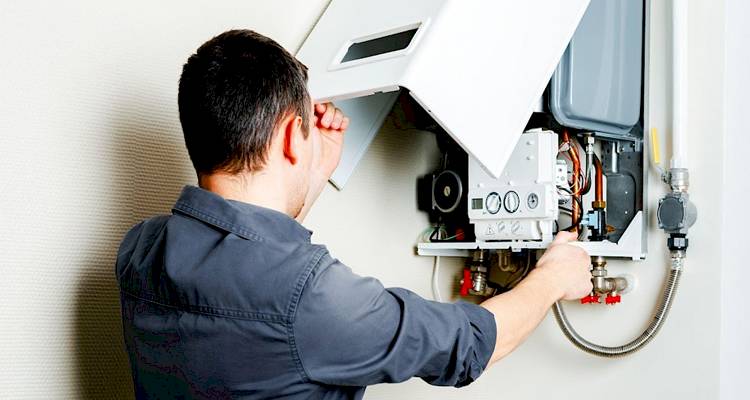
When moving a boiler from one location to another, you will need to hire a qualified engineer to carry out the work.
Heating engineers will usually work at an hourly rate, with labour costs of around £40 to £60 per hour.
In London and the surrounding areas, you can expect labour costs to rise to between £60 to £80 per hour due to the increased demand.
Total labour costs will depend on the individual plumber, the amount of experience they have, the complexity of the job, and your location in the UK.
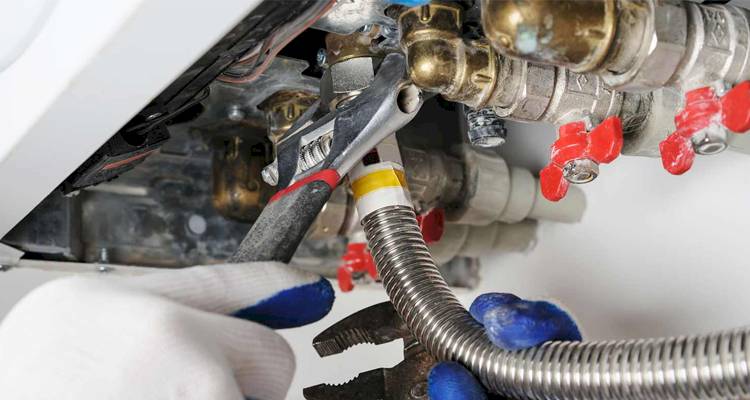
In most cases, it will usually take around 1 to 2 days to move a boiler, depending on how far you are moving it and the job's difficulty.
Based on these rates and typical job durations, you can expect total labour costs of around £300 to £600 for a straightforward same-room move, rising to £600 to £1,200 for a more complex relocation such as moving a boiler to a different floor or the loft.
It's a good idea to get this job done during the summer so that you don't have to go too long without your heating or hot water.
Factors That Impact the Cost of Moving a Boiler
Several factors can influence the overall cost of relocating a boiler. The final price will largely depend on the complexity of the job, the boiler type, and how much pipework or additional materials are required.
- Distance You Are Moving the Boiler — Relocating your existing boiler can vary in price depending on the distance and the complexity of the work involved. Moving a boiler a short distance within the same room is usually cheaper than relocating it altogether.
- Size of the Boiler — The larger the boiler, the more difficult it is to move. Bigger boilers often take longer to relocate and can require more than one pair of hands, which increases labour costs.
- Type of Boiler — Different types of boilers can be easier than others. For example, oil boilers are more complex to relocate compared to a standard gas combi boiler, often requiring additional safety measures and specialist knowledge.
- Ease of Access — If the installation point is difficult to access, the job may take longer to complete. Restricted access can increase labour costs due to taking longer and may require additional assistance.
- New Location — The distance between the old boiler and new locations can significantly affect the price. Moving a boiler along the same wall is usually straightforward, while relocating it to another room, a loft, or a utility room may require more extensive pipework and installation work.
- Gas Connections — If the old boiler is being moved to an area without an existing gas supply, the gas pipework may need to be extended or rerouted. This work can cost around £45 to £85 per metre, depending on the complexity of the installation.
- Location of Property — Labour costs can vary depending on where you live in the UK. For example, heating engineers in London and the South East generally charge higher rates than those in other regions.
Is it difficult and expensive to move a gas boiler from a bedroom to the kitchen?
"It's anywhere between £1,000-£1,500 for a boiler relocation. How old is the boiler? I would say if over 5 years put a new one in, if you can."
Additional Costs of Moving a Boiler
Some boiler relocation costs are considered additional options when moving a boiler, rather than essential. As such, your circumstances will dictate whether or not you need to budget accordingly.
- Power Flush — While the heating system is drained as part of a boiler relocation, it's also a good opportunity to have it power flushed. This removes sludge and debris from the pipework, improving efficiency and reducing the risk of future blockages. See our power flush cost guide for a full breakdown, but typically expect to pay between £400 and £850, depending on the size of the system.
- Carbon Monoxide Alarm — If you don't already have one fitted near your boiler, a carbon monoxide alarm is a small but important addition. These cost around £20 to £30 and can be a legal requirement whenever a gas boiler is installed or relocated, so check with your engineer.
- Magnetic Filter Cost — These filters extract debris from the water in your pipes and can help to reduce rust. They are great for maintaining your pipes in the long term. The cost for these is around £120 to £225.
- Boxing In Your Boiler — Once relocated, you may want to conceal the boiler and its pipework with a fitted unit or boxing. The cost to box in a boiler is typically around £335, depending on the size and finish required.
- Making Good the Old Location — Once the boiler has been moved, the area it previously occupied will likely need some remedial work. This can include filling holes left by pipework and fixings, plastering, and redecorating. Costs will vary depending on the extent of the work, but budget for at least £100 to £300 for minor repairs and redecoration.
- Scaffolding — If your boiler is being relocated to the loft and access is difficult, scaffolding may be required. This is not always necessary but can add £650 to £1,200 to the overall cost if needed. See our scaffolding hire cost guide for more detail.
Are there any special requirements for having a boiler installed in a bathroom?
"A combination boiler would most be suited for a bathroom, also a cupboard fitted around to protect from water splashes. Ideally have the electrical spur located outside the bathroom."
Where Can You Move a Boiler To?
Relocating a boiler can help free up valuable space as well as potentially having it somewhere that's more convenient. By moving your boiler into a loft, cupboard or utility room, you can reclaim living space and keep noise to a minimum, while improving the overall layout of your home.
Most boilers can be relocated to a range of positions in the home, provided the new location meets gas safety and building regulation requirements. The most common destination rooms and their typical cost implications are covered below.
- Same Room — Moving the boiler a short distance within the same room is the simplest and most affordable option, typically costing £500 to £800. The gas supply and pipework usually need minimal adjustment.
- Different Room (Same Floor) — Relocating to an adjacent room or another room on the same floor is a common choice during kitchen refits. Costs typically range from £700 to £1,200, depending on how much new pipework and flue work is involved.
- Different Floor — Moving a boiler between floors is one of the more involved relocations. Floorboards may need to be lifted, and additional pipework will be required. Expect to pay around £800 to £1,400.
- Loft — A loft relocation is possible but tends to sit at the higher end of the cost range (£900 to £1,500). The boiler must be accessible for servicing, and adequate frost protection and pipe insulation are usually required to prevent freezing in cold weather.
- Utility Room — This is often a straightforward and popular destination, particularly in homes with an adjoining utility room. Costs vary depending on the distance from the existing pipework, but this is generally one of the more practical and cost-effective options.
- Garage — Moving a boiler to a garage is possible but adds cost due to the need to extend gas pipework and ensure adequate insulation against cold temperatures. Budget for £900 to £1,500 in most cases.
- Bathroom — Boilers can be installed in bathrooms, but there are strict requirements. The electrical installation must comply with all the relevant requirements, and the boiler should ideally be enclosed in a cupboard. Always confirm compliance with your engineer before proceeding.
Bedrooms are generally not recommended due to the risk of carbon monoxide exposure if a fault develops, and the potential for noise disturbance. Some insurers may also be reluctant to cover a boiler installed in a bedroom.
Move Your Existing Boiler or Install a New One?
Before committing to a relocation, it's worth considering whether moving your current boiler is the most cost-effective choice, or whether installing a new boiler in the desired location makes more sense.
When Moving Your Existing Boiler Makes Sense
- Your Boiler Is Relatively New — If your boiler is under 10 years old, still under warranty, and working reliably, moving it is usually the better option. There's no reason to replace a boiler that has plenty of life left.
- The Move Is Straightforward — A short, same-room or same-floor relocation is unlikely to be so costly that replacement becomes the more logical choice.
- You're Carrying Out Wider Renovation Work — If you're refitting a kitchen or converting a loft and simply need the boiler repositioned, moving it is often the most practical route.
When Installing a New Boiler in a New Location Makes More Sense
- Your Boiler Is Older — Boilers over 10 years old may be nearing the end of their working life. Spending £500 to £1,000 or more moving an old boiler, only to replace it a couple of years later, is rarely cost-effective. Many engineers will recommend a replacement at this stage.
- The Labour Costs to Move It Are High — For complex relocations involving extensive pipework, the cost to move your existing boiler can approach £1,400 or more. At that point, the additional cost of a new boiler in the right location may represent better long-term value, particularly given that modern boilers can be over 90% efficient, compared to less than 50% for some older models.
- You Want to Switch Boiler Type — If you're moving from a conventional boiler to a combi boiler, or making another significant system change, it often makes more sense to factor in the new installation at the same time rather than moving an old boiler first.
- The Boiler Is No Longer Under Warranty — Moving a boiler can void manufacturer warranties if it isn't done in line with their terms. If the warranty has already lapsed, this removes one reason to hold onto the existing unit.
Replacing a combi boiler with a new unit in a different location typically costs between £1,300 and £4,000, depending on the model and installation complexity. While this is significantly more than a straight relocation, the improved efficiency and reliability of a new combi boiler can offset the higher upfront cost over time.
Starting to think about doing a kitchen remodel and would like to move our boiler out of the kitchen. Does it have to be installed on an outside wall? What are our options?
"The most simple answer to that question is no it doesn't, but the flue has to exit the property so the further away you have the boiler from an external wall the more the boiler install will cost in parts. Also if any boxing is required around the flue access panels will also have to be installed which will also add to the cost."
What's Involved in Moving a Boiler?
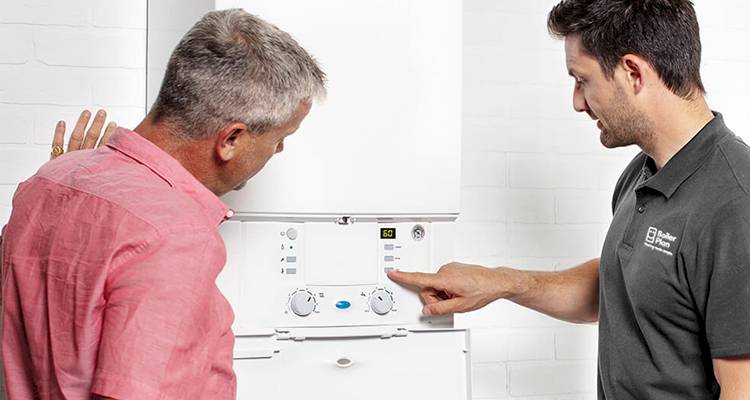
Relocating a boiler involves disconnecting the existing system, then reinstalling it in the new location with updated pipework, a new boiler flue outlet, and all necessary safety checks. Any work on a gas boiler must legally be carried out by a Gas Safe registered engineer.
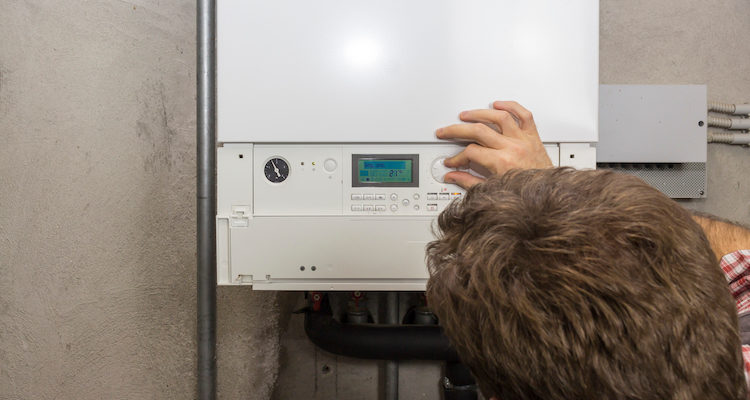
Assuming you wish to proceed with having your boiler relocated, below is a guide to the general process involved:
Before the Job
- Planning the Move — The move depends on factors such as the feasibility of the new location, your boiler's condition and whether it is possible to safely install a new boiler flue as required.
During the Job
- Installing the Boiler Flue — Your engineer will first of all install a new boiler flue outlet to vent safely outside, or install an extension flue pipe where appropriate.
- Pipework and Connections — New pipework will be installed to carry water in and out of the boiler. The boiler will need to be re-piped and reconnected to your radiators.
- Gas Work — Moving or extending the gas pipe fitting must be done by a Gas Safe registered engineer. Depending on the boiler's condition, you may choose to replace it with a new unit.
- Checking Boiler Suitability — In some cases, an old boiler may no longer be suitable for the new location, in which case you may not be able to proceed until purchasing a replacement boiler.
After the Job
- Redecorating — Once the move is complete, the area where the boiler originally sat is likely to need redecorating.
- Finishing Touches — The new location may also require minor repairs or touch-ups due to some unavoidable damage during installation.
Ask a Trade
Got a question that only a tradesperson can answer? We have thousands of trades ready to answer any question you may have.
Ask your question

Checklist: Finding a Local Tradesperson to Move a Boiler
You will need to consider a few key points before hiring a contractor to move your boiler:
- Do they have the right certifications? Only qualified engineers in the UK that are listed on the Gas Safe register are legally allowed to work on gas appliances, including jobs such as relocating a boiler. Oil-based systems usually require an OFTEC technician, and any electrical connections and controls may require a qualified electrician who's already listed on the competent persons register.
- Do they have public liability insurance? This isn't a legal requirement, however, it does protect against personal injury and accidental damage to your property.
- Does your contractor have the right experience? Straightforward boiler relocations should be well within the capabilities of suitably certified tradespeople, but for more complex and challenging moves, you might want to qualify their experience of similar jobs. Whatever their experience, to provide you with complete confidence in their ability, check what certifications and guarantees they will provide for their work.
- Have you received and compared itemised quotes? It's recommended to request at least three separate quotes so you can compare offers, which you can do via MyJobQuote without any obligation to commit. Ask for an itemised cost breakdown for each element of the job, so you can also ensure there aren't any hidden costs (such as waste removal) and know exactly what you're paying for.
- Do they have positive customer feedback? Check their MyJobQuote profile for examples of their work and customer reviews, or ask friends and family for recommendations.
FAQs
Can Moving a Boiler Affect the Manufacturer's Warranty?
Possibly, yes. Warranties differ from manufacturer to manufacturer and moving a boiler after it was first installed may affect your warranty. Check your manufacturer's warranty carefully before moving a boiler, and if relocation is allowed, make sure it's done to comply with the manufacturer's instructions.
Can You Move a Boiler From Upstairs to Downstairs?
Moving a boiler from upstairs to downstairs (or vice versa) is often possible, as long as the new location is suitable and the gas supply, pipework, and flue all work in the new position. Conventional boilers with gravity-fed systems may require additional work to move downstairs, and oil boilers may require other siting or fuel supply considerations. Discuss the feasibility of a floor move with your engineer.
Will I Be Without Heating and Hot Water While My Boiler Is Being Moved?
Yes, while your boiler is disconnected it can't provide heating or hot water. Most straightforward moves will have your heating and hot water functioning again in about a day, but more complex moves may mean you are without heat and hot water for slightly longer. Check with your engineer before the move.
Does Moving a Boiler Need Building Regulations Approval?
All boiler and heating work must comply with the relevant Building Regulations. A registered competent person can self-certify that the relocation complies, otherwise a Building Control inspection may be needed. Also, all gas work must be undertaken by a Gas Safe registered engineer.
Can I Move a Boiler Myself?
Relocating a boiler is not a DIY job. Unless you are appropriately qualified for working with a gas boiler, this wouldn't be something you would be able to do by yourself.
Who Can Move a Boiler?
Only an appropriately qualified Gas Safe registered engineer would be able to relocate a gas boiler, and moving a boiler fuelled by oil would require a competent oil-heating technician, ideally one who was OFTEC registered. Any electrical work involved also needs to be carried out by an appropriately qualified electrician.
How Disruptive Is Moving a Boiler?
This really depends on the factors involved in the relocation. Moving a boiler to a different floor or a different room will typically require more work, re-routing of services, and overall downtime and disruption than simply moving a boiler within the same room.
Can Relocating a Boiler Affect My Home Insurance?
Yes, moving a boiler can affect your home insurance if the work hasn't been carried out correctly. Most insurers require boiler relocations to be completed by a qualified engineer, and that you should receive an official Gas Safe certificate to confirm the work has been carried out. If you cannot provide the appropriate documentation, any insurance claim may be refused and it could also void any manufacturer warranties.
What Happens If Moving a Boiler Causes a Leak?
If you spot a leak from anywhere such as a cold water tank, the existing pipework, waste pipe or hot water leaking from your radiators, you should immediately turn off the water. Call a plumber or registered engineer to help resolve the issue, as aside from damage to your heating system, left untouched, water damage can increase the risk of mould and other issues. In the event of a gas leak from a boiler, ensure this is dealt with immediately as gas leaks can cause explosions, and carbon monoxide leaks are a serious risk to life.
Do I Need Planning Permission When Moving a Boiler?
No, there is usually no need to request planning permission when relocating your boiler unless you're making changes to the outside of your property (such as changing the position of the flue). However, if you live in a listed property or within a conservation area, it is always worth double checking with your local planning department as there are some exceptions to the general rule.