Builders
 Carpenters
 Electricians
 Flooring Specialists
 Gardeners
 Handymen
 Heating Engineers
 Painters & Decorators
 Plasterers & Renderers
 Plumbers
 Roofers
 Tilers
 my
myLPG Central Heating Installation Cost
At a Glance
- The average cost of installing LPG heating is £4,000.
- It takes around 1 to 3 days to complete LPG central heating installation.
- NEW! Use our LPG central heating cost calculator for an instant estimate.
- A complete breakdown of LPG heating installation prices, including combi, heat-only, and system boilers.
- How long it takes to install LPG heating, and a range of jobs you can get done at the same time.
- How to find and hire an LPG heating specialist near you.
Get free estimates
Are you a trade? Get more work today!
£4,000
Table of Contents
- How Much Does LPG Central Heating Installation Cost?
- Supply Only Cost of LPG Heating
- LPG Central Heating Running Costs
- LPG Tank Installation Cost
- Additional LPG Heating Costs
- Labour Cost of LPG Heating Installation
- What Impacts LPG Central Heating Installation Costs?
- What's Involved in Installing an LPG Central Heating Unit?
- Building Regulations & Planning Permission for LPG Central Heating Installation
- Types of LPG Central Heating
- Checklist: Hiring Contractors to Install an LPG Central Heating System in the UK
- FAQs
How Much Does LPG Central Heating Installation Cost?
The average cost of installing LPG central heating is around £2,200 to £6,100, depending on the type of boiler. A combi boiler is the most expensive at £2,500 to £6,100, a system boiler runs £2,300 to £4,300, and a conventional or heat-only boiler is the cheapest at £2,200 to £3,700.
If you're not connected to a mains gas supply, you'll need an alternative fuel. Since getting connected to the gas grid isn't always possible or affordable, LPG is a popular choice for its high efficiency and the fact it works with conventional gas heating systems.
The total price can vary between different LPG boilers and your exact LPG central heating installation cost will depend on the type of gas boiler system you require, as well as your location in the UK. For example, homeowners in London can expect to pay more in labour fees than those in the North or other regions.
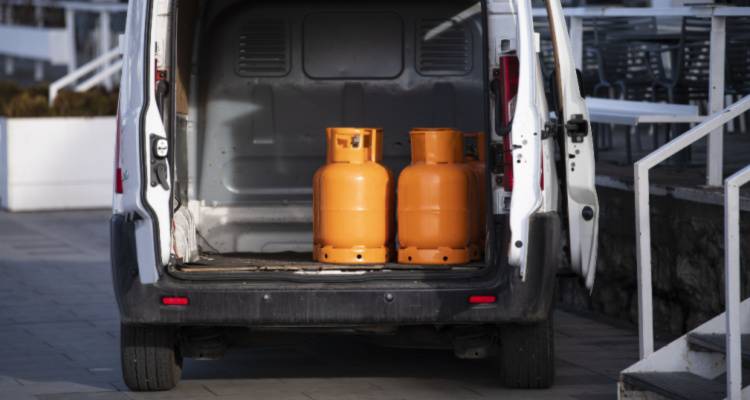
What is LPG heating, and how much does it cost to install?
Most UK homes use mains gas for central heating. Where mains gas isn't available, a common alternative is LPG (liquefied petroleum gas).
The average cost of installing LPG heating is around £4,000, depending on the boiler type you choose.
When it comes to running the system, LPG costs are generally more expensive than mains gas but tend to be cheaper than electric heating, making it a popular option for homes without a mains gas supply.
Ready for an installation quote?
More than 1 million homeowners across the UK use MyJobQuote to find tradespeople near them every year. Just enter a few project details and get matched with LPG heating engineers near you.
Want to find out more before you start getting quotes? Read on to find out everything you need to know about LPG fuel.
How long does an average LPG cylinder last for in an average semi-detached house?
"The cylinder itself is long lasting, however, the hoses for connection to cylinder and pipework are dated with an expiry date that needs to be changed in line with the date printed on the hose."
LPG Central Heating Installation Prices
In the table below, we will go over the various costs that you can expect when installing an LPG boiler:
| Job Description | Average Cost |
|---|---|
| LPG combi boiler | £2,500–£6,100 |
| LPG heat-only boiler | £2,200–£3,700 |
| LPG system boiler | £2,300–£4,300 |
| Underground LPG tank installation | £1,000–£1,500 |
Want a custom price?
Post your job
LPG Central Heating Installation Cost
Supply Only Cost of LPG Heating
Suppose you are considering purchasing your boiler yourself rather than sourcing the boiler through your contractors. In that case, you may be wondering about the costs of the boiler alone without the cost of labour included.
What is your main reason for installing LPG Central Heating?
Save money on energy bills
0 votes - 0%0% of votes
Environmentally friendlier option
0 votes - 0%0% of votes
Improved home comfort
0 votes - 0%0% of votes
To increase the value of your property
0 votes - 0%0% of votes

0 votes
See results
Hide results
There are various types of LPG boilers to choose from. Below, we will go over a breakdown of the different prices that you can expect for an LPG boiler:
| Material Type | Average Cost |
|---|---|
| LPG combi boiler | £615–£2,500 |
| LPG heat-only boiler | £890–£1,200 |
| LPG system boiler | £890–£1,500 |
| LPG conversion kit | £20–£60 |
| Flue kit | £50–£280 |
| Flue elbow | £20–£60 |
| Flue extension | £20–£125 |
Want a custom price?
Post your job
LPG Central Heating Running Costs
You also need to consider the running costs of an LPG system, on top of the upfront installation price.
| Fuel | Cost Per kWh |
|---|---|
| Bottled LPG | Around 14p (based on 47kg cylinder price) |
| Mains gas | 7.33p |
| Electricity | 26.11p |
Want a custom price?
Post your job
The LPG rate shown above is based on the cost of refilling a 47kg cylinder, as this is the only LPG price that suppliers publish openly. The only way to know your final rate is to get a quote for bulk rates from a supplier. A 47kg cylinder holds roughly 650 kWh and costs £85 to £95 to refill.
The mains gas and electricity figures are the Ofgem price cap rates for 1 July to 30 September 2026.
Modern LPG boilers are highly efficient, so the main factor affecting running costs is generally the price of the fuel rather than the efficiency of the boiler itself.
Most homes with LPG central heating have a bulk storage tank and don't rely on individual cylinders. Bulk LPG will likely work out cheaper because the gas is delivered in larger quantities directly to a tank at the property, reducing the cost per unit.
LPG is one of several options for homes off the mains gas grid. If you are comparing it with oil, take a look at our guide to oil boiler installation costs.
Ask a Trade
Got a question that only a tradesperson can answer? We have thousands of trades ready to answer any question you may have.
Ask your question

LPG Tank Installation Cost
How your LPG is stored can affect both the upfront cost and the way you pay for fuel. There are three main options:
- Buy Your Own Tank — owning the tank gives you more freedom to choose your LPG supplier and shop around when you need a refill. This can suit homeowners who want more control over where they buy their fuel.
- Rent a Tank from Your Supplier — the tank remains the supplier's property, and you will usually pay a standing charge of around £60 to £100 per year for maintenance and testing. Refills may also be arranged automatically.
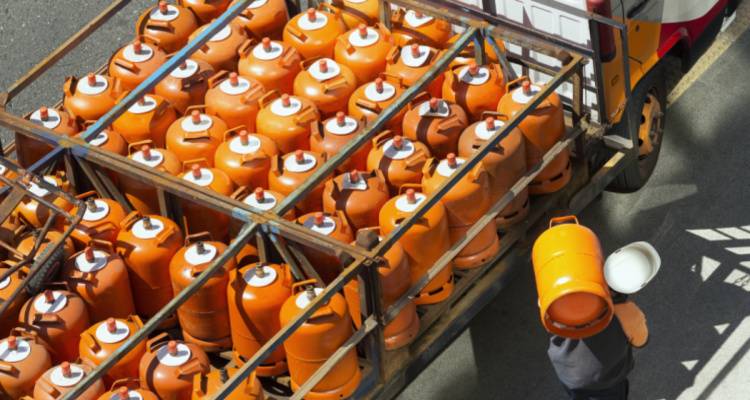
- Bottled LPG Cylinders — you normally exchange an empty cylinder for a full one rather than owning the cylinder itself. A 47kg refill costs £85 to £95, plus a one-off £70 agreement charge if you have no empty cylinder to exchange. This option is best if there is not enough room for a bulk storage tank.
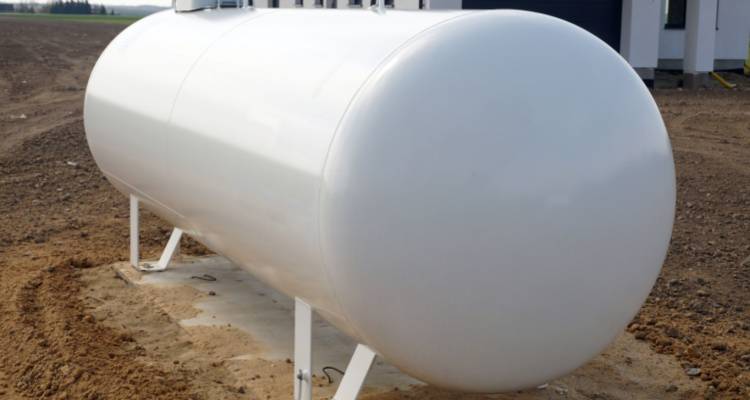
A bulk tank can be installed above ground or underground. Above-ground tanks are cheaper and quicker to install, while an underground tank is tidier but more complex to fit. An underground LPG tank installation costs around £1,000 to £1,500 and usually takes 1 to 2 days, depending on how easy the site is to access.
Additional LPG Heating Costs
There are some additional costs that may come up when installing a new LPG fired central heating system. Below is a list of the different things that you may need to budget for with this type of work:
New Radiators
If you are replacing your central heating system, it may make sense to get some new radiators. This is particularly true if you have old radiators that could be updated to modern, energy-efficient models.
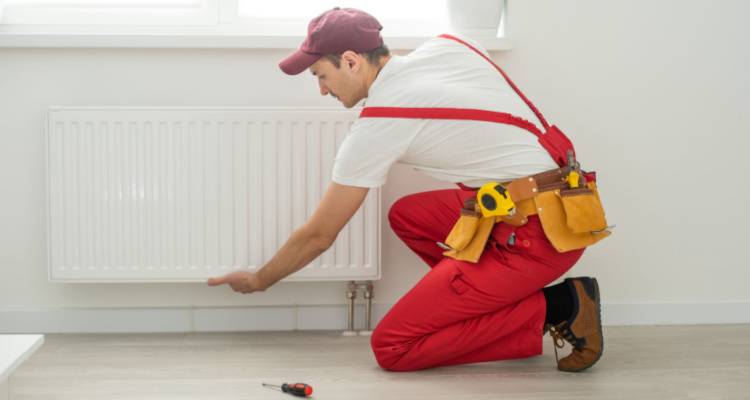
The cost to remove and replace a radiator is usually around £200 per radiator.
Power Flushing
Power flushing your central heating system can help to clean out the system by removing all of the debris and sludge that can build up over time. This can improve the efficiency of your heating system and make it work much better.
The average cost of power flushing your heating system is around £400.
Improve Insulation
To make the most of your new LPG heating installation, you should improve your home's insulation. If your home isn't well-insulated, you'll end up losing a lot of heat, making your heating work harder and costing you more unnecessarily.
Good options are to improve your underfloor and roof insulation. Floor insulation costs around £800, with the exact price depending on your type of floor and insulation material.
As heat rises, you should make sure your property's roof is sufficiently holding in your home's heat. Roof insulation costs £450 depending on your roof style and insulation material, with fibreglass being the cheapest per m², and spray insulation being the most expensive.
Smart Thermostat
You can automate your heating schedule by installing a smart thermostat, helping to optimise your energy usage and save you money.
Depending on the exact make and model, typical smart thermostat installation costs are around £265.
Smart thermostats can save between 10% and 20% on your annual heating bills, making them a sound investment.
LPG Heating Service Cost
An annual LPG boiler service costs around £100. Like a mains boiler, an LPG boiler should be serviced once a year to keep it running safely and efficiently. An annual service is often a condition of keeping the boiler's warranty valid.
The work must be carried out by a Gas Safe registered engineer who holds the LPG qualification on their registration. During the service, they will check the boiler is burning cleanly, carry out safety checks and confirm it is working as it should. The exact cost to get your boiler serviced will depend on the engineer and where you live.
On average, how efficient is an LPG boiler?
"Modern LPG condensing boilers can achieve efficiencies of 90% or higher, which means for every £1 you spend heating your home, only 10p is wasted. LPG is only recommended for off-grid homes as it is a more expensive fuel than natural gas, and must be delivered and stored in a tank somewhere on your property."
Labour Cost of LPG Heating Installation
You will need to hire a Gas Safe registered engineer to complete this work for you. On average, you can expect installation costs for a gas engineer to be charged at around £300 to £600 per day.
The job will usually take around 1 to 3 days to complete.
However, the timescales from a labour perspective are likely to depend on whether the process of installing a new boiler involves replacing it with like-for-like or with modern LPG boilers that could require additional work. For example, if extra pipework is needed, this could add some additional time:
- Straight swap of an old boiler with a new boiler of the same type may take just 1 day to complete.
- Installation of a completely new style of boiler may take up to 3 days, depending on the job's complexity.
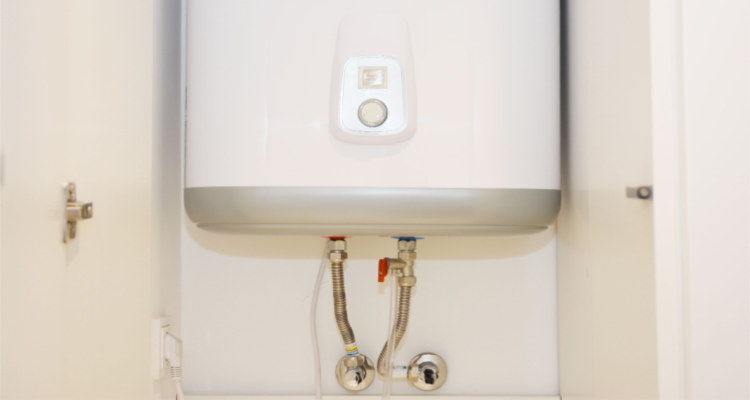
What Impacts LPG Central Heating Installation Costs?
You may need to consider several cost factors when installing an LPG heating system:
- Type of Boiler — The type of boiler you choose affects the overall cost. New central heating costs when purchasing a combi boiler are usually the most expensive, while heat-only boilers tend to be the cheapest.
- Additional Parts — Extra parts may be required for a proper installation:
- Flue kit: around £50 to £280 depending on boiler style
- Flue extensions: around £20 to £125.
- Flue bends: around £20 to £60.
- Type of Installation — Installing a like-for-like boiler in the same position is easier and cheaper. Moving the boiler to a new location or switching to a different type of boiler can increase labour and materials costs.
- Ease of Access — The more difficult the site is to access, the longer the installation will take, resulting in higher labour fees. The same applies to the complexity of the property — unconventional layouts may require additional pipework.
- Property Location — Labour fees often vary by region. For example, homes in London typically pay more than those in the North or other parts of the UK. Rural areas may also require significant work to connect to the mains gas supply, which can also impact the final cost.
What's Involved in Installing an LPG Central Heating Unit?
LPG central heating systems require a boiler that is safely plumbed into a property that can accommodate the necessary LPG supply. By law, anyone working on an LPG boiler or gas central heating as a business must be Gas Safe registered for LPG, and the law requires everyone, business or not, to be competent to do the work.
As such, this isn't a job to carry out as a DIY project. To get the best deal from a professional, request at least three quotes. With MyJobQuote you can find local LPG suppliers who can provide free quotes without any obligation to have the work done.
Below we take a look at the general process for modern LPG boilers that most LPG suppliers will follow when installing your gas central heating:
Before the Job
- Boiler and Flue Assessment — The engineer will check the positioning of your current boiler and flues, then decide whether or not your LPG boiler installation can be kept in the same place. This will also determine if any amends to pipework are required.
- Turning Off Gas Supply — When replacing any system with modern LPG boilers it is vital to turn off the gas during the process and if the boiler is being moved, the old gas feed will be capped off.
During the Job
- Boiler Relocation — In the event of a boiler relocation, new gas pipework will be fitted and the new LPG boiler installation connected to your radiators and water supply.
- Conventional Boiler — These are connected to the hot and cold water storage tank and with electrical heating controls for easy operation without needing to access the boiler directly.
- LPG Supply Tank Installation — LPG boilers require a storage tank for the liquefied petroleum gas, which is installed as part of the job.
After the Job
- Connecting the Tank to the System — Once the storage tank is fitted, it is then linked to the boiler and heating system.
- System Testing — The engineer will complete a full test to ensure your LPG boiler installation and heating and hot water system are working properly.
What costs more, a propane LPG storage unit or a butane LPG storage unit?
"There is very little difference in price, however butane is less common in the UK for central heating as it's not very reliable in cold temperatures. Propane also burns much hotter and works out best in the long run. The storage units are the same, just fittings that are different.
Your storage area will have to comply with the regs. You should talk to your local Calor Gas agent - he can supply you with all you need from information to type and price of unit."
Your storage area will have to comply with the regs. You should talk to your local Calor Gas agent - he can supply you with all you need from information to type and price of unit."
Building Regulations & Planning Permission for LPG Central Heating Installation
You won't usually need to worry about planning permission when you install an LPG tank in England (homeowners elsewhere in the UK should check local rules), as it is classed as a permitted development. That applies as long as the tank meets the following criteria:
- The storage tank must hold no more than 3,500 litres for permitted development.
- The height should be no more than 2.5 metres if located within 2 metres of a boundary, or 3 metres in height otherwise.
- The storage tank should not cover more than half of the land.
- It doesn't sit in front of the main face of the house where that side faces a road.
It's also important to note that regardless of the type of central heating, boilers or storage tank, there are additional factors to consider if you live in a listed building or conservation area. In these scenarios, or if your property is within a national park or World Heritage Site, you may still need to apply for planning permission regardless.
Most LPG tanks are permitted development and need no application at all. Where one is needed (because the tank would sit in front of your house facing a road, or you are in a conservation area or a listed building), the fee in England is £272 from 1 April 2026, and the fees are indexed every April. If you're unsure, it's always best to contact your local planning department before starting any work.
Installing LPG boilers and heating must also comply with building regulations, covering health and safety, proper flue installation, ventilation, and pipework. Certified engineers can usually handle this and self-certify, after which you should receive confirmation that the work meets all regulatory standards.
Types of LPG Central Heating
There are several types of LPG heating systems. Below, we will go over the differences between each of these different systems:
Bulk LPG System
Bulk LPG systems can usually hold around 3,500 litres of liquefied petroleum gas, and are most common in rural areas or properties that are off-grid.
Bulk LPG typically works out at around £0.08 to £0.10 per kWh, but this isn't a fixed or published rate. The price is set by your contract with the supplier, so a fixed-term deal can lock your rate for a period, though it isn't capped like mains gas.
Pros
- ✔ Large storage tank, reducing the frequency of refills.
- ✔ Fixed cost per kWh, protects against fluctuating gas prices.
- ✔ Ideal for rural or off-grid locations.
- ✔ Less risk of running out compared to cylinders.
Cons
- ✖ Requires significant outdoor space.
- ✖ Installation can be complex, especially for an underground tank.
Supplier Owned LPG System
With a supplier-owned system, you rent the tank from your supplier rather than buying it outright.
Pros
- ✔ Automatic refill service included.
- ✔ Flexible above-ground and underground tank options.
- ✔ Maintenance and service covered by the supplier.
Cons
- ✖ Usually requires a supplier contract and ongoing rental charges.
- ✖ Underground installation can be more complex.
Cylinder LPG System
A cylinder system uses portable LPG cylinders instead of a fixed tank, which makes it a good option for homes without space for one.
Pros
- ✔ Compact, ideal for homes with limited space.
- ✔ Easy to replace and store multiple cylinders.
- ✔ Also suitable for homes without any outdoor space.
Cons
- ✖ Smaller capacity requires more frequent refills.
- ✖ Less suitable for larger homes with higher heating demands.
Checklist: Hiring Contractors to Install an LPG Central Heating System in the UK
You will need to consider several things before hiring someone to install a new LPG central heating system for you. Consider the key points below when looking for the right contractor for the job:
- Are they on the Gas Safe Register? Only Gas Safe registered engineers may legally install and work on gas appliances and pipework. Registration is broken down by the type of gas and appliance, so the engineer must have LPG listed on their registration specifically to be able to install LPG central heating.
- How many years' experience does the engineer have fitting LPG heating systems? Look for someone with a solid amount of hands-on experience with LPG installations, including modern LPG boilers.
- Is the engineer experienced in fitting the type of system you are purchasing? Make sure they have experience installing the specific LPG system you plan to buy and ask for recent examples of their work.
- Do they have positive reviews and feedback? Research their online presence and feedback, and check for positive reviews and testimonials via their MyJobQuote profile.
- Have you requested more than one quote? As with any professional tradesperson, it's recommended to gather at least three separate quotes so you can compare prices. MyJobQuote can help you find local companies that specialise in LPG boilers.
- Have you received an itemised quote? Request a clear breakdown to ensure you are paying a good price for each element of the job, and to also ensure there aren't any hidden extras that aren't automatically included.
- Does the engineer offer any guarantees with their work? Ask what guarantees are included so you know what protection you have following your LPG boiler installation and how long for.
- Will the contractor fix any issues that may arise? As part of the guarantee, confirm whether they will return to resolve any problems after the system has been installed as this helps provide confidence in their initial work.
FAQs
How Does LPG Central Heating Work?
LPG central heating is usually a wet system. This is where an LPG-fired boiler heats the water. This then provides the central heating through your radiators and the hot water through your taps. Some mains gas boilers can be converted so that they can use LPG.
Is LPG Efficient?
LPG boilers are usually around 90% efficient. This means that your LPG costs provide a good return on your annual fuel consumption for every unit of energy that is used.
What Happens if I Want to Switch Energy Suppliers?
If you switch the supplier of your LPG fuel, you will need to transfer the ownership of your fuel tank to the new supplier. In some cases, you may have to get a completely new tank installed.
What Is Cheaper, LPG or Mains Gas Central Heating?
Mains gas heating is cheaper than LPG heating. However, some homeowners don't have access to the mains gas supply, which is why LPG heating is a good alternative option.
Can I Install LPG Central Heating Myself?
No, some plumbing work can be done yourself, but an LPG boiler, its storage tank and the gas central heating pipework are a different matter. No one may work on a gas fitting unless they are competent to do so, whether you are doing it as a business or in your own home.
Anyone carrying out gas work as a business must be Gas Safe registered for the type of gas involved, so being competent to work on an LPG boiler means being Gas Safe registered with the LPG qualification.
Is LPG Heating Being Phased Out?
As of August 2026, there is no ban on LPG heating and no set date for its removal from existing homes. The Future Homes and Buildings Standards are due to come into effect from 24 March 2027, but these rules apply to new-build properties rather than existing homes. If you already have a working LPG boiler, there is currently no requirement to replace it.