Builders
 Carpenters
 Electricians
 Flooring Specialists
 Gardeners
 Handymen
 Heating Engineers
 Painters & Decorators
 Plasterers & Renderers
 Plumbers
 Roofers
 Tilers
 my
myBiomass Boiler Cost
At a Glance
- The average cost of installing a biomass boiler is around £13,000.
- The job will take approximately 1 to 2 days to complete.
- A complete pricing breakdown, including the different types of biomass boiler and typical installation costs.
- Running costs, fuel costs, and how biomass compares to other heating systems.
- Available grants and financial help for biomass boiler installation.
- How to find and hire a local heating engineer with MyJobQuote.
Get free estimates
Are you a trade? Get more work today!
£13,000
Table of Contents
- How Much Does a Biomass Boiler Cost?
- How Much Do Biomass Boiler Installers Cost?
- Biomass Boiler Running Costs
- Biomass Boiler Servicing Costs
- Factors That Affect Biomass Boiler Costs
- Additional Biomass Boiler Costs
- Comparing Biomass Boiler Prices to Other Heating Systems
- Benefits of a Biomass Boiler
- Disadvantages of a Biomass Boiler
- Grants and Financial Help for Biomass Boiler Installation
- Different Types of Biomass Boiler Systems
- Checklist: Hiring a Biomass Boiler Installer in the UK
- FAQs
How Much Does a Biomass Boiler Cost?
So, what biomass boiler costs can I expect?
You should expect the cost of biomass boiler installation to fall anywhere between £7,000 and £20,000, depending on the model you opt for.
However, it's important to understand that these costs will vary depending on the size and model of the boiler you decide on. Larger biomass boilers will typically cost much more to install and run for the initial year.
What is your main reason for installing a biomass boiler?
To reduce energy bills and heating costs
0 votes - 0%0% of votes
Become more environmentally friendly
0 votes - 0%0% of votes
Qualify for renewable energy schemes and/or grants
0 votes - 0%0% of votes
Replace and upgrade existing heating system
1 votes - 100%100% of votes

1 votes
See results
Hide results
Biomass boilers also require very little electricity to run, ultimately reducing your electricity bills. However, it is important to recognise that long-term gains are part of the investment process, so it may take a few years for you to see the benefits.
For context, a standard new combi boiler installation averages around £2,400, though it won't offer the same long-term running cost or environmental benefits as biomass.
How often should a biomass boiler be serviced? Is this a legal requirement?
"As manufacturer instructions recommended every twelve months."
Calculate Your Biomass Boiler Installation Cost
Looking for a quick estimate on biomass boiler installation costs?
Try our boiler installation cost calculator to get an estimated figure.
Select "Biomass boiler" from the boiler type options, along with your property size, to get a tailored estimate.
Boiler sizing depends on the number of radiators in your home, and biomass boilers need a higher kW output to heat larger properties. If you're unsure of the target kW output for your home, try our boiler size calculator.
These calculators are a good place to start, but the best way to get an accurate price is to request quotes from local biomass boiler installers.
Quotes through MyJobQuote are fast and free, with no obligation to go ahead.
Biomass Boiler Price List
Many factors can affect the initial cost of a biomass boiler. These cost-affecting factors include:
- The fuel type.
- The capacity of the boiler.
- The complexity of your installation.
To better understand how these factors will apply to your project, the table below lays out different biomass boiler prices.
Please note, these prices are estimated, and should be used as a guide only.
| Fuel Type | Fuel System | Total Estimated Cost |
|---|---|---|
| Log Boilers | Manual | £7,000–£12,000 |
| Pellet Boilers | Automated | £10,000–£20,000 |
| Wood Chips | Automated | £10,000–£20,000 |
Want a custom price?
Post your job
How Much Do Biomass Boiler Installers Cost?
Installing a biomass boiler should take no more than 1 to 2 days.
This will depend on how big a system you're installing, and what type of biomass boiler you've chosen.
You can expect to pay, on average, £200 to £250 per day in labour costs.
This will depend on which tradesperson you choose to complete the job, and where your property is located in the country.
Biomass Boiler Running Costs
Beyond the upfront installation cost, it's important to budget for the ongoing cost of running a biomass boiler. Running costs are made up of two main elements: fuel and maintenance.
Biomass Boiler Cost per Month
Based on typical annual fuel costs, you can expect to pay roughly £25 to £225 per month to run a biomass boiler, depending on which fuel you burn and how you buy it. Wood pellets, the usual choice for an automated system, work out at £95 to £140 a month for a typical home.
Biomass Boiler Cost per kWh
Wood pellets typically cost around 6.5p to 9.5p per kWh, depending on whether you buy in bulk or in bags. Bulk deliveries sit toward the lower end of this range, while bagged pellets cost more per kWh. This makes pellet heating broadly competitive with mains gas and significantly cheaper than oil or LPG.
Annual Fuel Costs by Type
The figures below are based on a well-insulated three-bedroom home requiring around 18,000kWh of heat each year. A larger or older property will normally use more fuel, increasing both the annual and monthly cost.
| Fuel | Estimated Annual Fuel Cost | Estimated Monthly Cost |
|---|---|---|
| Wood pellets, delivered | £1,150–£1,700 | £95–£140 |
| Wood chips, delivered | £450–£800 | £40–£65 |
| Logs, bought seasoned and delivered | £1,450–£2,700 | £120–£225 |
| Logs, bought green by the load and seasoned at home | £300–£550 | £25–£45 |
Want a custom price?
Post your job
Green wood is usually cheaper than seasoned logs, but you will need enough space to store it and allow it to dry properly before use. In England, wood sold in quantities under 2 cubic metres must be certified "Ready to Burn" at no more than 20% moisture, while larger loads may be sold wet if they include instructions for drying and storage.
What exactly would be classed as 'wood fuel' for a biomass boiler? Should I only purchase ready wood matter for a biomass boiler or can I use wood pellets? How can I be sure I don't add the wrong sort of wood matter that might create a safety or functionality issue?
"Most biomass boilers run on wood chip, wood pellets, logs or briquettes. Others are designed to burn straw and hay bales, waste wood and shavings from manufacturing processes. Biomass boilers work most efficiently when the appropriate wood fuel is used, in accordance with the manufacturer's guidelines."
Biomass Boiler Maintenance Costs
An annual service and flue sweep together typically cost between £240 and £570 a year, making up most of your maintenance budget.
Biomass Boiler Servicing Costs
A biomass boiler service typically costs £180 to £450, compared with around £80 to £140 for a gas boiler service. The higher price reflects the additional cleaning and checks required for a solid-fuel system.
What Does a Biomass Boiler Service Include?
During a standard service, the engineer will usually:
- Clean the Heat Exchanger and Combustion Chamber — These components are stripped and cleaned to remove ash and combustion residue.
- Clear the Ash Paths — Built-up ash is removed so air and combustion gases can move through the boiler correctly.
- Check the Fuel-Feed System — On an automated pellet or chip boiler, the engineer will inspect the auger and check that it is delivering fuel correctly.
These checks help prevent ash deposits and problems with the feed mechanism from affecting the boiler's performance.
The service should be carried out by an engineer registered with a competent person scheme covering solid-fuel appliances, with HETAS being the scheme most commonly used for biomass systems. A gas or oil heating engineer is not automatically qualified to service a biomass boiler, so ask for evidence of suitable solid-fuel training and registration before booking.
How Often Should a Biomass Boiler Be Serviced?
A biomass boiler should be serviced every 12 months in line with the manufacturer's recommendations. Annual servicing is also commonly a condition of the warranty, so missing a service could affect your cover if the boiler later develops a fault.
Biomass Boiler Flue Sweeping Costs
The flue sweep is normally charged separately from the boiler service and costs £60 to £120. Sweeping clears soot and ash deposits that could restrict the flue and affect safe, efficient combustion.
A full year of routine maintenance, including the service and sweep, therefore typically costs £240 to £570. Check what is included when requesting a quote so you know whether the flue has been priced separately.
Factors That Affect Biomass Boiler Costs
Several factors influence how much you'll pay for a biomass boiler installation. Understanding these can help you budget more accurately and avoid unexpected costs.
- Fuel Type — Log boilers are generally the cheapest to buy and install, while automated pellet and chip systems cost more upfront due to their additional components. The fuel type you choose also affects long-term running costs.
- Boiler Capacity (kW Output) — Larger boilers capable of heating bigger properties cost more to purchase and install. A heating engineer can advise on the right output for your home based on the number of rooms, radiators, and your hot water demand.
- Manual vs Automated System — Automated biomass boilers, which feed fuel from a hopper without manual input, cost significantly more than manually fed log boilers. However, they're more convenient to operate day to day.
- Fuel Storage Requirements — All biomass boilers need dedicated fuel storage. Pellet silos and wood chip stores add to the installation cost and require suitable space on your property. If significant groundworks or a new outbuilding are needed, costs can rise considerably.
- Existing Heating System — If your home currently uses a combi boiler, you may need to add a hot water storage cylinder and upgrade associated pipework, which could add £1,000 to £4,000 to the overall cost. Integration with an existing underfloor heating system or older radiators may also require additional work.
- Flue Installation — A new flue is typically required, and the cost will depend on the height, material, and complexity of the installation.
- Location — Labour rates vary across the UK. You can generally expect to pay more in London and other major cities.
- Complexity of the Installation — Properties that require significant plumbing alterations, new pipework runs, or structural changes to accommodate the boiler and fuel store will cost more to install.
Additional Biomass Boiler Costs
On top of installation and fuel, there are several other costs to factor into your budget when owning a biomass boiler.
- Annual Servicing — A biomass boiler service typically costs £180 to £450. See the Biomass Boiler Servicing Costs section for more information.
- Ash Removal — Unlike gas boilers, biomass boilers produce ash that needs to be cleared regularly. Some modern boilers have self-cleaning functions that reduce how often this is needed, but it's still a routine maintenance task. Budget for occasional ash disposal or a professional clean as part of your running costs.
- Flue Sweeping — Annual flue sweeping typically costs £60 to £120. See the Biomass Boiler Servicing Costs section for the full yearly maintenance cost.
- Replacement Parts — Components such as heat exchanger tubes, grates, and seals may need replacing over time. Part costs vary, but budgeting for occasional repairs is sensible, especially as the boiler ages.
- Fuel Store Maintenance — If your system uses an automated auger or vacuum feed system, this will require periodic checks and servicing to keep it functioning correctly.
- Buffer Tank — If one is not already part of your installation, adding a buffer tank (a type of thermal store that holds heating water and improves system efficiency) typically costs £1,500 to £3,500 supplied and fitted for a standard domestic size, though costs vary depending on capacity and system complexity.
Comparing Biomass Boiler Prices to Other Heating Systems
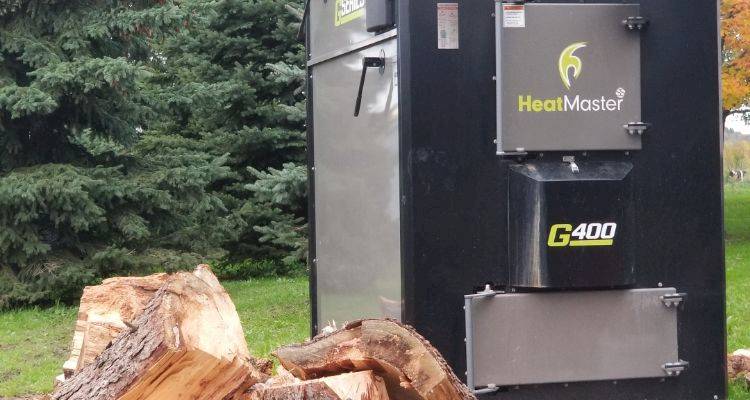
Biomass boilers have higher upfront costs than most other heating systems. However, the long-term picture can be more favourable, particularly for homes not connected to mains gas or those replacing oil or LPG heating.
| Heating System | Typical Installation Cost | Estimated Annual Fuel Cost |
|---|---|---|
| Biomass boiler | £7,000–£20,000 | £1,150–£1,700 |
| Combi boiler (gas) | Approx £2,400 | £1,400–£1,550 |
| Oil boiler | Approx £3,300 | £1,650–£1,850 |
| Air source heat pump | Approx £13,000 before the £7,500 grant | £1,350–£1,700 |
| Log burner | Approx £2,300 | Varies (room heating only) |
Want a custom price?
Post your job
The annual fuel figures are based on the same 18,000kWh heat requirement as the table above, with the biomass cost based on wood pellets.
Does a Biomass Boiler Pay for Itself?
If your home is currently heated by oil, switching to biomass could reduce your yearly fuel bill. Based on the figures above, the difference can be around £700 a year when wood pellets are bought at the lower end of the price range, while paying closer to the upper end will reduce the saving considerably.
Even where biomass reduces your annual fuel bill, its higher installation price can take time to recover. The 10–15-year estimate will not apply to every home and is more achievable when the biomass installation is near the lower end of its cost range and the household saves close to £700 a year compared with oil.
For homes using mains gas, the annual fuel-cost ranges overlap, so lower running costs alone are unlikely to justify changing to biomass. Financial support, such as grants, can help reduce the upfront cost that needs to be recovered through future fuel savings. Biomass funding is currently more generous in Scotland than in England and Wales.
The cost of installing central heating from scratch is also worth comparing if you're making significant changes to your heating system at the same time.
Ask a Trade
Got a question that only a tradesperson can answer? We have thousands of trades ready to answer any question you may have.
Ask your question

Benefits of a Biomass Boiler
While biomass boilers have a higher upfront cost, they offer several benefits that can make them worthwhile over the long term:
- Lower Fuel Costs — Wood fuel is generally cheaper per kWh than oil or LPG, so running costs can be lower once the boiler is installed, even though the upfront price is higher.
- Fuel Price Stability — Prices are generally less volatile than oil and gas, making running costs easier to predict.
- Reduced Carbon Emissions — Burning wood fuel produces significantly lower net carbon emissions than oil, gas, or LPG, cutting CO₂ emissions by several tonnes a year.
- Suited to Off-Grid Homes — A strong option for rural properties not connected to the mains gas grid, or properties with access to a local wood fuel supply.
- Grants Available — Financial support is available towards the cost of a biomass boiler, which can make the higher upfront price more manageable.
- No Need to Replace Radiators — A biomass boiler can usually connect to your existing radiators and hot water system, so you won't need to budget for new pipework or radiators as part of the switch.
Disadvantages of a Biomass Boiler
There are several disadvantages to consider before choosing a biomass boiler:
- High Upfront Cost — Biomass boilers typically cost around £7,000 to £20,000 to install, which is considerably more than a standard gas boiler. Grants may reduce the initial cost, but biomass will still be a more expensive option for many households.
- More Space Required — Wood boilers are larger than gas or oil boilers, and you will also need enough space for the fuel store. This can make biomass unsuitable for smaller homes or properties with limited outdoor space.
- Air Quality Impact — Burning sustainably sourced wood can produce lower carbon emissions than fossil fuels, but biomass boilers still release pollutants such as nitrogen oxides and particulate matter. Using the correct fuel and keeping the boiler properly maintained are therefore important.
- Smoke Control Restrictions — If you live in a smoke control area, you must use a Defra-exempt appliance approved for the fuel you intend to burn. This applies whether you use logs, pellets, or wood chips and is worth checking before choosing a boiler.
- Fuel Storage and Handling — Most pellet and chip boilers feed automatically from a hopper, while log boilers need to be loaded by hand and involve more day-to-day work than gas, oil, or heat pump systems.
- Grant Eligibility — Biomass does not qualify for funding in every situation. Eligibility depends on the scheme, including rural and off-grid requirements in England and Wales and suitability tests for alternative heating in Scotland.
Grants and Financial Help for Biomass Boiler Installation
Several government schemes and financial incentives are available to help offset the upfront cost of installing a biomass boiler.
Boiler Upgrade Scheme (BUS)
The Boiler Upgrade Scheme (BUS) is the main grant available to homeowners in England and Wales. It provides a non-repayable grant of £5,000 towards the cost of purchasing and installing an eligible biomass boiler. The grant is deducted directly from your final bill by the installer.
To qualify, you must own the property, which must be in a rural area and off the mains gas grid. The biomass boiler must replace an existing fossil-fuel or electric heating system, meet the required emissions standards, and have an output of no more than 45kW.
The Boiler Upgrade Scheme has been extended until 2030. However, biomass funding does not apply to self-build homes, social housing, and most new-build properties.
Home Energy Scotland
Homeowners in Scotland can apply through Home Energy Scotland for a £7,500 grant towards the cost of a wood-fuelled biomass boiler. Eligible rural and island households may also receive an additional £1,500 uplift on the grant.
If the grant does not cover the full installation quote, you may also be able to apply through the same scheme for an optional interest-free loan of up to £7,500 towards the remaining cost. The loan must be repaid, so factor the repayments into your budget before deciding how much to borrow.
The standard Scottish biomass grant is £2,500 higher than the Boiler Upgrade Scheme grant in England and Wales. To qualify for biomass funding, you must show why a heat pump or high heat-retention storage heaters are unsuitable for the property.
VAT Reduction
Biomass boilers can qualify under the VAT rules for energy-saving materials when they are installed as an energy-saving measure. This applies to boilers designed to run solely on wood, wood pellets, wood chips, straw, or similar plant-based fuels. A fuel hopper can also qualify when it is incorporated into the wider boiler installation.
Multi-fuel and dual-fuel boilers are treated differently. If the boiler is designed to burn coal or oil as well as wood, the standard 20% VAT rate applies instead. This can make a noticeable difference to the overall cost, so it's worth checking the boiler's fuel specification before you buy.
In Great Britain, the 0% VAT rate for qualifying energy-saving materials runs until 31 March 2027, after which it is due to return to 5% from 1 April 2027. In Northern Ireland, qualifying biomass boiler installations are currently subject to the 5% reduced VAT rate.
Non-Domestic Renewable Heat Incentive (RHI)
The non-domestic RHI is now closed to new applicants, but existing participants continue to receive quarterly payments for every kWh of heat generated over a 20-year term. If you're purchasing a property with a biomass boiler already registered on the scheme, the remaining RHI payments may transfer with it (worth checking with the current owner or installer).
Getting the Most from Available Grants
The most effective way to maximise available financial support is to use an installer certified under the Microgeneration Certification Scheme (MCS). For biomass boilers, MCS certification is typically obtained through HETAS. Your installer will apply for the BUS grant on your behalf and deduct it directly from your final bill. Getting quotes from at least 3 installers will also help ensure you're getting the best price, and some may offer payment by finance if upfront costs are a concern.
Different Types of Biomass Boiler Systems
Biomass boilers come in several different configurations, each suited to different fuel types, property sizes, and budgets. Understanding the pros and cons of each can help you decide which is right for your home.
Log-Fed Biomass Boilers Cost
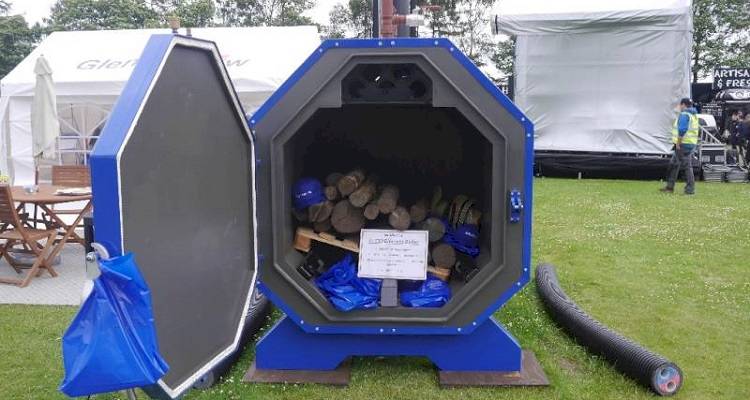
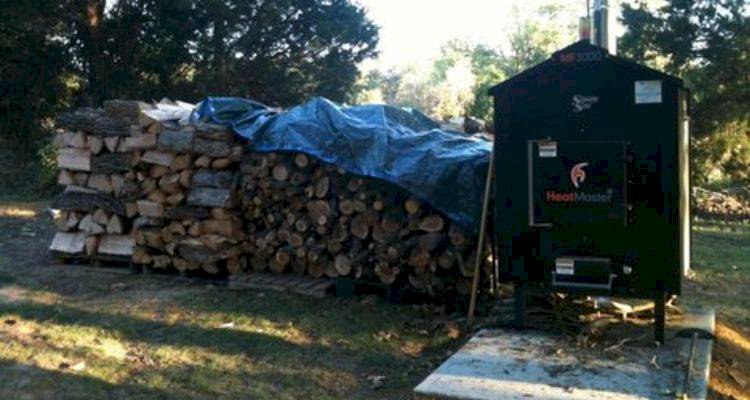
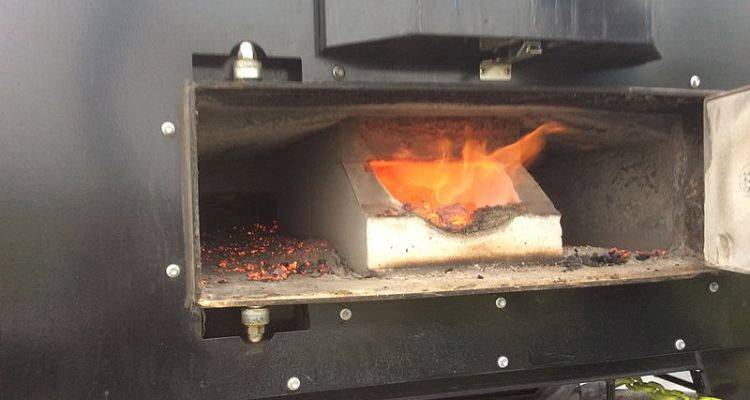
Log-fed boilers require logs to be hand-fed into the combustion chamber manually. They're generally the most affordable type to buy and install, typically costing £7,000 to £12,000, and are a cost-effective solution for properties with a good local supply of firewood.
Pros
- ✔ Lower upfront cost than automated systems.
- ✔ Logs can be sourced locally, reducing fuel costs.
- ✔ Simple system with fewer mechanical components to maintain.
Cons
- ✖ Requires regular manual feeding, which is more time-consuming.
- ✖ Less convenient than automated alternatives.
- ✖ Needs adequate dry storage space for logs.
Pellet Boilers Cost
Pellet boilers are the most common type of automated biomass boiler for domestic use. Fuel is fed automatically from a hopper or silo, making them much easier to operate day to day. They typically cost £10,000 to £20,000 installed.
Pros
- ✔ Automated fuel feed — low day-to-day effort required.
- ✔ Pellets are widely available and can be delivered in bulk.
- ✔ Consistent fuel quality makes for efficient, predictable combustion.
Cons
- ✖ Higher upfront cost than log-fed systems.
- ✖ Requires a dedicated pellet silo or storage hopper.
- ✖ Pellet costs can vary depending on supplier and quantity ordered.
Wood Chip Boilers Cost
Wood chip boilers are automated systems that run on chipped wood fuel. They're often used in larger domestic properties or small commercial buildings. Expect to pay £10,000 to £20,000 for installation.
Pros
- ✔ Wood chips are generally cheaper per kWh than pellets.
- ✔ Automated feeding system requires minimal daily input.
- ✔ Produces less ash and smoke residue than log-fed systems.
Cons
- ✖ Wood chips are bulkier than pellets, requiring a larger storage area.
- ✖ Not suitable for properties with limited outdoor space.
- ✖ Higher transportation costs due to lower fuel density.
Moving Grate Systems Cost
Moving grate boilers use mechanical grates to mix fuel inside the combustion chamber, removing excess moisture for more efficient burning. They're among the most expensive type, costing upwards of £20,000, and require more space than other systems.
Pros
- ✔ High combustion efficiency due to moisture removal.
- ✔ Suitable for a wide range of fuel types and moisture levels.
Cons
- ✖ The most expensive biomass boiler type to install.
- ✖ Requires significantly more space than alternative systems.
- ✖ More mechanical components mean higher maintenance requirements.
Fixed Grate Systems Cost
Fixed grate boilers have a smaller combustion chamber and are best suited to drier fuels with low moisture content. They typically cost £7,000 to £12,000 and can be installed in most spaces due to their compact size.
Pros
- ✔ Compact design — suitable for smaller spaces.
- ✔ Lower installation cost than moving grate or pellet systems.
Cons
- ✖ Requires high-quality, low-moisture fuel — which tends to be more expensive.
- ✖ Higher-quality fuel must be manually inserted.
Stoker Burner Systems Cost
Stoker burner boilers are straightforward to operate and generally more affordable than other automated systems, typically costing £6,000 to £10,000. Like fixed grate systems, they have a small combustion chamber.
Pros
- ✔ More accessible and easier to operate than many alternatives.
- ✔ Compact design suits smaller properties.
- ✔ Lower cost than pellet or moving grate systems.
Cons
- ✖ Requires dry, high-quality fuel.
- ✖ Less efficient than larger automated systems.
Batch-Fired Systems Cost
Batch-fired boilers incinerate fuel in larger loads rather than continuously, with individual fans ensuring complete combustion. They're among the more affordable options, typically costing £5,000 to £8,000, but require more manual effort.
Pros
- ✔ Lower upfront cost.
- ✔ Individual fans help ensure complete combustion of each batch.
Cons
- ✖ Fuel must be manually loaded each day.
- ✖ Less efficient overall than continuously fed systems.
- ✖ More operator effort required compared to automated alternatives.
How do I safely remove ash residue from a biomass boiler? Are there any specific steps needed to do so in the correct manner?
"You would need to get your biomass boiler serviced by a qualified biomass engineer."
Checklist: Hiring a Biomass Boiler Installer in the UK
A biomass boiler installation must comply with the relevant building regulations, but the installer does not legally have to be HETAS registered. HETAS is one of several authorised competent person schemes covering solid-fuel work, including biomass, rather than a statutory register or the UK's official biomass body.
In England and Wales, a HETAS-registered installer can self-certify the work, but it can also be notified to building control for inspection and approval. Scotland and Northern Ireland use their own certification and building control routes, although the installation must still meet the applicable building regulations.
Before you commit to an installer, a professional will typically visit your property to assess your number of radiators, water pressure, bedroom count, and the proposed boiler location, so it's worth arranging a site visit early in the process.
Here are the key things to consider when hiring a heating engineer for a biomass boiler installation:
- Are they registered with a competent person scheme? In England and Wales, a HETAS-registered installer can self-certify compliance with the Building Regulations, but the work can also be notified to building control for inspection and approval. To access the Boiler Upgrade Scheme grant, the installer must also hold MCS certification, which is typically obtained through HETAS for biomass installations.
- Will they install a carbon monoxide alarm? A carbon monoxide alarm must be fitted in the same room when a new or replacement biomass boiler is installed. Ask the installer to confirm that the alarm and its position meet the requirements for your part of the UK, as it is an additional safeguard rather than a substitute for correct installation and maintenance.
- Have they checked the smoke control restrictions? If your property is in a smoke control area, ask the installer to confirm that the chosen boiler appears on Defra's exempt-appliance register for the fuel you intend to use. UKCA marking and Ecodesign compliance do not confirm exemption, and enforcement rules differ across the UK.
- Are they fully qualified? Confirm the engineer has experience installing the specific type of biomass system you're considering — log-fed, pellet, or chip. Ask how many similar installations they've completed.
- Have you checked space requirements? Biomass boilers and their fuel stores are significantly larger than standard gas or oil boilers. Make sure you have adequate space before proceeding, and discuss this with your installer at the site visit stage.
- Do they have good reviews? Check their online reviews and any feedback available on their MyJobQuote profile. Testimonials from previous customers can give you confidence in the quality of their work.
- Have you received at least 3 quotes? Comparing quotes from at least 3 different contractors helps ensure you're getting a fair price. You can search for local biomass boiler installers on MyJobQuote.
- Have you requested an itemised breakdown? A written quote should cover the boiler unit, flue, fuel store, labour, and any additional plumbing work needed. This avoids hidden costs further down the line.
- Does their work come with a guarantee? Discuss warranties before installation begins. Confirm what's covered, for how long, and what happens if something goes wrong after the job is complete.
- Have you asked about maintenance requirements? A good installer will explain how to maintain your system correctly, including ash removal, flue sweeping, and annual servicing. Knowing what's involved upfront helps you budget for ongoing running costs.
FAQs
How Does a Biomass Boiler Work?
Biomass boilers work by burning organic materials (such as wood pellets, logs, or wood chips) to produce heat, which is then used to supply a property with central heating and hot water. Fuel is either fed manually by the user or automatically from a hopper or silo, depending on the type of system.
What Size Biomass Boiler Do I Need?
The right boiler size depends on the heat demand of your property. As a rough guide, a 3-bedroom home typically requires a boiler output of around 15kW to 20kW, while larger or older properties may need 25kW or more. A heating engineer can calculate the exact output required based on your home's insulation, number of radiators, and hot water usage.
Oversizing the boiler can reduce efficiency, so a professional assessment is recommended before purchasing.
How Much Fuel Does a Biomass Boiler Use?
A typical UK home needing around 18,000 kWh of heat a year burns about 4 tonnes of wood pellets, or 5 to 6 tonnes of wood chips or logs. Wood pellets cost around £290 to £385 per tonne delivered, which works out at roughly £1,150 to £1,700 a year. Wood chips are cheaper per tonne.
Logs vary more than any other fuel here: buying them seasoned and bagged costs several times what the same wood costs bought green by the load and seasoned at home for a year.
How Much Does It Cost to Run a Biomass Boiler per Month?
Based on typical annual fuel costs, running a biomass boiler costs around £40 to £225 per month, depending on which fuel you burn and how you buy it. Wood pellets work out at £95 to £140 a month for a typical home. This covers fuel only. Annual servicing and occasional maintenance costs should also be factored in.
How Long Does a Biomass Boiler Last?
A well-maintained biomass boiler from a reputable manufacturer typically lasts 20 to 25 years. Lifespan depends on the quality of the installation, how regularly the boiler is serviced, and whether it's operated correctly (for example, using dry, appropriately sized fuel, and keeping ash cleared). Annual servicing is recommended by most manufacturers to maintain efficiency and extend the life of the system.
Can I Install a Biomass Boiler Myself?
No. A biomass boiler must comply with the relevant building regulations and requires specialist knowledge to connect safely, so it should be installed by a qualified professional. In England and Wales, the work can be self-certified through an authorised competent person scheme such as HETAS, or inspected and signed off by building control.
A DIY installation risks damaging the unit, voiding the manufacturer's warranty, and creating a risk of carbon monoxide poisoning from incorrect connections. It would also make the installation ineligible for the Boiler Upgrade Scheme grant.
What Are the Alternatives to Biomass Heating?
Other renewable and low-carbon heating options include air source heat pumps, which extract warmth from outside air, and modern condensing gas boilers, which are more efficient than older models. Log burners and open fireplaces are also options for supplementary room heating, though they won't replace a whole-house heating system.
Do I Need Planning Permission for a Biomass Boiler?
In most cases, planning permission is not required for a domestic biomass boiler installation. However, if the installation involves significant external changes, such as a new flue on a listed building or in a conservation area, you may need to check with your local planning authority before proceeding.
Is a Biomass Boiler Carbon Neutral?
Biomass boilers do produce CO₂ when burning fuel, but they're generally considered close to carbon neutral because the carbon released during combustion is broadly matched by the carbon absorbed by trees as they grow. Using sustainably sourced wood fuel from well-managed forests helps ensure this balance is maintained. Compared to oil or gas, biomass heating produces significantly lower net carbon emissions.
However, if the boiler is used incorrectly, its combustion can produce higher levels of harmful pollutants, including nitrogen oxides and particulate matter.
How Much Does It Cost to Remove a Biomass Boiler?
If you want to remove a biomass boiler from a property and switch it to a conventional gas boiler or replace it with an updated biomass boiler, you can expect to pay £200 to £250 per tradesperson per day. It should take no longer than a day to remove. It's recommended that you hire a professional to do this, as it is a complicated process.