Builders
 Carpenters
 Electricians
 Flooring Specialists
 Gardeners
 Handymen
 Heating Engineers
 Painters & Decorators
 Plasterers & Renderers
 Plumbers
 Roofers
 Tilers
 my
myCost of Opening Up a Fireplace
At a Glance
- Prices to open up a fireplace range from £300 to £1,200, with an average cost of £1,000.
- The work typically takes 1 to 3 days to complete.
- A full cost breakdown for opening up a fireplace, including supply costs and labour.
- Costs for opening up a fireplace for a log burner, including flue liner and chimney work.
- How long the work is likely to take.
- Building regulations and planning permission requirements for opening up a fireplace.
Get free estimates
Are you a trade? Get more work today!
Wondering how much it costs to open up a fireplace? In the UK, prices typically range from £300 to £1,200, depending on whether the fireplace is boarded or bricked up, and how much structural work is involved.
This guide covers a complete cost breakdown, including labour, materials, chimney work, and the key factors that affect the final price. Read on to find out what to expect, and how to find and hire a local builder.
£1,000
Table of Contents
- How Much Does It Cost to Reopen a Fireplace?
- Supply Cost to Open Up a Fireplace
- Additional Costs of Opening Up a Fireplace
- Labour Cost to Open Up a Fireplace
- Factors That Impact the Cost of Opening a Fireplace
- Building Regulations Linked to Opening Up Fireplaces
- Cost of Opening Up a Fireplace by Type & Purpose
- Benefits of Opening Up a Fireplace
- Removing or Restoring a Fireplace
- Checklist: Hiring Local Builders to Open a Fireplace in the UK
- FAQs
How Much Does It Cost to Reopen a Fireplace?
More and more homeowners in the UK are choosing to open up a fireplace, whether to install a wood-burning stove, reinstate an open fire, or simply restore a period property's original features.
The average cost to completely open up a fireplace is £1,000, though prices can range from £300 for a straightforward unblocking to £1,200 or more for a full reinstatement including plastering, a new flue liner, and a fire surround.
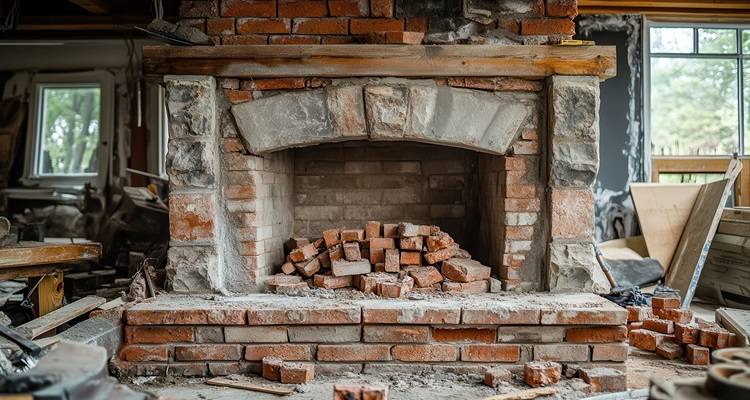
Fireplace Opening Prices
The cost of opening a fireplace can vary a lot. Some of the main factors that influence the price include:
- The size of the fireplace.
- The fireplace's age and condition.
- How you intend to use the fireplace (fully functional or decorative).
- Whether the chimney breast needs structural work.
- Whether a new flue liner is required for solid fuel or gas fires.
Here's an overview of costs based on different scenarios:
| Job Description | Total Estimated Cost |
|---|---|
| Open up blocked fireplace | £300–£500 |
| Open up blocked fireplace and add lintel | £450–£700 |
| Complete open up (including plastering, lintel, hearth, chimney sweep) | £800–£1,200 |
Want a custom price?
Post your job
One of the biggest influences on how much you'll pay is whether the fireplace was originally boarded up.
In some cases, some of the old surround or insert will still be visible, but in most cases, this will no longer be present, and the opening will have been boarded or bricked up.
You can expect to pay less if the opening has been boarded up rather than bricked over.
Supply Cost to Open Up a Fireplace
There are quite a few costs that you may need to think about if you wish to open up your fireplace.
You might need to cover the costs of a hearth, lintels, fire surrounds, and flue liners, to give a few examples.
Here are the costs you are likely to encounter:
| Item/Service | Total Estimated Cost |
|---|---|
| Lintel (steel, concrete) | £50–£150 |
| Fire-rated plasterboard | £25–£40 per sheet |
| Brickwork and mortar | £100–£250 |
| Decorative materials | £150–£750 |
| Hearth | £100–£350 |
| General labour costs | £30–£60 per hour |
| Chimney sweeping | £95 |
| Structural engineer survey | £200–£400 |
| Building Control fee | £150–£250 |
| Waste disposal | £30–£60 |
Want a custom price?
Post your job
The materials you choose can also have a big influence on the overall fireplace cost. There can be significant differences between stone, brick, and cast iron, and you can expect to pay more for higher-end finishes and designs.
If you're opening up a fireplace in a period property, it's worth allowing for the possible cost of a new flue liner. Whether you need one will depend on the condition and size of the existing flue, as well as the appliance being installed, to meet building regulations.
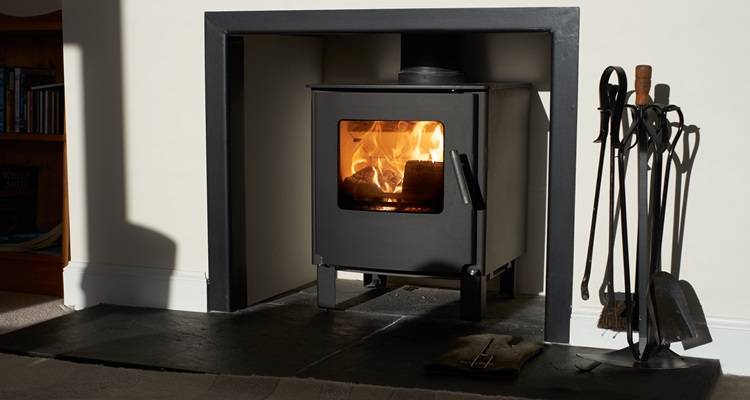
Additional Costs of Opening Up a Fireplace
When you're opening up a fireplace, or moving a fireplace, you'll also need to think about potential extra costs that you might face beyond the main installation.
Structural Engineer Survey
Depending on your situation, you may need a structural inspection to confirm that the chimney breast and surrounding walls are safe, particularly if reinforcement work is required. A structural engineer typically charges between £200 and £400 for this service.
Chimney Preparation
If you're planning on using your fireplace, rather than having it as a decorative feature, you'll need to budget for additional chimney costs:
- Chimney sweeping costs £95, and is critical before you use your fireplace.
- Chimney liners cost around £800, but whether you need one will depend on the condition and size of the existing flue and the appliance being installed.
- Chimney capping costs £150 to £250 per chimney pot, helping to prevent water ingress and stop wildlife entering the flue.
Ventilation and Flue Liners
Whether you need a flue liner for a wood-burning stove or open fire will depend on the condition and size of the existing flue. It ensures smoke and dangerous gases are safely directed outside, while also protecting your home from fire hazards and improving heating efficiency.
The cost of installing a chimney liner in the UK is typically between £600 and £1,000, with an average cost of around £800, depending on the type of liner and the size of your chimney.
Supply-only costs are lower, with materials such as stainless steel liners costing from around £18 to £25 per metre. However, most homeowners will need professional installation to ensure the system meets building regulations and operates safely.
If additional work is required (such as chimney sweeping, repairs, or improving ventilation), the total cost can increase beyond £1,000, particularly for older or blocked up chimneys.
The most common types of flue liners include stainless steel flexible liners, as well as clay, concrete, and pumice liners. Your installer will recommend the best option based on your chimney type and the fuel you plan to use.
What are your biggest concerns about opening up a fireplace?
Price and affordability
1 votes - 50%50% of votes
Safety and structural concerns
0 votes - 0%0% of votes
Functionality once completed
0 votes - 0%0% of votes
Adhering to regulations and safety standards
1 votes - 50%50% of votes

2 votes
See results
Hide results
Labour Cost to Open Up a Fireplace
There are a few factors that can influence what you'll pay in labour:
- The Project's Complexity — Whether you're fully opening a fireplace, or just adjusting for decorative use.
- Your Location — You may pay more if there are fewer tradespeople in your area to carry out the work.
Let's look at some average project durations:
Fireplace Opening Timescales
| Job Description | Duration |
|---|---|
| Open up blocked fireplace | 1 day |
| Open up blocked fireplace and add lintel | 1 to 2 days |
| Complete open up (including plastering, lintel, hearth, chimney sweep) | 2 to 3 days |
Want a custom price?
Post your job
A basic fireplace opening typically takes 1 day. The tradesperson will assess the space, remove any blockages, and clear debris.
If you're adding features like a wood-burning stove, flue liner, or ventilation system, allow an extra 1 to 2 days to ensure everything is installed safely and to a high standard.
Ask a Trade
Got a question that only a tradesperson can answer? We have thousands of trades ready to answer any question you may have.
Ask your question

Factors That Impact the Cost of Opening a Fireplace
Here's a list of the main cost factors you need to think about when opening up a fireplace:
- Size of the Existing Chimney — The taller your chimney, the longer it'll take to work on.
- Structural Condition — If you have a damaged, old chimney, expect your timescales to extend as the job's complexity increases.
- Fireplace Type and Material Finishes — Simple fireplace designs and budget materials will cost less than premium decorative features.
- Flue Liner Installation and Ventilation — A working open fire needs permanent ventilation, while a liner may be required if the existing flue is damaged or unsuitable for the appliance.
- Building Inspections — Structural changes will incur additional fees for structural inspections before work can be carried out.
- Waste Removal — If you're removing an old fireplace, you'll need to pay for the waste removal.
- Labour Costs — Labour charges vary from location to location, with higher charges in London and the surrounding areas.
Building Regulations Linked to Opening Up Fireplaces
When opening up a fireplace, you'll need to comply with specific building regulations for safety and legal reasons.
If the fireplace is being reopened for use with a working fire, it must meet the relevant safety requirements under Part J of the Building Regulations. The chimney must be structurally sound, in good condition, and of sufficient height to provide safe ventilation. If it isn't tall enough, this could cause inadequate ventilation and a dangerous build-up of fumes.
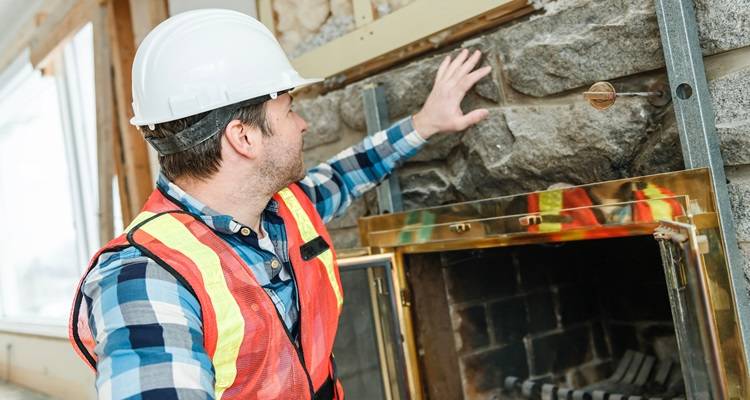
The chimney breast may need to be inspected for structural integrity, and the flue lined with a suitable liner for the appliance being installed. Your installer should be able to advise on whether this applies to your property.
In all cases, work must comply with relevant regulations to maintain the safety, value, and integrity of the property. All work must be signed off by Building Control or a registered installer.
Cost of Opening Up a Fireplace by Type & Purpose
There are several options to consider when opening up a fireplace:
Opening Up a Fireplace for a Log Burner or Open Fire
Wood-burning stoves are a popular choice for homeowners who want both atmosphere and practical heat output. They're efficient, visually appealing, and can reduce reliance on central heating.
Opening up a fireplace for a log burner is one of the most popular reasons homeowners choose to reopen a blocked up chimney. It can add warmth, character, and value to a period property.
Opening up a fireplace for a log burner typically costs from around £800, but can exceed £2,500 once chimney lining, ventilation, and finishing materials are included.
The total cost can rise significantly once you include chimney sweeping, a new flue liner, ventilation, and the stove installation itself.
Open fires are similarly atmospheric but often require more extensive structural work to meet current safety and efficiency standards. Costs can also rise if the chimney needs lining or additional ventilation work is required.
Opening Up a Fireplace for Decoration
Decorative fireplaces can serve as impressive focal points, often featuring original period designs and historic craftsmanship. That said, not all decorative fireplaces are suitable for heating, so if warmth is a priority, you'll need to consider a functional option instead.
Installing Alternative Types of Fireplaces
If you're thinking about installing another kind of fireplace, you can choose from stylish and convenient electric and bioethanol fireplaces.
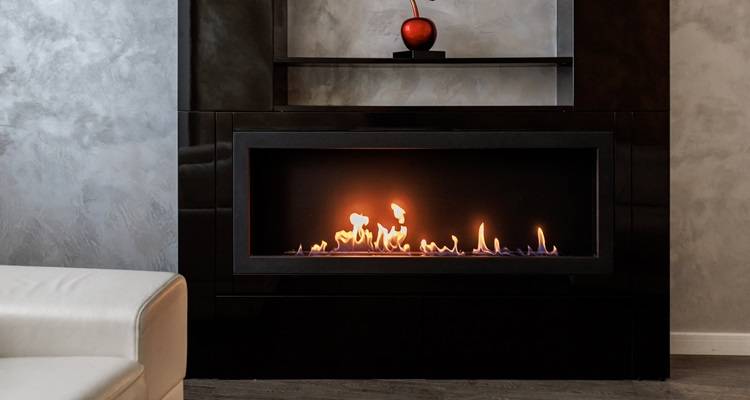
These have become popular amongst people looking for efficient and aesthetically pleasing solutions that don't require them to make big changes to their homes.
Electric fireplaces don't need ventilation, which means they can be great for homes that don't have chimneys.
Bioethanol fireplaces use renewable bioethanol fuel to make real flames. They do not need a chimney or flue, but the room should be well ventilated because combustion emissions are released into the surrounding space.
Benefits of Opening Up a Fireplace
Opening up a fireplace can improve your home in several ways, from aesthetics and heating efficiency to property value.
Aesthetically Pleasing
An open fireplace can serve as a striking centrepiece, whether you're restoring an original feature or creating something new. It can add warmth and character to a room, particularly during the colder months.
Reopening a fireplace can also help restore a period property's original features and improve air circulation throughout the home.
Heat Generation
A functional fireplace can serve as a practical heating solution (whether that's a wood-burning stove or an open hearth), helping to reduce reliance on central heating.
Value-Adding Benefits
A fireplace is a desirable feature for many buyers, and the cost of opening one up can be outweighed by the value it adds to your property, particularly if it's an original period fireplace in good condition.
Sustainable Option
Wood-burning stoves can have a lower carbon impact than gas or oil heating when they use responsibly sourced wood. However, they still produce smoke and other air pollutants, so they are not a completely clean form of heating.
Removing or Restoring a Fireplace
Depending on the condition of your fireplace, you may need to consider restoration, renovation, or full removal alongside the opening-up work.
Fireplace Renovation Cost
The cost of reinstating a fireplace will vary depending on the materials and finish you choose. Opening up a fireplace using low-end materials typically costs around £640, while high-end materials, such as premium stone or brick finishes, can bring the total closer to £2,650.
If you're planning to use the fireplace for burning fuel, you'll need to budget for chimney sweeping and may also need a liner, depending on the condition of the existing flue. If required, a new flue liner typically costs between £600 and £1,000, with an average cost of around £800, although the total can be higher if additional repairs or ventilation work are needed.
Fireplace Removal Cost
Removing a fireplace is a significant job. You'll need to budget for the removal itself, debris disposal, and any repairs to nearby walls and floors once the fireplace has been taken out.
The cost will vary depending on the extent of the removal and any necessary structural work, but expect to pay in the region of £1,000 to £3,000 if you want the internal chimney breast removing.
Checklist: Hiring Local Builders to Open a Fireplace in the UK
Here's what we suggest when you're looking for a local builder:
- Gather at least 3 quotes from different builders near you using MyJobQuote.
- Get clear, itemised quotes, so there are no hidden costs.
- Check certifications, including HETAS certification for solid fuel installations, or Gas Safe registered status for gas installations.
- Ask about warranties or guarantees on the labour or parts.
FAQs
How Much Does It Cost to Open Up a Fireplace in the UK?
Most homeowners pay between £300 and £1,200, depending on whether the fireplace is boarded or bricked up, the condition of the chimney, and whether a new flue liner is required. The average cost is around £1,000 for a complete opening.
What's the Average Cost to Redo a Fireplace?
The cost to redo or renovate a fireplace depends on the scope of work. A basic cosmetic refresh can cost from a few hundred pounds, while a full reinstatement including a new fire surround, flue liner, and structural work can reach £2,650 or more for premium finishes.
How Do You Open Up a Closed Fireplace?
Opening up a closed fireplace involves removing whatever is blocking the opening, whether that's a board, plasterboard panel, or brickwork. A tradesperson will assess the chimney's condition, remove the blockage, clear any debris, and carry out any additional work such as adding a lintel or lining the flue.
It's not recommended as a DIY job due to the structural and safety risks involved.
What to Do with a Closed Up Fireplace?
You have several options when it comes to a closed up fireplace:
- Open it up fully for use with a wood-burning stove or open fire.
- Reopen it as a decorative feature only.
- Leave it closed and use the alcove for shelving or storage.
If left closed, make sure there's adequate ventilation to prevent damp build-up in the chimney.
Do I Need Planning Permission to Open Up a Fireplace?
Most homeowners don't need planning permission to open up a fireplace. However, check with your local planning authority for listed buildings, homes in conservation areas, and projects involving a rear-facing or side-facing flue that would rise more than one metre above the highest part of the roof.
Is It Safe to Open Up a Fireplace?
It's generally safe to open up a fireplace, but you should be aware of the risk of causing structural damage. Hiring a surveyor to assess the structural integrity of the fireplace before work begins is strongly recommended.
How Much Does It Cost to Install a New Flue Liner?
A new flue liner typically costs between £600 and £1,000 including installation, with an average price of around £800. Costs may be higher if additional work such as chimney repairs or sweeping is required.
Can You Open Up a Fireplace for Decoration Only?
Yes. You can open up a fireplace purely as a decorative feature without making it fully functional. This is typically less expensive, as you won't need a flue liner or ventilation system. A basic decorative opening can cost from £300 upwards.
What Can I Do with the Debris Once I Have Opened Up My Fireplace?
It's important to dispose of debris properly. Options include hiring a skip or using a waste removal company. Check your local authority's regulations on waste disposal to avoid any penalties.
Will Opening Up My Fireplace Add Value to My Home?
Opening up a fireplace can increase the value of your property, particularly if it improves the aesthetics of the room or makes your heating more efficient. An original period fireplace in good condition can be a desirable feature for potential buyers.
Could I Just Remove My Fireplace Completely?
Yes. Some homeowners choose to have their fireplace removed entirely to create more living space. You'll need to budget for removal, debris disposal, and repairs to nearby walls and floors.
How Do I Know if My Fireplace Has Been Bricked Up or Boarded Up?
A boarded-up fireplace will typically sound hollow when tapped and may have a visible panel or sheet covering the opening. A bricked-up fireplace will feel solid and may be plastered over. A tradesperson or surveyor will be able to confirm this during an inspection.