Builders
 Carpenters
 Electricians
 Flooring Specialists
 Gardeners
 Handymen
 Heating Engineers
 Painters & Decorators
 Plasterers & Renderers
 Plumbers
 Roofers
 Tilers
 my
myDry Ridge System Cost
At a Glance
- The average cost of installing a dry ridge system is £1,250.
- Depending on the complexity of the job, it usually takes between 1 and 2 days.
- A breakdown of how much it typically costs to install a dry ridge system in the UK.
- What impacts the cost you'll be quoted in 2026.
- How to find and hire a dry ridge system installation specialist and what questions to ask.
Get free estimates
Are you a trade? Get more work today!
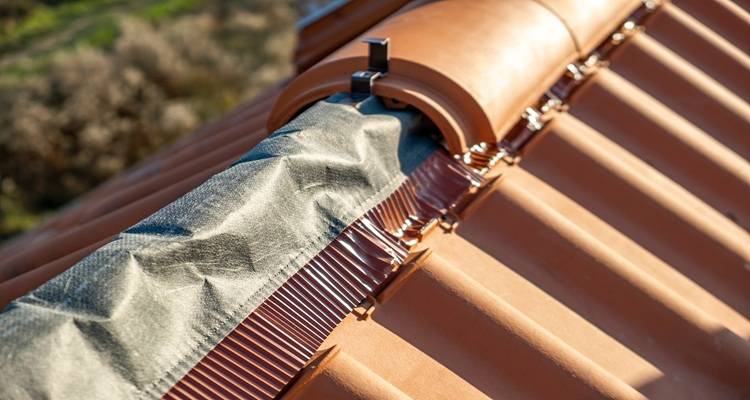
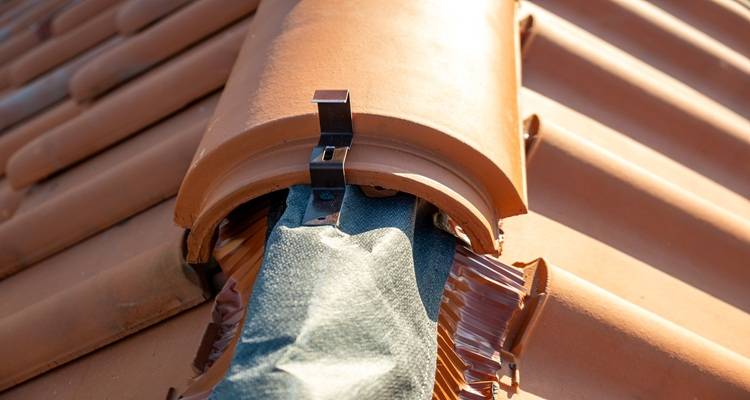
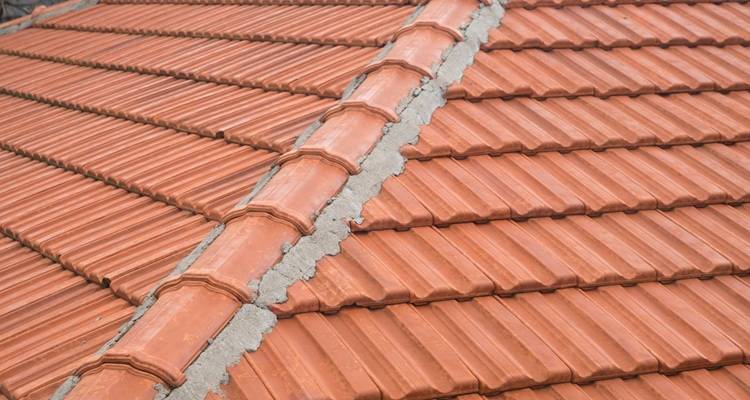
A dry ridge system is a modern way to secure the ridge tiles along the top of a pitched roof without relying on traditional mortar. Instead, it uses mechanical fixings, such as clamps, unions, and brackets, to hold the tiles firmly in place.
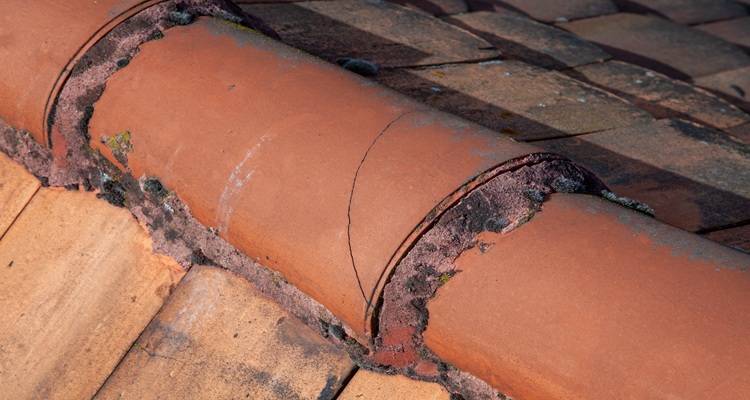
Many homeowners choose a dry ridge system because it offers a durable, weather-resistant finish with better roof ventilation and less long-term maintenance than mortar, which can crack or crumble over time.
£1,250
Table of Contents
- How Much Does Dry Ridge System Installation Cost?
- Labour Cost of Dry Ridge System Installation
- Supply Costs for Dry Ridge System Installation
- Additional Costs of Dry Ridge System Installation
- What Impacts the Cost of Dry Ridge System Installation?
- What's Involved in Installing a Dry Ridge System?
- How Long Should You Leave a Dry Ridge System After Installation?
- Building Regulations for Dry Ridge System Installation
- Types of Dry Ridge System
- Alternative Types of Ridge Fixing
- Cleaning and Maintaining a Dry Ridge System
- Repair Costs for Dry Ridge Systems
- Checklist: Hiring Contractors for Dry Ridge System Installation in the UK
- FAQs
How Much Does Dry Ridge System Installation Cost?
The price you'll pay depends on the length of the ridge, the number of tiles, the condition of the existing mortar, how easy your roof is to access, and whether the old ridge tiles need removing, reusing, or replacing. Scaffolding, your location, and the pitch of your roof can also affect the total cost.
As a rough guide, a dry ridge system costs between £40 and £75 per linear metre installed, covering materials and labour. For a typical semi-detached home, this works out at around £900 to £1,600 in total, though a smaller roof could cost as little as £500 and a larger or more complex ridge line could cost more than £1,800.
What best describes your dry ridge system installation?
Small terraced or porch roof
2 votes - 18%18% of votes
Standard semi-detached
5 votes - 45%45% of votes
Large or complex ridge line
4 votes - 36%36% of votes
Labour-only (tiles already removed)
0 votes - 0%0% of votes

11 votes
See results
Hide results
If you're replacing old ridge tiles with a new dry ridge system, rather than fitting one on a new roof, expect to pay £900 to £1,900 in total once the cost of removing the existing mortar and tiles is included. If you only need the tiles themselves replaced, without switching to a dry ridge system, our ridge tile replacement cost guide has a dedicated price breakdown.
Dry Ridge System Price List
| Roof Size / Complexity | Typical Cost | Timescale |
|---|---|---|
| Small terraced roof (short ridge) | £500–£900 | 1 day |
| Standard semi-detached | £900–£1,600 | 1 to 2 days |
| Large or complex ridge line | £1,600–£2,500 | 2 days |
Want a custom price?
Post your job
Cost to Install a Dry Hip Ridge System
Roofs with hip ends, rather than a straight ridge, need extra fixings at each hip. A dry hip ridge system typically costs an extra £300 to £400 per hip, on top of the standard installation cost for the rest of the ridge line. Most hip roofs need 2 to 4 hips, which can add £600 to £1,600 to the total price.
Labour Cost of Dry Ridge System Installation
Labour makes up a large part of the total cost, and most roofing contractors charge a day rate rather than an hourly rate for this type of work. A roofing contractor typically charges £200 to £350 per day for a dry ridge installation, which is reflected in the £40 to £75 per linear metre installed cost mentioned above.
For a small, straightforward ridge, labour-only costs range from £300 to £600 for a single day's work. Larger or more complex jobs, including those needing extra preparation or a longer ridge line, typically take 1 to 2 days and can push labour-only costs up to £600 to £1,200.
The exact timescale can be affected by the weather, access, roof height, and the condition of the existing ridge.
Supply Costs for Dry Ridge System Installation
Supply-only costs will depend on things like the brand, the roof design, and ridge length.
Here are some typical material prices:
- Dry ridge kit (6-10m): £80 to £150.
- Ridge unions and clamps, including waterproof unions for extra weatherproofing: £2 to £5 each.
- Fixing screws, brackets and plates: £10 to £25.
- Ventilation components: £20 to £50.
- Replacement ridge tiles (if needed): £4 to £10 per tile.
- Underlay or battens (if you require repairs): £50 to £150.
Premium systems with additional components, such as reinforced unions or extra ventilation strips, often provide enhanced durability. Longer ridgelines will also increase the overall price you pay.
Additional Costs of Dry Ridge System Installation
Alongside the standard installation cost, you may face extra costs once work gets underway. Common additional costs include:
- Scaffolding — £300 to £900 for the duration of the job. Our scaffolding cost guide has a full breakdown.
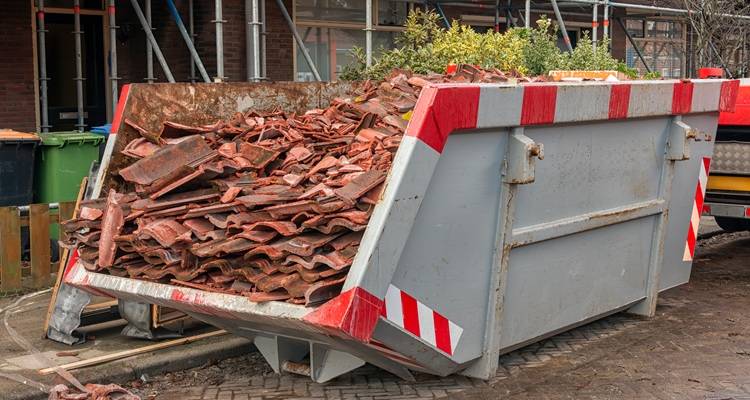
- Skip hire and waste removal — £80 to £200. See our skip hire cost guide for prices by skip size.
- Removing old mortar and existing ridge tiles — £150 to £300. This is often needed before a dry ridge system can be fitted, and covers lifting the tiles, clearing loose material and checking the condition of the battens and underlay beneath.
- Replacing damaged tiles — £4 to £10 per tile.
- Roof timber or batten repairs — £150 to £400, if rot or damage is found once the old covering is removed.
- Underlay or membrane repairs — £50 to £150.
- Repointing elsewhere on the roof — £80 to £300. If it's your chimney stack that needs attention, our chimney repair guide covers this in more detail.
- Ridge tile replacement — £40 to £70 per metre, if the existing tiles can't be reused.
It's fairly common to find hidden issues, such as cracked tiles, rotten battens, or damaged membranes, once work starts. Combining the job with other roof repairs, such as a roof valley replacement, can also add to the final total cost.
What Impacts the Cost of Dry Ridge System Installation?
Several factors affect the quote you're given for a dry ridge system, including:
- Ridge length and roof size — longer ridge lines need more materials and take longer to fit.
- Roof height, pitch and ease of access — taller or steeper roofs often need more scaffolding.
- Condition of the existing mortar — cracked or crumbling mortar adds to removal costs.
- Whether old ridge tiles can be reused — reusing tiles keeps the initial cost down, while damaged tiles need replacing.
- Roof complexity — hip ridges and other complex roof designs cost more than a simple, straight ridge.
- Location — labour rates are typically higher in London and the South East.
- Quality of the dry ridge kit — premium kits cost more but can offer enhanced durability and lower maintenance costs over time.
Choosing a very cheap installation increases the risk of a poorly fitted system with a shorter lifespan than a higher-quality option.
Ask a Trade
Got a question that only a tradesperson can answer? We have thousands of trades ready to answer any question you may have.
Ask your question

What's Involved in Installing a Dry Ridge System?
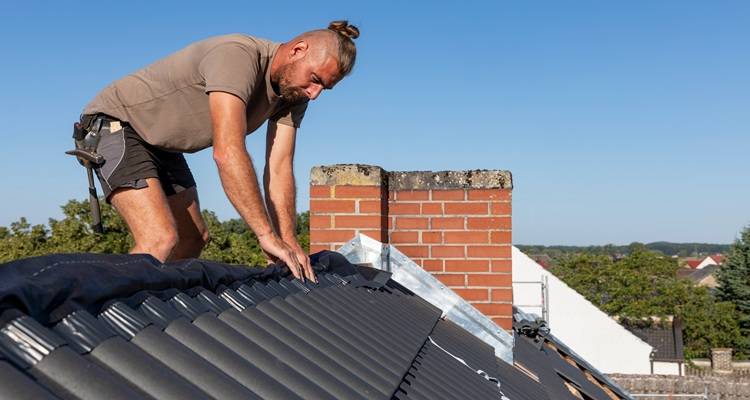
Installing a dry ridge system means working at height along the entire ridge line, so it isn't a DIY-friendly job for most homeowners.
Because of this, the vast majority of homeowners choose to find and hire a local roofing contractor.
With MyJobQuote you can compare several quotes from roofers near you. It's fast, free, and there is no obligation to go ahead.
Let's take a look at the process of fitting a dry ridge system:
Before the Job
- Preparation and Access Setup — Scaffolding or roof ladders are put up, and the ridge area is cleared ready for work.
- Removing Old Mortar and Tiles — Old mortar is scraped out, loose material is removed, and the tiles are lifted clear.
- Checking Battens, Underlay and Ridge Line — Any rotten battens or torn membranes are repaired before the new system goes on.
During the Job
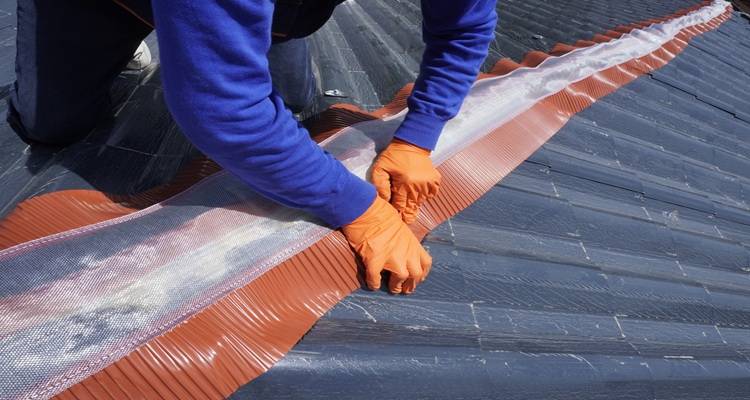
- Laying the Ventilation Roll — A breathable ridge roll is fixed along the ridge to improve airflow.
- Positioning and Fixing the Tiles — Tiles are placed over the roll and secured using clamps, unions, and fixings, which helps keep them in place even in high winds.
After the Job
- Final Tightening and Alignment — The ridge line is checked for straightness and securely tightened.
- Cleanup and Disposal — Waste mortar, broken tiles, and packaging are removed from the site.
How Long Should You Leave a Dry Ridge System After Installation?
Unlike mortar, a dry ridge system doesn't need curing time. However:
- You still need to avoid walking on the ridge area for 24 hours.
- Avoid pressure washing for at least a week.
- If ridge tiles were replaced, allow fixings to settle for 48 hours.
Building Regulations for Dry Ridge System Installation
Since 2014, British Standard BS 5534 has required all new or replacement ridge and hip tiles to be mechanically fixed, rather than relying solely on mortar. This is one of the main reasons dry ridge systems are now the standard choice for both new roofs and refurbishments.
Types of Dry Ridge System
There are two main types of dry ridge system: standard kits, which use basic mechanical fixings along a straight ridge line, and dry hip ridge systems, designed specifically for roofs with hip ends. Within these, ventilated systems improve airflow and reduce condensation, universal kits suit most tile profiles, and profile-specific kits are designed for particular roof tiles. Each type varies in cost, durability, and suitability.
Alternative Types of Ridge Fixing
Some popular alternatives to a dry ridge system include traditional mortar bedding, which is cheaper upfront but is higher maintenance. Dry fix systems use a similar mechanical approach on other parts of the roof, while simple repointing offers a shorter-term fix that isn't as durable. You'll normally get more longevity and lower maintenance from a dry ridge system than from any of these alternatives.
Cleaning and Maintaining a Dry Ridge System
Dry ridge systems are low-maintenance, but you can extend their lifespan by:
- Clearing moss and debris from the ridge line.
- Checking fixings every few years.
- Avoiding DIY pressure washing directly on the ridge.
- Replacing cracked ridge tiles promptly.
- Ensuring gutters and roof ventilation remain clear.
Maintenance requirements are far lower than with mortar, which often cracks, weathers, and needs to be repointed.
Repair Costs for Dry Ridge Systems
Repairs are usually cheaper than full replacement:
- Replacing a single ridge tile: £20 to £50.
- Fixing loose unions or clamps: £40 to £80.
- Replacing a damaged section of ridge roll: £50 to £120.
- Minor repointing elsewhere on the roof: £80 to £150.
Checklist: Hiring Contractors for Dry Ridge System Installation in the UK
It's worth comparing quotes from a few tradespeople before choosing who to hire. Here's what to check first:
- How much experience do they have with dry ridge systems? Look for a roofing contractor who has fitted this specific type of system before, not just standard mortar ridges.
- Can they show examples of previous work? Ask to see photos of completed dry ridge installations.
- Do they have public liability insurance? This protects you if anything goes wrong while they're working at height.
- Does the quote include scaffolding, waste removal, and ridge tile removal? Get this confirmed in writing before work starts.
- Will old ridge tiles be reused or replaced? Ask them to clarify this upfront, as it affects the final price.
- Do they have positive reviews? Check their MyJobQuote profile to see what other homeowners are saying about their work.
FAQs
How Much Does a Dry Ridge System Installation Cost?
Most homeowners pay £900 to £1,600 for a dry ridge system, which works out at around £40 to £75 per linear metre installed. The final cost depends on things like ridge length, access, and how much preparation work is needed.
How Much Does It Cost to Replace Ridge Tiles With a Dry Ridge System?
Replacing old ridge tiles with a new dry ridge system typically costs £900 to £1,900 for a standard semi-detached roof. This covers removing the existing mortar and tiles, fitting the new mechanical kit, and reusing or replacing tiles as needed.
How Much Does a Dry Hip Ridge System Cost?
A dry hip ridge system typically costs an extra £300 to £400 per hip, on top of the standard per-metre installation cost for the rest of the ridge line.
How Long Does a Dry Ridge System Installation Take?
A small roof can usually be completed in a single day, but larger or more complex roofs tend to take 1 to 2 days.
Which Is Cheaper, a Dry Ridge System or Mortar?
Mortar bedding usually has a lower initial cost, but it cracks and needs repointing every 10 to 15 years. A dry ridge system costs more upfront but needs far less maintenance, improves ventilation, and often works out cheaper over the lifetime of the roof.
Can Old Ridge Tiles Be Reused?
Old tiles can often be reused if they're in good condition. Cracked or damaged tiles will need replacing, which typically costs £4 to £10 per tile.
Do You Need Building Regulations for a Dry Ridge System?
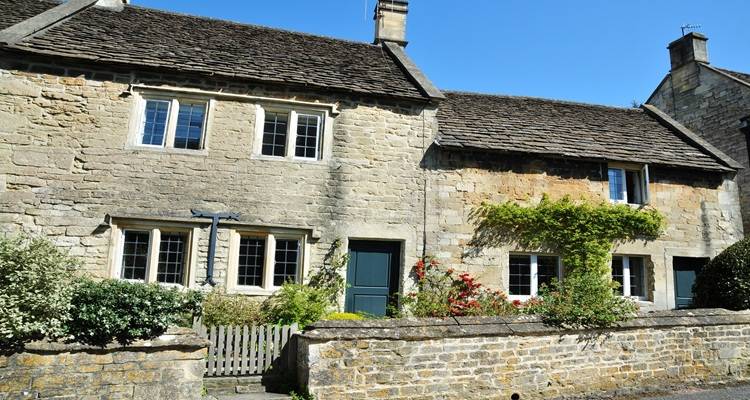
You usually don't need building regulations approval for a like-for-like ridge tile replacement. But the work may fall under building regs if it affects ventilation, structure, or a large portion of the roof. Extra restrictions can also apply to listed buildings or homes in conservation areas.
Do Dry Ridge Systems Leak?
A correctly installed dry ridge system shouldn't leak. Leaks are usually caused by poor installation, perished seals, or unions that have worked loose over time, which is why it's worth choosing an experienced roofing contractor.
Is a Dry Ridge System Worth the Budget?
For most homeowners, yes. A dry ridge system reduces long-term maintenance and typically lasts longer than mortar, which can make it worth the higher upfront cost.
Do I Need Scaffolding?
Most homes need scaffolding for this work, especially if the ridge is high up or access is limited.
How Long Does a Dry Ridge System Last?
Typically 20 to 30 years, depending on weather exposure and the condition of the tiles.