Builders
 Carpenters
 Electricians
 Flooring Specialists
 Gardeners
 Handymen
 Heating Engineers
 Painters & Decorators
 Plasterers & Renderers
 Plumbers
 Roofers
 Tilers
 my
myReplace Roof Valley Cost
At a Glance
- The average cost to replace a roof valley is £540.
- Most jobs take 5 to 8 hours to complete.
- NEW! Try our roof valley replacement cost calculator.
- Roof valley replacement costs in 2026 by type, material, and more.
- What is typically involved to complete the job.
- How to find a local roofer using MyJobQuote.
Get free estimates
Are you a trade? Get more work today!
Want to know how much it will cost to replace a roof valley?
In this guide, we're going to explore everything you need to know about roof valley replacement costs, the different types of replacement methods available and all the costs associated with these types of jobs.
Ready to get a quote?
Tell us what you need and we'll connect you with roofers near you who can provide quotes for this job. There's no cost, no obligation, and no hassle.
Want to find out more before you start comparing prices?
Continue reading below!
£540
Table of Contents
- How Much Does It Cost to Replace a Roof Valley?
- Supply Only Costs
- Additional Costs
- Labour Costs and Timescales
- Cost Factors of Replacing a Roof Valley
- What's Involved in Replacing a Roof Valley?
- Building Regulations & Planning Permission for a Roof Valley Replacement
- Types of Roof Valley Tiles
- Hiring Contractors to Replace a Roof Valley Checklist
- FAQs
Roof Valley Replacement Cost Calculator
How Much Does It Cost to Replace a Roof Valley?
Are you looking for information about replacing a roof valley?
In this guide, we will go over everything you need to know about replacing a roof valley, including the overall costs, the labour costs, the supply costs, and any additional costs.
We will also look at some additional information, such as what's involved with replacing a roof valley, the rules and regulations surrounding this type of work, and some things to look out for when hiring the right contractors for the job.
So if you're looking to get your roof valley replaced, read on to find out everything you need to know.
Most full roof valley replacements cost around £540.
Replacing a roof valley prices will vary depending on the extent of the job. Roof valley repointing involves replacing the cement only and re-using the existing valley flashing.
Why do you need to replace your roof valley?
Minor repair work only
2 votes - 9%9% of votes
Due to leaks/cracks
19 votes - 83%83% of votes
Upgrading design or replacing the roof
2 votes - 9%9% of votes
As part of a wider renovation project
0 votes - 0%0% of votes

23 votes
See results
Hide results
For this type of work, you can expect to pay around £90 to £225. If you are looking for a complete replacement, you can expect to pay around £400 to £675, depending on the chosen material and design.
The prices above assume a typical replacement with easy access to the roof tiles, valley, and roof. Most roofers will work in pairs for safety reasons.
On average, you can expect it to take around 4 to 6 hours to repair a roof valley and around 6 to 8 hours to completely replace the roof valley.
The prices for this work can vary depending on several factors. Some of these factors include the type of roof valley on your home, your location in the UK, the size of your roof valley, and the ease of access.
What would it cost to repair the ridge tiles and valley?
"Would completely depend on the size of the house, type of roof, and accessibility. But if we take out the cost for scaffolding (you’ll need to add that on), the cost for re-bedding all ridges on a three-sided hip roof with an annexe allowing for two valleys of 3 metres or under would be between £650 and £850, depending on the above criteria."
Roof Valley Replacement Prices
Below is a table showing the average roof valley replacement cost and roof valley repair cost that you may expect for various jobs.
| Description | Average Cost |
|---|---|
| Small repair on lead-lined valley | £90–£225 |
| Full replacement on lead-lined valley | £550–£675 |
| Small repair on preformed valley | £95–£175 |
| Full replacement on preformed valley | £500–£600 |
| Small repair on glass-reinforced plastic (GRP) valley | £60–£120 |
| Full replacement on GRP valley | £400–£500 |
| Small repair on preformed mortar-free valley | £85–£160 |
| Full replacement on preformed mortar-free valley | £500–£600 |
Want a custom price?
Post your job
Supply Only Costs
When you hire a contractor to take care of a roof valley replacement for you, they will usually incorporate all of the costs into your quote, including the cost of labour and materials.
However, if you're interested in purchasing the materials yourself, you can then hire a contractor separately. In these cases, you may be wondering how much the supplies alone cost.
The price you will pay for the materials will depend on the size of your roof or the number of valleys you need.
Valleys aren't supplied in very long lengths. Instead, you will purchase these in chunks that are three metres in length. This allows you to purchase as many as you need to suit your home.
You can expect to pay around £4 to £12 for every metre of materials for GRP roof valleys. This will depend on the type of materials, shape, and colour you choose. They come in various styles and varieties, so you should be able to find one that suits your roof.
Lead-lined valleys tend to cost more and are more difficult to purchase from retailers. If you need this type of valley, you should speak to a roofing expert for some advice on purchasing the supplies.
Additional Costs
When it comes to replacing your roof valley, you may want to get some additional jobs done simultaneously.
Below, we will take a look at the additional things that you may need to budget for with this type of work.
Roof Replacement Cost
Instead of replacing your roof valley, you may prefer to replace the entire roof.
The average roof replacement costs around £5,250.
However, the prices you're quoted will depend on the size of the roof, the materials used, and your location in the UK.
For different types of roof installations, you can expect to pay:
- £4,250 to £4,750 for a standard hip roof on a semi-detached property.
- £5,250 to £5,750 for a standard hip roof on a detached property.
- £3,250 to £3,750 for a standard gabled roof on a semi-detached or detached property.
- £4,750 to £5,250 for a complex gabled roof on a semi-detached or detached property.
Similarly, while you're making changes to the roof, you may also want to consider making some further changes so that you can add a loft conversion.
Scaffolding
Scaffolding is expected for this type of job on a sloping roof, and how easy the roof is to reach affects how much scaffolding is needed rather than whether any is needed at all.
The contractor will typically add the cost of scaffolding to your overall quote for the job.
Timber Repairs
Sometimes when the old valley has been leaking, the timber underneath it (valley boards or supporting rafters) will be wet or starting to rot. You can't fix a new valley onto timber that won't hold fixings or keep its shape.
If this is discovered when the tiles and old valley are lifted, your roofer will have to cut out the damaged sections and replace them before installing the new valley. This will usually cost you extra, but it's not optional if you want the repair to last.
Labour Costs and Timescales
If you are interested in purchasing your materials separately and then hiring contractors to complete the work for you, you may be interested in learning more about the labour costs for this work.
These are the prices for the labour side of the work alone, without the cost of the materials used.
Most roofers will work in pairs for safety reasons. The average cost to hire roofers is around £200 to £275 per day for both roofers.
On average, you can expect the following timescales:
- 4 to 6 hours to repair a roof valley.
- 6 to 8 hours to completely replace the roof valley.
The prices for this work can vary depending on several factors, including:
- The type and size of roof valley.
- Your location in the UK.
- The ease of access to your roof.
Scaffolding is expected for this type of work on a sloping roof, and how easy the roof is to reach affects how much scaffolding the job needs. The contractors will add the cost of scaffolding to your overall quote for the job.
Ask a Trade
Got a question that only a tradesperson can answer? We have thousands of trades ready to answer any question you may have.
Ask your question

Cost Factors of Replacing a Roof Valley
As with any other work on the house, several things can affect the overall cost of replacing a roof valley. Below is a list of the main things that may affect the overall cost of this job.
Type of Roof Valley
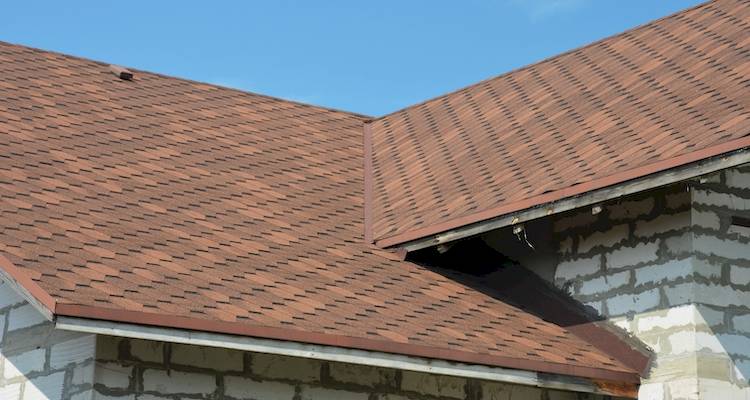
The type of roof valley that you have on your roof will affect the overall cost of the job. Some roof valleys are cheaper and easier to replace, so the cost will work out less.
It's always best to speak to your contractor to determine how long your job will take and the costs involved.
Size of the Roof Valley
The size of the roof valley will also affect the overall cost of the job. A larger roof valley will require more materials and will also take longer to complete.
With this in mind, the larger the roof valley, the more you can expect to pay in both labour costs and the cost of the materials.
Ease of Access
The ease of access to the roof can affect the overall cost considerably. If the roof is difficult to access, this may make the job more complicated and will result in the job taking much longer.
Scaffolding is expected for work on a sloping roof, and a roof that's particularly difficult to access will usually need more of it to complete the job properly and safely.
The cost for scaffolding will vary depending on how much is needed and the length of time that it is needed. Your contractors will incorporate the cost of scaffolding into the overall price of the job.
Location of Property
The location of your property is also a major factor in the price that you can expect to pay for this work. Those based in the London area will pay more for the work than those based in the North or other parts of the UK.
This is because the cost of labour is generally a lot higher in London and the surrounding areas when compared to other parts of the UK.
How much does it cost to replace a 6m lead valley (300mm wide) on a slate roof?
"About £850 plus scaffolding costs to access the roof. That would be fair."
What's Involved in Replacing a Roof Valley?
If your roof valley is leaking, you will usually need to have a partial or full replacement of the roof valley.

This can include replacing your roof tiles, replacing the flashing, replacing the membrane, or replacing all three.
It is not recommended that you do any work on your roof unless you have the appropriate skills and experience.
Working on an old roof is dangerous, and a DIY job could end up costing a lot more than hiring a professional in the first place. With MyJobQuote, you can get multiple free quotes from local roofers, with zero obligation to go ahead.
Below is an overview of what is involved in replacing a roof valley:
Before the Job Starts
- A full inspection is performed on the roof to determine the exact cause of the leaking roof valley. This allows the contractors to understand exactly what needs to be replaced.
During the Job
- Your roofer will lift as many tiles as needed around the affected area so that the damaged flashing can be safely removed and then replaced.
- They will then install the new layer of flashing. Depending on the materials used and your needs, this will be with either wet-fixing or dry-fixing.
After the Job
- If the valley has been wet-fixed with mortar, this is given time to set before work continues. Dry-fixed GRP valleys use fixings rather than mortar, so there's nothing to wait for at this stage.
- Once any mortar has set, the tiles can then be fitted carefully back into place. At this point, any broken or damaged tiles will be removed and replaced.
What’s the best way to fix a hole in the lead flashing of a roof valley? Can it be patched, or does it need replacing?
"The only proper way to repair the hole in the existing lead is by lead soldering or welding, but this is a specialist job. Alternatively, you could cut the lead where the hole is and place a patch over or under the cut for a more straightforward fix."
Building Regulations & Planning Permission for a Roof Valley Replacement
You won't usually need to worry about building regulations or planning permission for a roof valley repair.
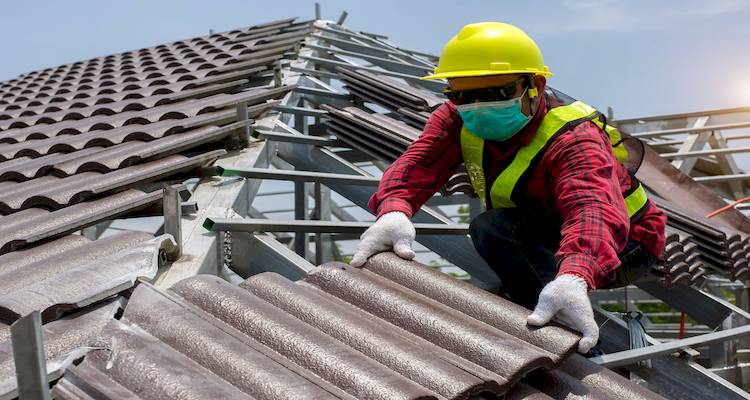
However, building regulations will apply to your roof valley replacement if:
- You're planning on changing the way your roof valley is built.
- If your work has the potential to affect the roof's structural integrity or performance.
A like-for-like roof valley replacement doesn't usually need planning permission, even if your home is in a conservation area. If your home is a listed building, though, you'll need listed building consent, which is a separate application from planning permission.
If you're unsure about anything, speak to your local council and your roofing contractor for advice before starting any work.
Types of Roof Valley Tiles
There are three main types of lined roof valley, where a trough runs down the join between the two roof slopes, though a tiled roof can also form the valley in the tiling itself, as a swept, laced, or mitred valley. Below is a list of these three types of roof valleys and the pros and cons of each type.
Lead-Lined Roof Valley
A lead-lined roof valley is one that has a lead lining inside to help it expel water from the roof. This stops any standing water from damaging the roof and causing any leaks.
One of the biggest issues with lead-lined roof valleys is that it can eventually crack if not detailed properly, and this can lead to a breach in the roof valley.
One of the great things about lead roof valleys, however, is that lead can be easily repaired and treated if a crack does appear. However, this is only a temporary fix. Over time, the lead will crack further and will need to be completely replaced.
It's unlikely that any damage will occur for many years after a new lead-lined valley has been installed.
Pros
- ✔ Very good at expelling water and prevents leaks.
- ✔ Easy to repair.
Cons
- ✖ Can crack eventually due to movement or wear, requiring replacing.
- ✖ Lead is toxic, so it is best installed and repaired by professionals.
Preformed GRP Roof Valley
GRP stands for Glass-Reinforced Plastic. This is seen as a great alternative to lead-lined roof valleys. GRP valleys are much quicker to install than other roof valleys and are generally cheaper to buy.
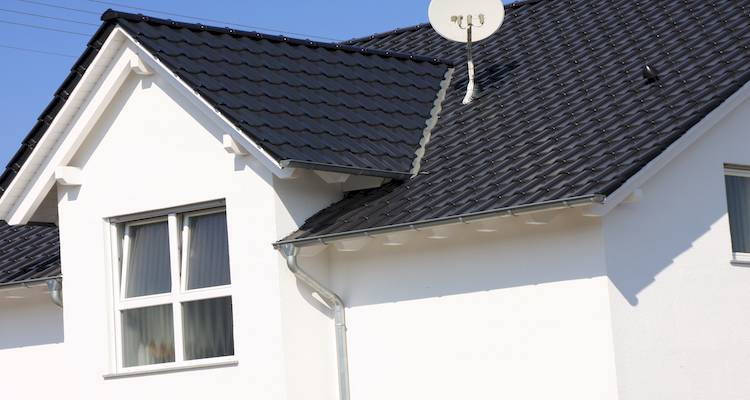
They are also extremely lightweight, meaning there is less strain on your roof and other structures.
The preforming aspect decreases the installation time. They are easy to handle and ready to attach directly to the roof. The material of these roof valleys is also great as it doesn't stain or streak.
They don't generally need to be replaced for many years, so they're a good choice for the majority of homes.
Pros
- ✔ Quick installation and lightweight material.
- ✔ Won't stain or streak, with a long lifespan.
Cons
- ✖ Can be difficult to repair.
- ✖ May not be as aesthetically pleasing as other roof valley materials.
Preformed Mortarless Roof Valley
This type of roof valley directs the water to the guttering system on your home without allowing it to discharge over the sides due to the long upstands on each side of the valley.
They also come in a variation where there is a central upstand for homes that have two roof slopes with uneven pitches.
These roof valleys are very similar to GRP roof valleys but with some slight alterations. They benefit from the same advantages of a GRP roof valley. However, they are slightly more expensive to buy and take longer to install properly.
Pros
- ✔ Lightweight material and easy to handle.
- ✔ Works well with roofs that have two slopes or uneven pitches.
Cons
- ✖ More expensive than GRP valleys.
- ✖ Takes longer to install than GRP valleys.
Hiring Contractors to Replace a Roof Valley Checklist
You may need to consider several things when finding the right contractor to repair or replace the roof valley on your home for you. Below is a list of things you should look for:

- Are they insured? You should look for contractors who have insurance covering property damage, personal injuries, and a work guarantee.
- Do they have experience? Choose a contractor that has experience in roof valley repairs and replacements, and can provide evidence of previous work.
- Do they offer any guarantees? Check that the job includes a guarantee. Ask your contractor which issues are covered, and if they fix any issues that arise.
- Is waste removal included? Some roofers will include clearing the site in their quote, but it is worth confirming with them beforehand.
- Do they have positive reviews? Check their MyJobQuote profile to see feedback from other homeowners, and if they have lots of good reviews.
FAQs
What Is a Valley on a Roof?
A roof valley is the part of the roof where two sloping roofs meet, and rainwater is channelled downwards into the gutter. The roof valley deals with a lot of water in heavy rainfall, and the area is often prone to leaking. They are usually made of lead, fibreglass, or concrete tiles.
Why Does My Roof Valley Only Leak in Heavy Rain?
When it rains heavily, the valley has to carry a lot of water from both roof slopes. If the valley is even slightly blocked with moss, leaves or broken bits of tile, the water can back up and creep under the tiles. A tiny defect in the valley or flashing might not show in light rain but will leak once there is a lot of water running through it.
How Long Should a New Roof Valley Last?
Correctly installed lead roof valleys can last more than 80 years, and over 100 years in the heavier grades. GRP valley troughs typically carry a 30-year service life guarantee from the manufacturer. Poor detailing, or a valley left blocked with moss and debris can significantly reduce their lifespan, so always ensure proper installation.
Can I Replace a Roof Valley Myself?
Working on an old roof is dangerous and can cause extensive damage if not done correctly. You also need to be fit enough to work at heights. This often involves carrying some heavy tools and materials. A roof valley job runs to several hours, and work at the edge of a sloping roof for that long calls for scaffolding rather than a ladder, so it's not a job for most homeowners.
What Are Shingles?
Roof shingles are made up of individually overlapping sheets typically made from metal, wood, or composite materials such as fibre cement or asphalt. The shingles are there to provide a route for the water to run off the roof. This helps to minimise the chances of a leak in the roof valley.