Builders
 Carpenters
 Electricians
 Flooring Specialists
 Gardeners
 Handymen
 Heating Engineers
 Painters & Decorators
 Plasterers & Renderers
 Plumbers
 Roofers
 Tilers
 my
myCobblestone Driveway Cost
At a Glance
- The average cost of installing a cobblestone driveway is £9,500.
- Depending on the complexity of the job, it usually takes between 3 and 11 days.
- A breakdown of how much it typically costs to install a cobblestone driveway in the UK.
- What impacts the cost you'll be quoted in 2026.
- How to find and hire a cobblestone installation specialist through MyJobQuote.
Get free estimates
Are you a trade? Get more work today!
Thinking about installing a cobblestone driveway in 2026?
Cobblestones are often chosen by householders who want to combine durability and strength with kerb appeal.
You can expect to pay between £115 and £200 per m² for materials and installation. A typical 60m² driveway will therefore cost between £7,000 and £12,000, or more for premium reclaimed stone or an intricate pattern.
The final price depends on the size of the driveway, the complexity of the job, whether excavation is needed and whether you add extras such as drainage or edging. If you're still weighing up your options, our new driveway cost guide compares every popular material side by side.
Ready to get a quote?
Get free, no obligation quotes from local driveway installers near you.
Want to compare prices first?
Then keep reading.
£9,500
Table of Contents
- How Much Does a Cobblestone Driveway Cost?
- Labour Cost of a Cobblestone Driveway
- How Much Does a Cobbled Driveway Cost? (Supply-Only)
- Additional Cobblestone Driveway Costs
- Factors That Impact Cobblestone Driveway Costs
- What's Involved in Laying a Cobblestone Driveway?
- Types of Cobblestone Driveway
- Alternative Types of Driveways
- Checklist: Hiring a Cobblestone Driveway Specialist
- FAQs
How Much Does a Cobblestone Driveway Cost?
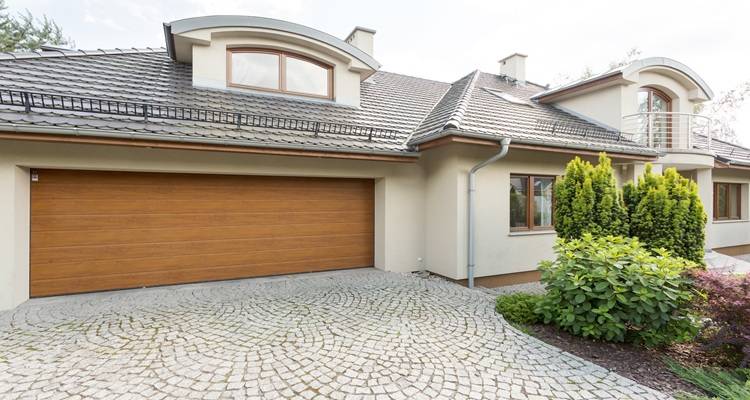
A new cobblestone driveway typically costs between £115 and £200 per m² fully installed, depending on the size of the driveway, the condition of the existing surface, and how much groundwork is required.
The type of cobblestone you choose is also a cost factor. Reclaimed cobblestones cost more than new, quarried stones because they need to be sourced, cleaned and sorted before laying.
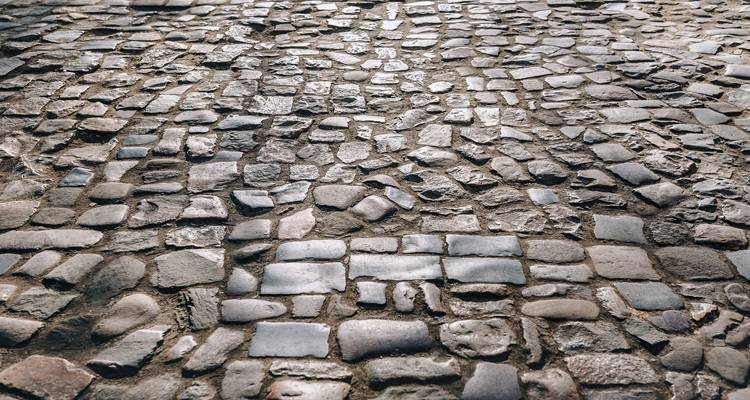
Labour costs are generally higher than for other driveway types because laying cobblestones is labour-intensive, as each stone must be placed individually. You can also expect to pay more if you live in London or the South East of England, where costs run higher than in other parts of the UK.
What type of cobblestone are you considering for your driveway?
New cobblestones
0 votes - 0%0% of votes
Reclaimed cobblestones
5 votes - 100%100% of votes
Tumbled cobblestones
0 votes - 0%0% of votes

5 votes
See results
Hide results
Here's a table giving cobblestone driveway costs on average for the most common driveway sizes.
Cobblestone Driveway Price List
| Driveway Size | Cobblestone Driveway Cost |
|---|---|
| Cobblestone driveway per m² (installed) | £115–£200 |
| Small cobblestone driveway (30m²) | £3,450–£6,000 |
| Medium cobblestone driveway (60m²) | £7,000–£12,000 |
| Large cobblestone driveway (90m²) | £10,500–£18,000 |
| New cobblestones (materials only, per m²) | £60–£110 |
| Reclaimed cobblestones (materials only, per m²) | £100–£150 |
Want a custom price?
Post your job
Labour Cost of a Cobblestone Driveway
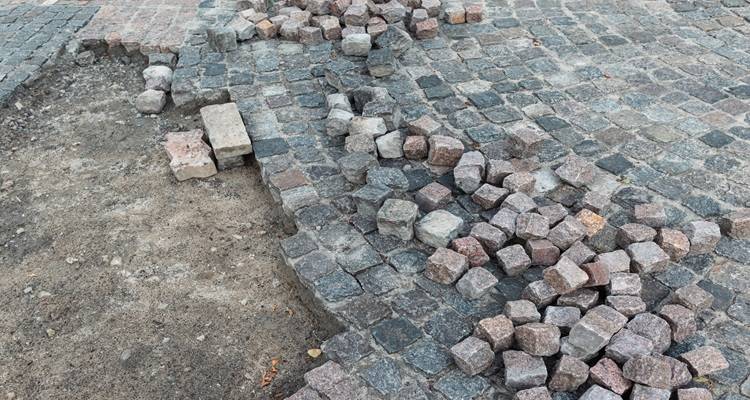
Cobblestone specialists typically charge £150 to £200 per day. Because laying cobblestones by hand is slow, specialist installers often work in pairs even on smaller driveways, which pushes the effective day rate to around £300 to £400.
The table below shows labour-only costs and typical timescales for each driveway size.
| Driveway Size | Labour Cost | Typical Timescale |
|---|---|---|
| Small (30m²) | £1,050–£1,500 | 3–4 days |
| Medium (60m²) | £2,200–£3,000 | 6–8 days |
| Large (90m²) | £3,300–£4,500 | 9–11 days |
Want a custom price?
Post your job
Awkward access, an intricate pattern, or poor weather can slow the job down, adding 1 to 3 days onto the completion time.
How Much Does a Cobbled Driveway Cost? (Supply-Only)
Most installers include materials in their overall quote, so you won't usually need to buy supplies yourself. It's still worth knowing what each item costs, though, so you can query anything in a quote that looks unusually high, or budget accurately if you're sourcing part of the job yourself.
| Supply | Typical Cost | Cost for a 60m² Driveway |
|---|---|---|
| New cobblestones | £60–£110 per m² | £3,600–£6,600 |
| Reclaimed cobblestones | £100–£150 per m² | £6,000–£9,000 |
| Sub-base aggregate (MOT Type 1) | £15–£25 per m² | £900–£1,500 |
| Sharp sand and mortar | £3–£8 per m² | £180–£480 |
| Cement | £2–£5 per m² | £120–£300 |
| Weed control membrane | £0.50–£1.50 per m² | £30–£90 |
| Edging restraints | £15–£40 per linear metre | £300–£800 (approx. 20 linear metres) |
| Sealant (optional) | £3–£8 per m² | £180–£480 |
Want a custom price?
Post your job
The cobblestones themselves are the biggest line item, typically £60 to £110 per m² for new stone or £100 to £150 per m² for reclaimed. Add the sub-base, bedding and edging materials on top, and total supply costs for a typical 60m² driveway usually come to around £5,150 to £9,750 with new stone, or £7,550 to £12,000 with reclaimed stone.
Additional Cobblestone Driveway Costs
Beyond the core installation price, there are several extra jobs you might need to budget for. Not every driveway will need all of these, but it's worth checking which apply to yours before you compare quotes.
| Additional Job | Typical Cost |
|---|---|
| Excavation and groundwork | £14–£18 per m² |
| Removal of an existing driveway | £20–£50 per m² |
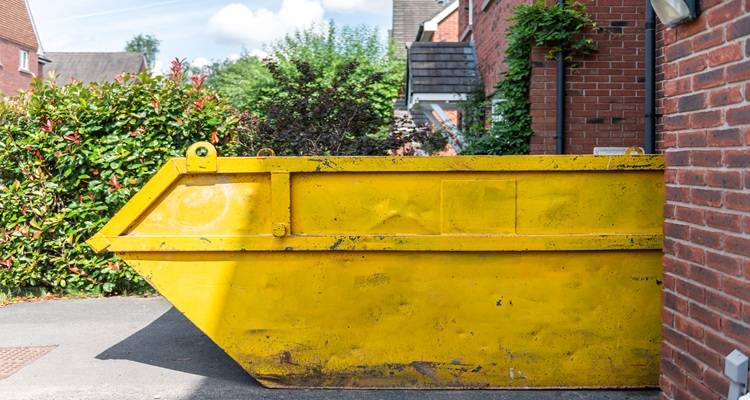
| Skip hire (waste disposal) | £220–£440 |
| Garden waste removal | £50–£250 |
| Drainage channel installation | £300–£2,800 |
| Soakaway installation | £700–£1,100 |
| Edging or borders | £15–£40 per linear metre |
| Sealing | £250–£600 |
| Steps (for sloping driveways) | £20–£200 per m² |
| Tree stump removal | £150–£350 |
| Repointing a garden wall | around £20 per m² |
Want a custom price?
Post your job
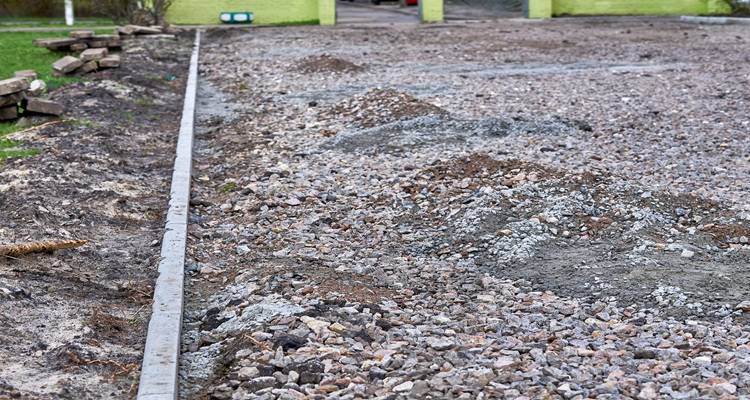
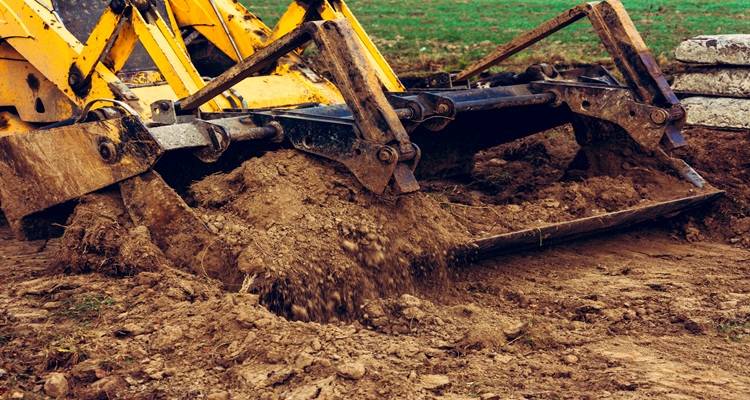
Excavation and groundwork is usually the biggest variable. If your existing surface doesn't have a stable foundation, your contractor will need to remove it, dig out to the correct depth, and lay a new sub-base before the cobblestones go down.
If you're removing an old driveway, ask whether skip hire is included in the quote. It's a common source of unexpected extra cost, and for smaller amounts of green waste, garden waste removal can work out cheaper than a full skip.
Drainage is worth planning for early. UK regulations require water to be prevented from draining directly onto a public highway, so if your driveway isn't naturally permeable, you may need a soakaway or drainage channel to comply.
Factors That Impact Cobblestone Driveway Costs
A few key things influence what you'll be quoted for a cobblestone driveway.
Driveway Size
Size is the biggest factor in the overall cost. Laying cobblestones is labour-intensive, so even a small driveway can take several days to complete.
New or Reclaimed Stone
New cobblestones are uniform in size and colour, so they're quicker to install. Reclaimed cobblestones vary in size, shape and colour, which takes longer to sort and lay, pushing up both material and labour costs.
Pattern Complexity
Straight rows are quicker and cheaper to install. A design featuring circles or fan shapes takes more time and skill, which increases labour costs.
Ground Conditions and Access
Stable ground keeps preparation costs down. Unstable ground that needs excavation and reinforcement will add to the price, as will tight access that limits the machinery a contractor can use.
Location in the UK
Prices in London and the South East tend to be higher than in other parts of the UK. Remote locations can also cost more, as travel time adds to labour charges.
Installer Experience
A specialist cobblestone installer typically charges more for their expertise than a general driveway contractor. If you're using reclaimed stone or want an intricate pattern, a specialist is usually worth the extra cost.
What's Involved in Laying a Cobblestone Driveway?
Once the area has been cleared and any excavation work carried out to install a base layer, if necessary, the bedding layer is installed using concrete. The cobblestones are then pushed into the bedding concrete with the flattest surface uppermost and placed as close together as possible. Smaller stones can be used to fill in any gaps.
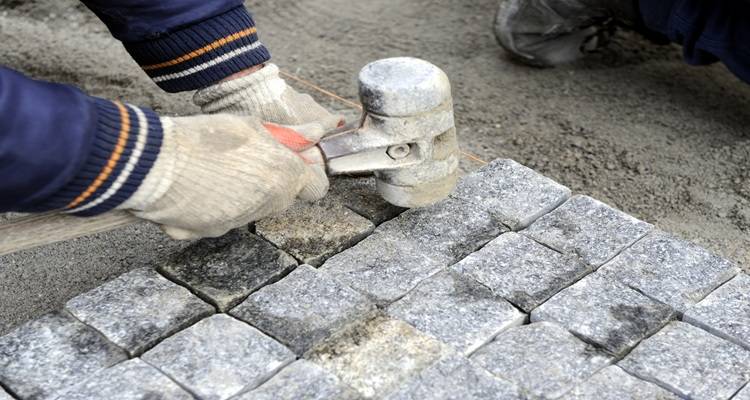
The stones are then levelled by placing a board on top of the stones and tapping them with a hammer.
Once the cobbles are in place, they can be either wet-grouted or sealed.
Ask a Trade
Got a question that only a tradesperson can answer? We have thousands of trades ready to answer any question you may have.
Ask your question

Types of Cobblestone Driveway
There are several types of cobblestones to choose from. Each type has its differences in colour, strength and appearance.
- Granite
- Limestone
- Sandstone
- Basalt
- Porcelain
- Porphyry
Tumbled Cobblestones – These come from natural stone, but they are placed in a rotating drum and ‘tumbled' to give them a rustic, ‘aged' appearance with smooth edges.
Reclaimed cobblestones – Reclaimed cobblestones come from old roads and buildings. They come in all shapes, colours and sizes and are popular with householders who want an authentic weathered appearance.
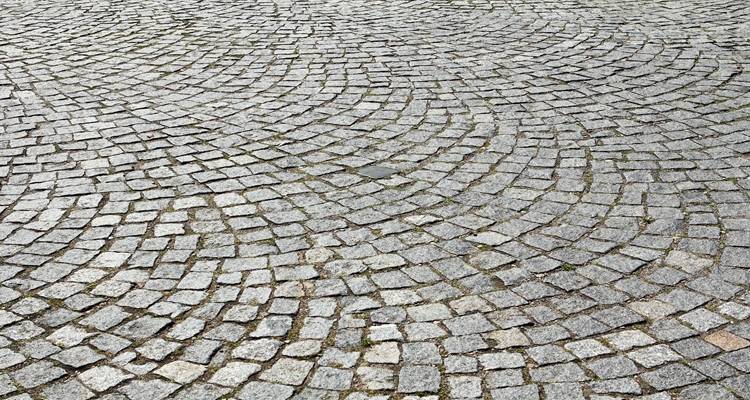
New cobblestones – Newly manufactured cobblestones are usually made from concrete, but they are often designed to look like other materials, commonly granite. Unlike reclaimed cobblestones, they are uniform in shape and size, so that they are easy to fix into a concrete bed.
Price will depend on the type of cobblestone you choose, as the size and finish of the stone will affect the timescale of the installation.
Pros of a Cobblestone Driveway
- ✔ Low maintenance
- ✔ Attractive appearance
- ✔ Available in various colours.
Cons of a Cobblestone Driveway
- ✖ More expensive than many other driveway materials.
- ✖ May be slippery when wet.
- ✖ Should be installed by a cobblestone specialist, which may be hard to find, depending on where you live and possibly more expensive.
Alternative Types of Driveways
If cobblestone isn't the right fit, here's how it compares to other popular driveway materials. All figures are for a fully installed 60m² driveway.
| Driveway Material | Average Cost per m² | Average Cost for a 60m² Driveway |
|---|---|---|
| Cobblestone | £115–£200 | £7,000–£12,000 |
| Block Paving | £115–£175 | £2,500–£8,000 |
| Concrete | £85–£130 | £5,500–£8,000 |
| Resin Bound | £70–£120 | £2,500–£5,000 |
| Tarmac | £60–£90 | £2,500–£5,000 |
| Gravel | £40–£100 | £2,100–£4,800 |
Want a custom price?
Post your job
Block Paving Driveway
Block paving uses individual concrete, brick, or natural stone blocks laid in a range of patterns. It offers similar design flexibility to cobblestones but is usually quicker to install, and damaged sections can be lifted and replaced individually.
Pros
- ✔ Easy to customise.
- ✔ Durable
- ✔ Attractive
Cons
- ✖ Labour-intensive to install.
- ✖ Needs regular maintenance.
- ✖ Can cost as much as cobblestones for premium blocks.
Concrete Driveway
Concrete driveways, including imprinted or patterned finishes, offer a smart, durable surface at a lower cost than cobblestones, though repairs can be harder to blend in seamlessly.
Pros
- ✔ Long-lasting
- ✔ Custom colours and patterns available.
- ✔ Low maintenance
Cons
- ✖ Prone to cold weather damage.
- ✖ Costly and disruptive to replace.
- ✖ Can't be topped up like gravel.
Resin-Bound Gravel Driveway
Resin-bound gravel combines loose stone with a resin binder to create a smooth, permeable surface. It's a popular choice for homeowners who want the look of gravel without the ongoing upkeep.
Pros
- ✔ Durable
- ✔ Low maintenance
- ✔ Permeable
Cons
- ✖ Colour may fade over time.
- ✖ Repairs can be difficult and expensive.
- ✖ Poor foundations can lead to cracking.
Tarmac Driveway
Tarmac is a smooth, durable surface that's quick to install and one of the cheapest driveway options. It lacks the decorative appeal of cobblestones but is a practical, low-cost alternative.
Pros
- ✔ Cost effective
- ✔ Quick to install.
- ✔ Weather-resistant
Cons
- ✖ Functional rather than decorative appearance.
- ✖ Prone to weed growth.
- ✖ Oils and fuel spills can weaken the surface.
Gravel Driveway
Loose gravel is one of the most affordable and widely used driveway surfaces in the UK. It drains naturally and is simple to top up, though it needs more regular maintenance than a bound surface.
Pros
- ✔ Cost effective
- ✔ Easy to install, including DIY.
- ✔ Naturally permeable
Cons
- ✖ Stones move around, so the driveway can look untidy.
- ✖ Harder to keep clean than a solid surface.
- ✖ Needs raking and topping up to prevent weed growth.
Are cobblestone driveways high maintenance, and how durable are they compared to other driveway types?
"These driveways are quite durable of course if there done right and have a solid foundation
cobbles seem to be a lot of maintenance though needing re pointing every year or so"
cobbles seem to be a lot of maintenance though needing re pointing every year or so"
Checklist: Hiring a Cobblestone Driveway Specialist
It's always worth getting more than one quote for a cobblestone driveway installation, so you can compare prices, services and availability. MyJobQuote can help you find cobblestone driveway installers near you. Before committing to one contractor, use this checklist to find out more about their experience, qualifications and reputation.
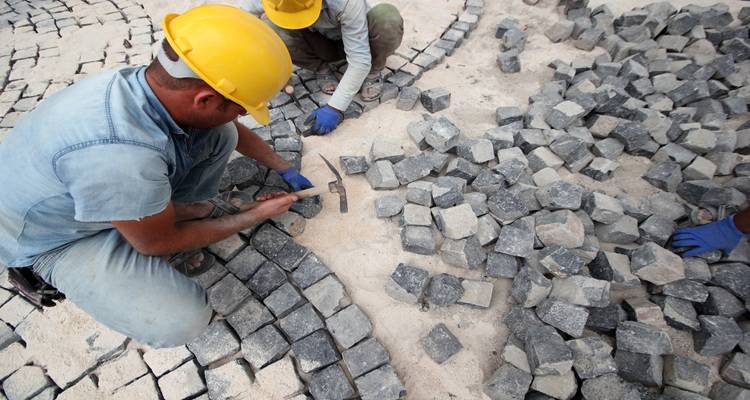
- Do you have experience installing cobblestone driveways specifically? Cobblestone laying is a specialist skill, so it's worth confirming they've completed similar projects before.
- Can you show photos or references from previous cobblestone projects? Seeing past work gives you a clear idea of the finish you can expect.
- Do you have public liability insurance? Most reputable contractors carry insurance of at least £1 million, which protects you if anything goes wrong during the job.
- Is your quote fully itemised? Check whether excavation, sub-base preparation and waste removal are included, or charged separately.
- What guarantee do you offer on the work? Many professional installers offer guarantees of 5 to 10 years, giving you protection against issues like sinking or loose stones.
- When can you realistically start and finish the job? Confirming this upfront helps you plan around the work.
Make sure every quote you receive is in writing, whether by email or delivered to your address, with the full scope of work and each cost clearly itemised.
FAQs
Is a Cobblestone Driveway More Expensive Than Block Paving?
Usually, yes, though the two can overlap. Cobblestones typically cost £115 to £200 per m² installed, while block paving ranges from £115 to £175 per m². Premium block paving materials, such as natural stone or composite blocks, can cost as much as cobblestones.
Is a Cobblestone Driveway Cheaper Than Concrete or Tarmac?
No, cobblestones are usually the more expensive choice. Concrete driveways cost around £85 to £130 per m² installed, and tarmac is even more affordable at £60 to £90 per m². Cobblestones cost more mainly because laying each stone by hand takes far longer than pouring concrete or spreading tarmac.
How Much Does It Cost to Cobble a Driveway Per m²?
A fully installed cobblestone driveway typically costs between £115 and £200 per m². Materials alone (supply only) usually cost £80 to £150 per m², with the rest made up of labour and any groundwork.
Are Reclaimed Cobblestones Cheaper Than New Ones?
No, reclaimed cobblestones usually cost more. Expect to pay around £100 to £150 per m² for reclaimed stone, compared with £60 to £110 per m² for newly manufactured cobblestones.
Reclaimed stone costs more because it needs to be sourced, cleaned and sorted by size before it can be laid.
How Long Will a Cobblestone Driveway Last?
A well-installed cobblestone driveway can last for several decades, and often 50 years or more with proper maintenance. This long lifespan can help offset the higher upfront cost compared with materials that need replacing more often.
How Much Does It Cost to Maintain a Cobblestone Driveway?
Routine cleaning, re-sanding and minor repairs typically cost £150 to £500. If you'd rather hire a professional for cleaning, our driveway cleaning cost guide breaks down typical prices.
Sealing is optional and costs around £250 to £600 for an average driveway.
Do I Need Planning Permission for a Cobblestone Driveway?
You don't usually need planning permission to install a driveway, but you must comply with drainage regulations. Because cobblestones are naturally permeable, they typically meet these requirements without extra drainage work, unlike solid materials such as concrete or tarmac.
Will a Cobblestone Driveway Add Value to My Property?
A well-installed driveway can add around 5% to 10% to a property's value, particularly in areas where off-street parking is in demand. This can make the cost of a cobblestone driveway a worthwhile long-term investment.
What's the Difference Between Cobblestones and Setts?
Cobblestones are naturally rounded stones, while setts are stones cut into a more uniform, cube-like shape. Setts are generally quicker and cheaper to lay because their consistent shape makes them easier to fit together.