Builders
 Carpenters
 Electricians
 Flooring Specialists
 Gardeners
 Handymen
 Heating Engineers
 Painters & Decorators
 Plasterers & Renderers
 Plumbers
 Roofers
 Tilers
 my
myCost to Build Gazebo
At a Glance
- The average cost to build a gazebo is between £1,200 and £3,500.
- The average gazebo installation time is between 1 and 2 days.
- A full breakdown of the cost to build a gazebo from scratch, depending on the materials, size, and design.
- The different types of gazebos you can have built and how long each one usually takes to install.
- How to find a local gazebo installer with MyJobQuote.
Get free estimates
Are you a trade? Get more work today!
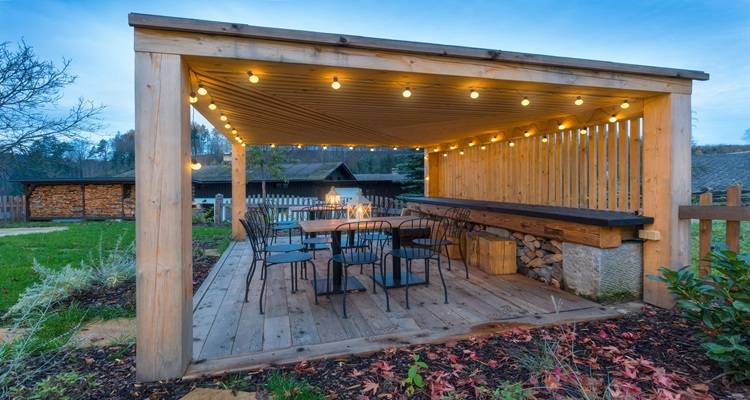
The average gazebo installation cost in the UK is around £2,300, although the final price can vary depending on the size, materials, roofing type, design complexity, and any groundwork needed before installation.
Homeowners can choose from a wide range of gazebo styles, including timber, metal, aluminium, and vinyl models, with prices differing depending on whether you choose a simple prefabricated kit or a more bespoke structure for your outdoor space.
£2,300
Table of Contents
- How Much Does It Cost to Build a Gazebo?
- Labour Costs and Timescales
- Cost Factors for Building a Gazebo
- Supply Costs
- Gazebo Roofing Materials
- Gazebo Base and Foundation Costs
- Additional Costs
- Types of Gazebo
- Alternative Garden Structures
- Hiring Contractors Checklist for Gazebo Installation
- Removing or Replacing a Gazebo
- FAQs
How Much Does It Cost to Build a Gazebo?
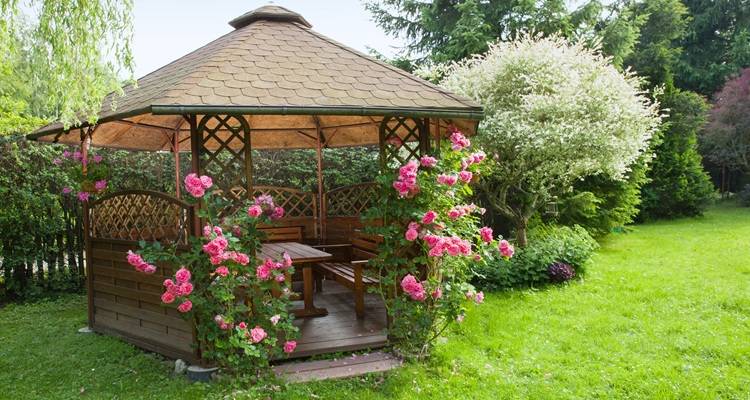
In the UK, the average cost to build a gazebo is between £1,200 and £3,500. For more complex and custom builds, the cost to build can extend to as high as £5,000, or even more, particularly when high-end materials are chosen.
The total price will depend on the type of gazebo you choose, the work involved, and whether any preparation is needed before installation.
Gazebo Building Prices
Below is a typical breakdown of gazebo installation costs to help you plan your project budget:
| Gazebo Type/Size | Average Price Range | Estimated Installation Time |
|---|---|---|
| Small gazebo kit (2m x 2m) | £300–£800 | 4 to 6 hours |
| Medium wooden gazebo (3m x 3m) | £1,200–£2,500 | 1 to 2 days |
| Large custom-built gazebo | £2,500–£5,000+ | 2 to 3 days |
| Metal/aluminium gazebo | £800–£2,000 | 1 day |
| Gazebo with decking or paved base | £1,500–£4,000 | 2 to 3 days |
Want a custom price?
Post your job
These examples provide a general guide to help you estimate your budget and understand the total price of installation.
What type of gazebo are you looking to have built?
Wooden
12 votes - 57%57% of votes
Metal
4 votes - 19%19% of votes
Pop-up
2 votes - 10%10% of votes
Hardtop
0 votes - 0%0% of votes
I'm not sure yet
3 votes - 14%14% of votes

21 votes
See results
Hide results
Labour Costs and Timescales
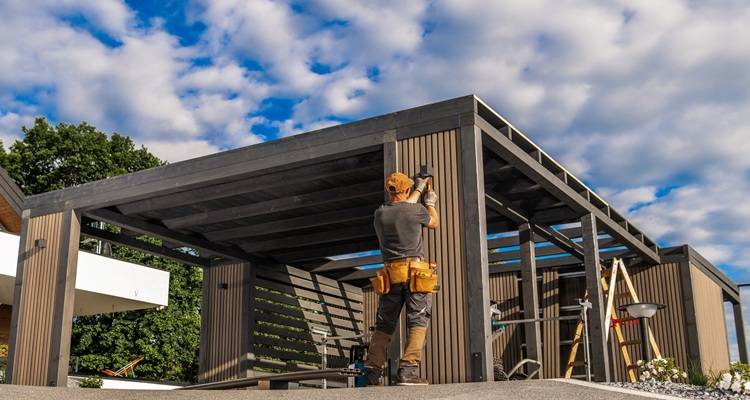
Labour costs are another significant consideration for the building of a gazebo, and this will vary depending on a few factors, such as the complexity of the project and the skill level of the tradespeople you hire. As a general rule of thumb, landscapers, joiners, and builders typically charge £150 to £300 per day.
The time it takes to install a gazebo will depend on the size and complexity of the structure.
Below is a typical breakdown of labour costs and installation timescales to help you plan your gazebo project budget:
| Type of Gazebo Installation | Estimated Labour Time | Typical Labour Cost |
|---|---|---|
| Small prefabricated gazebo kit | 4 to 6 hours | £150–£300 |
| Medium gazebo installation | 1 to 2 days | £150–£600 |
| Large custom-built gazebo | 3 to 4 days | £450–£1,200 |
| Gazebo with groundwork, electrics or a complex design | 4+ days | £1,200+ |
Want a custom price?
Post your job
Cost Factors for Building a Gazebo
The final cost to build a gazebo can vary depending on the design, materials, and amount of preparation needed before installation. The main cost factors include:
- Gazebo Size — Larger gazebos usually cost more because they need more materials and take longer to install.
- Frame Material — Timber, metal, aluminium, and vinyl gazebos can all vary in price, with higher-end materials usually increasing the overall cost.
- Roofing Material — Fabric roofs are usually cheaper, while polycarbonate, timber, shingles, and metal roofing can cost more.
- Base or Foundation — A suitable existing patio or decking area may reduce costs, while a new concrete, paved, timber, or gravel base can add to the total price.
- Ground Preparation — Uneven ground, poor drainage, or levelling work can increase labour time before the gazebo can be installed.
- Design Complexity — Custom shapes and more detailed finishes tend to cost more than prefabricated gazebo kits.
- Garden Access — Difficult access can increase labour costs.
- Extra Features — Lighting, heating, seating, and privacy screens can all increase the final gazebo installation cost.
- Location — Labour rates are often higher in London and the South East than in other parts of the UK.
Supply Costs
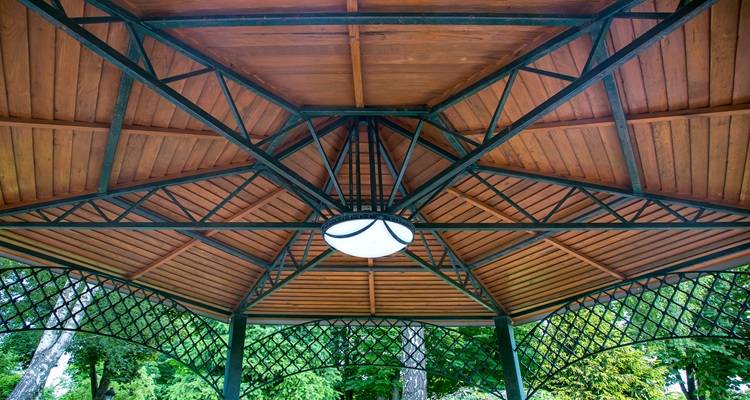
Supply costs cover the materials and components needed to build a gazebo, including the frame, roof covering, fixings, and any flooring or base materials. The materials needed will vary depending on whether you choose a basic kit, a timber structure or a more modern metal or aluminium gazebo.
Timber is known for its durability and aesthetic appeal, whereas metal and aluminium are modern and low-maintenance options.
You may also need to budget for smaller components such as bolts, screws, anchors, and brackets. If the gazebo is being installed on a new surface, flooring or base materials such as decking, paving or gravel may also need to be included in the supply costs.
Your installer should be able to confirm which materials are suitable for your garden layout, intended use, and budget.
Gazebo Roofing Materials
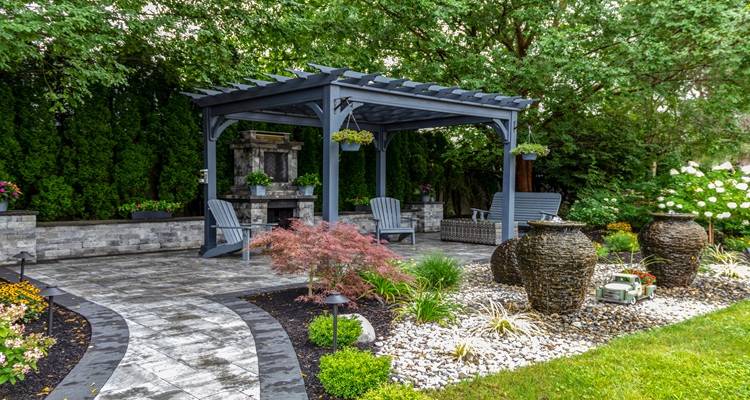
The type of gazebo roof you choose can affect the appearance, durability, and overall cost of the project. Some roofing materials are better suited to temporary or budget gazebos, while others are designed for more permanent garden structures.
Fabric Gazebo Roofs
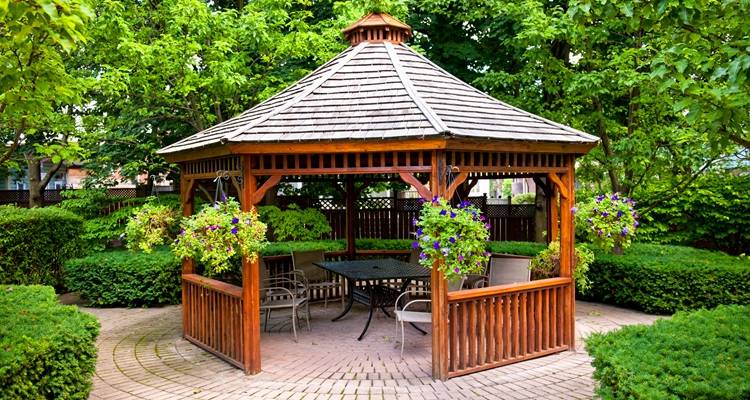
Fabric roofs are usually the cheapest gazebo roofing option and are best suited to temporary or lower-cost structures. They are lightweight, easy to replace and useful for occasional garden use, but they are not as durable as solid roofing materials.
Pros and Cons
- ✔ Affordable and lightweight.
- ✔ Easy to replace.
- ✖ Less durable than solid roofing materials.
- ✖ May need replacing more often.
Polycarbonate Gazebo Roofs
Polycarbonate panels are a popular mid-range option for homeowners who want weather protection without making the gazebo feel too dark. They allow natural light through while still offering shelter from rain.
Pros and Cons
- ✔ Good weather resistance.
- ✔ Lets in natural light.
- ✖ May not offer the same traditional appearance as timber or shingles.
Timber and Shingle Gazebo Roofs
Timber roofs with shingles are best for a more traditional or permanent gazebo design. They usually cost more than fabric or polycarbonate options, but they can offer better longevity and a more finished appearance.
Pros and Cons
- ✔ Traditional appearance and strong structure.
- ✔ Good long-term durability.
- ✖ Higher upfront cost.
- ✖ May need ongoing maintenance.
Metal Gazebo Roofs
Metal roofing sheets are a durable and low-maintenance option for permanent gazebos. They are best suited to homeowners who want a robust roof that can withstand regular exposure to UK weather.
Pros and Cons
- ✔ Durable and low-maintenance.
- ✔ Suitable for long-term use.
- ✖ Can cost more initially.
- ✖ May not suit every garden style.
Ask a Trade
Got a question that only a tradesperson can answer? We have thousands of trades ready to answer any question you may have.
Ask your question

Gazebo Base and Foundation Costs
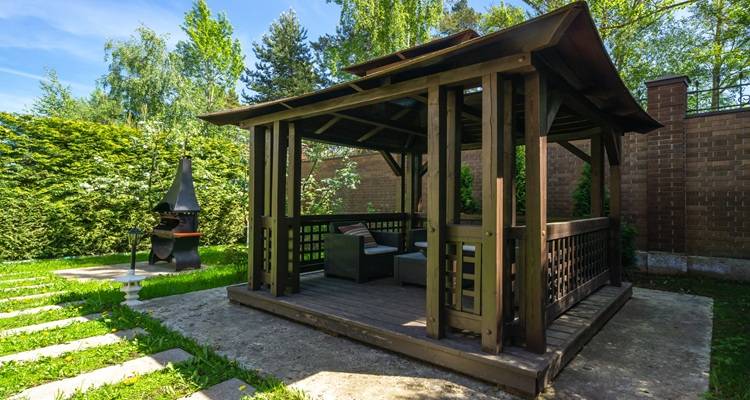
A key aspect of any gazebo is a solid and stable base, ensuring structural integrity and preventing any shifting of the ground over time. The best foundation option will depend on your garden layout, budget, and whether you already have a suitable surface in place.
Concrete Gazebo Base
A concrete base is best for permanent gazebos that need a strong and level foundation. It is a practical option for larger timber, metal or aluminium gazebos, especially if the structure will be used throughout the year.
Pros and Cons
- ✔ Strong and stable structure.
- ✔ Suitable for long-term use.
- ✖ Usually requires more groundwork.
- ✖ Can cost more to install.
Paved Gazebo Base
A paved base can work well if you want the gazebo to sit on a patio-style surface. It is a good option for gardens where the gazebo will be used for seating, dining, or entertaining.
Pros and Cons
- ✔ Attractive finish
- ✔ Works well with patios or seating areas
- ✖ Needs a level surface
- ✖ May require preparation before installation
Timber Decking Base
A timber decking base is a suitable choice if you want the gazebo to feel like part of a larger outdoor living area. It can create a raised, finished look, although it may need maintenance to stay weather-resistant.
Pros and Cons
- ✔ Creates an attractive outdoor space.
- ✔ Works well for seating areas.
- ✖ May need regular treatment.
- ✖ Can increase the total project cost.
Gravel Gazebo Base
A gravel base is often a lower-cost option for smaller or simpler gazebos. It can help with drainage and may be suitable where a fully paved or concrete foundation is not needed.
Pros and Cons
- ✔ Tends to be cheaper and quicker to install
- ✔ Provides drainage
- ✖ May not be suitable for larger or heavier, permanent gazebos
Additional Costs
There are a number of additional costs associated with the building of a gazebo that may not apply to every project, but are fairly common.
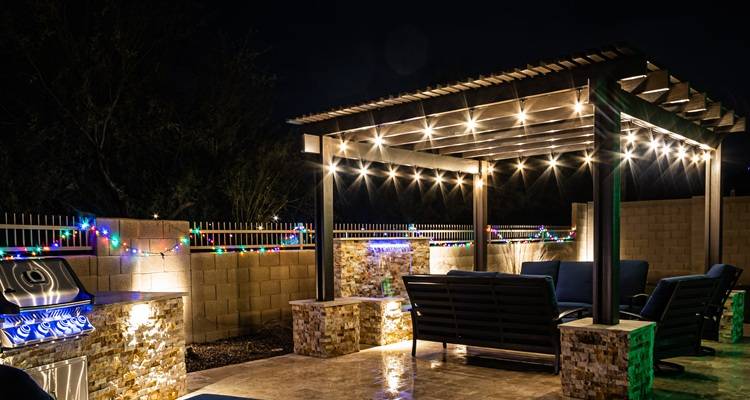
- Outdoor Lighting — Installing outdoor lighting costs around £200 and can make the gazebo more usable in the evening when relaxing or entertaining.
- Heating — Outdoor heaters can make the gazebo more comfortable in cooler weather, but they can add to both supply and installation costs.
- Outdoor Sockets — An outside socket costs around £120 on average and can provide a safe power supply for your gazebo seating area.
- Built-in Seating — Fixed seating can make the space more practical and comfortable, although bespoke benches or storage seating may increase the overall budget.
- Privacy Screens — Screens can provide extra shelter and privacy, especially if the gazebo is overlooked by neighbouring properties.
- Mosquito or Insect Nets — Insect nets can be useful in summer, particularly if you plan on dining under the gazebo.
While these additions can make the space more functional and enjoyable, it is important to factor them into your overall price to avoid unexpected expenses.
Types of Gazebo
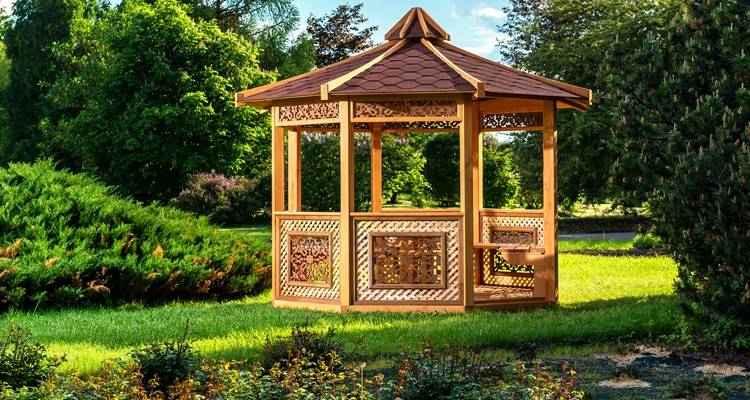
There are several types of gazebo to choose from, including wooden gazebos, metal gazebos, pop-up gazebos, and hardtop gazebos. Each option has different pros and cons depending on your budget, garden style, and how often you plan to use the structure:
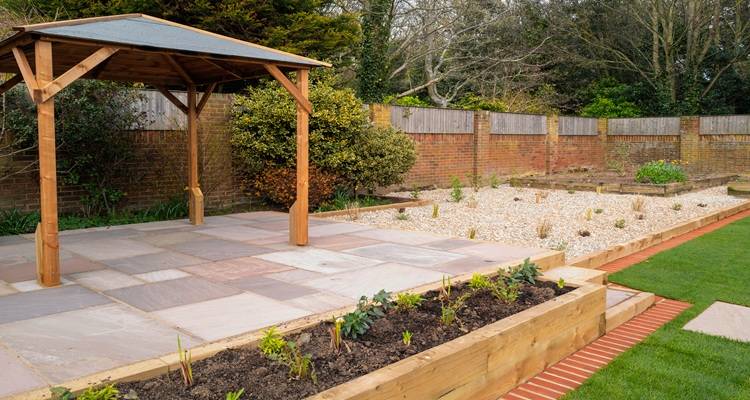
Wooden Gazebos
Wooden gazebos offer great aesthetics and good durability, and they are also highly customisable and easy to work with. However, there are some ongoing maintenance requirements to keep them weatherproof.
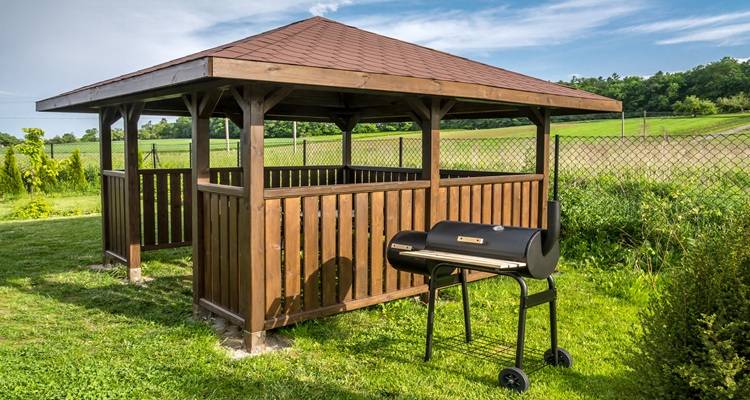
Metal Gazebos
Metal gazebos, usually made from aluminium or steel, are a very low-maintenance option that offers good resistance to weather. They are more cost-effective than timber, but are much less versatile than wooden gazebos.
Pop-Up Gazebos
Pop-up gazebos are the most affordable option, and if you plan on using a gazebo temporarily, they are a great option. However, they are not very durable and are not a long-term option.
Hardtop Gazebos
These types of gazebos are the most expensive, as they are permanent, weathertight structures built for all-year use. They are typically made from a metal structure, with a solid roof, which leads to higher initial costs.
Alternative Garden Structures
Gazebos are not the only option for shelter in the garden. Depending on your budget, available space, and how you plan to use the area, you may also want to consider the following alternative garden structures:
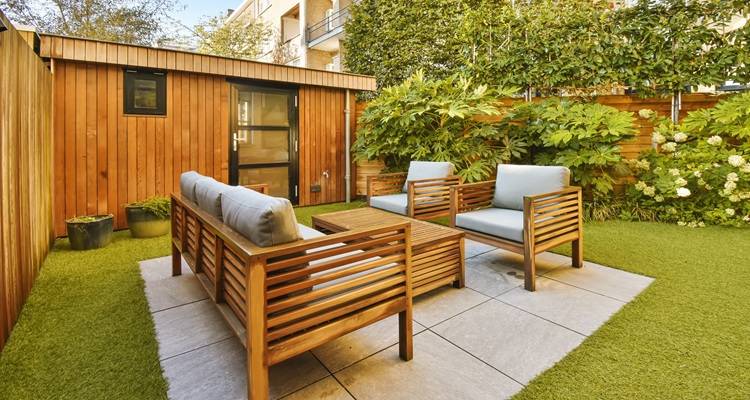
- Pergolas — A pergola can provide partial shade and a more open garden feature. It is best for homeowners who want a decorative structure for seating, climbing plants, or light summer cover, although it usually offers less weather protection than a gazebo. The cost of building a pergola is around £1,500.
- Garden Pavilions — Garden pavilions are similar to gazebos but are often larger and more elaborate. They can work well for bigger gardens, but they may cost more due to their size and design.
- Garden Rooms — A garden room is a more permanent solution, offering a fully enclosed space at around £32,000 on average. However, it can come with significantly higher costs, including planning permission and other complexities.
- Patio Canopies — A patio canopy is usually attached to the house and can provide shelter over a patio, doorway, or outdoor dining space. They are often cheaper than gazebos but may offer less protection and less flexibility in terms of placement. If you are also creating a new seating area, the cost of patio installation may need to be factored into your budget, with patios usually costing around £1,200.
Each of these alternatives varies in terms of cost, complexity, and functionality, so it is important to choose the option that best suits your budget and intended use.
Hiring Contractors Checklist for Gazebo Installation
When it comes to hiring a contractor to install your gazebo, there are a few things to ensure you tick off in your search.
- Have you compared several quotes? Try to get at least three written quotes so you can compare labour, materials, base preparation, and any additional costs.
- Do they have public liability insurance? This can help protect you if damage or accidents happen while the gazebo is being installed.
- Can I see recent work? Ask to see photos of previous gazebo installations or similar outdoor structures so you can check the quality of their work.
- Is the base or foundation included? Confirm whether the quote includes checking the ground, preparing the area, and installing a suitable base if one is needed.
- How will the gazebo be secured? A permanent gazebo should be properly anchored, particularly if it is being installed in an exposed part of the garden.
- Are materials included? Ask whether the frame, roofing materials, fixings, anchors, and any base materials are included, or whether you need to buy them separately.
- What is the payment plan? A small deposit followed by staged payments is standard for larger jobs. Avoid paying the full amount upfront before work has been completed.
- How long will the installation take? Agree the expected timescale, working hours, parking arrangements, and garden access before work begins. You should also ask what happens if bad weather delays the installation.
- What warranty or aftercare do they offer? Ask whether the installer provides a workmanship guarantee, and check if any gazebo kit, roofing material or other products come with a manufacturer warranty.
Removing or Replacing a Gazebo
There may be a requirement to remove an old gazebo if you are upgrading to a new version or if you are planning a landscaping project. The cost for this is typically between £100 and £500, depending on the size of the structure and how easily accessible it is.
If the installer removes the old gazebo as part of the installation, it is classed as business waste and they are responsible for disposing of it correctly. If you arrange to remove it yourself, it will be classed as household waste instead. If you organise for a waste carrier to collect it, they must be on the 'upper tier' of the register of waste carriers.
FAQs
Do I Need Planning Permission for a Gazebo?
In England, a gazebo is classed as an outbuilding and most outbuildings are permitted development and don't need planning permission. Major exceptions are gazebos built on the grounds of listed buildings or properties on designated land such as a conservation area or AONB, or when the gazebo is in front of the front wall of any house. Within two metres of a property boundary, gazebos can't be more than 2.5 metres tall, 4 metres elsewhere for dual-pitched roofs or 3 metres tall otherwise. Homeowners elsewhere in the UK should check local rules.
Can I Build a Gazebo Myself?
There are several prefabricated gazebo kits for a DIY project. However, for larger and permanent options, you should hire a contractor to ensure that the work is to a high standard.
Is It Cheaper to Build a Gazebo or Buy One?
Buying a prefabricated gazebo kit is usually cheaper than having a bespoke gazebo built from scratch. However, a custom-built gazebo may be more durable, better suited to your garden, and longer-lasting, which can make it better value for some homeowners.
What Is the Cheapest Type of Gazebo?
Pop-up gazebos and small prefabricated gazebo kits are usually the cheapest options. They can work well as a low-cost option for temporary shelter, but they are generally less durable than permanent timber, metal, or hardtop gazebos.
Do I Need a Base for a Gazebo?
Most permanent gazebos need a stable base to keep the structure level and secure. However, you may not need a new base if you already have a suitable patio or decking area.
Can a Gazebo Be Installed on Uneven Ground?
A gazebo should not usually be installed directly on uneven ground, as this can affect the stability of the structure. If your garden is sloped or uneven, the area may need to be levelled or a suitable base installed before the gazebo can be built.
How Long Does a Gazebo Last?
A well-maintained gazebo can last for many years as long as it is properly installed and protected from weather damage. The lifespan will depend on the grade of the material used, the base the gazebo sits on, weather exposure, and how often the structure is maintained.