Builders
 Carpenters
 Electricians
 Flooring Specialists
 Gardeners
 Handymen
 Heating Engineers
 Painters & Decorators
 Plasterers & Renderers
 Plumbers
 Roofers
 Tilers
 my
Why Is My Roof Leaking? Common Causes and What to Do
Roof leaks are typically caused by defective, worn or poorly sealed roof components. Damage may be broken or displaced tiles, blocked gutters or torn flat roof covering. Deteriorating flashing around chimneys allows rainwater to get in, and decaying valley gutters become weak points.
The first sign that you may have a leaking roof could be a damp patch on a ceiling. But be aware that the area of the damp may not be directly below the leak, as water can travel along rafters, felt or pipework before dripping down.
This guide will help you identify the causes of roof leaks and how to locate the source, as well as spotting warning signs, what immediate action to take and what your repair options are.
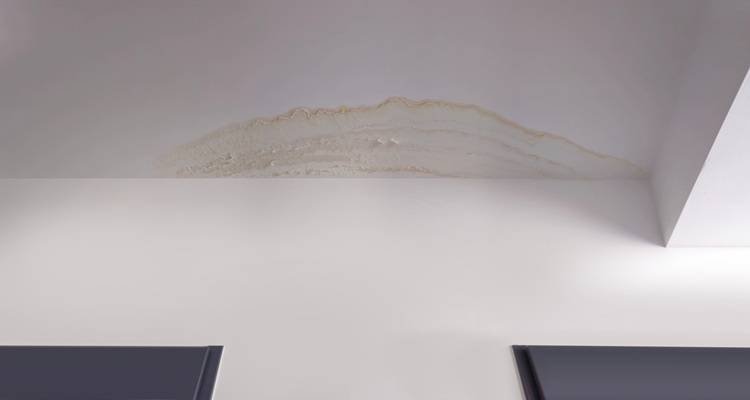
Table of Contents
- Why Is My Roof Leaking?
- Common Causes of Roof Leaks
- Why Does My Roof Only Leak in Heavy Rain?
- Why Is My Roof Leaking but No Tiles Are Missing?
- How Can You Find a Roof Leak?
- What Should You Do When Your Roof Starts Leaking?
- Can You Temporarily Stop a Roof Leak?
- Does a Leaking Roof Need Repairing Immediately?
- Does a Leak Mean I Need a New Roof?
- Can You Repair a Leaking Roof Yourself?
- How Much Does Roof Leak Repair Cost?
- How Long Does a Roof Leak Repair Take?
- Will Home Insurance Cover a Roof Leak?
- Who Should You Call?
- Preventing Future Roof Leaks
- FAQs
Why Is My Roof Leaking?
The cause of a roof leak depends on various factors such as roof type. This distinction is determined by the material that it’s constructed from, its shape and the pitch. Most UK roofs are pitched and tiled, although many use slate and some are thatched. Flat roofs are often constructed using bitumen felt, EPDM rubber or fibreglass. A roof’s age and overall condition are often contributing factors to why it’s leaking.
Where the water appears is often an indication of what the cause of a leak may be and whether it manifests in heavy rain or windy weather. It should be noted that heavy rain often exposes an existing weakness rather than creating a completely new defect.
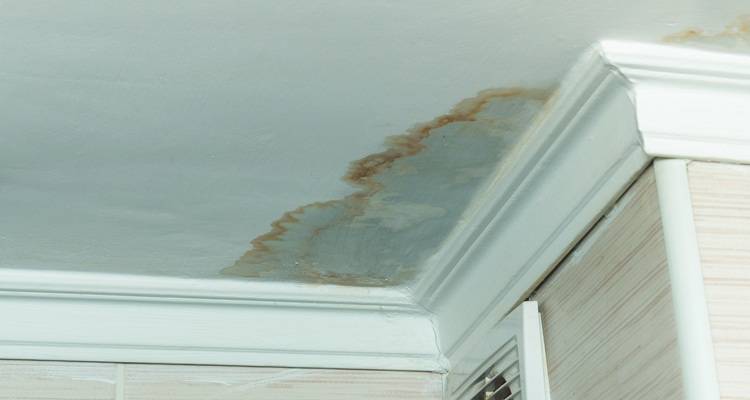
The position of the damp patch, staining or obvious water droplets can also hint at where the problem is originating. For example, it could be near the chimney, a roof window, a valley or the guttering. The location of the water ingress can also lead you to discover whether the moisture is coming from condensation or your plumbing, rather than a roof leak.
Common Causes of Roof Leaks
There are many causes of roof leaks. This guide takes a look at some of the most common, examines what goes wrong, what signs of a leak may appear and the likely repair direction.
Broken or Missing Tiles and Slates
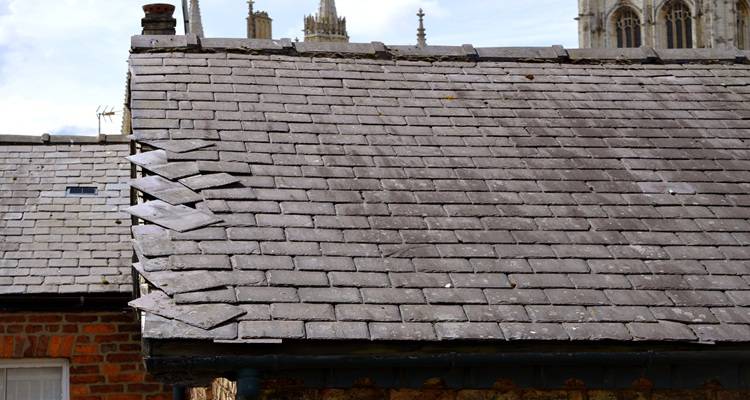
Perhaps the most obvious cause of a roof leak is missing, slipped or broken tiles and slates. This type of damage may happen during a storm, because of strong winds or with the general age and condition of the roof.
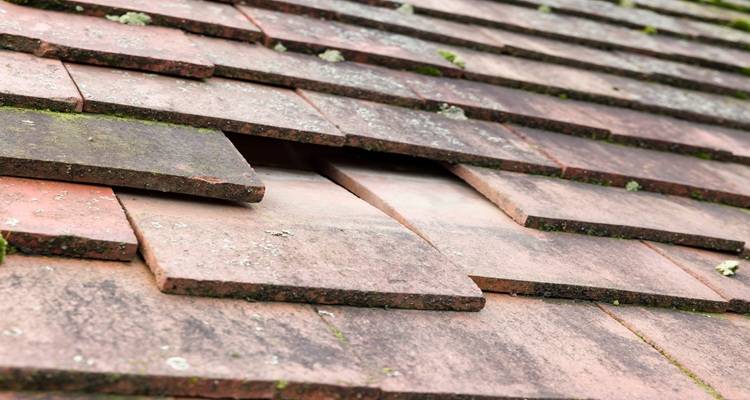
Internally, the signs may be staining or damp patches on first floor ceilings. Outside, you may be able to see the slipped, missing or broken tiles on the roof. Replacing the tiles is the obvious solution, but the battens, underlay and fixings of the surrounding tiles should also be checked to detect and prevent further issues.
Failed Flashing
Roof flashing is a thin material that is fitted over vulnerable joints and seams, such as where the roof meets the vertical surface of the chimney, a roof light, vent or a dormer wall. Lead was traditionally used for this purpose, but today zinc and aluminium are also used.
Over time, the flashing can lift, crack or corrode, allowing water in. Previous repairs may not have been properly done and can fail, allowing rainwater to penetrate the seam or joint. Staining and damp patches typically alert homeowners to problems with flashing. Repair by a roofer or replacement is usually needed.
Chimney Problems
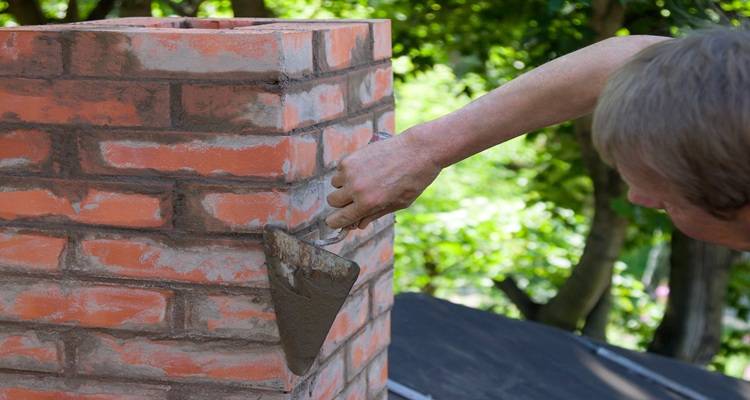
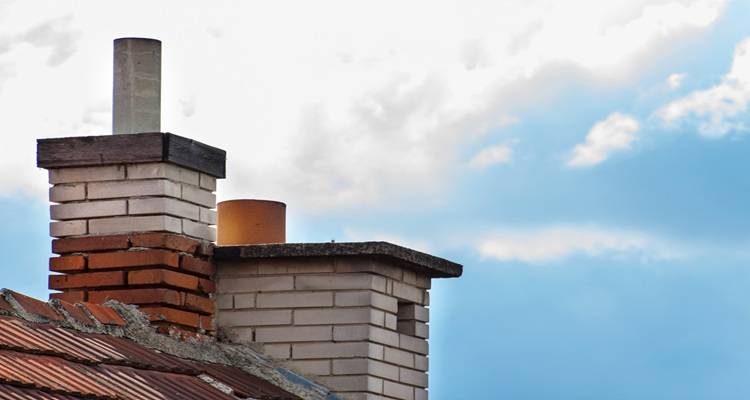
Many chimneys have been in situ for a long time, and exposure to the British weather takes its toll. Flashings may fail, but other problems can also be the cause of leaks. The mortar between the chimney’s bricks may crumble, letting water in and leading to damp patches.
This same type of mortar is used to hold chimney pots in place, so when it disintegrates, rainwater can get into the chimney and cause staining on the chimney breast. The chimney pots themselves and the porous bricks can also let moisture in. A qualified roofer is needed to repair any of these issues, such as repointing the brickwork or replacing the flashing.
Blocked or Damaged Gutters
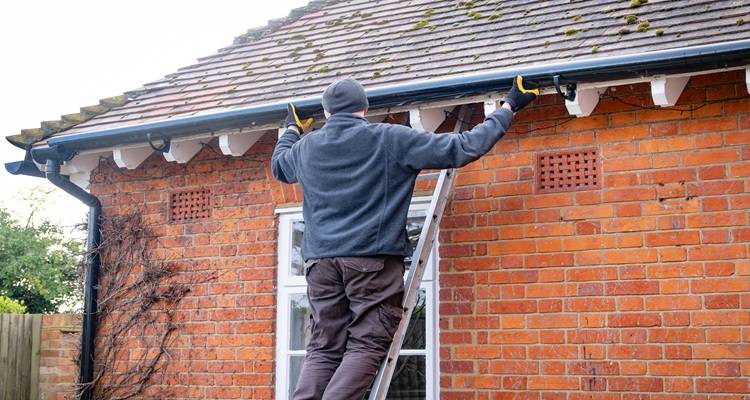
Gutters often become blocked with leaves, debris and moss, causing them to overflow. The rainwater, instead of flowing into the downpipe and drain, spills over the top of the gutter and down the walls, potentially leading to damp inside.
Regular cleaning of gutters, particularly in autumn, keeps them free of obstruction and reduces the risk of overflowing. Broken, sagging or misaligned gutters should be repaired promptly to prevent leaking.
Roof Valley Damage
A roof valley is where two sloping roofs meet, forming a channel that funnels rainwater into the guttering. Defects in the valley can lead to significant leaks due to the volume of water that enters the valley from both roof surfaces.
Cracked lead, broken mortar or slipped tiles can allow water to penetrate the roof and cause staining on first-floor ceilings. Repair by a roofer is typically needed if there’s damage to the valley.
Damaged Underlay
Roofing underlay acts as a secondary barrier to rainwater. When it gets damaged, moisture can penetrate and lead to damp insulation and roof timbers in the loft. Signs of a problem internally may be staining and damp patches on the ceiling.
Unfortunately, if the membrane is ripped or badly deteriorated, it needs to be replaced. This involves stripping that section of the roof tiles to access the underlay, replacing it and re-laying the tiles. Just replacing broken or missing tiles without replacing the damaged membrane can still lead to leaks.
Ridge and Hip Tile Problems
Ridge and hip tiles are some of the most exposed on a roof and bear the brunt of wind, rain and storms. When they fail, it can lead to significant water ingress. The tiles can work loose over time if the mortar bed cracks due to thermal expansion, freeze-thaw cycles and extreme weather.
Even modern dry ridge components can fail if they’re not installed properly. Loose ridge and hip tiles pose a real safety risk and should be dealt with promptly. Internally, signs of leaking include yellow or brown stains on ceilings and walls or a musty smell in the loft due to damp insulation and timbers. Repair by a roofer to the ridge or hip is recommended.
Flat Roof Damage
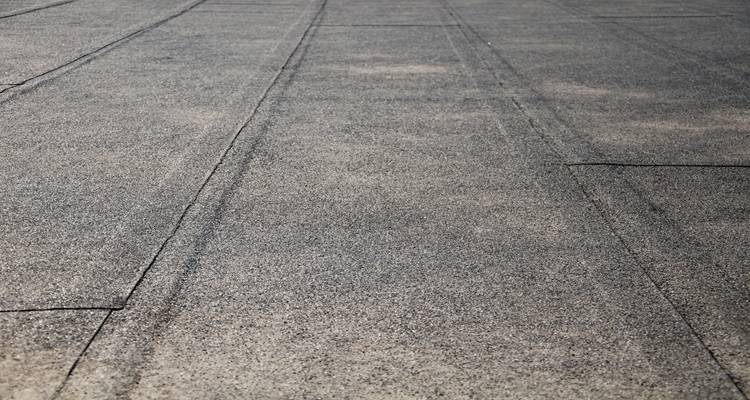
Flat roofs are prone to damage due to their shallow pitch. Issues such as cracks, splits, punctures, blistering and failed seams are common. Standing water, blocked outlets and failed edge details can lead to deterioration over time.
Signs of leaks may be brown or yellow stains on the ceiling, peeling paint, mould or a musty smell. How a flat roof is repaired depends on the material covering it, which could be bitumen felt, EPDM rubber or GRP. Whichever it is, a roofer who specialises in flat roofs is recommended for tackling the problem.
Roof window or skylight leaks
Any aperture in a roof is a potential weak point, so it’s not surprising that roof windows and skylights can experience leaks. Failed seals, damaged flashing, poor installation or blocked drainage channels are some of the most common causes of leaks around roof lights.
Internally, staining around the edges of a skylight or roof window is the most common sign of a leak. But be aware that condensation can also build up in these areas and stain the surrounding ceiling. Repairs or replacement windows should be dealt with by a roofer to prevent recurrence.
Poor Installation or Previous Repairs
If you have a roof leaking but no missing tiles, it can be the result of poor installation of a rooflight or vent, using unsuitable sealants or fitting incorrect detailing on the roof. Similarly, poorly executed previous repairs may be the source of a leak.
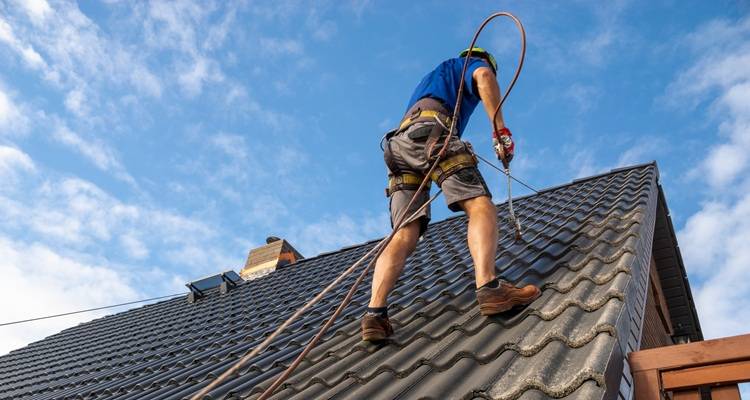
It’s important to always use a roofer for installations, repairs and maintenance as they have the training and equipment to properly look after your roof.
Roof Age and Wear
Like any element of your property, your roof is subject to wear and tear and the passage of time. It’s the most exposed part of the house with the express purpose of protecting everything underneath it.
So if you’re having repeated local leaks, materials failing, corroded fixings or a general deterioration, it’s possible that there is a broader roofing problem associated with its age and condition. Assessment by a roofer is a sensible next step.
Condensation or Plumbing Problems
If you’re seeing damp patches on walls, yellow or brown stains or water coming through a ceiling, it may not necessarily be caused by a leaking roof. Moisture can also come from plumbing issues or even condensation, especially if you’re seeing evidence of water ingress but it has not been raining.
Potential problems could be poor loft ventilation, moist air from the bathroom, leaking loft tanks or bathroom plumbing.
Why Does My Roof Only Leak in Heavy Rain?
A roof leaking in heavy rain may reveal a problem that you were previously unaware of. These intermittent leaks may point to issues such as small flashing defects or loose tiles where wind-driven or torrential rain finds its way into your home.
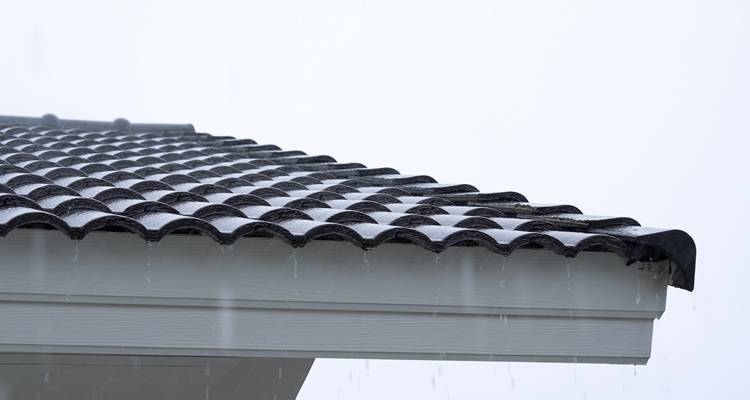
Similarly, gutters and valleys can become overwhelmed in heavy rain or hail, particularly if you have leaves or storm debris damming them. A flat roof leaking can result from blocked outlets during storms, heavy rain or hail. The resulting standing water can seep through small cracks or failed seams. Even if the leak only happens occasionally during heavy rain, it still needs to be investigated.
Why Is My Roof Leaking but No Tiles Are Missing?
You may expect to see an obvious cause of a roof leak such as missing tiles or slates. That’s not always the case, however, and there may be hidden reasons for the leak. From ground level, the roof may look intact, but there could be cracks in tiles, ridge defects, failed flashing or damaged underlay. Flat roofs may have splits or blistering, or the roof valley may be blocked, pushing water under the tiles. Roof window seals may fail, or the leak may not be related to your roof at all but be a plumbing leak or condensation issue.
How Can You Find a Roof Leak?
To find a roof leak, you can investigate safely from inside the property. The most suitable time to check is during or after rainfall, particularly in the loft. Look for damp timber, wet insulation, drips or staining. Remember that water may travel along timbers, membrane or insulation before dripping, so the true entry point may not be exactly where the water is dripping.
Only enter the loft if it is safe to do so. Use properly supported boarding or a designated walkway, and never step on insulation or plasterboard between the roof joists.
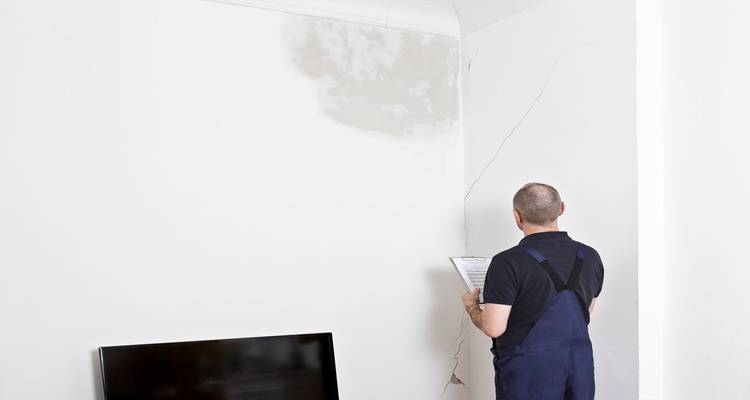
Check around chimneys, roof windows, vents and valleys, tracing any water marks upwards. Photograph any visible damage. It’s also a good idea to record when and during which weather conditions evidence of the leak appears, e.g., windy, rainy weather, heavy rain or storms.
What Should You Do When Your Roof Starts Leaking?
First, move any valuable items and furniture away from the area and put something down to protect the floor. Position containers to catch the drips and keep clear of electrical fittings and isolate the affected circuit only if it is safe to do so.
If you’re renting, inform the management company or landlord as soon as possible. Homeowners should contact a roofer to seek advice and book an assessment. Take photos of damage for your insurance company.

Sagging ceilings can signal an imminent collapse, so stay clear and keep children and pets away. Severe leaks, water near electrics and falling materials should be treated urgently and require an emergency roof repair.
Can You Temporarily Stop a Roof Leak?
It is possible to temporarily stop a roof leak, but it is only meant as a way of limiting further damage while a permanent solution is sought. Protect the room where the leak is as much as possible, move belongings and catch water in containers.

Isolating unsafe areas such as where there are electrics, falling materials or a sagging ceiling is also recommended. Arrange a temporary covering installed by a roofer or book an emergency repair, if the weather allows.
Does a Leaking Roof Need Repairing Immediately?
For any roof leak, repair is essential, but roofers cannot access a roof in bad weather and so may not be able to investigate the problem immediately. The most urgent situations are where there is active water entry, water near electrical fittings, a sagging ceiling and falling plaster.

Saturated insulation becomes very heavy and can cause a ceiling collapse, while loose tiles, as a result of storm damage, pose a danger to people on the ground. These situations constitute a roofing emergency. Repeated leaks should also be promptly investigated.
Does a Leak Mean I Need a New Roof?
No, a leak doesn’t necessarily mean that you need a new roof. Many repairs are small to medium-sized tasks that rectify the problem without the expense of a whole new roof. Tiles and slates can be replaced, flashing and valleys can be repaired, and gutters kept clear.
Roof windows can be repaired, and a flat roof can be patched up to make it watertight again.
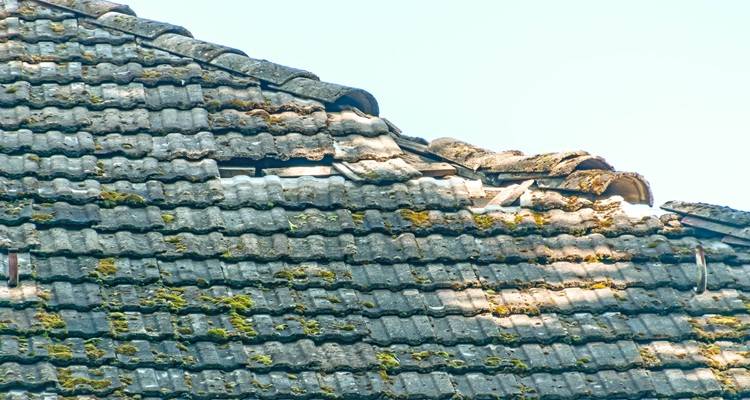
Where deterioration of the roof is widespread, leaks are happening in several locations, or repeated repairs are no longer cost-effective, then a new roof may be needed.
Can You Repair a Leaking Roof Yourself?
Repairing a leaking roof yourself is not recommended, mostly for safety reasons. However, there are some homeowner tasks that are safe to do. These include checking inside the loft, recording when the leak happens, including the weather conditions, as well as protecting the interior of your home.
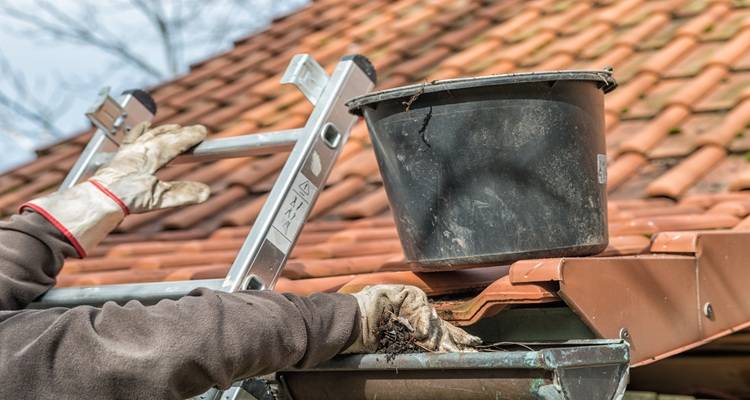
Homeowners can also clear an easily accessible, low-level gutter where it can be done safely. All other roof access, including replacing tiles or slates, chimney work, flashing, valley or flat roof repair, should be left to a roofer.
How Much Does Roof Leak Repair Cost?
The cost to repair a roof leak depends on the extent of the work, access, roof height, materials being used, any hidden damage and your location in the UK.
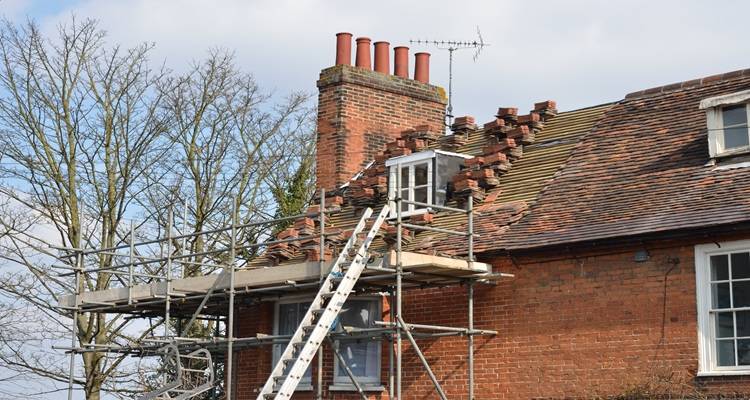
The supply and fit prices for a range of roof repairs, excluding scaffolding and VAT, are as follows:
- Replacing tiles or slates - £40-£140 per square metre
- Flashing repairs - £250-£900
- Chimney repairs - £150-£2,000
- Valley repairs - £350-£675
- Gutter clearance or repair - costs vary depending on the work and length of guttering
- Flat roof patching - £100-£180 per square metre
- Roof window repairs - £150-£450
- Emergency call-outs - £150-£800
- Larger roof repairs - £45-£275 per square metre
Prices are correct as of July 2026 and include labour and materials. For some jobs, scaffolding may not be needed, and in other cases, the number of sides and length of hire will vary.
How Long Does a Roof Leak Repair Take?
The length of time to complete a roof leak repair depends on several factors, including ease of access to the roof, size of the repair and how quickly the location of the leak can be identified. Some roof repairs require scaffolding, which adds time for installation and removal.
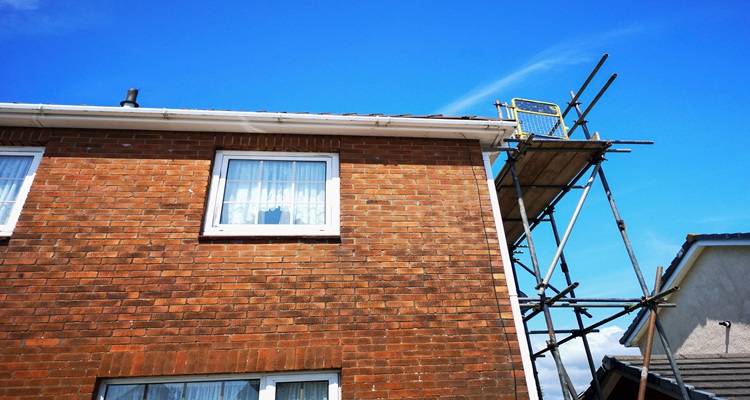
The weather conditions and availability of required materials also have an impact on the timescale of a roof repair. Internally, the time it takes for walls and ceilings to dry out after a roof leak is a separate issue and depends on the ambient temperature and extent of the damp.
Will Home Insurance Cover a Roof Leak?
The insurance cover for a roof leak depends on the individual policy held by the homeowner. If you’re unsure if your insurance covers such an eventuality, check your policy or speak to your insurance company or agent.
Typically, sudden storm damage is treated differently from the gradual wear and tear that your roof is subjected to. The most suitable approach is to document the damage to your roof from a leak, keep reports and photos and check with your insurer before booking major non-emergency work.
Who Should You Call?
In the event of a roof leak, the most obvious person to call is a roofer. They deal with broken or missing tiles or slates, guttering, valleys and flat roofs. In an urgent situation, you may need to call out an emergency roofer to deal with dangerous storm damage or severe, active leaks.
You need an electrician if electrical fittings or wiring are close to water ingress. Although many roofers deal with guttering, a local guttering contractor can also deal with any blockages or gutter damage.
A plumber is needed if you find that water ingress from the loft is not the result of a roof leak but faulty pipework or plumbing leaks.
For the most part, getting a quote from a local, local roofer via MyJobQuote makes the whole process simple, quick and stress-free.
Preventing Future Roof Leaks
To prevent future roof leaks, take some simple steps. Check your roof after any storm, high winds, heavy rain or other severe weather. Replace any missing, broken or slipped tiles or slates promptly. Make sure to keep your gutter and valleys clear, particularly in autumn.

If you have a flat roof, make sure the outlets are clear and unblocked. Check the flashing around chimneys, vents and roof windows for damage or wear and tear. Investigate any loft condensation and treat promptly. Avoid any poor-quality temporary roof repairs and keep overhanging branches trimmed back.