Builders
 Carpenters
 Electricians
 Flooring Specialists
 Gardeners
 Handymen
 Heating Engineers
 Painters & Decorators
 Plasterers & Renderers
 Plumbers
 Roofers
 Tilers
 my
myChimney Lead Flashing Repair Cost
At a Glance
- A chimney lead flashing patch repair typically costs around £200, while a full replacement averages around £570.
- Patch repairs usually take 1 to 3 hours. Full replacements typically take 0.5 to 1 day.
- A complete pricing breakdown for repairing or replacing chimney lead flashing, including costs with and without scaffolding.
- How long the job usually takes and what's involved with replacing chimney flashing.
- How to find and hire a tradesman near you using MyJobQuote.
Get free estimates
Are you a trade? Get more work today!
Need to repair or replace chimney lead flashing?
A patch repair typically costs between £150 and £250, while a full leadwork replacement costs between £350 and £920, depending largely on whether scaffolding is required.
If you're ready for a quote, you can submit your project details to chimney specialists near you, who are ready to offer you a free, no-obligation quote!
Want to learn more about what impacts the costs of replacing lead chimney flashing first? Our guide has everything you need to know, and we also explore the steps involved in replacing leadwork and the benefits of doing so, so you know what to expect.
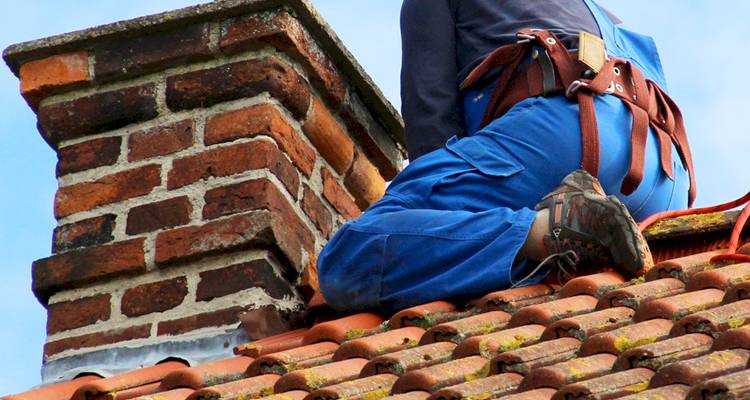
£570
Table of Contents
- How Much Does It Cost to Replace Leadwork on a Chimney?
- Labour Cost to Repair Chimney Flashing & Timescales
- Additional Chimney Leadwork Replacement Costs
- Factors That Impact the Cost of Replacing Chimney Leadwork
- What's Involved in Chimney Leadwork Replacement?
- Building Regulations & Planning Permission for Chimney Leadwork Replacements
- Why It's Important to Repair or Replace Chimney Lead Flashing Promptly
- Checklist: How to Find and Hire a Local Tradesman in the UK
- FAQs
How Much Does It Cost to Replace Leadwork on a Chimney?
Looking for leadwork specialist costs?
The average cost of replacing leadwork on a chimney is £350 to £460 if scaffolding is not needed, but you'd need a budget of around £700 to £920 if scaffolding is required.
The price of replacing the leadwork on a chimney depends on:
- Size/type of chimney.
- Size/type of leadwork.
- Type of property.
- State of the installation area.
- Ease of access.
Where you live impacts your labour cost. The price of hiring a contractor tends to be higher in the South East, especially in London. On the other hand, you'll generally find labour prices below the national average in northern England, Scotland, and Northern Ireland.
What is the main reason for replacing your chimney leadwork?
It is leaking or causing water damage
9 votes - 69%69% of votes
The leadwork is damaged
3 votes - 23%23% of votes
Replacing due to other chimney work
1 votes - 8%8% of votes
Part of a new build or development
0 votes - 0%0% of votes

13 votes
See results
Hide results
The supply cost of replacing leadwork on a chimney is about £250 to £310. If scaffolding is used, you'd need to budget an additional £250 to £310 for that separately.
While painting our house, we noticed there was a hole in the lead flashing on the valley of the roof. Can it be patched, or does it need to be taken out and replaced?
"It can be patched over depending on the size of the hole. Patch repair will not last as long as a full fit but will hold the rain out for a few years."
Chimney Lead Flashing Repair and Replacement Prices
The following prices include materials and labour. Costs vary depending on whether you need a patch repair or a full replacement, and whether scaffolding is required.
| Job Description | Total Cost |
|---|---|
| Patch repair (no scaffolding) | £150–£250 |
| Patch repair (with scaffolding) | £450–£600 |
| Full replacement (no scaffolding) | £350–£460 |
| Full replacement (with scaffolding) | £700–£920 |
Want a custom price?
Post your job
Should You Repair or Replace Chimney Lead Flashing?
Not every job requires a full replacement. In many cases, a patch repair is all that's needed, and it's a faster and cheaper fix. Here's how to tell which option applies to your situation.
Repair is usually suitable when:
- The damage is limited to a small section of flashing (e.g., a single crack or loose edge).
- The lead itself is in good condition overall and has not corroded or thinned.
- The flashing has simply lifted or come loose from the mortar joint.
- The hole or gap is small enough to be sealed by welding or patching.
Full replacement is usually the better option when:
- Multiple sections are cracked, corroded, or failing.
- The lead is old and has thinned significantly due to weathering.
- Repeated repairs have been carried out and the flashing continues to fail.
- Water ingress has caused damage to the surrounding roof structure or internal walls.
- The existing installation was poorly fitted in the first place.
A roofer will be able to confirm which option is right for your chimney once they've inspected it. As a rule, patch repairs are a cost-effective short-term fix, while a full replacement offers better long-term value if the flashing is in poor condition.
Labour Cost to Repair Chimney Flashing & Timescales
Labour costs for chimney lead flashing work are typically charged at £200 to £300 per day. The exact figure depends on where you live, with rates generally higher in London and the South East and lower in northern England and Scotland.
The table below shows typical labour costs and timescales for the most common types of chimney flashing work.
| Job Type | Typical Timescale | Labour Cost (Approx.) |
|---|---|---|
| Patch repair (no scaffolding) | 1 to 3 hours | £75–£150 |
| Patch repair (with scaffolding) | 3 to 7 hours (inc. scaffold setup) | £200–£300 |
| Full replacement (no scaffolding) | 3 to 5 hours | £150–£200 |
| Full replacement (with scaffolding) | 5 to 11 hours (inc. scaffold setup) | £300–£450 |
Want a custom price?
Post your job
Scaffolding typically takes 2 to 6 hours to erect and dismantle. The lead flashing work itself usually takes 3 to 5 hours for a full replacement, or 1 to 3 hours for a patch repair. Overall timescales can vary depending on the ease of access and the condition of the work area.
Do You Need Scaffolding for Chimney Lead Flashing Work?
Whether scaffolding is required will significantly affect the total cost of the job. Your roofer will assess this when they visit, but scaffolding is usually required for chimney flashing work to prevent materials or people from falling from the edge of the roof.
Scaffolding is likely to be needed if:
- The chimney is on a two-storey or taller property.
- The roof pitch is steep, making ladder access unsafe.
- The chimney is positioned near the ridge or in a difficult-to-reach area of the roof.
- The property is on a pavement or road, where working above requires additional safety barriers.
- The roofer needs to work on the chimney for an extended period (e.g., a full replacement rather than a quick patch).
For very minor jobs that can be done in minutes, a ladder may be sufficient.
If scaffolding is required, erecting and dismantling it typically adds £300 to £500 to the overall cost. Some roofers may use a scaffold tower as a lower-cost alternative for straightforward access situations. For scaffolding erected on a pavement or road, you will also need a licence from the council, which can add to the cost.
Additional Chimney Leadwork Replacement Costs
What other jobs should I consider? We'll now discuss some extra jobs you may wish to pay for, along with replacing chimney leadwork.
If you already have scaffolding in place for your leadwork replacement, it makes sense to get the following jobs done at the same time to make use of the scaffolding:
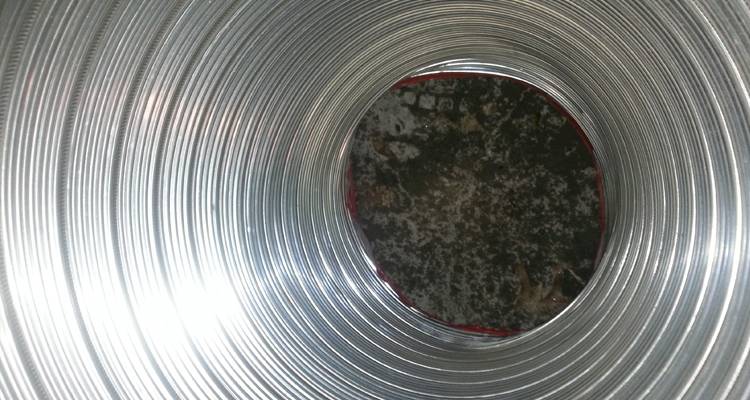
- Chimney Repointing — If the mortar between the chimney's brickwork is crumbling or cracked, it makes sense to get it repointed while the scaffolding is already in place. Chimney repointing typically costs between £250 and £350 for a standard stack.
- Installing a Chimney Liner — On average, chimney liner replacement costs around £600 to £1,000, depending on the size and style of chimney.
- Chimney Cowl Fitting — Installation costs around £200, although fuel-specific cowls may cost slightly less than multi-purpose chimney cowls.
- Replacing Roof Tiles — You may wish to replace a few roof tiles at the same time as the leadwork, costing between £150 and £250, depending on the style and quality used.
Is there any harm in leaving lichen on roof tiles? I know moss should be removed, but what about lichen?
"I would advise having it properly cleaned and then an inhibitor applied to prevent any growth. A properly functioning roof is a clean roof."
Ask a Trade
Got a question that only a tradesperson can answer? We have thousands of trades ready to answer any question you may have.
Ask your question

Factors That Impact the Cost of Replacing Chimney Leadwork
Let's take a closer look at the factors that influence replacing chimney leadwork.
Size and Type of Chimney
Larger chimneys tend to increase the cost due to the volume of work required. Likewise, the chimney design can impact the type of leadwork required and how long the job may take.
More extensive leadwork means higher material and labour costs. Certain types of lead also come at a premium, influencing the overall expense.
Ease of Access
The condition of the roof can have a significant impact on any work being carried out on the chimney, as straightforward access makes it easier to reach the area required. It can also help determine if any additional scaffolding is required, as the health and safety of any tradespeople working at height is a priority.
Condition of Chimney
A chimney in good repair simplifies leadwork replacement, although any damage or deterioration will demand more time and resources and could lead on to other requirements, which will increase material and labour costs.
What's Involved in Chimney Leadwork Replacement?
We'll now discuss the steps required to replace leadwork on a chimney. The work can vary depending on the exact nature of the leadwork being replaced.
- Hiring a Roofer — Request quotes from at least three roofers on MyJobQuote and compare them before you choose. Ask for references or examples of previous work to help ensure you choose the right person for the job.
- Preparation Work — On the day of the work, the roofer will start by preparing the area and gathering any tools and materials required. This may also include inspecting the roof and erecting scaffolding if needed.
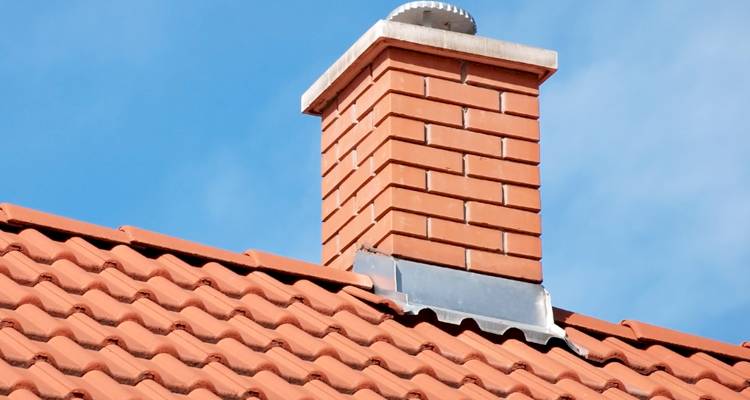
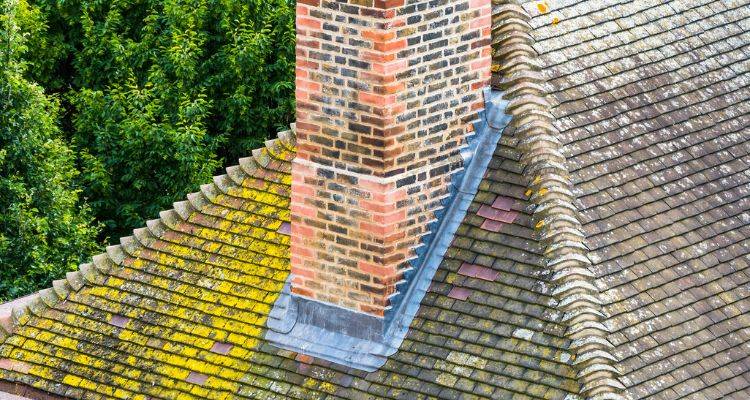
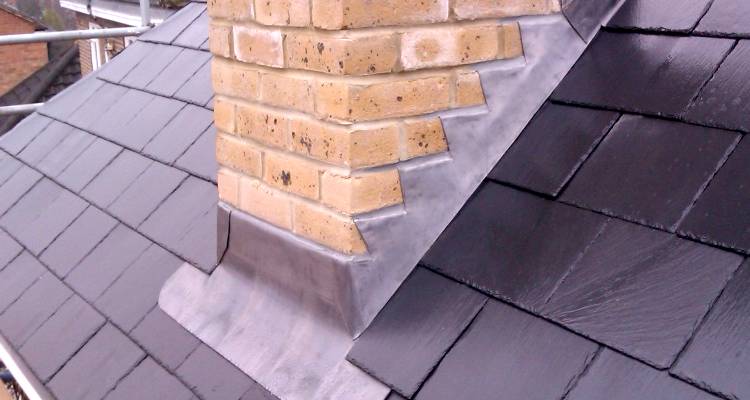
- Replacing Leadwork — The lead can be shaped into place or welded, then fixed using lead plugs between brick courses. Cement may be used to seal gaps and prevent water ingress. Some roof tiles may also need to be removed and replaced during the process.
- Techniques Used — Common leadwork includes step cover flashing, lead apron flashing, and back box installation. Step flashing is more complex due to the angled cuts required, while replacing a back box is often time-consuming and may impact labour costs.
- Clean-Up — After the installation, any old leadwork and debris are removed from the site. The finished job is checked for security and safety, and any scaffolding is disassembled and taken away.
I have lead flashing around the sides of my chimney, from what I can see the flashing has fallen out of place apart from the very top section, which is the only thing holding it in place. Can I get it refitted without buying new lead?
"Yes, you certainly can, lead can last a very long time. The brick joint would need cleaned up though and dust free and then the lead reinserted and new mortar put in place unless you would prefer to use lead mate instead which a type of silcone for lead work."
Building Regulations & Planning Permission for Chimney Leadwork Replacements
In most cases, lead flashing repair or replacement does not require building regulations approval, as like-for-like repairs are classed as maintenance work.
If a larger section of the roof is being altered at the same time, approval may be needed, with building applications typically costing £300 to £400.
Planning permission is not usually required for like-for-like flashing repairs that don't change the property's appearance. However, listed buildings will require listed building consent if the work will affect their character.
If you are unsure, check with your local council before work starts.
Why It's Important to Repair or Replace Chimney Lead Flashing Promptly
Damaged or failed lead flashing is one of the most common causes of roof leaks in UK homes. Because the chimney penetrates the roof, it creates a vulnerable junction where water can enter if the flashing is cracked, loose, or corroded. Getting this fixed quickly, whether through a patch repair or a full replacement, avoids a much larger problem down the line.
Here's why this job matters:
- Prevents Water Ingress — Faulty flashing allows rainwater to track down into the roof structure, leading to damp patches on ceilings and internal walls that can be expensive to fix.
- Avoids Structural Damage — Water that repeatedly gets into the roof space can rot timbers, damage insulation, and compromise the structural integrity of the roof over time.
- Stops Mould from Forming — Persistent moisture creates conditions where mould can take hold, which affects air quality and can cause health issues for occupants.
- Protects Your Chimney Stack — Water that gets behind failing flashing can penetrate the mortar joints and brickwork of the chimney, accelerating deterioration and potentially leading to repointing or rebuilding work.
- Keeps Repair Costs Lower — A patch repair costs as little as £150 to £250. Left unaddressed, the same problem can result in water damage to ceilings, walls, and timbers that costs far more to put right.
- Long-Lasting Protection When Replaced Properly — Lead flashing that is correctly installed can last for over 80 years, making a full replacement a sound long-term investment for the property.
There's no lead flashing around my chimney, just cement. Is this OK?
"Cement pellets are okay, if there’s no movement in the building to perform the cement coming away from the brickwork. If it doesn’t leak, leave it alone."
Checklist: How to Find and Hire a Local Tradesman in the UK
Before hiring a roofer to repair or replace your chimney lead flashing, here are the key things to check:
- Do they have experience with leadwork specifically? General roofing experience is useful, but chimney lead flashing involves specific techniques. Ask if they've carried out similar jobs and whether they can show examples of previous work.
- Are they adequately insured? Public liability insurance isn't a legal requirement, but any reputable roofer should have it. This protects you if accidental damage occurs to your property during the job.
- Have previous customers rated them positively? Check their MyJobQuote profile for reviews from other homeowners. Look for consistent, recent feedback rather than a single high rating.
- Do they provide a detailed written quote? A reliable roofer will itemise the costs for labour, materials, and scaffolding separately. Avoid vague estimates with no breakdown.
- Are they part of a trade body or accreditation scheme? Membership of a competent person scheme such as CompetentRoofer by the NFRC (National Federation of Roofing Contractors) is a good indicator of professional standards, though it isn't mandatory.
- Will they assess whether scaffolding is needed? A trustworthy roofer will carry out a proper access assessment before quoting. If someone offers to do significant work from a ladder without explanation, treat that as a red flag.
- Is waste removal included? Confirm whether the removal of old leadwork and any debris is included in the quoted price.
- Do they offer any guarantee on their work? Reputable roofers should be willing to stand behind the quality of their work for a reasonable period.
It's always worth getting at least 3 quotes from different roofers before making a decision, even if the first quote seems reasonable.
FAQs
How Much Would I Pay to Repoint a Chimney?
On average, you can expect to pay around £250 to £350 to have your chimney repointed. If scaffolding is already in place for a flashing job, it's worth getting any repointing done at the same time to avoid a second call-out charge and additional scaffolding costs.
How Much Does It Cost to Have a Chimney Repaired?
Chimney repair costs vary widely depending on what needs doing. A lead flashing patch repair starts from around £150, while a full flashing replacement costs £350 to £920 depending on scaffolding requirements. More extensive chimney repairs (such as repointing, relining, or rebuilding the stack) can cost between £600 and £1,900 or more.
Why Is Lead Used on Roofs?
Lead has been used on roofs for centuries because of its durability, flexibility, and waterproofing properties. It can be shaped and moulded to fit complex roof junctions, such as the base of a chimney or a roof valley, far more effectively than rigid materials.
When correctly installed, lead flashing can last for over 80 years (over 100 years for higher codes) with minimal maintenance. If the correct code of lead is properly fitted in 1.5 metre lengths, it expands and contracts with temperature changes without cracking, which makes it well suited to the variable UK climate.
Can I Replace Chimney Lead Flashing Myself?
Replacing chimney lead flashing is not a suitable DIY project for most homeowners. The work involves accessing the roof at height, which carries significant safety risks without proper equipment and training. Working with lead also requires heat in some cases, which presents an additional fire risk if carried out by someone inexperienced.
It's best to hire a qualified roofer. A poorly fitted repair can allow water to continue entering the property, leading to more expensive damage over time.
Does Home Insurance Cover Chimney Lead Flashing Repairs?
Home insurance may cover chimney flashing repairs if the damage was caused by a sudden event, such as a storm or falling debris. However, most policies do not cover repairs that result from gradual wear and tear or lack of maintenance.
If you think the damage may be the result of an insurable event, check your policy documents and contact your insurer before arranging any work.