Builders
 Carpenters
 Electricians
 Flooring Specialists
 Gardeners
 Handymen
 Heating Engineers
 Painters & Decorators
 Plasterers & Renderers
 Plumbers
 Roofers
 Tilers
 my
myBest Driveway Material
Choosing the best driveway material can make a big difference to the look, practicality and value of your home. Your driveway is one of the first things people see, so it needs to suit your property, handle everyday use and work with your budget.
There is no single best driveway surface for every home. Some homeowners want a low-cost option, while others prefer a more decorative or long-lasting finish. The right choice will depend on your budget, the size of your driveway, the style of your property, drainage requirements and how much maintenance you are happy to do.
Before choosing a new driveway material, it is worth comparing quotes from local driveway specialists. This can help you understand the preparation work, installation costs and best surface options for your property.
In this guide, we compare the most popular driveway materials in the UK, including gravel, tarmac, concrete, block paving, resin and cobblestone, to help you choose the best option for your home.
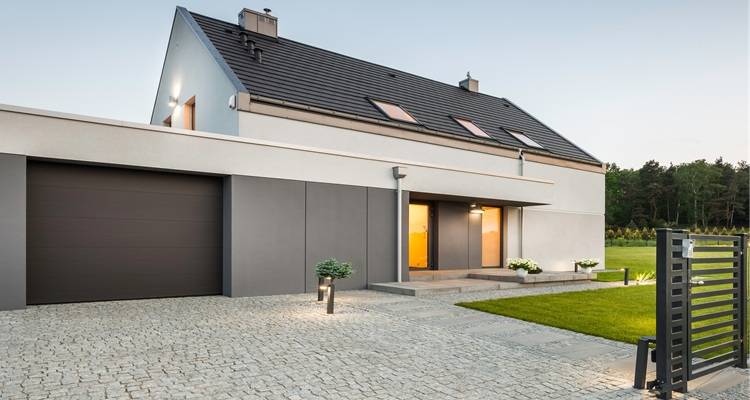
Table of Contents
- Best Driveway Materials at a Glance
- Gravel Driveways
- Tarmac Driveways
- Concrete Driveways
- Block Paving Driveways
- Resin Driveways
- Cobblestone Driveways
- Which Driveway Material Is Best Overall?
- What Affects the Cost of a Driveway?
- Driveway Maintenance Comparison
- Environmental Considerations
- Common Mistakes to Avoid
- FAQs
- Final Takeaway
Best Driveway Materials at a Glance
The table below provides a quick overview of the most common types of driveway materials that are used in the UK:
| DRIVEWAY MATERIAL | AVERAGE COST PER SQUARE METRE | ADVANTAGES | TYPICAL LIFESPAN | MAINTENANCE LEVEL |
|---|---|---|---|---|
| Gravel | £30-£70 | Affordable and permeable | 10-20 years | Medium |
| Tarmac | £50-£100 | Practical and durable | 15-25 years | Low |
| Concrete | £60-£120 | Strong and long-lasting | 20-30+ years | Low |
| Block Paving | £70-£130 | Decorative and versatile | 20-30 years | Medium |
| Resin | £80-£140 | Modern, low-maintenance finish | 15-25 years | Low |
| Cobblestone | £100-£200+ | Premium traditional appearance | 40+ years | Medium |
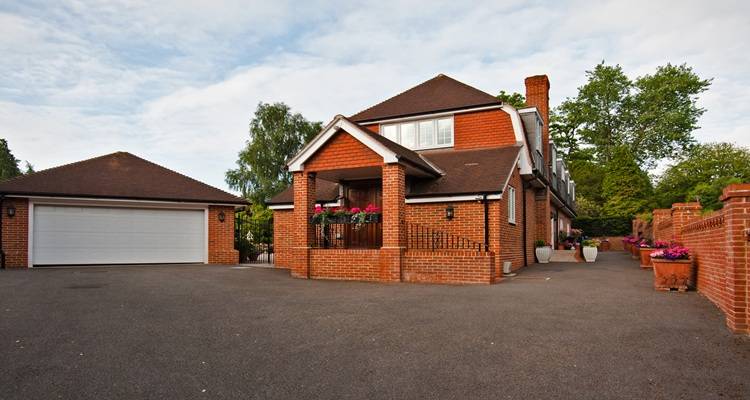
These prices are general estimates and might vary depending on the size of the driveway, the access to the property, any excavation works needed, the drainage requirements, and the quality of the materials that are used.
It is also important to remember that the cheapest driveway surface is not always the most cost-effective option for the long term. Things like maintenance and repairs can make a big difference over time.
Gravel Driveways
Gravel is one of the most popular driveway options for homeowners looking for a cost-effective solution. Gravel is a brilliant solution for homes with large spaces for a driveway, as more premium materials could be very expensive.
Below is a list of the main benefits of gravel:
- It is usually cheaper than most other driveway materials
- It is quick to install
- It offers good natural drainage
- It comes in different colours and stone sizes
- It can suit both traditional and rural properties
One of the biggest advantages of gravel is its affordability. Compared with most other types of driveway materials, gravel is usually one of the cheapest to install. It is also relatively quick to lay, especially when the groundwork has already been prepared properly.
Gravel is also great for drainage because rainwater can pass through the surface very easily. This makes it a very good option for areas where drainage may be a concern.
Gravel comes in a wide range of colours and stone sizes too. This means that it is perfect for those who want to tailor the appearance of their driveway to suit their property.
Traditional and rural homes often suit gravel particularly well because it creates a softer and more natural appearance than smoother modern surfaces.
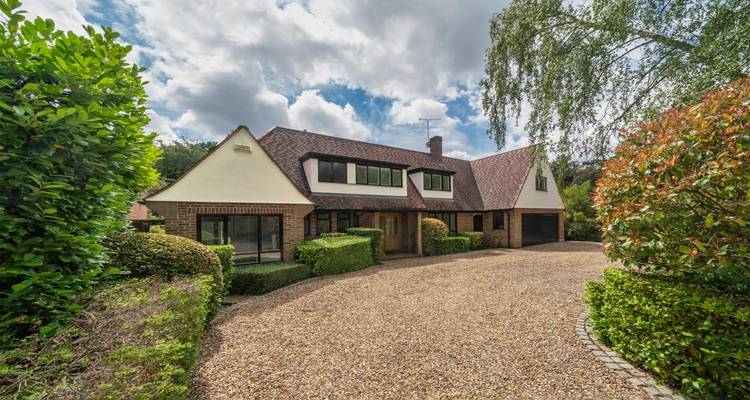
However, gravel does come with some drawbacks, too. Here are the biggest drawbacks of gravel:
- Gravel can move around under tyres or foot traffic
- It may need raking back into place
- It may need topping up over time
- Weeds can grow through if the base is not prepared properly
- It may not be ideal for steep driveways
Loose stones can move around underneath tyres and foot traffic, especially on slopes or busy driveways. Many people will find that they need to rake the gravel back into place on a regular basis in order to maintain an even surface.
Over time, gravel may also need to be topped up as stones can gradually shift or compact into the ground. Weeds can also be a problem if the sub-base and weed membrane are not installed properly from the beginning.
For steep driveways, gravel is not usually the ideal choice because the stones can travel downhill during heavy use or bad weather.
Overall, gravel is usually best for people who want to achieve a lower-cost driveway and are comfortable carrying out occasional maintenance to keep it looking tidy.
Tarmac Driveways
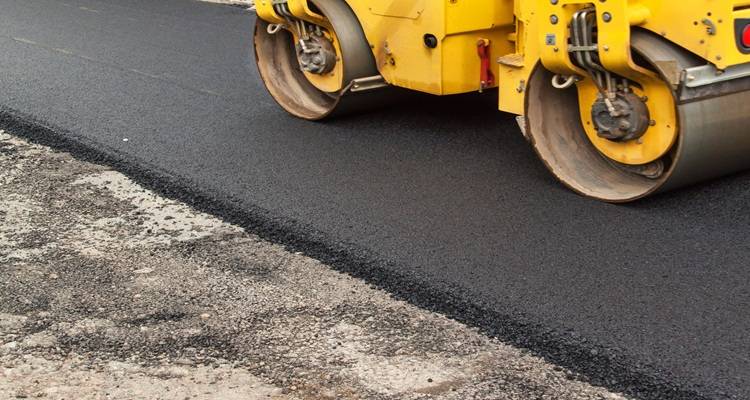
Tarmac is one of the most practical and most commonly used driveway surfaces in the UK. This type of driveway material is often used on homes where durability and functionality matter more than decorative detail.
Below is a list of the main benefits of tarmac:
- It creates a smooth and practical driveway surface
- It is suitable for larger driveways
- It is usually cheaper than resin or block paving
- It can be installed fairly quickly once the base is prepared
- It is easy to look after compared with some other options
One of the main reasons people choose tarmac is for its ability to cope well with regular vehicle traffic. Tarmac creates a smooth, solid surface that works particularly well for family homes with multiple cars.
Tarmac is usually more affordable than resin or block paving, especially on larger driveways. It can also be installed pretty quickly once the base preparation work has been done.
Another brilliant advantage is that tarmac is fairly easy to maintain when compared with some decorative finishes. Regular sweeping and occasional cleaning are usually enough to keep it looking presentable.
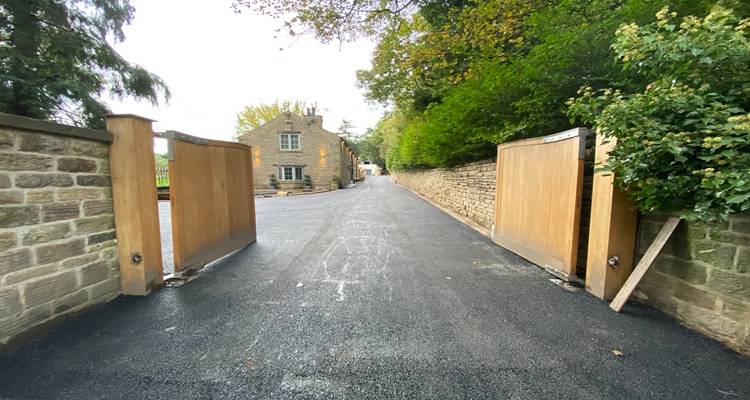
However, there are a few small drawbacks that can come with tarmac driveways. Below is a list of the main drawbacks of tarmac driveways:
- It has limited design options
- It may not offer as much kerb appeal as resin or block paving
- It can soften slightly in very hot weather
- It may need resurfacing over time
Despite its practicality, tarmac has fewer design options than other driveway materials. You can usually get tarmac in black or dark red finishes. The shades and the surface of tarmac may not provide the same level of kerb appeal as resin or block paving.
During periods of very hot weather, tarmac can soften slightly. This is particularly true when lower-quality materials have been used. Older tarmac driveways may also need to be resurfaced over time as the surface gradually wears down.
If you are looking for a simple, durable and low-fuss driveway surface, tarmac is one of the best driveway material choices available.
Concrete Driveways
Concrete is known as one of the strongest and most durable driveway materials available. People usually choose this type of material if they are looking for a long-lasting driveway that can cope well with regular use and heavy vehicles.
Below is a list of the main benefits of a concrete driveway:
- It is very hard-wearing
- It can last a long time when installed properly
- It can cope well with regular vehicle use
- It can be plain, patterned or imprinted
- It usually requires little maintenance
One of the best things about concrete is its durability. When concrete is installed properly with a well-prepared sub-base, a driveway made of this material can last for decades with very little maintenance needed.
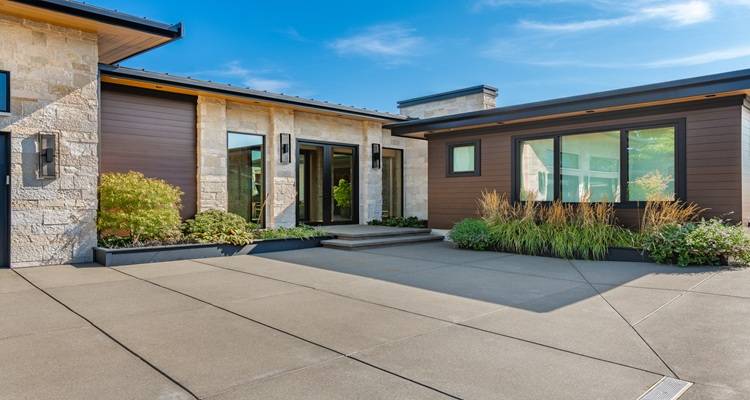
Concrete is also a versatile material in appearance. Plain concrete can provide a simple and practical finish. Alternatively, you can choose patterned or imprinted concrete for a more decorative and personalised look. Some great examples include concrete that mimics stone, slate, or block paving.
Another brilliant advantage of concrete is that it generally requires very minimal maintenance besides occasional cleaning and minor crack repairs as and when needed.
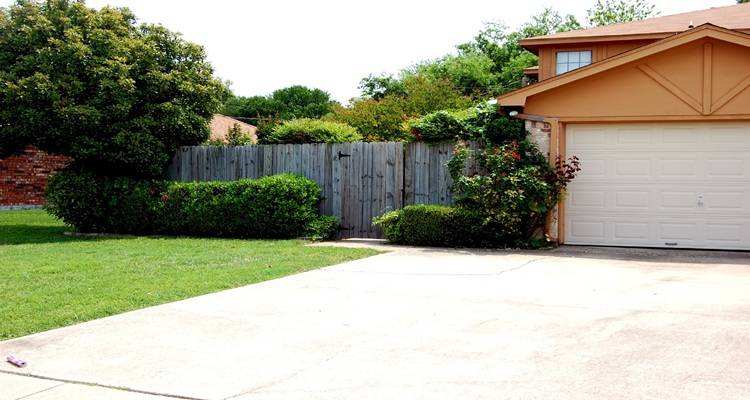
There are also some drawbacks to using concrete for a driveway. Below is a list of the potential drawbacks of this material:
- Plain concrete can look quite basic
- It may crack if the ground moves or the base is poorly prepared
- Repairs can be noticeable
- Decorative or imprinted concrete can cost more
Plain concrete can sometimes look a bit basic and boring when compared with more decorative driveway surfaces. Cracking can also occur if the ground underneath shifts or if the installation was not carried out properly.
Repairs may be more noticeable on concrete than on some other materials because colour matching can be quite difficult. Decorative concrete finishes also tend to increase the installation costs quite considerably.
Concrete is usually the best option for people who want to prioritise a strong, durable surface with good long-term performance, rather than a driveway that looks pretty.
Block Paving Driveways
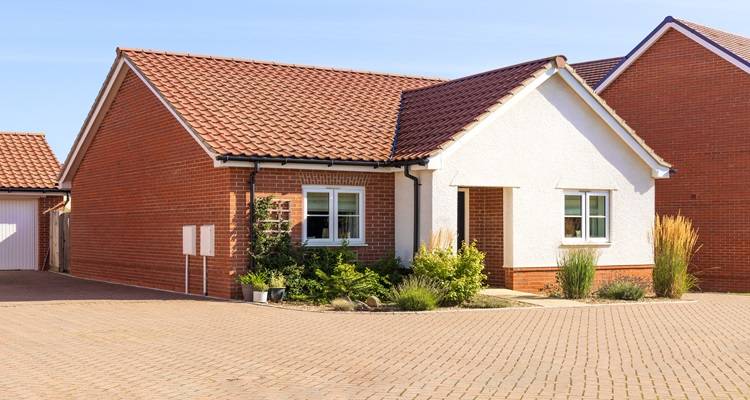
Block paving is one of the most popular types of driveways in the UK because it combines practicality with a beautiful, strong visual appeal.
There are several main benefits of block paving, such as:
- It can improve kerb appeal
- It comes in different colours, shapes and patterns
- It suits many property styles
- Individual blocks can be replaced if damaged
- It can create a high-quality, traditional or modern look
A lot of homeowners choose block paving because it has a smart, high-quality finish that can significantly improve a home’s kerb appeal. It is available in a wide range of colours, styles, shapes and laying patterns, so it is suitable for many different home styles.
It is very flexible in terms of design options. Whether you are looking for a contemporary geometric pattern or a more classic appearance, block paving offers a lot of brilliant customisation options. This means you can personalise the driveway to suit the look you want.
Another great benefit is that individual blocks can usually be replaced if they become damaged or stained. This can make repairs much easier and cheaper than if you were to replace an entire driveway surface.
Block paving can also create a premium appearance that adds value to the property when it is installed professionally.
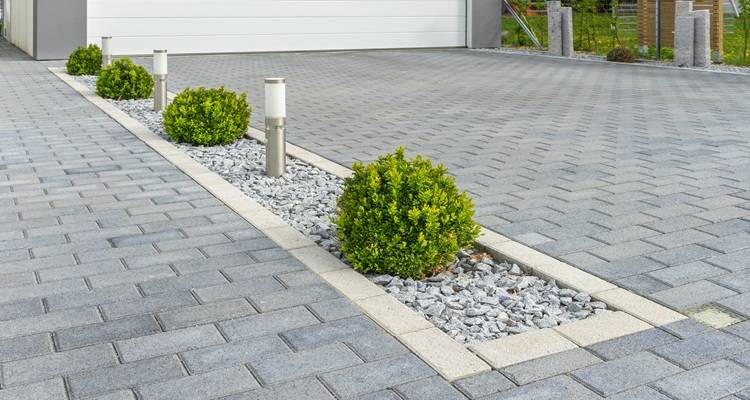
As with any type of material, block paving does come with some drawbacks. Take a look at the list below:
- It is usually more expensive than gravel or tarmac
- Weeds and moss can grow between the joints
- The blocks can sink if the sub-base is not prepared properly
- It may need cleaning and re-sanding over time
Block paving is often more expensive than gravel or tarmac. Also, the maintenance can be more demanding. Weeds and moss may grow between the joints if regular upkeep is neglected.
If the sub-base underneath the blocks is not prepared properly, sections of the driveway may begin to sink or move over time. You may also need to occasionally pressure wash and re-sand the driveway to maintain its appearance and the stability of the joints.
For people who care about the appearance and design flexibility of a driveway, block paving is often considered one of the best driveway surfaces available.
Resin Driveways
Resin driveways have become increasingly popular over the past few years, especially on modern properties. These driveways are known for creating a clean, smooth, and attractive finish with pretty low maintenance requirements.
There are several main benefits of resin, such as:
- It gives a modern, neat appearance
- It comes in different colours and aggregate blends
- Resin-bound driveways can be permeable when installed correctly
- It is generally low maintenance
- It creates a smooth surface that is easy to walk on
Resin-bound driveways are made by mixing aggregate stones with resin before laying the surface.
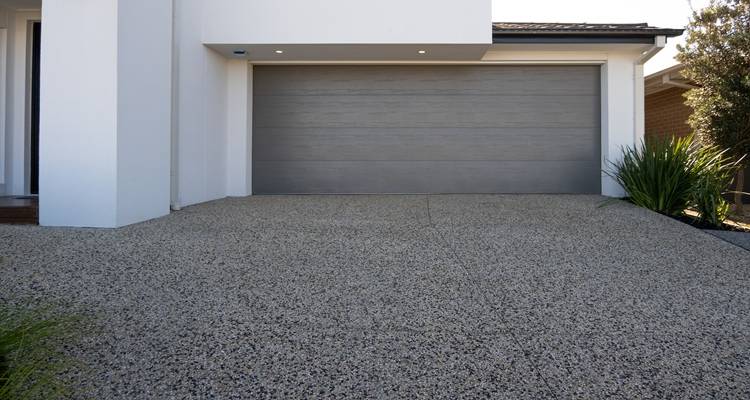
This creates a permeable finish that allows water to drain through when it is installed properly. Resin-bonded driveways are slightly different because the aggregate is scattered over the resin layer rather than mixed through it.
For most people, resin-bound systems are the best choice because they provide better drainage and a smoother finish.
One of the biggest advantages of resin is its appearance. It offers a sleek, modern look and is available in many different colours and aggregate blends.
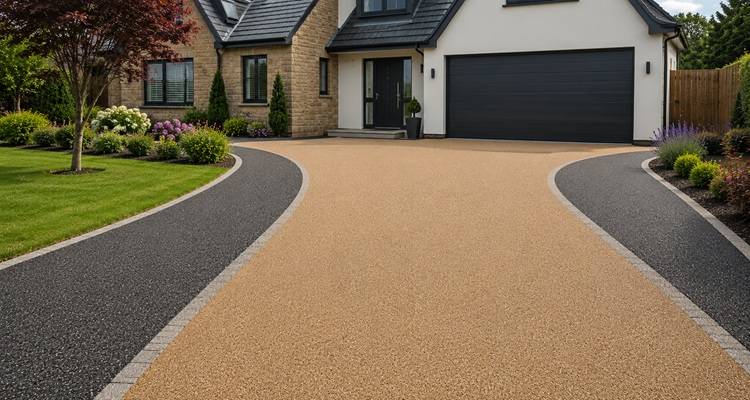
Resin is also a popular choice because it tends to require less maintenance than block paving or gravel. The smooth surface makes it much easier to sweep clean and also makes it comfortable and easy to walk on.
When it comes to resin driveways, there are also some drawbacks, such as:
- It is usually more expensive than gravel and tarmac
- It needs to be installed correctly to avoid cracking or lifting
- It may not be suitable if the existing base is in poor condition
- Poor-quality resin installation can cause problems later
Resin driveways are usually more expensive than gravel and tarmac. Proper installation is needed because poor workmanship can lead to cracking, lifting or drainage problems later on.
The existing base also needs to be suitable before resin can be installed. If the underlying structure is unstable or damaged, additional groundwork may be needed.
If you are looking for a modern, low-maintenance driveway with strong kerb appeal, resin is often considered one of the best driveway materials available.
Cobblestone Driveways
Cobblestone is often viewed as a more premium driveway surface due to its timeless look and brilliant durability. This type of driveway is especially popular with period homes, cottages, listed properties, and luxury homes where character and appearance are big priorities.
There are several main benefits of cobblestone, including the following:
- It has a long lifespan
- It gives a traditional and characterful appearance
- It can add strong kerb appeal
- It works well with older or high-end properties
- It is very durable when installed properly
One of the biggest advantages of choosing cobblestone is its lifespan. A properly installed cobblestone driveway can last for many decades and, in some cases, even longer than the property itself.
This type of material creates a unique traditional appearance that many modern driveway materials fail to replicate. Cobblestone can significantly improve the kerb appeal of a property and can complement older architecture beautifully.
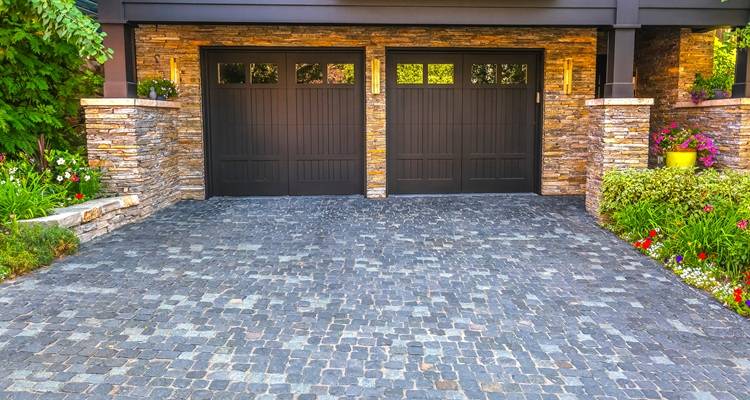
Cobblestone is incredibly durable and performs very well under vehicle traffic, provided it has been laid properly.
Cobblestone also has a few drawbacks, such as:
- It is one of the most expensive driveway materials
- It is labour-intensive to install
- The surface can be less even than resin or tarmac
- Weeds can grow between the joints if they are not maintained
The main disadvantage of cobblestone is that it is one of the most expensive driveway materials available because both the materials and the labour costs are high.
Installing a cobblestone driveway is a very labour-intensive job and requires skilled workmanship in order to achieve a stable and even finish. The surface can also often feel less smooth underfoot than things like resin or tarmac.
Similar to block paving, cobblestones can occasionally have weeds growing between the joints if maintenance is not kept up.
A cobblestone driveway is usually most suited to homeowners who want to achieve a premium driveway finish with a lot of character. It’s also great for those who are willing to invest more for long-term durability and visual appeal.
Which Driveway Material Is Best Overall?
There is no universal best driveway material because every homeowner will have different priorities. The table below compares the most suitable materials for different needs:
| PRIORITY | BEST DRIVEWAY MATERIAL |
|---|---|
| Cheapest driveway material | Gravel |
| Best low-maintenance driveway material | Resin or tarmac |
| Best for kerb appeal | Resin, block paving or cobblestone |
| Best for period homes | Cobblestone |
| Best for durability | Concrete or cobblestone |
| Best for large driveways | Gravel or tarmac |
| Best for modern homes | Resin |
| Best for easy repairs | Block paving |
When choosing between different driveway options, you should also think about drainage, installation quality and long-term maintenance before making a final decision.
If you are still unsure which driveway is best for you, please check out the articles below:
What Affects the Cost of a Driveway?
The driveway material itself is just one part of the total cost of the installation. There are several additional elements that can affect how much a driveway will cost. Below is a list of examples of things that can affect the cost of a driveway:
- The size of the driveway
- The existing surface and whether it needs to be removed
- Ground excavation
- Sub-base preparation
- Drainage requirements
- Edging or kerbs
- Waste disposal
- Access to the property
- The shape and slope of the driveway
- Labour rates in the local area
- The quality of materials used
Two driveways using the same material can still cost very different amounts if one needs more preparation work. For example, a flat driveway with good access and an existing solid base will usually cost much less than a sloped driveway that needs excavation and drainage work.
This is why comparing quotes is so important. Speaking to experienced driveway installers through MyJobQuote can help homeowners understand exactly what preparation work is needed and how much the full project is likely to cost.
Driveway Maintenance Comparison
Different driveway surfaces will require different levels of upkeep. Even low-maintenance driveways can still benefit from occasional care to maintain their appearance and lifespan.
| MATERIAL | MAINTENANCE LEVEL | TYPICAL MAINTENANCE NEEDED | FREQUENCY |
|---|---|---|---|
| Gravel | Medium | Raking, weed control, and topping up stones | Regular |
| Tarmac | Low | Sweeping, cleaning, and occasional resealing | Occasional |
| Concrete | Low | Cleaning and crack repairs | Occasional |
| Block Paving | Medium | Weed control, pressure washing, and re-sanding | Regular |
| Resin | Low | Sweeping and occasional washing | Occasional |
| Cobblestone | Medium | Weed control and joint maintenance | Regular |
Gravel will usually need the most regular maintenance because the stones can shift easily over time. Block paving and cobblestone also need periodic weed control and cleaning to keep the joints tidy.
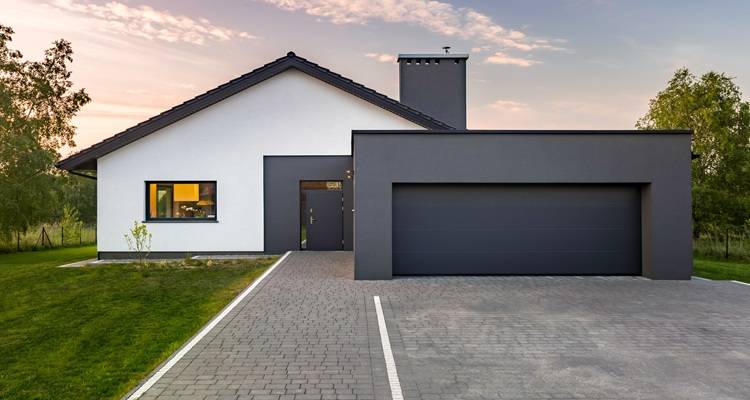
Resin, tarmac, and concrete are generally easier to maintain. Because of this, these are popular with homeowners who want an easier driveway to maintain.
Driveway Drainage and Planning Permission
Drainage is an important factor when choosing a driveway material. Poor drainage can lead to standing water, flooding problems, and surface damage over time.
In the UK, planning permission may be needed if a new or replacement driveway is over 5m2, uses a non-permeable surface and allows water to drain onto a public road.
Permeable materials or suitable drainage solutions, such as gravel, resin-bound surfaces, and permeable block paving, can help reduce surface water problems.
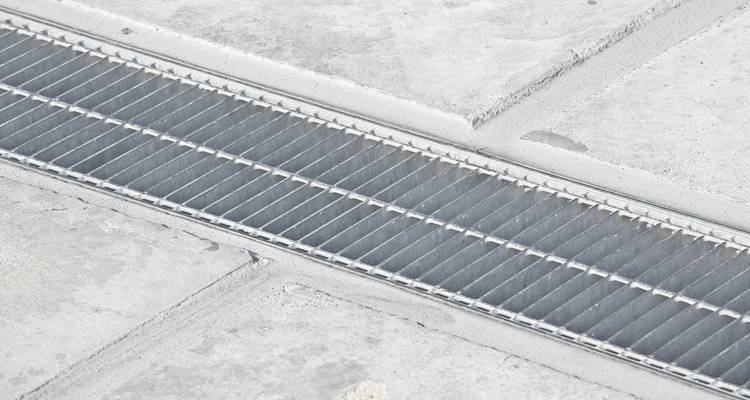
Where non-permeable materials such as concrete or tarmac are used, additional drainage systems may be required to comply with regulations.
It is important that you always check local planning requirements before any work begins.
Environmental Considerations
Some driveway materials are more environmentally friendly than others. This is particularly true when drainage and runoff are considered.
Gravel is naturally permeable. This allows rainwater to soak into the ground rather than running into drains.
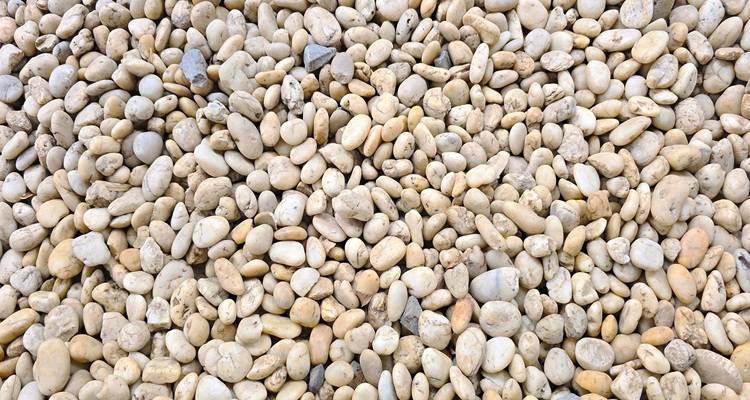
Resin-bound driveways can also be permeable when installed correctly. Permeable block paving systems are available, too, and can help improve drainage performance.
Concrete and tarmac are less permeable and may need additional drainage solutions to manage rainwater effectively.
Reusing or recycling existing materials can help reduce waste and, therefore, reduce the environmental impact during installation.
Common Mistakes to Avoid
Choosing the best driveway material involves more than simply picking the cheapest one available and going with that. Some common mistakes can lead to expensive repairs or disappointment later, so it’s important to avoid these mistakes at all costs if you want to be happy with your driveway for many years to come.
One of the biggest mistakes is choosing the cheapest option without thinking about long-term maintenance or the lifespan. A cheaper driveway will often require more repairs or upkeep over time.
Ignoring drainage requirements can also create some serious problems, particularly on sloped driveways or areas that are prone to heavy rainfall.
Not preparing the sub-base properly is another common issue. Even high-quality driveway materials can fail if the groundwork underneath is not installed properly.
Choosing a material that does not suit the style of the property is also a mistake. You want to look at your property and decide whether or not you are making the right choice. For example, a highly modern resin finish may look a bit out of place on a traditional cottage.
Forgetting about vehicle weight and regular use is another mistake you can make. These need to be considered carefully. A driveway that is used by multiple heavy vehicles may need a stronger surface and sub-base than a driveway that isn’t used very often.
Another mistake is hiring contractors based purely on the cheapest quote.
Low prices can sometimes mean that the contractor may cut corners, not follow proper preparation work or use cheaper materials. These could all mean that the job may not be done properly, and the driveway may need repairs sooner than needed, and it may not last as long in general.
Finally, homeowners should think honestly about the maintenance requirements before choosing a surface material. Decorative driveways may look pretty attractive initially, but could become difficult to maintain if regular upkeep is neglected.
FAQs
What Is the Cheapest Driveway Material?
What Is the Longest-lasting Driveway Material?
Is Resin Better Than Block Paving?
What Is the Best Low-maintenance Driveway Material?
What Driveway Material Adds the Most Kerb Appeal?
Do I Need Planning Permission for a New Driveway?
Final Takeaway
There is no single best driveway material for every home. The right choice will depend on your budget, the appearance that you want to achieve, the amount of maintenance that you are happy to carry out and how heavily the driveway will be used.
For homeowners who are prioritising affordability, gravel is usually the best driveway option. Tarmac is ideal for practicality or durability. Concrete offers excellent strength and longevity. Block paving stands out for its design flexibility and kerb appeal.
Resin is one of the best driveway surfaces for modern homes and those who are seeking a sleek and low-maintenance finish. Cobblestone is considered a premium choice of material for its traditional character, durability, and timeless appearance.
Whichever material you choose, the quality of the installation and groundwork is just as important as the surface itself. Comparing quotes from experienced driveway specialists can help to ensure you choose the right driveway for your property and budget.
Last updated by MyJobQuote on 29th June 2026.