Builders
 Carpenters
 Electricians
 Flooring Specialists
 Gardeners
 Handymen
 Heating Engineers
 Painters & Decorators
 Plasterers & Renderers
 Plumbers
 Roofers
 Tilers
 my
myResin Driveway Repair Cost
At a Glance
- The average cost to repair a resin driveway is £1,200.
- On average, it takes 1 to 2 days depending on the complexity of the job.
- A breakdown of the costs in 2026 based on size and materials.
- Factors that may affect the overall price.
- How to find a local driveway installer using MyJobQuote.
Get free estimates
Are you a trade? Get more work today!
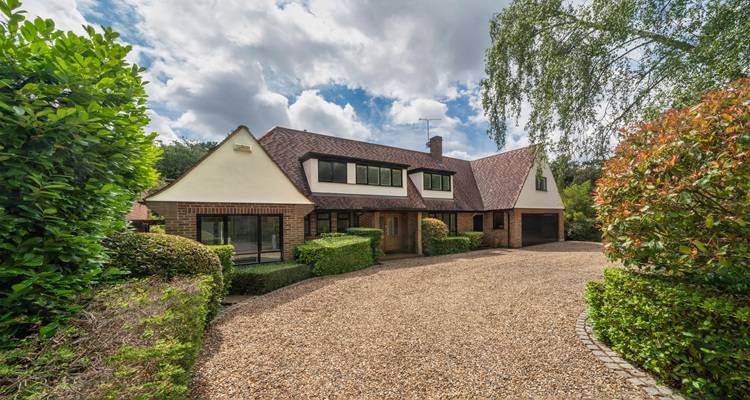
Resin driveway repairs can help fix cracks, loose stones, fading, sinking areas, and other damage to resin-bound or resin-bonded surfaces. Tackling these issues early can help restore your driveway's appearance, improve safety and prevent more expensive repair work later on.
The cost of resin driveway repair will depend on the size of the damaged area, the type of resin surface, the severity of the problem and whether any sections need to be removed and replaced. Colour matching may also affect the final price, especially on older driveways. Repairing is generally cheaper than the cost of installing a new resin driveway.
£1,200
Table of Contents
- How Much Does Resin Driveway Repair Cost?
- How Much Do Resin Drive Repairs Cost in Labour?
- Supply Costs for Resin Driveway Repair
- Additional Costs of Resin Driveway Repair
- What Affects the Cost of Resin Driveway Repair?
- Types of Resin Driveway Repair
- Alternative Types of Driveway Repair
- Checklist: Hiring Contractors for Resin Driveway Repair
- FAQs
How Much Does Resin Driveway Repair Cost?
If you're asking yourself, "How much does a resin driveway repair cost?", it's important to understand that there is no single fixed figure.
The average cost depends on the type of defect, the size of the damaged area, and whether the issue is only with the surface layer or linked to movement or failure beneath it.
What is the main issue with your resin driveway?
Cracks or surface damage
5 votes - 56%56% of votes
Loose or missing aggregate
3 votes - 33%33% of votes
Fading or discolouration
0 votes - 0%0% of votes
Sinking or uneven sections
1 votes - 11%11% of votes
Edge damage
0 votes - 0%0% of votes

9 votes
See results
Hide results
Simple resin driveway crack repairs are usually the cheapest option, especially if the base underneath is still stable. However, if the damage is linked to movement in the sub-base, the repair can then become more complex and costly.
Also, older or badly installed surfaces may need more extensive removal and replacement work than expected.
Resin Driveway Repair Prices
Below is a table guide showing the typical resin driveway repair prices in the UK:
| Type of Repair | Description | Average Price |
|---|---|---|
| Crack repair | Filling and sealing small cracks in the resin surface | £100–£300 |
| Patch repairs | Cutting out and replacing a small damaged section | £150–£500 |
| Loose stone repair | Rebinding or replacing loose aggregate | £100–£500 |
| Edge repair | Fixing damaged or crumbling edges | £300–£800 |
| Discolouration treatment | Cleaning, sealing or recolouring the surface | £200–£900 |
| Sinking section repair | Lifting, levelling, and relaying resin | £800–£2,000 |
| Drainage repair | Fixing water pooling or runoff issues | £700–£2,500 |
| Resurfacing | Applying a new resin layer over an existing surface | £1,000–£3,500+ |
| Partial replacement | Removing and relaying a section of the driveway | £1,000–£3,000+ |
Want a custom price?
Post your job
The figures above are estimates based on average prices for these types of work throughout the UK. These should give you a good idea of the cost of repairing a resin driveway, depending on the scale of the job.
How Much Do Resin Drive Repairs Cost in Labour?
Most of what you pay for a resin repair goes on skilled time rather than materials. Blending fresh resin into an existing surface so the join does not show is slow, careful work, and any repair that means cutting out a damaged section or rebuilding the base beneath it adds hours to the job.
There are several types of contractors who may carry out the work, such as resin driveway specialists, driveway installers, groundworkers, or surfacing contractors.
You can typically expect to pay around £150–£300 per day per worker for this type of work. However, this can vary depending on the types of contractors and how many contractors you need for the work.
Also, your location can affect the labour costs. Those based in and around London can expect to pay more for the labour side of things than those based in the North or other parts of the UK.
Below is a table guide showing how long each type of resin driveway repair usually takes:
| Type of Repair | Timescale |
|---|---|
| Crack repair | 2 – 6 hours |
| Patch repairs | 4 – 8 hours |
| Loose stone repair | 3 – 6 hours |
| Edge repair | 1 – 2 days |
| Discolouration treatment | 1 – 2 days |
| Sinking section repair | 1 – 2 days |
| Drainage repair | 1 – 3 days |
| Resurfacing | 2 – 4 days |
| Partial replacement | 2 – 3 days |
Want a custom price?
Post your job
Some minor fixes may be completed within a day, while more substantial repairs or partial replacement may take longer. The timeline depends on the extent of the damage, weather conditions, curing time, access to the site, and whether the base needs to be repaired first.
Supply Costs for Resin Driveway Repair
The supply-only costs for repairing a resin driveway will depend on what materials are needed for the fix.
The main materials that may be needed are things such as resin binder, decorative aggregate, patch repair kits, primers, edging materials, sealants, crack fillers, and sub-base materials if the repair goes deeper than the surface layer.
Below is a list of the most common materials needed and the prices that you can expect to pay for each:
- Resin binder — £50–£100 per kit.
- Decorative aggregate — £4–£10 per square metre.
- Patch repair kits — £50–£150.
- Crack fillers and sealants — £10–£50.
- Primers — £20–£60.
- Edging materials — £10–£30 per metre.
- Sub-base materials — £40–£80 per tonne.
The supply costs will vary depending on whether the job is a small surface fix or a more extensive repair that requires damaged resin to be removed and replaced. For small repairs, the material costs can be pretty low.
However, if you need to replace a section of the driveway or repair the base, the supply costs will increase significantly.
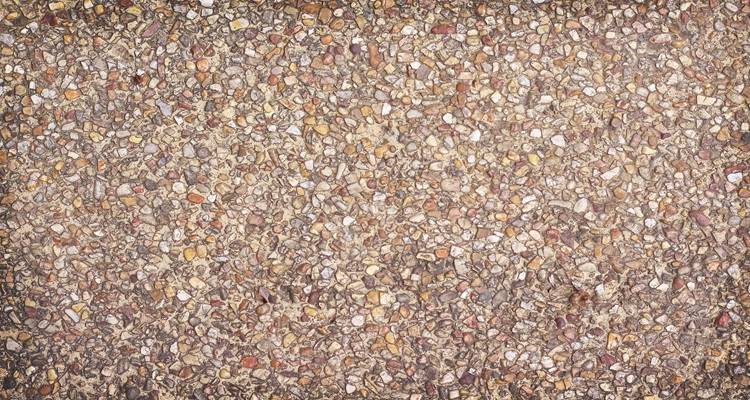
Colour matching, stone blend selection, and the quality of the resin system will all affect the overall price.
Additional Costs of Resin Driveway Repair
A repair quote rarely covers everything the job needs. Getting the area ready before fresh resin goes down often carries its own charge, and so can waste removal, site clearance, pressure washing, weed treatment, excavation, levelling, drainage corrections, and edging replacement.
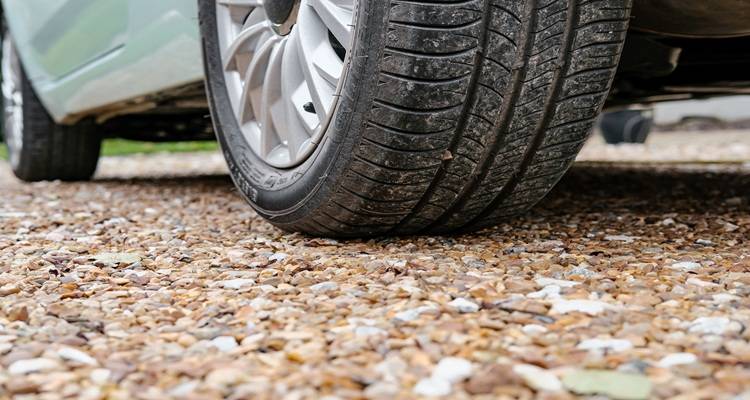
Below is a list of the additional costs that could come up with this work, as well as the costs that you may need to pay for these additional services:
- Waste removal — £50–£200.
- Pressure washing — £100–£300.
- Weed treatment — £50–£150.
- Excavation and levelling — £200–£1,000.
- Drainage improvements — £300–£1,500.
- Edging replacement — £200–£800.
- Cutting out damaged resin — £100–£500.
- Base repairs — £300–£2,000.
- Relaying resin — £500–£2,000+.
Some repairs may uncover deeper issues, such as base failure, poor drainage, tree root damage, or movement in the sub-base, which can lead to extra labour and material costs.
Damaged resin sometimes has to be removed before repairs can begin. This could apply where the surface is cracked, lifting, badly stained, loose, or has failed due to movement in the base below. Removing, replacing, and fixing work can become more expensive where the damage is widespread or where matching the new section to the existing surface is difficult.
What Affects the Cost of Resin Driveway Repair?
There are certain things that can affect the overall cost of the job, including the size of the damaged area, the type of resin driveway, the age and condition of the surface, whether the damage is cosmetic or structural, and how easy it is to match the colour and stone blend.
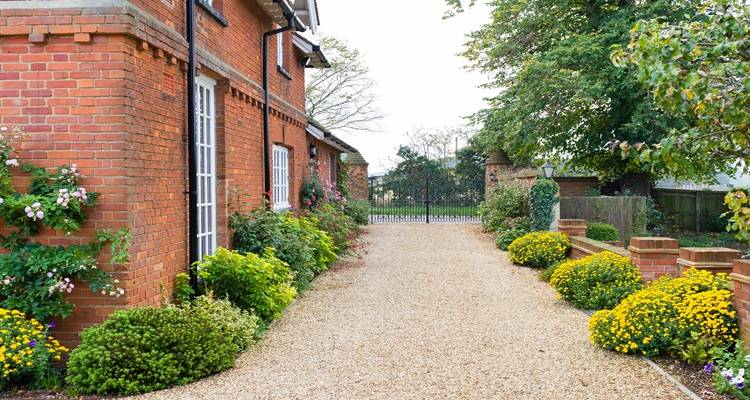
Below is a list of the main things that can affect the cost of a driveway repair:
- Size of the damaged area
- Type of resin surface
- Age and condition of the driveway
- Cosmetic vs structural damage
- Difficulty of colour matching
- Condition of the base
- Drainage problems
- Accessibility
- Regional labour rates
A cheap fix may not last if the root cause has not been addressed, so you should keep in mind that there is more value in a proper long-term repair rather than a temporary DIY patch.
Types of Resin Driveway Repair
There are several main types of resin driveway repair. These may include crack repair, patch repair, loose aggregate repair, edge repair, stain or discolouration treatment, resurfacing, and partial section replacement.
Below is a list of the different types with some information on what each type involves:
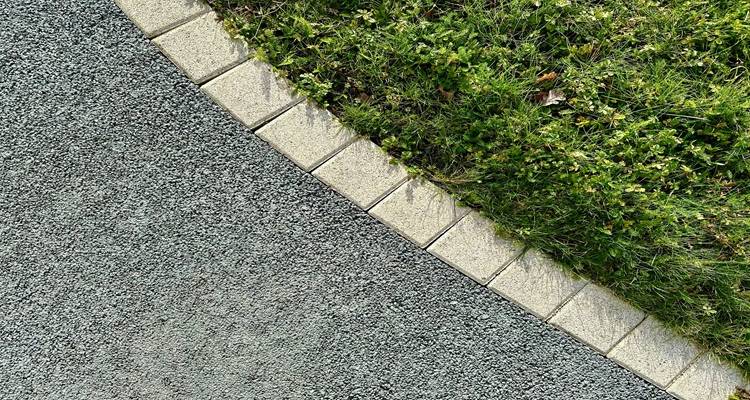
Crack Repair
This is one of the easiest types of resin driveway repair and is used for smaller surface splits where the base is still stable.
The crack is cleaned out and filled with a resin-based compound to fix the issue and help prevent water ingress. This is a pretty cheap repair option and keeps costs low. However, it may not be a permanent solution if there is movement underneath the surface.
Patch Repair
Patch repairs involve cutting out a damaged area and replacing it with new resin and aggregate. This method is most commonly used when damage is localised but too severe for simple filling.
The contractor will remove the affected section and then lay down new material. This is a mid-range type of repair in terms of price and durability.
Loose Aggregate Repair
Loose aggregate repair is needed when stones start to come away from the surface of the driveway. This repair usually involves reapplying resin binder and adding new stones to restore the finish.
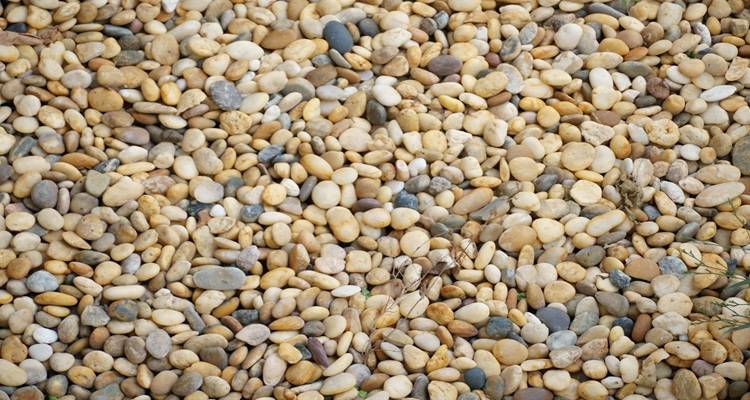
This is a relatively low to moderate driveway repair in terms of cost. It will help maintain both the look and safety of the driveway without the need to fully replace any sections.
Edge Repair
Edge repairs focus on fixing crumbling or damaged borders, which are often caused by the weight of vehicles or weathering. The edges may be rebuilt or reinforced before new resin is applied.
This type of repair helps to prevent any further spreading of damage, and it usually comes at a moderate cost depending on the extent of the issue.
Discolouration and Stain Treatment
This type of repair is mainly cosmetic and involves cleaning, treating, or sealing the surface to improve its appearance. This will work with faded or stained driveways and is one of the more budget-friendly repair options.
This type of repair will not address structural issues, but it can significantly improve the overall look of the driveway without the need to install any new resin.
Sinking or Subsidence Repair
Sinking areas will require more extensive repair works, as the problem here is usually caused by a failing base. The damaged section will need to be excavated. The foundation is then repaired, and new resin is laid on top.
This increases the cost of the job and is one of the more expensive types of repair. However, it will provide a long-term solution rather than a temporary fix.
Drainage-Related Repair
If there are water pools on the surface or if the driveway does not drain properly, then you may need to get a drainage-related repair. This type of repair may involve adjusting the slope or installing drainage channels.
The price can vary depending on how complex the job is, but fixing drainage issues is essential to help prevent repeated damage and rising repair costs.
Resin Driveway Resurfacing
Where the base is still sound but the surface has worn or faded across a wide area, a fresh layer of resin can go straight over the top. It costs more than a patch or a crack fill, though it stays well below the price of lifting and relaying the whole drive.
Driveway resurfacing is a practical middle option, restoring the finish and adding years to the surface without starting again from scratch.
Partial Section Replacement
A partial replacement may be needed when a large area of the driveway is failing.
The damaged section will need to be fully removed and replaced with new materials. This is one of the higher cost repair options, but it can be more effective than repeated smaller repairs if the damage is pretty extensive.
Alternative Types of Driveway Repair
If you are dealing with a different type of driveway, then you may need to go through a completely different type of repair. Resin offers a modern and decorative finish, but it can sometimes be more expensive to fix than simpler materials.
Concrete Driveway Repair
Concrete driveway repairs are often cheaper for basic issues such as cracks or surface wear and tear. Repairs usually involve filling cracks or resurfacing, which keeps the overall price relatively low.
However, matching the repaired area to the existing concrete can be very difficult, and patched-up sections might stand out visually. Concrete is very durable but can crack again over time, especially if the base is not stable.
Tarmac Driveway Repair
Tarmac driveway repairs are usually quite budget-friendly. Small cracks and holes can be filled in easily, and larger sections of the surface can usually be resurfaced at a lower cost than resin.
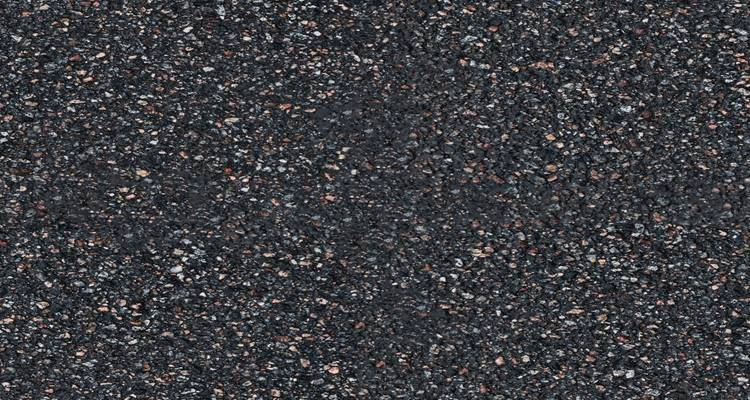
Tarmac repairs are generally quicker and easier to carry out, but the finish is less decorative, so there's that to keep in mind. Tarmac driveways may also require more regular maintenance to keep them in good condition.
Block Paving Repair
This type of repair is usually pretty straightforward, and the individual blocks can be lifted, replaced, and reinstalled without affecting any other parts of the driveway.
This means that block paving repairs are often cheap when it comes to localised damage. However, issues like sinking or weed growth can be a problem and may require more frequent attention.
Gravel Driveway Repair
This is typically the lowest cost option. Repairs to a gravel driveway usually involve topping up or redistributing gravel, so it is a very easy DIY fix or a very quick and easy job for a contractor.
While this does help to keep the price low, gravel requires ongoing maintenance and does not provide the same smooth, long-lasting finish as resin does.
When comparing the different driveway repair types, the cost of repairing a resin driveway can be higher due to the need for specialist installation, colour matching, and careful blending of materials.
However, resin surfaces generally require less ongoing maintenance and offer a more visually appealing finish. This means that, while resin may not always be the cheapest to repair upfront, it can provide better long-term value if it is properly installed and maintained.
Ask a Trade
Got a question that only a tradesperson can answer? We have thousands of trades ready to answer any question you may have.
Ask your question

Checklist: Hiring Contractors for Resin Driveway Repair
It is important that you take the time to choose the right contractor for your resin driveway repair.
Below is a list of things that you should keep in mind when looking for the right contractor for the job:
- How much experience do you have with resin driveway repair? Ask to see examples of previous work on similar surfaces.
- Are you fully insured, and are you an approved installer for the resin system you are using? Most resin manufacturers run their own installer schemes, and approval is a good sign the mix and method will be right.
- What repair method will you use? The quote should set out exactly what is being done and why.
- Are waste removal and surface preparation included? These are often quoted separately and can add to the final bill.
- Will the repaired section match the rest of the driveway? Ask how close the colour and stone blend will be, and how long the repair should last.
- What do previous customers say? Check reviews and compare at least three quotes on MyJobQuote before you commit.
You should avoid choosing a contractor based only on a low price, as a poor-quality repair may stand out visually or fail early and cost more to fix later.
FAQs
Can a Resin Driveway Be Patched?
Yes, resin driveways can be patched. This is a very practical option for localised damage. Contractors can remove the damaged section and then replace it with new resin and aggregate. This can help to restore both the structure and the appearance of the driveway.
Patch repairs are often a cost-effective way to deal with isolated issues, although the success of the repair will depend a lot on the condition of the base and the ability to match the new materials with the existing driveway surface.
Will a Repaired Resin Driveway Match the Existing Surface?
In many cases, a professional contractor will be able to closely match the repaired section to the existing driveway, especially if the original materials are still available.
However, there may still be some slight differences in colour or texture, particularly if the driveway has faded over time due to weather exposure. This means that although the repairs can blend in pretty well, they may not be completely invisible, especially if they are on older surfaces.
Do Resin Driveway Repairs Need Building Regulations Approval?
Usually not for minor repairs. Approval may be needed where the drainage is altered, a large section is replaced, or the surface permeability is affected.
Resin driveways are usually permeable, which helps meet the UK drainage regulations, so if repairs change this, additional drainage solutions may be required. You may also need local authority permission for things such as skips, waste disposal, or any work that affects the pavement or public highway.
Can Resin Bound Driveways Be Repaired?
Yes, in almost every case. Resin bound surfaces are laid as a single trowelled layer, so a damaged patch can be cut out and a fresh mix worked into the gap without disturbing the rest of the drive.
Resin bonded surfaces, where loose stone is scattered over a resin coat, are handled differently and are usually re-coated rather than cut out. It is worth asking a contractor which of the two you have, because the method and the price are not the same.
Can an Old Resin Drive Be Restored Rather Than Replaced?
Often, yes. A drive that looks tired is frequently sound underneath, and a deep clean followed by resealing or a fresh resin layer can bring the colour and texture back for a fraction of the cost of a new surface.
Restoration stops being worthwhile once the base has failed or the resin has lost its bond across a large area, as anything laid on top of a moving base will crack again.
Is Repairing a Resin Driveway Cheaper Than Replacing It?
In most situations, repairing a resin driveway is significantly cheaper than a full replacement. Smaller repairs will allow you to address specific problems without needing to remove and install a completely new surface, so this can help to keep the overall cost within your budget.
However, if the damage is widespread or the base has failed, replacing a larger section or even replacing the whole driveway completely may be the more cost-effective option in the long term, as repeated repairs can really start to add up over time.