Builders
 Carpenters
 Electricians
 Flooring Specialists
 Gardeners
 Handymen
 Heating Engineers
 Painters & Decorators
 Plasterers & Renderers
 Plumbers
 Roofers
 Tilers
 my
myTarmac Drive Repair Cost
At a Glance
- The average cost of a tarmac driveway repair is £1,000.
- Most jobs take 1 to 3 days to complete.
- A breakdown of tarmac driveway repair costs in 2026 by type of damage.
- Factors that may affect the overall price.
- How to hire a driveway specialist and compare quotes on MyJobQuote.
Get free estimates
Are you a trade? Get more work today!
Tarmac driveway repair involves fixing damaged or worn areas to improve the surface, make it safer, and help it last longer. Common issues include cracks, potholes, crumbling edges, fading, and sinking caused by poor drainage, heavy use, or sub-base problems.
This guide covers the average tarmac driveway repair costs, common repair options, labour prices, and when it may be worth hiring a local driveway specialist.
£1,000
Table of Contents
- How Much Does a Tarmac Drive Repair Cost?
- Labour Cost to Repair Tarmac Drive
- Tarmac Driveway Repair Cost (Supply Only)
- Additional Tarmac Driveway Repair Costs
- What Affects the Cost of Tarmac Driveway Repair?
- Types of Tarmac Driveway Repair
- Checklist: Hiring Contractors for Tarmac Driveway Repair in the UK
- FAQs
How Much Does a Tarmac Drive Repair Cost?
The average cost of a tarmac driveway repair in the UK is £1,000. The cost will vary depending on the type of issue and the extent of the damage, so there is no single price point.
You can usually expect to pay anywhere from £100 for minor repairs all the way up to £4,000 for larger resurfacing or replacement work.
For more major repairs, such as resurfacing or fixing sinking areas, costs will increase significantly. These jobs involve removing sections of the driveway, repairing the base, and laying down new materials. In some cases, a partial replacement can be much more cost-effective than repeated repairs, so it may be worth comparing the work against the cost of a new tarmac driveway.
What is the main issue with your tarmac driveway?
Cracks or surface fading
2 votes - 22%22% of votes
Potholes
2 votes - 22%22% of votes
Sinking or uneven sections
0 votes - 0%0% of votes
Edge damage
2 votes - 22%22% of votes
Worn surface needing resurfacing
3 votes - 33%33% of votes

9 votes
See results
Hide results
Tarmac Driveway Repair Prices
Below is a general pricing guide for common tarmac driveway repair jobs in the UK. A patch repair covers a single damaged section, while a partial replacement covers a larger area where the base also needs rebuilding:
| Type of Repair | Average Price |
|---|---|
| Crack repair | £100–£300 |
| Pothole repair | £150–£400 per pothole |
| Patch repair | £200–£600 per square metre |
| Edge repair | £300–£800 |
| Sinking section repair | £500–£1,500 |
| Resurfacing | £1,500–£3,000+ |
| Partial replacement | £2,000–£4,000+ |
| Drainage repairs | £500–£2,000 |
Want a custom price?
Post your job
The tarmac driveway repair prices above are estimates and can vary depending on your location, the experience of the contractor, and the site conditions.
Labour Cost to Repair Tarmac Drive
Labour for tarmac driveway repair usually costs around £150 to £250 per worker per day.
Most of what you pay for a tarmac repair is time on site. Hot mix tarmac has to be laid and compacted while it is still hot, so even a small patch needs a team working to a clock rather than one person taking their time. Driveway specialists, groundworkers, and builders with surfacing experience all take on this work.
Below are the timescales that you can expect with different types of work:
| Type of Repair | Timescale |
|---|---|
| Crack repair | 1 to 3 hours |
| Pothole repair | 2 to 4 hours |
| Patch repair | 1 to 2 days |
| Edge repair | 1 to 2 days |
| Sinking section repair | 1 to 2 days |
| Resurfacing | 1 to 3 days |
| Partial replacement | 2 to 4 days |
| Drainage repairs | 1 to 3 days |
Want a custom price?
Post your job
Minor fixes may be completed within a day, while larger repair jobs or resurfacing work can take longer. The timescale depends on the extent of the damage, weather conditions, curing time, and whether the base needs to be repaired before the new surface can be laid.
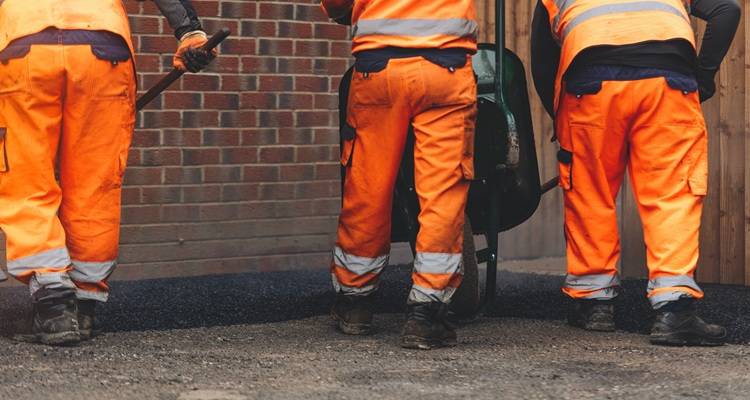
Labour rates will also vary depending on your location. Those based in and around London can expect to pay more for the labour costs compared to those based in the North or other parts of the UK. Older driveways may also present hidden issues that only become apparent once the work begins. This can also increase the overall budget.
Tarmac Driveway Repair Cost (Supply Only)
Materials are a small share of the bill on a patch repair and a much larger one on a resurface, simply because of how much tarmac gets used. What you need also splits fairly cleanly by job. A crack needs a filler, a pothole needs cold lay or hot mix, and a failed base needs fresh aggregate underneath it.
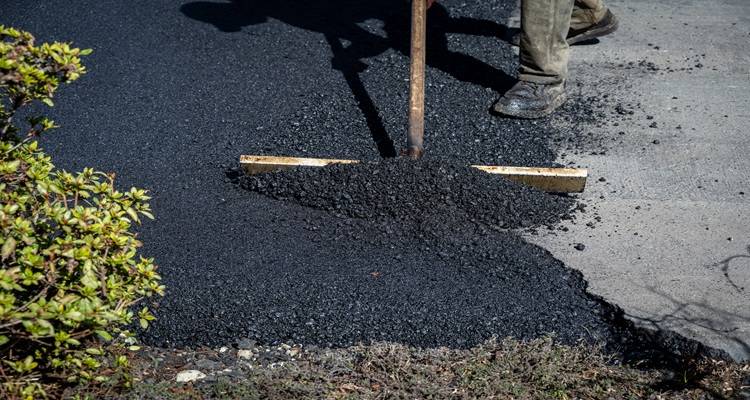
Common materials for this work include:
- Cold lay tarmac — £10 to £20 per bag.
- Hot mix tarmac — £45 to £70 per tonne.
- Crack fillers and sealants — £5 to £20 per litre.
- Binding agents — £10 to £30 per container.
- Aggregate or sub-base materials — £40 to £80 per tonne.
- Edging materials — £20 to £60 per metre.
For smaller repairs, the material costs can be pretty low. However, if the repair involves deeper work, such as rebuilding the sub-base, the cost of materials can increase significantly.
Higher-quality materials may also cost more, but they can provide much better durability and longer-lasting results. For example, using premium sealants or reinforced tarmac mixes can reduce the likelihood of future repairs.
Additional Tarmac Driveway Repair Costs
A repair quote usually covers the repair itself and little else. The costs below sit outside most quotes, so it is worth asking which of them apply before you agree a price.
These additional costs can include the following:
- Waste removal — £100 to £300.
- Skip hire — £150 to £400.
- Site clearance — £100 to £500.
- Excavation and levelling — £300 to £1,000.
- Drainage installation — £500 to £2,000.
- Edging replacement — £200 to £800.
In some cases, repairs reveal hidden problems beneath the surface, such as a failed sub-base or poor drainage, which can lead to extra labour and material costs. Addressing these issues is essential for a long-lasting fix, but it will increase the total cost.
Cutting out the damaged tarmac is normally included in a patch repair or partial replacement quote, so it is not usually billed separately. What can be extra is getting rid of the waste, which is where skip hire and waste removal come in. If the sub-base has failed and needs rebuilding, the excavation cost above may apply on top.
What Affects the Cost of Tarmac Driveway Repair?
What you pay comes down to how much tarmac has to be lifted and how deep the problem goes. These are the factors that move the price most:
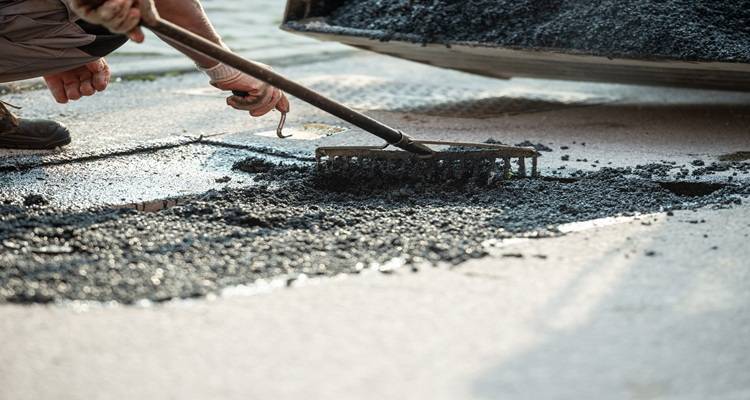
- Size of the damaged area — Larger areas will cost more to fix than smaller areas.
- The type of damage — Cracks are cheaper to fix than structural issues.
- Age of the driveway — Older driveways may require more extensive repair works.
- Depth of damage — Surface issues are cheaper than sub-base problems.
- Drainage problems — Poor drainage that needs additional work will add to the cost.
- Access to the site — Difficult access may require additional labour or machinery.
- Location of the drive — Labour costs vary across the UK.
- Matching existing finish — Blending repairs can increase the costs.
Cheap repairs may seem appealing. However, cheaper repairs will not last. Investing in a proper fix the first time can help you save money in the long term.
Types of Tarmac Driveway Repair
Scuffs
As your driveway gets older, the black of the material will fade. One of the main causes of tarmac scuffing is when your vehicle's wheels turn while still on the driveway. One of the best ways to avoid tarmac scuffs is by avoiding turning the wheels while your vehicle isn't moving.
Spillages
Small spillages of oil or gasoline won't necessarily cause any adverse effects on your tarmac driveway. However, if large amounts of these substances are spilt on the driveway, this can cause cracks on the surface and can also weaken the base of the driveway. In these cases, you will have to hire a professional to come out and repair it.
If you notice any oil spillages, it's best to use sawdust or sand right away to soak up the substance from the surface. If you notice a gasoline spillage, the best option is to use water to wash the substance away as soon as possible.
Spot Damage and Dents
Newly laid tarmac driveways can be prone to dents if heavy items are driven over them or dropped on them before they have a chance to set. Even after setting, the constant use of heavy items such as caravans, cars, trailers, ladders, car jacks, and other weighty things can cause some depression on the driveway.
You can avoid this type of damage by placing down a piece of plywood before using your heavy items on the driveway to ensure the weight is more evenly distributed.
Crack Filling
Cracks can often form due to changes in the weather, especially freezing and thawing. If these are left untreated, they will allow water to enter, and this can cause further damage.
The crack is cleaned out first, then filled with a bitumen-based filler that bonds to the existing surface as it sets. Caught early, this is one of the cheapest jobs on the list. Caught late, once cracking has spread across the whole drive, it becomes a holding measure rather than a fix.
Potholes
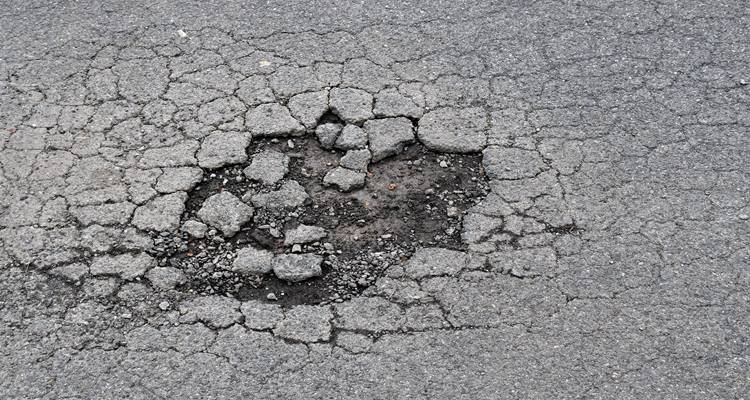
Potholes usually develop when water weakens the surface, and it eventually breaks apart. They can quickly become worse if they're not repaired.
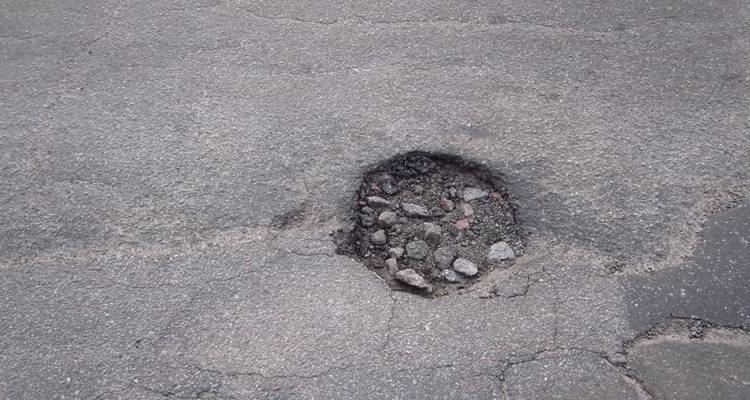
The process will involve cutting out the damaged area, cleaning it, applying a bonding agent, and filling it with fresh tarmac. The material is then compacted and levelled. Professional repairs usually last longer than DIY fixes, especially if you're dealing with quite a deep pothole.
Patch Repairs
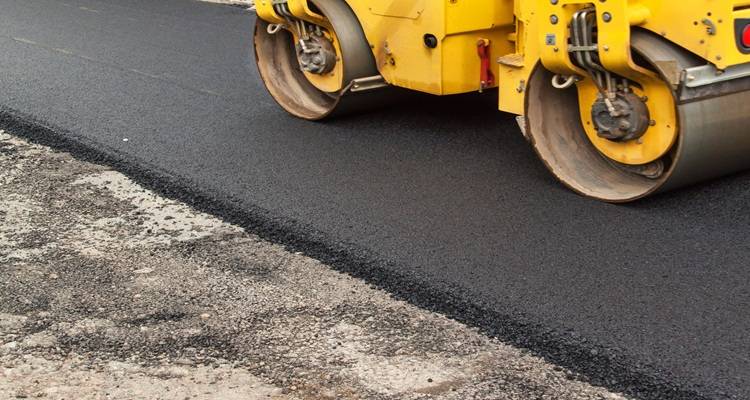
Patch repairs can be helpful when it comes to larger, localised damage where simple filling isn't enough. The damaged section will need to be cut out completely, and the base will need to be checked and repaired if needed. New tarmac will then be laid and compacted to match the surrounding surface.
This will provide a more durable result than just a basic repair, although colour matching can sometimes be quite noticeable.
Edge Repairs
Driveway edges can weaken over time due to a lack of support or repeated vehicle use. In these cases, you may need to repair the edges.
Tarmac has no edge strength of its own, so it relies on whatever restrains it at the sides. Once that gives way, the edge starts to crumble under wheel loads. The fix is to cut back to sound material, put in a proper restraint such as a kerb or concrete edging, then lay fresh tarmac up to it.
Resurfacing
Resurfacing works when the surface has worn out but the base under it is still sound. The old drive is cleaned, any damage is made good, then a fresh layer is laid and compacted over the top. Because the whole surface ends up the same age, it also sidesteps the colour matching problem that makes patches visible. Costs are broken down further in our guide to driveway resurfacing.
Sealing
Sealing is a great preventative step. It's not classed as a full repair. After cleaning the driveway and fixing any minor damage, you can add a protective coating to help shield the surface from oil, water, and UV damage. Sealing is a budget-friendly way to help maintain the driveway and reduce the need for repairs later down the line.
Sinking Section Repair
Sinking areas are usually caused by problems with the sub-base underneath the surface. The affected section will need to be removed. Then the base will be re-levelled and compacted before new tarmac is laid. This is more expensive than surface repairs but will provide a long-term, steady solution.
Drainage Issues
Poor drainage can lead to repeated damage, including cracks and potholes. To repair the drainage issues, you may need to get some drainage channels installed or adjust the slope of the driveway to improve the water flow. This will increase the overall price, but it will help prevent any ongoing issues and will protect the driveway in the long run.
Base Repair
Base repairs may be needed when the foundation beneath the tarmac has failed. In this case, a repair would include removing the surface, rebuilding the sub-base with compacted materials, and then installing the new tarmac. Although this is a higher cost of repair, it will ensure the driveway is stable and will reduce the need to remove or replace sections again in the future.
Each of the methods above varies in costs and durability. For example, filling a crack is quite inexpensive, but it may only be temporary, whereas resurfacing is more expensive but provides a much longer-lasting solution.
Checklist: Hiring Contractors for Tarmac Driveway Repair in the UK
Before you hire a contractor to repair your driveway, it is worth running through the following:
- Have you laid tarmac before? Block paving and general groundwork are different trades, and tarmac needs someone who has worked with it.
- Which repair method will you use? A crack fill and a patch repair are very different jobs, and the quote should say which one you are getting.
- Will you check the sub-base? A surface-only fix will fail again if the problem sits underneath it.
- Is preparation and waste disposal included? Disposal is the cost most often left out of a repair quote.
- Are you registered with TrustMark? There is no single trade body for tarmac, so a government-endorsed scheme is the closest thing to a credential check for driveway work.
- Can I see your reviews? Compare more than one quote and read reviews from previous customers on MyJobQuote before you decide.
You should avoid choosing a contractor based only on a low price, as a poor-quality fix may fail quickly and cost more in the long run.
Ask a Trade
Got a question that only a tradesperson can answer? We have thousands of trades ready to answer any question you may have.
Ask your question

FAQs
What Causes Tarmac Driveways to Deteriorate?
Water and heat, mostly. Tarmac is held together by a bitumen binder that softens in hot weather and turns brittle as it ages, so the surface gradually loses its grip on the stone.
Water then works into the gaps, and when it freezes it widens them into cracks and potholes. Heavy vehicles and standing water speed all of this up, which is why fixing drainage often matters more than fixing the surface.
Is Repairing a Tarmac Driveway Cheaper Than Replacing It?
Almost always, and the gap is wide. A crack fill or a patch is a fraction of the cost of lifting the whole drive and starting again.
Where that stops holding true is when you find yourself repairing the same driveway over and over, or when the sub-base has failed underneath. At that point the repair bills stack up and a replacement buys you a surface that will not need revisiting.
Is Resurfacing Better Than Patching?
Patching is better for damage you can point at, and cheaper while the rest of the drive is sound. Resurfacing is better once the whole surface has worn out, and it leaves the drive one colour. If you are patching in more than two or three places, resurfacing works out better value.
Can You Lay New Tarmac over an Old Driveway?
Yes, in most cases. Laying a fresh layer over the old surface is known as resurfacing or re-tarmacing, and it works well where the surface is worn but the base underneath is still sound.
The existing driveway is cleaned, any damage is repaired, then a new layer is applied over the top. If the base has failed or the surface is badly uneven, the damaged section will need to be removed first.
How Long Does a Tarmac Driveway Repair Last?
A year or two for a crack fill or surface patch, and many years for a repair that rebuilds the sub-base or fixes the drainage. The difference is whether water is still getting in underneath. Keeping the surface sealed and clearing standing water helps either way.
Do You Need Planning Permission to Repair a Tarmac Driveway?
Rarely, no. Repairs count as maintenance, so planning permission only comes into it if the work changes how water leaves the drive, which is far more likely with a full resurface than a patch. A skip on a public road needs a permit. Check with your local authority if you are unsure.
Can You Repair a Tarmac Driveway Yourself?
Small jobs, yes. Cold lay tarmac from a bag fills a crack or a small pothole cheaply enough. It will not bond like hot mix or fix a failing sub-base though, so a DIY patch often lifts within a season. Anything larger is worth paying for once rather than doing twice.