Builders
 Carpenters
 Electricians
 Flooring Specialists
 Gardeners
 Handymen
 Heating Engineers
 Painters & Decorators
 Plasterers & Renderers
 Plumbers
 Roofers
 Tilers
 my
myResin vs Block Paving Driveway
Choosing a new driveway is a big decision. It’s one of the first things people notice about your home, so it needs to look good, suit your property and stand up to everyday use, changing weather and long-term wear.
Resin and block paving are two of the most popular driveway materials in the UK. Both can create an attractive and practical driveway, but they offer different finishes. Resin driveways are known for their smooth, modern appearance, while block paving gives a more traditional look with plenty of design flexibility.
There isn’t one option that works best for every home. The right choice will depend on your budget, property style, maintenance preferences, drainage needs and the finish you want to achieve.
Before making a decision, it’s worth comparing quotes from local driveway specialists. This can help you understand the likely costs, preparation work and installation requirements for your property.
In this guide, we’ll compare resin driveways vs block paving, looking at costs, appearance, maintenance, durability and the key pros and cons of each option.
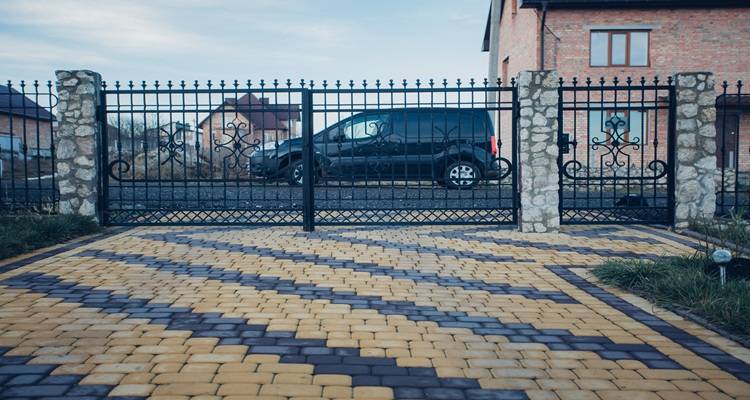
Table of Contents
- Resin vs Block Paving at a Glance
- What is a Resin Driveway?
- What is a Block Paving Driveway?
- Cost: is Resin or Block Paving Cheaper?
- Appearance and Kerb Appeal
- Maintenance: Which is Easier to Look After?
- Durability and Lifespan
- Drainage and Planning Permission
- Installation: Which Takes Longer?
- Repairs: Which is Easier to Fix?
- Which is Best for Different Homes?
- Pros and Cons
- So, is Resin Better Than Block Paving?
- FAQs
- Final Takeaway
Resin vs Block Paving at a Glance
Below is a quick comparison of these two types of driveway materials:
| Resin Driveway | Block Paving Driveway | |
|---|---|---|
| General appearance | Smooth, modern and seamless | Decorative, textured and traditional |
| Maintenance level | Usually lower maintenance | Requires more regular upkeep |
| Typical lifespan | Around 15-25 years | Around 20-30 years |
| Drainage | Resin-bound systems are permeable | Permeable systems available |
| Repair difficulty | Repairs can be harder to blend | Individual blocks are easier to replace |
| Design flexibility | Wide range of colours | Huge range of colours, patterns and layouts |
| Who it’s best suited to | Modern homes and low-maintenance preferences | Traditional homes and decorative driveways |
The prices can vary depending on the size of the driveway, any excavation works needed, drainage requirements, edging, access, and your location within the UK.
It is also important to remember that the cheapest option is not always the best option in the long term. A properly installed driveway with a solid sub-base and suitable drainage can often provide much better value over time than a lower-cost installation that is completed to a poor standard.
What is a Resin Driveway?
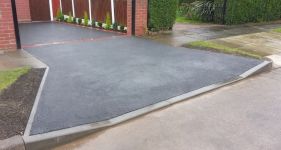
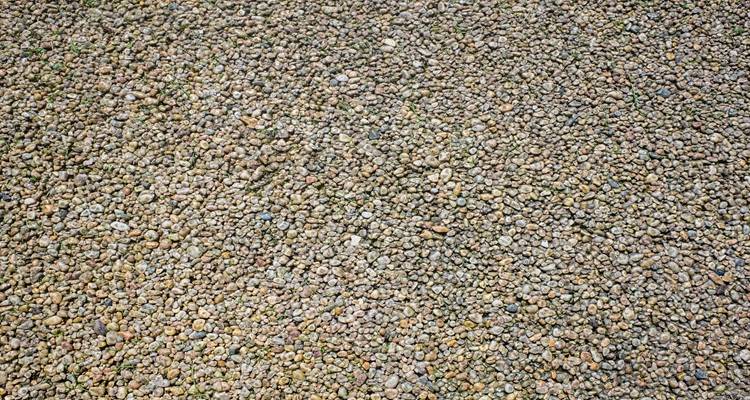
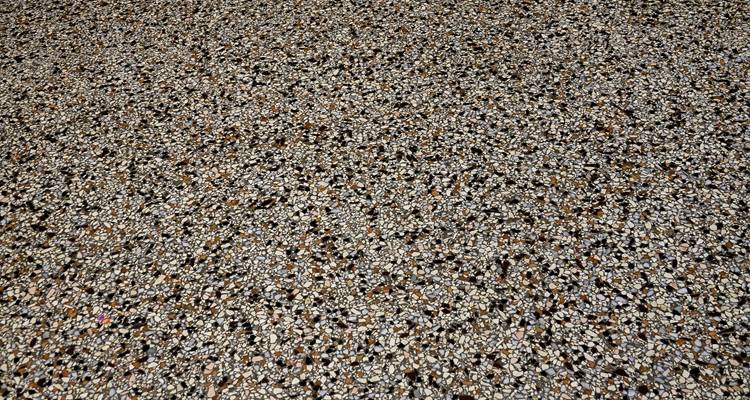
A resin driveway is created using decorative aggregate stones mixed together with resin to form a hard-wearing surface. Resin-bound driveways are the most common type. This is where the stones and resin are mixed together before being laid onto the surface.
This creates a smooth, even finish with small gaps that allow water to drain through easily.
Resin-bonded driveways are slightly different. This is where loose stones are scattered over resin applied to the surface. Resin-bonded systems are generally less common for domestic driveways.
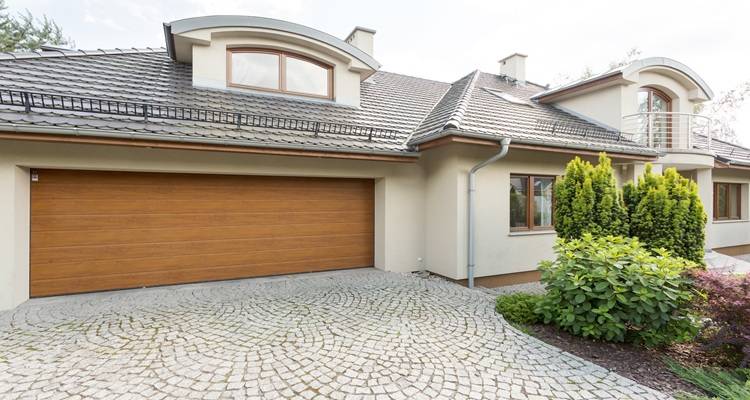
Resin driveways have become increasingly popular in modern UK homes because they offer a neat and contemporary appearance. The surface is smooth underfoot, available in various colours, and can work particularly well with minimalist landscaping and modern house designs.
Many homeowners are drawn to resin because it is often viewed as a lower-maintenance option. There are no joints where weeds can easily grow, and the smooth finish can make cleaning easier.
Drainage is another major selling point of resin. When it is installed over a suitable permeable base, resin-bound driveways can allow rainwater to drain naturally through the surface instead of running off to roads or nearby drains.
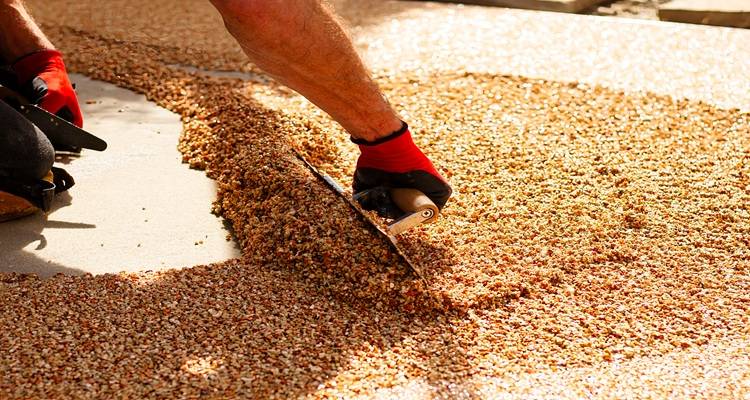
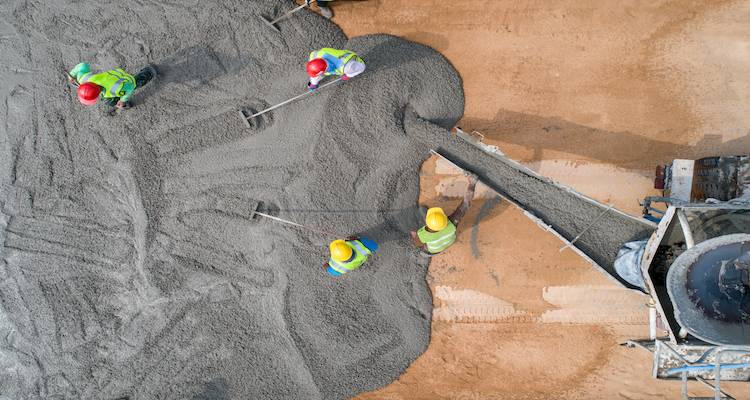
However, the quality of the installation is extremely important. Resin systems rely heavily on good preparation work and a solid sub-base. An experienced installer can help prevent any potential problems such as cracking, movement or poor drainage later on.
Resin is an excellent choice if you prefer a clean, modern finish and if you want to minimise ongoing maintenance.
For more information on installation pricing, you can explore resin driveway cost guides and compare quotes from local installers through MyJobQuote.
What is a Block Paving Driveway?
Block paving is a driveway surface made from individual paving blocks that are laid out in patterns on top of a prepared sub-base. The blocks can come in a huge variety of colours, materials, sizes and finishes. So, block paving is one of the most flexible driveway options available.
Unlike resin, which creates a smooth, continuous surface, block paving has visible joints between each block. These joints are normally filled with kiln-dried sand to help lock the paving in place.
One of the biggest reasons block paving is so popular is due to its decorative abilities. You can choose from many different laying patterns such as herringbone, stretcher bond or basket weave. So, this type of driveway can suit both modern and traditional properties.
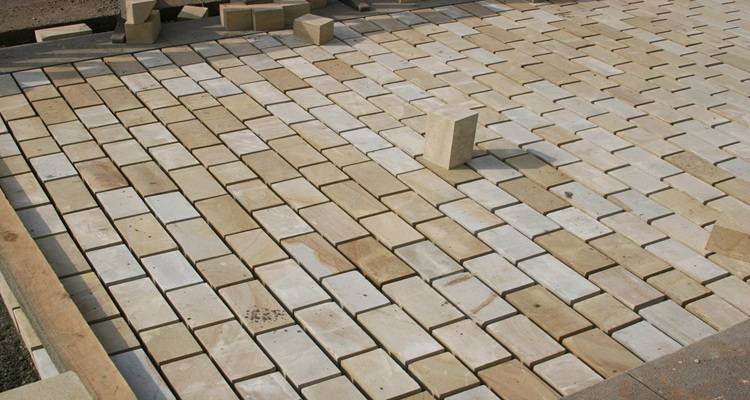
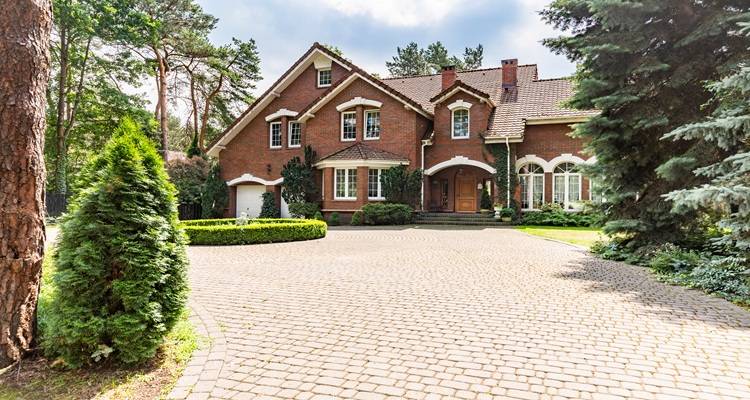
Block paving can work particularly well on period homes, cottages and properties where a more textured or classic appearance is preferred. Block paving is also great for those wanting to add borders, contrasting colours or curved designs that can add character to the driveway.
The strength of a block paving driveway depends a lot on the quality of the sub-base beneath it. Proper excavation and groundwork are important for preventing sinking, movement and uneven patches.
Block paving can require more maintenance than resin. However, many people like the fact that individual blocks can often be removed and replaced if a repair is needed. So it can often be very easy to fix small issues.
The main issue that you might find with block paving is that weeds may become a problem if they are able to grow through the cracks. A good weed membrane is necessary for keeping the driveway in good condition in the long term.
Cost: is Resin or Block Paving Cheaper?
If you are trying to decide between resin or block paving, you may be wondering about the costs.
Below is a table showing the typical costs that you may expect with these two types of driveways:
| Resin Driveway | Block Paving Driveway | |
|---|---|---|
| Average cost per square metre | £80-£140 | £70-£130 |
| Small driveway | £2,000-£4,000 | £1,800-£3,500 |
| Medium driveway | £4,000-£7,000 | £3,500-£6,500 |
| Large driveway | £7,000+ | £6,500+ |
| What affects the price? | Base preparation, quality of the resin, edging, and drainage. | Type of blocks, laying pattern, excavation, and edging. |
The preparation work needed can have a big impact on the final cost of the driveway. If the existing driveway needs to be removed, excavation is required, or new drainage systems need to be installed, the total price can increase quite a lot.
Labour rates can also affect the overall cost, as different rates apply in different areas of the UK. Homeowners based in or around London can expect to pay more for labour costs than those based in the North or other parts of the UK.
You should always avoid choosing professionals based purely on the cheapest quote. A driveway that has been installed properly with suitable foundations and drainage will last a lot longer and require fewer repairs in the future.
Comparing quotes from local driveway professionals through MyJobQuote can help you understand realistic pricing for your particular job and compare different installation options.
Appearance and Kerb Appeal
Appearance is one of the biggest deciding factors when choosing between block paving and resin.
Resin driveways usually create a smoother, more uniform finish. It can look seamless and modern, making it perfect for newer homes and minimalist landscaping designs.
Block paving offers a more textured decorative appearance. The blocks come in different colours, shapes and patterns, so you are able to really customise the final design to your preferences. You can add borders, contrasting features, and curved designs with this type of driveway.
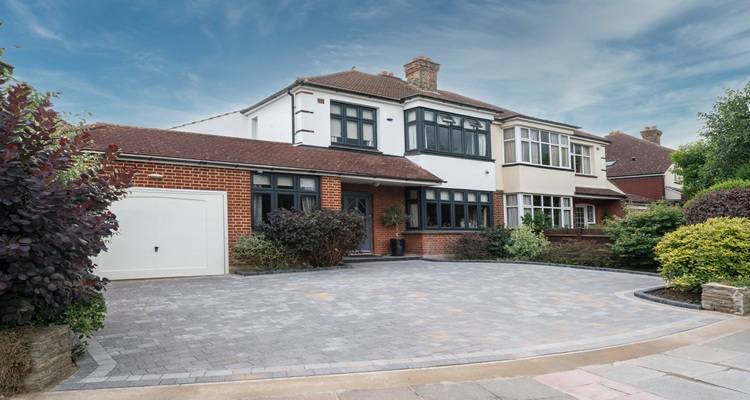
For more traditional homes, block paving can often complement the character of the home quite well. The patterns and textures can help to create a more traditional appearance.
Resin, on the other hand, is often preferred by people who want a cleaner and simpler finish without any visible joints or patterns.
The best-looking option will depend on your personal taste and the property's style. Some homeowners may prefer the sleek appearance of resin, whereas others prefer the decorative detail of block paving.
When choosing between the two, it can be helpful to think about the following:
- Whether your home is modern, traditional or period-style
- Whether you prefer a simple or more decorative finish
- Whether you want colour and pattern choices
- How the driveway will look with the house exterior, garden and boundary walls
- Whether kerb appeal is a major priority
Maintenance: Which is Easier to Look After?
Maintenance is one of the biggest differences between resin and block paving driveways.
Resin is usually considered the lower maintenance option because the smooth surface makes it more difficult for weeds to grow through. Cleaning the driveway will usually involve occasional sweeping and pressure washing to help remove any visible dirt, algae or moss.
Block paving typically requires more regular upkeep. This is because weeds and moss can develop between the joints over time. The kiln-dried sand between the blocks may also need to be topped up occasionally.
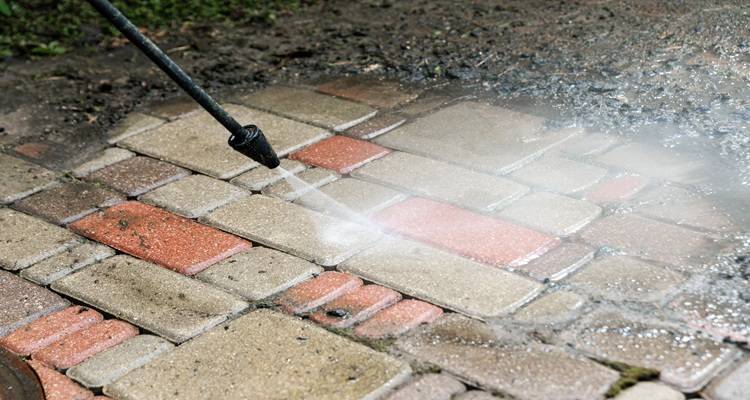
Shaded driveways or areas with heavy tree coverage may require more frequent cleaning regardless of the material used.
Below is a maintenance comparison table to help give you a better idea of what to expect:
| Maintenance Type | Resin Driveway | Block Paving Driveway |
|---|---|---|
| General upkeep | Usually fairly low | Moderate ongoing upkeep |
| Weed control | Less common | More frequent weed growth |
| Cleaning needs | Sweeping and occasional washing | Regular cleaning and re-sanding |
| Repair considerations | Harder to blend repairs | Easier to replace individual sections |
| Long-term maintenance | Generally lower | Usually higher |
Although resin is often seen as being easier to maintain on a day-to-day basis, block paving can still perform very well if it is cleaned regularly and maintained properly.
Durability and Lifespan
Both resin and block paving driveways can last for many years when they are installed properly.
Average lifespan:
- Resin driveways: around 15-25 years
- Block paving driveways: around 20-30 years
The lifespan depends less on the surface material alone and more on the quality of the installation, especially the sub-base underneath the driveway.
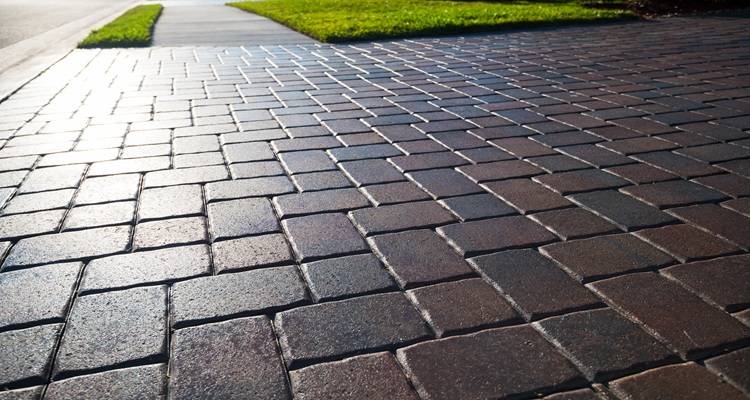
Bad groundwork is one of the most common driveway problems, regardless of the surface material.
Factors that can affect durability include the following:
- Vehicle weight
- Frequency of use
- Drainage quality
- Weather exposure
- Tree roots
- Ongoing maintenance
- Installation standards
Block paving can sometimes cope better with minor movement because the driveway is made up of separate blocks rather than one continuous surface.
Resin can still be extremely durable when installed properly, particularly when the correct base and drainage systems are used.
You should always view lifespan figures as general estimates instead of guarantees. A well-maintained driveway installed by an experienced professional is usually a lot more likely to last a long time.
Drainage and Planning Permission
Drainage is an important part of driveway installation, especially for front gardens and surfaces close to public roads.
Surface water needs to be managed properly to help prevent flooding and drainage issues.
Resin-bound driveways are naturally permeable when installed over an appropriate porous base. This means that water can drain through the surface rather than running directly into drains or onto the road.
Permeable block paving systems can provide similar drainage benefits. These systems are designed to allow water to filter between the blocks and into the ground below.
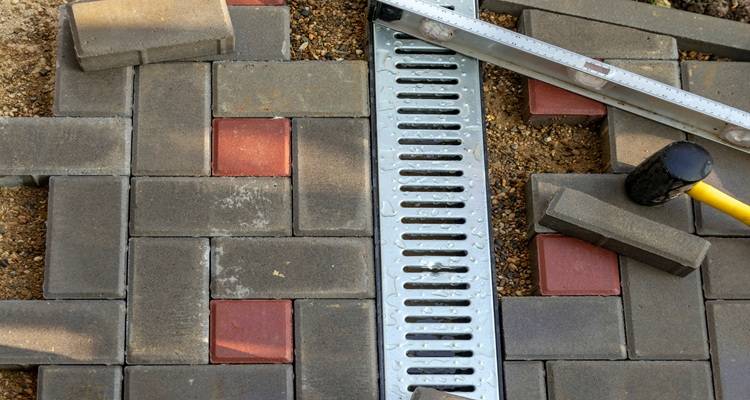
Standard non-permeable driveway systems may require additional drainage channels or soakaways.
Planning permission can sometimes become relevant for replacement or new driveways. It may be needed if a new or replacement driveway is over 5m2, uses a non-permeable surface and allows water to drain onto a public road.
If you are unsure about drainage or planning rules, you should seek professional advice before any work begins.
Installation: Which Takes Longer?
The installation times will depend on much more than just the surface material.
Certain factors, such as the size of the driveway, the existing ground conditions, drainage work, and weather can all affect how long the project takes.
Both resin and block paving require proper excavation and preparation work before the surface itself is installed.
Installations will usually involve:
- Existing driveway removal
- Ground preparation
- Sub-base work
- Edging installation
- Drainage works
- Surface installation
- Curing or setting
Once the base is ready, resin can often be laid quite quickly because it is spread as a continuous surface. Block paving is usually more labour-intensive as each block needs to be laid down individually and aligned carefully within the chosen pattern.
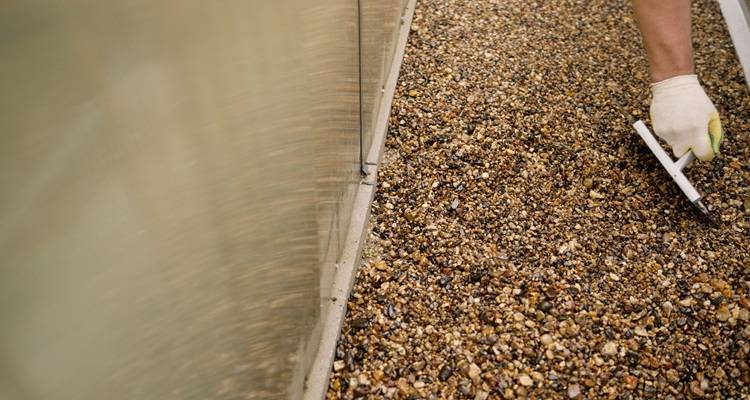
The weather conditions can also delay the installation. Resin systems usually require dry conditions before installation and curing.
Instead of focusing purely on speed, you should prioritise the quality of the installation and proper groundwork.
Repairs: Which is Easier to Fix?
The ease of repairs is another big difference between resin and block paving.
Resin is usually easier to maintain on a day-to-day basis. However, the repairs can sometimes be more difficult to blend seamlessly with the existing surface. It can sometimes be difficult to match the colours over time due to weathering and fading. Resin surfaces may experience loose areas, cracks, or surface wear.
Block paving is different because individual blocks can be removed and replaced without disturbing the rest of the driveway. This can make smaller repairs much easier and cheaper to complete. However, the new blocks may still differ slightly in colour if the paving is old.
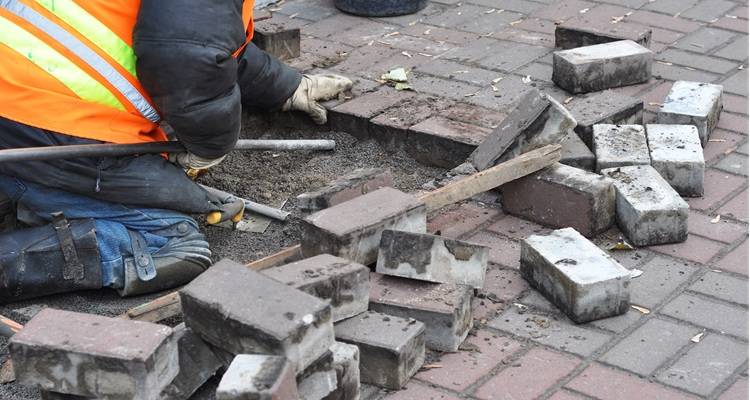
A properly installed driveway is less likely to need repairs in the first place. This is why choosing an experienced installer is so important.
If you are looking for easier localised repairs, block paving may be the better option. If you would prefer less everyday maintenance, resin may be the better option.
Which is Best for Different Homes?
The best driveway material for you will usually depend on the style of your property and your personal preferences.
Below is a comparison table helping you to decide which option may be the best choice for you and your particular property:
| Priority | Which is Usually Better |
|---|---|
| Best for modern homes | Resin |
| Best for traditional homes | Block Paving |
| Best for low maintenance | Resin |
| Best for design choice | Block paving |
| Best for easy repairs | Block paving |
| Best for drainage | Resin-bound or permeable block paving |
| Best for kerb appeal | Depends on the style of the property |
| Best for budget-conscious homeowners | Block paving may be slightly cheaper |
| Best for shaped or detailed driveways | Block paving |
| Best for a smooth, simple finish | Resin |
These are general recommendations to help you decide which is best for you. The most suitable choice will depend on the overall appearance, budget, and practical requirements of the home.
If you're still struggling to make a decision, take a look at our best driveway materials article.
Pros and Cons
Below is a list of the pros and cons of each of these two types of driveways:
Pros of Resin Driveway
- ✔ Smooth and modern appearance
- ✔ Usually lower maintenance
- ✔ Permeable resin-bound systems can support drainage
- ✔ Wide range of colour choices
- ✔ No loose joints between paving blocks
Cons of Resin Driveway
- ✖ Repairs can be harder to blend. The quality of the installation is very important
- ✖ It can be more expensive in some cases
- ✖ Not always the ideal choice for very damaged bases
Pros of Block Paving Driveway
- ✔ Huge design flexibility
- ✔ Traditional and decorative appearance
- ✔ Individual blocks are easier to replace
- ✔ Long lifespan when maintained properly
- ✔ Suitable for many different styles of property
Cons of Block Paving Driveway
- ✖ Weeds and moss can develop between joints
- ✖ Usually requires more maintenance
- ✖ Sand between joints may need topping up
- ✖ Poor installation can lead to sinking or movement
So, is Resin Better Than Block Paving?
You may be asking yourself: which is best, resin or block paving?
In reality, there is no “better” option overall. The best option for you will depend on what you are looking for and your property, amongst other things.
Resin may suit homeowners who want the following:
- A smooth and modern finish
- Lower day-to-day maintenance
- Good drainage
- A clean, modern appearance
Block paving may suit homeowners who want the following:
- More design flexibility
- A traditional or decorative appearance
- Easier localised repairs
- More patterns and colour options
Your budget will play a role, too. Block paving can sometimes be slightly cheaper initially. However, premium paving designs may cost as much as or sometimes more than resin.

The best option depends on the style of your property, maintenance expectations, drainage needs, and the overall look that you want to achieve.
Both of these types of driveways add kerb appeal and improve the appearance of a home when they are installed properly and professionally.
FAQs
Is Resin Cheaper Than Block Paving?
Does Resin Last Longer Than Block Paving?
Is Resin More Low-maintenance Than Block Paving?
Is Block Paving Easier to Repair Than Resin?
Which Looks Better, Resin or Block Paving?
Is Resin or Block Paving Better for Drainage?
Which Adds More Value to a Home?
Final Takeaway
When you are comparing resin driveways vs block paving driveways, the right choice will depend on what matters the most to you.
Resin is often the best choice for those who want a smooth, modern, and lower-maintenance surface with brilliant drainage performance. Block paving is usually preferred by those who want more design flexibility, a traditional appearance, and easier small repairs.
Neither of these options is automatically better in every situation. You’ll want to consider all of the above information and decide which one is the best option for you. A well-installed driveway with proper groundwork and drainage can perform extremely well regardless of the material that is used.
Before you go ahead and make a final decision, it is worth comparing some quotes from local driveway specialists through MyJobQuote. That way, you can better understand the most suitable options for your particular property, your budget, and your preferred design finish.
Last updated by MyJobQuote on 29th June 2026.