Builders
 Carpenters
 Electricians
 Flooring Specialists
 Gardeners
 Handymen
 Heating Engineers
 Painters & Decorators
 Plasterers & Renderers
 Plumbers
 Roofers
 Tilers
 my
myHow Much Does Painting a Kitchen Cost in the UK?
At a glance
- The average cost of painting a kitchen using a professional painter is around £690
- Depending on the size of the kitchen, the job will take on average between 2 and 3 days
- Supply costs
- Labour Costs and Timescales
- Any Additional costs
Get free estimates
Are you a trade? Get more work today!
Painting your kitchen is an affordable way to give it a refresh without having to spend money on a complete renovation. Kitchens are in constant use, and grease, condensation and heat can mean cabinets and walls don’t look good for as long as other rooms in your home.
A coat of paint will update the kitchen and give it a clean, fresh look, and dated cabinets can be modernised with a new colour.
In this guide, we’ll tell you about the costs involved in painting your kitchen walls and ceiling, cabinets, trims and tiles so that you can set the right budget for your needs.
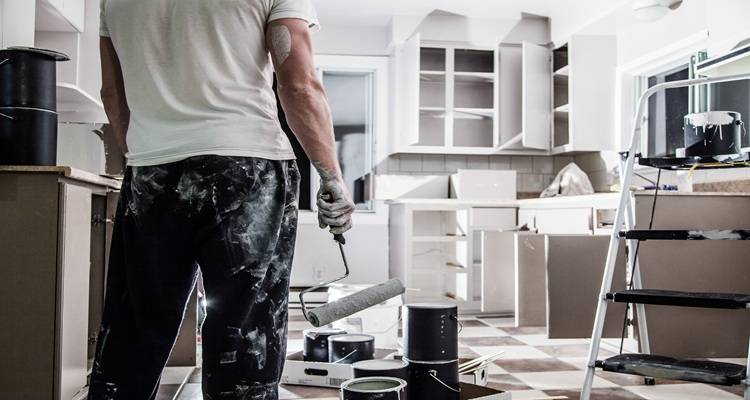
£690
Table of Contents
- How Much Does Painting a Kitchen Cost?
- Painting a Kitchen Supply Costs
- Additional Costs
- Labour Costs and Timescales for Painting a Kitchen
- Cost Factors for Painting the Kitchen
- Building Regulations Related to Painting a Kitchen
- Types of Kitchen Painting Finishes
- Alternative Types of Kitchen Finishing
- Hiring Contractors Checklist for Painting a Kitchen
- Removing Existing Paint in a Kitchen
- FAQs
How Much Does Painting a Kitchen Cost?
Costs of painting a kitchen vary according to size, the complexity of the job and your location (In London and the South East of England, prices are higher). Labour costs will depend on whether you are painting the kitchen yourself as a DIY project or you hire professional painters to do the job for you.
A professional will charge according to the work that’s needed. For example, painting the walls only will be cheaper than if the ceiling and trims are included. Costs will be higher if the job also includes painting the kitchen cabinets.
The cost of paint is also a factor, and how much you need to use to get the finish you want (some colours will need more than one coat and whether you use a satin or matt paint.
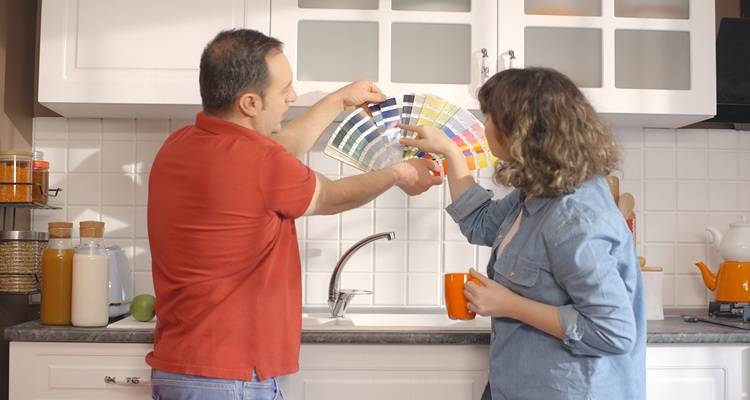
On average, costs are between £700 and £1500 for an average-sized kitchen, including trims and the ceiling. Kitchen cabinets depend on the number of units, but for an average kitchen, the price will range between £600 and £1500.
Labour, depending on where you live, will cost between £15 and £25 an hour.
Painting a Kitchen Prices
The table below gives some average prices for the type of painting work you may want done in the kitchen. Total costs include materials and labour. Painters outside the London area will, on average, charge between £150 and £200 a day. Paint prices vary according to type and quality.
| Job Type in a small 8m2 kitchen | Average Cost of Materials and Labour |
|---|---|
| Painting kitchen walls only | £200 - £440 |
| Complete re-paint (walls, ceiling and trims) | £380 - £960 |
| Painting kitchen cabinets | £480 - £920 |
| Cost of painting per cabinet | £60 - £80 |
| Paint removal | £250 - £600 |
| Wall skimming | £125 - £240 |
Painting a Kitchen Supply Costs
If you are going to do the job yourself, you’ll need to budget for more than just paint:
- Grease and water-resistant paint suitable for kitchens: £5 to £40 per litre
- Primer: £14 to £26 per litre
- Sandpaper: £1 to £6 per sheet
- Purchase of an Electric sander: £15 to £70
- Brushes and Rollers: £4 to £30
- Tape: £1.50 to £12 per roll
- Paint Trays: £5 to £10
- Paint tray Liners: £2.50 to £4.00 (usually sold in packs of 3)
- Protective Cloth to lay over carpets and furniture: £13 to £32
It’s often cheaper to buy smaller items in bulk, as the individual price will be cheaper. Brushes and paint are worth the extra cost to get a better-quality finish.

Cheap brushes will often shed bristles, which will come out on the walls, and extra labour time will be taken up removing them. Buying cheap paint might also be a false economy, as you may have to apply more coats of paint to get the finish you want.
Additional Costs
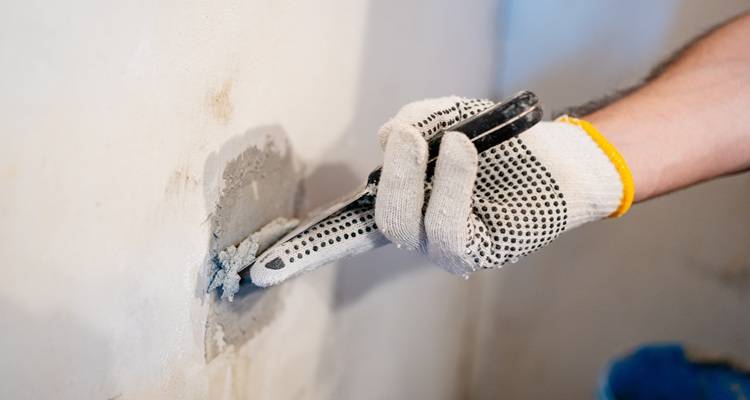
There might also be additional costs depending on the condition of your kitchen. For example, if the walls are damaged, marked and greasy, you will need to prepare the walls before painting. This could involve cleaning, sanding and filling in cracks. It could also mean additional labour charges if you are hiring a painter to do the job.
Suppose the plasterwork needs repairing or renewing. A patch repair by a plasterer will cost on average between £75 and £130. Plastering the wall completely can cost between £150 and £200, depending on the size and complexity of the job.
Feature walls or using more than one colour in the kitchen will also increase labour time, and bold colours will usually require more than one or two coats, which will take longer.
Jobs like cabinet painting or tile painting need careful preparation and priming before painting begins. Tight layouts and obstacles making access difficult can also increase labour time.
Labour Costs and Timescales for Painting a Kitchen
Painters will typically charge an hourly or daily rate for painting a kitchen. However, if it is a large job or includes kitchen cabinets, then they may quote per kitchen cabinet.
- Average hourly rates (outside London): £19 - £25
- Average day rates: £150 - £200
- Average cost per cabinet: £60 - £80
- To paint the walls in a small kitchen (8m2) will take a painter around a day and will cost between £150 and £200 in labour costs.
- Painting the cabinets of a small kitchen (8m2) will take a painter between 3 and 4 days and will cost between £450 and £800 in labour costs.
- Painting kitchen walls, trims and the ceiling will take around 2 to 3 days and cost between £300 and £600
The total average cost of labour to paint your kitchen walls, trims, ceiling and cabinets will be between £750 and £1,400.
Cost Factors for Painting the Kitchen
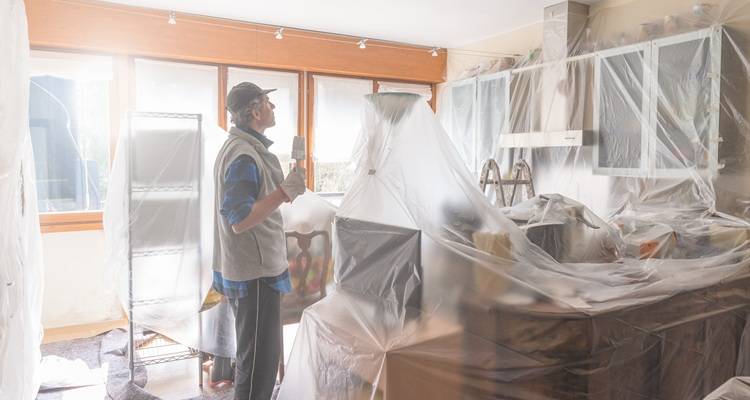
Costs to paint your kitchen will be higher if the work is complex, access is difficult, or the kitchen needs more than an average amount of preparation before painting can begin. For example, laminate cabinets need specialist primers before they can be painted, unlike wood, which takes paint easily.
Other pricing considerations include:
- The size of your kitchen and its layout affect how long the job will take.
- The number of coats needed. If you want a bold colour or you are changing a dark colour to a lighter colour, then more paint will have to be used.
- The paint type. Kitchen paint needs to be grease and moisture-resistant. Satin paint costs more than Matt.
Labour charges in London and the South East of England are higher than in other parts of the UK. You should expect to pay around 20’% more.
Building Regulations Related to Painting a Kitchen
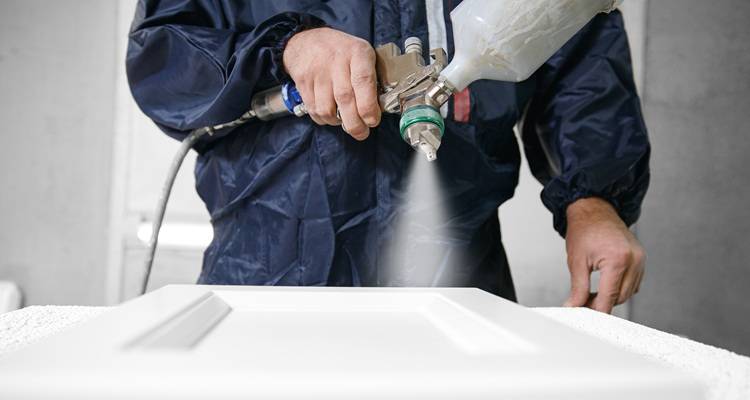
There are no building regulations for painting a kitchen, but if you live in rented accommodation, you may need the landlord’s permission before making any changes. If you need to disconnect a gas appliance before painting starts, then this should be done by a Gas Safe engineer. It’s commonly recommended that paint near to cookers or other sources of heat is low-VOC or fire-retardant.
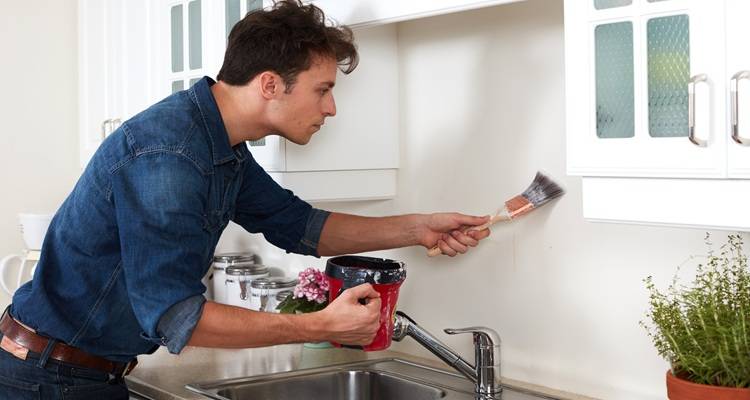
Types of Kitchen Painting Finishes
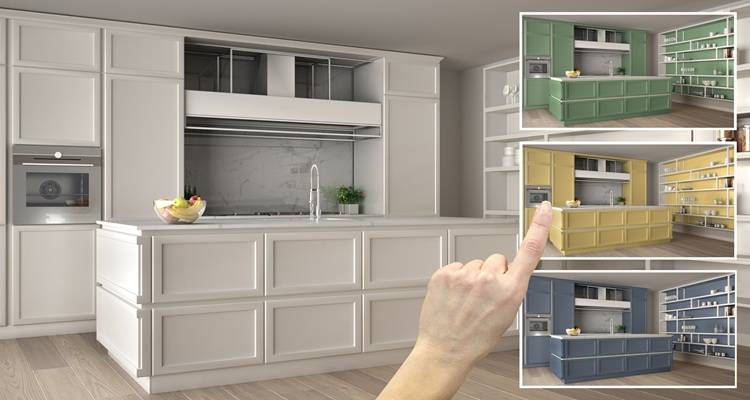
There are several types of paint finishes you can choose for kitchen walls and cabinets. These are:
- Satin/Silk – Ideal for kitchens because it is washable and grease-resistant – Between £20 and £40 per litre
- Matt – Harder to clean than satin or silk, but ideal for walls and ceilings – Between £5.50 and £10 per litre
- Eggshell – Often used on wooden kitchen cabinets. It has a higher sheen than matt paint – Between £10 and £40 per litre
- Gloss – Very durable and often used on cabinets and trims because of its shine – Between £20 and £40 per litre
Alternative Types of Kitchen Finishing
If you want an alternative to painting, there are other options you can consider:
Tiling
Tiling is more expensive, but it is perfect if you cook a lot and need an easy-to-clean option. Costs depend on the type of tiles you choose, but on average, prices range between £80 and £120 per square metre. A tiler will charge between £150 and £250 per day outside London and between £200 and £350 in London and the South East of England.
Wall Panelling
Adding wall panelling in the kitchen is an affordable way to refresh tired walls. They are durable and easy to install. The cost depends on the materials you use. For example, MDF wall panels cost from £15 per square metre. Wood panelling varies between £20 and £80 per square metre. The average cost of a single wall in MDF or pine is around £115.
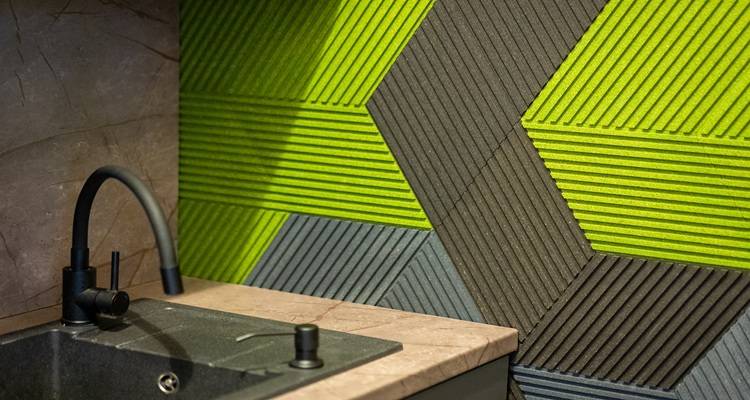
Vinyl Wraps
An alternative to painting your units is to wrap them in vinyl. Vinyl is ideal in a kitchen because it's resistant, it doesn’t scratch or chip, and you can buy wraps in various finishes such as wood effect or high gloss. The cost depends on the type of quality and finish you choose, but on average, you should expect to pay between £50 and £250 per door.
Laminate Panels
Laminate panels are ideal if you want to replicate stone or tiles in the kitchen without the cost of the real thing. Laminate is water-resistant, easy to clean and straightforward to fit. Costs are between £40 and £120 per square metre.
Hiring Contractors Checklist for Painting a Kitchen
Before you hire a painter, have a look at our checklist. The list will help you to choose a reliable professional with the appropriate qualifications and experience. Check:
- They give you a clearly written quote (don’t expect quotes over the telephone, make sure the quote is delivered to you on paper or by email)
- They have experience painting kitchens.
- The whole project is included in the quote and states that if you or the painter is to supply the paint.
- They have public liability insurance and any other relevant insurance for any employees.
- You have access to a website, feedback or client references for previous work
- The work is guaranteed, or they supply a warranty
- The quote includes the start date and the timescale for the work
The easiest way to find a reliable painter in your area is to use MyJobQuote. Tell us what you need, and we’ll find trusted painters near you so you can compare quotes.
Removing Existing Paint in a Kitchen
Some kitchens might have paint that is too damaged or old to paint over. In this case, it will need to be removed. Taking the old, damaged paint off the wall will also give you the chance to make good any uneven surfaces. This will ensure that the new paint adheres to the wall and looks completely fresh and new.
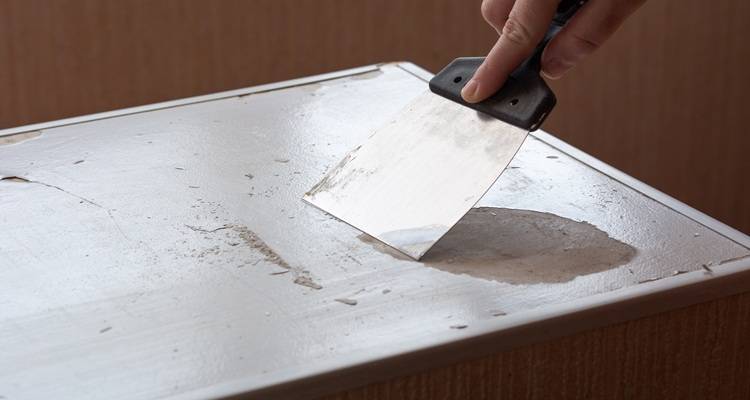
This process will add to labour costs. Removing old paint can take a few hours to a few days, depending on the technique you use and the size of the kitchen.
The most common methods of removing paint are:
- Sanding – This isn’t recommended for large areas, but it can be used for kitchen cabinets by using sandpaper or an electric sander
- Chemical Strippers – This is the fastest way to remove paint, but you need to use extreme caution, and it is important to wear goggles, a face mask, overalls and safety gloves. The room should be well-ventilated, and the solvent should only be used for small areas at a time.
- Steam – Applying steam over the wall will loosen the paint, which you can then scrape off the wall.
- Heat Gun – A heat gun uses hot air, which, when applied to the wall, makes the paint bubble and soften. It will then be removed with a scraper.
FAQs
Can I paint over kitchen tiles or cabinets?
Yes, you can. You need to clean the area thoroughly and, in some cases, add primer. Wooden cabinets will likely benefit from sanding down to ensure the paint takes properly. Painting is much cheaper and easier than paying to replace old cabinets with new ones.
What kind of paint is best for kitchens?
The best paint in a kitchen is grease and moisture-resistant. Satin and silk paint are good choices.
How long does kitchen paint last?
Good quality paint should last between 5 and 10 years as long as it is well ventilated and kept clean.
Do I need to prime kitchen walls before painting?
Sometimes you don’t. But priming walls has its advantages. It helps paint adhesion, reduces the number of coats needed, which saves you money.
Can I paint a kitchen myself, or is it best to hire a professional?
If you have the time and the tools and your kitchen is easy to access, then there’s no reason why you can’t do the job yourself. But if you use a professional, you are likely to get the job done quickly without mistakes. Painting kitchen cabinets is often best left to a professional, as mistakes will be difficult to hide and expensive to fix.