Builders
 Carpenters
 Electricians
 Flooring Specialists
 Gardeners
 Handymen
 Heating Engineers
 Painters & Decorators
 Plasterers & Renderers
 Plumbers
 Roofers
 Tilers
 my
myRemoving a Partition Wall Cost
At a Glance
- The average cost to remove a partition wall is around £1,750.
- The job will take approximately 1 to 3 days to complete.
- A complete pricing breakdown, which includes things to consider and what such a task usually involves.
- How long the job should approximately take, and a general overview of what kind of jobs can be performed.
- How to find and hire a partition wall specialist.
Get free estimates
Are you a trade? Get more work today!
Want to know how much removing a partition wall costs?
This guide covers everything you need to know about the cost of removing partition walls, including identifying if it's a load-bearing wall or not, labour fees to remove a wall, and much more.
On average, you're looking at an overall cost of around £1,750 to get a wall knocked down.
Ready for a quote for your job?
We have a whole range of local builders ready to offer you a free quote for building a partition wall!
So, let's get started...
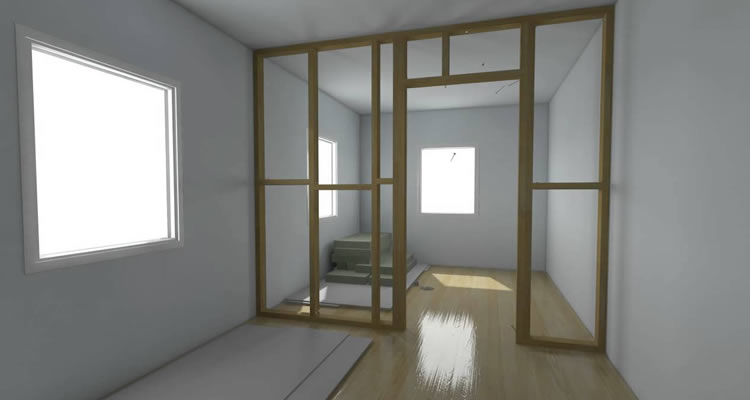
£1,750
Table of Contents
How Much to Knock Down a Wall?
Removing a partition wall can cost anywhere up to £1,750 for removing a large area wall. Smaller walls will usually cost less, but load-bearing walls often cost much more to remove as structural support, and a structural engineer, will usually be needed.
You might pay as little as £800 to remove a small stud wall, but removing a load-bearing wall quickly drives up costs, as structural engineer labour rates can add significantly to the total.
I've recently discovered that the loft partition made of plasterboard is not sitting at the central point of chimney breasts (we removed ours). Do I have to restore it to the centre? Is it the neighbours responsibility and cost? What rights do I have?? Does it matter how many years it's been like that Can I just employ someone to do it?
"Contact your local planning department/building control officer. They should be able to ascertain if your neighbour had permission to erect partition or loft conversion at all"
Partition Wall Removal Prices
Prices for wall removal usually include labour, waste disposal, and basic making good such as patching plaster, ceilings, and floor edges after the wall is removed.
Removing a non-load-bearing wall between a kitchen and dining room to create an open-plan layout usually falls within the ranges below, while removing a load-bearing wall often costs more than these averages because structural support such as an RSJ may also be needed.
| Job Description | Duration | Total Cost |
|---|---|---|
| Remove partition wall for single doorway opening (around 1m) | 1 day | £800–£1,250 |
| Remove partition wall for double doorway opening (around 2m) | 1 to 2 days | £1,200–£1,500 |
| Remove large partition wall between kitchen and dining room (around 4m) | 2 to 3 days | £1,500–£1,750 |
Want a custom price?
Post your job
Things to Consider When Removing a Partition Wall
There are several important points to take into consideration when removing a partition wall:
- Removing a Load-Bearing Wall — If your partition wall is a supporting structure, the cost of removing a load-bearing wall usually starts at around £1,800 and can exceed £4,000 once structural calculations, RSJ installation, and making good are included.
- Structural Engineer Costs — If the wall is load-bearing, a structural engineer costs around £200 to £500 to assess the wall and provide calculations for any required RSJ.
- RSJ Installation Cost — Installing an RSJ usually adds £800 to £2,500 depending on span, access, and making good afterwards.
- Builder Day Rates — Labour fees for partition wall removal are usually charged by a builder at a day rate of around £150 to £250.
- Flooring Repair Costs — Once the wall has been removed, you may need a flooring expert to assess and repair any floor damage.
- Moving Pipes or Wiring — If the wall contains electrical cables, sockets, switches, radiators, or pipework, you may need an electrician or plumber. This can add £150 to £600+ depending on what needs rerouting.
- Plasterer Costs — Hiring a tradesman to plaster a ceiling and repair any damage typically costs around £390, although this may be less if you only require basic repairs.
- Stud Wall Cost — If you are removing the wall but replacing it with new stud walls, installing a basic wall should cost around £800 to £1,000.
- Extension Cost Comparison — Knocking down an internal wall might not make a property bigger in itself, but it is a much cheaper way of creating extra space than building a house extension.
Benefits of Removing a Partition Wall
Internal wall removal is a popular choice for homeowners who want to make the most of their home's space without building an extension.
If there is a partition wall within your home, removing it could be a far cheaper way of increasing usable space. However, the cost to remove load-bearing walls may include structural changes, and so it might not be as economically effective.
There are several benefits you can weigh against the cost of knocking down an internal wall, such as:
- Creating an open-plan layout.
- Increasing the usability of the existing space.
- Improving natural light across a space.
- Modernising older homes with smaller, separate rooms.
Often, wall removal will have a positive impact on your living space in multiple ways.
One of the most common reasons for internal wall removal is to create an open-plan kitchen and living area. For example, if you want a larger kitchen but can't afford to splash out on an extension, removing a partition wall between the kitchen and another room helps to create your new big kitchen without the price tag.
Permissions and Building Regulations
You will not usually need to apply for planning permission to remove a partition wall. However, if your property is listed, you may need to get consent. If you're in any doubt, check with your local authority first.
Building regulations approval is needed when the wall is load-bearing or forms part of a protected escape route, but taking out a straightforward non-load-bearing partition usually does not need approval. If you are unsure, check with your local building control body before work starts.
In the case of partition walls, regulations cover:
- Structural Issues — If the wall is load-bearing, this will usually require extra support to be installed. A Building Control Officer will need to sign off on this to ensure the building is safe.
- Electrical Safety — Rules around electrical wiring and safety are strict, and any changes to wiring in your partition wall must meet the UK wiring standard, though a new circuit, a replacement consumer unit, or work near a bath or shower also needs notifying.
- Fire Safety — The removal of a partition wall should not be allowed to affect fire-protected escape routes.
If your home was built or refurbished before 2000, the partition wall may contain asbestos, which can look just like ordinary plasterboard and cannot be identified by eye. If asbestos is present, removal usually has to be carried out by an HSE-licensed contractor.
Your contractor will be able to advise which of the regulations are relevant to your partition wall removal.
Doing It Yourself
It may be possible to remove a partition wall yourself, but we recommend hiring a professional to avoid any mistakes and safety hazards. If you remove a load-bearing partition wall without proper care, you could cause major damage.
The DIY risks include:
- Accidentally removing or damaging a load-bearing wall, which may damage the structure of your home.
- Affecting the party wall between your house and your neighbour's.
- Encountering hazardous materials such as asbestos.
- Damaging services such as electrics, gas, or water that may be present within the wall.
- Failing to follow building regulations if you need approval for the work.
If you're worried about the cost of removing an internal wall and believe you can save money by doing it yourself, remember that fixing any issues caused by a botched removal may cost more money in the long run.
We recommend getting up to 3 quotes from local builders so you can receive the best price for removing partition walls. The best contractor to choose is one with years of experience in removing partition walls, giving you peace of mind that you'll receive a high-quality service from them.
Ask a Trade
Got a question that only a tradesperson can answer? We have thousands of trades ready to answer any question you may have.
Ask your question

Hiring a Partition Wall Specialist Checklist
Consider the following points before hiring a specialist to remove your partition walls:
- Do they have the right amount of experience? Check the builder is experienced in removing partition walls and how often they carry out similar work. Ask to see a portfolio or examples of recent jobs.
- Are they registered as part of any schemes? Aside from being a reputable and officially registered business, see if they are members of recognised trade bodies or government-endorsed schemes.
- Are they covered by insurance? Ensure that your chosen contractor is fully insured. At the very least, this should include Public Liability Insurance, which covers accidental damage and personal injury.
- Have they got positive feedback from customers? Check online reviews, including their MyJobQuote profile, to see what previous customers say about their professionalism and quality of work.
- Have you received multiple quotes? We recommend getting at least 3 quotes so you can compare prices. With MyJobQuote, you can find local builders in your area with no obligation.
- Is everything included within the quote? Request an itemised quote so you know exactly what is covered and have a clear breakdown of costs, helping to avoid unexpected extras later.
- Will they deal with building control? If building regulations approval is needed, check whether your builder can make the application and liaise with building control on your behalf.
FAQs
How Do You Know if a Wall Is Load-Bearing?
A professional will check the direction of the joists, and what's above or below the wall. If it runs across or at right angles to the joists or a supporting structure it may well be a load-bearing wall, in which case your builder can advise the best course of action.
What Types of Partition Walls Are There?
Several materials are commonly used for partition walls. The most common for domestic properties is timber or metal-studded plasterboard. You may also find brick or lightweight block partitions in some spaces, or glass partitions in commercial spaces.
Does Removing a Partition Wall Affect My Home Insurance?
It is best to notify your home insurance provider before removing a partition wall, as failing to advise them on any structural amendments can potentially void your policy or leave you without the correct level of insurance.
Can Removing a Partition Wall Impact the Value of Your House?
Removing a partition wall can potentially increase the value of your property, especially when creating additional space or opening up a room. This is, however, providing everything is declared and building regulation compliance has been officially signed off.
Do You Need a Party Wall Agreement When Removing a Partition Wall?
If the wall sits within your own home, you won't need a party wall agreement to have the wall removed. If the wall is shared with a neighbour, a party wall agreement will be required, and you must give them written notice of 2 months to a year before any work begins. A surveyor typically charges £700 to £1,500+ if a formal agreement is needed. You should always check local building regulations or consult a surveyor if you're unsure.
Do I Need an RSJ to Remove a Partition Wall?
You only need an RSJ (Rolled Steel Joist) if you are removing a load-bearing wall. If your partition wall is non-load-bearing and doesn't carry any weight from above, there is no need for an RSJ.
Do I Need a Structural Engineer to Remove an Internal Wall?
If the wall is non-load-bearing, you usually won't need a structural engineer. However, if there is any doubt about whether the wall supports part of the building, a structural engineer should inspect it before work starts. For load-bearing walls, structural calculations are normally required before an RSJ can be installed.