Builders
 Carpenters
 Electricians
 Flooring Specialists
 Gardeners
 Handymen
 Heating Engineers
 Painters & Decorators
 Plasterers & Renderers
 Plumbers
 Roofers
 Tilers
 my
myPine Tree Removal Costs
At a Glance
- The average cost of pine tree removal is between £600 and £700.
- Most jobs take around 1 to 2 days to remove an average-sized pine tree.
- A breakdown of pricing details, depending on the size of the pine tree and the complexity of the job.
- How long pine tree removal takes and the extra costs you might come across.
- How to find a local tree surgeon using MyJobQuote.
Get free estimates
Are you a trade? Get more work today!
Have you got a pine tree you need to remove in 2026?
Pine trees are a common sight in the UK. They are an evergreen conifer often found in gardens and rural areas and appreciated for their height, dense foliage, and fast growth.
While most trees don't cause problems, there are a few that end up too close to buildings or boundaries, and sometimes they need to be removed to stop them interfering with houses, fences, or driveways.
Householders may also wish to remove a pine tree from their garden if it is blocking out sunlight or has become diseased.
What is your main reason for removing your pine tree?
It's too close to a building or boundary
6 votes - 46%46% of votes
It's blocking sunlight
2 votes - 15%15% of votes
It has become diseased or damaged
0 votes - 0%0% of votes
It has grown too tall to manage
3 votes - 23%23% of votes
Root damage to fences, paths or driveways
2 votes - 15%15% of votes

13 votes
See results
Hide results
Pine tree removal is usually carried out by a professional tree surgeon who adheres to safety procedures and uses specialist equipment. As with other tree removal costs, the cost of pine tree removal depends on factors such as the height and thickness of the tree, how accessible it is, and the method used to remove it.
Once the tree has been removed, there are also the cost considerations of either removing the stump or stump grinding and the removal and disposal of green waste.
Ready to get a quote for a pine tree removal?
Get free, no-obligation quotes from tree surgeons who can get the job done for you. MyJobQuote is easy, fast and connects you with tree surgeons in your area.
Like to find out more before getting quotes?
Read our guide!
£650
Table of Contents
- How Much Is Pine Tree Removal?
- Pine Tree Removal Supply Costs
- Labour Costs and Timescales
- Additional Costs
- Cost Factors for Pine Tree Removal
- Building Regulations for Pine Tree Removal
- Types of Pine Tree Removal
- Alternative Options to Pine Tree Removal
- Hiring a Tree Surgeon — Checklist
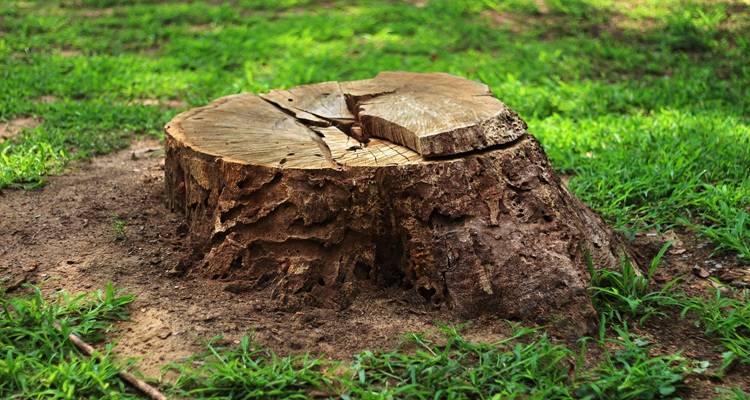
- Removing Pine Tree Stumps
- FAQs
How Much Is Pine Tree Removal?
On average, the cost of pine tree removal is between £600 and £700, but the cost depends on the height and thickness of the tree and the ease of access. Pine trees are often very tall and need specialist equipment and safety precautions to do the job efficiently and safely.
Pine Tree Removal Prices
Pine tree removal prices can vary, depending mostly on the height and the width of the tree. The table below gives you the average removal costs of a pine tree according to height.
| Tree Size | Duration | Average Cost |
|---|---|---|
| Small (Under 8m/25ft) | Half a day | £150–£450 |
| Medium (8 to 15m/25 to 50ft) | 1 to 2 days | £400–£850 |
| Large (15 to 23m/50 to 75ft) | 2 to 3 days | £900–£1,350 |
| Very large (23 to 30m/75 to 98ft) | 4 to 5 days | £1,400–£3,000+ |
| Stump grinding | 30 min to 2 hours | £40–£350 |
Want a custom price?
Post your job
Pine tree removal costs are affected by many of the same factors as removing conifer trees, including tree height, access, waste removal, and whether the tree needs to be dismantled in sections.
Pine Tree Removal Supply Costs
The length of time it takes to remove a pine tree will also influence the labour cost.
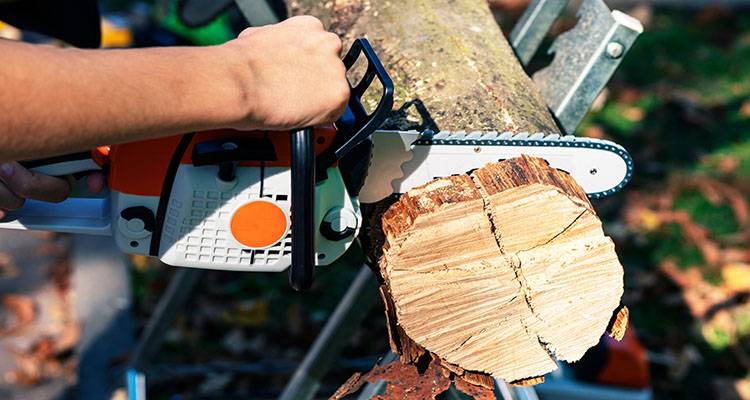
Examples of some of the equipment and materials used by tree surgeons to remove pine trees include:
| Supply | Average Cost |
|---|---|
| Chainsaw | £70–£250 |
| Climbing ropes and harnesses | £200–£950 |
| Rigging equipment | £300–£1,000 |
| Safety helmets and protective clothing | £20–£200 |
| Pole saws and pruning tools | £100–£500 |
| Woodchippers for branches | £150–£300 |
| Ladders | £500–£1,200 |
| Stump grinding wheel | £2,000–£4,000 |
Want a custom price?
Post your job
Although we have outlined these supply costs, we don't recommend pine tree removal as a DIY project. Large trees require specialist knowledge and experience, as they can be dangerous. Very small pine trees can be DIY removed using basic garden tools, as long as the tree is very small.
Labour Costs and Timescales
To remove a pine tree, tree surgeons usually charge based on:
- Tree height and complexity of removal.
- Access to the site.
- Safety requirements.
- Number of workers required.
Typical timescales may include:
- Half a day to remove a small pine tree under 8 metres.
- 1 to 2 days to remove a medium pine tree between 8 and 15 metres.
- 2 to 3 days to remove a large pine tree between 15 and 23 metres.
- 4 to 5 days to remove a very tall pine tree between 23 and 30 metres.
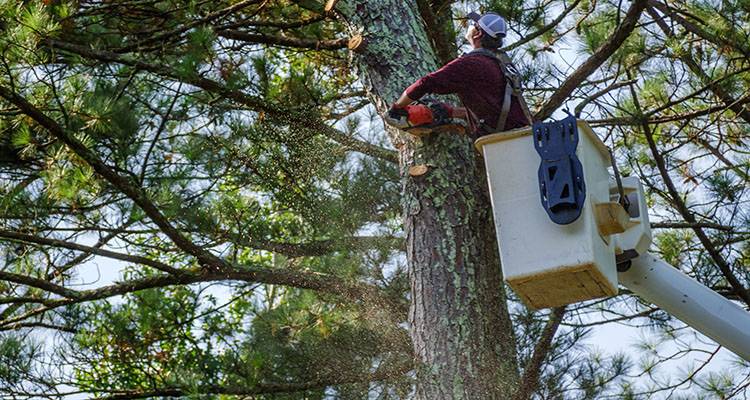
Tall pine trees often need to be dismantled in sections to prevent damage to surrounding areas. This will increase the labour time and therefore the overall cost.
Additional Costs
When you are organising your budget for a pine tree removal, there are additional costs that you might need to consider. These include:
Stump Grinding or Stump Removal
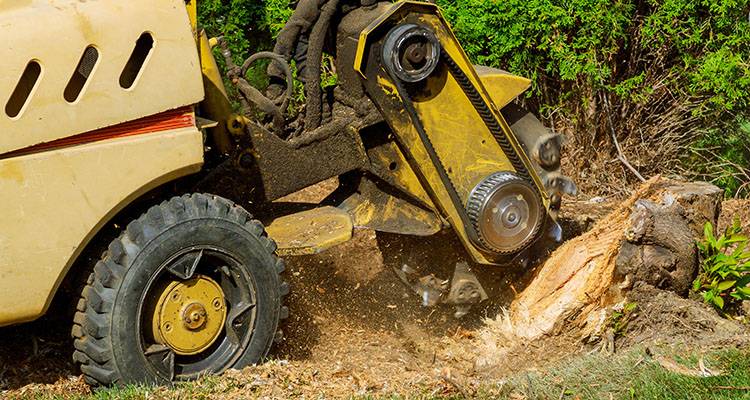
Stump grinding is the most common method of removing a pine tree stump. The tree surgeon will use a grinding machine to grind down the stump as much as possible.
Stump grinding will cost, on average, between £60 and £400. The roots aren't removed with grinding and they usually decay over time, although they may still get in the way of future landscaping, paving, or planting work.
To remove a stump completely will cost on average between £150 and £350. Some householders leave the stump and use it as a garden feature.
Waste Removal and Disposal
Many tree surgeons will include the cost of waste removal and disposal in the quote for tree removal. But this isn't always the case, so check each quote you receive and confirm it with the tree surgeon.
If garden waste removal isn't included in your quote, then you should expect to pay between £90 and £500, depending on how much waste you have left once the tree is removed.
Log Cutting or Wood Chipping
Log cutting, or wood chipping, will help to reduce the amount of garden waste you have for disposal. A tree surgeon might offer this service as an add-on. If not, you are likely to be charged per cubic foot or per tree, depending on the size. Average costs are between £100 and £600.
Tree Inspections or Arborist Assessments
Tree inspections and arborist assessments are often used to find out about the condition of a tree, whether it is a hazard, a removal assessment, or whether the tree is subject to a tree preservation order. The cost of a survey or assessment depends on the type of tree survey, but on average, you should expect to pay between £250 and £500.
Garden Clean-Up After Tree Removal
This is a service that may be included in the overall quote for tree removal, or as an additional service. A garden clean-up generally involves clearing away branches and pine needles, removing the sawdust and any other garden waste such as roots and grass. This service will, on average, cost between £50 and £250, depending on the amount that needs to be cleared.
Repairing Fences or Landscaping Damaged by Tree Roots
If nearby fencing is damaged during removal or affected by tree roots, you may also need to repair the fence, which costs around £150 on average. The final cost depends on the amount of fencing that needs to be repaired and the type of material the fence is made from. For example, plastic and wire mesh are cheaper to repair than panels made from wood or metal. Average costs range from £30 for plastic and rattan to around £140 to £260 for composite or metal, and between £30 and £61 for wood.
Landscaping costs depend on the type of work you have done, but the average cost for a 20m² area is between £260 and £300.
Cost Factors for Pine Tree Removal
The cost of removing a pine tree can vary significantly depending on the size of the tree, how easy it is to access, and the amount of work involved in taking it down safely. Pine trees can grow very tall and wide, so there are several factors that may affect the final price.
- Tree Height and Canopy Size — One of the biggest cost factors is the overall size of the pine tree. Taller trees with a large canopy take more time, labour, and equipment to remove safely. A mature pine tree will usually cost much more to remove than a smaller or younger tree.
- Trunk Thickness — A thicker trunk is generally harder and slower to cut through, particularly if the tree is well established. Large trunks often require more powerful tools and can increase both labour time and disposal costs.
- Location of the Tree Within the Garden — If the pine tree is in an open area with plenty of space around it, removal is usually quicker and easier. However, if it is in a tight corner, close to fences, sheds, greenhouses, or neighbouring properties, the work will be more complex and may cost more.
- Access to Equipment — Good access can make a big difference to the overall price. If tree surgeons can easily bring in ladders, climbing gear, chainsaws, wood chippers, or other machinery, the job may be more straightforward. Limited access through narrow side passages or enclosed gardens can make removal slower and more labour-intensive.
- Safety Risks or Nearby Buildings — A pine tree that is located close to houses, garages, conservatories, roads, power lines, or other structures will often need to be dismantled piece by piece rather than felled in one go. This method takes longer, requires more skill, and increases labour costs due to the extra care needed to avoid damage.
- Waste Disposal Requirements — The amount of waste produced can have a noticeable effect on the total cost. Pine trees can create a large volume of branches, logs, needles, and general garden waste. If you need all waste removed from site, chipped down, or taken away for disposal, this will usually increase the price.
- Stump Removal Requirements — Removing the tree itself does not always include the stump. If you want the stump ground out or fully removed, this will normally be an additional cost. Stump removal is often recommended if you want to replant the area, lay turf, or install paving.
- Regional Labour Rates — Labour costs can vary depending on where you live in the UK. Tree removal services are often more expensive in London and the South East, while prices may be lower in other parts of the country. Local demand, contractor availability, and travel distance can also affect quotes.
To get the best price for pine tree removal, it is usually worth comparing quotes from several local tree surgeons. This will help you find a contractor who can carry out the work safely and at a fair cost.
Ask a Trade
Got a question that only a tradesperson can answer? We have thousands of trades ready to answer any question you may have.
Ask your question

Building Regulations for Pine Tree Removal
Pine tree removal doesn't usually need building regulation approval or planning permission. But there are some cases where permission is required. For example, when the tree is subject to a Tree Preservation Order (TPO).
Local councils issue TPOs (Tree Preservation Orders) to protect trees that are environmentally or visually important. This means if you have a tree in your garden that's protected, then you cannot carry out any work on the tree unless you receive permission from the local authority.
Another example where notice is required is if the tree is in a conservation area. In this case, you must inform the council at least 6 weeks before you want to remove the tree so that the council can assess whether the tree should be issued with a TPO.
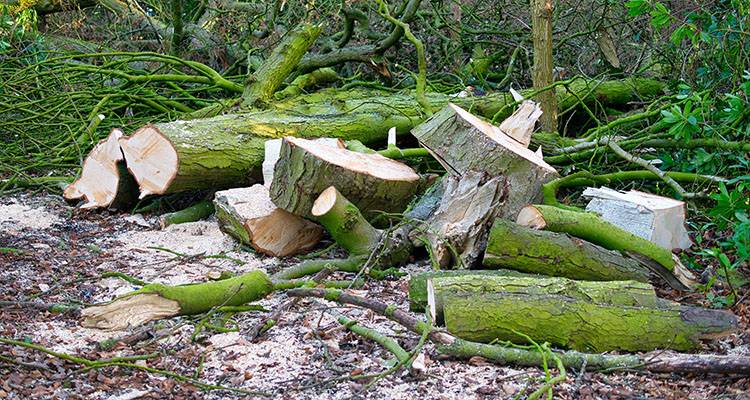
If you remove a tree protected by a TPO without the council's written consent, or a conservation area tree without giving notice, you commit an offence that carries an unlimited fine.
Tree surgeons must follow the guidelines set down by the Health and Safety Executive. They are obliged to wear appropriate safety clothing, use safety equipment, and take great care while removing tree branches so that people aren't injured, and property isn't damaged.
In addition to local authority regulations, the removal of a tree is also subject to the Wildlife and Countryside Act 1981, which makes it an offence to damage or destroy a wild bird's nest while it is in use or being built, at any time of year. Tree work is usually planned outside the nesting season, typically March to August, when it is most likely to disturb nesting birds.
- You cannot take, injure, or kill any wild bird from a nest.
- You cannot destroy a wild bird's egg.
- You cannot damage, destroy, or take a wild bird nest while it is in use or being built.
These are offences which carry unlimited fines as well as the risk of a prison sentence. If you have a tree which is in danger of falling and causing injury or damage, but it has nesting birds, you will need to consult an expert, as you may need a wildlife licence before removing it.
Types of Pine Tree Removal
There are several methods of pine tree removal, and these are:
Straight Felling
If there is enough space, then a tree can be cut from the base with a controlled fall direction. This is the quickest method of removing a pine tree, but it still requires expertise to make sure it falls safely in the right direction.
Pros
- ✔ Faster than sectional felling.
- ✔ Cheaper than the other option.
- ✔ No need for a tree surgeon to work at height.
Cons
- ✖ Needs enough space for the tree to fall.
- ✖ May damage plants or turf on the ground below.
- ✖ Higher risk of an accident if the tree falls the wrong way.
Sectional Dismantling
When the tree is in a confined space or is situated near a building, dismantling a pine tree is the safest removal method. It is carried out by dismantling the tree in sections, starting at the top and working down to the base.
Pros
- ✔ Ideal for confined spaces.
- ✔ Reduced risk of damage to the garden or property.
- ✔ Easier to dispose of timber in sections.
Cons
- ✖ More expensive than straight felling.
- ✖ Disruptive with noise and waste.
- ✖ Takes longer than straight felling.
Mechanical Removal
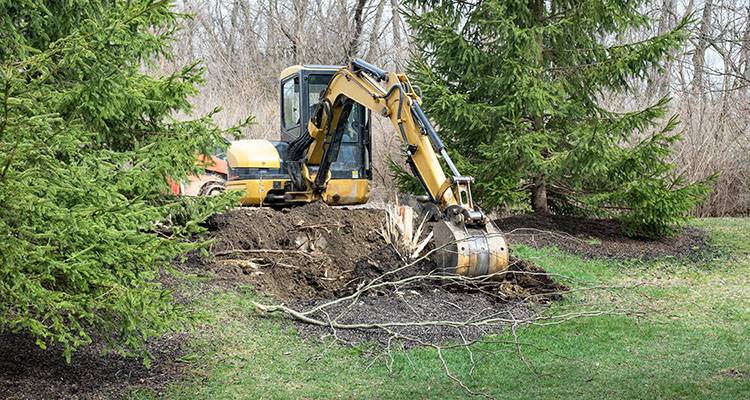
Mechanical removal is used when a pine tree is too dangerous to climb. Tree surgeons will use an excavator with a hydraulic-powered cutter that holds the timber in place and cuts through the wood.
Pros
- ✔ Ideal if there is more than one tree.
- ✔ Fast.
- ✔ Safer than cutting at height.
Cons
- ✖ More expensive than other methods.
- ✖ It can cause damage to the surrounding garden landscape.
Alternative Options to Pine Tree Removal
Tree Pruning
Tree trimming or pruning can remove diseased, damaged, or overgrown branches and improve the tree's health and appearance.
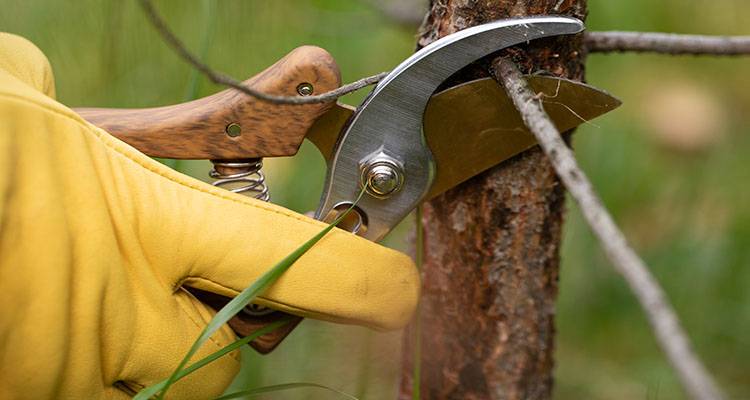
It can also remove any branches which are close to a property, blocking light, or affecting the view from your garden. The average cost of tree trimming or pruning is around £250, although the final price will depend on the size of the tree, how much work is needed, and how easy it is to access.
Crown Reduction
Crown reduction is carried out when a tree has become too large and could cause a hazard, or does not have the space to expand any further. A tree surgeon will remove between 20% and 30% of the top of the tree. It means working at height, and if access is difficult, the job can be complex. The cost of crown reduction depends on the size of the tree and the complexity of the job. On average, you can expect to pay between £250 and £1,150 or more.
Crown Thinning
Crown thinning is a procedure used to remove branches that have become too heavy. This often applies to branches that are crossing other branches, as well as those that are weak or diseased. The average cost of crown thinning is £400 to £1,400.
Tree Height Reduction
Tree height reduction is called pollarding. It is a method of pruning that restricts the height of the tree, so it stays smaller than it would normally grow. Pine trees should not be cut in this way, as it can weaken the branches. Other species of trees, however, can benefit from pollarding. The cost of pollarding is, on average, between £450 and £1,200.
Hiring a Tree Surgeon — Checklist
Consider these key points before hiring a tree surgeon for pine tree removal:
- Have you received more than one quote? If you want to compare costs and services, then it is recommended that you obtain at least 3 quotes for pine tree removal.
- Are they experienced with pine tree removal? Pine trees can be tall, dense, and difficult to dismantle safely, so look for someone who has handled similar jobs before.
- Do they have positive reviews? Check feedback from other homeowners on MyJobQuote to see whether they were reliable, tidy, and clear about pricing.
- Do they have public liability insurance? This is important in case nearby fences, sheds, driveways, neighbouring gardens, or buildings are damaged during the removal.
- Will they check whether the tree is protected? If the pine tree is covered by a Tree Preservation Order (TPO), you will need written consent from your local council before removal work starts. If it is in a conservation area, you must give the council 6 weeks' notice.
- Is waste removal included in the quote? Pine tree removal can create a large amount of branches, logs, needles, and sawdust, so confirm whether disposal, wood chipping, or log cutting is included in the total price.
- Will stump grinding or stump removal cost extra? Removing the tree does not always include removing the stump, so ask whether this is included or priced as an add-on.
Removing Pine Tree Stumps
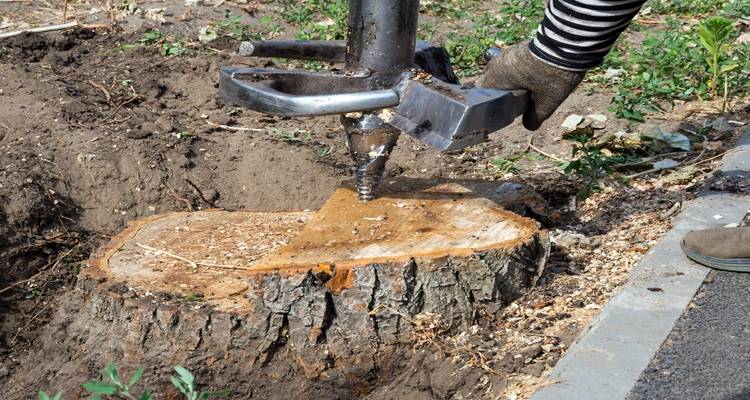
Once your pine tree has been cut down, the trunk will remain in the ground. Some householders like to leave the stump as a decorative piece, but if you want it removed, you have the following options:
Stump Grinding
This is the most common method of tree stump removal. The wood is ground down to sawdust until it is on or below the surface of the soil.
Full Stump Removal
Full stump removal is often carried out by using a mini excavator or a winch for smaller trees. This process also takes out the main roots along with the stump.
Chemical Treatment
Chemical stump killer should be applied immediately after the tree has been removed. Fresh cuts must be made in the stump. The chemical is then poured into the cuts, which leads to decay over time.
Although stump removal will add to the costs of pine tree removal, and more if it is a large pine tree removal, it does mean you can install turf, replace the tree with plants or fit decking to the garden.
FAQs
Can the Council Remove Trees for Free?
The council will usually only remove a tree for free if it is on council-owned land. If the pine tree is on your private property, you will need to pay for removal yourself or the council can do the work and charge you for it.
Can I Remove a Pine Tree Myself?
Very small pine trees may be suitable for DIY removal if you already have the right tools and safety equipment. However, medium to large pine trees can be dangerous due to their height and weight, so hiring a professional tree surgeon is usually recommended.
Which Time of Year Is Cheaper to Remove a Pine Tree?
Pine tree removal may be easier to book in autumn or winter, when tree surgeons are often less busy and garden access may be clearer. However, the cost usually depends more on the tree's size, access, and condition than the season.
What Is the Cheapest Way to Remove a Pine Tree?
The cheapest option to remove a pine tree is usually straight felling, but this is only possible if there is enough space for the tree to fall safely. You may also reduce costs by keeping the logs, handling some garden clean-up yourself, or comparing quotes from several local tree surgeons.
Can I Lay Turf over an Old Tree Stump?
You can usually lay turf over the area once the stump has been ground down far enough and the ground has been levelled. If the stump is too close to the surface, it may cause uneven ground or affect how well the turf settles. Stump grinding costs between £40 and £350, depending on the size of the stump.
Will a New Pine Tree Grow if I Don't Remove the Stump?
A pine tree is unlikely to regrow from a cut stump in the same way some broadleaf trees can. However, leaving the stump in place can still cause problems if it gets in the way of landscaping, attracts pests, or starts to decay.
Will Removing a Pine Tree Damage My Garden?
Professional tree surgeons use controlled removal techniques to minimise damage. However, heavy equipment, falling branches, and stump removal work can sometimes affect lawns, flower beds, or landscaping around the tree, so it is worth budgeting for minor repairs or clean-up afterwards.
Will It Cost Extra to Remove Pine Tree Roots?
Yes, full root removal will usually cost extra because it involves more digging and disruption than stump grinding. Many homeowners only remove the main stump unless the roots are affecting landscaping, paving, or nearby structures.
Can I Save Money by Keeping the Wood After Pine Tree Removal?
You may be able to reduce disposal costs by keeping logs or asking for branches to be chipped and left on site. However, this depends on the tree surgeon's pricing and whether they charge separately for cutting, chipping, or waste removal.
What Happens if I Don't Remove a Damaged or Dying Pine Tree?
A damaged or dying pine tree may become weaker over time, increasing the risk of falling branches or damage to nearby fences, sheds, driveways, or buildings. Delaying removal can sometimes mean paying more later for emergency tree work or repair costs. If you are concerned, arrange an inspection with a tree surgeon or arborist.