Builders
 Carpenters
 Electricians
 Flooring Specialists
 Gardeners
 Handymen
 Heating Engineers
 Painters & Decorators
 Plasterers & Renderers
 Plumbers
 Roofers
 Tilers
 my
myIrrigation System Installation Cost
At a Glance
- The average cost of an irrigation system installation is around £2,500.
- The average time it takes to install an irrigation system is between 1 and 4 days.
- A detailed breakdown of irrigation installation costs in 2026.
- Factors affecting installation costs and what the job typically involves.
- How to find an irrigation installation specialist near you using MyJobQuote.
Get free estimates
Are you a trade? Get more work today!
Irrigation systems have become increasingly popular because they make it much easier to keep gardens, lawns, and planted areas properly watered. By delivering water directly where it is needed, these systems can help support healthier plants, reduce water waste, and save homeowners time and effort, particularly during warmer weather when regular watering is essential.
The final cost of installing an irrigation system will vary depending on the size of the garden, the type of system, the number of watering zones, and the complexity of the installation.
Read on to learn average irrigation system installation costs and the main factors that affect pricing in the UK.
£2,500
Table of Contents
- How Much Is Irrigation System Installation?
- Irrigation System Installation Labour Costs and Timescales
- Supply Costs
- Factors Affecting Irrigation System Installation Costs
- Additional Irrigation Installation Costs
- Irrigation Controllers and Timers
- Water Source for Irrigation Systems
- Types of Irrigation Systems
- Ground Preparation Costs
- Irrigation System Design
- Irrigation Zones
- Building Regulations for Irrigation Systems
- Alternative Garden Watering Methods
- Hiring Contractors Checklist for Irrigation System Installation
- Removing or Replacing an Irrigation System
- Running Costs of Irrigation Systems
- FAQs
How Much Is Irrigation System Installation?
The average cost to install an irrigation system in the UK is around £2,500.
The cost of installing an irrigation system is typically between £500 and £5,000, but the final cost will depend on a number of different factors.
Homeowners can choose from a range of irrigation options, including drip irrigation systems, sprinkler systems, and fully automated set-ups, with costs differing depending on the layout and level of control required.
What type of irrigation system are you looking to have installed?
Drip irrigation
3 votes - 38%38% of votes
Sprinkler system
2 votes - 25%25% of votes
Soaker hose system
1 votes - 13%13% of votes
Automated irrigation system
2 votes - 25%25% of votes

8 votes
See results
Hide results
There are smaller systems that are designed for flower beds and vegetable patches, which will fall on the lower end of the scale, while larger systems that involve a lot of groundworks and automated controls will cost a lot more.
Irrigation System Installation Prices
The table below shows a breakdown of typical irrigation installation costs based on system type and garden size:
| Irrigation System Type | Average Price Range | Estimated Installation Time | Best For |
|---|---|---|---|
| Basic drip irrigation system | £150–£500 | 2 to 6 hours | Flower beds, vegetable patches |
| Small garden irrigation system | £500–£1,200 | 1 day | Small gardens |
| Medium lawn sprinkler system | £1,200–£2,500 | 1 to 2 days | Medium lawns |
| Large automated irrigation system | £2,500–£5,000+ | 2 to 3 days | Large gardens |
| Multi-zone system | £3,000–£6,000+ | 2 to 4 days | Large or complex gardens |
Want a custom price?
Post your job
Irrigation System Installation Labour Costs and Timescales
Labour rates for an irrigation installation specialist would be around £200 to £350 per day per installer, depending on experience.
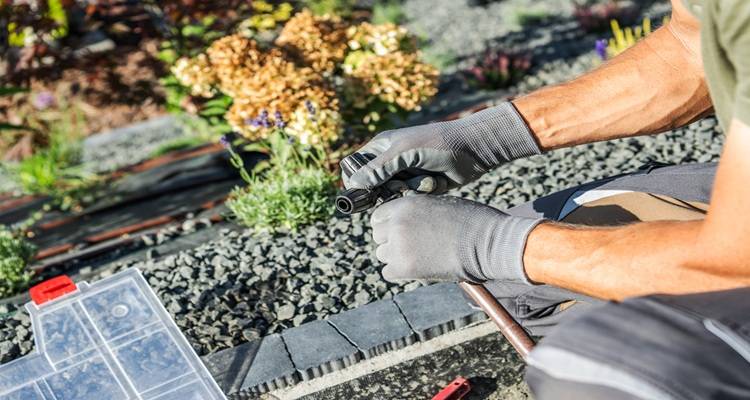
Smaller systems can often be a single-person job completed in a day. Larger systems often take a few days to complete, and may require a team of two or more to complete the installation.
If this system is especially large or complex, such as those with automated features and many zones, it can take as long as 3 or 4 days to complete. The overall timescale depends on factors such as garden size, system complexity, and ground conditions.
The table below shows the average labour costs you can expect for some typical irrigation installation projects.
| Project | Typical Labour | Installation Time | Typical Labour Cost |
|---|---|---|---|
| Basic drip irrigation system | 1 installer | 2 to 6 hours | £100–£250 |
| Small garden irrigation system | 1 installer | 1 day | £200–£350 |
| Medium lawn sprinkler system | 2 installers | 1 to 2 days | £400–£1,400 |
| Large automated irrigation system | 2 installers | 2 to 3 days | £800–£2,100 |
| Multi-zone system (large garden) | 2 to 3 installers | 2 to 4 days | £800–£4,200 |
Want a custom price?
Post your job
It's worth pointing out that where you live will also affect how much labour costs for your project, as labour rates for homeowners in London and the South East will typically be around 15% to 25% higher than the UK average.
Supply Costs
The costs of supply for irrigation system installations will take up a significant portion of the total cost. Irrigation systems rely on a combination of different components, working together to distribute water efficiently around your garden.
This includes everything from pipes, controllers, valves, filters, pressure regulators, and sprinkler heads, so this all adds up.
As with any home renovation project, the quality of the materials you specify will have an impact on the total cost. However, higher-quality components will usually offer the best performance and lifespan, justifying the higher upfront costs.
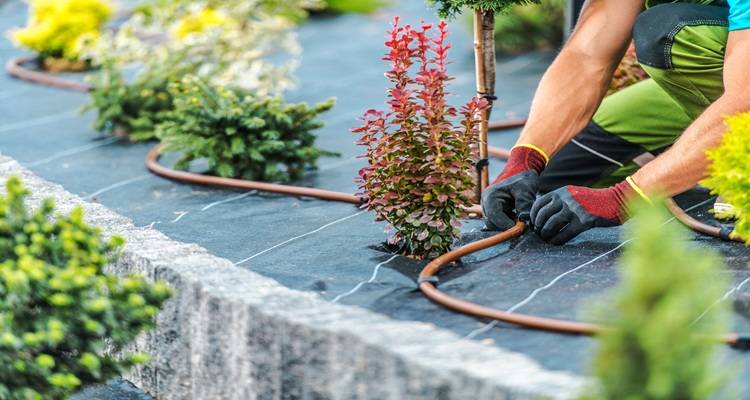
The table below shows you the components you will probably need for the different types of irrigation systems, and their typical costs.
| Component | Basic Drip System | Medium Lawn System | Automated System | Multi-zone System |
|---|---|---|---|---|
| Pipework | £40–£80 | £120–£220 | £180–£350 | £300–£600 |
| Sprinkler heads | — | £80–£180 | £150–£300 | £250–£600 |
| Drip tubing and emitters | £30–£80 | £50–£120 | Optional | £100–£200 |
| Solenoid valves | — | £40–£100 | £80–£180 | £160–£320 |
| Irrigation controller | — | Optional | £120–£220 | £180–£300 |
| Pressure regulator | £35–£50 | £35–£60 | £40–£70 | £50–£90 |
| Water filter | £25–£50 | £30–£60 | £35–£70 | £40–£80 |
| Rain/moisture sensor | — | Optional | £60–£120 | £80–£150 |
Want a custom price?
Post your job
You can see that some components are only necessary for larger or more complex systems, which naturally makes the supply costs for basic, smaller systems much lower. For the systems we've highlighted above, you can expect average supply costs as follows:
- Basic drip system — £130 to £260.
- Medium lawn system — £450 to £750.
- Automated irrigation system — £700 to £1,300.
- Multi-zone irrigation system — £1,100 to £2,300.
Factors Affecting Irrigation System Installation Costs
As we've already mentioned, there are several factors that impact the overall cost of an irrigation system. The list below looks at some of the most important considerations in more detail, and the impact they can have on your installation costs.
- Garden size — Perhaps the biggest factor in the cost of your irrigation installation is garden size, with bigger gardens requiring more materials and lengthier installation that increase costs.
- Garden layout — Complex garden layouts with separate areas or obstacles can require more complex, and costly, pipework.
- Ground conditions — Rocky, hard, or clay-heavy ground can make installation more difficult and increase labour costs.
- Existing landscaping — Existing garden features such as paths, patios, decking, and trees can restrict access and make laying pipes more difficult.
- System complexity — Complex systems with multiple zones will require control equipment that costs more and takes longer to install.
- Water supply and pressure — Additional equipment or alterations may be required if the water supply to your system has inadequate pressure or flow.
- Garden accessibility — Gardens with restricted access make it harder to get equipment and materials on site, increasing installation times.
- New installation or retrofit — Installing an irrigation system as part of current landscaping will usually be cheaper than retrofitting one in an established garden.
- Local labour rates — With labour rates typically higher in London and the South East, where you live may also increase your installation costs.
Ask a Trade
Got a question that only a tradesperson can answer? We have thousands of trades ready to answer any question you may have.
Ask your question

Additional Irrigation Installation Costs
Aside from the basic components of an irrigation system, some projects will have some additional costs you should be aware of. The following are some of the additional costs that you might need to consider.
- Ground preparation — Preparing the ground for your installation and clearing away vegetation and old landscaping can add to your labour costs.
- Reinstatement work — The installation process may disturb your current lawn, plant beds, and landscaping, which you might need to pay to have repaired.
- Electrical work — Pumps and irrigation controllers may need power supplies installing, so you may need to budget for some electrical work.
- Water supply alterations — Your costs could also increase if you need to modify your existing pipework to provide a suitable water supply.
- Ongoing maintenance — Once installation is complete, regular maintenance and repairs may be needed to keep your system working efficiently.
Not every installation will require these additional expenses, but it's good to be aware of them in case you do need to budget for the increased costs necessary for a successful installation.
Irrigation Controllers and Timers
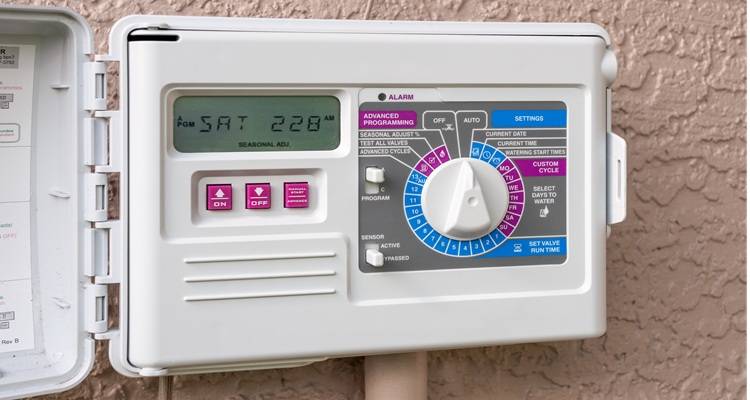
The majority of reliable irrigation systems will be reliant on timers and controllers to automate the water schedules. Basic manual timers will be the most cost-effective and are suitable for smaller systems, but digital controllers will offer much greater flexibility and precision, albeit a more expensive option.
There are even more advanced smart irrigation systems that can connect with local weather data and adjust schedules automatically based on temperature and rainfall. Again, these are more expensive, but offer much greater performance.
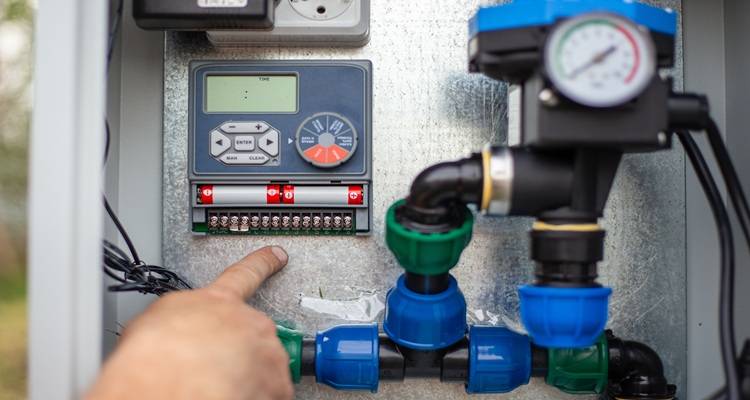
Although smart systems increase the initial installation cost, they can help reduce water usage and improve efficiency over time. This makes them a popular choice for homeowners looking to minimise long-term running costs and environmental impact.
Water Source for Irrigation Systems
Irrigation systems in general can be connected to a range of different water sources, and the choice of this source will impact the installation complexity and therefore also the cost.
The most commonly used source is to connect the system to the household's main water supply, which is generally the most straightforward installation method, but this will require compliance with local water regulations.
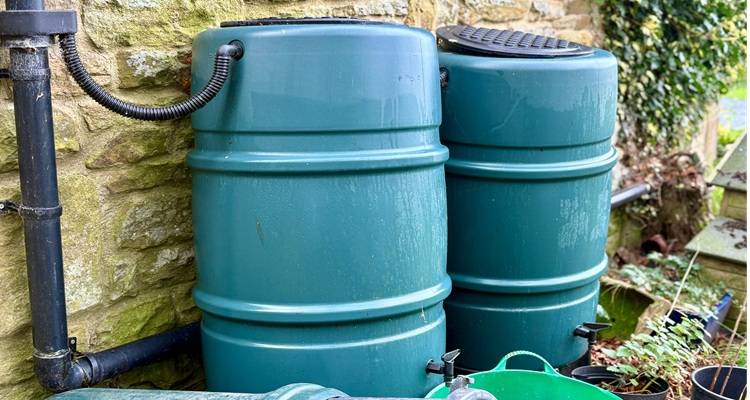
Alternatively, homeowners could use a rainwater harvesting system, water butts, or water tanks to reduce the reliance on the mains systems. Of course, this is the most sustainable option in an environmental sense, but it will require additional equipment such as filters and pumps.
In less common cases, boreholes may be used, although these are typically found in larger or rural properties.
Types of Irrigation Systems
There are several types of irrigation systems available, each suited to different garden layouts and watering needs:
Drip Irrigation
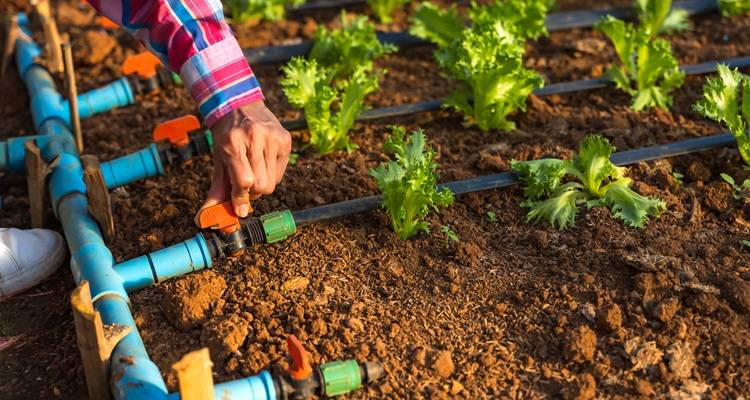
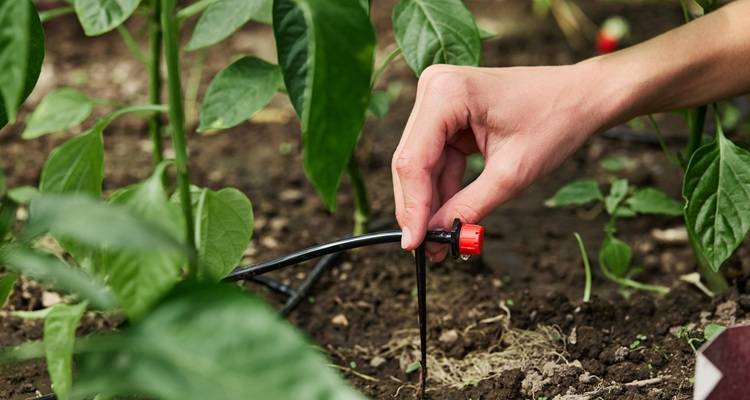
Drip irrigation systems will deliver water slowly and directly to plant roots to ensure they remain healthy and thriving. This is a highly efficient system that is ideal for vegetable patches and flower beds.
Sprinkler Irrigation
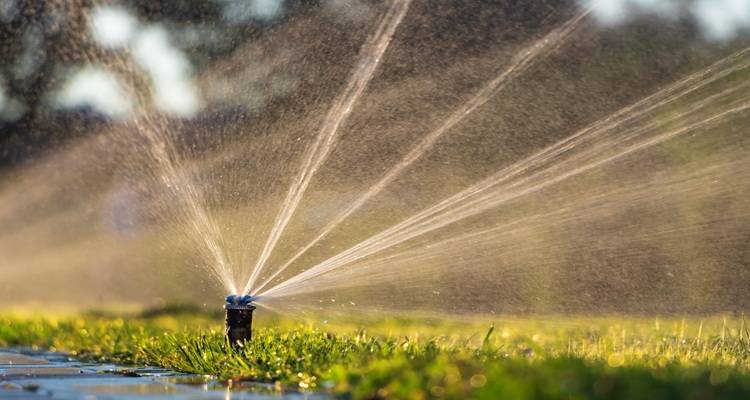
Sprinkler systems are the opposite of drip irrigation systems as they distribute water much more widely and externally, making them perfect for lawns, particularly when installed underground.
Soaker Hose System
Soaker hose systems are similar to drip irrigation as they provide a gradual water supply along the length of a porous hose, and are usually used in garden borders and flower beds. They offer a little less control than drip irrigation, but are simpler to install.
Automated Irrigation System
Fully automated irrigation systems combine these methods with timers or smart controllers to provide scheduled watering with minimal effort. However, more advanced systems typically cost more to install due to their additional components and technology.
Smaller irrigation kits may be suitable for DIY installation, but larger or fully automated systems are usually best installed by a professional landscaper or irrigation specialist to ensure the system is efficient, reliable, and suited to the space.
Ground Preparation Costs
A crucial element of an irrigation system installation is the ground preparation, especially if you opt for a system with underground pipework.
These works generally include the digging of trenches, levelling of surfaces, and ensuring the proper positioning of pipework across the space. The extent of preparation required depends on the size and layout of the garden, as well as the type of system being installed.
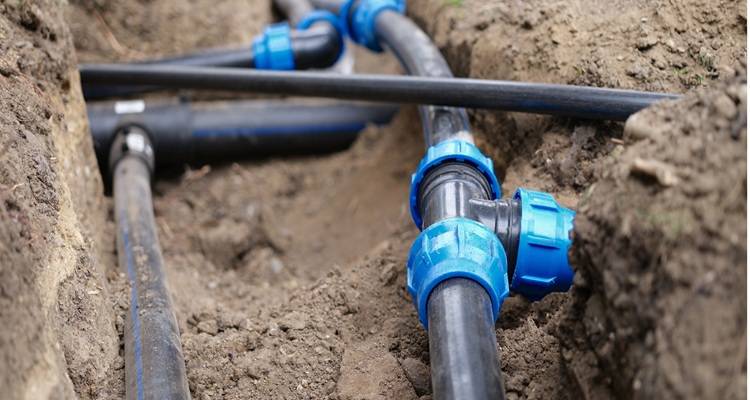
If the garden is uneven, with compacted soil, or there is limited access in certain areas, there may be a requirement for additional groundworks, which can increase the overall cost due to the additional labour required.
Ultimately, proper preparation is essential to ensure the system operates efficiently and avoids issues such as leaks or uneven water distribution.
Irrigation System Design
The most crucial step in the installation of an irrigation system is the planning. Some professionals may offer a design service before this installation to properly map out the garden layout, planning watering zones and pipe routes, and even assessing the available water pressure and flow rates.
A well-designed system will make sure that the distribution of water is even, consistent, and effective, along with avoiding some potential issues such as over- or under-watering.
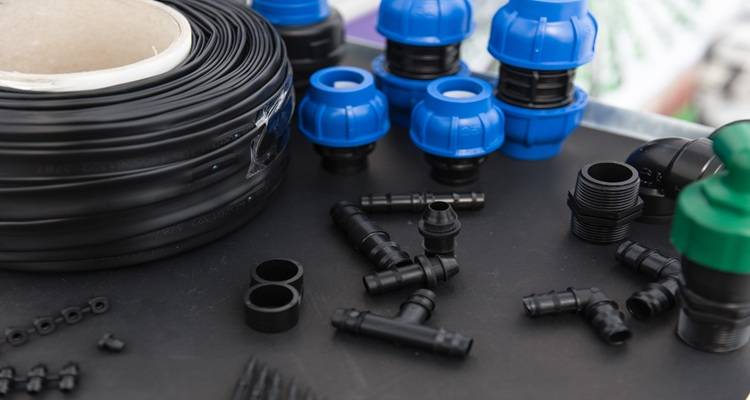
Although system design adds to the initial cost, it can improve efficiency and reduce the likelihood of future maintenance problems, making it a valuable step for larger or more complex installations.
Irrigation Zones
You may have spotted many mentions of zones, which is typically how irrigation systems are divided to allow different areas of a garden to be watered independently.
If a garden has a mix of flower beds, lawns, and vegetable patches, each of these zones will require a different watering schedule, lest one area becomes overwatered, while others need more.
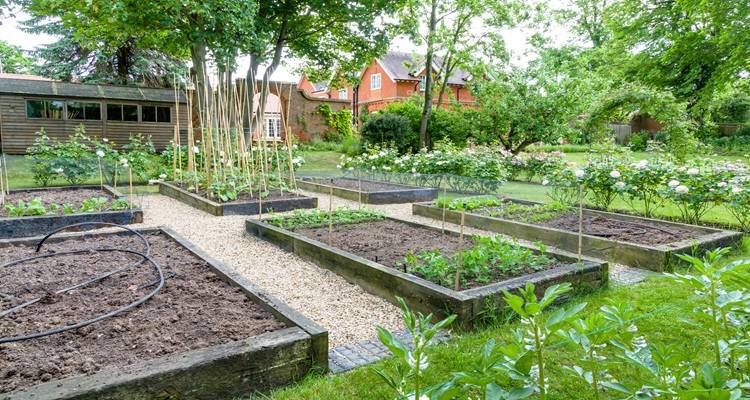
The number of zones required depends on the size of the garden, the types of plants, and the available water pressure. Systems with multiple zones require additional valves, pipework, and control systems, which increases the overall installation cost.
Building Regulations for Irrigation Systems
In the majority of cases, installing an irrigation system will not require planning permission. However, any system that connects to a mains water supply must comply with water regulations. This will include certain safeguards, such as backflow prevention, water efficiency, and safe plumbing connections.
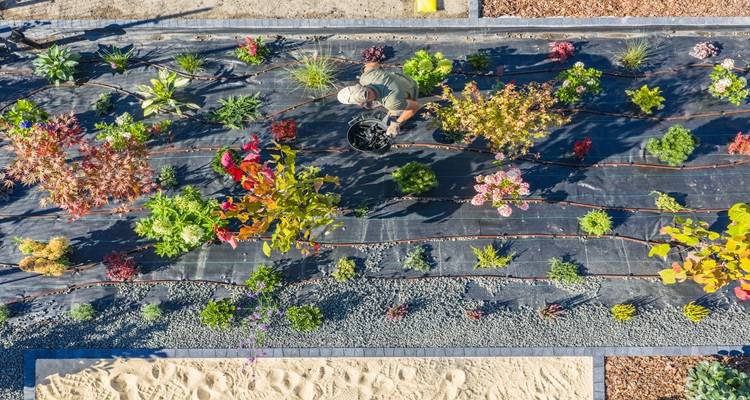
Professional installers will ensure that the system meets all necessary regulations, giving homeowners peace of mind that the installation is compliant and safe.
Alternative Garden Watering Methods
Some homeowners will look to some alternative methods other than a full irrigation system, of which there are a few. Of course, there are manual options like hoses and watering cans, and even sprinkler systems that are much more affordable, but they also require time and effort.
Additionally, these methods may work for smaller gardens, but for larger gardens, they struggle to be as efficient and effective as they need to be.
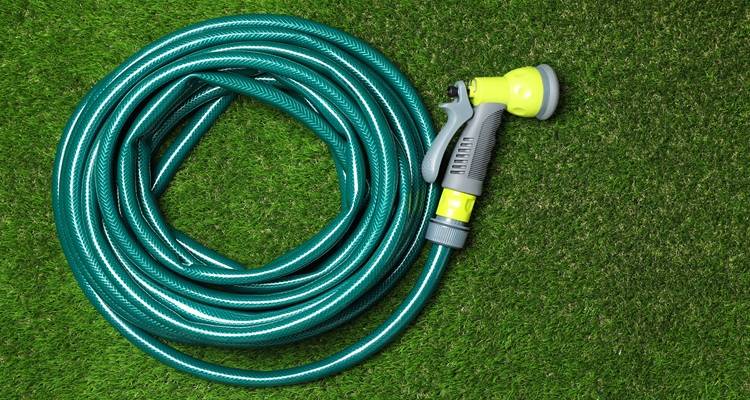
Portable irrigation kits offer a middle ground, providing some level of automation at a lower cost, although they typically lack the coverage and efficiency of professionally installed systems.
Hiring Contractors Checklist for Irrigation System Installation
When hiring a contractor, you should take certain steps to ensure you select the right person for the job. Firstly, obtain multiple quotes to make sure that the prices you receive are fair compared to the service being offered. From here, you should check that the contractors are fully experienced in the work, checking out reviews and previous examples of installed systems.
You should also ensure that the contractor is fully licensed and insured to work on your property. Ask to receive quotes in writing, with a full breakdown of what is included for the price to avoid any awkward issues down the line.
Using MyJobQuote can make it easier to find and compare local tradespeople.
Removing or Replacing an Irrigation System
If you are upgrading an irrigation system, there may be a requirement to remove the old one first. The cost to remove an irrigation system depends on its size, the components installed, and how accessible the garden is.
It will typically take a day or two to remove an old system, so bear in mind the cost of labour, which is around £150 to £300 a day, to get an idea of how much you may end up paying.
Running Costs of Irrigation Systems
You must consider the cost of an irrigation system beyond the installation. If connected to the water mains, irrigation systems will increase water usage and therefore water bills.
Again, the cost of this will differ depending on the size of the system and how much water it uses. A good contractor should be able to give you some guidance on how much water will be used over a certain period, which can give you a good insight.
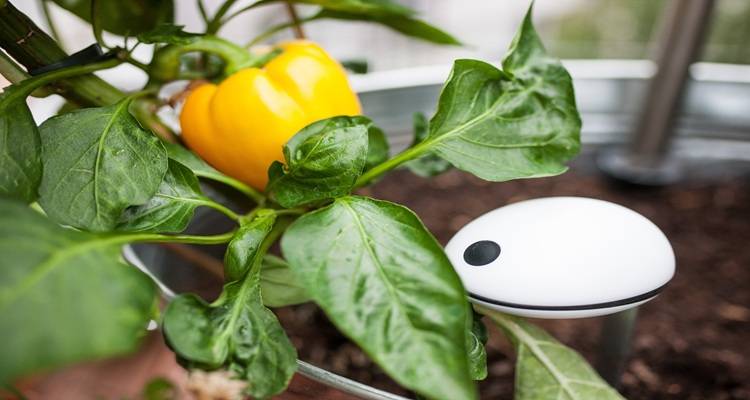
Of course, investing in smart controllers and rain sensors can help reduce unnecessary watering and improve efficiency, ultimately lowering long-term running costs. Over time, these features can help balance out the initial investment in the system.
FAQs
Is an Irrigation System Suitable for Small Gardens?
Yes, there are systems purpose-built for small gardens, such as drip irrigation or soaker hoses.
Can Irrigation Systems Be Installed Underground?
Yes, there are many systems that are designed to be installed underground, keeping them hidden and protecting pipework.
Do Irrigation Systems Require Maintenance?
There will be a requirement for ongoing maintenance to ensure that an irrigation system is operating effectively, such as checking for leaks and cleaning filters.
Will an Irrigation System Increase My Water Bill?
If connected to the water mains, your bills will increase. However, smart controls and sensors can help minimise this cost.