Builders
 Carpenters
 Electricians
 Flooring Specialists
 Gardeners
 Handymen
 Heating Engineers
 Painters & Decorators
 Plasterers & Renderers
 Plumbers
 Roofers
 Tilers
 my
myTree Crown Reduction Cost Guide 2026 | Average UK Prices
At a Glance
- The average tree crown reduction cost in the UK is between £400 and £900 per tree.
- A typical tree crown reduction takes between 4 and 8 hours, depending on the tree size and condition.
- Tree crown reduction costs in 2026 by tree size, including labour and waste removal costs.
- The cost factors tree surgeons consider when quoting.
- How to find a local tree surgeon using MyJobQuote.
Get free estimates
Are you a trade? Get more work today!
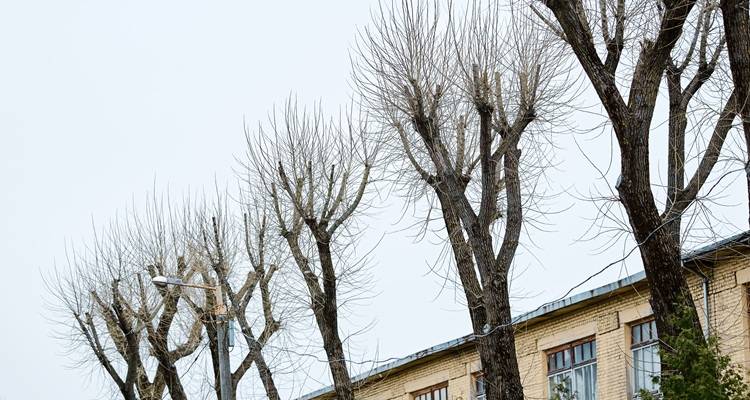
Tree crown reduction reduces the height and/or width of a tree using pruning methods that shorten the branches, while maintaining its natural shape. This type of work is typically completed by a qualified tree surgeon using specialist equipment and safety procedures.
The cost of tree crown reduction can vary depending on the size of the tree, its accessibility, the complexity of the job and whether it includes waste removal.
Ready to get a quote for a tree crown reduction?
Get free, no obligation quotes from local gardeners who can do the job for you. MyJobQuote is fast and easy, and it connects you with tree care professionals in your area.
Want to know more? Keep reading to find out about costs and how to get quotes!
£650
Table of Contents
- How Much Is Tree Crown Reduction in the UK?
- Tree Crown Reduction Labour Costs and Timescales
- How Much Do Tree Crown Reduction Supplies Cost?
- The Additional Costs That Could Influence a Crown Reduction Quote
- What Factors Affect the Cost of Crown Reduction?
- Cost of Tree Maintenance by Tree Type
- The Types of Tree Crown Reduction
- Alternative Types of Tree Work
- The Benefits of Looking After Your Trees
- Looking After Larger Trees
- Checklist: Hiring Contractors for Tree Crown Reduction
- Removing Trees Instead of Crown Reduction
- FAQs
How Much Is Tree Crown Reduction in the UK?
Tree crown reduction costs £650 on average in the UK. Prices start from £250 for a small tree and rise to £1,150 or more for a very large or mature one. The exact price depends on the tree size, its access, and how much of the crown needs removing.
What is crown reduction?
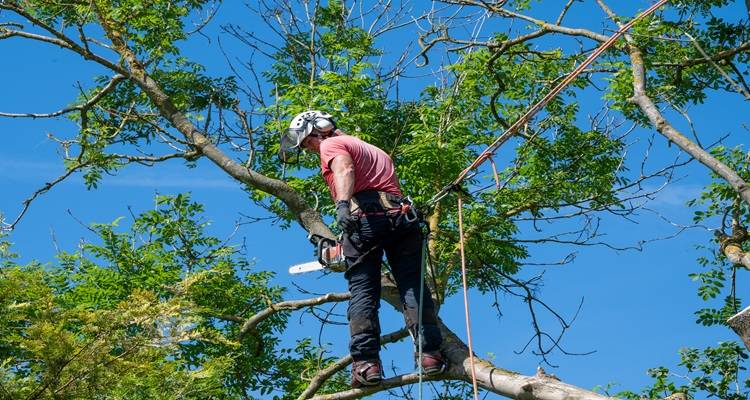
The crown is the part of the tree above-ground. Crown reduction involves removing branches to improve the tree's structure and health. Sometimes trees need to be cut for safety reasons because they are too close to utility lines, buildings or roads. Crown reduction also removes diseased or dead branches, reduces shading, and helps keep the tree's structure strong.
How much will it cost?
The cost of a tree crown reduction is influenced by several factors, which include:
- The height and overall size of the tree.
- The tree species and the density of the branches.
- The accessibility of the tree.
- The amount of reduction required.
- Whether the use of specialist climbing equipment or machinery is required.
- The disposal of the green waste.
Cost estimates for tree crown reduction can vary widely depending on key factors such as tree size, location, and the amount of work required. The price for a larger tree will be higher because the pruning will take longer, and it may require specialist equipment. Quotes from tree surgeons are more likely to be per tree or per job rather than at an hourly rate.
Tree Crown Reduction Prices
| Height of Tree | Time to Complete | Average Price |
|---|---|---|
| Small (up to 7m) | 2 to 4 Hours | £250–£400 |
| Medium (7 to 15m) | 6 to 8 Hours | £400–£640 |
| Large (15 to 18m) | 8 to 12 Hours | £640–£960 |
| Very Large or Mature (Over 18m) | 1 to 2.5 days | £960–£1,150 |
Want a custom price?
Post your job
Tree Crown Reduction Labour Costs and Timescales
Labour costs are heavily influenced by the amount of time the job takes. But there are also other factors that influence the final cost, such as the type of equipment used, how many people are doing the job and the tree surgeon's daily rate.

Here are some average labour-only costs for tree crown reduction based on hourly rates. More than 1 person will be needed if the job is complex, regardless of the size, but the job should take less time.
| Tree Size | People On the Job | Timescale | Average Total Labour cost |
|---|---|---|---|
| Small | 1 | 2 to 4 Hours | £100–£240 |
| Medium | 1 | 6 to 8 Hours | £300–£480 |
| Large | 1 | 1 to 2.5 Days | £400–£1,000 |
| Medium | 2 | 3 to 4 Hours | £300–£480 |
| Large | 2 | 4 to 6 Hours | £400–£720 |
| Medium | 3 | 3 to 5 Hours | £450–£900 |
| Large | 3 | 4 to 10 Hours | £600–£1,800 |
Want a custom price?
Post your job
How Much Do Tree Crown Reduction Supplies Cost?
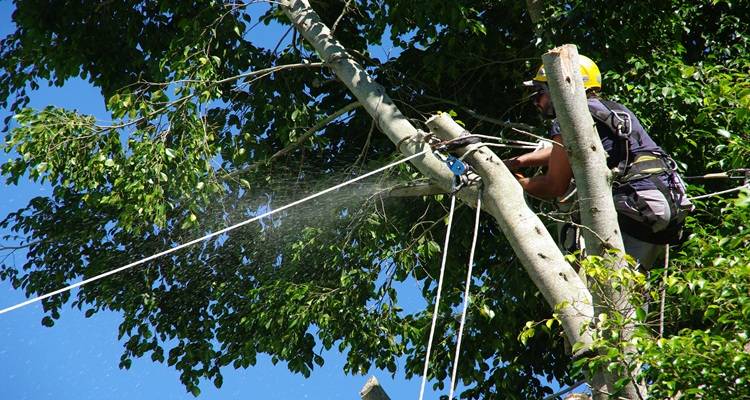
Tree surgeons are often working at height and therefore need to use safety equipment. They also use a range of specialist tools to cut and trim heavy branches. For complex work, such as large or difficult crown reductions, specialised equipment is often required to ensure safe and effective results.
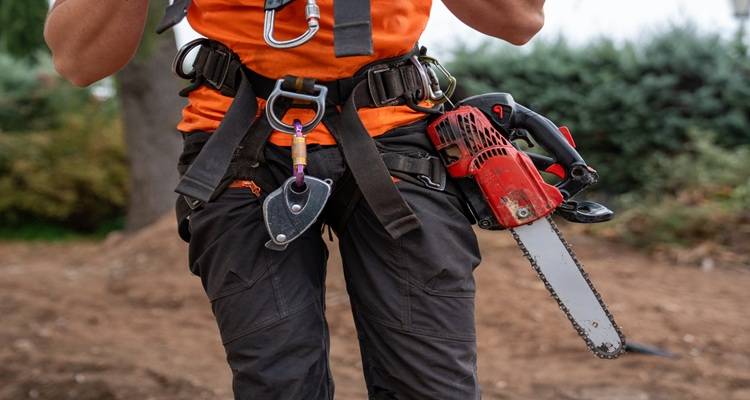
This type of equipment is usually expensive to buy, and these business costs will be reflected in the prices a tree surgeon will charge.
Common supplies include:
- Chainsaw
- Hand saws
- Pruning saws (for precise cuts during crown reduction)
- Woodchipper
- Pruning tools
- Pole saw
- Climbing ropes
- Ladders
- Rigging equipment
- Harnesses
- Personal protective equipment
- First aid kit
Climbing tall trees has a major fall risk, and therefore DIY crown reduction is not recommended. However, if you have very small trees that don't require climbing, you could carry out your own minor pruning.
The Additional Costs That Could Influence a Crown Reduction Quote
Sometimes you will need an additional service before or after tree crown reduction, and this will add to the total cost of the work. Typical additional services include:
Tree Inspections by Arborists
A tree inspection can provide you with information about pests and diseases, and highlight decayed or weak branches. If you are planning an extension, you may need to provide your local council with a survey that identifies the trees in your garden that may be affected by the new construction. The cost will depend on the number of trees and the issues you need covered. The average cost to survey trees for their condition is between £350 and £450.
Tree Health Treatments
Soil analysis, fertiliser treatment and insect and disease management are all treatments that can improve the health of your tree. Prices vary, but on average you can expect to pay between £90 and £350.
Branch or Stump Removal
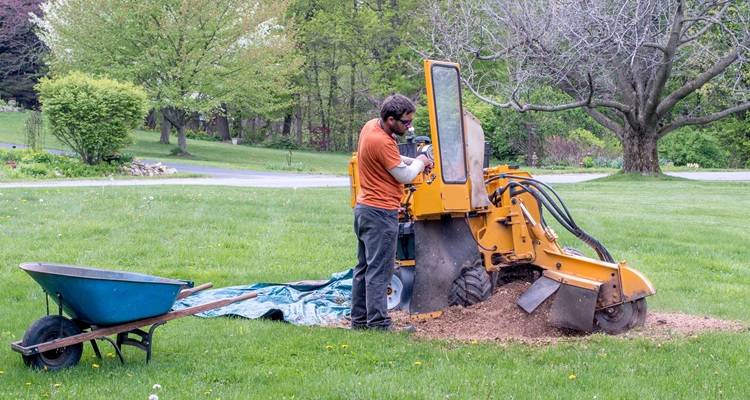
The cost of removing a tree stump from your garden will depend on its size, but on average, prices range from £150 to £350. Branch removal will cost between £50 and £250 if you use a private garden waste collection service.
Wood Chipping or Waste Removal
Most tree surgeons include wood chipping and garden waste removal as an add-on. The average cost is between £150 and £300, but it does depend on the amount produced after the crown reduction process.
If you have a lot of waste, it may be worth paying for a garden clearance, which can cost between £50 and £250. Alternatively, you can hire a skip. The average cost of skip hire is between £70 and £400.
If you have regular garden waste, you can subscribe to the council's green waste collection service, if your local council have one. It means you'll be given a dedicated wheelie bin and collections are normally made every 2 weeks, with a break during the winter months. Costs vary between £30 and £150 a year.
Tree Crown Lifting or Thinning
Tree crown lifting is the process of removing the lower branches of a tree. This might be because they are a hazard or are blocking access. The work can take up to a day to complete and will cost, on average, between £300 and £850.
Crown thinning removes branches that have become too heavy, weak or diseased. The process doesn't remove more than a third of the branches to preserve its health. The job often requires the use of a harness while working at height, and this will be reflected in the price. Average costs range from around £400 to £1,400.
Emergency Tree Work
If a tree has become a hazard due to storm damage, immediate tree removal or branch removal may be necessary. This means using a tree surgeon for emergency work.
Like all tradespeople, emergency callouts will cost more than a scheduled appointment. Many emergencies are out of hours, on bank holidays or at weekends. You should expect to pay between £200 and £1,500 to deal with a tree emergency.
Access Equipment
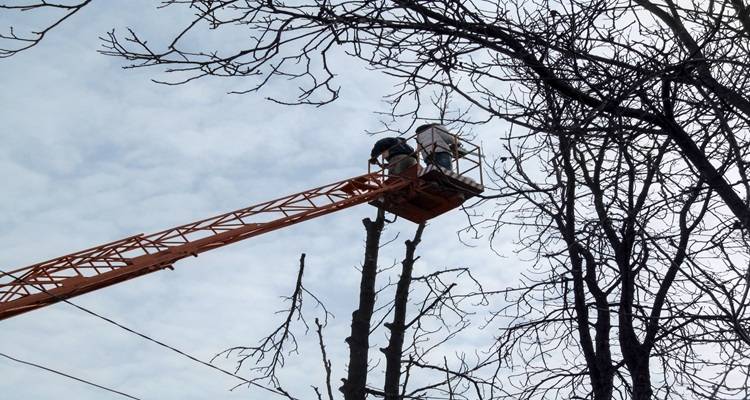
There are occasions when a tree surgeon will need to use special equipment to access a large tree. This may necessitate the hire of a cherry picker, boom lift or scaffolding. Cherry picker and boom lift hire on average costs between £200 and £350. To hire a scaffold tower, scaffold hire for a day costs around £50.
What Factors Affect the Cost of Crown Reduction?
There are a multitude of factors that can increase or reduce the overall cost of crown reduction.
- Trees located close to fences or power lines may take longer to prune because more care than usual is necessary.
- Tree height and canopy size will influence the time it takes to do the job and whether extra equipment is needed.
- Access to the tree might mean moving equipment and removing branches takes longer, and will therefore add to the cost of labour.
- Trees close to buildings or roads need extra precautions because branches will need to be lowered on pulleys to ensure people or property aren't put at risk.
- To carry out the work safely, a tree surgeon may need to use specialist equipment or a team of tree surgeons.
- If a job needs a scaffold tower or a cherry picker, the extra costs will be added to your quote, so a job that needs scaffolding will usually be more expensive than the average job.
- Waste removal costs depend on the amount of waste, the method of transportation and disposal. A tree surgeon may include these costs in their quote, but if not, you will need to make your own arrangements.
- Your location within the UK will have a bearing on the amount you pay for crown reduction. London and the South East of England are typically more expensive than other parts of the UK. Big cities, too, may be costlier than rural areas.
Cost of Tree Maintenance by Tree Type
The tree in your garden is a major factor in how much cash it'll cost you to keep it looking neat and in good condition.
Different trees have different needs. For instance, a fruit tree will need a bit of regular pruning to get the best out of it, while an evergreen isn't so needy but may need a serious prune now and again to tidy it up.
The cost of all this tree maintenance can vary, anything from £250 right up to £1,500 or even more, all depending on what type of tree you've got, how big it is and how complicated the job is going to be.
Your best bet to get to the bottom of what your tree needs is to have a chat with a local tree surgeon, who can give you a proper assessment of what's what and a decent estimate of how much it's going to set you back. You want to make sure you're doing it right so it stays healthy and looking good.
The Types of Tree Crown Reduction
There are three types of tree crowning procedures, and each one has its advantages and disadvantages:
Standard Crown Reduction
Standard crown reduction cuts back around 10% to 30% of the overall size of a tree. This is done by shortening the tree's branches, which then reduces its height and width. The procedure enhances its natural shape and promotes healthy growth. Standard crown reduction costs between £250 and £1,150.
Pros
- ✔ Enhances the tree's appearance
- ✔ Improves health
Cons
- ✖ Too much foliage removal could cause structural weakness.
- ✖ Will not fix poor soil conditions.
Crown Thinning
Crown thinning is carried out by removing smaller branches to allow more natural light to filter through to the ground below without reducing the size of the tree. It also reduces wind resistance, so there is less risk of the tree falling during strong winds. Crown thinning costs, on average, range between £400 and £1,400.
Pros
- ✔ Improves wind resistance.
- ✔ Increases air circulation.
Cons
- ✖ Needs to be repeated every 1 to 3 years.
- ✖ Should be carried out by a professional to prevent shock and stress.
Crown Lifting
Removing the lower branches of a tree is the process of tree crown lifting. It is often done to improve access to a patio or driveway or reduce the shade it creates in your home or garden. Crown lifting is on average between £300 and £850.
Pros
- ✔ Boosts light and air circulation
- ✔ Improves safety
Cons
- ✖ Excessive crown lifting can cause difficult-to-heal wounds.
- ✖ Lion tailing can occur with poorly managed pruning, causing a weakened structure and branch failure.
Ask a Trade
Got a question that only a tradesperson can answer? We have thousands of trades ready to answer any question you may have.
Ask your question

Alternative Types of Tree Work
Tree crown reduction has many benefits, but if you have a tree in your garden, you may also want to consider other treatments or solutions.
To make it easy for you to compare, have a look at the table below, which shows the various types of tree work, the benefits and the average costs of each service.
| Tree Work Service | Benefits | Best Time of Year | Average UK Costs |
|---|---|---|---|
| Tree Pruning | Improves tree health | Deciduous trees in winter, evergreens in spring and summer, diseased branches anytime (as long as there are no active nests) | £180–£400 |
| Tree Crown Thinning | Improves airflow and reduces wind resistance | November to March | £400–£1,400 |
| Tree Crown Lifting | Improves access at ground level and improves natural light | November to March | £300–£850 |
| Pollarding | Controls the size and shape of the tree | February or March | £450–£1,200 |
| Tree Removal | Reduces structural damage to nearby property, improves the health of remaining trees, and creates garden space. | November to March, when trees are dormant | £150–£3,000 |
| Stump Grinding | Cheaper alternative to full tree stump removal | November to February | £60–£400 |
Want a custom price?
Post your job
Tree Pruning
Tree pruning removes unwanted branches. It may be that they are causing overcrowding, creating too much shade, or they are dead or diseased.
Tree Crown Thinning and Lifting
Both these procedures are carried out by removing small or lower branches to create more light or to establish access to a previously blocked path or driveway.
Pollarding
Pollarding helps to keep a tree at a certain size, and it is achieved by removing the upper branches of the tree, which then encourages dense foliage growth. It is not a one-off procedure. To keep the tree at a manageable size, it will need pollarding every 1 to 3 years.
Tree Removal
Sometimes it's necessary to remove a tree because it is dead, badly diseased, or the roots are causing structural problems to a house. It is a job which should be done by a professional because it can present safety risks.
Stump Grinding
After a tree has been removed, the stump is often left in place. Householders who don't want to use it as a garden feature can have it ground down using a special grinding machine. The procedure leaves the garden level, but the roots and the rest of the stump are still below ground.
The Benefits of Looking After Your Trees
Taking regular care of your trees is a smart investment, and one that brings a whole lot of benefits for both your trees and your property. By getting into a routine of pruning and trimming your trees on a regular basis, you can help keep your trees looking their best by getting rid of dead, broken or diseased branches that might otherwise just cause problems and slow them down a bit.
Keeping your trees healthy in this way also reduces the risk of accidents happening and helps them to grow strong and healthy in the years to come. Plus, well-maintained trees are always a real draw when it comes to kerb appeal, and can actually increase the value of your property at the same time.
By getting into the habit of regular tree maintenance, you'll be able to catch any potential problems before they become major issues, saving you from any costly repairs down the line, or even having to have the tree removed entirely.
In the end, regular maintenance just makes sure that your trees stay safe, look great and stay a valuable part of your outdoor space.
Looking After Larger Trees
Taking care of big trees is a bit different, given their size and the potential risks involved. When it comes to trees that are high (or those close to power lines or buildings), a professional is going to use the right gear, like cranes or cherry pickers, to get up there safely.
Big trees usually cost more to care for, given how complicated it is and the safety measures that need to be taken.
However, regular maintenance is essential to stop branches from snapping, which can cause serious damage or pose a real safety risk. A professional tree surgeon can come and take a look at your large tree, work out its condition and figure out a maintenance plan that keeps it healthy and secure, protecting both your property and the tree itself.
Checklist: Hiring Contractors for Tree Crown Reduction
MyJobQuote makes it easy to obtain no obligation quotes from tree surgeons in your area. When you receive quotes for tree crown reductions, it is important that you check the following:
- Do they have the right qualifications? A tree surgeon must legally have had sufficient training, such as holding a certificate of competence covering chainsaw use, aerial tree work, and rescue operations. Choose a tree surgeon who holds either NPTC by City & Guilds or Lantra Awards.
- Are they an ARB Approved Contractor? The Arboricultural Association assesses approved tree surgery businesses on their quality of work, safety procedures, and customer care.
- Will they check for Tree Preservation Orders (TPOs) or conservation area rules? A reputable tree surgeon confirms whether the tree is protected before any work starts, although you should also check it yourself with the local council's tree officer before commissioning the work.
- Do they have public liability insurance? Tree work carries a real risk of damage to property or injury, so this cover is essential. If they employ staff, employers' liability insurance is a legal requirement.
- Is waste removal included? Crown reduction produces a lot of branches and wood chip, so confirm that disposal is included in the total cost quoted.
- Do they have positive reviews? Read what previous customers say about their tree work.
- Have you got more than one quote? You should compare at least 3 quotes using MyJobQuote so you can choose the tree surgeon that best matches your budget.
Removing Trees Instead of Crown Reduction
There are situations when crown reduction won't be the right treatment. Crown reduction will help to improve a tree's shape, reduce its size and remove decayed branches.
But if you have a tree that has a serious health issue with severe infestation, and there is a danger of the tree becoming so weak that it falls, removal may be the safest option.
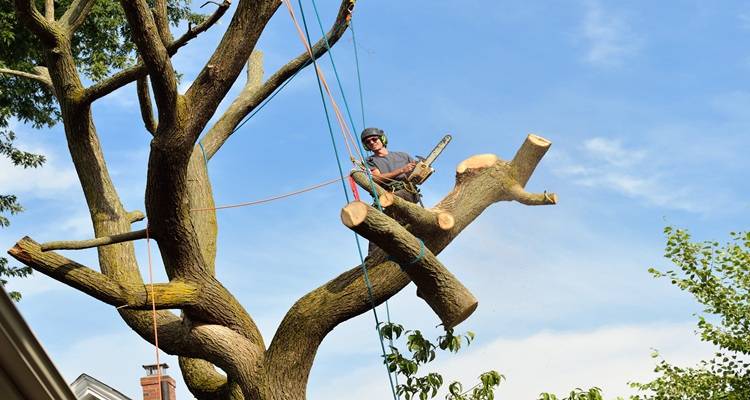
Another reason to fell a tree is if it is causing a structural problem with your house or nearby structures, underground pipes or drainage systems.
The tree removal cost is higher than for crown reduction, as the work is labour-intensive and may also require additional work such as stump removal or stump grinding, which can add to the cost of the project.
FAQs
How Often Should a Crown Reduction Be Carried Out?
How often you should reduce the tree's crown depends on the species, how fast it grows, how much was removed in the last cut, and why the reduction is needed. Taking off too much in 1 year can instead encourage excessive regrowth, so it's best to only cut back the crown when the tree has outgrown its space or has dead or diseased branches.
When Is the Best Time to Do a Crown Reduction?
Winter is generally the best season to perform a crown reduction on most deciduous trees, as the branches are more visible. Ideally before Christmas, as cuts later than this can bleed. Some species (e.g. magnolias and walnuts) do better with a crown reduction in late summer, and others (e.g. cherry trees) are best pruned mid-summer to reduce the risk of silver leaf disease. Regardless of species or season, work must always be stopped if an active nest is found.
What Are the Signs My Tree Needs a Crown Reduction?
A tree that is overgrown with overhanging branches that sway dangerously in the wind, or a tree that is blocking the light or too close to power lines or buildings, will benefit from a crown reduction. It will reshape the tree and promote healthy growth from improved sunlight and air exposure.
Can I Carry Out Crown Reduction Myself?
Crown reduction is a specialised procedure. It requires specialist equipment and working at height. For these reasons, it is not recommended as a DIY task. Hiring a tree surgeon ensures that the job is carried out professionally and in line with industry safety standards.
Do You Need Permission for Tree Crown Reduction?
No, tree crown reduction does not usually need planning permission or building regulations approval. The exception is a tree protected by a Tree Preservation Order (TPO), where you must get your local council's permission before any work, including crown reduction, pruning, or crown thinning. In a conservation area, you must give the council at least 6 weeks' notice before any tree work starts.
Can I Cut Back a Neighbour's Branches That Overhang My Garden?
Yes, you can cut back overhanging branches up to your boundary line, but no further, and you must not enter your neighbour's land without permission. The cuttings still belong to your neighbour, so offer them back rather than throwing them over the fence.
If the tree has a TPO you will need written consent from the council before working on the tree, or if it is in a conservation area (but without a TPO), you will need to give the council 6 weeks' written notice, after which point you can go ahead unless the council issues a TPO.
What Is the Difference Between Crown Reduction and Tree Topping or Lopping?
Tree crown reduction selectively shortens branches to reduce the tree's height and spread while keeping its natural shape and health. Topping, also known as lopping, cuts branches back to stubs with no regard for the tree's structure, which weakens it, invites decay, and encourages unstable regrowth. A qualified tree surgeon will recommend crown reduction instead of topping.