Builders
 Carpenters
 Electricians
 Flooring Specialists
 Gardeners
 Handymen
 Heating Engineers
 Painters & Decorators
 Plasterers & Renderers
 Plumbers
 Roofers
 Tilers
 my
myHow Much Does Liquid Plastic Roofing Cost?
At a Glance
- The average cost of installing a liquid plastic roof is £2,600
- Depending on the complexity of the job, it usually takes between 1 and 3 days
- A breakdown of how much it typically costs to install a liquid plastic roof in the UK
- What impacts the cost you’ll be quoted in 2026
- How to find and hire a liquid plastic roof installation specialist and what questions to ask
Get free estimates
Are you a trade? Get more work today!
Liquid plastic roofing is a seamless waterproof coating, applied to flat or low-pitched roofs to protect against water ingress and extend the roof’s lifespan. It’s used for new roofs or to refurbish old roofs, as it can be applied over existing felt and asphalt.
While it is an easy-to-use product, suitable for DIY roofing projects, it is also chosen by roofing contractors as an effective and efficient flat roof covering.
The cost of applying liquid plastic roofing depends on the size of the roof, condition of the existing surface, the type of system used, ease of access and whether preparation or repair work is needed first.
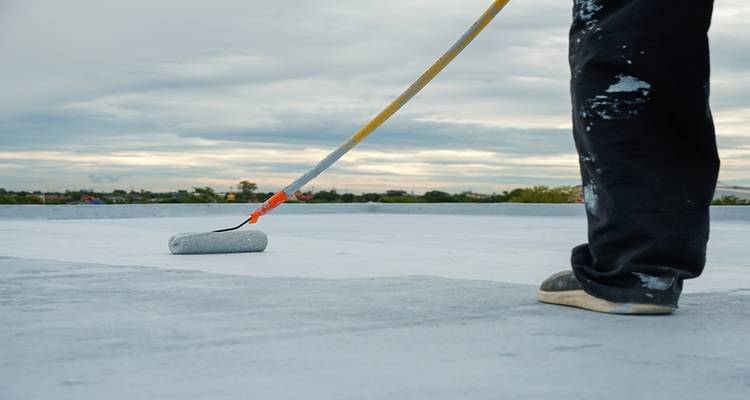
£2,600
Table of Contents
- How Much Is Liquid Plastic Roofing?
- Supply Costs for Liquid Plastic Roofing
- Additional Costs of Liquid Plastic Roofing
- Labour Costs and Timescales for Liquid Plastic Roofing
- Cost Factors for Liquid Plastic Roofing
- Building Regulations for Liquid Plastic Roofing
- Types of Liquid Plastic Roofing
- Alternative Types of Flat Roofing
- Hiring Contractors Checklist for Liquid Plastic Roofing
- Removing Existing Roof Coverings Before Liquid Plastic Roofing
- FAQs
How Much Is Liquid Plastic Roofing?
Liquid plastic roofing is cost-effective, with an average full installation price of around £40-£90 per m2.
Based on this, a small flat roof of 12 m2 costs £480-£1,080 while a complex, extension roof of 50 m2 costs £2,000-£4,500. A medium-sized flat roof of 25 m2 costs between £1,000 and £2,250.
Overall, the average cost to lay a liquid plastic roof depends on:
- Size of the roof
- Condition of the substrate
- Amount of preparation work required
- Number of coats or reinforcement layers needed
In addition, costs may rise if the roof needs extensive cleaning, repairs to the deck, reinforcement detailing around joints and upstands or the application of a primer.
Where scaffold access is required, this increases the final price. In terms of labour, rates vary around the UK, with higher prices often found in London and the South East.
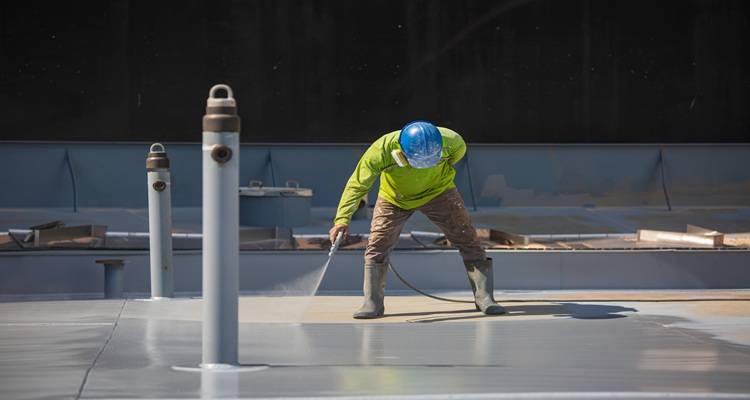
Liquid Plastic Roofing Prices
| Type of job/project | What’s included | Estimated timescale | Average price |
|---|---|---|---|
| Large flat roof | Clean and repair roof, apply reinforcement/sealant to joints and upstands, apply primer (if needed), cut into corners and edges, first coat application, curing, second coat application | 2-3 days | £1,600-£3,600 |
| Extension flat roof | Clean and repair roof, apply reinforcement/sealant to joints and upstands, apply primer (if needed), cut into corners and edges, first coat application, curing, second coat application | 2-3 days | £2,000-£4,500 |
| Medium flat roof | Clean and repair roof, apply reinforcement/sealant to joints and upstands, apply primer (if needed), cut into corners and edges, first coat application, curing, second coat application | 1.5-2 days | £1,000-£2,250 |
| Garage roof | Clean and repair roof, apply reinforcement/sealant to joints and upstands, apply primer (if needed), cut into corners and edges, first coat application, curing, second coat application | 1.5-2 days | £800-£1,800 |
| Small flat roof | Clean and repair roof, apply reinforcement/sealant to joints and upstands, apply primer (if needed), cut into corners and edges, first coat application, curing, second coat application | 0.5-1 day | £480-£1,080 |
| Labour-only installation | Clean and repair roof, apply reinforcement/sealant to joints and upstands, apply primer (if needed), cut into corners and edges, first coat application, curing, second coat application | 1-3 days | £20-£40 per m2 |
| Roof preparation | Clean the roof, remove loose material, moss, algae, and grease, allow to dry, and carry out repairs | 2-3 hours | £10-£25 per m2 |
| Scaffolding | Install secure scaffolding with edge protection around the roof perimeter | 2-4 hours | £650-£1,200 |
Supply Costs for Liquid Plastic Roofing
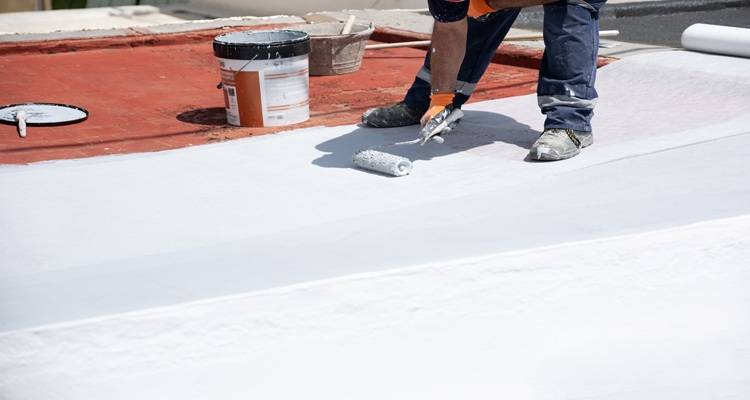
Understanding the supply costs for the different elements of a plastic roof can help you to budget more effectively.
Primer
The price of liquid plastic roofing primer varies, depending on the brand and its compatibility with different substrates. However, costs average between £20 and £60 per litre, with some specialised formulations costing up to £75 per litre.
Liquid Membrane
Liquid plastic roofing membrane costs approximately £15-£20 per litre, depending on the brand you choose. Some have reinforcement built into the liquid, and others are UV-resistant.
Reinforcement Fleece
Reinforcement fleece costs between £3 and £4.50 per linear metre for standard metre-wide rolls. Narrower rolls are used for detailing and cost approximately £1.25 per linear metre. Prices vary depending on the brand, roll size and weight of the fleece.
Top Coats
Top coats which protect against UV damage, anti-slip finishes which allow foot traffic or those that add reflectivity to cool the roof, are an additional cost. Prices range from £12 to £30 per litre.
Trims
Trims are used with liquid plastic roofing to provide a smooth transition from the roof covering to walls, roof edges and to direct rainwater into the guttering. Costs are between £6 and £15 per metre, depending on the profile shape and size, as well as the material used.
Flashing Materials
Liquid-applied resins and reinforcement fabric or matting serve as flashing materials on liquid plastic roofs. The cost varies depending on the type and brand used, but prices are around £4-£15 per metre.
Sealants
Polyurethane or hybrid polymer sealants are used in the corners, seams, on fasteners and around air vents. Costs depend on which type you use and the brand, but range from £12 to £20 per kilo.
Repair Materials
Effective repairs on a liquid plastic roof must be made with appropriate materials such as reinforcement matting, detail or joint sealant and spot repair compounds. Prices vary from £30 to £80.
The supply costs of a liquid roof covering vary depending on the type and brand used, the roof size, the complexity of the detailing and whether the product is made for full waterproofing or refurbishment. Premium systems and extra preparation materials will push costs up.
Additional Costs of Liquid Plastic Roofing
In addition to the main installation cost of your liquid plastic roof, you may also need to budget for things like scaffolding and skip hire, insulation upgrades or drainage improvements. Let’s take a look at some of the most common extras for this type of project.
Scaffold Hire
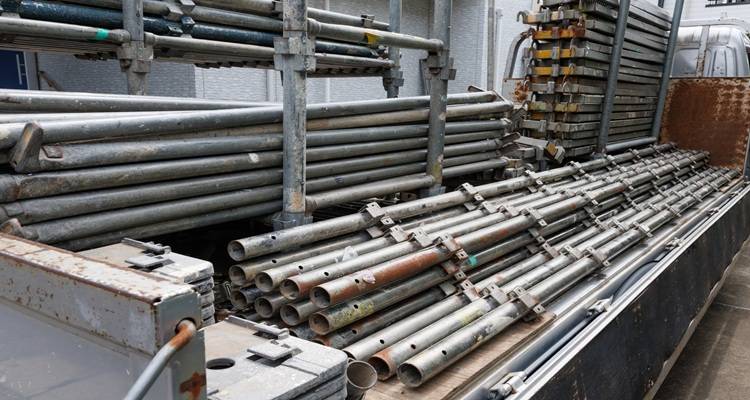
If you’re building a new roof, you’ll need full scaffolding, but if you’re refurbishing an old flat roof, you may only need a scaffold tower for access. In these cases, your flat roof is your working platform. The cost of full scaffolding for a hire period of six weeks is around £5,000-£6,000, while a scaffold tower costs £650-£1,000 for the same period.
Skip Hire
A typical 8-yard builder’s skip costs between £160 and £370. If the skip has to go on the public highway, you’ll also need a permit. Costs for these vary depending on your local authority, but an average price is around £30-£80, with higher fees in London and the South East.
Waste Removal
How many times your skip needs to be replaced will impact your waste removal costs. If you have asbestos in your roof, you must hire a specialist to remove and dispose of it. It cannot be put in a skip, and removal can cost between £300 and £1,000.
Roof Cleaning
When using liquid plastic roofing to refurbish an old roof, the existing covering needs to be properly cleaned first. The cost for this depends on the extent of the cleaning, with prices from £5 to £12 per m2 for felt and asphalt roofs.
Deck Repairs
All repairs must be done before you apply your new liquid roof covering. How much it costs to put right will depend on the extent and type of damage, as well as the underlying substrate, i.e., concrete or OSB. Repairs can cost from £45 to £120 per m2.
Insulation Upgrades
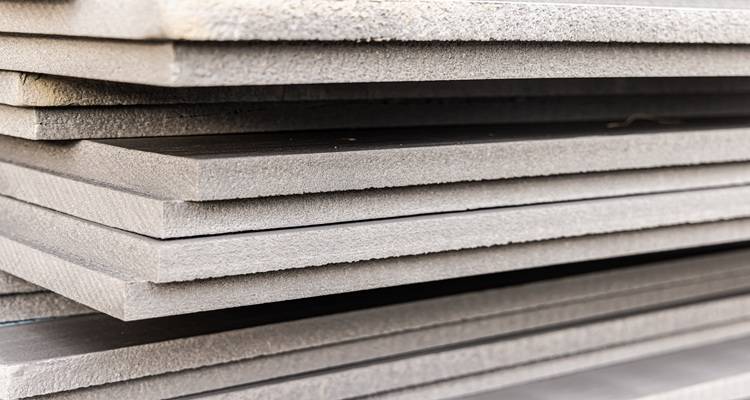
If an upgrade to your roof’s insulation is needed, this adds to your costs. Rigid insulation in the form of 8’x 4’ boards are used. Prices range from £20 to £112 per board, depending on the brand and board thickness. Rigid insulation is available in 25mm to 150mm thickness.
Edge Trim Replacement
Where the edge trim needs to be replaced as part of the installation process, prices for edging range from £6-£15 per metre depending on the particular profile, its size and the material the edging is made of.
Drainage Improvements
Drainage improvements for a new liquid roof covering can be anything from installing new outlets to altering the roof deck. Costs range from £15 to £50 per m2, depending on the extent of the necessary improvements.
Removing Old Roof Coverings
Taking up the old roof covering before laying a new liquid plastic roof increases your costs. Depending on how many layers there are, prices for removal are between £5 and £20 per m2 for labour alone. Skip hire and waste disposal add between £200 and £500 to the final cost.
Flat roofs can be prone to a range of problems, so it’s not surprising that when the roof is closely inspected, issues become apparent. You may discover faults such as rotten decking, blistering, damaged flashings, poor falls and trapped moisture. All of which adds to your costs.
Labour Costs and Timescales for Liquid Plastic Roofing
Installing a liquid plastic roofing system is a labour-heavy project. So it’s a good idea to know what type of contractors carry out this type of work and how much they charge.
Flat Roofing Specialists
Flat roofing is quite different to building a pitched roof, with its own unique challenges, so having a flat roof specialist fit your liquid covering is a good choice. Typically, daily rates range from £200 to £350, with the higher labour rates in London and the South East.
Waterproofing Contractors
Liquid plastic roofing is essentially a waterproof membrane and can be fitted by waterproofing contractors. Daily labour rates range from £250 to £320, although some contractors prefer to charge by the m2 of the area to be covered.
General Roofers
General roofers are also able to install a liquid plastic roofing system and typically charge between £200 and £360 per day. In London and the South East, rates can be as high as £500 per day. Ensure that any general roofer you hire has previous experience installing a liquid plastic roofing system.
Timescales
The installation time for a liquid plastic roof is typically 1-3 days, with the application of the membrane itself taking 2-4 hours. Small areas such as a garage roof can be done in a day or so, while larger roofs with skylights, upstands, flues and pipes take longer.
The extent of preparation needed also impacts the timescale. Removing the old roof covering may take longer than expected, especially if there are several layers of old bitumen to be scraped off.
Cleaning must be thorough too, as the membrane won’t adhere properly if the surface is dusty, greasy or damp. Taking the time to do this properly pays off in the long term.
Other factors that impact the timescale are:
- Size of the roof - larger areas take longer to strip old roof coverings, clean, repair, and apply the membrane to
- Weather conditions - low temperatures can make the liquid more viscous and may slow curing times, while extreme heat can cause it to dry too fast, leading to poor adhesion.
- Drying and curing times - different types of liquid plastic roofing vary in their curing times and require optimum conditions.
- Need for repairs - the need and extent of repairs can slow down the preparation stage of the installation.
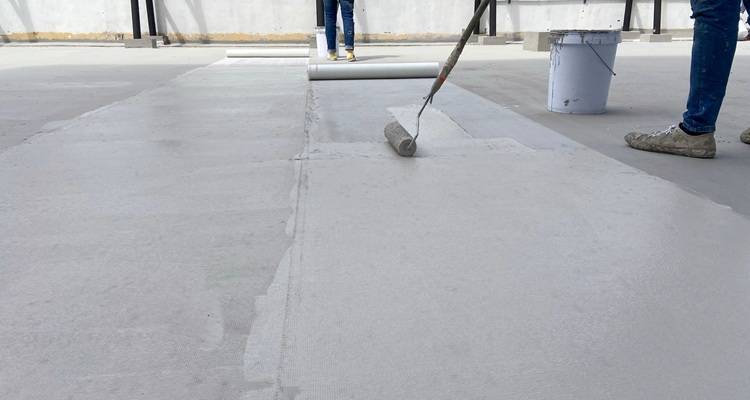
Cost Factors for Liquid Plastic Roofing
To budget for your roofing project, it’s helpful to know the different factors that affect the costs.
Size of the Roof
The bigger the roof area, the more materials, labour and preparation are needed for applying liquid plastic roofing, increasing the price. It is a labour-heavy project, and this cost factor makes up the majority of your outlay.
Condition of the Existing Substrate
The substrate is the underlying surface to which the membrane is applied. This may be an existing roof covering such as felt, EPDM or asphalt.
Similarly, these coverings may be removed and the membrane applied to the existing roof deck. Or it can be poured onto a brand new roof deck. Whichever substrate is applicable to your project, it must be in good condition, and any repairs should be done first.
Where repairs need to be made or the existing roof covering removed, this adds to the timeline, material and labour costs.
Amount of Cleaning and Preparation Needed
Whichever surface the liquid membrane is going on, it must be sound, dry, clean and free of grease. Preparation is key to the success and longevity of the liquid plastic roofing system, and the amount of cleaning and other preparation needed will add to the budget.
Ease of Access
Getting safe access to the roof is vital to the project, and this can add to your costs. A scaffold tower is typically used for small buildings like a garage, but full scaffolding may be required if the flat roof is on the first storey of the property.
If site access is difficult or restricted, the delivery of scaffolding, materials and a skip can mean higher labour costs as items need to be moved manually.
Need for Scaffolding
Where scaffolding is needed, this will add to your outlay for the project. Small, single-storey buildings may only require a scaffold tower, but higher roofs need full scaffolding. Depending on which one you need, your costs will increase accordingly.
Type of Liquid System Used
There are many different types of liquid plastic roofing, including polyurethane liquid roofing, acrylic systems, reinforced liquid membranes, and cold-applied waterproofing systems. Depending on which one you use, the price will vary.
Complexity of Roof Details
Another cost factor is the level of complexity of the roof details. Completely flat surfaces are easier and cheaper to deal with than those with outlets, upstands, rooflights and edge trims. These roofs take longer to lay the membrane on, so the labour cost will be higher.
Other elements which add to your budget are the need for reinforcement, whether insulation upgrades are required and whether the liquid roof is being used as an overlay or as part of a larger refurbishment.
You also need to consider the variation in regional labour rates as tradespeople charge more in London and the South East than in other areas due to the higher cost of living.
It’s also important to note that saving money on a cheap installation may cost you more in the long term if the roof is not prepared properly or the wrong system is used.
Building Regulations for Liquid Plastic Roofing
There are several Building Regulations that the installation of a liquid plastic roof needs to comply with. While like-for-like repairs or recoating work may not need approval, extensive roof work or upgrades affecting thermal performance need to comply with the regulations.
Insulation
If more than 50% of the roof is being replaced or refurbished, the insulation must be upgraded to meet current targets according to Part L of the Building Regulations. These are a maximum U-value of 0.18 W/m2K in England and Wales and 0.11 to 0.13 W/m2K in Scotland.
Fire Safety
Building Regulations Part B relates to the spread of fire across the roof and to adjacent buildings and structures. Materials must have specific fire ratings to comply with the regulations.
Waterproofing
The main purpose of a liquid plastic roof is to be a waterproof membrane, but it still needs to meet the requirements of Part C of the Building Regulations. This document refers to resistance to moisture and ventilation needs.
Structure
Part A of the Building Regulations deals with the ability of the roof deck structure to support additional loads as well as the need for it to be structurally sound. The document covers the design, construction or alteration of the roof, among other things.
Drainage
There must be adequate provision on the flat roof for proper drainage, including incorporating the correct fall to prevent pooling of water and suitable guttering. Part H of the Building Regulations deals with drainage.
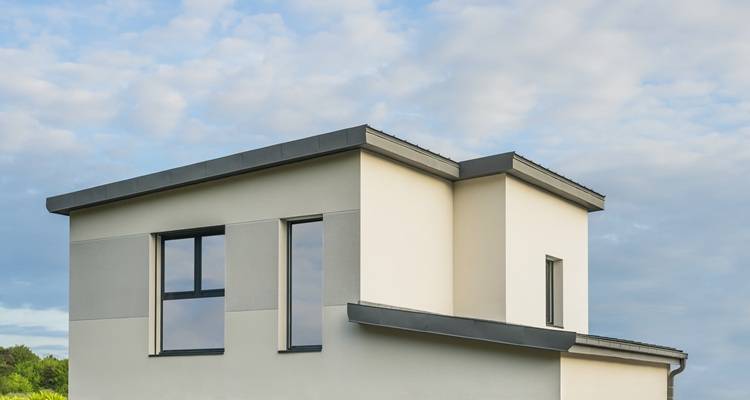
Types of Liquid Plastic Roofing
There are several types of liquid plastic roofing on the market. The one you use should be the most suitable for your roof and purpose, i.e., new roof, recoating or refurbishment.
Polyurethane Liquid Roofing
Polyurethane liquid roofing is best for overlay refurbishments, garage roofs and extensions. It’s available as either a single or two-component system and has a lifespan of 20-25 years. Annual cleaning and periodic recoating every 5-10 years keep the roof in good condition. Costs range from £20 to £25 per m2.
Acrylic Systems
Acrylic roofing membranes such as PMMA are fast-drying, resin-based systems. They are useful when working with awkward detailing on the roof or when rapid drying is needed, such as on balconies.
PMMA systems can last between 20 and 30 years and cost around £25-£50 per m2, depending on the brand you select. Maintenance consists of annual or twice-yearly inspections, cleaning and repairs. Recoating can typically be done when the membrane has reached the end of its lifespan.
Reinforced Liquid Membranes
Liquid roofing that uses a reinforced fleece or matting provides added flexibility, increases longevity and prevents cracking. It’s ideal for roofs with complex detailing such as upstands, rooflights, vents, pipes and awkward shapes.
Lifespan for this system is 20-30 years, with recoating extending this to more than 40 years. Maintenance involves annual or twice-yearly cleaning, prompt repairs and recoating when needed. Prices range from £20 to £50 per m2, depending on the brand.
Cold-applied Waterproofing Systems
Cold-applied waterproofing roof membranes differ from installations such as felt and asphalt, as there is no heat involved. This makes them suitable for DIY use, fast to install, and optimal for detailed roofs while offering long-lasting protection.
Maintenance is straightforward with annual or twice-yearly cleaning and prompt repairs where necessary. Recoating is also possible to extend the waterproofing protection for your roof.
Prices for cold-applied liquid membranes range from £20 per m2 for polyurethane systems to £50 per m2 for reinforced liquid membranes.
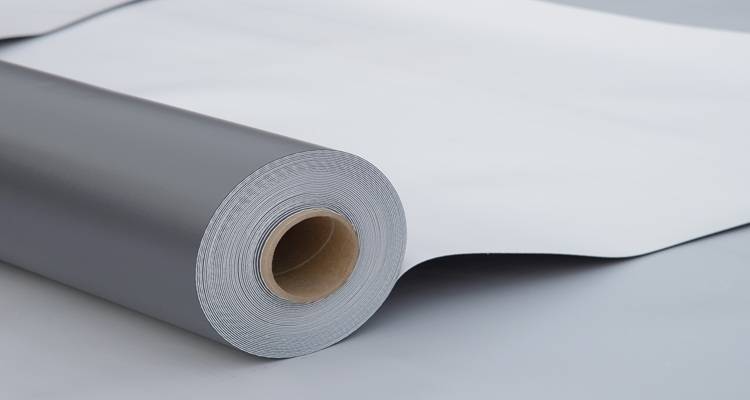
Alternative Types of Flat Roofing
There are a number of alternatives to liquid plastic membrane for flat roofs, depending on your roof’s needs, your budget and personal preference in terms of aesthetics and maintenance levels.
Felt Roofing
Felt is a traditional flat roof covering and is still used on sheds, garages, domestic extensions and commercial properties. It’s a strong, durable material which is relatively easy to install and one of the most affordable roof coverings for homeowners.
Maintenance is typically twice-yearly checks, clearing debris and prompt repairs where needed.
However, felt is prone to cracking, splits and general degradation from weather exposure and therefore has a shorter lifespan than most liquid roofing systems, often only 10-15 years. Having to replace it frequently makes it more costly than just the initial outlay.
EPDM Rubber Roofing
EPDM is a popular flat roofing choice as it offers a sleek, continuous membrane with no visible joints and a modern aesthetic. Lifespan is typically 25-50 years with minimal maintenance of routine debris clearing, and it is also fully recyclable.
This is a DIY-friendly roof covering and relatively affordable, being cheaper than fibreglass roofing and offering a much longer lifespan than felt. Be aware that EPDM can be prone to punctures from falling branches, foot traffic or dropped tools and leaks may be difficult to locate and repair.
Fibreglass Roofing
Fibreglass or GRP (glass reinforced plastic) roofing uses a layer of fibreglass covered in a liquid resin, which cures to form a seamless waterproof membrane. The resulting roof covering offers a durable, low-maintenance option which can last 20-30 years.
Application is straightforward, and complex roof detailing can be negotiated easily and made completely waterproof. It’s a low-maintenance product needing only annual or twice-yearly inspection and cleaning.
Repairs can be tricky, however, as the material becomes brittle when it hardens, and it requires specialist resin and knowledge to fix any damage. Costs for GRP are £40-£60 per m2.
Single-ply Membrane Roofing
A single-ply membrane forms a waterproof layer on flat or low-slope roofs. EPDM is an example of this type of roof covering. It also refers to systems like PVC, a thermoplastic and TPO, which combines rubber and thermoplastics. Both are lightweight and seamless.
Most single-ply membranes are either fixed mechanically with screws and plates or stuck down with special adhesive. Professional installation is typically needed for PVC and TPO, as they require specific equipment to fix them in place. Costs range from £15 to £25 per m2.
Maintenance involves routine cleaning, annual inspection and prompt repairs to any damage. Foot traffic is not advisable as the membranes are thin and prone to puncture.
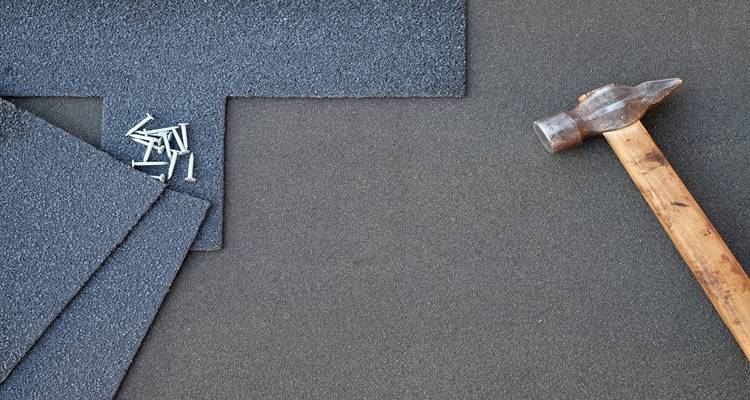
Hiring Contractors Checklist for Liquid Plastic Roofing
Most homeowners have no experience with liquid plastic roofing, so it’s a good idea to compile a list of questions for potential contractors. This gives you confidence when talking to installers, demonstrates what’s generally included in the price and lets you compare quotes more easily.
Check the Contractor’s Experience.
It’s important to check that the contractor has previous experience with liquid roofing systems. These products are very different from traditional roofing methods and require the right knowledge, experience and expertise.
Ask for Examples of Previous Work
The best way to see what potential contractors are capable of is to ask for examples of previous jobs. Most professional installers have satisfied clients who are willing to show the result of their work. Be wary of roofing installers who cannot show you previous jobs.
Confirm Insurance Cover
All tradespeople working in your home should have adequate public liability insurance cover and be able to prove as much. This is particularly important when you have people working at height on your roof so don’t be embarrassed to ask for evidence.
Professional contractors should be happy to share this information with you, and many include it in their quote packs.
Make Sure the Quote Explains What’s Included
The quotes you receive should fully explain in detail what is included and what counts as an extra. If the language is too vague or there are a lot of technical terms, ask for it to be explained in plain English.
It’s vital that you understand your quote before accepting it. Ask if things like roof preparation, materials and VAT are included, if this isn’t clear.
Other things you can ask are:
- Are reinforcement and primers part of the system being quoted for?
- Is scaffolding needed, and if so, is it included in the quote?
- How are repairs to the roof covering dealt with?
- Does the quote include removing waste?
- Is cleaning up the site included when work is complete?
- How long is the finished roof expected to last?
Once you have at least 3 quotes, make sure to take the time to compare them carefully. Ensure you are comparing like-for-like and don’t choose a contractor based solely on price.
Missing preparation work or substandard processes can lead to poor performance of the roof covering and may mean higher costs later on.
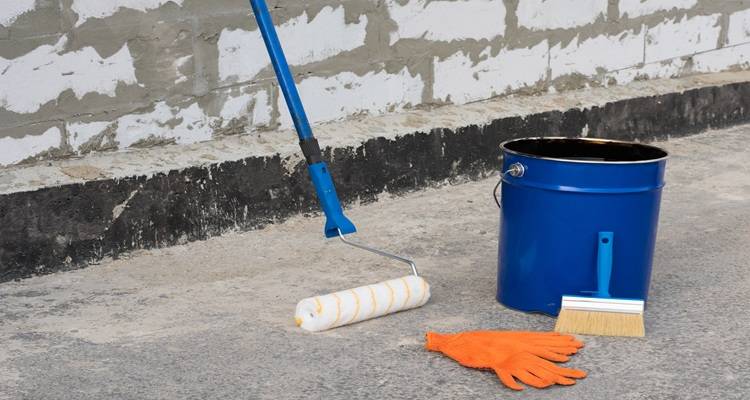
Removing Existing Roof Coverings Before Liquid Plastic Roofing
When you want to replace an existing roof with a liquid plastic membrane, it’s often necessary to remove the old roof covering first to reach the roof deck underneath.
Stripping Back the Old Roof Finish
A failed roofing material, such as cracked or blistering felt, needs to be completely removed before laying the liquid plastic roofing membrane. If the roof deck underneath is in good condition, it can be used as the foundation for your new waterproof system.
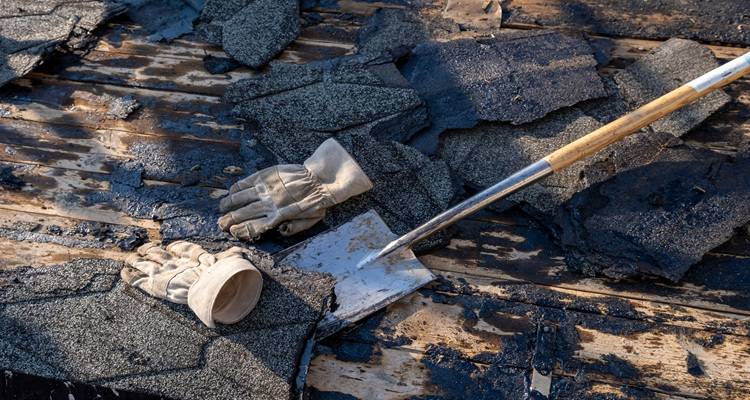
Old felt and asphalt are typically lifted with a shovel, cut into manageable pieces with a reciprocating saw and removed from the roof.
Checking the Structure Underneath
The roof deck should be carefully checked to ensure there is no damage to the timber joists or OSB. Look for structural sagging, visible rot or evidence of moisture damage. Any faults should be repaired before continuing with the installation.
Waste Disposal
Any old roofing materials, such as felt, bitumen or timbers, should be put into a skip and disposed of properly. If the amount of waste doesn’t warrant hiring a skip, make sure that you dispose of it legally.
Preparing the Surface for Liquid Plastic Roofing
The roof deck should now be swept, cleaned of any grease or adhesive residue and allowed to dry before the liquid plastic roofing is applied to ensure that it bonds properly. Any repairs or loose fixings should be taken care of before you install the membrane.
If, when you remove the old roof, you discover damage, moisture, rot or hidden defects, these can add to your costs as they need to be fixed before laying the new roof covering.
FAQs
What Is the Cost of Liquid Plastic Roofing?
Liquid plastic roofing costs between £40 and £90 per m2 for a full installation, which includes labour and materials.
How Long Does It Take to Install Liquid Plastic Roofing?
The average installation time for liquid plastic roofing is between 1 and 3 days, depending on the size of the roof, type of system used and necessary preparation work.
Can Liquid Plastic Roofing Be Applied Over an Existing Roof?
Yes, liquid plastic roofing can be applied over an existing roof, but the surface needs to be clean, dry, sound and free of damage or loose material.
How Long Does Liquid Plastic Roofing Last?
Liquid plastic roofing systems last between 15 and 30 years, depending on the specific type that you use. Polyurethane typically has a longer lifespan than acrylic-based systems.
Is Liquid Plastic Roofing Worth the Budget Compared with Other Flat Roof Systems?
For roofs with complex detailing, liquid plastic roofing is a strong option as it offers seamless coverage around obstacles like rooflights and pipes. Simple flat roofs with no detailing may be covered with more traditional materials for a lower cost. Whether it’s worth the budget depends on what you want from the system.