Builders
 Carpenters
 Electricians
 Flooring Specialists
 Gardeners
 Handymen
 Heating Engineers
 Painters & Decorators
 Plasterers & Renderers
 Plumbers
 Roofers
 Tilers
 my
myAsk a Trade
Got a question that only a tradesperson can answer? We have thousands of trades ready to answer any question you may have.
Ask your question
Are you looking for information on how to fit a wooden floor? This article will go over everything you need to know about how to install wood flooring, including a step-by-step guide and a list of all of the tools and materials you'll need to complete the job.
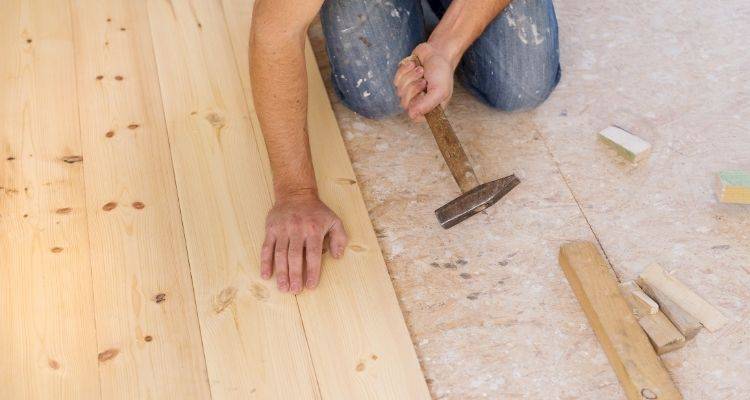
Here is a list of the tools you'll need to install wood flooring:
Below is a list of the recommended safety equipment for installing a wood floor:
Here is a list of the materials you'll need for installing a wooden floor:
When preparing for installing a wooden floor, you want to begin by measuring the room so you know exactly how much wood flooring you need to purchase. Always order 10% more than what you think you need to accommodate for any mistakes or miscalculations along the way.
You will also need to empty the room, and remove any existing flooring that may already be laid. You should also hoover up any dust or debris from the surface of the subfloor before you lay your new wood flooring.
Below are the steps involved when nailing solid wood flooring onto timber. However, every wood flooring type is different, so be sure to check the manufacturer's instructions or ask a professional flooring expert for help.
Installation method may vary depending on the type of wooden floor you are installing, for example solid wood can be nailed to a timber floor or glued to concrete, but it also depends on what the manufacturer recommends for its product. Engineered wood can be nailed, glued, or floated, but when it comes to laying a laminate floor it is always floated.
The first step is to install a damp-proof membrane if you are laying the wooden flooring onto a concrete or screed floor. This stops moisture from the floor from rising into the wood.
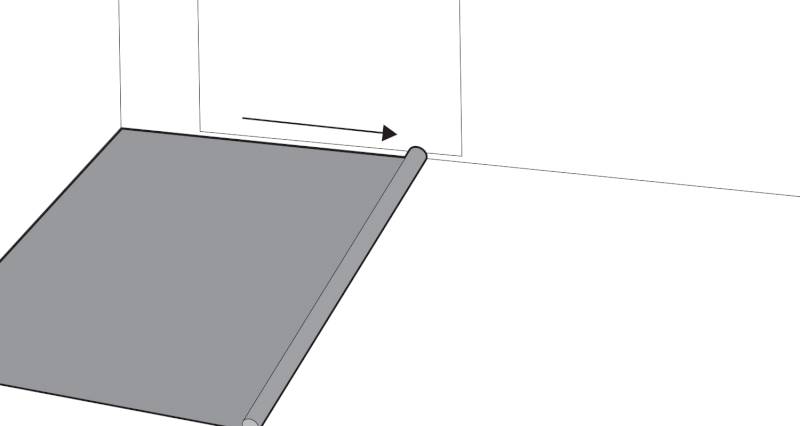
You should ensure that the membrane overlaps when each new sheet is introduced and make sure that the entire subfloor is covered.
Before you begin installing the flooring, you will need to create a marking on top of the subfloor or the damp-proof membrane, if used, that is roughly half an inch from the wall. Do this along all four sides of the room as this will allow space for the wood to expand and contract with changes in temperature.
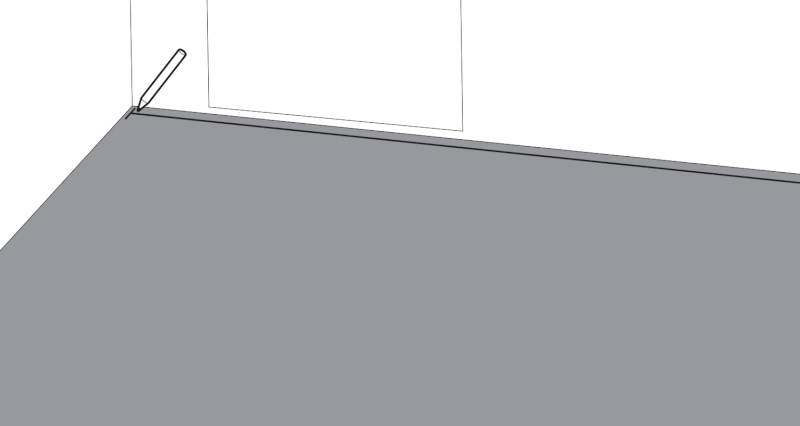
Now it's time to lay down the first piece of flooring. Start by the door and line your first piece up with the marking you made earlier. Once you're happy that the positioning is completely straight, you can then nail this board in place using your cordless finish nailer.
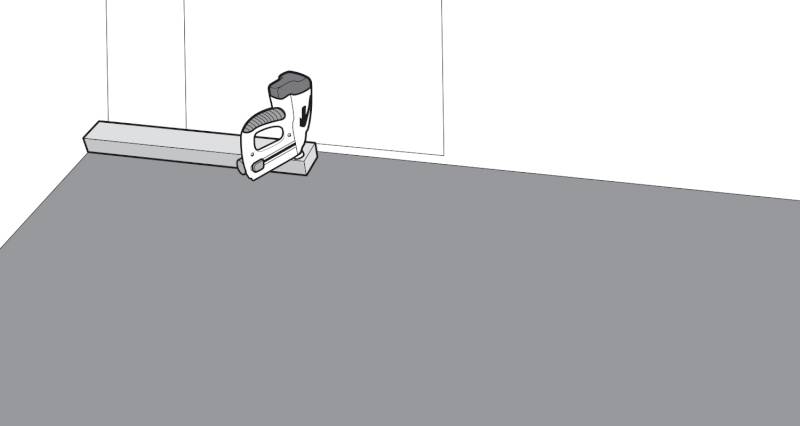
Continue this process for the next few boards until you reach the other wall. At this point, you may need to cut a board to size so that you can fill in the gap between the previous board and the wall.
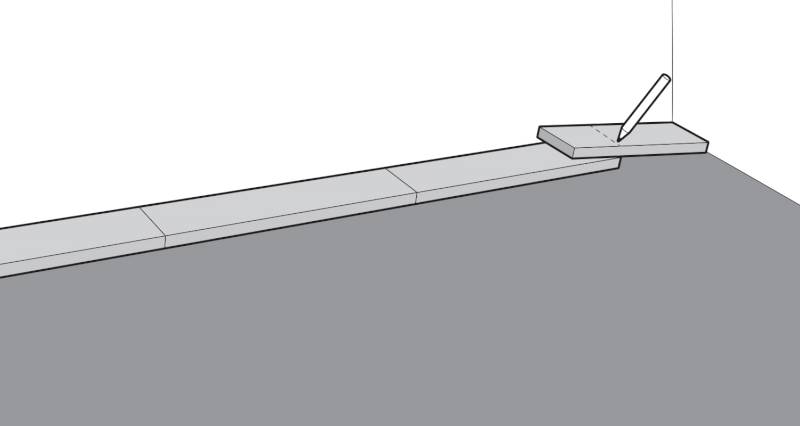
Measure the board based on the location of the previous board and the marking you made earlier. Create a small marking on the underneath face of the board so that you know where to cut.
To make the cut, fix your flooring piece into your workbench and use a mitre saw to make the cut.
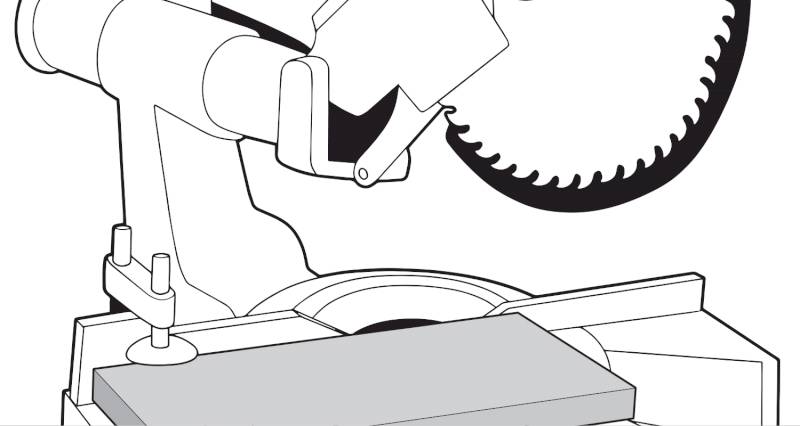
Once you're happy with the length of the board, you can then put it in place and nail it down like the rest of the pieces. This should complete your first row of flooring.
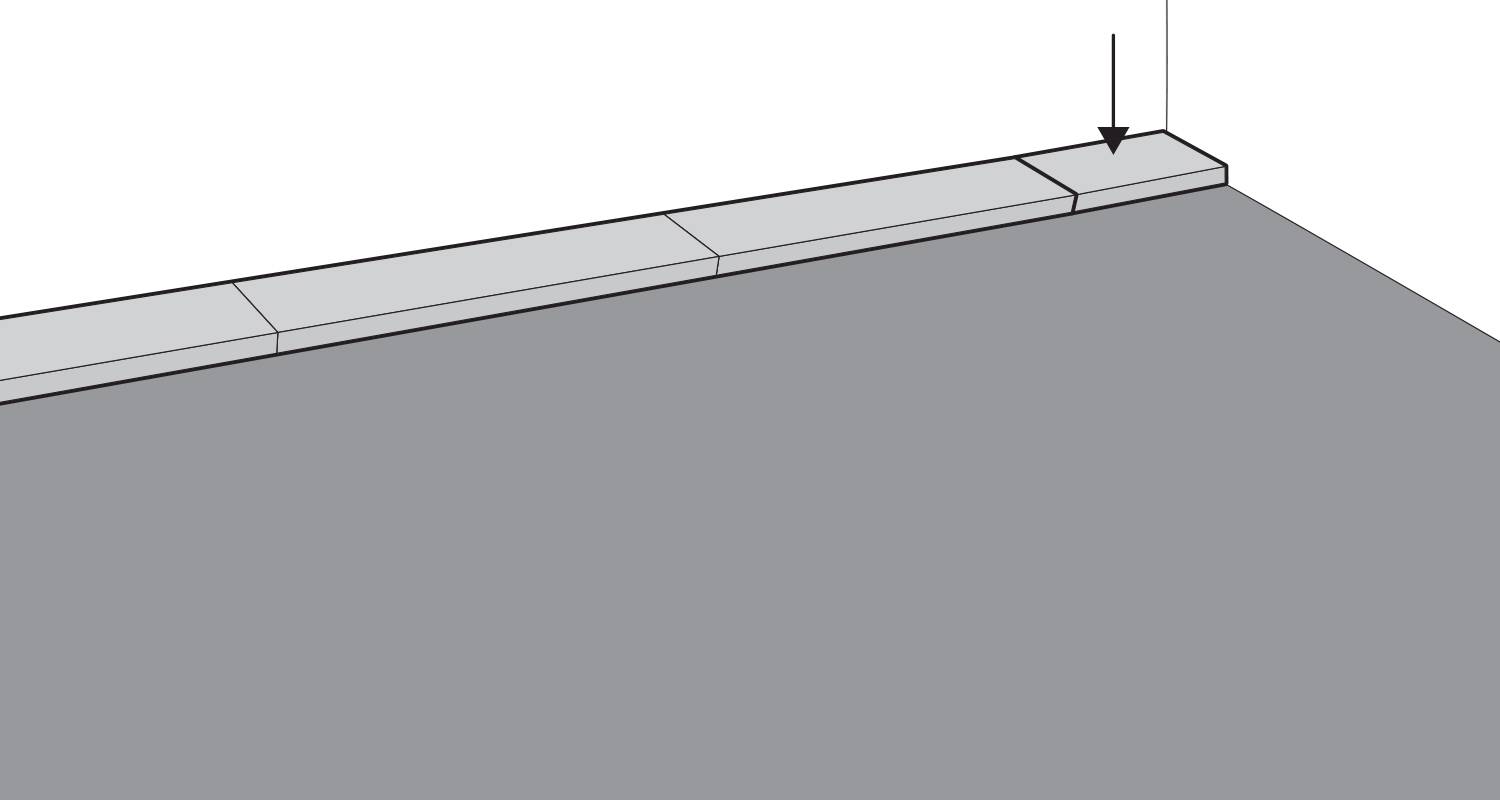
When moving on to the next row, start by using one of the shorter pieces of hardwood. This helps to then stagger the seams when it comes to laying wood floors.
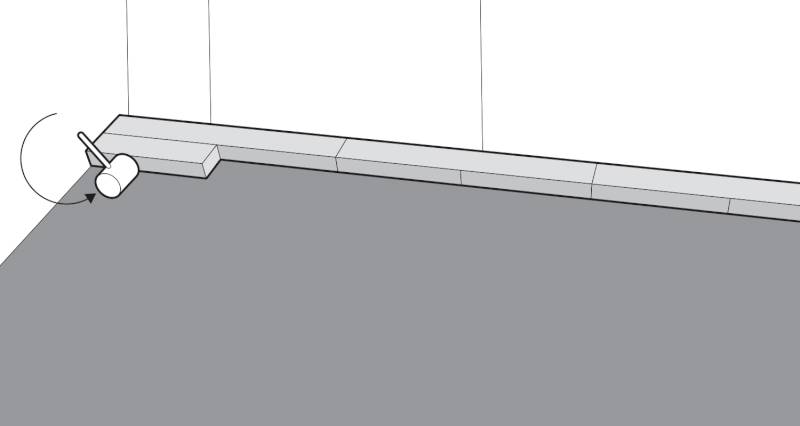
Place the wood alongside the previous row and use a flooring mallet to ensure it sits tightly against the first row. You then want to secret-nail the boards through the tongue of the flooring with a flooring nailer using the fixings recommended by the manufacturer. If the manufacturer approves them, you can use staples at this stage.
Continue adding flooring all the way along the second row, adding nails at every joist (or at the manufacturer's specified spacing over plywood) to secure each board to the floor.
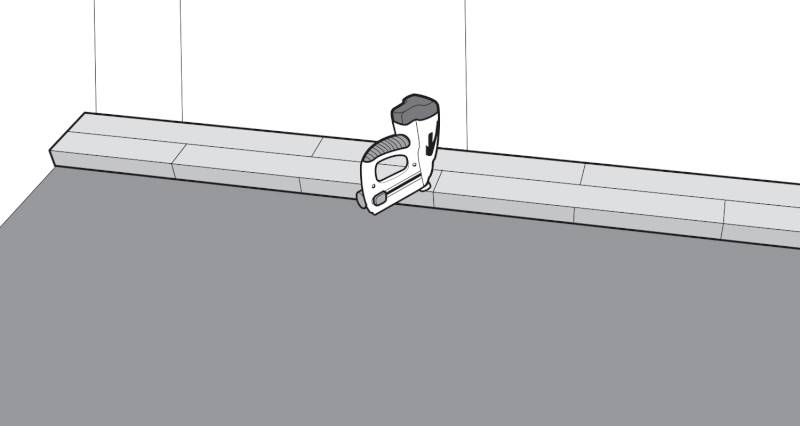
You should then repeat the above steps for the rest of the flooring until you have covered the entire floor.
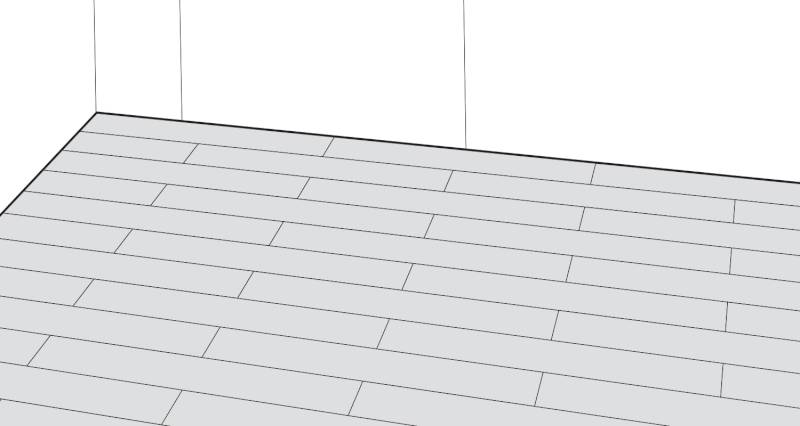
When you reach the other side of the room, you may need to cut your boards down to size, allowing for the correct expansion gap. You will need to measure and mark a cut point on each board. If you use chalk it can easily be wiped off. As for cutting, use a table saw, handsaw, or jigsaw, depending on the wood and cutting tools you have available.
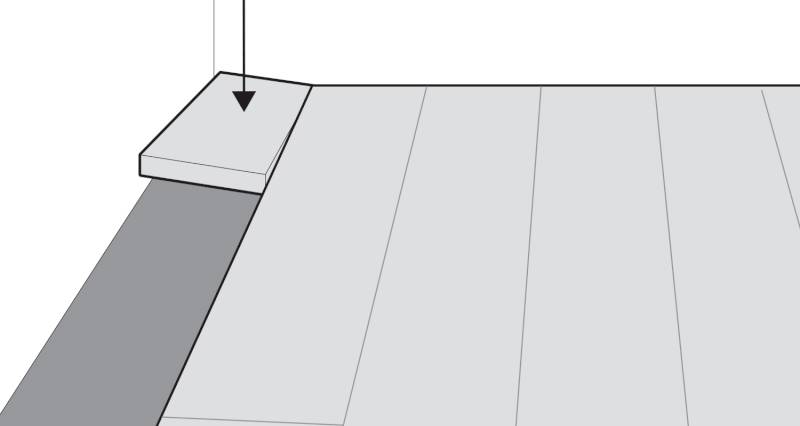
You may need to use a pry bar to set the last row in place before nailing it in place.
Once you have completed the entire floor, you can then go on to install a transition at your doorway. The type of transition that you install will depend on the type of flooring that lies on the other side of the door.
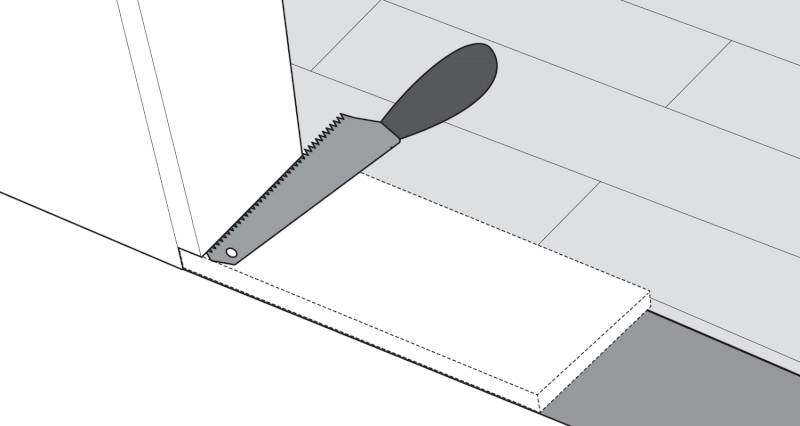
You can buy ready-made transitions for certain floor types, or you can create your own based on your needs. If you do buy one that is already manufactured, be sure to follow the manufacturer's instructions when installing it.
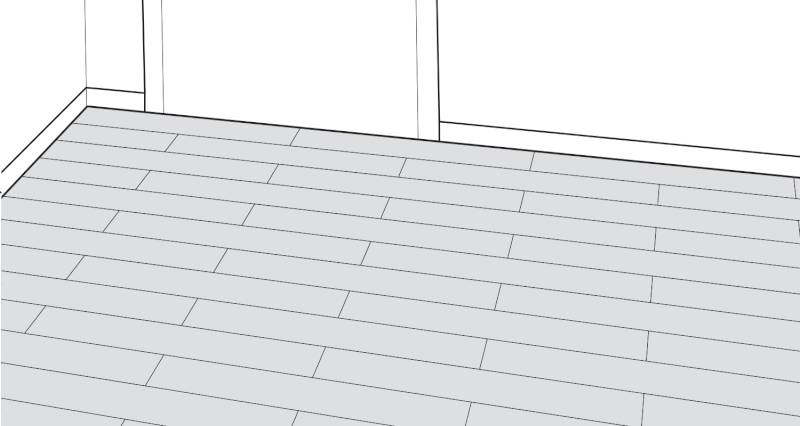
Once your flooring is complete, all you need to do is reinstall your trims or skirting boards as necessary.

There are several types of wood flooring. Below is a list of the most popular types of wood flooring in the UK:
Laminate flooring is made up of a compressed fibreboard plank. This plank is covered with a photographic image of wood, giving it the appearance of real wood, and it is covered with a protective overlay.
An engineered wood floor consists of multiple layers of wood glued together to form a plank, typically around 14 to 15mm thick in total, with a real wood veneer on the top and a plywood or high-density fibreboard (HDF) backing layer on the bottom.
Solid wood flooring pieces are made completely out of a solid piece of wood. These flooring planks are usually around 18 to 20mm in thickness. Solid wood flooring has the advantage of being able to be sanded down and restored if any damage occurs. Solid wood floors tend to be much more expensive than other wood flooring types.
Laminate or engineered wood flooring is often the best choice. Water-resistant laminate must be used instead of standard laminate in a kitchen, as its protective surface is resistant to spills and exposure to moisture. Engineered wood can also cope with slight changes in humidity. Solid wood, however, isn't ideal for the kitchen as it can warp or stain if it gets wet.
The best way to clean your wooden floors is to regularly sweep away dust and debris and use a microfibre mop and wooden floor cleaner to lightly mop the surface.
You can update the look of your wooden floor with a variety of different types of wood floor paint, stains, and varnishes. These will all give your old or worn-looking wood floor a fresh update and could completely transform the look of the room.
Although it's possible to install underfloor heating beneath a wooden floor, it must be approached with caution. In general engineered wood is more suitable than solid wood due to being less prone to warping or cupping from the heat. However, always follow the flooring and heating manufacturer's guidelines to avoid damaging the wood.
Installing wood directly over ceramic tiles is possible but not always advisable. Instead of nailing the wood, which can crack tiles, you can either glue the planks down or lay them as a floating floor on top of underlay. Also, be mindful of the added floor height which may affect doors and appliances.






Copyright 2026 MyJobQuote.co.uk. All rights reserved
Privacy Policy | Terms and Conditions | Sitemap
MyJobQuote.co.uk is rated 4.68 stars by reviews.co.uk based on 4127 reviews