Builders
 Carpenters
 Electricians
 Flooring Specialists
 Gardeners
 Handymen
 Heating Engineers
 Painters & Decorators
 Plasterers & Renderers
 Plumbers
 Roofers
 Tilers
 my
myWall Panelling Cost
At a Glance
- The average cost of wall panelling is £425.
- Most jobs takes 1 to 3 days to complete.
- A full breakdown of the cost to install wall panelling by type.
- How long the job takes and what is typically involved.
- How to find local wall panelling fitters using MyJobQuote.
Get free estimates
Are you a trade? Get more work today!
£425
Table of Contents
- How Much Does Wall Panelling Cost?
- How Much Does It Cost to Panel a Hall, Stairs, and Landing?
- Supply Cost of Wall Panelling
- Additional Wall Panelling Costs
- Labour Cost of Panelling a Wall & Timescales
- Factors That Impact Wall Panelling Costs
- How to Reduce Wall Panelling Costs
- What's Involved in Installing Wall Panelling?
- Types of Wall Panelling
- How Much Does It Cost to Remove Wall Panelling?
- Checklist: Hiring Wall Panelling Fitters
- FAQs
How Much Does Wall Panelling Cost?
The average wall panelling cost in the UK ranges from £30 to £160 per m², depending on the material, style, and where you live. Labour costs are higher in London than most other parts of the UK. For a typical 8.5m² wall, installation usually costs between £250 and £1,350, including materials and labour.
Wainscoting (covering part of the wall) will cost less, typically between £85 and £450, again depending on the material.
The cost of installing wall panelling heavily depends on what materials they're made from. MDF wall panels tend to be the cheapest option, with panels costing from £15 per square metre (supply only).
Wood panelling costs anywhere between £20 and £80 per square metre, with pine being cheaper than oak. PVC panels are a cost-effective option for bathrooms and kitchens, starting from around £20 per m², thanks to their waterproof properties and easy installation.
Tongue and groove panels are made from boards that sit side-by-side, whereas shaker-style panels form a grid-like framework with an open back, so some styles use more materials per square metre than others. Installation costs typically range from £115 to £765 per wall for shaker panels and £130 to £510 per wall for tongue and groove.
An 8.5m² living room wall with pine shaker panels usually costs £425 installed. The cost of panelling a hall, stairs, and landing is usually higher, around £500 to £1,200, due to tricky angles and multiple small walls.
Wall panels come in kits or can be custom-made. Kit versions take less time to fit but can cost more per square metre to buy.
Unless you're installing your panelling as a DIY project (not usually recommended as it is a complex job), you'll need to hire a carpenter or joiner and a decorator. The average labour cost to install wall panelling is £210 per day for a joiner or carpenter and £175 for a painter. Complex designs, staircases, or slat panels will increase labour time and the overall cost to panel a wall further.
How much does it cost to have wall panelling and coving installed in a regular-sized living room?
"All depends on the panel itself, as the cost of fixing them is dictated by the design. However, I would say at least £750 to £1,000 per wall, depending on the design."
How Much Does Panelling Cost: Materials & Styles
The average cost of panelling for walls depends on the style and materials used, as well as the size of the area you’re having panelled. Here’s the average cost, including materials and labour:
| Type of wall panelling | Price per m² | Average price for wainscoting a single wall | Average price for a whole wall (8.5m²) |
|---|---|---|---|
| Oak Shaker | £90 | £255 | £765 |
| Pine Shaker | £50 | £140 | £425 |
| MDF Shaker | £40 | £115 | £340 |
| Decorative Moulding | £30 | £85 | £250 |
| Pine Tongue & Groove or Shiplap | £60 | £170 | £510 |
| MDF Tongue & Groove or Shiplap | £45 | £130 | £380 |
| PVC Panels | £30 | £85 | £255 |
| Composite Tongue & Groove or Shiplap | £70 | £200 | £595 |
| Pine Slats | £40 | £115 | £340 |
| Oak Slats | £160 | £450 | £1,360 |
Want a custom price?
Post your job
How Much Does It Cost to Panel a Hall, Stairs, and Landing?
Panelling a hall, stairs, and landing is one of the more complex wall panelling jobs, which is reflected in the price. The total cost typically ranges from £500 to £1,200, depending on the size of the area, the materials used, and how many angles and corners are involved.
The higher cost comes down to the additional skill required. Panels need to be cut and fixed at a consistent angle to follow the rake of the stairs, which takes longer and creates more material waste. Fitting around door frames, skirting boards, and newel posts adds further time to the job.
Here's a general breakdown of typical costs:
| Area | Typical Cost (Materials and Labour) |
|---|---|
| Hallway only (single wall, wainscoting height) | £250–£500 |
| Staircase wall (raked panels, one side) | £350–£700 |
| Hall, stairs, and landing (full job) | £500–£1,200 |
MDF panels are the most popular choice for staircases. They're cost-effective, easy to cut to angle, and can be painted to match any interior style. Pine shaker panels are also commonly used where a more traditional look is wanted.
Most fitters quote for staircase panelling by the day rather than per m², as the irregular shapes make accurate measurement tricky upfront. Expect a carpenter to take 2 to 4 days on a full hall, stairs, and landing job, depending on the design.
Supply Cost of Wall Panelling
Below is a list of the supply costs for the different types of wall panelling:
| Type of wall panelling | Price per m² |
|---|---|
| Oak Shaker | £60 - £80 |
| Pine Shaker | £20 - £40 |
| MDF Shaker | £15 - £25 |
| Decorative Moulding | £10 - £20 |
| Pine Tongue & Groove or Shiplap | £30 - £50 |
| MDF Tongue & Groove or Shiplap | £20 - £30 |
| PVC Panels | £20 - £45 |
| Composite Tongue & Groove or Shiplap | £40 - £60 |
| Pine Slats | £15 - £25 |
| Oak Slats | £120 - £140 |
Want a custom price?
Post your job
Additional Wall Panelling Costs
Of course, when you’re installing wall panelling in your home, there may a few other costs to consider.
Plastering the Wall
Panelling works best with a solid and straight wall to sit on. So, if your wall is currently in a poor state, it may need some plaster work to be carried out. A small patch repair is likely to add between £70 and £130 to your costs, while reskimming the walls of a room costs from £150.
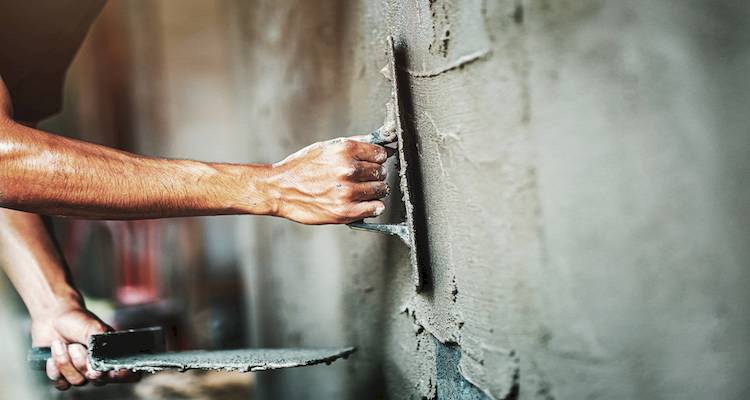
Should you discover the plaster on your walls has blown or is crumbling away, you may need to completely replaster the room. In this case, you're looking at adding replastering costs starting from £400 to complete the work.
Decorating the Room
Whether or not you decide to have your panels painted, it's likely that you'll want a fresh coat of paint on the rest of the room. This will get rid of any marks or mess from the panel installation and ensure the whole room looks as good as your new panels.
The average cost to paint a room is £400 including the prep work, paint, and labour costs. But it shouldn't take longer than 1 or 2 days to complete.
If you'd prefer wallpaper instead, the cost of wallpaper installation typically starts from £300 depending on the size of your room.
Moving a Radiator
If there's a radiator on the wall you wish to panel, then you may need to move it temporarily or permanently if it interferes with the look of your panelling.
The cost of moving a radiator will add around £150 to your project fees, but shouldn't take more than a few hours to do.
Replacing Skirting Boards
As you’re having your walls renewed with panels, the skirting may need a bit of attention, too, especially if this is going to be the base for your panelling. Or you may simply want to change the style of your skirting to fit the type of panelling you’re having installed.
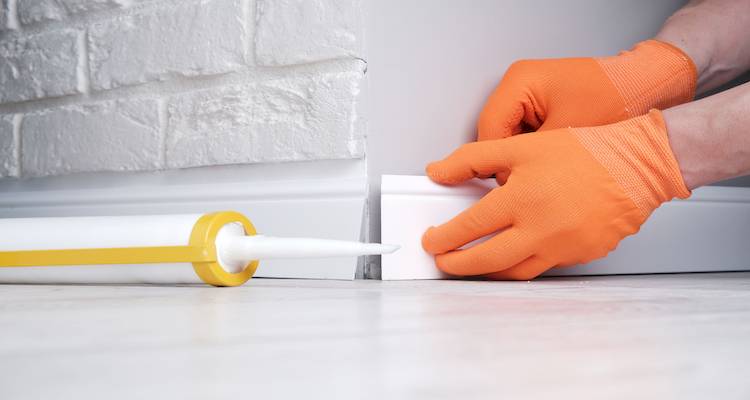
Replacing skirting boards costs an additional £250, but it can be done by the carpenter or joiner who is fitting your panels. To complete the look, painting skirting boards costs £200.
Panelling the Ceiling
You might also want to have your ceilings panelled to complete the look of your room. Our guide to ceiling panelling costs will help you understand how much this will add to your budget.
I want the bottom section of my hall, stairs, and landing panelling with MDF, but unsure which tradesperson does it - painter/decorator, joiner etc?
"Some painters and decorators are more than capable, but they may not have the machines and tools required for this discipline. As a carpenter, panelling is a relatively straightforward job, and using MDF will reduce material cost, instead of using real timber."
Labour Cost of Panelling a Wall & Timescales
How long it takes to install your wall panelling and how much it costs in labour depends on a few different factors. So, let’s take a look at the labour costs and timescales.
If your walls are in good condition and ready to be panelled, then you may just need a carpenter or joiner to come in and fit the panels for you. You can expect to pay between £20 and £40 per hour and the job may take about a day to complete a small area.
Of course, the job may not be quite so simple and that will increase the timescale and therefore the cost. For example, there may be a bit of wall prep to do first. The walls may require a bit of sanding and filling to get the wall smooth, which a decorator can do for you.
You may also want the decorator to apply a few coats of paint to the panels too. This could take a day in total, depending on how big the job is. And you can expect a painter to charge between £15 and £30 per hour.
So, how much you end up paying for labour does depend on how many hours your tradespeople take to complete the job. But where you are located does have an effect, too. If you live in London, you may find prices are a little higher than the national average.
Factors That Impact Wall Panelling Costs
There are a number of cost factors to consider when adding wall panelling to a room.
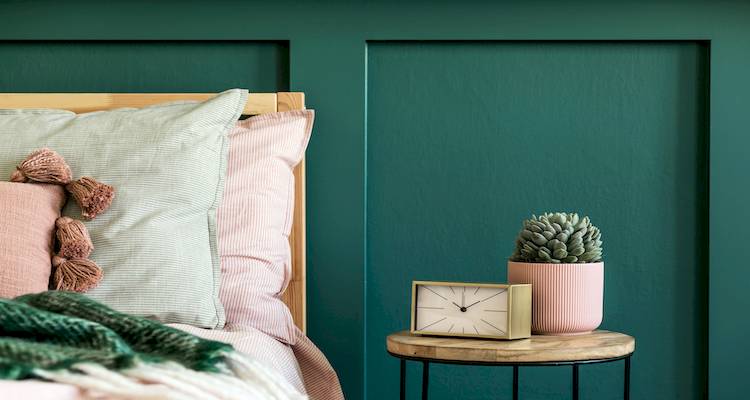
Number and Length of Walls
The size of the area you would like panelling is the first cost factor. The bigger the area, the more materials you’ll need and the more time it will take to complete. For example, panelling a small hallway is going to be much cheaper than panelling the walls throughout the house.
Height of Panelling
Whether you’re covering a whole wall or just having panels that come part way up the wall does make a difference to the cost.
Panels known as wainscoting typically only come a third of the way up the wall. So, this type will take the least time and materials to do, making it much less expensive than floor-to-ceiling installations.
Type of Panelling
The type of panelling you install is another factor that will affect your cost. If your panels come in a kit or as ready-made sections, you will pay a bit more for this convenience.
And if your panel type is one that completely covers the wall, such as shiplap or tongue and groove, then it’s likely to cost a bit more due to the amount of materials required.
Type of Materials
The type of materials you use will also impact the cost of installing wall panelling. It’s usually cheaper to use MDF panelling than wooden wall panels. But, the different types of wood differ in price too.
Pine is generally the cheapest wood option to lay, and oak is often the most expensive option. You may decide on a composite material for easy cleaning and durability, but this can be more expensive than MDF and pine versions.
Complexity of the Installation
How complex the installation is, could also affect the cost. Panelling that lines a stairwell, for example, is much trickier to install because it needs to run at an angle and involves more skill to measure and cut the materials to fit.
Also, if you’re panelling a room such as a bathroom, it can take longer due to working in a confined space. Sinks and toilets may need to be removed to panel behind them, and they then need to be replaced.
How to Reduce Wall Panelling Costs
There are a few practical ways to keep the wall panelling cost down without compromising on the final result.
Choose a More Affordable Material
MDF wall panelling and PVC panels are the most cost-effective materials available. MDF starts from around £15 per m² and is easy to cut, prime, and paint. PVC panels start from around £30 per m² and are a low-cost option for bathrooms and kitchens. Both can deliver a smart finish at a fraction of the cost of solid wood panels or oak slats.
Use Panelling Kits
Wall panel kits often work out cheaper than ordering materials separately, as they include everything needed to cover a set area. Panelling kits are also quicker to fit, which reduces labour time and cost. They're widely available from builders' merchants and DIY retailers, with shaker-style and tongue and groove kits among the most popular options.
Opt for Wainscoting Instead of Full-Height Panels
Covering only the lower third to half of a wall uses significantly less material than full wall panels. Wainscoting is a cost-effective way to add character to a room, and it's quicker to install — both of which keep the overall cost down. For a hallway or living room, this approach can save hundreds of pounds compared to floor-to-ceiling coverage.
Focus on a Single Feature Wall
Rather than panelling every wall in a room, a single feature wall is a popular way to make a visual impact while keeping material costs manageable. A feature wall in a bedroom or living room can transform the look of the space at roughly a quarter of the cost of panelling the whole room.
Consider DIY Installation
For simpler panel types — particularly MDF panels and PVC panels — DIY installation is a realistic option if you have the tools and some experience with measuring and cutting. Labour typically accounts for 30% to 50% of the total installation cost, so completing the work yourself can represent a significant saving. That said, more complex jobs such as staircase panelling or bespoke wall panels are best left to a professional to avoid costly mistakes.
Add a Waste Allowance When Ordering
When ordering materials, add a 10% to 15% waste allowance to your total square footage. This covers off-cuts and any panels damaged during fitting. Ordering too little and having to re-order later can add cost to the job, particularly if there's a lead time on less common materials or bespoke wall panels.
What's Involved in Installing Wall Panelling?
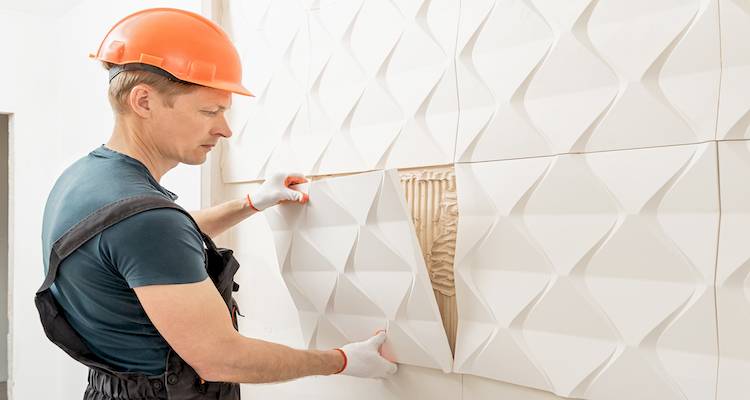
Installing wall panelling properly means having the right tools to complete the job and being able to measure and cut accurately.
As this isn't an easy DIY job, most homeowners choose to hire a local wall panelling specialist
Use MyJobQuote to connect with thousands of wall panelling specialists near you. Quotes are free, fast, with no-obligation to go ahead.
Here is the typical process for wall panelling installation:
Before the Job
- Design and room check — If you’re installing shaker-style panels or panels made from decorative moulding, a design will be sketched out first and made to work with the shape of the room and any features. A tradesperson can then take the measurements and order the materials.
- Surface prep — The walls will be prepared so they are clean, flat and ready for panelling. It’s better to remove loose wallpaper and scrape back any flaking paint first so the panels stick properly. Panelling is best installed on a smooth surface. If it is an open framework style, the wall will be smoothed and painted first so the wall between the panels looks right.
During the Job
- Set out and fix — The panelling, or battens for styles such as tongue and groove, will be measured, cut and fixed to the wall by the fitter so everything lines up neatly.
- Trims added — If the panels only go part way up, a dado rail or decorative trim will be fitted to finish the top edge.
After the Job
- Fill and sand — Once everything is fixed, the joins will be caulked and any areas lightly sanded to create a smooth surface for finishing.
- Finishing coat — The panelling will be primed and finished with paint, oil or varnish. If it is high-quality timber, the tradesperson can apply a clear protective coat and advise on the best product.
How much would it cost to install 900mm high Victorian wall paneling in a room that's 3m x 4.5m? I'd like to keep the existing skirting boards.
"Depending on the carpenter you have come and do the job, see if he will arrange a decent day rate to stick to, as that will bring down the cost a little. I was doing the job, depending on fixing the panels, I'd quote for 4 to 5 days labour."
Types of Wall Panelling
There are lots of different types of wall panels you can install in your home. They come in a variety of styles and materials, which does have an impact on the cost. If you’re looking for some wall panelling ideas, here’s a run down of the main types:
Shaker Wall Panelling
Shaker style panelling is very popular and can be made from either wood or MDF. The design uses a grid of squares which can cover a whole wall or just part of it.
This style is popular because it's easy to install and is a cost-effective way to refurbish a room. It works in both period and new-build properties and can be painted any colour. Shaker panels are available as wall panel kits or as bespoke wall panels made to measure — kits are more affordable, while bespoke options give a more precise fit in rooms with non-standard dimensions. Unless you're using oak panels, they'll need to be painted after installation.
Decorative Moulding
Adding panels made with decorative moulding is a quick and easy way to give your walls a period-style makeover. Mouldings can be used to create square or rectangular panels to fit any size of wall. It requires minimal materials, so it's a good option for tighter budgets. For rooms with unusual dimensions, bespoke wall panels made to measure are also available, giving a cleaner fit than standard off-the-shelf options. This style works best in period properties but can be painted any colour.
Tongue & Groove Panelling
Tongue and groove wall panelling has been around for decades and is made from interlocking boards. In the past, you could only buy a wood version, but you can now buy it in pine, MDF, and composite materials.
It comes as a kit or as individual boards. Composite tongue and groove panelling is ideal for high-traffic areas and moisture-prone rooms. This makes it a good choice for hallways and bathrooms.
Shiplap
Shiplap has interlocking boards in the same way as tongue and groove panelling does. However, the boards are recessed along one edge. You can see this style on sheds and weatherboarding too. It is often laid horizontally and covers a whole wall, but you can stop partway up the wall if this suits your room best. This style takes a bit more skill to install but works well with Scandi and coastal interior designs.
Wooden Slats
Slat wall panelling is where long lengths of wood are attached vertically to the wall with a small gap in between each one. It’s a modern take on traditional panelling, so it works best in with modern interiors.
Wooden slats can be made from pine, oak or other types of timber to add texture and character to walls. They can be left unpainted, but a coat of oil or varnish is recommended to protect them.
PVC Wall Panels
PVC panels are a practical, cost-effective option for rooms where moisture resistance matters. They're most commonly used in bathrooms and kitchens, where water exposure would damage MDF or timber over time. Kitchen wall panels made from PVC are easy to wipe down and don't require the grout cleaning and resealing that ceramic or porcelain tiles need.
PVC panels are lightweight and can usually be fixed using adhesive, which keeps installation straightforward and labour costs lower than more complex panel types. They're available in a wide range of finishes — including marble effect, gloss white, and wood grain — so they can work with both modern interiors and more traditional spaces.
Acoustic Wall Panels
Acoustic wall panels are designed to absorb sound and improve the acoustic performance of a room. They're a popular choice for home offices, living rooms, and music rooms, and many designs double as a decorative feature wall rather than a purely functional addition.
Budget panels start from around £6 to £10 per panel, while the most popular format — slatted wood veneer panels measuring 240x60cm — typically costs £25 to £75 per panel. High-performance versions with specialist foam or felt backing can reach £100 to £150 per panel. Professional installation adds £20 to £60 per m², depending on the complexity of the layout and the fixing method used.
How Much Does It Cost to Remove Wall Panelling?
If you're replacing old wall panelling or stripping back a room before renovation, the removal cost will depend on the type of panelling, how it was originally fixed, and the condition of the wall underneath.
Tongue and groove panelling is one of the most common types to remove, and the process is relatively straightforward if the boards were fixed to battens. However, panels that were glued directly to the wall can be more time-consuming to take off without damaging the plaster behind them, which may add to the overall cost if remedial plastering work is then needed.
The key factors that affect removal cost are:
- Fixing method — panels fixed with adhesive take longer to remove cleanly than those nailed or screwed to battens.
- Wall condition — if the wall behind is damaged during removal, plastering or filling work will add to the total cost.
- Size of the area — larger areas take longer and will increase the labour cost.
- Disposal — check whether your tradesperson includes waste removal in their quote, as skip hire or disposal fees can add to the overall cost.
A carpenter or joiner would typically carry out this work, charging between £20 and £40 per hour. The time required depends on the factors above, so it's worth getting a few quotes before committing. Ask each tradesperson to inspect the wall first so they can give an accurate estimate rather than a rough figure.
Checklist: Hiring Wall Panelling Fitters
- Have you checked multiple quotes? With MyJobQuote you can get multiple free quotes for the panelling work, with no-obligation to go ahead.
- Do they have positive reviews? Check their MyJobQuote profile to see feedback from other homeowners.
- Are they experienced? Choose someone who has done wall panelling work previously. Ask to see photos and examples of their past work.
- Do you know what's included? Ask for detailed quotes, so you can see what everything costs and check all the work you want doing is included, including prep work and finishing. You should also ask what materials are being used to determine the value for money.
- Are they insured? Check that your wall panelling specialist has public liability insurance.
- Do they offer a guarantee? A reputable professional wall panelling fitter will stand by their work and offer a guarantee if issues arise after the work is done.
- How long will the job take? Ask for a clear timeline and make sure you know whether you will have to clear the area before the job or redecorate afterwards.
FAQs
Can I Install Wall Panelling Myself?
While you can install wall panelling yourself if you have the right tools, it's not advisable. Some walls have structural features such as staircases and bends, which take more skill to get right. You also need to check where pipes and electrical wires run before fixing anything to the wall.
How High Should I Take Wall Panelling?
The most common heights are around 900mm to 1,000mm (roughly one-third of the wall) for a classic wainscoting look, or half the wall height for a bolder effect. Full-height panels work well as a feature wall in living rooms and bedrooms.
As a guide, try to align the top of the panels with a natural feature in the room — such as a window sill, door frame height, or dado rail line — so the proportions look intentional. The higher you take the panelling, the more material and labour you'll need, which directly affects the overall wall panelling cost.
Is Panelling Cheaper Than Tiling?
Basic MDF wall panelling can be cheaper than ceramic or porcelain tiles, especially when covering large wall spaces. However, high-end timber panels can cost more than standard tiles. Labour costs are usually similar, although intricate tile patterns or complex panelling designs can increase installation time.
Does Wall Panelling Add Value to a House?
Wall panelling can add value by improving the overall look and feel of a room. Well-finished panelling can make spaces feel more stylish and well-maintained, which may appeal to potential buyers. Quality decorative features such as wood panelling can help your home stand out in a competitive market, making the installation cost potentially more worthwhile.
Is Wall Panelling Cheaper Than Plastering?
Wall panelling is usually more expensive than basic plastering. Reskimming a wall can cost from £150, whereas installing wall panelling typically starts from around £250 for a small wall. However, panelling adds decorative detail, transforms the look of a room, and may help add value to your home, which simple plastering usually does not.
How Long Does Wall Panelling Last?
Wall panelling can last for decades when installed properly and maintained well, so the installation cost often pays off over time. MDF panels are durable in dry rooms, while timber panels can last even longer if sealed or painted correctly. Keeping panels clean and addressing any moisture issues before they get out of hand will help extend their lifespan.
Is Wall Panelling Expensive?
It depends on the material and style. MDF panels start from around £15 per m² for materials alone, while oak slat panels can cost £160 per m² or more installed. A mid-range installation using pine or MDF typically comes to between £250 and £600 for a single wall.
Who Installs Wall Panelling?
Wall panelling is typically installed by a carpenter or joiner, with a decorator handling the finishing — filling, sanding, priming, and painting. For simpler panel types, some painters and decorators can handle both parts of the job.
What Is the Cheapest Type of Wall Panelling?
MDF wall panelling is generally the cheapest option, starting from around £15 per m². Decorative moulding and PVC panels are also low-cost choices. Opting for panelling kits and wainscoting rather than full-height panels can reduce costs further.