Builders
 Carpenters
 Electricians
 Flooring Specialists
 Gardeners
 Handymen
 Heating Engineers
 Painters & Decorators
 Plasterers & Renderers
 Plumbers
 Roofers
 Tilers
 my
myChimney Breast Removal Cost
At a Glance
- The average cost of removing a chimney breast is around £2,500.
- The job will usually take between 1 and 4 days to complete.
- NEW! Use our chimney breast removal cost calculator for an instant estimate.
- A full breakdown of chimney removal costs, including separate prices for just chimney stack removal all the way to entire chimney breast and stack removal.
- How to remove a chimney breast, and how long the task will take.
- Tips for using MyJobQuote to find and hire a local contractor to remove your chimney breast.
Get free estimates
Are you a trade? Get more work today!
£2,500
Table of Contents
- How Much Does Chimney Breast Removal Cost?
- Cost of Chimney Removal by Job Type
- Labour Cost of Removing a Chimney Breast
- Factors That Impact Chimney Breast Removal Costs
- Additional Chimney Removal Costs
- How Much Does Removing a Chimney Breast Save You?
- Can I Remove My Chimney Breast?
- What's Involved in Removing a Chimney Breast?
- Checklist: Hiring a Contractor to Remove a Chimney Breast in the UK
- FAQs
How Much Does Chimney Breast Removal Cost?
Trying to find out how much it costs to remove a chimney breast?
On average, you can expect to pay between £1,200 and £3,500, depending on what you need done. The exact price you're quoted will depend on the extent of your chimney removal, whether that's just removing the chimney breast or stack alone versus taking out the entire chimney breast and stack.
Which chimney breast removal service do you need?
Remove chimney stack
19 votes - 25%25% of votes
Remove ground floor chimney breast
21 votes - 28%28% of votes
Remove first-floor chimney breast
10 votes - 13%13% of votes
Remove chimney breast (without stack)
15 votes - 20%20% of votes
Remove entire chimney (breast and stack)
11 votes - 14%14% of votes

76 votes
See results
Hide results
The cost to remove an entire chimney without the stack is, on average, around £2,200 to £2,400, and the average price for removing the entire chimney stack with the breast is around £3,000 to £3,500. Removing the stack alone is a cheaper job as structurally it's less complex.
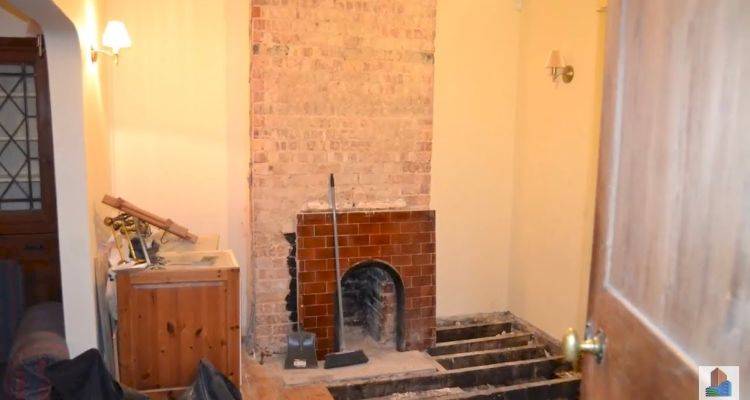
Removing a masonry chimney breast is major structural work and should be carried out by an experienced chimney specialist. If any part of the chimney remains above, a structural engineer should specify how it will be supported.
Depending on the size of your chimney, more than one contractor may be required to complete the job effectively, which can increase the overall cost.
Is a Gas Safe Registered engineer required for a chimney breast removal, or would it depend on different factors? If so, what might it depend on?
"You would normally only need a Gas Safe Registered engineer if you had the gas supply to a previously installed gas fire, or one currently installed within the chimney area."
Chimney Breast Removal Price List
Below is a table listing the different types of chimney breast removal jobs and the prices you can expect to pay for each job type.
We have also included duration estimates for each of these jobs. However, these can vary depending on the number of people who are working on the job and the complexity of the job at hand:
| Job Description | Duration | Average Cost |
|---|---|---|
| Remove chimney stack alone | 4 to 8 hours | £1,200–£1,400 |
| Remove ground floor chimney breast | 1.5 to 2 days | £1,500–£1,750 |
| Remove first-floor chimney breast | 1.5 to 2 days | £1,750–£2,000 |
| Remove chimney breast from a non-load bearing wall | 1 to 1.5 days | £900–£1,300 |
| Remove chimney breast entirely without the stack | 2 to 3 days | £2,200–£2,400 |
| Remove entire chimney breast and stack | 3 to 4 days | £3,000–£3,500 |
Want a custom price?
Post your job
Cost of Chimney Removal by Job Type
Where you are removing the chimney from and how much of it you want to be removed are two of the main cost drivers for this project.
Ground Floor Chimney Breast Removal Cost
Removing a chimney breast from the ground floor only usually costs around £1,500 to £1,750. This is a popular option for homeowners who want to create more living space downstairs without removing the full chimney above. Even though only the lower section is being taken out, the remaining chimney masonry will still need to be safely supported, which is why structural calculations are often required when removing chimney breasts downstairs only.
First-Floor or Bedroom Chimney Breast Removal Cost
Removing a chimney breast from a first-floor room or bedroom usually costs around £1,750 to £2,000. This is often slightly more expensive than a ground floor removal because access can be more difficult and additional support may be needed for the chimney structure above or below. The final price will also depend on how much making good is required afterwards.
My semi-detached house has a chimney in the living room and kitchen. Two upstairs rooms have the breast, but it's been removed in the kitchen. Can I get the chimney breast in the bedroom upstairs removed?
"Yes, this is possible to do, but we will need some structural calculations and steelwork to support the chimney stack in the loft space in order to fully remove the breasts from the house."
Chimney Stack Removal Cost
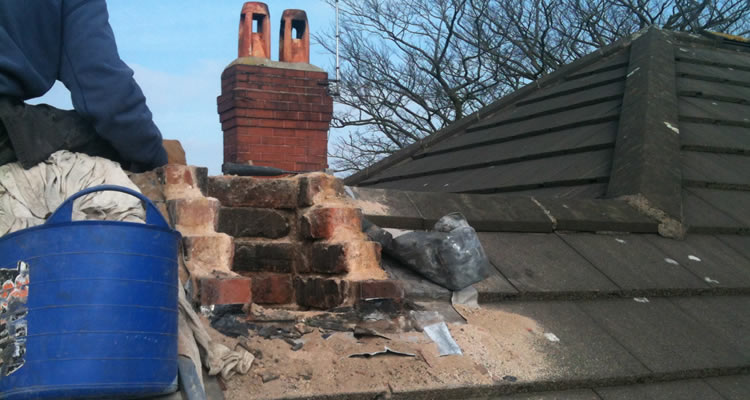
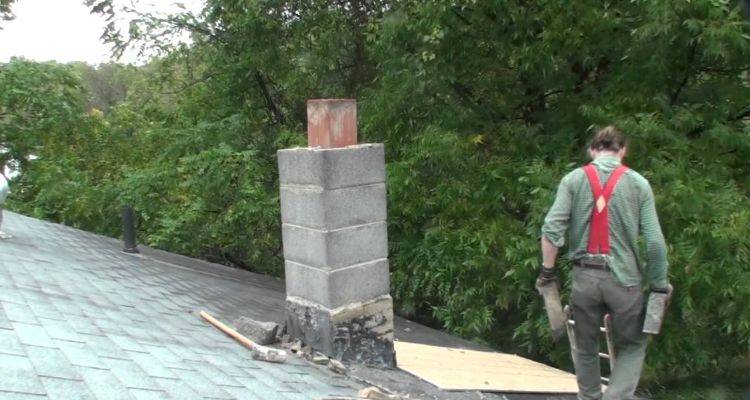
Removing the chimney stack from the roof alone typically costs around £1,200 to £1,400. This usually involves taking down the part of the chimney that sits above the roofline and making the roof good afterwards. Costs can rise if scaffolding is needed, access is awkward, or extra roofing work is required once the stack has been removed.
Full Chimney Breast and Stack Removal Cost
If you want to remove the entire chimney breast and stack, you can expect to pay around £3,000 to £3,500. This is the most expensive option because it involves demolition across multiple parts of the property, structural support, waste removal, and repairs to the roof, ceilings, and walls once the chimney has been taken out.
How straightforward is it to remove a chimney breast if the chimney stack was already removed?
"It's fairly easy to remove but for cost depends on different factors like access and making good, if just one level to be removed the cost would be around £1,500."
Cost to Remove a Non-Structural or False Chimney Breast
If the chimney breast is non-structural, such as a false chimney breast built from studwork and plasterboard, removal can cost as little as £900 to £1,300. This is usually cheaper than removing a traditional masonry chimney breast because less demolition, support work, and waste disposal are involved.
Fireplace Removal Cost
Removing a fireplace alone usually costs around £300 to £800, depending on whether you are removing just the fire surround and hearth or also blocking up the opening afterwards, for example if you are moving the fireplace elsewhere in the room. This is much cheaper than chimney breast removal because it often does not involve structural demolition, although costs can rise if plastering, rewiring, or gas disconnection is needed.
If a gas fire is installed, a Gas Safe registered engineer must disconnect the appliance before removal.
Labour Cost of Removing a Chimney Breast
Labour costs and timescales depend on your location, the difficulty of the job, and how much of the chimney is being removed.
- Day rate — The average labour cost is around £200 to £300 per day for each tradesperson.
- Team size — Chimney breast removal often requires two or more tradespeople so demolition and temporary support can be managed safely and efficiently.
- Quote breakdown — The total is usually quoted as one sum, but you can ask for an itemised breakdown to see how much is going towards labour.
- Location — Labour in London can cost around £30 to £70 more per person per day than in the north and other parts of the UK.
- Timescale — Removing the stack alone, one floor of chimney breast, or the whole chimney can take between 1 and 4 days on average.
How do I know if the chimney breast removal that was done to my house before I even bought it was safely completed?
"If you have no evidence of what works were carried out i.e. structural report pictures of works done with materials used, you would have to have it checked by a professional."
Do I need a structural engineer for chimney breast removal?
A structural engineer is normally needed if any part of the chimney will remain or the removal changes structural support. They will assess the property and design an appropriate solution, which may use steel beams or, where suitable and accepted by building control, gallows brackets. The calculations should be included with the building regulations application before work starts.
How much does a structural engineer for chimney breast removal cost?
If structural support is needed, you will also have to consider structural engineer fees. Structural calculations will take around 1 to 3 days and cost £250 to £600.
Factors That Impact Chimney Breast Removal Costs
There are a number of things that can affect the cost of removing a chimney breast, from the type of removal required to the access and support needed to keep the structure safe.
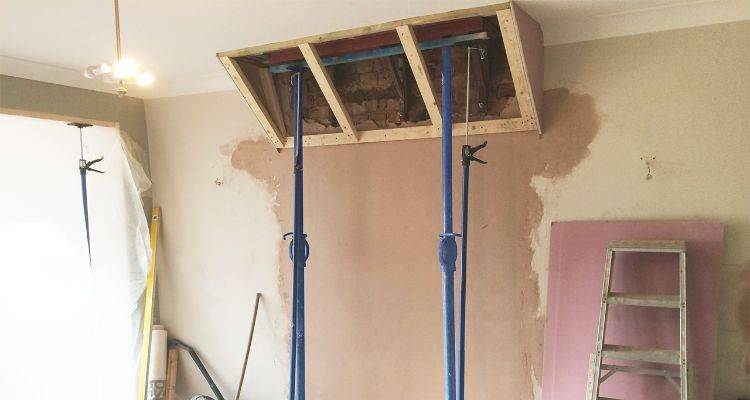
- Type of removal — The price changes depending on whether you are removing a ground floor chimney breast only, removing upper floors too, or removing the chimney stack and breast together. Partial chimney removal can be cheaper, but the remaining chimney may still need structural support.
- Size of chimney breast — Larger chimney breasts involve more demolition work, more waste to remove, and more finishing work afterwards. This can increase both labour time and disposal costs. They will also have higher structural support requirements, leading to higher supply and labour costs for installing an RSJ and padstones.
- Type of chimney — If the chimney is made from a material that's harder to break down, costs will usually be higher than materials that are easier to remove.
- Chimney condition — If the chimney is in poor condition, it might need more time and care to remove. Additional work to repair the area or issues caused by the damaged chimney can add to overall costs.
- Location and local labour rates — Labour costs vary by region, with higher day rates typically seen in London and the surrounding areas. The number of tradespeople required can also affect the total price.
- Property type and chimney position — Costs can vary depending on whether the chimney is on an external wall, a party wall, or part of a shared central chimney system. Flats, terraces, and semi-detached homes may involve additional considerations around access, neighbours, and the Party Wall etc. Act 1996.
- Future use of the space — If you want to install a fake chimney breast in place of your real one, there will be additional material and labour costs to consider.
Additional Chimney Removal Costs
Most of the additional costs associated with chimney removal are related to redecorating the area afterwards.
Additional work may also be required after removal, particularly if walls need plastering and redecoration. Common extra costs include:
- Plastering internal wall — £250 to £400.
- Painting the room — £400.
- Reboarding the ceiling — £250 to £600.
- Levelling the floor — £200 to £500.
- Strengthening or replacing joists — £500 to £1,500.
It is often necessary to replaster and redecorate the entire wall after chimney removal to avoid any visible signs of the removal such as joins, uneven surfaces, or mismatched paint shades.
Overall, making good after chimney removal can add around £1,000 to the total cost.
Hidden Costs of Chimney Removal
Removing a chimney is a complex task that often involves unexpected expenses. These can include unforeseen structural issues, the need for additional safety measures, or the discovery of hidden damage that wasn't apparent during the initial assessment.
- Scaffolding — The average scaffolding hire costs £300 to £400 for this type of work. It may be required if the property is two or more storeys high and the external chimney stack is being removed. Some quotes will have this factored in, so make sure to ask about this.
- Skip hire — The average cost of skip hire is £100 to £200. This may be required for waste disposal, although some quotes will include this in the overall cost.
- Relocating utility lines — If the chimney removal requires moving gas, water, or electrical lines, this can add to the labour duration and cost. Minor electrical rerouting costs £100 to £300 in most cases, but gas pipe adjustment by a Gas Safe registered engineer can cost between £150 and £500.
- Asbestos disposal — If the chimney contains asbestos, additional safety measures and specialist asbestos removal procedures will be required, significantly increasing the overall cost. Small-scale removal can cost between £400 and £1,000, but more significant asbestos disposal can cost up to £3,000.
- Replacing roof tiles — If the external chimney stack is removed, expect to pay around £200 for replacement of 5 roof tiles.
How Much Does Removing a Chimney Breast Save You?
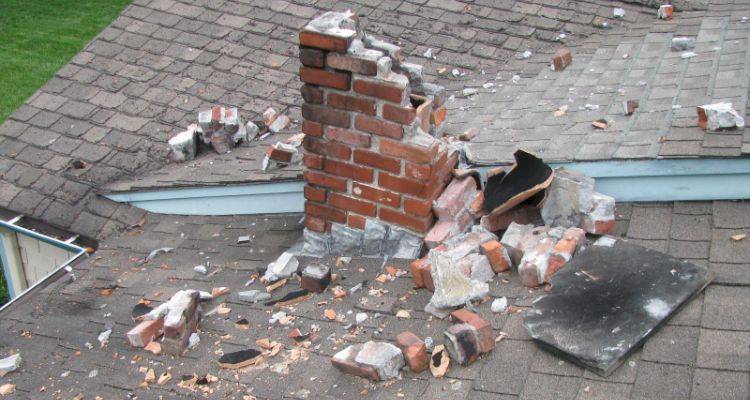
Removing a chimney breast and stack can reduce future maintenance costs, especially if the chimney is no longer in use or has ongoing damp or repair issues. Depending on the type of chimney you remove, you may avoid some of the following costs:
- Chimney sweeping — £60 to £150 per year.
- Chimney liner replacement — £600 to £1,000 every 10 years.
- Chimney leadwork repairs — £350 to £460, or £700 to £920 with scaffolding.
- Penetrating damp repairs — £250 to £650.
These savings won't apply in every case, but chimney removal can reduce ongoing repair and maintenance costs where the chimney is unused, damaged, or causing damp problems.
How much would it cost to point a chimney stack and a half on a semi-detached house, plus remove chimney cowls and replace with new cowls? There is also a tile that has been dislodged and a small leak on the back of the house.
"£500 for pointing, new cowls and tiles sorted. I would need to see where leak is and see what needs to be done before I can give a quote on that."
Other Benefits of Removing a Chimney
The benefits of removing a chimney are not just cost savings on potential repairs and maintenance:
- More space — Removing a chimney breast can free up valuable floor space, especially in smaller rooms. This can allow for more flexible furniture arrangements and better use of the room.
- Improved aesthetics — A chimney breast that is no longer in use can look out of place or dated, especially in non-period properties. Removing it can create a cleaner, more modern look in your home.
- Better insulation — Chimneys can be a source of heat loss in a home. Removing an unused chimney breast and properly insulating the area can improve energy efficiency and reduce heating bills.
- Increased property value — In some cases, removing a chimney breast can increase the value of your property by creating more usable space and improving the overall appearance of the home.
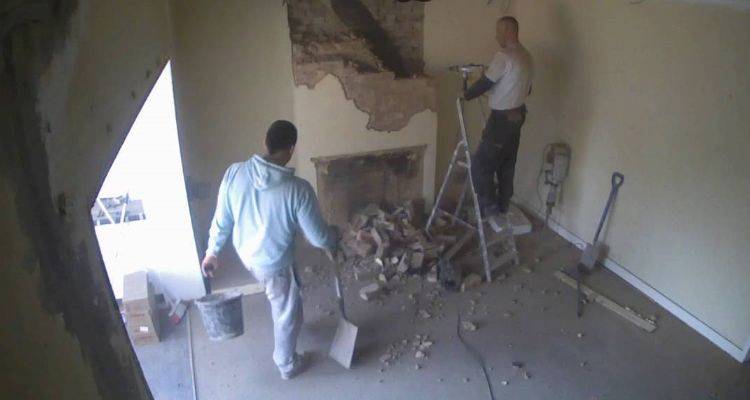
Can I Remove My Chimney Breast?
Many chimney breasts can be removed, but it's important to consider the structural implications and cases where removal might not be feasible.
Removal is usually possible when:
- A structural engineer confirms how any remaining chimney masonry will be supported.
- There are no safety issues, such as suspected asbestos, that need specialist work first.
- There is enough access to demolish the breast and install the designed permanent support.
- The work can meet building regulations and be inspected by building control.
Extra checks or consent may be needed when:
- The work affects a party wall, in which case you may need to serve notice under the Party Wall etc. Act 1996.
- The property is listed, when listed building consent may be required, or the external stack is in a conservation area with local planning controls.
- The chimney stack above cannot be supported safely without more extensive structural alterations.
- Suspected asbestos or connected gas, electrical, or plumbing services need specialist assessment before demolition.
What's Involved in Removing a Chimney Breast?
Removing a chimney breast is extensive work. Removing only the external stack is mainly carried out from outside, although roof repairs and some internal making good may still be needed.
- Isolate any Utilities — Services such as plumbing, gas, and electricity linked to the chimney breast area must be isolated, disconnected, or redirected before starting the removal work.
- Structural Support — If upper chimney sections remain, temporary support must be installed in line with the structural engineer's design before the breast below is removed. It stays in place until the permanent support designed by the structural engineer is installed.
- Insulation and Damp-Proofing — Openings and exposed surfaces must be made weatherproof. Insulation and damp-proofing may also be needed, depending on what the removal exposes and how the area will be finished.
- Clean-Up and Finishing — After removal, clean-up and replastering are needed to prepare walls for redecoration. This can be time-consuming and may increase costs if hiring plasterers or decorators.
How much would building regulations approval cost for removing a chimney breast?
"Depending on where you are in the country, about £350."
Checklist: Hiring a Contractor to Remove a Chimney Breast in the UK
There are several things you may need to consider when it comes to hiring someone to remove your chimney breast.
Here's a list of all of the things that you should think about before making a decision on the right person to take on the job:
- Are they a member of a recognised trade body? The Federation of Master Builders is a respected organisation, and membership can show that they work to certain standards.
- Are they TrustMark registered? This government-endorsed scheme helps you find tradespeople who have been vetted for quality and customer service.
- Will they provide an itemised written quote? Ask for a breakdown of costs so you know what's included and if there are any additional fees.
- Are they experienced? Find out how much experience they have removing chimney breasts, as it has structural implications so needs to be done properly.
- Do they have insurance? Public liability insurance protects you if something goes wrong during the work.
- Do they understand building regulations? Make sure they're aware of any building regulations that need to be followed for chimney breast removal.
- Can they arrange structural calculations if needed? Chimney breast removal often requires steel supports or gallows brackets, so your contractor should understand when a structural engineer is needed.
- Are they Gas Safe registered (if a gas fire is involved)? If the chimney breast contains or connects to a gas appliance, the gas supply must be disconnected or capped safely by a Gas Safe registered engineer.
- Do they have positive reviews or recommendations? Check their MyJobQuote profile to see feedback from previous customers.
Ask a Trade
Got a question that only a tradesperson can answer? We have thousands of trades ready to answer any question you may have.
Ask your question

FAQs
Can I Remove a Chimney Breast Myself?
Chimney breast removal is a structural alteration to your home and often involves temporary support and permanent steelwork based on structural calculations. For safety and building regulations compliance, it is normally carried out by experienced tradespeople and signed off by building control.
Do I Need Planning Permission to Remove a Chimney in the UK?
In most cases, planning permission isn't required for the removal of a chimney breast as it falls under permitted development, unless you live in a listed building. Planning permission may also apply if the work affects the outside of the property, such as removing the chimney stack, including in conservation areas.
Do I Need Building Regulations Approval to Remove a Chimney Breast?
Removing a chimney breast must have building regulations approval as it affects the structure of your property and should only be carried out by an experienced professional. A building regulations application and inspection for chimney breast removal typically costs around £200 to £400 and takes 1 to 2 weeks for approval.
Will Removing a Chimney Breast Devalue My House?
The impact of removing a chimney breast on your house's value depends on your property. In modern homes, removing a chimney breast can add value by freeing up space, creating more usable floor area, and can lead to improved energy efficiency. In older period properties, it may put off buyers who prefer original period features.
Can I Remove Just the Ground Floor Chimney Breast?
A partial chimney removal is possible, allowing you to remove the chimney breast from a single floor. Many homeowners remove the ground floor breast to free up living space while keeping the upper floors and the stack intact. The chimney above will need supporting, usually with gallows brackets or a steel beam fitted in the ceiling.
Can I Install an Electric Fire After Removing a Chimney Breast?
Once the chimney breast is removed and the wall has been plastered, you can install modern heating options that don't need a flue, which include electric fires, media walls, or freestanding electric stoves.
Could There Be Asbestos in My Chimney?
Asbestos may be present in properties built or renovated before 2000, and it was sometimes used in flue liners, fire backs, and fireplace surrounds. If workers find asbestos, removal must stop, and a specialist must be brought in. It's worth considering an asbestos survey before work begins if your home is older.
How To Tell If a Chimney Breast Is Load-Bearing?
Most chimney breasts are structural and help support the floors and roof above. Some homes have false chimney breasts made from timber studwork and plasterboard, which are easier to remove. A structural engineer can assess your chimney breast to determine whether it is load-bearing and what support will be required.
Can I Remove a Chimney Breast If My Neighbour Has Already Removed Theirs?
It is still possible to remove your side, but the method will likely change. Gallows brackets may not be suitable as there is less support from the party wall, so a steel beam is often needed instead, and the job may cost more due to the extra steelwork.
Will Removing a Chimney Breast Affect My Home Insurance?
You should tell your home insurance provider before any structural work starts. Chimney breast removal is classed as a material alteration, and not informing your insurer could affect your cover. Most providers need to know that professionals are carrying out the work and that it will be signed off by building control.
Is It Worth Removing a Chimney Breast?
Although it can be expensive, many homeowners find removing a chimney breast worthwhile as it can improve the layout of a room and modernise the home. It can also help reduce damp issues.