Builders
 Carpenters
 Electricians
 Flooring Specialists
 Gardeners
 Handymen
 Heating Engineers
 Painters & Decorators
 Plasterers & Renderers
 Plumbers
 Roofers
 Tilers
 my
myCost to Move a Fireplace
At a Glance
- The average cost of moving a fireplace is around £1,050.
- Most jobs can be completed within 1 or 2 days.
- Typical costs in 2026 for moving a fireplace, depending on the type of fire.
- How long the process should take, along with a guide to what's involved.
- How to find a local heating engineer with MyJobQuote.
Get free estimates
Are you a trade? Get more work today!
£1,050
Table of Contents
- How Much Does It Cost to Move a Fireplace?
- Labour Cost to Move a Fireplace
- Additional Costs of Moving a Fireplace
- How Much Does Fireplace Removal Cost?
- Reasons to Move a Fireplace
- What Impacts The Cost to Move a Fireplace?
- What's Involved in Moving a Fireplace?
- Building Regulations and Planning Permission for a Fireplace Relocation
- Checklist: Hiring a Tradesperson to Move a Fireplace in the UK
- FAQs
How Much Does It Cost to Move a Fireplace?
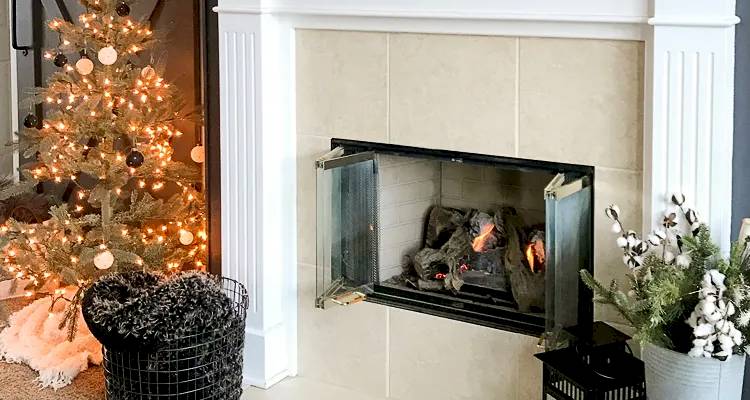
On average, the cost of moving a fireplace will typically come to around £1,050.
There are a few reasons why moving a fireplace may be a good idea, including if you're rearranging a room or having it relocated elsewhere around the house, or alternatively if you're installing an old fireplace from a previous property.
What is your main reason for moving a fireplace?
Changing the layout/aesthetics of a room
0 votes - 0%0% of votes
Undertaking structural work
1 votes - 33%33% of votes
Due to health and safety concerns
0 votes - 0%0% of votes
Installing a new fireplace
2 votes - 67%67% of votes
As part of a wider home renovation project
0 votes - 0%0% of votes

3 votes
See results
Hide results
The price you pay for moving a fireplace will depend on:
- The type of fire.
- Ease of access.
- The job's complexity.
- Your location in the UK.
Fireplace Relocation Prices
Let's take a closer look at fireplace relocation costs:
| Job Description | Total Estimated Cost |
|---|---|
| Move an electric fireplace | £300–£700 |
| Move a gas fireplace | £700–£1,300 |
| Move a wood-burning stove | £900–£1,600 |
| Move a traditional wood or coal fireplace | £900–£2,000 |
Want a custom price?
Post your job
Ready for a quote?
We have a range of local fireplace fitters ready to offer you a free quote!
Labour Cost to Move a Fireplace
When you're moving a fireplace, labour fees make up most of the total cost, around 60% to 80% depending on the type of fire.
Various factors will affect the total labour costs for your fireplace move:
- The fireplace's size.
- The type of fireplace.
- Where the fireplace is being moved to.
- The ease of access.
- The difficulty of the job.
- Your location in the UK.
The type of fire can have a big impact on labour fees because of the different tradespeople that may be required, and how long you need them for.
The table below gives you an idea of the typical hourly rates for the different tradespeople you might need:
| Tradesperson | Typical Hourly Rate | Typically Required For |
|---|---|---|
| Builder | £30–£50 | General fireplace moves |
| Gas Safe registered engineer | £45–£80 | Gas fire disconnection/reconnection |
| Electrician | £45–£60 | Hard-wired electric fires |
| HETAS registered installer | £45–£70 | Wood-burning stove relocation |
Want a custom price?
Post your job
These rates are the UK averages for the different trades, but if you're looking to hire tradespeople in London and South East, expect their rates to be 15% to 25% higher.

Some smaller electric fireplaces could be moved within a few hours. However, larger or more difficult fireplaces may take a few days to move.
The table below gives you an idea of the estimated labour costs for moving different types of fireplaces, along with an idea of the timescales for an average job:
| Job Description | Estimated Labour Cost | Typical Timescale |
|---|---|---|
| Move an electric fireplace | £150–£350 | ½ to 1 day |
| Move a gas fireplace | £400–£800 | 1 day |
| Move a wood-burning stove | £600–£1,000 | 1 to 2 days |
| Move a traditional wood or coal fireplace | £700–£1,400 | 2 to 3 days |
Want a custom price?
Post your job
For a more accurate estimate, it's a good idea to speak to a heating specialist who can come out to your fireplace and give you a more accurate quote for the costs and timescales for your particular fireplace movement job.
Additional Costs of Moving a Fireplace
There are several additional costs that you may need to think about when moving a fireplace. Here's what you may need to consider when relocating your fireplace:
Chimney Liner Costs
When you move or replace your fireplace, you may want to invest in a new chimney liner to ensure your new fire remains safe and efficient.
The average chimney liner cost is around £800.
The exact price you pay will depend on the size of your chimney, the materials used, and your location in the UK.
Chimney Removal Costs
If you're relocating your fireplace to a new position or removing it entirely, you may decide to also remove the chimney or chimney breast.
The average cost to remove a chimney breast in the UK is around £2,500, although prices can vary depending on the size and location, whether it is internal or external, and how much structural support work is required.
Chimney removal will usually require the input of a structural engineer and Building Control approval, which can increase the overall cost.
Moving Radiator Costs
When moving your fireplace, you may also be interested in moving your radiators to improve the layout of your room or the heat distribution.
The average cost to move a radiator to a new location is around £275 per radiator.
The price can depend on the size and type of the radiator, the ease of access, and your location in the UK.
Redecorating and Making Good Costs
If you're taking away your old fireplace and filling in the space left behind, you'll need to budget for making good.
This will typically involve:
- Blocking up and plastering — £250 to £600.
- Painting and decorating — £150 to £400.
- Laying new carpet — £200 to £600.
- Installing wooden flooring — £400 to £1,300.
I have a metal mantel and insert in my fireplace in the master bedroom that needs removing. How do I go about this?
"Find the holding lugs that are under the plaster, unscrew, and it will lift out in one. Normally 3 in total above and 2 below."
How Much Does Fireplace Removal Cost?
You will most likely need to remove the existing fireplace before it can be relocated. You may also decide to permanently remove the fireplace altogether.
Total fireplace removal costs will depend on the type of fire, any necessary disconnection, and how much making good is required once it's removed.
If you're getting a quote for fireplace removal prices you should check exactly what it will include, but most quotes would include:
- Safe disconnection of the fire (where applicable).
- Dismantling and removal of the fire and fireplace.
- Basic removal of all the waste from the job.
It's worth noting that, while you will most likely want the space left by the removal of your fireplace made good, any blocking up of the fireplace, chimney alterations, plastering, or painting are unlikely to be included in the fireplace removal costs.
The table below gives you an idea of the basic fireplace removal costs for the different fire types:
| Job Description | Total Estimated Cost |
|---|---|
| Remove an electric fireplace | £150–£300 |
| Remove a gas fireplace | £200–£400 |
| Remove a wood-burning stove | £200–£500 |
| Remove a traditional wood or coal fireplace | £300–£750 |
Want a custom price?
Post your job
What can you do if a fireplace opening is too big? Is this easy to fix? How can you make a fireplace smaller?
"This can be altered with a small timber frame and plasterboard, depending on what surface is already there. It isn't usually a big job."
Reasons to Move a Fireplace
There are various reasons you might choose fireplace removal or relocation:
Change the Room Layout
Removing a fireplace can be the catalyst for improving the overall layout of a room.
For example, moving a fireplace from one wall may allow that space to be used for other things, or it could help to create a more open-plan living arrangement.
Improve Aesthetics
Fireplace relocation can make a big difference to how a room looks, helping to refresh the design without major structural work.
You can remove a fireplace from one part of the room, and install it in another space that makes more sense for your home.
You might also choose to replace an old fireplace and hearth with a modern design.
Structural Issues
If you're undertaking major structural work such as removing a wall, fireplace removal may form part of that.
Bear in mind, though, that structural renovations may need the input of an architect to ensure you don't damage the structural integrity of your home.
There could also be structural problems that require you to move your fireplace to deal with them. For instance, damp or ventilation issues with your fireplace or chimney may need attention.
Improve Safety
You might find the current placement of your fireplace doesn't meet current safety regulations.
For example, clearance distances might not be met, or it could be that you're changing fuel types to meet current guidance on burning fuels such as wood.
Install a New Type of Fireplace
One of the most popular reasons for fireplace removal is simply to install a new type of fire.
If you're switching from one type of fuel to another, the fireplace and chimney will need to be properly equipped for this.
I would like an idea of price to remove a decorative fireplace and make good the wall to potentially mount a TV in place?
"The estimated cost ranges from £350 to £700 for a basic removal with minimal repairs to a maximum of £3,500 to £7,000+ for a more complex project involving structural modifications, high-end wall finishes, permits, inspections, and TV installation.
Keep in mind that the actual cost will depend on your specific project requirements, location, and the professionals you hire, so it's advisable to obtain quotes from local contractors for a more accurate estimate tailored to your situation."
Keep in mind that the actual cost will depend on your specific project requirements, location, and the professionals you hire, so it's advisable to obtain quotes from local contractors for a more accurate estimate tailored to your situation."
What Impacts The Cost to Move a Fireplace?
Several things can affect the overall cost of moving a fireplace.
Let's take a closer look at those factors so that you can get a better idea of which factors may affect your particular fireplace relocation job:
Size of Fireplace
The size of the fireplace can make a very big difference in the overall cost that you'll pay for the job.
Larger fireplaces will usually be much more difficult to manoeuvre, and will take longer to move. Some large fireplaces may even require more than one contractor to complete the move.
The longer the job takes, the more you will have to pay in labour fees. And, if an additional person is needed to complete the move, this can increase the labour costs even more.
Type of Fireplace
The type of fireplace that you're moving can also affect the overall cost of the job.
Some types of fireplaces are much more difficult to move than others. For example, brick, stone, or marble fireplaces tend to be much heavier and more fragile than wooden fireplaces.
With this in mind, the type of fireplace can affect how long the job takes and, therefore, can affect the labour costs for the job.
Trades Required
The total cost of fireplace removal or replacement will depend on which tradesmen you need to complete the work.
If a Gas Safe registered heating engineer is needed to make safe any gas connections, this will be more expensive than simply removing a defunct fireplace that has had no operational fire for many years.
Similarly, you should factor in any costs connected to plastering or decorating the old fireplace area to ensure it looks good. Some of these tasks can be completed on a DIY basis if you have the skills and experience, yet you'll still need to buy materials and equipment.
Location of Property
The location of your property can affect the price that you pay to move your fireplace.
Those based in London can expect to pay more for the labour costs compared to those based in the north or other parts of the UK.
On average, heating specialists will charge around £5 to £10 more per hour in London than heating specialists based in other parts of the UK.
Age of Property
Older homes may be more difficult for your contractor to navigate.
For example, access to the flue may be more difficult than in modern properties, or the walls may be made from materials that require careful handling.
Fireplace removal can still take place in older properties, but it may need planning more carefully to ensure the job takes place efficiently and safely.
Ask a Trade
Got a question that only a tradesperson can answer? We have thousands of trades ready to answer any question you may have.
Ask your question

What's Involved in Moving a Fireplace?
If you're simply moving a plug-in electric fire, this is something quick and easy you can do yourself. Portable fires are often lightweight and they don't involve any gas or permanent connection to the main electricity supply.
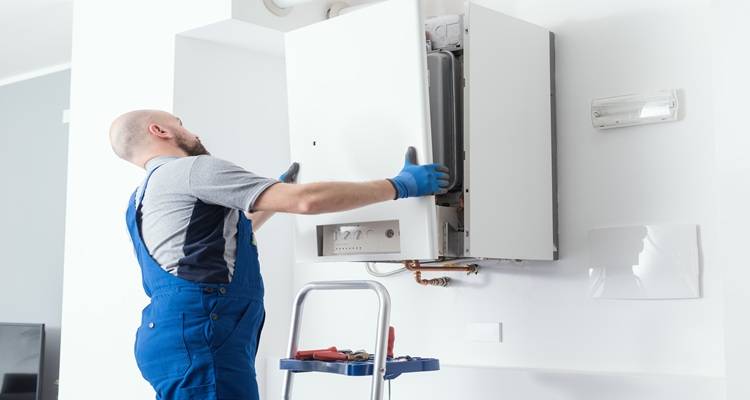
However, hard-wired models will require a qualified electrician and should not be done as a DIY project. As for gas fireplaces, these must always be removed by a Gas Safe registered engineer and solid fuel fireplaces should only ever be actioned by HETAS registered engineers.
If you don't already have someone to work on your fireplace, then you can request free quotes via MyJobQuote and find local heating engineers in your area.
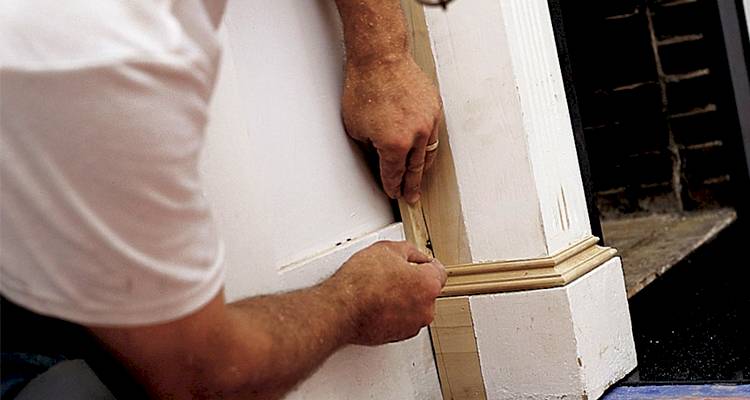
Below is a list of steps that your contractor will most likely take when moving a fireplace from one area of the room to another. However, some of these steps may change as they are not always suitable for gas, solid fuel, or masonry fireplaces.
Before the Job
- Consultation — Speak to your contractor first to determine the exact method they will use to ensure they are comfortable and qualified to move your particular fireplace.
- Take photographs — If you don't already have the manufacturer's instructions, then take several photographs of the fireplace to ensure it can be reassembled in the same way later on.
During the Job
- Remove Fixtures and Fastenings — This includes all of the nails, screws, and safety brackets from the back of the fireplace so it can be lifted away from the wall.
- Label Each Part — As you remove each component, it is recommended that you label them appropriately to make reassembly much more straightforward.
- Reassembling the Fireplace — Start at the bottom, placing the hearth firmly in position, and then build upwards following your photographs and labels.
After the Job
- Safety Inspection — Ensure the job has been inspected so the fireplace is deemed safe and in working order, while adhering to the appropriate building regulations required.
Building Regulations and Planning Permission for a Fireplace Relocation
Flue Safety
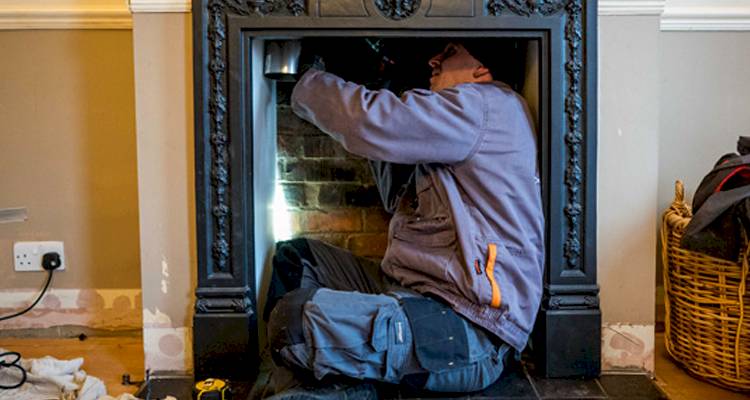
Building regulations will apply if you alter or extend an existing flue or when you install a new one. All work must comply with Building Regulations Part J, which covers ventilation and flue safety. You're likely to need a new flue liner to ensure that your chimney is safe and compatible.
Ventilation
You should take into account factors such as the ventilation and the general safety of the fire in its new location.
Chimney Work
If you are completing work on your chimney, then this will require Building Regulations approval as chimneys are usually load-bearing.
When working on the chimney, you should speak to a structural engineer for advice before making any changes.
If you plan to remove the chimney completely when you move your fireplace to a new position, then a structural engineer will have to assess the strength of the party or gable wall.
They will also check the thickness of the chimney flue and the height to determine what support measures need to be put in place.
Any structural chimney alterations will require Building Control approval, although this isn't usually necessary for minor internal repairs or changes.
Qualified Installers
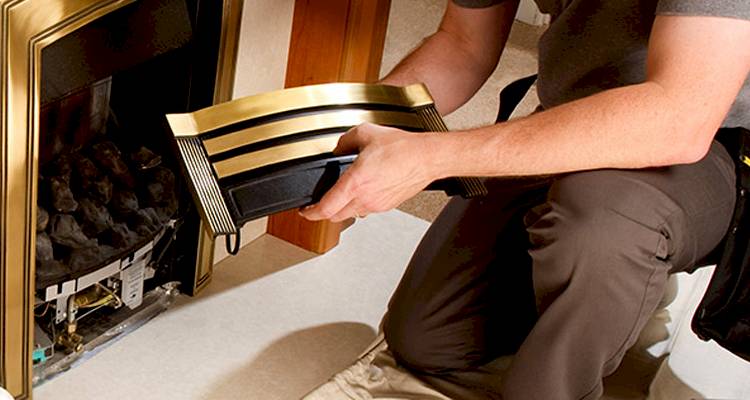
The installation of your fire in its new position should be carried out by a qualified professional relative to the fuel source. Installing a gas fire requires Gas Safe registered engineers, and solid fuel requires HETAS registered engineers.
Planning permission is usually not needed for fireplace relocations, but you will need permission if:
- You live in a listed property.
- Your property is part of a conservation area.
- The work is likely to impact the external appearance of your chimney.
Checklist: Hiring a Tradesperson to Move a Fireplace in the UK
You will need to consider a few things before hiring contractors to move your fireplace for you. Here's what we suggest:
- Have you received more than 1 quote? It's highly recommended to gather at least 3 different quotes to compare prices between tradesmen, which you can do using MyJobQuote without any obligations.
- Do you have a written copy of the quote? Ask for an itemised breakdown of what's included, being sure to check if potential additional costs such as waste removal are already covered in the price.
- Are you hiring an experienced tradesman? Check to see if the contractor is experienced in moving the type of fireplace you have and that they can prove they are qualified to do so (such as being on the Gas Safe register or HETAS registered if applicable).
- Can they provide examples of previous work? As well as asking if they have a portfolio, check their MyJobQuote profile or search online for reviews and customer feedback.
- Does their work come with a guarantee? Remember to ask if the contractor offers any guarantees on their work, as not only does this provide confidence, but a reputable company will happily resolve any issues.
- Do they have public liability insurance? While this isn't a legal requirement, it's something most tradesmen will have in the event of accidental damage or injury.
FAQs
Can I Replace a Fireplace Myself?
Small electric fireplaces that simply plug in may be moved as a DIY project, but anything connected to mains electricity should be installed by a qualified electrician. Gas fireplaces may only be handled by Gas Safe registered engineers, and wood or solid fuel fireplace installations must comply with Building Regulations and are therefore usually carried out by HETAS registered engineers, as such work is subject to Building Regulations Part J.
Can I Move a Fireplace if I Live in a Flat?
Moving a fireplace in a flat or apartment is often more complicated due to sharing walls and flooring with neighbours. You may need permission from your building management or freeholder, and a qualified professional must be hired to ensure the work complies with fire safety, ventilation, and building regulations.
How Long Does Moving a Fireplace Take?
Electric fires can be relocated within a few hours, although basic plug-in options can be done even quicker. However, larger brick, stone, or gas fireplaces may take 1 to 3 days to dismantle and reinstall, as well as requiring further safety checks before use.
Can I Move a Fireplace to Another Wall?
This may be possible, but it will usually depend on the type of fireplace. It's usually fairly simple to relocate an electric fireplace, but a gas fire may need a new gas supply and flue. Wood-burning fireplaces need a compliant installation, and open fires can be bigger construction projects to remove and reinstall.
Do I Need to Move the Chimney to Move a Fireplace?
Moving your chimney is not always necessary if you relocate a fireplace. Electric fireplaces don't need a chimney and for gas and wood-burning fireplaces you can make alternative, suitable flue arrangements. Traditional open fires are the biggest challenge, as they are typically tied to the chimney breast, so a relocation may involve a bigger construction project.