Builders
 Carpenters
 Electricians
 Flooring Specialists
 Gardeners
 Handymen
 Heating Engineers
 Painters & Decorators
 Plasterers & Renderers
 Plumbers
 Roofers
 Tilers
 my
myLoft Insulation and Boarding Cost
At a Glance
- The cost to board a loft typically runs between £500 and £1,500.
- The cost to insulate a loft typically runs between £700 and £1,200.
- Boarding and insulating a loft together usually takes between 2 and 3 days.
- A breakdown of loft boarding and loft insulation costs in 2026, plus the main factors that affect prices.
- How long each type of job takes and what's involved.
- How to find and hire a local loft boarding or insulation contractor using MyJobQuote.
Get free estimates
Are you a trade? Get more work today!
How much does it cost to board or insulate a loft?
For many, the loft (or attic) is a space with untapped potential.
Whether it's getting a conversion or simply making it more usable, boarding and insulating your loft can make a big difference, adding benefits such as practical storage, reduced heat loss, and improved energy efficiency.
In 2026, the average cost to board and insulate a loft is around £1,500.
However, the final cost will depend on the size of the loft, the materials used, and the amount of work required.
On average, boarding and insulating a loft together takes 2 to 3 days. Smaller, simple jobs can be quicker, while complex installations may take longer.
Below, we look at loft boarding and loft insulation in detail, covering average prices, cost factors, timescales, what's involved, and advice to help you plan your project.
£1,500
Table of Contents
- How Much Does Loft Boarding Cost?
- How Much Does Loft Insulation Cost?
- What Affects the Cost of Loft Insulation and Boarding?
- What's Involved in Boarding and Insulating a Loft?
- Additional Costs for Loft Boarding and Insulation
- Does Loft Boarding or Insulation Add Value?
- Can I Board and Insulate a Loft Myself?
- Building Regulations for Loft Boarding and Insulation
- Can I Get a Grant for Loft Insulation and Boarding?
- Cost of Removing Loft Boarding and Insulation
- Checklist: Hiring a Loft Boarding and Insulation Contractor in the UK
- FAQs
How Much Does Loft Boarding Cost?
The cost of loft boarding (sometimes called loft flooring) depends on the size of the space, the type of boards you choose, and how straightforward the job is. A small section of boarding can cost as little as £500, while a fully boarded large loft with extra work may exceed £1,500.
What is your main reason for boarding and insulating your loft?
To reduce energy bills and heating costs
4 votes - 57%57% of votes
Improve home comforts (temperature control, soundproofing etc)
1 votes - 14%14% of votes
Increase property value
0 votes - 0%0% of votes
It's part of a wider project (such as a loft conversion)
2 votes - 29%29% of votes

7 votes
See results
Hide results
Most standard jobs fall somewhere in between, taking around 1 to 2 days to complete, or up to 3 days for larger or more complex jobs. For the full breakdown, see our loft boarding cost guide.
What would be the best way to install loft boards over insulation, so they don't push the insulation down?
"Never push the insulation down or it won't work properly. Use board legs or if you can, 6×2 and add it on edge to give you your height."
Loft Boarding Prices (Per m² and Per Job)
Below are the average costs to board different sized areas of a loft. These prices include materials and labour for a simple ladder installation:
| Area | Average Cost |
|---|---|
| 15m² | £1,100–£1,500 |
| 20m² | £1,500–£1,800 |
| 30m² | £2,350–£2,500 |
| 40m² | £3,000–£3,250 |
Want a custom price?
Post your job
Note: Prices vary depending on board type (standard chipboard vs structural floorboard), access, and whether additional work such as moving a hatch or wiring is required.
How Much Does Loft Insulation Cost?
The cost of loft insulation depends on the area to be insulated, the material you choose, and whether it's laid on the loft floor (between or over the joists) or at roof level (between or under the rafters).
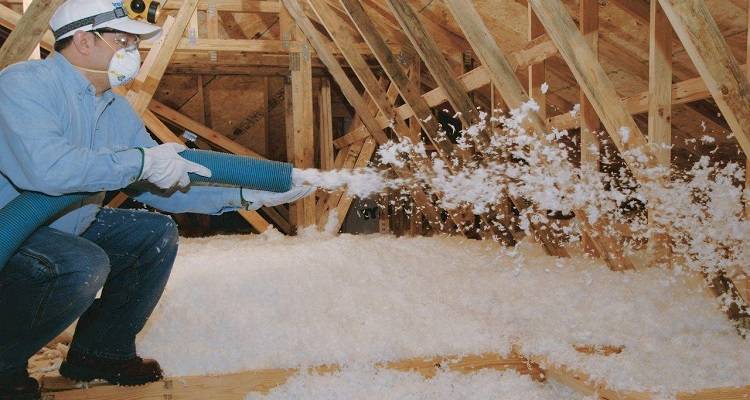
Typical projects fall between £700 and £1,200 for a standard home. Insulation jobs usually take a few hours for loose-fill or blown methods, and around a day for blanket rolls. For more detail, see our loft insulation cost guide.
Loft Insulation Prices (Per m² and Per Job)
The table below shows average installed costs to insulate 15m² of loft floor, using common materials. (Materials-only prices are lower, but most installers quote supply and fit.)
| Type of insulation | Average cost (15m²) |
|---|---|
| Blanket (rolls) | £400–£600 |
| Loose-fill | £275–£325 |
| Blown (injected) | £400–£500 |
Want a custom price?
Post your job
What Affects the Cost of Loft Insulation and Boarding?
- Size of the loft — A larger loft needs more boards or insulation material and more time on site, so both jobs cost more.
- Type of boards — Standard chipboard is the cheapest. Structural floorboards cost more.
- Insulation type and method — Blanket rolls are cost-effective and loose-fill suits awkward spaces. Roof-level insulation (between the rafters) costs more than floor insulation but keeps the loft warm.
- Raised vs direct boarding — Where insulation is present, a raised system on loft legs is needed to avoid compressing it. It adds cost but protects performance and ventilation.
- Depth and coverage — Meeting the recommended insulation depth and working around tanks, pipes and cabling adds time and material.
- Access — Narrow hatches or a tricky loft layout slow both jobs down and can add labour.
- Labour charges — Day rates are typically £150 to £250, with higher rates in London and the South East.
- Extras — A loft ladder, lighting, joist strengthening, vapour control layers, or eaves vents all add to the total.
Why do you need loft legs for boarding over a loft? Can't I just lay boards over the joists?
"The point of loft legs is to protect the loft insulation being flattened by the boards, that is providing you have loft insulation thus limiting its insulation qualities.
Your loft legs are designed to bridge the thickness of the insulation and protect its integrity."
Your loft legs are designed to bridge the thickness of the insulation and protect its integrity."
What's Involved in Boarding and Insulating a Loft?
Whether tackled together or separately, boarding and insulating a loft usually follows the same order:
- Assessment — The installer checks access, joist condition, insulation depth, and any ventilation, electrics, tanks, or pipework that need attention first.
- Insulation — Insulation is laid on the loft floor between and over the joists to the recommended depth, or fitted at roof level for a warm loft, working around obstructions.
- Raised loft legs — Where boards will go over insulation, loft legs are fixed to the joists to lift the boards clear and protect the insulation's depth.
- Boarding — Tongue-and-groove or structural boards are laid across the legs and screwed down, cut around light fittings, cables, and pipes so they stay accessible.
- Ventilation and safety — Clear airflow gaps are kept at the eaves, downlights are guarded, and a final check confirms nothing is compressed or covered that shouldn't be.
- Finishing — Off-cuts and waste are cleared, and the loft is ready for storage.
Additional Costs for Loft Boarding and Insulation
These optional extras and situational add-ons can increase the total price. Use the ranges below as a guide. Your quote will reflect access, layout, and any remedial work needed.
| Item | Typical Cost | Notes |
|---|---|---|
| Loft ladder (supply and fit) | £150–£350 | Timber or aluminium. Premium or folding ladders cost more. |
| Hatch enlargement or relocation | £120–£300 | Includes trimming, finishing, and architrave. |
| Raised boarding system (loft legs) | £10–£18 per m² | Protects insulation depth and ventilation. Added on top of boarding. |
| Lighting and switch | £60–£150 | LED batten and basic wiring. |
| Electrical safety adjustments | £80–£250 | Cable rerouting and downlight guards. |
| Tank and pipe insulation | £60–£180 | Lagging to prevent freezing once insulated. |
| Vapour control layer / eaves vents | £50–£150 | Manages condensation and airflow. |
| Waste removal / skip | £70–£200 | Disposal of old boards or insulation. |
| Pest or damp remediation | £120–£400 | Resolved before work can proceed. |
| Structural joist strengthening | £200–£600 | For uneven, undersized, or damaged joists. |
| Small-job minimum / access surcharge | £40–£120 | For very small or awkward jobs. |
Want a custom price?
Post your job
Item prices are indicative for straightforward installs. Complex wiring, premium ladders, larger hatch carpentry, or extensive waste can move a quote toward the top of each range. If you plan to board over new insulation, allow for a raised system so the insulation depth and ventilation are not compressed.
Does Loft Boarding or Insulation Add Value?
Both loft boarding and insulation can add value to a home, though in different ways. Boarding creates safe, accessible storage space, something buyers often look for. While it may not add thousands to the sale price, it can make your property more attractive and easier to sell.
Insulation delivers long-term savings on energy bills and can improve your home's EPC rating. A better energy performance rating not only reduces running costs but can also make a property more appealing to prospective buyers in today's market.
Because these improvements are relatively low-cost compared with other home upgrades, they often represent good value for money. When professionally installed, boarding and insulation are practical upgrades that make daily life easier and add to the appeal of your home.
Can I Board and Insulate a Loft Myself?
It is possible to install loft insulation or boarding yourself, but it is not always straightforward. Lofts are often cramped, dusty, and poorly lit, which makes the work uncomfortable and sometimes hazardous.
There are also practical risks. Stepping in the wrong place can damage the ceiling below, and compressing insulation under boards can reduce its effectiveness. While laying simple blanket insulation rolls may be manageable for confident DIYers, most other insulation types and larger boarding projects are best handled by professionals.
Using a professional installer helps ensure the work is carried out safely, with proper ventilation and to a good standard, reducing the chance of problems or extra costs in the future.
Should I avoid laying boards flat on the joists so they don't compress the insulation?
"You can get extension legs from most DIY stores or put some additional timber to make the height, but do not overload the existing structure."
DIY Preparation Only
While the installation itself is best left to professionals, there are some safe preparation steps you can take before the work begins:
- Clear stored items from the loft to give the installer space to work.
- Check that the loft is accessible, with a safe ladder or hatch.
- Look for signs of leaks, damp, or damaged timbers and have these fixed before insulation or boarding is added.
- Arrange adequate lighting if the loft is especially dark.
Carrying out this preparation makes the job faster, safer, and often more cost-effective once professional installers arrive.
Building Regulations for Loft Boarding and Insulation
UK building regulations require loft insulation to be at least 270mm thick. Installers must also leave clear ventilation gaps at the eaves and ensure electrical cables, downlights, and water tanks are left safe and accessible. If the loft is boarded, the boards should be raised above the insulation to prevent compression and maintain airflow.
Can I Get a Grant for Loft Insulation and Boarding?
Some households can get help with the cost of insulation through the Energy Company Obligation (ECO) scheme. Eligibility depends on your personal circumstances, the type of property, and your energy supplier. The grant usually covers the installation of insulation only, not extra work such as clearing a loft or fitting boards.
The simplest way to check if you qualify is to contact your energy supplier directly.
Cost of Removing Loft Boarding and Insulation
Sometimes existing loft boards or insulation need to be taken out before new materials can be installed. This is most common when there has been roof damage, water ingress, or if older insulation has degraded or was fitted incorrectly.
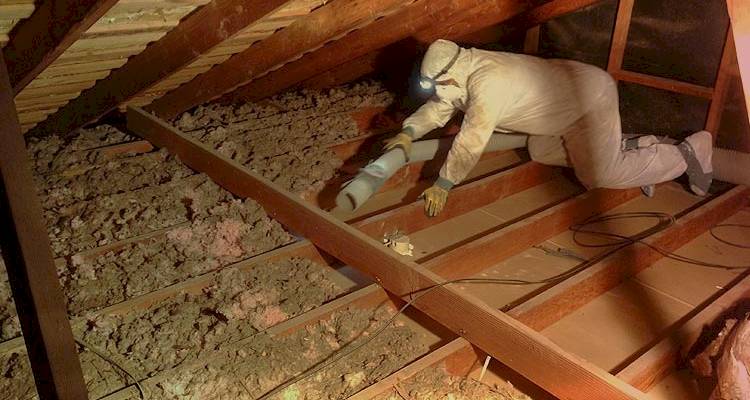
In some cases, boards can be lifted and reused once new insulation has been fitted. However, where materials are damaged, they should be fully removed and replaced. Most installers will also dispose of old insulation as part of the job.
As a guide, allow an extra £250 to £400 on top of installation costs to cover removal and disposal of old insulation and boarding. The final figure will depend on the size of your loft and the amount of waste to clear.
Checklist: Hiring a Loft Boarding and Insulation Contractor in the UK
When comparing contractors, it helps to carry out a few simple checks. These steps can reduce the risk of problems and give you a clearer idea of value for money.
- Get multiple quotes — Compare at least three prices. Be cautious of quotes that seem unusually low, as this can indicate shortcuts or poor-quality work.
- Check experience — Ask about similar projects completed and request to see photos of previous loft jobs.
- Read reviews — Look for consistent positive feedback on their MyJobQuote profile page. A few negative reviews can be normal, but repeated complaints are a warning sign.
- Confirm what's included — Make sure that you're clear about what's covered in the quote you get from different contractors. Don't make assumptions. Otherwise, you might get stung by costs you hadn't planned for.
Taking a few minutes to check these points can help you get a fair price and avoid problems later on.
Ask a Trade
Got a question that only a tradesperson can answer? We have thousands of trades ready to answer any question you may have.
Ask your question

FAQs
How Long Does Loft Insulation Take to Pay for Itself?
Loft insulation usually pays for itself in 1 to 3 years through lower energy bills. After this, the savings continue for as long as the insulation remains effective.
Do I Need to Supply Loft Boards Myself?
No, installers will normally supply the boards as part of the job. They'll recommend the right type of board for your loft and ensure it is fitted safely.
What Materials Are Used for Loft Boarding?
Most lofts use chipboard or tongue-and-groove floorboards. Structural boards are available if a stronger surface is needed, while raised systems (loft legs) prevent insulation from being compressed.
How Much Weight Can Loft Boards Hold?
Loft boards are designed for light storage and typically support around 40kg per m². They are not intended for heavy loads or daily living use.
Can Loft Insulation Cause Damp?
Properly fitted insulation should not cause damp. Installers leave ventilation gaps to allow airflow. Problems only arise if insulation is compressed, covers vents, or is installed incorrectly.
Do I Need Building Regulations Approval for Loft Boarding?
Building regulations approval is not usually required for simple loft boarding and insulation. However, if you are converting your loft into a living space, full building control approval is required.
How Long Does Loft Insulation Last?
Loft insulation typically lasts for 40 years or more. During this time it should continue to provide energy savings, though it may need replacing sooner if damaged by damp or pests.