Builders
 Carpenters
 Electricians
 Flooring Specialists
 Gardeners
 Handymen
 Heating Engineers
 Painters & Decorators
 Plasterers & Renderers
 Plumbers
 Roofers
 Tilers
 my
myHouse Rewire Cost in Manchester
At a Glance
- The average house rewire in Manchester costs about £6,500.
- Most rewiring jobs take 4 to 5 days.
- A full breakdown of the costs of house rewiring in Manchester, by property type and size.
- How long full and partial rewiring jobs take for different sized properties.
- How to find and hire an electrician in Manchester using MyJobQuote.
Get free estimates
Are you a trade? Get more work today!
A house rewire is an essential upgrade if the property's existing wiring is worn or unsafe. It involves removing the old cabling, sockets, switches and consumer unit (fuse box) and installing modern replacements, ensuring the property's electrical supply is safe, functional and efficient.
Manchester and neighbouring Salford have a diverse housing stock, including Victorian and Edwardian terraces in areas like Chorlton, which commonly have older wiring. In the city centre, purpose-built flat conversions sometimes pose access difficulties for rewiring. There's also a large student house in multiple occupation (HMO) market, and the EICR electrical compliance requirements placed on landlords mean there is a lot of demand for rewiring jobs.
Our guide will explain how much a house rewire costs in Manchester, including the extras you may not have considered. We also explain the difference between a partial and a full rewire.

£6,500
Table of Contents
- Average Cost of a House Rewire in Manchester
- How Long Does a House Rewire Take?
- Partial vs Complete Rewiring in Manchester Costs
- What Impacts the House Rewire Cost in Manchester?
- Additional Costs of a House Rewire in Manchester
- Signs Your Home May Need Rewiring
- Find an Electrician for a Rewire Service in Manchester
Average Cost of a House Rewire in Manchester
On average, the cost of rewiring a house in Manchester ranges from £3,200 to £10,500 for a full rewire. Several factors affect the price you pay, including the size of the property. For example, rewiring a 2-bedroom house costs around £4,500, while a 4-bedroom detached house costs around £8,500 to rewire.
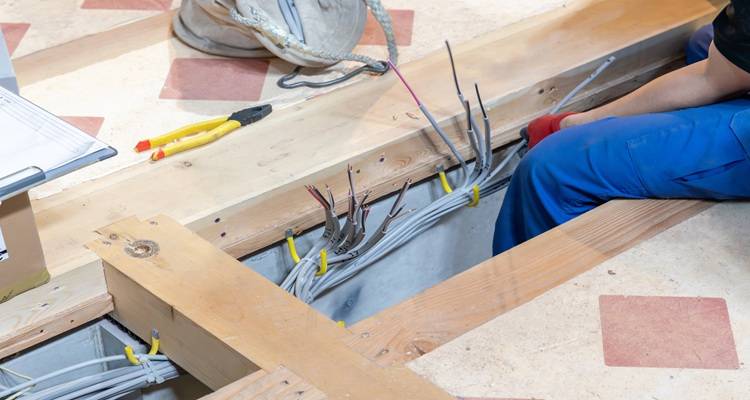
Local labour rates vary, with some areas being more expensive than others. Therefore, how much you pay also depends on where you live, although you can expect the cost of a full house rewire in Manchester to be lower than for similar work in London or the Southeast of England.
What is your biggest concern with rewiring a house?
Overall cost and unexpected extras
12 votes - 46%46% of votes
Safety concerns and electrical hazards
4 votes - 15%15% of votes
Disruption and lack of electricity during the job
5 votes - 19%19% of votes
Finding a reliable electrician
5 votes - 19%19% of votes

26 votes
See results
Hide results
Electrical Rewiring in Manchester Prices
| Property Size | Average Cost to Rewire |
|---|---|
| 1-bed flat | £3,200 |
| 2-bed flat / maisonette | £4,500 |
| 3-bed flat | £5,500 |
| Bungalow | £5,000 |
| 1-bed house | £4,000 |
| 2-bed house | £4,500 |
| 3-bed house | £6,500 |
| 4-bed house | £8,500 |
| 5-bed house | £10,500 |
Want a custom price?
Post your job
Still not sure how much it might cost for your property? Our house rewiring cost calculator can give you an instant, free estimate based on your exact needs.
How Long Does a House Rewire Take?
Timeframes for electrical rewires in Manchester vary depending on the size of the property, number of rooms and extent of the work.
On average, a full rewire for a 1-bedroom flat will take between 2 and 3 days, while a 2-bedroom terraced house will take 3 to 4 days. Rewiring a semi-detached house in Manchester takes 4 to 5 days, and a 4-bedroom or extended home can take up to 8 days.

Factors that may extend the timeframe of a rewire include issues such as encountering asbestos or structurally unsound areas within the property. Accessibility problems, such as awkward areas or tiled floors, can also prolong the job by requiring complex workarounds.
If the house is occupied, the disruption to your daily routine can be significant, and the work can take longer to complete. Owners of listed properties may need planning consent for rewiring, which can add to the overall timeframe.
Partial vs Complete Rewiring in Manchester Costs
The cost of a partial rewire in Manchester is around £300 to £1,500, depending on the scope of the work and size of the property. At the lower end is rewiring a single room, while rewiring a garage with a new circuit board will be at the higher end of this range.
Partial rewires only replace some of the electrical wiring, such as a specific circuit or area in the house. Wiring damaged by fire or a leak, or dated cabling, are examples of situations in which a partial rather than a full rewire is performed. Partial rewiring is also sometimes needed following a loft or garage conversion, or a kitchen renovation.
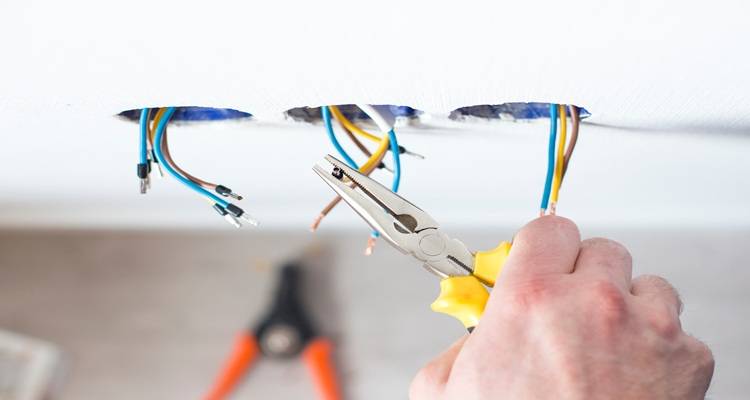
Full rewires replace everything (all the cabling, switches, sockets, and the consumer unit).
A property which has old wiring that is rubber or fabric-sheathed, or which has evidence of faulty electrics such as scorched sockets, should be checked by a registered electrician to see whether a full rewire is needed. This is recommended for safety reasons. A dated fuseboard is also a good reason to have the wiring checked.
What Impacts the House Rewire Cost in Manchester?
There's no one-size-fits-all approach to rewiring pricing. While the size and type of property is the main cost factor, the following can also increase or decrease prices from the average:
Age of the Property
An older property in Manchester is a prime candidate for a rewire. Outdated wiring in those older houses can be a fire hazard.
In general, working with stone and brick, or lime plaster, is more difficult and time consuming, leading to higher labour costs.
Occupied vs Empty Homes
An empty property is cheaper to rewire as the work can be done faster and without the need to cover or move furniture. In occupied homes, electricians have to consider the noise, dust and disruption associated with the job as well as working to a tighter schedule.
Accessibility Issues
Wiring that is in hard-to-reach areas will increase the price that electricians in Manchester charge. The extra work involved with awkward spaces or decorative finishes that need to be preserved will typically push up costs.
Level of Finish Required
The quality of finish required is another cost consideration. Homeowners who want decorative faceplates, smart home technology or deeper back boxes can expect to pay more.
Choosing between standard fittings and premium sockets can significantly affect the overall cost of house rewiring in Greater Manchester, as premium sockets, high-end components, decorative faceplates, smart home technology, or deeper back boxes increase the price.
The number and type of light fittings and light switches required will also impact your budget, with more advanced or numerous installations raising costs. For many homeowners, opting for standard fittings is a more cost-effective choice while still ensuring safety and functionality.
Additional Electrical Work
Any additional electrical work carried out at the same time as a rewire will add to the overall cost. Extras may include installing a new smart meter, extractor fan, or electric gates, among other things.
It may be cheaper to have these jobs done while the electrician is already at your home than booking them in again at a later date, but all extra work will add to the total cost.
Ask a Trade
Got a question that only a tradesperson can answer? We have thousands of trades ready to answer any question you may have.
Ask your question

Additional Costs of a House Rewire in Manchester
In addition to the material and labour charges associated with the house rewire cost in Manchester, there are other expenses to consider. These include the following:

- New switches and sockets, particularly non-standard models (supply costs for basic white switches and sockets are usually included in the quote).
- Smart home technology.
- Consumer unit upgrade, although a basic model is often included in the quote.
- An EICR if you want the existing wiring checked before deciding on a rewire.
- Re-plastering and re-decorating after chasing.
- Parking permits for electricians and other trades, which may be factored into the quote if you don't have free parking at your property.
Some costs may not be anticipated, such as finding asbestos in older properties, which requires specialist removal and disposal. Budgeting for unexpected expenses during a house rewire is a sensible precaution.
The electrical wires in my fuseboard are red and black in colour, is this old wiring? Do I need to have a rewire?
"Firstly an EICR needs to be carried out to ascertain the status of the electrics in your house. But the fact that you still have the reds and blacks in your fuse board is enough for a rewire."
Signs Your Home May Need Rewiring

Homeowners who are unsure if their home needs a full or partial rewire should look out for the following signs:
- Buzzing sounds coming from the sockets.
- Frequent and persistent tripping.
- Scorched sockets or switches.
- Lack of earthing.
- Fabric or rubber-sheathed cables.
- Visibly damaged wiring.
What does it mean if wiring is frayed? What is this a sign of? How can frayed wiring be fixed?
"Over time, the action of moisture can affect the insulation of cables. With resistivity and voltage testing it is possible to detect if there is current leakage and if you need to replace the cable."
Any of these problems should alert you to problems with your wiring. Contact a registered electrician as soon as possible to carry out an inspection and assessment of your property's wiring.
Find an Electrician for a Rewire Service in Manchester
It's very important to only ever use a qualified electrician for work in your home and particularly for a large-scale project like a house rewire. A registered electrician can certify the work and issue the completion certificate themselves. If your electrician is not registered, building control has to be notified before work starts and will issue the certificate instead, so it is important to check they are compliant with building regulations.
For the fastest and easiest way to get at least three quotes for your rewiring project, post your job on MyJobQuote now. You will have immediate access to electricians in Manchester who will price the work for you, with no obligation to go ahead.