Builders
 Carpenters
 Electricians
 Flooring Specialists
 Gardeners
 Handymen
 Heating Engineers
 Painters & Decorators
 Plasterers & Renderers
 Plumbers
 Roofers
 Tilers
 my
myElectric Heater Installation Cost
At a Glance
- The average electric radiator installation cost is around £350 per unit.
- It usually takes around 1 to 2 hours to install each electric radiator, although smart electric radiators or new circuits may take longer.
- A full breakdown of electric radiator prices, including supply and installation.
- How the radiator type and electrical work required impacts the cost of installing electric radiators in UK homes.
- Advice on choosing the right type of electric radiator.
- Information on how to use MyJobQuote to find and hire a local electrician near you.
Get free estimates
Are you a trade? Get more work today!
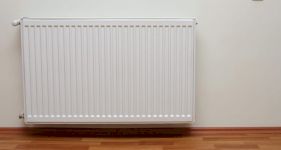
Electric radiators can be cheaper and simpler to install than gas central heating and allow room-by-room control, but they generally cost more to run.
Ideal for flats, extensions, and properties without mains gas, they're quick to install and require no pipework. With modern features such as ceramic cores and smart controls, electric radiators provide efficient, room-by-room heating.
In this guide, we break down electric radiator costs in the UK and explain what you can expect to pay for installation and running costs.
£350
Table of Contents
- How Much Is an Electric Radiator?
- Labour Costs and Timescales for Fitting Electric Radiators
- Electric Radiator Supply Costs
- Additional Costs of Electric Radiators
- Cost Factors for Electric Radiators
- Benefits of Electric Radiators
- Alternative Types of Electric Heating
- Hiring Contractors Checklist for Electric Radiators
- FAQs
How Much Is an Electric Radiator?
The cost of an electric radiator can vary quite significantly depending on the type of unit you opt for, its output and whether professional installation will be required.
On average, a homeowner should expect to pay somewhere in the region of £120 to £600 for the radiator itself, and installation costs are typically around £100 to £250 per unit. This brings the total estimated cost of installing an electric radiator to between £250 and £850, depending on a wide range of factors.
Electric radiators on the lower end of the scale, such as very basic panel heaters, are generally much cheaper to buy and quicker to fit, especially if they can be plugged straight into an existing socket.
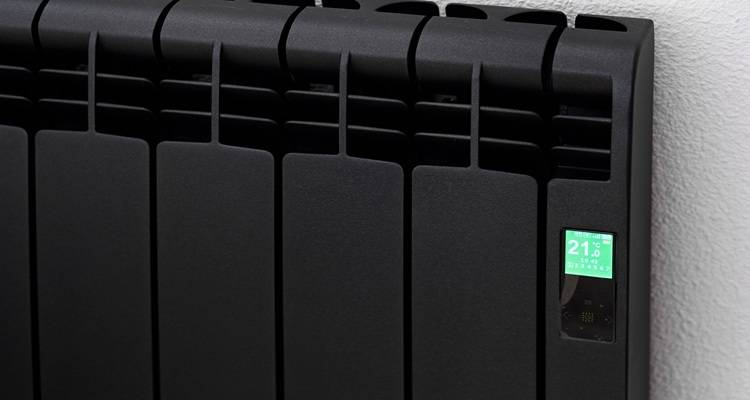
Higher-end models with features such as ceramic cores, thermostats, and smart controls are often more expensive. However, these features can retain warmth or reduce how long the heating element runs, giving you more control over energy use.
Electric Radiator Prices
| Radiator Type | Unit Price Range | Installation Cost Range (per unit) | Total Estimated Cost |
|---|---|---|---|
| Standard panel radiator | £120–£250 | £100–£150 | £220–£400 |
| Oil-filled radiator | £150–£300 | £120–£180 | £270–£480 |
| Ceramic core radiator | £250–£450 | £150–£200 | £400–£650 |
| Smart electric radiator | £300–£600 | £150–£250 | £450–£850 |
| Infrared panel heater | £200–£500 | £120–£200 | £320–£700 |
Want a custom price?
Post your job
Labour Costs and Timescales for Fitting Electric Radiators
Labour costs for fitting electric radiators will vary depending on the location and the experience of the electrician. The majority of electric radiator installations are complete within 2 hours, meaning the labour cost per unit is somewhere between £100 and £250.
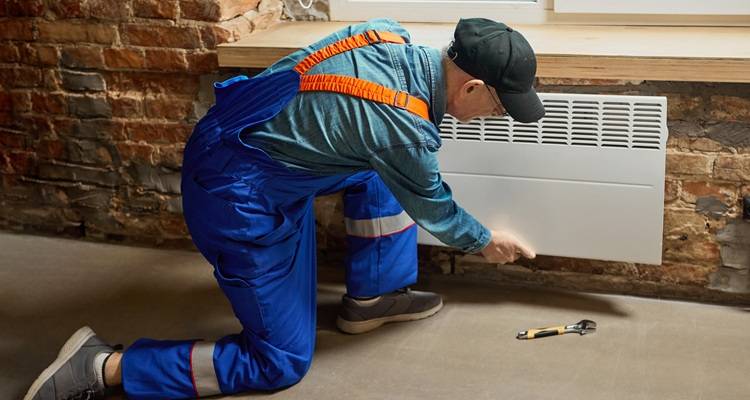
The process will involve the secure mounting of the radiator to the wall, the connection of the radiator to the electrical supply, and then the testing of the unit to ensure that it is safe and operating properly. If the radiator is hard-wired, the work must comply with Part P in England or the equivalent electrical safety rules elsewhere in the UK. Make sure to check the regulations that apply locally before work starts.
Having more than one radiator installed at once can reduce the time taken per unit, as the work can be completed more efficiently, so bear this in mind if you plan to install more than one unit throughout your home.
Electric Radiator Supply Costs
Supply-only costs for electric radiators typically range from around £120 to £600 per unit, depending on the radiator type, size, heat output, and features.
Alongside the radiator itself, you may also need mounting brackets, fixings, electrical cabling, and a fused connection unit. These are often included within the overall supply price but can increase costs for more advanced models.
The main types of electric radiator and their typical supply costs are outlined below.
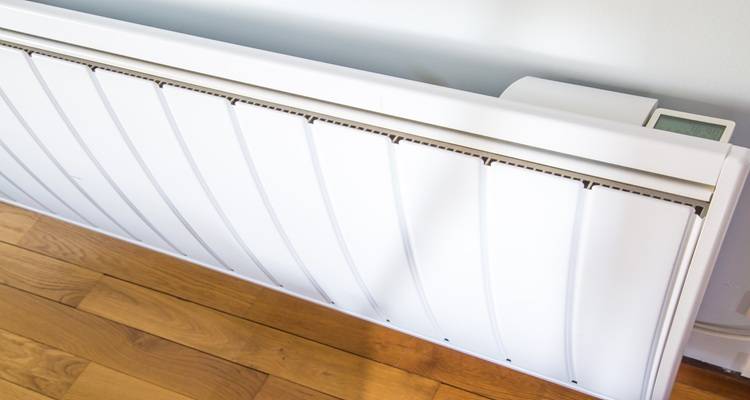
Single Panel
Typical supply cost: £120 to £250 per unit.
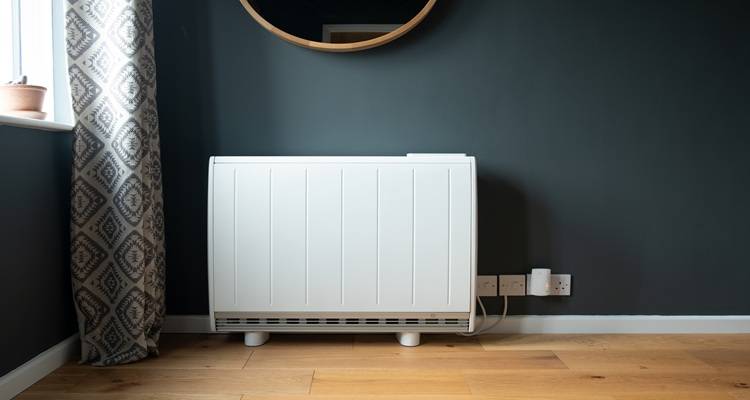
Panel heaters are the most basic form of electric heaters. They are often chosen as an alternative to flat panel radiators in homes without central heating.
Pros
- ✔ Simple and quick to install.
- ✔ Low upfront cost.
- ✔ Heat up very quickly.
Cons
- ✖ Does not retain heat once switched off.
- ✖ Best suited to occasional or localised heating rather than whole-room heating.
Oil Filled Electric Radiators
Typical supply cost: £150 to £300 per unit.
These types of electric radiator use internal oil that is heated to provide a steady and consistent temperature. They are best suited to larger rooms that require prolonged heating.
Pros
- ✔ Retain heat for longer periods.
- ✔ Provide a steady and consistent temperature.
- ✔ Quiet to operate.
- ✔ Well suited to prolonged use.
Cons
- ✖ Slower to heat up than panel heaters.
- ✖ Typically bulkier and heavier.
- ✖ Slightly higher upfront cost.
Ceramic Core Radiators
Typical supply cost: £250 to £450 per unit.

Ceramic core radiators retain heat and release it gradually, allowing them to continue warming the room after the heating element switches off. This can reduce how long the element runs and help maintain a more consistent temperature.
Pros
- ✔ Excellent heat retention.
- ✔ Maintain warmth even after power output is reduced.
- ✔ Retain and release heat gradually.
- ✔ Good option for regular, long-term heating.
Cons
- ✖ Higher purchase cost than basic electric heaters.
- ✖ Heavier units due to dense ceramic materials.
Infrared Electric Panels
Typical supply cost: £200 to £500 per unit.
Infrared panels heat people and objects directly rather than warming the air. They are often used in targeted heating applications and can be an efficient option for specific rooms or workspaces.
Pros
- ✔ Heat people and objects directly rather than the air.
- ✔ Very efficient in targeted applications.
- ✔ Minimal heat loss.
Cons
- ✖ Not suitable for heating entire rooms evenly.
- ✖ Less effective in spaces with frequent movement.
- ✖ Can feel unfamiliar compared to traditional radiators.
Smart Electric Radiators
Typical supply cost: £300 to £600 per unit.
These radiators combine efficient heating elements with smart controls, allowing you to manage schedules, adjust temperatures, monitor usage, and control heating remotely.
Pros
- ✔ Advanced controls and remote programming.
- ✔ Integration with smart home systems.
- ✔ Highly efficient when used with schedules and zoning.
- ✔ Ideal for optimising energy use.
Cons
- ✖ Most expensive option.
- ✖ Higher installation and setup complexity.
- ✖ Full benefits depend on user engagement with controls.
Ask a Trade
Got a question that only a tradesperson can answer? We have thousands of trades ready to answer any question you may have.
Ask your question

Additional Costs of Electric Radiators
When budgeting for an electric radiator installation, it's worth allowing for any extra work that may be needed before or after the radiators are fitted.
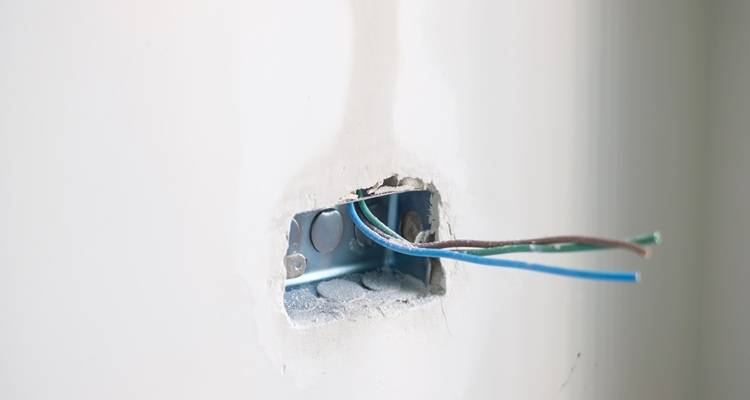
- Electrical Upgrades — Older homes may need wiring improvements, a new circuit, or a consumer unit replacement before electric radiators can be installed safely.
- Removing Old Heaters — Removing existing radiators, storage heaters, or other heaters can add to the total cost. See our radiator replacement cost guide for more information, especially if disposal is needed.
- Wall Repairs — Replacing older radiators can leave holes, marks, or damaged plaster. You may need replastering or decorating after installation. This will be even more relevant if you are relocating the radiator and installing the new one on a different wall.
- Smart Setup — Smart electric radiators may need extra setup time if they need connecting to an app, a smart thermostat, or wider heating controls.
- Electrical Wiring Adaptations — Some installations may require additional cabling, new fused spurs, or changes to existing circuits if there is no suitable power supply near the radiator location.
Cost Factors for Electric Radiators
The main factors that affect electric radiator installation costs are:
- Radiator Type — Basic panel heaters are usually cheaper than ceramic core, infrared, or smart electric radiators.
- Number of Radiators — Installing several radiators will increase the total cost but may reduce the labour cost per unit.
- Heat Output and Size — Larger rooms usually need higher-output radiators, which tend to cost more to buy and run.
- Installation Type — Plug-in units are usually simpler to fit, while hard-wired electric radiators need professional electrical work.
- Electrical Capacity — Older wiring, limited circuits, or an outdated fuse board can increase the cost if upgrades are needed.
- Accessibility — Installing radiators in hard-to-reach areas can increase labour time, and therefore costs.
- Property Location — Labour rates are usually higher in London and the South East than in many other UK regions.
Benefits of Electric Radiators
Electric radiators can be a good option for homes where installing or extending a gas central heating system would be expensive or impractical.
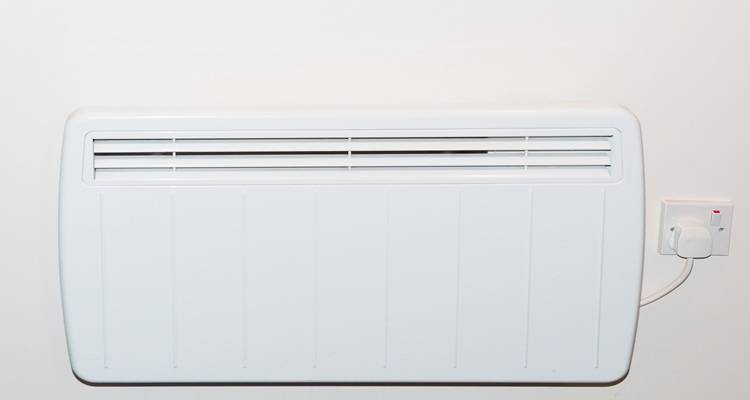
- Lower Installation Costs — Electric radiators are usually cheaper and quicker to install than a full central heating system because they do not need pipework.
- Room-by-Room Control — Many electric radiators can be controlled individually, which can help avoid heating rooms you are not using.
- Useful for Flats and Extensions — They can work well in properties without mains gas, garden rooms, loft conversions, and home extensions.
- Smart Control Options — Some models include timers, apps, and zoning controls to help manage energy use more closely.
- Less Maintenance — Electric radiators do not need annual boiler servicing, and you also won't need to worry about the cost of radiator bleeding.
Alternative Types of Electric Heating
Electric radiators are not the only option available to homeowners for heating systems. There are several different options to be used both alongside electric radiators and as an alternative to them.
Underfloor Heating
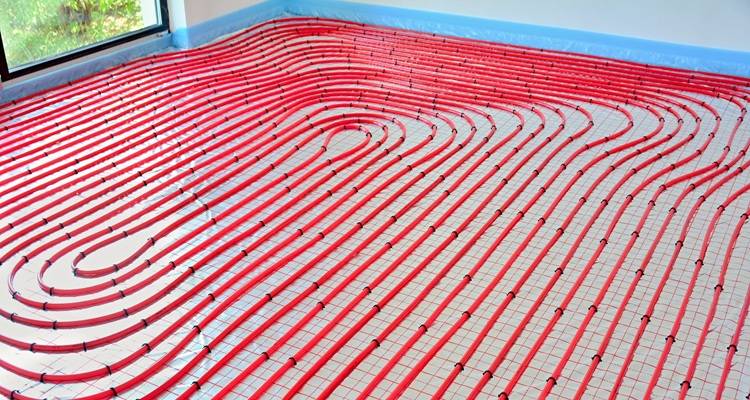
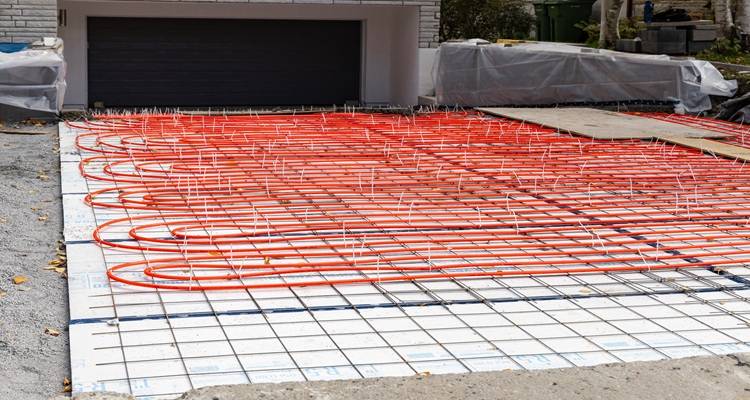
Underfloor heating provides heat evenly across the floor surface, creating a consistent and comfortable room temperature. It's particularly popular in bathrooms, kitchens, and wet rooms.
Underfloor heating costs around £800 on average, although the final price will depend on the system type and room size.
Pros
- ✔ Very even heat distribution.
- ✔ Ideal for tiled rooms and bathrooms.
- ✔ Frees up wall space.
Cons
- ✖ High installation costs.
- ✖ Disruptive to install.
- ✖ Slower to respond than radiator based systems.
Storage Heaters
Storage heaters are designed to store heat overnight using off-peak electricity tariffs and release it gradually throughout the day. However, they are quite bulky and inflexible.
Pros
- ✔ Can be cost effective when paired with off-peak tariffs.
- ✔ Simple operation.
- ✔ Reliable, long-established technology.
Cons
- ✖ Bulky and space consuming.
- ✖ Less control over when heat is released.
Heat Pumps
Heat pumps extract heat from the air or ground and convert it into usable energy for heating the home. They are one of the most efficient low-carbon heating solutions currently available, and are gaining traction for their sustainability.
Air source heat pump installation costs around £8,000 on average, while ground source heat pump installation costs around £13,500 on average.
Pros
- ✔ Extremely energy efficient.
- ✔ Low running costs.
- ✔ Environmentally friendly.
- ✔ Eligible for government incentives in some cases.
Cons
- ✖ Very high upfront installation costs.
- ✖ Disruptive installation process.
- ✖ Best suited to well-insulated properties.
Portable Electric Heaters
Portable electric heaters are standalone units that can be moved between rooms as needed. They are typically used for short-term or supplementary heating, and aren't very suitable for longer term heating purposes.
Pros
- ✔ Low purchase cost.
- ✔ Highly flexible and portable.
- ✔ No installation required.
Cons
- ✖ Can be expensive to run for long periods.
- ✖ Not suitable as a primary heating solution.
Hiring Contractors Checklist for Electric Radiators
Use the following checklist when hiring an electrician to install electric radiators:
- Compare quotes — Use MyJobQuote to get and compare at least two or three written quotes, so you can compare prices and what's included.
- Qualifications — Check that the electrician is registered with a recognised competent person scheme, especially if the installation needs building control approval. You should also ask what electrical certificate will be provided once the work is complete.
- What's required — Ask whether any wiring upgrades, new circuits, or consumer unit work may be required.
- Pricing breakdown — Make sure the quote clearly separates supply and installation costs.
- What's included — Check whether removal and disposal of existing heaters is included.
- Warranties — Ask about warranties for both the radiator and the installation work.
- Reviews — Read customer reviews before making your final decision.

FAQs
Do Electric Radiators Need to Meet Building Regulations?
Yes, all fixed electrical work must comply with Part P in England or the equivalent rules elsewhere in the UK. Building control approval may be needed for work such as installing a new circuit or consumer unit, or carrying out certain electrical work in a bathroom or shower room.
You should also make sure the radiator has the correct IP rating if it is being installed in a bathroom or another wet area.
Are Electric Radiators Expensive to Buy?
Electric radiators typically cost between £120 and £600, depending on the type, size, and features.
How Much Does an Electric Radiator Cost to Run?
The running cost depends on the radiator's wattage, how long it is used for, and your electricity tariff. As a rough guide, a 1.5kW electric radiator running for 1 hour uses 1.5kWh of electricity. At a typical electricity price of around 25p per kWh, this would cost approximately 38p per hour to run, or around £3 per day if used for 8 hours.
Can Electric Radiators Heat a Whole House?
Yes, electric radiators can heat a whole house and are a practical option for properties without mains gas. They are straightforward to install and allow you to control the heating in each room. However, heating an entire home with electric radiators will generally cost more than using gas central heating, with poorly insulated properties likely to see the highest running costs.
Do I Need an Electrician to Install an Electric Radiator?
For a hard-wired radiator, it is best to use an electrician registered with a competent person scheme. If Building Regulations approval is needed, they can usually certify the work themselves and provide the relevant paperwork.
Are Electric Radiators Cheaper Than Gas Radiators?
Electric radiators are often cheaper and simpler to install than gas radiators, while room-by-room controls can help you avoid heating unused spaces. However, electricity costs more per unit than gas, so electric radiators generally cost more to run. Your tariff, usage, and the property's insulation will affect the size of the cost difference.
Can I Replace a Storage Heater with an Electric Radiator?
Yes, you can replace a storage heater with an electric radiator. If the existing wiring is suitable, replacing a storage heater with a new electric radiator will typically cost between £200 and £700, including the radiator and installation. However, if the circuit needs modifying, upgrading, or rewiring, the total cost can be higher. It's best to have an electrician assess the existing setup before work begins.
Is DIY Installation Possible for Electric Radiators?
If there is an existing socket and no additional electrical work is required, some electric radiators can be installed as a DIY project. That said, a hard-wired radiator should ideally be fitted by an electrician registered with a competent person scheme, because they can self-certify work that needs building control approval. If you carry out work that needs approval yourself, you will need to notify building control before starting.