Builders
 Carpenters
 Electricians
 Flooring Specialists
 Gardeners
 Handymen
 Heating Engineers
 Painters & Decorators
 Plasterers & Renderers
 Plumbers
 Roofers
 Tilers
 my
myHouse Survey Cost
At a Glance
- The average house survey costs around £625 in the UK.
- Surveying a home will take approximately 2 to 6 hours to complete.
- NEW! Our house survey cost calculator, which offers you an interactive and personalised way of understanding what this type of job will cost you.
- A complete pricing breakdown of how much different types of house surveys cost in the UK, including residential, commercial, and full structural survey costs.
- The average cost of building surveyors, and how long house surveys take to complete.
- How to easily find and hire a house surveyor using MyJobQuote's online directory.
Get free estimates
Are you a trade? Get more work today!
£625
Table of Contents
- How Much Is a House Survey?
- What Impacts House Survey Costs?
- What Is a House Survey and Why Do You Need One?
- Mortgage Valuation vs Home Survey: What's the Difference?
- Home Report Cost in Scotland
- What Problems Can Be Found in a House Survey?
- How Much Does a Surveyor Cost in the UK?
- Checklist: Hiring a House Surveyor in the UK
- FAQs
House Survey Cost Calculator
How Much Is a House Survey?
The cost of a house survey is usually between £400 and £1,000 for a Level 2 HomeBuyer Report and £700 to £1,500+ for a Level 3 Building Survey (depending on property size and location).
Level 2 suits most standard homes, while Level 3 is best for older, altered, or unusual properties.
Cost of House Survey By Type
Let's take a closer look at the cost of different types of RICS home surveys:
| Survey Type | Best For | Typical Cost |
|---|---|---|
| Level 1 – Condition Report | Newer homes in good condition | £300 – £500 |
| Level 2 – HomeBuyer Report | Most standard properties | £400 – £1,000 |
| Level 3 – Building / Structural Survey | Older, extended or unusual homes | £700 – £1,500+ |
Want a custom price?
Post your job
The type of survey you need depends on the age of the property, its condition, and the level of detail you require.
A RICS Level 1 survey is the most basic type and is suitable for newer homes in good condition. It gives you an overview of the most urgent, visible issues but will not explain causes or repair options.
The RICS Level 2 home survey is the most popular choice, offering buyers a detailed visual inspection of key areas like walls, ceilings, windows, roof coverings, insulation, and obvious signs of damp. You will get a clear home report with condition ratings and practical advice. It uses a traffic light system to clearly show urgent vs non-urgent issues.
A RICS Level 3 survey is the most comprehensive option and is recommended for older, extended, or unusual homes. It is also known as a full structural survey and provides a detailed analysis of the property's structure and any potential issues that may not be immediately visible. If the surveyor spots something serious, the survey report may recommend further investigation or a specialist survey for things like drains, timber, electrics, or asbestos.
To help you decide which survey is right for your property, consider the following differences between a Level 2 and a Level 3 survey:
| Feature | Level 2 Survey | Level 3 Survey |
|---|---|---|
| Suitable for standard modern properties | ✔ | ✔ |
| Recommended for older (50+ years) properties | ✖ | ✔ |
| Recommended for extended or altered homes | ✖ | ✔ |
| Traffic light condition ratings | ✔ | ✔ |
| Highlights urgent defects and key risks | ✔ | ✔ |
| Detailed explanation of structural issues | Limited | ✔ |
| In-depth inspection of roof space and structure | Basic visual check | ✔ More comprehensive |
| Advice on repair options and long-term maintenance | General guidance | ✔ Detailed advice |
| Rebuild value for insurance purposes | ✔ | ✔ |
| Typical Cost | £400 – £700 | £700 – £1,500+ |
Want a custom price?
Post your job
Cost of House Survey By Property Value
Survey fees often increase in line with the property's market value. The table below shows typical Level 2 (HomeBuyer) and Level 3 (Building Survey) costs based on property value bands.
Cost of House Survey By Property Value
Survey fees can increase as property value rises, but the type, size, age and condition of the home will usually have a bigger impact on the final quote. The table below shows typical Level 2 (HomeBuyer) and Level 3 (Building Survey) costs by property value.
| Property Value | Typical Level 2 Cost | Typical Level 3 Cost |
|---|---|---|
| Up to £250,000 | £400 – £500 | £700 – £900 |
| £250,000 – £500,000 | £450 – £600 | £800 – £1,100 |
| £500,000 – £750,000 | £550 – £700 | £950 – £1,300 |
| £750,000 – £1,000,000 | £650 – £850 | £1,200 – £1,500 |
| Over £1,000,000 | £800 – £1,000+ | £1,500+ |
Want a custom price?
Post your job
What Impacts House Survey Costs?
House survey prices can vary a lot, even for similar properties. That is because the quote is based on the time and effort needed to inspect the home properly and write a clear survey report, not just the survey level you choose.
Let's take a look at each of these cost factors below.
Size and Layout
Surveyors do not price purely by postcode or guesswork. The size and layout of the home affect how long the inspection takes and how much there is to cover.
- Larger Properties — Usually take longer to inspect and write up.
- Split-Level Layouts — Outbuildings and multiple rooflines can add extra time.
Age and Condition
Older homes often need a closer look because there are more things that can be hidden behind the surface. If the property's condition is unclear, the surveyor may allow more time for checks.
- Period Properties — Can take longer to assess due to wear, alterations, and repairs.
- Visible Cracking — Signs of movement can mean a more detailed inspection is needed.
Site Access
If parts of the property are awkward to access, the inspection takes longer, and there is less the surveyor can confirm on the day. That can lead to follow-up advice in the report.
- Tight Loft Hatches — Flat roofs and shared areas can slow the inspection down.
- Survey Report — May recommend further investigation if something cannot be checked safely.
Location
Costs can change depending on your property location, especially if demand is high or surveyors have longer travel times. This is why two quotes for the same job can look miles apart.
- Regional Pricing — Often varies by region, not just by property type.
- Travel Time — Parking restrictions and local availability can affect the final cost.
Type of Survey Needed
If you are buying an older home or anything that has been extended, you may be quoted for a structural survey rather than a standard inspection. This is where costs can jump.
- Full Structural Survey Cost — Usually higher because the inspection takes longer and the report is more detailed.
- Comparing Quotes — Check whether you are getting a structural survey quote, as the full structural survey cost is often higher for older or altered properties.
Additional Costs of House Surveys
If issues are found during the survey, the surveyor may recommend additional checks or investigations, which can incur extra costs. For example, they will not be a specialist in plumbing or electrical work, so you may require another survey by an appropriate tradesperson if they recommend further investigation.
You might also want to pay more to have a market valuation included in the survey report.
What Is a House Survey and Why Do You Need One?
Put simply, a house survey is the starting point to learn what might be wrong with a structure. A house surveyor will visit the building and conduct the house survey, then share a detailed report of known issues, necessary changes, and/or conflicts with building regulations.
If there are issues with structure or foundation, the surveyor will include this in their notes. If there are areas which need repair, you will receive a detailed inspection report - basically, any and all property or structural issues will be dictated in a surveyor's report.
So, when should you get a survey on a property?
When Buying a Property
Having a house survey conducted will alert you to problems with the property's structure. If there are substantial issues requiring remedial work, you can use these findings as bargaining tools with the house seller to negotiate the price down, or agree to have the work completed by the seller before you exchange.
Other Reasons You Might Need a Survey
- When Selling a Property — The buyer may request a home buyer's survey prior to agreeing to and signing the contract.
- Required By Your Lender or Local Authority — If there are concerns about compliance with local rules.
- For Peace of Mind or Planning Work — Whether it's for an extension or other building works, you can use the findings to enlist the help of contractors to bring your building up to current building regulations, and correct any flagged construction work.
We've heard lots of scare stories about new-build homes not being built to good standards. What should we be looking out for and what questions should we be asking before we part with any money?
"First off all, inspect the brick work — ones I’ve been on have a massive blug in them. Also, check the air vent bricks are on ground level (i.e., in the grass or stone, they should be 75mm above ground level). I like them 150mm personally, otherwise you get damp issues.
Another issue I found on these sites are fascias and sofets. Make sure they are square and not damaged. Check to see how many joins there are, too. If you can also get in the loft, inspect the ventalation pipe and the insulation. Ones I’ve been on are not connected or the insulation is just thrown down.
Really go through it with a keen eye. Ideally get someone in the trade to come along and help inspect."
Another issue I found on these sites are fascias and sofets. Make sure they are square and not damaged. Check to see how many joins there are, too. If you can also get in the loft, inspect the ventalation pipe and the insulation. Ones I’ve been on are not connected or the insulation is just thrown down.
Really go through it with a keen eye. Ideally get someone in the trade to come along and help inspect."
Mortgage Valuation vs Home Survey: What's the Difference?
A mortgage valuation survey and a home survey serve very different purposes. In short, a mortgage valuation confirms value for the lender — a home survey protects you as the buyer.
A mortgage valuation is arranged by a mortgage lender to confirm the property is worth the amount being borrowed. It protects the lender, not the buyer. The inspection is usually brief and may only last 15–30 minutes, with no detailed report on the property's condition.
The mortgage valuation survey cost typically ranges from £150 to £400 in the UK, although some lenders include it as part of a mortgage deal.
A home survey, on the other hand, is arranged by the buyer. It assesses the condition of the property and highlights structural issues, damp, defects, and potential repair costs. This gives you the information needed to negotiate the price or plan future work.
Home Report Cost in Scotland
In Scotland, the system works differently. Before a property can be listed for sale, the seller must provide a Home Report.
A Scottish Home Report typically costs between £400 and £900, depending on the property's value and size. Higher-value homes can cost more.
The Home Report includes:
- Single Survey – A condition report and property valuation carried out by a chartered surveyor.
- Energy Report – An EPC (Energy Performance Certificate).
- Property Questionnaire – Completed by the seller with details about the property.
Unlike in England and Wales, buyers in Scotland usually rely on the seller’s Home Report rather than commissioning their own survey, although they may still choose to carry out further checks for peace of mind.
What Problems Can Be Found in a House Survey?
The list is practically endless when it comes to what can be found in a house survey. Depending on the type you choose - a full structural survey or a home buyer's report - you will have different levels of detail.
Here's what you may come across:
Structural Problems
High on the list of critical issues are structural problems. These can concern the property's foundations, either evidenced in subsidence or movement in the foundations, or concerning cracks in the property's walls, ceilings, or floors.
The cost of laying foundations ranges from £7,000 to upwards of £11,800. It's an invasive correction, leading to further costs as the house structure itself will likely need to be revised once the foundations are corrected, depending on the severity of the foundation issue.
Damp, Moisture, and Timber Rot Issues
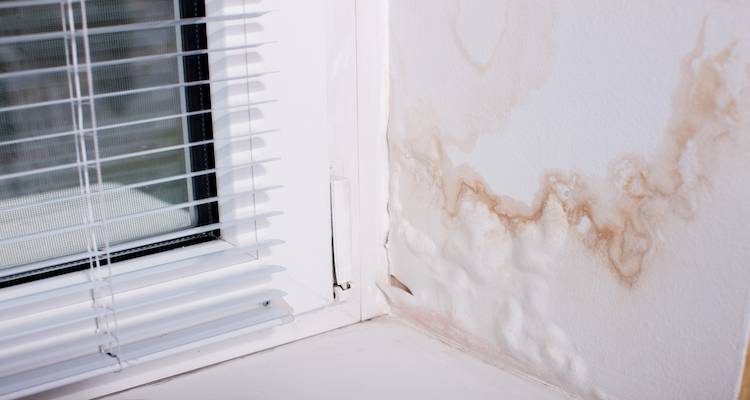
If the property has been subject to flooding or water issues in the past, there's a liklihood that moisture and damp problems will be flagged in the house survey report. This can lead to greater issues like rotting house timbers which will require swift treatment.
If mould is found in the house, the cost to remove mould from a single, large room can range from £220 to £280, while larger issues such as a mould infestation throughout the entire property can cost closer to £725 to £1,100.
Rising damp can damage not just the property, but the inhabitants' health, and requires fast action to remedy. The cost to treat rising damp is around £2,750.
Electrical, Plumbing, and Heating Issues
Unsafe boilers can be prevalent in older properties where maintenance has slipped over the years. In these situations, it may be suggested that old boilers are replaced with new models - especially if there is a problem with the safety of the old appliance.
New boiler installation costs start at £2,000 in the UK, but can depend based on the ease of access and size of the property in question.
Similarly found in older properties is unsafe electrical wiring. The cost of rewiring a house can start from £4,000, but easily rise in excess of £10,000 for large properties.
Water and Drainage Issues
Following on from internal plumbing issues, you may have problems with larger drainage in and around the home. To identify these problems and begin to recify them, a drain survey costs £250 on average.
Discovery of Hazardous Materials
Your home survey may find evidence of hazardous materials in the property, ranging from lead paint to asbestos. Both materials need removing or containing depending on their state to ensure the safety of those living in the property.
If asbestos is found in a property's roof, the typical asbestos removal costs are around £2,500.
The cost of removing lead paint ranges from £70 to £770 depending on wall size and volume of lead paint. Following removal, you'll then need your walls replastered and made good with painting or wallpapering.
Plastering a wall costs around £500 for an average-sized room, while re-painting a wall costs £400.
I have a Level 2 survey report with several R3 issues, namely cracked roof beams and cracks on the walls. How can I obtain an estimate of repair costs?
"Typically any general builder or roofer can assist you with assessing the issues from the chartered surveyors report."
How Much Does a Surveyor Cost in the UK?
Many surveyors quote a fixed fee for Level 1, 2 and 3 surveys rather than charging an hourly rate. As a rough guide, surveyor fees typically range from £300 to £1,500+ depending on the survey level, property size, and location (with higher costs in major cities).
Checklist: Hiring a House Surveyor in the UK
You shouldn't rely on surveying a house yourself.
For an accurate and professional survey, hiring a qualified house surveyor is the choice most homeowners go for.
With MyJobQuote, you can receive multiple quotes from local home surveyors, that are fast, free, with no-obligation to go ahead.
Consider these key points before hiring a house surveyor:
- Do they specialise in RICS home surveys? Find out if they do residential or commercial surveys, and what type of property surveys they specialise in.
- What experience and qualifications do they have? Ensure the house surveyor is accredited and qualified with relevant professional bodies, either the Residential Property Surveyors Association or the Royal Institution of Chartered Surveyors.
- What do they include? Are you simply paying for the survey, or do you get a full report with recommendations for repairs and upgrades? Learn how they do surveys and what the report indicates.
- How long does a house survey take? Learn about how long it takes, and what they will do to the building and land during the inspection.
- Do they understand building regulations? Make sure they understand relevant building regulations and local planning rules, so they can highlight any obvious compliance issues.
- What are their costs? Learn about costs associated with different types of RICS home surveys and get quotes from multiple surveyors to compare.
- Do they have positive reviews? Check their MyJobQuote profile to see if they have positive feedback from other homeowners.
Ask a Trade
Got a question that only a tradesperson can answer? We have thousands of trades ready to answer any question you may have.
Ask your question

FAQs
Who organises a survey when buying a house?
In a typical house sale, the buyer pays the house survey fees after an offer has been accepted, but before any contracts are exchanged. Usually, when you buy a house with a mortgage, your lender might also arrange their own separate valuation, but that doesn't replace the need for your survey.
What does a house survey not cover?
A house survey is a great way to understand the property’s condition, but it is not a guarantee that every problem will be found. It is usually a detailed inspection of what the surveyor can see and safely access on the day, so it will not involve lifting carpets, moving furniture, drilling into walls, or testing things like electrics and drains. If the survey report spots anything concerning, it may recommend a full structural survey or a specialist survey that needs specialist knowledge, so you can get the proper checks done before you commit.
Can you do property surveys yourself?
You should not rely on surveying a property yourself, even if you know how to do a survey, as a trusted RICS-regulated surveyor will be properly qualified and insured. In some cases, there is a stipulation from a lender as to which surveyor or company you can hire.
Is a survey required to sell a house?
In England and Wales, a house survey is not legally required to sell a property. It is usually the buyer who arranges and pays for a survey after their offer has been accepted. However, some sellers choose to commission their own survey in advance to identify issues early and avoid delays during the sale process.
In Scotland, the rules are different. Sellers must provide a Home Report before marketing the property. This includes a survey, valuation and energy report, which buyers rely on when making an offer.
In Scotland, the rules are different. Sellers must provide a Home Report before marketing the property. This includes a survey, valuation and energy report, which buyers rely on when making an offer.
Does a house survey check for asbestos?
There is no asbestos testing in standard home surveys, but the surveyor will flag any suspicious materials. They can then recommend that you have specialist testing done for asbestos after.
Does level 2 survey check for damp?
Damp is checked as standard. The surveyor will look for things like water stains, mould, and peeling paint. They'll note down the type and what they believe to be the most likely cause in their report.
What happens if the survey finds major problems?
If any big red flags are reported in the survey, you should discuss with the surveyor what the urgency of these issues are and what the costs would be to put them right. You can use this information to negotiate the price, or ask the seller to fix the issues before you exchange contracts.
Do I need a Level 2 or Level 3 survey?
A Level 2 survey (HomeBuyer Report) is suitable for most modern or conventional properties in reasonable condition. A Level 3 survey (Building Survey) is recommended for older homes, properties that have been extended, or buildings with visible structural risks or issues. If the property is over 50 years old or has been heavily altered, a Level 3 survey usually provides better protection before you commit to the purchase.
Is it worth getting a full house survey?
In many cases, yes. A full house survey (Level 3) provides detailed information about structural issues, hidden defects and potential repair costs. If the survey identifies significant problems, you may be able to renegotiate the purchase price or avoid unexpected expenses later. For older or unusual properties, the cost of the survey is often small compared to the potential savings.
Will a surveyor go in the loft?
Yes, if it is safe and accessible. Surveyors will normally inspect the loft space to check insulation, roof structure and signs of damp or timber defects. However, they will not lift flooring, move heavy stored items or enter unsafe spaces. If access is restricted, this will be noted in the survey report.