Builders
 Carpenters
 Electricians
 Flooring Specialists
 Gardeners
 Handymen
 Heating Engineers
 Painters & Decorators
 Plasterers & Renderers
 Plumbers
 Roofers
 Tilers
 my
myHow Much Does it Cost to Paint Tiles?
At a Glance
- The average cost to paint tiles is between £150 and £800
- Most tile painting jobs take between 1 and 3 days, depending on the size of the area
- A breakdown of tile painting costs for kitchens, bathrooms and floors
- What affects the cost of painting bathroom tiles and floor tiles
- How to hire a painter using MyJobQuote
Get free estimates
Are you a trade? Get more work today!
Painting tiles has become a popular way for UK householders to give their kitchens and bathrooms a bit of a refresh, all without the hassle, mess, or expense of ripping out the tiles and starting again.
You can paint tiles in many areas, including kitchen splashbacks and bathroom walls, and it's a great way to give an old space a bit of a modern look without fully replacing the tiles.
In this guide, we'll break down the costs of how much it will cost to paint over tiles.
Let's get started...
£475
Table of Contents
- How Much is Painting Tiles?
- Can You Paint Tiles?
- Tile Painting Supply Costs
- Additional Costs of Painting Tiles
- Labour Costs and Timescales for Painting Tiles
- Cost Factors for Painting Tiles
- The Benefits of Giving Your Bathroom Tiles a New Lease of Life
- Types of Tile Paint Finishes
- Alternative Types of Tile Refurbishment
- Hiring Contractors Checklist for Painting Tiles
- How to Get Paint Off Tiles
- FAQs
How Much is Painting Tiles?
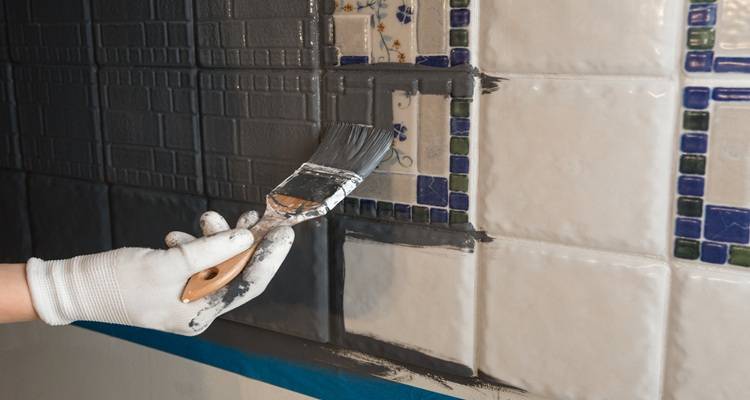
The cost of tile painting in the UK will range from as low as £150 to £800, and this all depends on the size of the space, the type of tiles you are painting and whether you want to tackle it as a DIY project or get a professional involved.
For small, isolated jobs like kitchen splashbacks, you will be looking at a relatively low cost, especially if you can source and supply the materials required yourself.
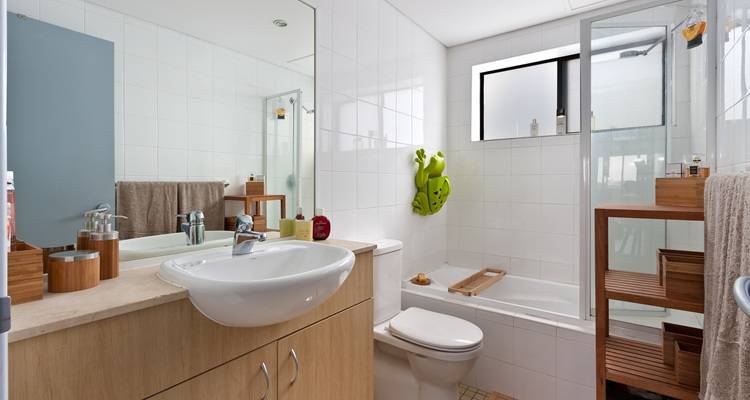
However, for larger areas like full walls, the cost is much higher, purely down to the extra materials you will need, the additional preparation and completion time and further things to consider, such as sealing.
As a general rule of thumb, it costs more to paint floor tiles than wall tiles. This is due to the heavy traffic that floor tiles get, meaning you need to add things like thicker paints, extra coats and a sealant layer.
Of course, the condition of the existing tiles plays a huge role in this, too, as if you have heavily damaged tiles, they will need to be fixed before any painting work can be completed.
Tile Painting Prices
| Job Type | Average Price | Notes |
|---|---|---|
| Small kitchen splashback | £150-£300 | Includes cleaning, light sanding, and sealing |
| Full bathroom wall tiles | £400-£700 | Prep, primer, 2-3 coats of paint |
| Kitchen or bathroom floor tiles | £500-£800 | Heavy-duty paint and sealant required |
| Labour-only costs | £150-£250 per day | Materials not included |
| DIY material-only costs | £80-£200 | Depends on the tile paint and the area size |
Want a custom price?
Post your job
Can You Paint Tiles?
You can paint tiles in many parts of the home, but the finish will depend on the tile material, surface condition and how much wear the area gets. Smooth, clean and undamaged tiles are usually the best option for painting.
Can you paint bathroom tiles?
Yes, bathroom wall tiles can usually be painted, but you will need moisture-resistant tile paint and a suitable sealant in wet or humid areas.
Can you paint floor tiles?
Yes, but floor tiles need more preparation than wall tiles because they handle more foot traffic. They usually need heavy-duty tile paint, extra coats and a durable sealant. If the tiles are loose, cracked or badly worn, tiling a floor may be a better long-term option.
| Tile Type | Can It Be Painted? | Notes |
|---|---|---|
| Ceramic tiles | Yes | One of the easiest tile types to paint |
| Porcelain tiles | Yes | Needs sanding, primer and good preparation |
| Bathroom wall tiles | Yes | Use moisture-resistant paint and sealant |
| Floor tiles | Yes, with care | Needs durable paint and sealant |
| Kitchen splashback tiles | Yes | Usually a good low-cost tile painting job |
| Natural stone tiles | Usually not recommended | Paint may not bond well to textured or porous stone |
| Damaged or loose tiles | No | Repairs should be completed first |
| Tiles inside shower enclosures | Not ideal | Constant water exposure can reduce the lifespan of the finish |
Want a custom price?
Post your job
Tile Painting Supply Costs
If you are taking this project on yourself, a DIY tile painting project will cost somewhere in the range of £80 to £200 for the supply costs only. Now, this does depend on the size of the area and the quality of the materials you purchase.
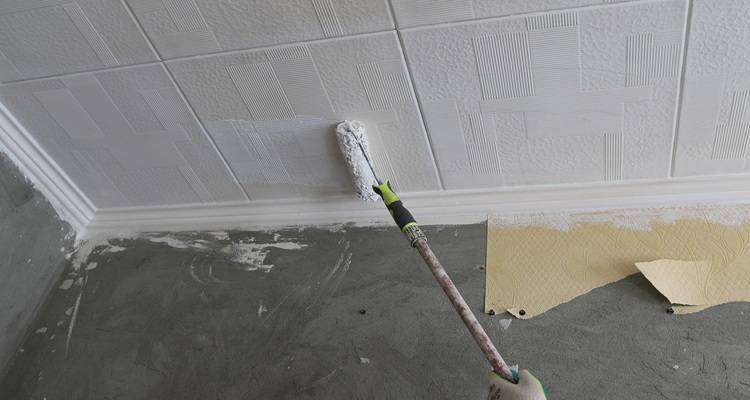
Typically, the materials you need are tile paint, a primer or bonding agent, a degreaser or cleaning solution, paint rollers and brushes, and a sealant. The average costs for these items are below:
| Supply | Typical Cost | What It Is Used For |
|---|---|---|
| Tile paint | £25–£50 per tin | Painting ceramic, porcelain or suitable wall tiles |
| Primer or bonding agent | £15–£30 | Helping paint bond to smooth tile surfaces |
| Degreaser or cleaning solution | £5–£15 | Removing grease, dirt and soap residue before painting |
| Paint rollers and brushes | £10–£25 | Applying primer, paint and sealant |
| Paint tray | £5–£10 | Holding paint during application |
| Sealant | £20–£40 | Protecting painted tiles in bathrooms, kitchens and floor areas |
| Fine-grit sandpaper | £5–£15 | Keying the tile surface before priming |
| Masking tape | £3–£10 | Protecting edges, fittings and surrounding surfaces |
Want a custom price?
Post your job
Of course, different paints come with different prices, and sometimes this doesn’t even relate to quality, and instead it is purely brand. Bear in mind that epoxy-based paints and some specialist paints are more expensive, but do offer greater durability, making them better suited for floors.
Enamel paints are cheaper and are fine for wall tiles in low-traffic areas, but are not the most durable solution. There are a few specialist paints that have things related to mould resistance, and these types will be perfect for bathrooms; however, you may pay a premium for them.
Additional Costs of Painting Tiles
Painting tiles sounds like an incredibly straightforward job on paper, but there are some additional costs that can arise during the project. For one, intensive cleaning will need to be done first to ensure that the paint bonds and sets correctly.
During this stage, there may be a requirement to repair cracked or damaged tiles. At the preparation stage, you may also need to repaint any grout lines and mask the surrounding fixtures and fittings before painting.
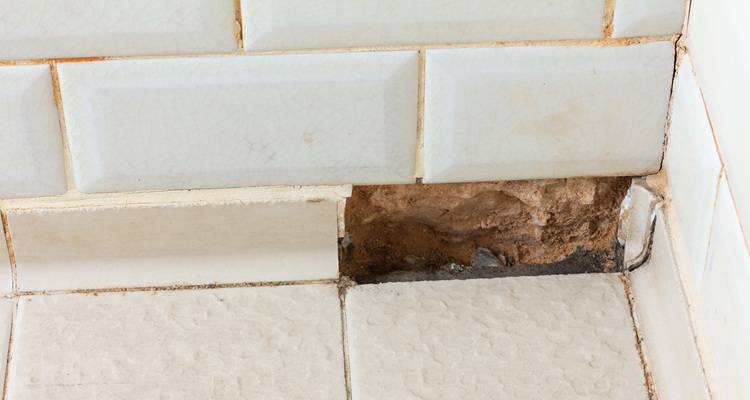
Each of these additional costs may not be necessary for every project, but it’s good to understand how much they may cost. A list of costs is below:
- Intensive cleaning or degreasing — This usually costs £50–£100 and helps the paint bond properly.
- Repairing cracked or damaged tiles — Small repairs can cost around £10–£30 per tile before painting starts.
- Sealant for floors or wet areas — This can add around £50–£150, but it is important for bathrooms and floor tiles.
- Repainting grout lines — Grout pens or grout paint usually cost around £10–£20.
- Masking fixtures and fittings — This can add around £20–£50, depending on the area being protected. Extra care may be needed around sinks, appliances and worktops, especially if you have recently replaced the kitchen worktops.
Labour Costs and Timescales for Painting Tiles
If you opted for a professional to complete the project instead of DIY, you would likely pay around £150-£250 per day, or £15-£30 per square metre, which should give you a good idea of how much your space would cost to paint.
For example, a small splashback might only take 3 hours, whereas a bathroom would take 1-2 days. Floor tiles would take 2 days or more due to the additional steps required.
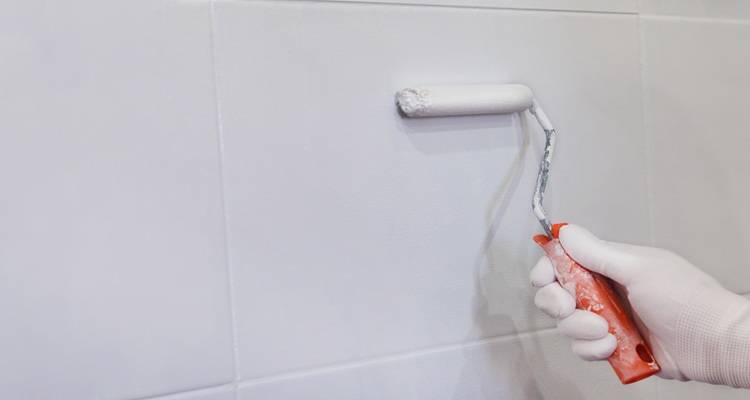
Drying time between coats is crucial. Some specialist paints require 12–24 hours between coats, which can extend the overall timescale, something which professional installers will factor into their quote.
Cost Factors for Painting Tiles
There are several factors that can affect the final cost of painting tiles, including the size of the area, the tile condition, the type of paint used and whether you hire a professional.
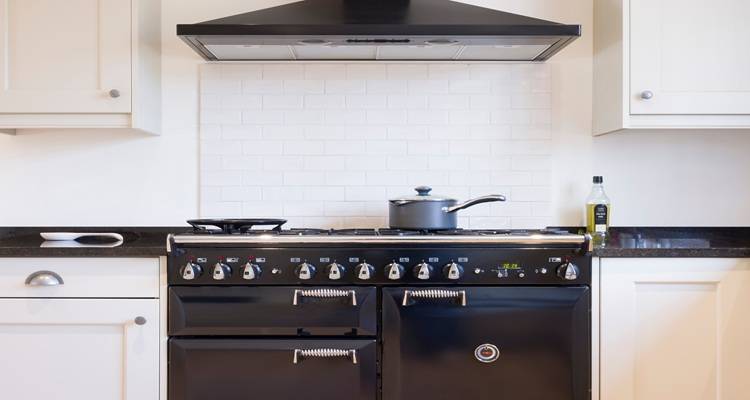
- Size of the area — Larger walls, floors and splashbacks need more paint, primer, sealant and labour time.
- Wall or floor tiles — Floor tiles usually cost more to paint because they need stronger paint, extra preparation and a tougher sealant.
- Tile condition — Cracked, chipped, loose or heavily stained tiles may need cleaning or repair work before painting can begin.
- Preparation needed — Greasy kitchen tiles, bathroom soap residue and old flaking paint can all increase cleaning and sanding time.
- Paint type — Specialist tile paint, epoxy paint and mould-resistant bathroom paint usually cost more than standard tile paint.
- Primer and sealant — Smooth tiles usually need a bonding primer, while floor tiles and wet areas often need a protective sealant.
- DIY or professional work — DIY tile painting is cheaper upfront, but hiring a professional can give a smoother and longer-lasting finish.
Good preparation is one of the most important parts of tile painting. Tiles should be cleaned, degreased, lightly sanded and primed before paint is applied. Skipping these steps may save money at first, but it can lead to peeling paint and extra repair costs later.
The Benefits of Giving Your Bathroom Tiles a New Lease of Life
Painting bathroom tiles can be a cost-effective way to refresh a room without removing and replacing the existing tiles.
- Lower cost — Painting tiles is usually much cheaper than replacing tiles completely.
- Less disruption — There is no need to remove the existing tiles, which means less mess and a shorter project time.
- Quick visual update — A new colour can make old bathroom or kitchen tiles look cleaner and more modern.
- Suitable for small areas — Splashbacks, bathroom walls and decorative tile areas can often be updated quickly.
- More sustainable — Keeping existing tiles can reduce waste compared with a full replacement.
Types of Tile Paint Finishes
The finish you choose can affect the appearance, durability and maintenance needs of painted tiles.
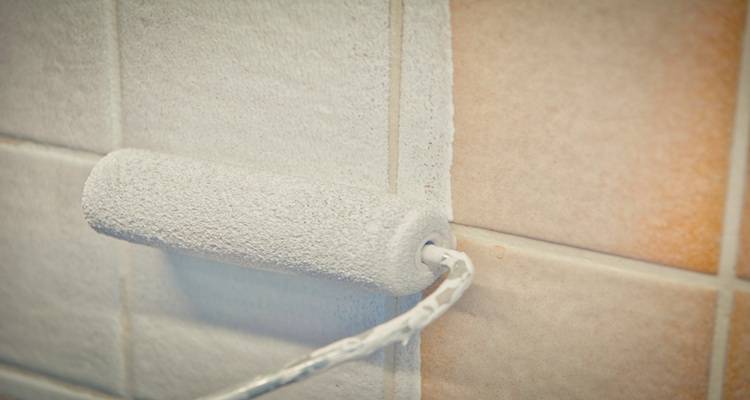
| Paint Finish | Best For | Key Consideration |
|---|---|---|
| Gloss | Kitchens, splashbacks and brighter rooms | Easy to wipe clean, but can highlight imperfections |
| Satin | Bathrooms, kitchens and general wall tiles | Balances durability, moisture resistance and a softer finish |
| Matt | Low-traffic decorative wall tiles | Can hide imperfections, but is less moisture resistant |
Want a custom price?
Post your job
Alternative Types of Tile Refurbishment
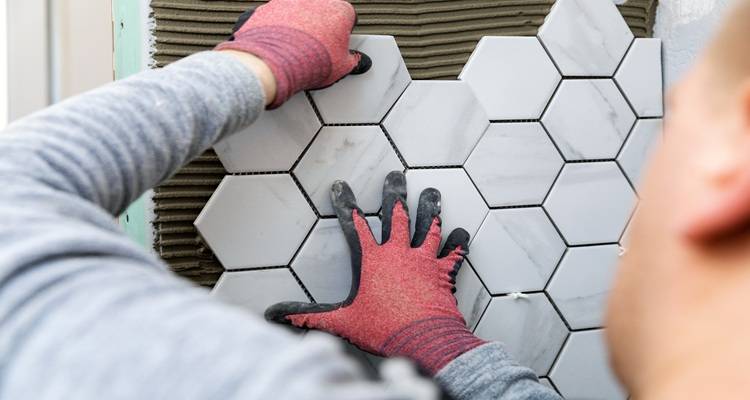
If painting tiles is not suitable, there are a few alternatives to consider. These usually cost more than painting, but they may last longer or create a more durable finish.
| Alternative | Typical Cost Level | Best For |
|---|---|---|
| Tile stickers or vinyl wraps | Low | Short-term decorative updates |
| Decorative wall panels | Medium | Covering larger wall areas quickly |
| Custom splashbacks | Medium to high | Kitchens and utility areas |
| Tiling over existing tiles | Medium to high | Flat, secure tiles in good condition |
| Wall tile installation | High | Damaged, loose or badly outdated wall tiles |
Want a custom price?
Post your job
Hiring Contractors Checklist for Painting Tiles
Consider these key points before hiring a painter or decorator for this job:
- Do they have tile painting experience? Tile painting needs more preparation than standard wall painting, so look for someone who has worked on bathroom tiles, kitchen tiles or floor tiles before.
- Can they advise on the right products? They should be able to recommend suitable tile paint, primer and sealant based on the tile type, room and level of wear.
- Is preparation included in the quote? Cleaning, degreasing, sanding, priming and masking should be included, as poor preparation can cause the paint to peel.
- Will they repair damaged tiles first? Cracked, loose or chipped tiles may need fixing before painting starts, so ask whether this is included or priced separately.
- Do they have public liability insurance? Confirm this with them as this is important in case there is any accidental damage during the work.
- How long will the job take? Ask how long the painting, drying and curing stages will take, especially if the work is in a bathroom or kitchen you use every day.
- Do they have positive reviews? Check recent feedback on MyJobQuote from other homeowners.
Ask a Trade
Got a question that only a tradesperson can answer? We have thousands of trades ready to answer any question you may have.
Ask your question

How to Get Paint Off Tiles
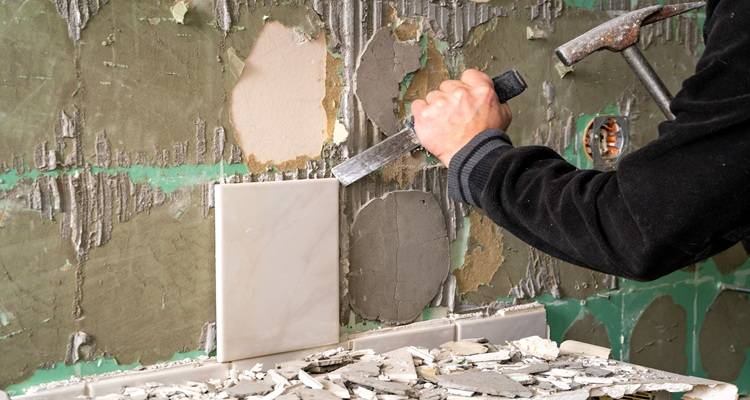
Removing paint from tiles is usually cheaper than removing the tiles themselves, but it can still take time. The best method will depend on the paint type, how well it has bonded and whether you want to repaint the tiles afterwards.
- Clean the tiles — Wash the surface with warm water and a mild cleaner to remove dirt and grease.
- Soften the paint — Use a suitable paint remover or warm soapy water for small areas, following the product instructions carefully.
- Scrape gently — Use a plastic scraper to lift the paint without scratching the tile surface.
- Remove residue — Clean away any leftover paint, remover or dust before deciding whether to repaint.
- Repair or repaint if needed — If the surface looks patchy after the paint is removed, you may need primer, new tile paint and sealant.
DIY supplies for removing paint from tiles may cost around £10–£40 for cleaner, scraper, gloves and paint remover. If the tiles need repainting afterwards, you may also need to budget for primer, tile paint and sealant. If the paint is difficult to remove or the tiles are easily damaged, hiring a professional may be safer.
FAQs
How Can I Keep Tile Painting Costs Down?
You can keep tile painting costs down by cleaning the tiles yourself, choosing a simple finish, sticking to smaller areas and avoiding major colour changes that need extra coats. However, do not skip primer or sealant, as poor preparation can lead to peeling and extra repair costs later.
Is It Worth Paying a Professional to Paint Tiles?
Hiring a professional costs more than doing the work yourself, but it can be worth it for bathroom tiles, floor tiles or larger areas where preparation and sealing are more important. A professional finish may last longer, which can reduce the chance of paying to repaint the tiles too soon.
Can Painted Tiles Be Touched Up Instead of Fully Repainted?
Yes, small chips or worn patches can often be touched up if the rest of the painted surface is still in good condition. This is usually cheaper than repainting the full area, but the colour and finish may not match perfectly if the original paint has faded.
Can You Leave Tiles Unpainted After Removing Paint?
You may be able to leave tiles unpainted after removing paint if the original tile surface is still clean and undamaged. If the tiles look patchy, scratched or stained after removal, you may need to budget for new primer, tile paint and sealant to repaint them.
How Long Do Painted Tiles Last?
Painted tiles can last anywhere from 3 to 10 years or more, depending on the quality of the paint, the preparation work, the area painted and how much wear it gets. Bathroom tiles and floor tiles may need repainting sooner than wall tiles in low-traffic areas.
When Is Replacing Tiles Better Than Painting Them?
Replacing tiles may be better value if the existing tiles are loose, cracked, badly stained or in a high-use wet area where paint is unlikely to last. Painting is usually best when the tiles are secure and in good condition but need a cosmetic update, while tiling a bathroom may be more suitable for a full renovation.