Builders
 Carpenters
 Electricians
 Flooring Specialists
 Gardeners
 Handymen
 Heating Engineers
 Painters & Decorators
 Plasterers & Renderers
 Plumbers
 Roofers
 Tilers
 my
myDriveway Resurfacing Cost
At a Glance
- The average cost to resurface a driveway is around £2,700 for a typical 60m² drive.
- Most driveway resurfacing jobs take approximately 2 to 4 days.
- A breakdown of the cost of driveway resurfacing by driveway size and materials used including labour, materials and additional costs.
- How long the work is likely to take.
- How to find a local driveway resurfacing contractor using MyJobQuote.
Get free estimates
Are you a trade? Get more work today!
Driveway resurfacing can restore a worn, faded or lightly damaged driveway without the cost of replacing it completely. A new surface is laid over the existing driveway to improve its appearance and cover minor surface damage such as shallow cracks or worn patches.
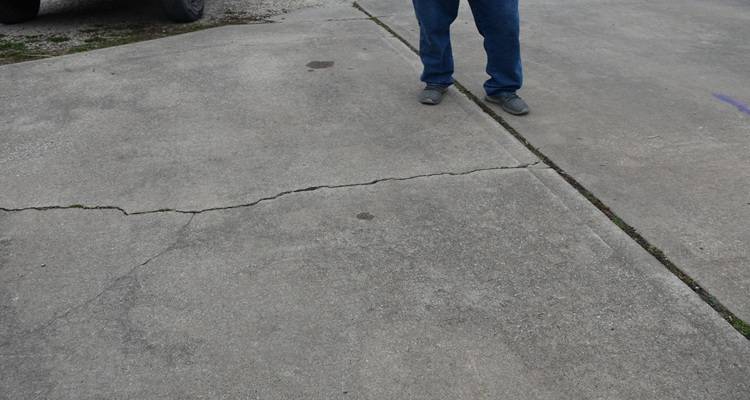
Resurfacing is only suitable when the driveway's foundations and sub-base are still stable. If the driveway has significant structural damage, deep cracks or a failed base, you may need to budget for a full driveway replacement instead.
Ready to get a quote?
Get free, no obligation quotes from local driveway contractors near you.
£2,700
Table of Contents
How Much Is Driveway Resurfacing?
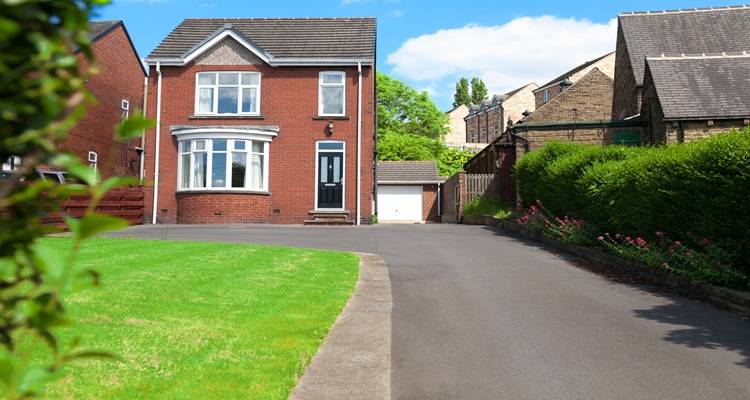
The average driveway resurfacing cost in the UK is between £1,200 and £4,500 for a typical 60m² two-car driveway, with most homeowners paying around £2,700. However, the final price depends on the driveway's size, condition and resurfacing material.
What material are you considering for your driveway resurfacing?
Tarmac
7 votes - 54%54% of votes
Asphalt
1 votes - 8%8% of votes
Concrete
3 votes - 23%23% of votes
Resin-bound
2 votes - 15%15% of votes

13 votes
See results
Hide results
Small driveways require fewer materials and less labour, so their total cost sits at the lower end of the price range. Bear in mind that smaller jobs tend to sit towards the top of the per m² range, as set-up time and minimum charges are spread across a smaller area. Larger driveways and surfaces finished with resin-bound, concrete or decorative finishes tend to cost more overall.
Driveway Resurfacing Prices
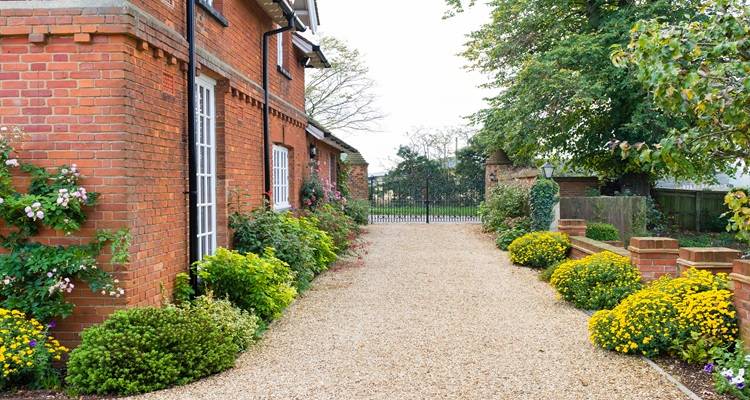
The table below shows the typical cost of driveway resurfacing per m², including both labour and materials.
| Resurfacing Material | Cost Per m² |
|---|---|
| Tarmac | £20–£40 per m² |
| Asphalt | £20–£35 per m² |
| Concrete | £25–£55 per m² |
| Resin-Bound | £40–£75 per m² |
Based on those rates, here is what you can expect to pay in total for each driveway size, across all four materials:
| Driveway Size | Average Cost |
|---|---|
| Small (30m²) | £600–£2,250 |
| Medium (60m²) | £1,200–£4,500 |
| Large (90m²) | £1,800–£6,750 |
Want a custom price?
Post your job
The tables below break those figures down by material for each driveway size. All costs include labour and materials.
Small Driveway (30m²) Resurfacing
A small driveway is approximately 30m² and typically has enough space for one car.
| Resurfacing Material | Total Cost |
|---|---|
| Tarmac | £600–£1,200 |
| Asphalt | £600–£1,050 |
| Concrete | £750–£1,650 |
| Resin-Bound | £1,200–£2,250 |
Want a custom price?
Post your job
Medium Driveway (60m²) Resurfacing
A medium driveway is approximately 60m² and typically has enough space for two to three cars. This is the most common driveway size in the UK.
| Resurfacing Material | Total Cost |
|---|---|
| Tarmac | £1,200–£2,400 |
| Asphalt | £1,200–£2,100 |
| Concrete | £1,500–£3,300 |
| Resin-Bound | £2,400–£4,500 |
Want a custom price?
Post your job
Large Driveway (90m²) Resurfacing
A large driveway is approximately 90m² and typically has enough space for four to six cars.
| Resurfacing Material | Total Cost |
|---|---|
| Tarmac | £1,800–£3,600 |
| Asphalt | £1,800–£3,150 |
| Concrete | £2,250–£4,950 |
| Resin-Bound | £3,600–£6,750 |
Want a custom price?
Post your job
How Much Do Driveway Resurfacing Contractors Cost?
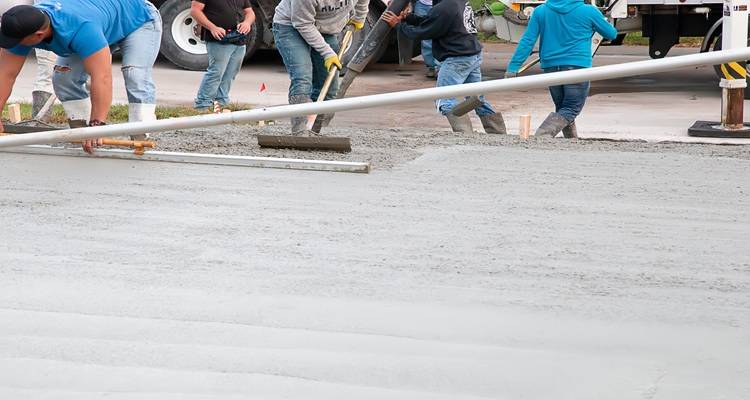
Driveway resurfacing specialists typically charge around £150 to £200 per person, per day. As the work is usually completed by a two-person team, total labour costs are generally between £300 and £400 per day.
However, some contractors may charge a fixed fee based on the driveway size, resurfacing material, and complexity of the work.
The amount of time a driveway resurfacing job takes will also be affected by:
- The size of the driveway
- The materials used
- The preparation required
- Curing time
- Weather conditions
- Decorative finishes
Across all sizes and materials, resurfacing takes between 1 and 6 days. The estimates below are based on a two-person team and do not include materials or additional work such as major repairs, drainage, or old surface removal.
Small Driveway Labour Costs
A small driveway is approximately 30m² and typically has enough space for one car.
| Material | Estimated Duration | Total Labour Cost |
|---|---|---|
| Tarmac | 1 to 2 days | £300–£800 |
| Asphalt | 1 to 2 days | £300–£800 |
| Resin-bound | 1 to 2 days | £300–£800 |
| Concrete | 2 to 3 days | £600–£1,200 |
Want a custom price?
Post your job
Medium Driveway Labour Costs
A medium driveway is approximately 60m² and typically has enough space for two to three cars.
| Material | Estimated Duration | Total Labour Cost |
|---|---|---|
| Tarmac | 2 to 3 days | £600–£1,200 |
| Asphalt | 2 to 3 days | £600–£1,200 |
| Resin-bound | 2 to 3 days | £600–£1,200 |
| Concrete | 3 to 4 days | £900–£1,600 |
Want a custom price?
Post your job
Large Driveway Labour Costs
A large driveway is approximately 90m² and typically has enough space for four to six cars.
| Material | Estimated Duration | Total Labour Cost |
|---|---|---|
| Tarmac | 3 to 4 days | £900–£1,600 |
| Asphalt | 3 to 4 days | £900–£1,600 |
| Resin-bound | 3 to 4 days | £900–£1,600 |
| Concrete | 4 to 6 days | £1,200–£2,400 |
Want a custom price?
Post your job
Supply Costs
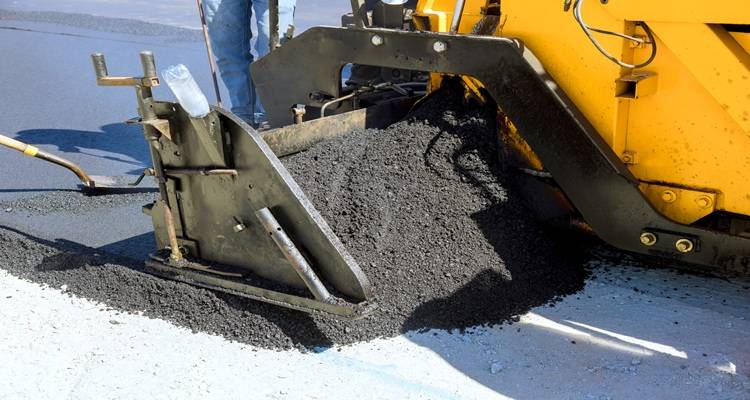
Supply costs vary considerably depending on the resurfacing material. Tarmac and asphalt are usually the most affordable options and are commonly chosen for straightforward residential driveways. Decorative concrete and resin-bound surfaces cost more, but they offer a more polished finish and a wider range of design options.
You do not always have to use the same material as the existing driveway. However, the current surface must be stable and suitable for the new material, and additional preparation, primer or drainage work may be needed before resurfacing can begin.
| Driveway Type | Cost Per m² | Cost for 30m² |
|---|---|---|
| Tarmac | £6–£10 | £180–£300 |
| Asphalt | £8–£12 | £240–£360 |
| Concrete | £12–£20 | £360–£600 |
| Resin-bound | £20–£35 | £600–£1,050 |
Want a custom price?
Post your job
Additional Costs
If you decide to have your driveway resurfaced, there might also be additional costs to consider, which you may need to add to your budget. Basic preparation, such as minor repairs and cleaning the driveway, is often included in the contractor's quote, so it is important to check exactly what has been allowed for. The additional costs can include:
| Job Type | Average Cost |
|---|---|
| Patch Repair Before Resurfacing | £15–£35 per linear metre |
| Decorative Finish (coloured or textured coating) | £5–£7 per m² |
| Removal of Damaged Sections | £40–£50 per m² lifted |
Want a custom price?
Post your job
Extensive Repairs or Levelling
Deep cracks, potholes or uneven areas may need to be repaired before the new surface can be laid. More substantial repairs can cost between £150 and £500, while major levelling work may add approximately £300 to £2,250, depending on the size and condition of the driveway.
Drainage Improvements
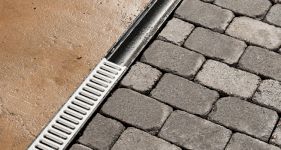
Additional drainage may be required when resurfacing a driveway with a different material. For example, if you lay an impermeable surface for your new driveway, you will have to either ensure rainwater runoff is directed to a lawn, border, or similar permeable area, or install a drainage system such as a soakaway. Installation on average can cost around £660 to £1,200.
These rules apply to driveways over 5m² in front gardens.
Edging Replacement
Edgings define the border between the driveway and the rest of your garden. Damaged or crumbling driveway edging may need to be replaced as part of the resurfacing work. Typical driveway edging costs range from £20 to £60 per linear metre, while concrete edging costs average around £120 per linear metre.
Sealant Application
Your contractor may offer sealant application as an optional extra because it reduces colour fading and provides protection from spills and stains. Depending on the size of your driveway, sealing may add between £200 and £400 to the total resurfacing cost.
Old Surface Removal
The existing driveway does not normally need to be lifted completely before resurfacing, provided the surface and sub-base are stable, properly prepared and compatible with the new material. However, loose, crumbling or badly damaged sections may need to be removed before resurfacing can begin.
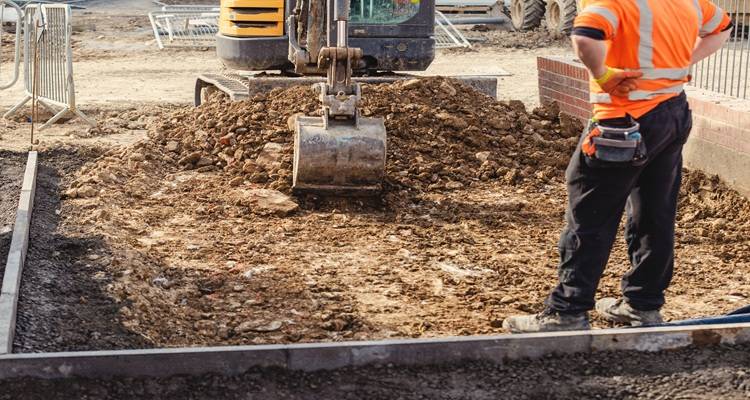
Removing damaged sections can take around 1 to 3 days and cost between £40 and £50 per m², depending on the material and the amount that needs to come up. For example, lifting a 30m² concrete surface will cost between £1,200 and £1,500.
Skip Hire and Waste Removal
Resurfacing a driveway might mean you have waste to remove. Hiring a skip will cost between £60 and £300, depending on the amount of waste you have. Small 2–3-yard skips usually hold around 30+ bin bags. A 6-yard skip will hold 60+ bin bags.
If you don't want to hire a skip and you also have other garden waste to get rid of, then you may want to use a garden clearance service. Costs vary, but on average you will pay between £70 and £275 to remove between 20 and 60 bin bags.
Cost Factors for Driveway Resurfacing
The final cost of resurfacing a driveway depends on the condition of the existing surface, the size of the area and the complexity of the work. The main factors that can affect your quote include:
- Condition of the Sub-Base — Resurfacing is only suitable if the driveway's foundations remain stable. If the sub-base has failed, repairs or a full driveway replacement may be needed instead.
- Driveway Size — Larger driveways require more materials and take longer to complete, increasing both supply and labour costs.
- Existing Surface and Chosen Material — The existing driveway must be stable and compatible with the new surface. Tarmac and asphalt are generally cheaper to lay, while resin-bound and decorative concrete finishes tend to cost more and may require additional preparation.
- Depth of Repair Required — Minor cosmetic damage is usually quicker to prepare than deep cracks, potholes or unstable sections that need to be cut out and rebuilt. Deep repairs and rebuilding will add to the final cost.
- Ease of Access — If machinery or materials cannot easily reach the driveway, more work may need to be completed manually. This can increase labour time and the overall resurfacing cost.
- Location — Labour rates vary across the UK and are generally higher in London and the South East than in many other regions.
Types of Driveway Resurfacing
Tarmac
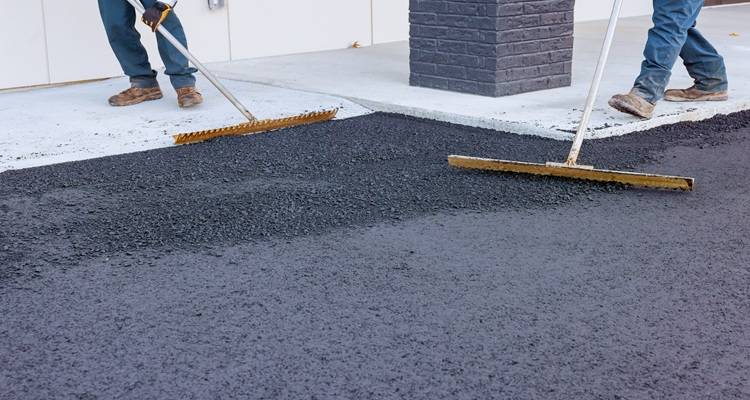
Tarmac is a cost-effective material. It is long-lasting and durable. It can also be coloured to make it more attractive.
Pros
- ✔ Fast and easy installation.
- ✔ Good weather resistance.
Cons
- ✖ Susceptible to weed growth.
- ✖ Can soften over time from petrol, oil or diesel spills (e.g. if the driveway is used for maintaining cars — small, everyday drips are usually fine).
Asphalt
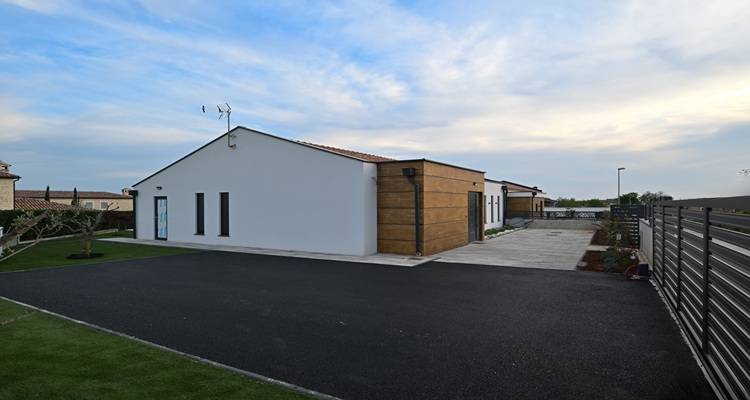
Asphalt is a durable material and is cheaper than concrete or stone. It is made from aggregates and bitumen, which gives it a smooth finish.
Pros
- ✔ Affordable
- ✔ Quick to install
Cons
- ✖ May be prone to cracking in cold weather.
Concrete
Concrete isn't the cheapest choice, but it is often chosen because you can apply a decorative concrete finish to make it look more attractive.
Pros
- ✔ Durable and long-lasting.
- ✔ Can be customised.
Cons
- ✖ Doesn't stand up so well to cold weather conditions.
- ✖ More expensive than tarmac or asphalt.
Resin-Bound
A resin-bound driveway is made by mixing aggregate stones with resin before the material is spread over the prepared surface. This creates a smooth, decorative finish that is available in a wide range of colours and sizes.
Pros
- ✔ Long-lasting if well-maintained
- ✔ Attractive aesthetic
Cons
- ✖ More expensive than some other materials.
- ✖ Needs to be UV-resistant to avoid colour fade.
Ask a Trade
Got a question that only a tradesperson can answer? We have thousands of trades ready to answer any question you may have.
Ask your question

Alternative Types of Driveway Resurfacing
There are other alternatives to resurfacing. Other options may be better solutions or more cost-effective:
Full Driveway Replacement
If your driveway is badly damaged or the base has failed, then you might be advised to replace the driveway, as a resurface will not be a permanent solution to the problem.
Driveway replacement cost: A driveway replacement cost is significantly higher than a resurfacing project, but you will have the benefit of a new, stable base and a completely new surface. Costs vary, but on average you can expect to pay between £40 and £175 per m², depending on the material you choose.
Gravel
If you are on a budget, then a gravel drive might be a better alternative. It does need more maintenance to keep it tidy and free from weeds, but if it is topped up from time to time, it can be a long-lasting alternative. Gravel costs between £40 and £100 per m² installed.
Imprinted Concrete
Imprinted concrete is more expensive than a plain finish, but if you want something that's available in a wide choice of colours and patterns, then this will give you an attractive, decorative finish. You can pay between £105 and £135 per m² installed.
Block Paving
Block paving is more expensive than most other driveway materials, but it is much easier to repair if it gets damaged. Individual blocks can be removed and replaced, which is much more cost-effective than a full resurface.
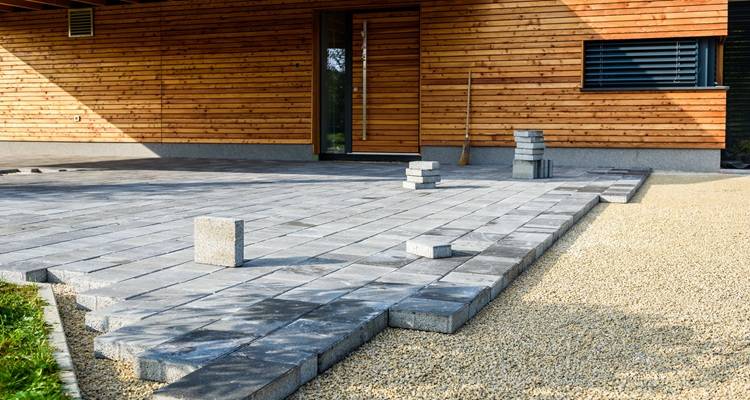
It's also available in a wide range of designs, which makes it a very attractive option. You can expect to pay between £115 and £175 per m² installed.
Patch Repairs
If you have a solid base but your driveway has just a few sections that are cracked or have small holes, patch repairing might be easier and cheaper than a full driveway resurface. Expect to pay between £15 and £35 per linear metre.
Hiring Contractors Checklist for Driveway Resurfacing
Before hiring a contractor, it is worth checking their experience, insurance and exactly what is included in the quote. You can use the following questions to compare driveway resurfacing specialists:
- Can you provide a written quote? Get at least three written quotes so you can compare prices, materials, preparation work, and any additional costs.
- Do they have experience with your chosen surface? Ask whether they regularly work with tarmac, asphalt, resin-bound or concrete resurfacing and request examples of similar completed driveways.
- Have they assessed the existing driveway? The contractor should check that the current surface and sub-base are stable enough for resurfacing before accepting the work.
- Is preparation included in the quote? Confirm whether cleaning, minor repairs, primer, levelling, and removal of damaged sections are included or charged separately.
- Is waste removal included? If any part of the existing surface needs to be lifted, check whether skip hire and disposal costs are included in the quote.
- Do they have public liability insurance? This provides protection if your property, neighbouring property or surrounding areas are damaged during the work.
FAQs
Do I Need Planning Permission to Resurface a Driveway?
For driveways in front gardens, planning permission is required if the surface is over 5m² and made of an impermeable material that does not drain to a permeable area such as a lawn or border, instead draining towards a road. No planning permission is needed if the driveway is made of permeable materials such as gravel or porous asphalt or if the rainwater is directed to a permeable area. A separate application to the council is required for work such as installing a dropped kerb.
Is It Cheaper to Resurface a Driveway Than to Replace It?
Resurfacing is a cheaper option. Replacing a driveway costs between £40 and £175 per m². In comparison, resurfacing a driveway costs on average between £20 and £75 per m².
How Long Does a Driveway Resurface Last?
There is no set lifespan for any driveway material. How long a driveway resurface lasts depends on the condition of the base, how heavily the driveway is used, the amount of maintenance it receives, and how well the new surface was laid.
If My Driveway Is Damaged, Can It Be Resurfaced, or Must It Be Replaced?
If the damage isn't affecting the foundations of the driveway and it is still stable, then normally a contractor can repair any damage, and the driveway can then be resurfaced. If the driveway isn't stable, or cracks and potholes are too big to repair, then resurfacing isn't recommended, and you may be advised to replace it.
Which Driveway Surface Is the Cheapest?
Asphalt and tarmac are the cheapest resurfacing materials. You can use both materials to resurface an original concrete or resin driveway. You can expect to pay between £20 and £40 per m². In comparison, concrete and resin-bound cost between £25 and £75 per m².
Can I Resurface My Driveway Myself, or Should I Hire a Professional?
If you have the time, the right tools, DIY skills, and thorough knowledge of the planning permission rules regarding drainage, then you could resurface your driveway as a DIY project. However, if you hire a professional, the work will be more likely to have a professional finish, and you won't need to hire tools, dispose of waste or worry about timescales. Government guidelines recommend using a specialist company when laying porous asphalt.