Builders
 Carpenters
 Electricians
 Flooring Specialists
 Gardeners
 Handymen
 Heating Engineers
 Painters & Decorators
 Plasterers & Renderers
 Plumbers
 Roofers
 Tilers
 my
myAppliance Repair Cost
At a Glance
- The average faulty appliance repair cost is around £250, although prices usually range from £100 to £400 depending on the appliance, fault, and parts needed.
- Most appliance repairs take between 1 hour and 3 hours to complete.
- Average appliance repair prices by appliance type.
- Labour call-out charges, timescales, and additional fees.
- When to repair, replace, or remove a faulty appliance.
- Tips on finding a local appliance repair engineer using MyJobQuote.
Get free estimates
Are you a trade? Get more work today!
We rely on household appliances every day, from cooking and keeping food fresh to washing and drying clothes. When a washing machine breaks down, an oven stops working, or a fridge freezer won't stay cold, it can disrupt the whole household.
Repairing a faulty appliance with a new element is often a better option, cheaper and faster than replacing it, especially if the fault is minor or the appliance is still in good condition.
In this guide, we break down average repair costs for your domestic appliance, explain what affects the price, and help you decide whether repair or replacement is a better option for you in the long run.
If your appliance isn't working properly, you can compare free, no-obligation quotes from local appliance repair engineers through MyJobQuote.
£250
Table of Contents
- How Much Does It Cost to Repair an Appliance?
- Labour Costs and Timescales for Appliance Repair
- Supply Costs for Appliance Repair
- Cost Factors for Appliance Repair
- Building Regulations Related to Appliance Repair
- Types of Appliance Repairs
- Alternative Types of Appliance Solutions
- Checklist: Hiring a Contractor for Appliance Repair
- Removing Appliances: Considerations and Costs
- FAQs
How Much Does It Cost to Repair an Appliance?
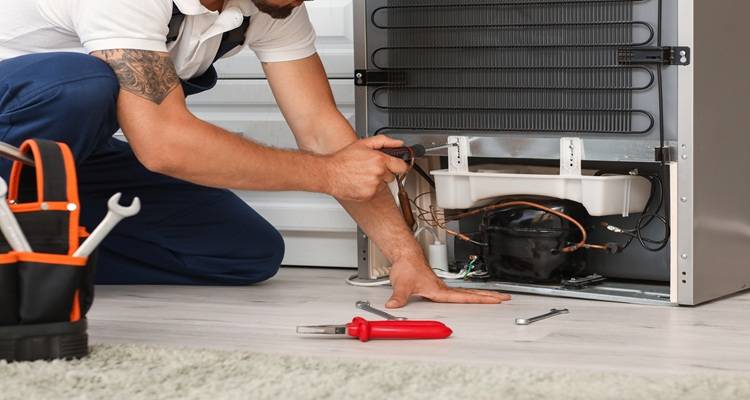
The average cost of appliance repair in the UK is between £100 and £400. Minor faults are usually at the lower end of the scale, while more complex repairs can cost more.
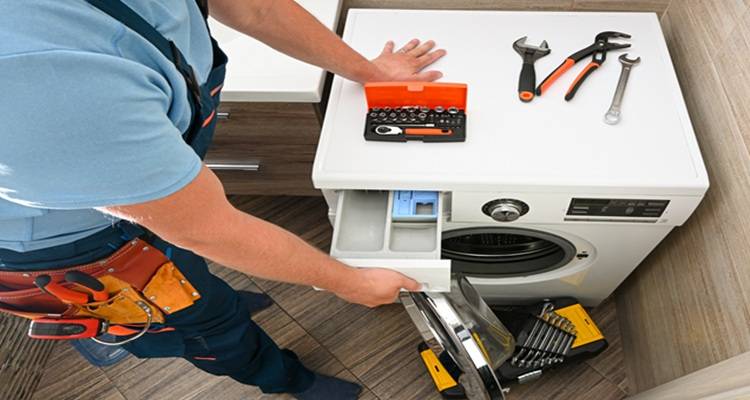
For example, replacing a washing machine pump usually costs between £75 and £150. If the appliance needs a new motor, the cost may rise to between £150 and £300.
Appliance Repair Prices
| Appliance Type | Common Fault | Probable Repair | Average Cost |
|---|---|---|---|
| Electric Oven | The oven temperature is not working correctly | New thermostat | £50–£150 |
| Cooker Hood | The extractor fan is not removing steam and grease | New extractor fan motor | £70–£250 |
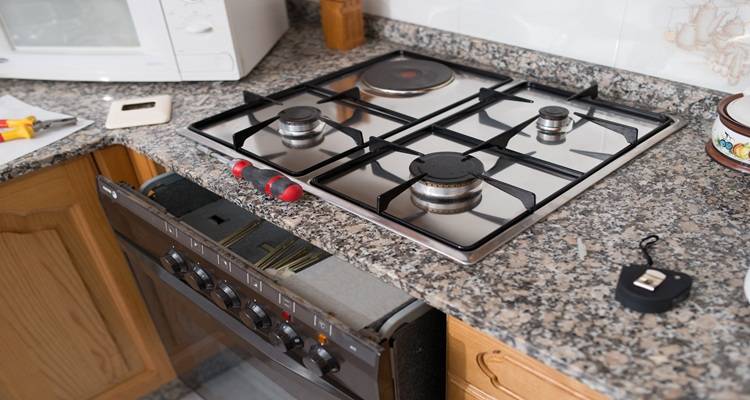
| Hob | The gas burner is only burning on a low heat | New gas burner | £100–£200 |
| Fridge or Freezer | The fridge or freezer is not cold enough | Broken or damaged door seal | £80–£225 |
| Dishwasher | Water is leaking but the door seal is fine | Replace damaged hose | £50–£100 |
| Washing Machine | Water is not draining | Replacement drain pump | £75–£150 |
| Tumble Dryer | The dryer is not getting hot | New heating element | £110–£220 |
Want a custom price?
Post your job
Is It Cheaper to Repair or Replace an Appliance?
Appliance repair costs are usually less if the fault is minor and the parts are easy to source. Repair services that cost less than £150 are often worth considering.
As a general guide, many repair professionals use the 50% rule. If the repair costs more than half the price of a similar new appliance, replacing it with a new one may be better value in the long run.
| Appliance Type | Repair or Replace Guidance |
|---|---|
| Washing Machine | Repair newer machines if the fault is minor. Replacement may be better for drum, motor, or control board faults on older models. |
| Tumble Dryer | Repair belts, door switches, and heating elements if the dryer is otherwise reliable. |
| Fridge or Freezer | Repair seals and thermostats where possible. Replacement may be better if the appliance no longer cools efficiently. |
| Dishwasher | Repair hoses, pumps, and heating elements if parts are easy to source. |
| Cooker or Oven | Repair common faults such as thermostats, elements, and door seals if the appliance is safe and in good condition. |
| Hob | Repair sensor, burner, or ignition faults if the machine is otherwise in good condition. |
| Cooker Hood | Repair switches, buttons, and motors if the unit still extracts properly after repair. |
Want a custom price?
Post your job
Labour Costs and Timescales for Appliance Repair
Labour costs for domestic appliance repair are usually charged at an hourly rate, a fixed repair price, or a call-out fee. Most appliance repairs take between 1 hour and 3 hours to complete.
Labour charges can be higher in London and the Southeast. Emergency, weekend, or same-day repairs will also usually cost more than standard appointments.
| Labour Cost Type | Typical Cost | Typical Timescale |
|---|---|---|
| Standard hourly rate outside London | £50 per hour | 1 to 3 hours |
| Standard hourly rate in London | £75 per hour | 1 to 3 hours |
| Fixed price repair, such as supplying and fitting a washing machine pump | £100–£200 | Usually completed in 1 visit |
| Standard call-out fee | £70–£140 | Usually charged before repair work begins |
| Emergency call-out fee | £100–£200 | Same day or out of hours |
| Diagnostic charge | £40–£50 | Usually 30 minutes to 1 hour |
| Emergency hourly rate | £70–£130 per hour | Depends on the appliance and fault |
Want a custom price?
Post your job
Supply Costs for Appliance Repair
When an appliance needs a new part, the cost will often depend on the brand, the availability, and whether it is an original part or an aftermarket part. Sometimes the labour charges for small fixes will be equal to or more than the part itself, whereas parts for larger repairs often cost more than labour charges.
Electric Oven Repair Cost
The cost to repair an electric oven is usually between £50 and £150 for simple repairs. More complex issues, such as a broken control board, can cost between £150 and £300.
Common electric oven faults include broken thermostats, damaged door seals, faulty heating elements, and broken fan motors. Gas oven repair is different and must be carried out by a Gas Safe registered engineer.
Who should I call for an electric oven repair and what should I expect to pay?
"You’ve got 2 main options: appliance repair engineer, which is usually the best choice, or an electrician for basic faults. Call-out or diagnostic fees are typically £40 to £100, labour is usually £45 to £90 per hour, and the average total repair is £100 to £200 for most issues.
A standard all-in figure is around £130 on average. Common faults include heating elements at £80 to £170, thermostats at £50 to £150, fan motors at £100 to £200, and control boards at £120 to £300+."
A standard all-in figure is around £130 on average. Common faults include heating elements at £80 to £170, thermostats at £50 to £150, fan motors at £100 to £200, and control boards at £120 to £300+."
Hob Repair Cost
Replacing a gas burner on a hob is a common repair. Induction hobs sometimes have problems with sensors. The average cost of repairing a hob is between £100 and £200. Gas hobs and ovens might have higher labour charges because they can only be repaired by a Gas Safe engineer.
Cooker Hood Repair Cost
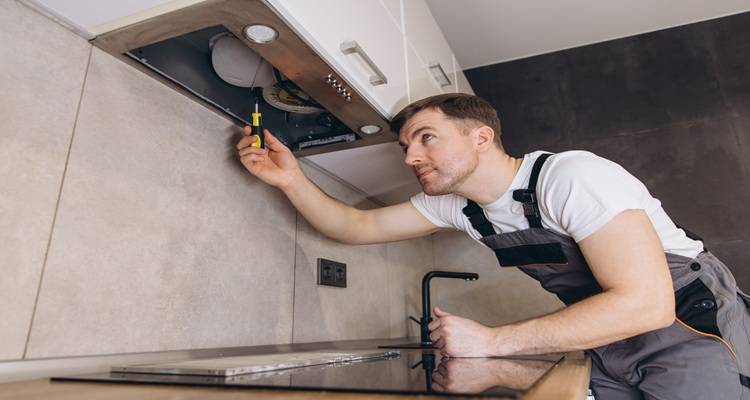
A repair to a cooker hood is often due to broken buttons. Another common problem is the motor not working properly, preventing the steam and grease from being extracted. Average repair costs range from £70 to £250. Switches and buttons are relatively cheap to replace. A new motor will cost significantly more.
Fridge/Freezer Repair Cost
Damaged door seals are a common problem in a fridge or freezer because, over time, the rubber hardens and cracks. The cost of a new seal will depend on the size of the fridge or freezer, but on average, you can expect to pay between £80 and £225 for this type of fridge repair.
Other problems include the fridge or freezer failing to cool or freeze properly. In this case, you would need a new thermostat, which will cost on average between £100 and £280. Most problems with fridges and freezers will cost between £80 and £400.
Dishwasher Repair Cost
A typical dishwasher repair costs on average between £100 and £300. Common problems include heating faults, water not draining, and dishes not being cleaned properly.
A new heating element is likely to cost between £125 and £260. A new pump on average costs between £100 and £260 (supplied and fitted) and a new motor will cost between £150 and £325. If you have water leaking from your dishwasher, you may need to replace the hose, which is likely to cost between £50 and £100.
Washing Machine Repair Costs
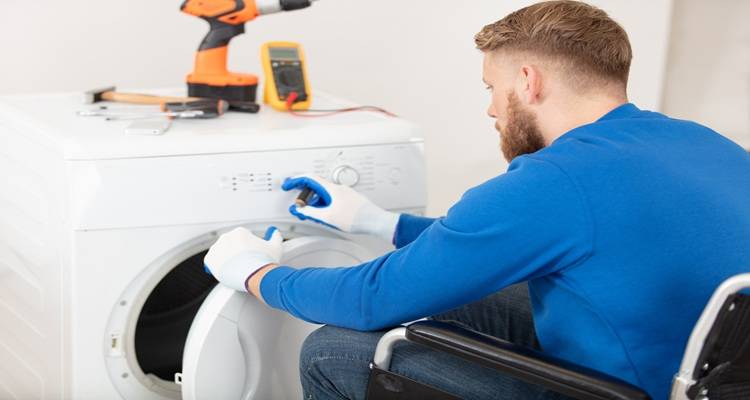
Repairing a washing machine can cost, on average, between £75 and £420. Common repairs are fitting a new pump, replacing the drum, or renewing motor brushes. The cost of a new part will, in most cases, be between £75 and £160.
Replacing a drum is an expensive repair and will cost between £145 and £425, depending on the washing machine brand. Renewing motor brushes on average costs between £95 and £210.
Tumble Dryer Repair Costs
Common tumble dryer repair costs are, on average, between £60 for minor repairs to £325 for major parts.
Minor repairs usually include snapped belts and broken door switches. These repairs normally cost between £60 and £100. Parts needed like drum bearings (£300+) or a heating element (£110 to £220) are more expensive.
Cost Factors for Appliance Repair
The final cost of appliance repair depends on the fault, the appliance, and how easy it is to complete the work. The main cost factors include:
- Type of Fault — Simple mechanical faults, such as a broken belt or damaged door seal, are usually cheaper to fix. Electrical faults, control board problems, and plumbing-related issues can take longer to diagnose.
- Replacement Parts — Original manufacturer parts usually cost more than aftermarket parts. Older or high-end appliances may also need harder-to-source parts.
- Make and Model — Premium brands can cost more to repair because parts may be more expensive or only available through approved suppliers.
- Age and Condition of the Appliance — A major repair may not be worth the cost if the appliance is older and already showing signs of wear or repeated breakdowns.
- Built-in or Freestanding Appliance — Freestanding appliances are usually easier to access. Built-in appliances often need to be removed and refitted, which increases labour time.
- Urgency — Same-day, weekend, and out-of-hours repairs usually cost more because the tradesperson may need to reschedule other work.
- Your Location — Labour charges are usually higher in London and the Southeast. Costs may also rise if you live outside the tradesperson's usual call-out area.
- Diagnosis Time — Some faults are obvious, while others need testing before repair work can begin. A diagnostic charge may apply before the tradesperson confirms the full repair cost.
- Disposal Costs — If the appliance cannot be repaired, you may need to pay for removal or disposal. This usually costs between £25 and £50 if arranged privately.
Building Regulations Related to Appliance Repair
Building regulations don't apply to the repair itself, but there are safety considerations and other regulations to comply with:
- Gas Appliances — Must be repaired by a professional with Gas Safe registration.
- Electrical Appliances — The majority of electrical appliances are repaired by an appliance engineer or an electrician. To self-certify the work, the electrician or appliance engineer must be registered with an approved competent person scheme, if the work involves installing a new circuit, a replacement consumer unit, or is carried out in a bathroom or room with a swimming pool or sauna heater.
- Water-connected units like washing machines and dishwashers should be repaired by a professional plumber. Although there are no building regulations for appliance repair, a professional plumber will comply with UK safety standards.
Ask a Trade
Got a question that only a tradesperson can answer? We have thousands of trades ready to answer any question you may have.
Ask your question

Types of Appliance Repairs
There are various types of appliance repairs. Some are more complex than others, or more time-consuming and will therefore be more expensive. The most common types of repairs are:
Electrical
Electrical repairs include wiring problems, electronic control boards, heating elements, thermostats, and sensors. It's important to use an electrician belonging to a competent person scheme if the repair involves the home's fixed wiring rather than just the appliance itself.
Pros
- ✔ More affordable than a replacement
- ✔ Improves safety
Cons
- ✖ Not recommended for DIY repairs.
- ✖ May take time to diagnose with higher labour costs.
Mechanical
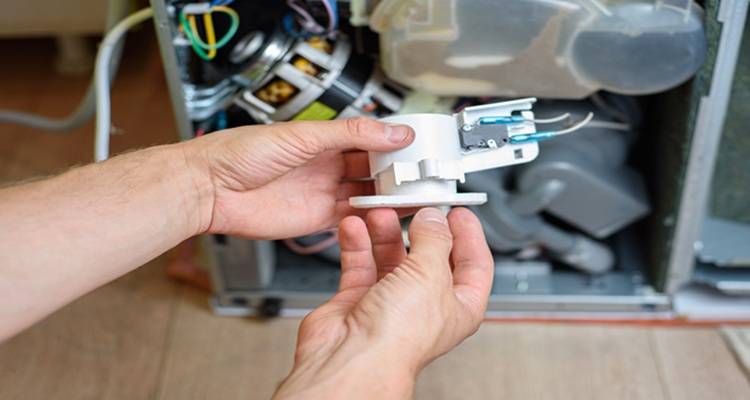
Mechanical repairs for household appliances cover moving parts, including motors, belts, pumps, drums, and hinges.
Pros
- ✔ Extends the lifespan of the appliance.
- ✔ Repairs can often be done within an hour.
Cons
- ✖ Parts may be obsolete in older appliances.
- ✖ Labour costs may be high if the appliance needs to be taken apart to repair.
Plumbing Related
Washing machines and dishwashers are appliances that are plumbing-related and usually involve dealing with leaks, water that doesn't drain or heat up properly.
Pros
- ✔ Often easy to diagnose.
- ✔ Repairs are usually completed quickly.
Cons
- ✖ Electronic parts may be expensive.
- ✖ Built-in units need to be removed before repair, and so labour costs are higher.
Sensor or Control Replacement
Sensor or control replacement is commonly required on hobs, cookers, dishwashers, and washing machines. They give information about temperature, function, and timing.
Pros
- ✔ Fixes error codes.
- ✔ Restores safety functions.
Cons
- ✖ May not be cost-effective on older appliances.
- ✖ Diagnosis may take some time, increasing labour costs.
Alternative Types of Appliance Solutions
Sometimes, repairing an appliance isn't worth the cost. The reasons could be:
- The appliance is old and has repeated faults.
- It's no longer energy efficient.
- Spare parts are hard to find.
In this case, you may need to consider an alternative solution. You could:
Replace the Appliance
The cost will be higher than a repair, but the item will have a guarantee, and it is likely to cost less to run because a newer model will be more energy efficient.
Buy a Refurbished Model
Refurbished appliances are cheaper than new models. Buy from reputable retailers or charity organisations that will provide a guarantee and check for a British or European safety mark. A refurbished gas cooker, for example, may cost between £200 and £300 less than the equivalent new model.
DIY Repairs
Simple DIY repairs will save you money as long as you have the time and the expertise to do the job. DIY jobs involving electrics or having to lay a water pipe aren't recommended. But minor repairs like a pump replacement in a dishwasher, replacing a faulty thermostat in a fridge/freezer, or replacing the door seal in a washing machine can be done without the need to call a professional.
- A dishwasher pump costs on average between £25 and £75, supply-only.
- A fridge thermostat ranges from £30 to £50.
- A washing machine door seal can cost between £50 and £100.
Bear in mind that DIY repairs won't have any guarantee of workmanship, and if the part is installed incorrectly, it may cause another breakdown.
Appliance Servicing and Cover
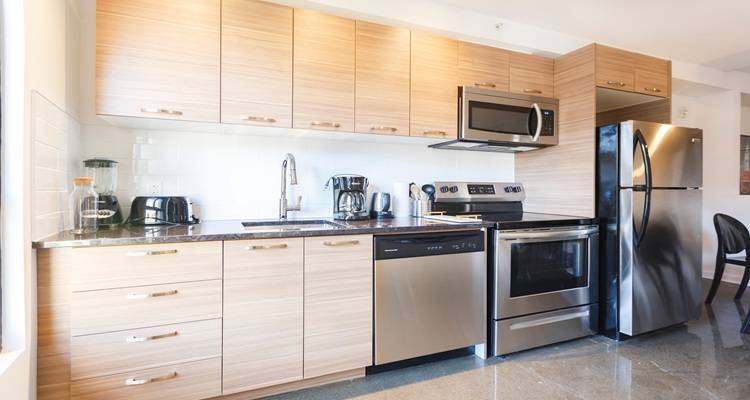
Regular maintenance and servicing can help extend the lifespan of an appliance. It can also reduce the risk of expensive repairs because smaller faults may be spotted early.
Some companies offer appliance cover when you buy a new appliance. You can also buy cover after purchase, which may include an annual check and repair insurance. Prices usually start from around £75 a year, depending on the appliance type, age, and brand.
Checklist: Hiring a Contractor for Appliance Repair
Appliance repairs should be carried out by someone with the right experience for the appliance and fault. This is especially important for gas appliances, hardwired ovens, and water-connected appliances.
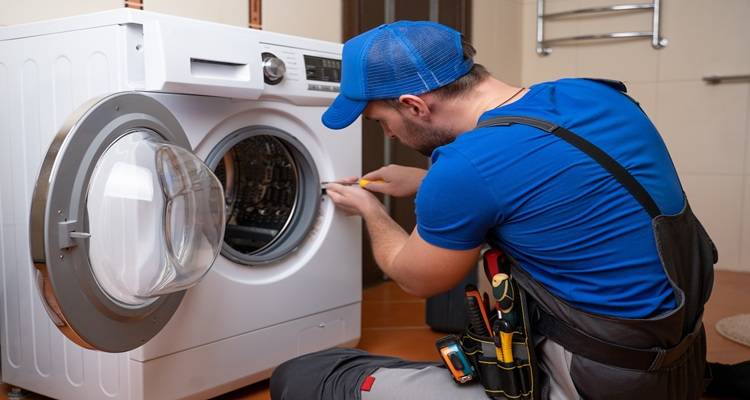
Before hiring an appliance repair specialist, check the following:
- Do they repair your type of appliance? Some tradespeople specialise in washing machines, dishwashers, ovens, fridges, or specific appliance brands.
- Are they qualified for the work? Gas appliance repairs need a Gas Safe registered engineer. Electrical work connected directly to the mains should be completed by a suitably qualified electrician.
- Do they charge a call-out or diagnostic fee? Ask whether this fee is separate or deducted from the final repair cost.
- Can they source the right parts? Check whether they use original manufacturer parts or aftermarket parts, as this can affect the cost and warranty.
- Will they provide a written quote? The quote should explain the labour cost, parts cost, call-out fee, and any disposal charges.
- Do they offer a warranty? Ask whether both the parts and labour are covered if the appliance develops the same fault again.
- Have they got recent reviews? Reviews can help you check reliability, punctuality, workmanship, and how clearly they communicate costs.
Removing Appliances: Considerations and Costs
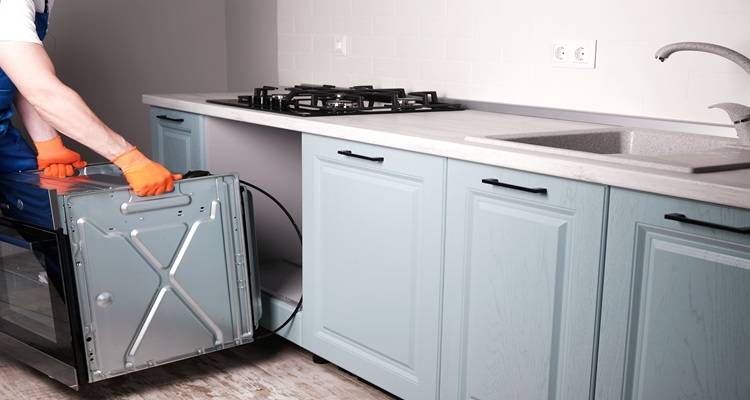
If your appliance has complex issues which cannot be repaired and you plan to replace it, the old appliance may need to be disconnected, removed, and disposed of safely.
Disconnection
Some appliances must be disconnected by a professional. Gas cookers must be disconnected by a Gas Safe registered engineer, while hardwired ovens should be disconnected by a qualified electrician.
The average cost to remove a gas cooker is between £90 and £120.
Disposal
Electrical appliances must be disposed of in line with Waste Electrical and Electronic Equipment (WEEE) rules. Your main options include:
- Retailer Collection — High street retailers that sell electrical appliances must offer to take back your old appliance for free, either in store or through another service. Retailers may charge if they collect the appliance from your home. You will have at least 28 days after buying a new appliance to give back your old one.
- Private Collection — A registered waste carrier may charge between £25 and £50 to collect and dispose of an appliance. Check that the waste carrier is on the 'upper tier' of the register of waste carriers.
- Council Bulky Waste Collection — Some councils collect appliances for free, but many charge between £25 and £40.
- Recycling Centre Drop-Off — You may be able to take the appliance to a recycling centre yourself, but check whether you need a van permit first.
FAQs
How Much Does It Cost to Repair a Washing Machine?
Washing machine repairs usually cost between £75 and £420, depending on the fault. Pump and door seal repairs are usually cheaper, while motor, drum, and circuit board repairs cost more.
Do Appliance Repair Specialists Charge a Call-Out Fee?
Most appliance repair specialists charge a call-out fee or diagnostic fee. A standard call-out fee is often between £70 and £140, while emergency call-outs can cost between £100 and £200.
Can I Fix My Appliance Myself?
You may be able to complete simple repairs, such as replacing a door seal or fitting a basic part. Gas repairs, hardwired electrical work, and complex faults should be left to a qualified professional.
Check your warranty before attempting DIY repairs, as unauthorised work could void it.
How Long Does an Appliance Repair Take?
Most appliance repairs take between 1 hour and 3 hours. The job may take longer if the fault is difficult to diagnose, the appliance is built in, or parts need to be ordered.
Are Appliance Parts Included in the Repair Cost?
Parts are sometimes included in a fixed repair price, but not always. Ask whether the quote includes labour, parts, VAT, call-out fees, and disposal costs before agreeing to the repair.
Is Same-Day Appliance Repair More Expensive?
Same-day and out-of-hours repairs are usually more expensive than standard appointments. You may pay a higher call-out fee, a higher hourly rate, or extra delivery costs if parts are needed quickly.
Can Built-In Appliances Be Repaired?
Built-in appliances can usually be repaired, but they may cost more because the appliance often needs to be removed from the unit and refitted afterwards.
Should I Repair an Older Appliance?
Repairing an older appliance may be worthwhile if the fault is small and parts are easy to source. If the appliance breaks down often or the repair costs more than half the price of a new model, replacement may be better value. A quote from MyJobQuote can help you make an informed decision.