Builders
 Carpenters
 Electricians
 Flooring Specialists
 Gardeners
 Handymen
 Heating Engineers
 Painters & Decorators
 Plasterers & Renderers
 Plumbers
 Roofers
 Tilers
 my
myBath Installation Cost
At a Glance
- The average cost to install a new bath is around £700.
- The job will take approximately 2 to 4 hours to complete.
- A breakdown of pricing information based on a range of bath options and what jobs can be performed.
- How long the job will take, and a general overview of what the task involves.
- How to find and hire a bath fitter to install your new bath.
Get free estimates
Are you a trade? Get more work today!
Would you like to discover the average cost to install a bathtub?
In this guide, we look at bathtub installation costs for a range of different baths, including walk-in baths, shower bathtubs and freestanding baths.
On average, installation of a new bath will typically be around £700.
We also cover the cost of old bathtub removal and the cost of a bathroom fitter, so you can see how much you should expect to pay in labour.
Just need a bath installation quote?
We have a range of bath fitters ready to give you a free quote!
So, why not continue reading below?
£700
Table of Contents
- How Much to Fit a Bath?
- Labour Cost to Install a Bath and Timescales
- Supply Costs Only
- New Bath Costs by Type
- New Bath Costs by Material
- Additional Bath Installation Costs
- Factors That Impact Bath Installation Costs
- What Size Bath?
- Cost of Removing a Bath
- What's Involved in Installing a Bath?
- Checklist: Hiring a Bathroom Fitter for your Bath Installation
- FAQs
How Much to Fit a Bath?
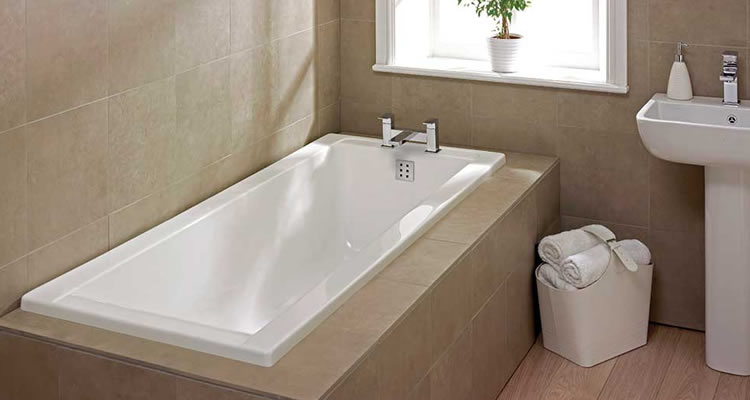
The average price to have a bath installed is £700. This covers removal of the old bath plus supply and installation of the new one, and includes steel or acrylic standard, double-ended, corner, and shower-over baths.
Choosing other types or materials will increase the price. The overall cost can also rise if the job takes longer than a few hours, particularly if plumbing needs adjusting or floors and walls need repairing.
What is your main reason for installing a new bath?
Replace or upgrade existing bath
23 votes - 79%79% of votes
Improve home comfort or functionality
3 votes - 10%10% of votes
Part of a bathroom renovation
2 votes - 7%7% of votes
Increase property value
1 votes - 3%3% of votes

29 votes
See results
Hide results
At the top end, natural stone and cast iron baths cost more to buy and fit, but create a real wow-factor in a room. These tubs range from £1,800 to £11,500.
Whirlpool baths can also push up the cost, ranging from £950 to £3,500. You'll also pay a premium for a walk-in bath, with prices starting from around £3,300 and potentially exceeding £9,000 if structural work is needed to accommodate the bath and any design features.
How much is the going rate to change a bath with a new one? A simple remove and replace.
"It seems simple, however bath tubs can be extremely heavy depending on material. Removing it would be the first step by blading out all the silicone.
The installation of the new tub and applying more silicone to secure involves heavy lifting. I would say minimum £150."
The installation of the new tub and applying more silicone to secure involves heavy lifting. I would say minimum £150."
New Bath Prices
The cost to supply and fit a bath will depend on a combination of the material the bath is made from and the type of bath you choose.
The following table will give you an idea of the price you can expect to pay for the supply, fitting, and removal of your old bath.
These prices assume that the new bath fits the same way as the old one, so there is no need to move any pipework.
| Bath | Average Cost |
|---|---|
| Standard Acrylic Bath – against two walls | £500 – £800 |
| Standard Steel Bath – against two walls | £620 – £1,200 |
| Acrylic Corner Bath | £490 – £820 |
| Steel Corner Bath | £700 – £1,050 |
| Steel Freestanding Bath | £1,250 – £1,450 |
| Stone Freestanding Bath | £5,800 – £8,300 |
| Cast Iron Freestanding Bath | £1,700 – £3,000 |
| Acrylic Shower Over Bath | £750 – £1,000 |
| Acrylic Whirlpool Bath | £1,050 – £1,350 |
| Acrylic Double Ended Bath | £500 – £720 |
| Steel Double Ended Bath | £670 – £1,020 |
Want a custom price?
Post your job
Labour Cost to Install a Bath and Timescales
When planning your budget for your new bath, remember to include the bath fitter cost. If you're getting your whole bathroom done, this will only be a small part of the overall bathroom fitting cost.
Removing an old bath and installing a new one is a straightforward task. With no complications, the whole job can usually be done in 2 to 4 hours, costing £280 to £390 for labour, including removal and disposal of your old bath.
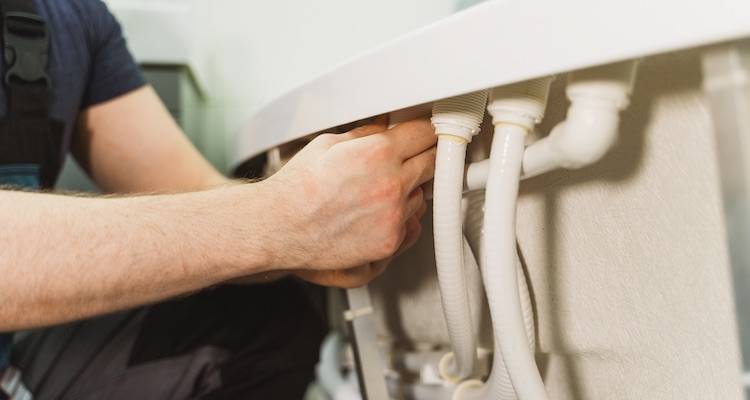
Some situations push the labour cost higher. The table below breaks down what to expect.
| Job | Typical Labour Cost |
|---|---|
| Standard bath removal and installation | £280–£390 |
| Spa or whirlpool bath installation (electrics required) | From £500 |
| Walk-in bath installation | From £500 |
| Extra labour for a particularly heavy bath (two fitters) | +£80–£160 |
| Moving pipework (per hour) | £75 per hour |
Want a custom price?
Post your job
A few factors commonly push labour costs above the standard rate:
- Spa and whirlpool baths need electrical work, so installation starts at around £500.
- Walk-in baths require specialist fitting and carry a similar cost.
- Especially heavy baths need two fitters, adding £80 to £160 to the job.
- Moving pipework adds your plumber's hourly rate, typically around £75 per hour.
- Inset or recessed baths can cost more to install unless you're simply replacing an existing one, as the surrounding area may need adjusting to fit it.
How long does it take on average to replace a bath, and what's the average cost?
"If it's a straight swap, plumbing-wise it shouldn't need too much messing around with. If it's chased into the wall, that will definitely affect some tiles at least, but it's no more than a few hours' work.
The main time will be in the making good, plus a bath frame and panel, which could take longer than the actual bath replacement. Cost-wise it depends on the extent of the work, but it could be as low as £70 and as high as £200."
The main time will be in the making good, plus a bath frame and panel, which could take longer than the actual bath replacement. Cost-wise it depends on the extent of the work, but it could be as low as £70 and as high as £200."
Supply Costs Only
The cost of your bath will vary based on the type of bath you choose and the material you get it in. The following tables will give you the average prices for standard size baths.
Type of Bath
For ease of comparison, these prices are all for standard size acrylic tubs.
| Type of Bath | Average Cost |
|---|---|
| Standard | £170 – £340 |
| Corner | £390 – £560 |
| Freestanding/Rolltop | £820 – £1,150 |
| Shower Over Bath | £490 – £660 |
| Whirlpool/Spa | £800 – £1,200 |
| Walk-In Bath | £2,700 – £4,400 |
| Inset/Recessed | £170 – £260 |
| Double Ended | £230 – £500 |
Material
For ease of comparison, these are the prices for standard size tubs.
| Material | Average Cost |
|---|---|
| Steel | £330 – £500 |
| Acrylic | £170 – £230 |
| Stone | £5,400 – £7,600 |
| Copper/Brass | £2,200 – £4,400 |
| Cast Iron | £1,300 – £2,400 |
Additional Materials
If you are getting a standard, built-in bath, you will also need bath panels. The number you need will depend on how your bath is fitted.
| Type of Panel | Average cost |
|---|---|
| Front Panel | £45 – £125 |
| End Panel | £25 – £60 |
New Bath Costs by Type
Choosing a new bath comes down to two main decisions: the style of bath, meaning its shape and features, and the material it's made from.
The design you choose is most likely limited by the space you have available. Once you know which options you can choose from, you can weigh up which features matter most to you, such as jets or accessibility.
Here's a look at bath costs by type:
Standard/Built-In Bath Cost
A standard tub will be flush against the wall on at least two sides, or as many as three. The sides not against the walls will be covered with bath panels. The taps and drain are at one end of the tub, and the opposite side is slanted for comfort.
Standard/Built-In Bath — £170 to £340
- Plumbing is hidden.
- Often the cheapest option.
- The edge of the tub can be used for storage.
- Fewer placement options.
- Less choice in style.
Corner Bath Cost
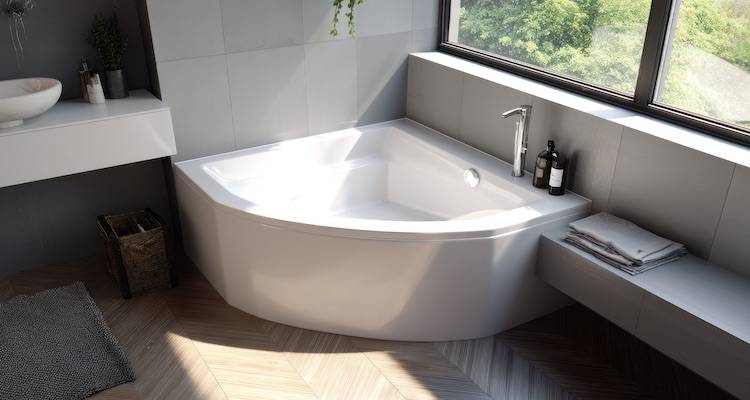
Corner baths come in two options: a standard triangular tub or an offset tub with more space on one side of the taps.
Corner Bath — £390 to £560
- Designed to fit into the corner of the room, ideal when space is limited.
- Can fit small spaces.
- Lots of styles to choose from.
- Standard options have less space inside.
We need to replace a corner bath. We want to stick with a corner-style bath, but I don't want it to look dated like the 80s one we're replacing. Any suggestions?
"No, not at all, all are in fashion now. There are so many options, from L-shaped baths to square-ended baths, to pebble-shaped freestanding."
Freestanding/Rolltop Bath Cost
Freestanding baths do not have to be in the corner of your bathroom. They can be used as a centrepiece for the room.
Freestanding/Rolltop Bath — £820 to £1,150
- A standalone centrepiece bath, often viewed as a luxury option.
- Wow-factor.
- Easier to clean and maintain.
- Easy installation.
- More expensive.
- Often only in larger sizes.
Shower Over Bath Cost
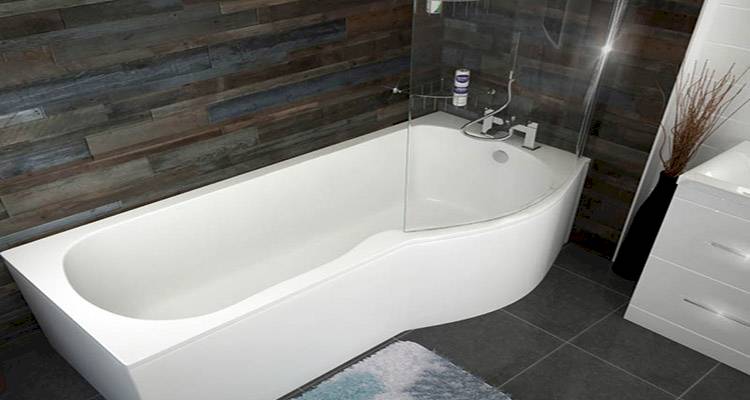
These tubs combine a bath and shower in one fixture, making them a popular choice for smaller bathrooms.
Shower Over Bath — £490 to £660
- A tub that doubles up as a shower, often in a P-shape for extra showering space.
- Space-saving option.
- Allows both a shower and bath option.
- Needs a shower panel or curtain.
- Can be more difficult to install.
Whirlpool/Spa Bath Cost
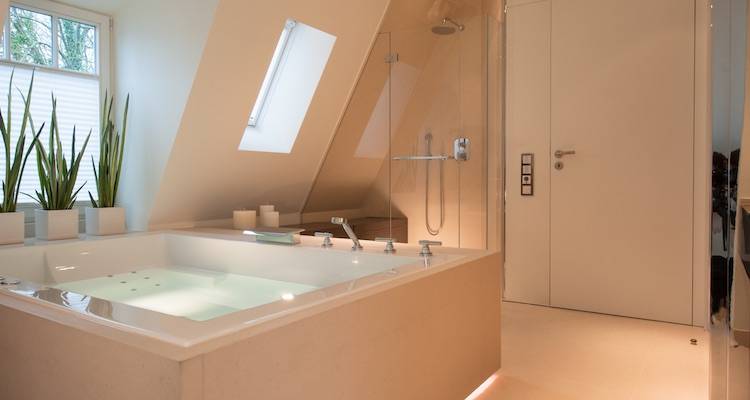
These baths have jets built in, and you can even get built-in lights for ambience.
Whirlpool/Spa Bath — £800 to £1,200
- Features built-in jets, with some models offering built-in lighting.
- Luxurious bath experience.
- More expensive to install, as you may need an electrician.
Walk-In Bath Cost
These are baths that have a watertight door, allowing you to walk in and out of the bath. This is a good option if you want a bath but can't safely get in and out of one.
Walk-In Bath — £2,700 to £4,400
- Features a watertight door for easy access, ideal for those with mobility needs.
- Easy access.
- Can have a deeper bath.
- Have to wait while the bath fills and drains.
- More expensive.
Inset/Recessed Bath Cost
These are tubs that are mostly hidden, with only the rim on show. They can either be sunk into the floor or built into a pedestal that houses them.
Inset/Recessed Bath — £170 to £260
- Gives a swimming pool feel.
- Hidden plumbing.
- Tubs are shallower, so cost less.
- Installation can be more expensive.
- Can't easily change to another style of bath.
Double Ended Bath Cost
In larger models, you can fit two people in the bath at the same time.
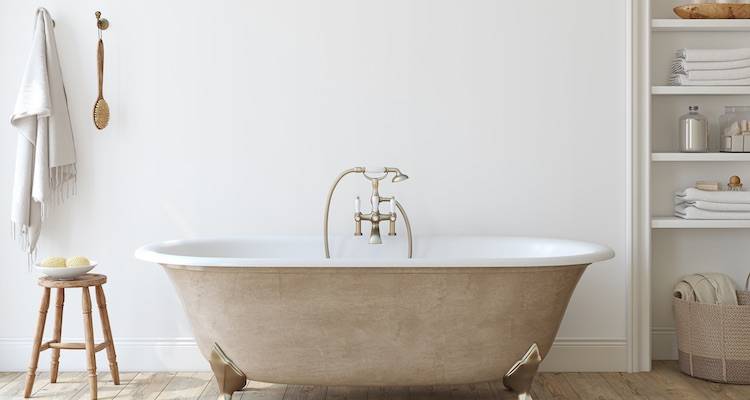
Double Ended Bath — £230 to £500
- Taps and drain sit on the longer side, allowing both short sides to be angled for comfort.
- More sitting options.
- Space for two people.
- May be limited due to the location of pipes in the room.
Is it possible to put a shower over a freestanding bath?
"Yes, it is very possible to install a shower over a freestanding bath as long as the connections and pipework are correct. Make sure you have enough water pressure if you're coming directly off the bath hot water supply."
New Bath Costs by Material
Once you've settled on a style, the material it's made from will change the look and feel of the bath. Different materials hold heat differently and feel different against your skin.
Cast Iron Bath Cost
This type of bath is an enamel-coated iron tub that's been common since the 1800s, but is now more of a specialist item.
Cast Iron Bath — £1,300 to £2,400
- Wow-factor.
- Retains heat well.
- Low maintenance.
- Very heavy, and more expensive to install.
- Expensive up-front costs.
Copper/Brass Bath Cost
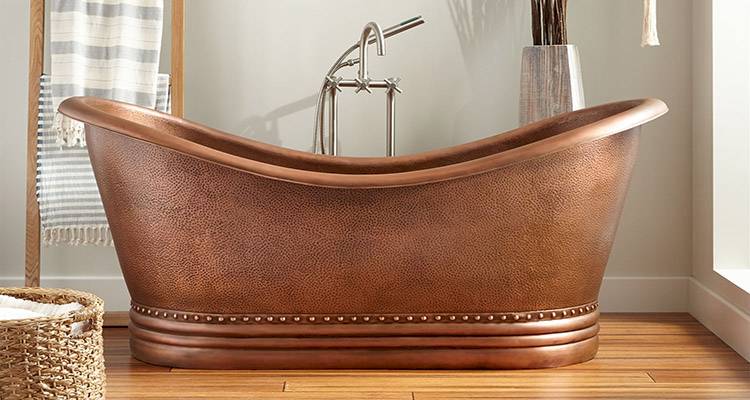
Both copper and brass baths are very similar in look and features, making them a design choice for those wanting a statement bathroom.
Copper/Brass Bath — £2,200 to £4,400
- Pure metal baths with a classic, decadent look.
- Antibacterial.
- Durable.
- Environmentally friendly.
- Expensive.
- Requires special cleaning products.
Stone Bath Cost
Stone baths can be made from a range of materials, so there are a lot of options to consider.
Stone Bath — £5,400 to £7,600
- A natural material that's beautiful to look at, but comes at a higher price.
- Durable and long-lasting.
- Comfortable.
- Heavy, and more expensive to install.
- Requires reinforced flooring due to the weight.
Acrylic Bath Cost
Acrylic Bath — £170 to £230
- A lightweight, budget-friendly option available in many shapes and colours.
- Wide variety of shapes, sizes, and colours.
- Good heat retention.
- Easily scratched.
- Can be overly flexible and feel insecure.
Steel Bathtub Cost
A strong, hygienic, and easy-to-clean option made from galvanised steel.
Steel Bathtub — £330 to £500
- Strong and durable material.
- Retains heat to maintain its temperature.
- Hygienic, and easy to clean.
- Heavy, and more expensive to install.
Additional Bath Installation Costs
It can often be cheaper to combine the installation of a bath with any other work you need to do in your bathroom. Some other jobs you might want to consider getting done simultaneously are given here.
Shower
While you have a plumber installing a new bath, you could also have a new shower fitted. Rather than the additional work of a separate shower unit, an over-bath shower is a common alternative. The average cost of installing a power shower is around £550, although this doesn't include if any additional waterproofing or tile work is required.
Bathroom Tiling
Tiling a bathroom can be a big job. When you take out your old bath, it is not unusual for some of the tiles surrounding it to break. This can mean that it is a good idea to get new tiles at the same time.
The cost of tiling will depend on how many tiles you get. Re-tiling a whole bathroom costs around £820.
Bath Taps
Most standard bathtubs come undrilled, so new taps aren't typically included in bathtub installation costs. This means you can choose the taps you want, whether that's a single mixer tap or two separate hot and cold taps. The design of the bath you choose may limit your options.
Bath Panels
If you are having a standard, built-in bath installed, you will also need bath panels. A front panel typically costs £45 to £125, while an end panel costs £25 to £60.
Shower Screen
If your bath doubles as a shower bath, you will need a shower screen or curtain to keep water contained. Costs for shower screens can vary depending on size and style.
How much should I be paying for the labour only for removing my current bathroom, disposing of it, making good, and installing the new bathroom suite?
"The cost depends on the size of the room, the condition of the walls, whether it will need boarding and plastering, if the shower area requires boarding with aqua panels, etc. A good tradesman will explain what’s required to do a proper job that will last. Beware of cheaper quotes as they will cut corners by using the wrong materials."
Factors That Impact Bath Installation Costs
Installing a bath is a relatively simple process. If it is not part of a larger project, the costs will be mostly dependent on the type of bath you choose. Most baths cost a fixed amount to fit, as it is a simple job for a trained plumber. There are a few factors that can cause the costs to be higher.
Weight of The Bath
If the bath you choose is made from an especially heavy material like stone or cast iron, then the installation costs will be higher. This is due to the fact that more than one person will be required to install this sort of bath.
You may also need to reinforce the floor to support the bath, which can also add to the final price.
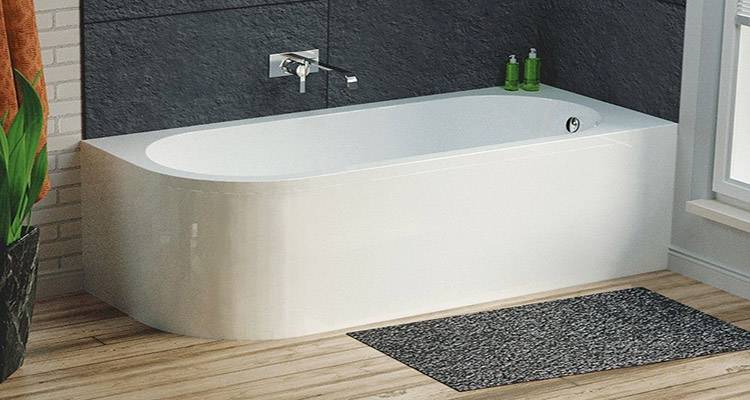
Type of Bath
There is a very large difference in price between basic and standard options compared to more high-end choices. The most basic baths can be found for as little as £90. The average price of a bath is £350. Top-of-the-range and specialist baths can cost between £3,200 and £5,500.
Moving the Waste and Taps
If you need to move the location of the waste and water, then this will make the job take longer. The added cost will depend on how long the plumber will take to complete the work. You can expect to pay around £75 per hour.
Whirlpool/Spa Bath/Walk-in Baths
Installing any of these varieties is more complex than a standard bath, and therefore can take longer as they often require the help of a specialist. As a result, you expect to add at least an additional £120 to £230 to your labour fees, not to mention the price of the bath itself.
Ask a Trade
Got a question that only a tradesperson can answer? We have thousands of trades ready to answer any question you may have.
Ask your question

What Size Bath?
The space you have in your bathroom will be a large factor in determining the size of the bath that you choose. The bath can fit flush to three walls, so it is quite easy to find a space to fit a tub in most bathrooms. You just need enough space to the side of the bath for climbing in and out of the tub – 1m should be plenty of space.
A good option for a small bathroom is a corner tub. These can fit well into small spaces.
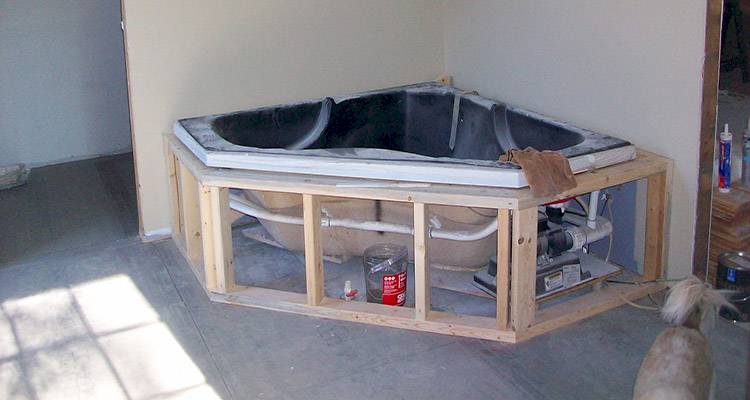
When measuring the space for your bath, don't forget that tiles have thickness. This means if you measure between tiled surfaces, you will actually have a little more space for the bath than it appears.
Standard bathtubs in the UK are typically between 500 and 550mm high, although there are some variations (for example low-level baths for easy access or luxury freestanding bathtubs). The table below provides some average costs based on length and width.
| Size | Dimensions | Average Cost |
|---|---|---|
| Small | 1,400mm x 700mm | £160 – £240 |
| Medium | 1,700mm x 700mm | £180 – £260 |
| Large | 1,800mm x 800mm | £230 – £300 |
Want a custom price?
Post your job
Cost of Removing a Bath
If you're replacing your existing bath with a new one, most plumbers include removal and disposal in the overall bathtub installation cost.
If you're not replacing your bath straight away, having it removed on its own is a relatively quick job, usually taking no more than an hour, and you'll likely pay the labourer's minimum call-out charge for this.
The cost depends on your location, but expect to pay £60 to £90 for the removal itself. This figure covers labour and disposal only. It doesn't include any making good afterwards, such as patching plaster, repairing tiles, or replacing flooring where the bath used to sit, which can add a further £100 to £400 depending on the extent of the work needed.
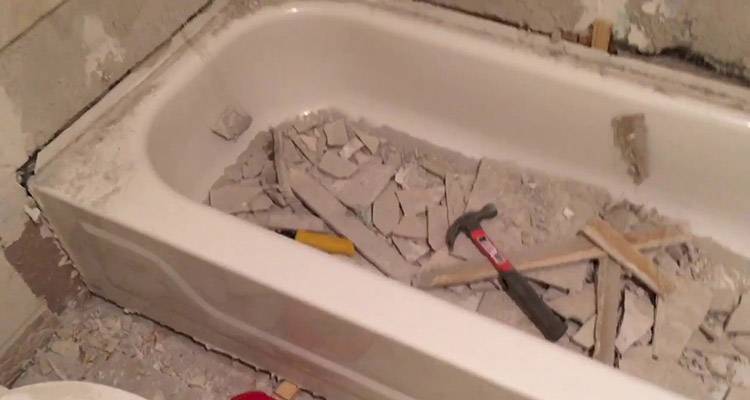
It's also worth checking whether your local council or waste collector charges a separate fee for taking away an old bath, as this isn't always included in a removal-only quote.
It's generally more cost-effective to combine bath removal with other bathroom work, such as fitting new items, rather than paying for it as a standalone job.
Our plumber has quoted a 6-month guarantee for his workmanship - is this the norm?
"Typically 12 months, but can vary depending on contract. Lower would be a red flag, personally speaking."
What's Involved in Installing a Bath?
The installation of most baths is fairly straightforward. However, as the job involves plumbing and, in some cases, electrics, it is always recommended to hire a professional bathroom fitter to ensure your bathtub installation is done correctly.
With MyJobQuote, you can request multiple quotes from local bathroom fitters near you. It's fast, free, and there is no obligation to go ahead.
We have outlined the installation steps for the most common types of baths:
Before the Job Starts
- Turn Off Water — The first thing you need to do is turn off your home's water at the stop cock.
- Remove the Old Bath — Start disconnecting the bath, removing the overflow, taps, and waste, then lift the old bath out.
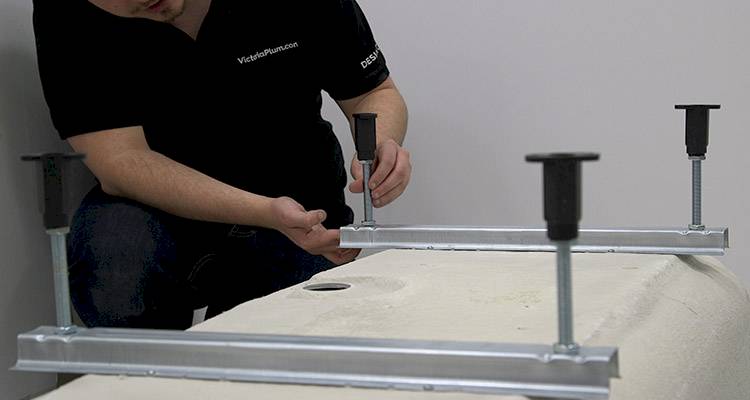
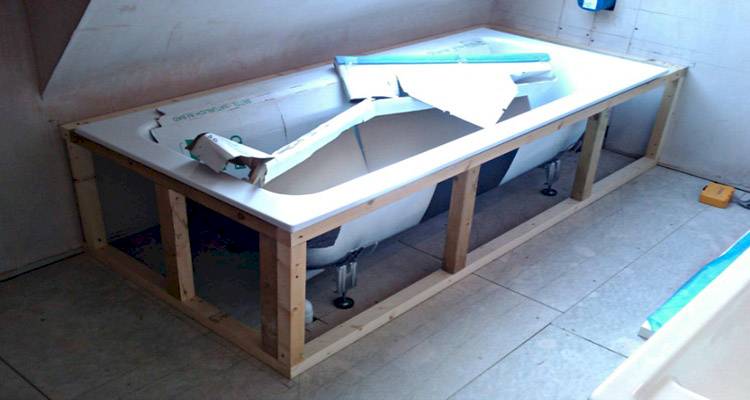
- Build the Cradle — Construct the new bath's cradle – this is the stand that holds the bath up and keeps it steady – and screw it into the new bath.
During the Job
- Fit the Taps and Waste — Fit the taps to the bath, then attach the waste. You will need to use some silicone to secure the washer in place before you attach the overflow with a screw.
- Position and Fix — Place the bath at the correct height and position, then fix it to the wall and floor using screws and a spirit level. For a freestanding bath, once connected to the existing plumbing, you are all done.
- Connect and Test — Attach the bath trap and drainage pipe, connect the taps, then turn the water supply back on and check for leaks. Whirlpool baths require an electrical access point fitted by a registered electrician to comply with building regulations before the pump can be tested.
After the Job
- Fit the Bath Panels — Fix the batons to the ground running along the open edges of the bath. These are used to attach the bath panels.
- Seal the Edges — Seal the edges of the bath using silicone to create a watertight seal to stop water from running down the wall and getting underneath the bath. To apply the sealant, you should first fill the bath – this stops the sealant from pulling away from the wall once it is set.
Checklist: Hiring a Bathroom Fitter for your Bath Installation
Getting a bath fitted is a specialist job. There are plenty of things that can go wrong, especially if you are installing a bath with electric pumps for the jets. Finding the right installer can make a big difference in how well the bathtub installation is completed.
Here are a few key things to look for when you are looking for a bathroom fitter.
- Are they a member of a recognised trade body? Look for a bathroom fitter who is part of the British Institute of Kitchen, Bedroom and Bathroom Installers (BiKBBI) or the Kitchen, Bathroom, Bedroom Specialists Association (KBSA).
- Are they WaterSafe approved? WaterSafe is the UK's national register of approved plumbers. Hiring a WaterSafe-approved plumber means their work meets Water Regulations.
- Do they have insurance? Public liability insurance protects you in case something goes wrong during your bathtub installation.
- Will they provide an itemised quote? Ask for a breakdown of your bathtub installation costs so that you know what is included and whether there are any additional costs.
- Are they experienced in bathtub installations? Find out how long they have been fitting baths and whether they have experience with your specific bath type, particularly if you are installing a whirlpool or free standing bath.
- Do they have examples of similar work? Ask to see photos of previous bathtub installations, or check their MyJobQuote profile for examples of comparable work.
- Do they have positive reviews? Check their MyJobQuote profile to read the feedback they have received from previous bathtub installation customers.
FAQs
How Much Does a Bath Fitter Cost?
A bath fitter typically charges £280 to £390 for a standard bath swap, including removal and disposal of the old bath. This rises for spa, whirlpool, or walk-in baths, which often start from around £500 due to the extra specialist work involved.
What Are Standard Bath Sizes in the UK?
The most common bath size in the UK is 1,700mm x 700mm. At a height of 550mm, this gives a capacity of around 200l. Small baths tend to be around 1,400mm x 700mm, while a large bath is likely to be around 1,800mm x 800mm.
What Are the Downsides To Getting a Cheap Bath?
A cheap bath may be smaller and may not last as long, and the finish may chip more easily. If you're after a basic bath, cheaper options aren't significantly worse, they just tend to be less stylish.
Can I Install a Bath Myself?
Fitting a bath is fairly straightforward. However, if pipes need to be moved, or there's a pump for a whirlpool-style bath, the work must comply with building regulations, meaning a registered, competent person should carry it out.
Hiring a bathroom installer also means they'll usually take away and dispose of your old tub, which can save you the hassle of arranging this yourself.
How Long Does a Bathtub Last?
How long a bathtub lasts depends on the material. Acrylic baths typically last 10 to 20 years, while steel baths can last up to 30 years with proper care. Cast iron baths are the most durable option and can last 50 years or more.
Is it Worth Replacing a Bathtub?
If your bath is cracked, stained, or worn, replacement is usually the most practical option. Bathtub installation is one of the more affordable bathroom renovation upgrades, particularly if your existing plumbing doesn't need to be altered.
Is it Cheaper to Install a Bath or a Shower?
Simply replacing your bath with a new one costs around £700 on average. Replacing a bath with a walk-in shower typically costs between £1,000 and £5,000, making it the more expensive option. If you want both, fitting an over-bath shower at the same time as your bathtub installation can help reduce overall labour costs.
Does a Cast Iron Bath Retain Heat?
Cast iron baths are known for retaining heat, keeping bathwater warmer for longer compared with materials such as acrylic or steel. Cast iron is dense and extremely heavy, which helps it absorb and hold heat effectively, and this is part of why it remains a popular choice despite the higher cost.
Do I Need New Taps When I Replace My Bath?
Not necessarily. If your existing taps are in good condition and compatible with the new bath's tap holes, they can often be reused. However, many homeowners choose to fit new bath taps at the same time, as most standard baths come undrilled and ready for your choice of fitting.