Builders
 Carpenters
 Electricians
 Flooring Specialists
 Gardeners
 Handymen
 Heating Engineers
 Painters & Decorators
 Plasterers & Renderers
 Plumbers
 Roofers
 Tilers
 my
myCost of Building a Dog House
At a Glance
- The average cost to build a dog kennel is around £180.
- The job will usually take 0.5 to 2 days to complete.
- NEW! Use our cost calculator for an instant estimate.
- A breakdown of pricing information, including types and sizes of dog kennels and what's involved in such a job.
- How long the job will take and a general overview of your options.
- How to find and hire a kennel builder.
Get free estimates
Are you a trade? Get more work today!
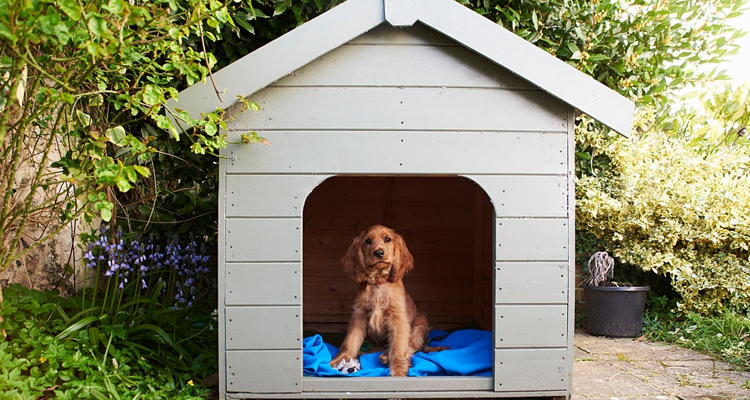
See our guide on everything you may need to know about building a kennel for your furry friend, including costs of materials and labour, frequently asked questions, and other things to consider, such as how to make a dog kennel and what's involved in such a task.
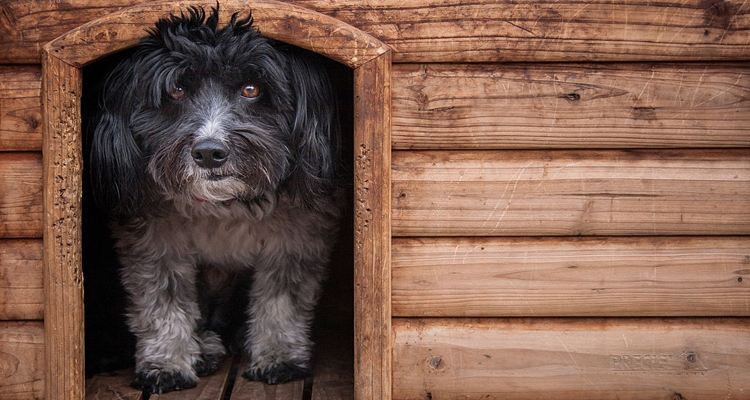
To give you a rough idea, the average cost of building a dog house is around £180.
Need a quote for your job?
Take a look through our dog house builders and request a quote.
£180
Table of Contents
- How Much Does It Cost to Build a Dog Kennel?
- Supply Cost of Building a Dog House
- Labour Cost of Building a Dog House & Timescales
- What Size Dog Kennel Do I Need?
- What's Involved with Building a Dog Kennel?
- DIY Building a Dog Kennel
- Different Types of Timber
- Checklist: Hiring a Dog Kennel Builder
- FAQs
How Much Does It Cost to Build a Dog Kennel?
Building a dog kennel in the UK can cost anywhere from £100 to £350, depending on the size and complexity of the job. Before hiring a professional to carry out the work for you, there are a few cost-affecting factors to consider.
The quality of your chosen materials, the tradesperson's hourly or daily rates, and the level of intricacy involved with the design can all determine how much your project is going to cost.
On average, the price of building a kennel for your dog will cost around £180.
The scale of your project will depend significantly on the size of your dog, as a larger dog will, of course, require a larger kennel.
Do I need a tradesperson to fit a dog flap into a double-glazed patio door?
"Dog doors can be easily installed by a professional. However, trying to do it yourself could result in the door breaking! Contact several dog door installers before ordering the installation. Asking for multiple quotes is a great way to find the right fitter. Remember, it is important to ask professional installers not only about prices, but also about their experience."
Dog Kennel Prices
Let's take a look at some dog kennel prices to give you an idea of your project's budget:
| Dog Size | Average Cost |
|---|---|
| Small | £120 |
| Medium | £180 |
| Large | £220 |
| Extra Large | £300 |
Want a custom price?
Post your job
Your tradesperson will help you design a plan for your custom-built dog kennel. You'll discuss the materials required for building your new kennel, including the best quality timbers, waterproofing systems, and your preferred finish.
The total price for the project will cover the entire process, from designing your kennel to constructing the finished product.
Supply Cost of Building a Dog House
If you're building a dog kennel yourself, you'll just need to budget for supply costs without any labour costs. Here's an average cost guide for the materials you'll need when building a dog kennel:
| Material | Cost |
|---|---|
| Pine | £7 per metre |
| Oak | £13 per metre |
| Cedar | £16 per metre |
| Plywood | £5 per metre |
| Animal-friendly wood preservatives | £14 per litre |
| Roofing felt | £20 per 10m² |
Want a custom price?
Post your job
Labour Cost of Building a Dog House & Timescales
If you're hiring a professional to build a dog house, you can expect to pay between £100 and £200 per day for labour, depending on experience and qualifications.
Below is a table to give you a rough idea of how long it will take to build a dog kennel, depending on the dog kennel size:
| Dog Kennel Size | Estimated Timescale |
|---|---|
| Small | 3 to 5 Hours |
| Medium | 4 to 6 Hours |
| Large | 6 to 8 Hours |
| Extra Large | 1 to 2 Days |
Want a custom price?
Post your job
Ask a Trade
Got a question that only a tradesperson can answer? We have thousands of trades ready to answer any question you may have.
Ask your question

What Size Dog Kennel Do I Need?
The perfect sized dog house for your pooch is one where they can fully turn around, stand up, and lie down.
If your dog's house is too big, then it won't keep warm enough in the winter months, and if it's too small, your dog will be uncomfortable. So, it's important to get the size just right. Keeping your dog cool is just as important, as an enclosed kennel can quickly become dangerously hot in warm weather.
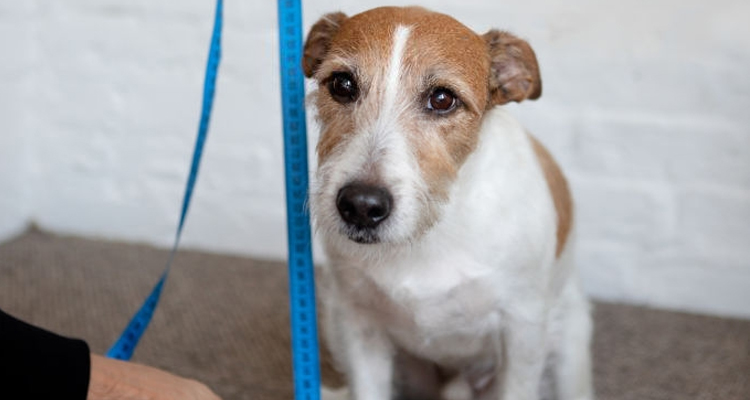
Check out the table below to give you an approximate idea of the size of dog kennel you'll need for your dog, depending on your dog's weight. Although in some instances, you may find it easier to base the size of kennel on the length of your dog (measuring from nose to the base of its tail), as well as their height and width:
| Dog Size | Dog Weight | Kennel Size |
|---|---|---|
| Small | Under 15kg | 60cm or under |
| Medium | 15kg to under 20kg | 60 to 75cm |
| Large | 20kg to under 40kg | 75 to 105cm |
| Extra Large | 40kg and over | 105cm or above |
Want a custom price?
Post your job
Dog House Building Cost Calculator
What's Involved with Building a Dog Kennel?
Although you may wish to attempt to build a dog kennel yourself, if you're not already experienced in woodwork then you can always ask a local carpenter and joiner for a quote to build one on your behalf.
Unless you already have someone in mind, it's always a good idea to ask around. By using MyJobQuote, find 3 tradesmen or companies to compare prices for free with no obligation to go ahead.
Once ready, the steps involved are as follows:
Before the Job Starts
- Initial Discussion — Before getting started, your carpenter or builder will need measurements of your dog to design a space that is both functional and comfortable.
- Customising the Design — Ahead of the build, decide on the type of materials and finishes you're after. You can also request adding any extras such as waterproofing or a run enclosure.
During the Job
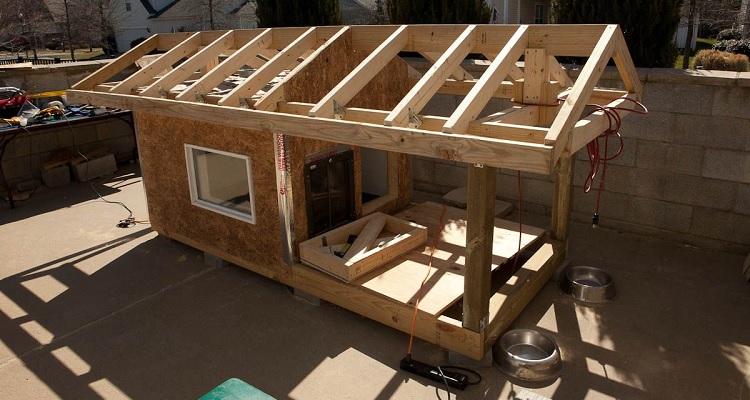
- Constructing the Frame and Base — Constructing the frame and base where the kennel will sit comes first. Usually, the frame is made from treated structural timbers, followed by solid timber or plywood pieces attached to form the sides and roof.
- Roofing — Once the structure is complete, felt is commonly added to the roof as it is water-tight, practical and looks good. It is usually pinned to the top of the kennel using clout nails, either with a hammer or nail gun.
- Finishing Touches — After the kennel is water-tight and secure, any loose edges can be sanded down, and wood primed ready for painting. Decorative details, such as your dog's name, can then be added.
After the Job
- Final Inspection — Checks involve making sure the kennel is sturdy, secure, and water-tight. Not all kennels are built on-site, so it may also be a case of arranging delivery once completed.
Optional Extras
- Pet Flap Installation — Fitting a pet flap can give your dog access in and out of the kennel. New pet flaps cost around £100.
DIY Building a Dog Kennel
While building a dog kennel can appear straightforward, if you're not used to similar projects or handling the tools required to complete the job, then it may not be as suitable for a DIY project as you may have anticipated.
As with any other home-improvement or building work, sometimes it's best to leave these things for the professionals. After all, they will have the correct tools for the job including a circular saw, electric drill, jigsaw, and a nail gun.
However, if you are still considering building a dog kennel yourself, here are some additional things to consider:
- Will a professional save me money? When hiring an experienced tradesperson to carry out the work, you can expect a much better-quality and longer-lasting product, which means that you may end up saving money in the long run.
- Can DIY be unsafe for my dog? While building it yourself may be rewarding, an outdoor dog kennel should be structurally sound and weather-resistant to ensure it serves its purpose correctly. As such, the wellbeing of your pet should be the most important factor.
- Will the kennel suit my dog? Without prior experience, it can be difficult to judge if the size and design is suitable for your dog's specific needs. Someone who has built a kennel previously is more likely to appreciate what's required.
- Do I have the right tools? If you are considering building a dog house yourself, you should make sure that you are adequately equipped with the correct tools and materials to carry out the work.
- What finish am I going to use? As well as using the appropriate wood adhesives and primers to prepare the surfaces, are you confident enough to carry out a decent paint job or should someone else add the finishing touches for you?
I need to install a dog flap in my garage, but I'm not sure that the door is wide enough. As an alternative, I'm thinking about placing it on the wall next to it, which is single brick width. Which trade do I need?
"Any handyman should be able to do that. It's an easy job, especially as it's only single brick. About 1 to 2 hours work."
Different Types of Timber
There are many different types of timber that can be used to build a quality dog kennel. If you are hiring an expert, they will likely advise you on which materials they recommend.
However, it is useful to understand the different types of timber and how they can benefit your build. As your dog's house will likely be exposed to all kinds of weather, it is best to use outdoor-grade wood. Exterior-grade plywood is a common option because the adhesive between its layers is designed to resist moisture. However, this does not make the wood rot-proof, so it may still need sealing or treatment before use.
Exterior-grade plywood is often cheap, and a small to medium-sized kennel will cost £20 to £60. How long the wood lasts outdoors depends on its natural resistance to decay and any protective treatment applied. Some exterior plywood also needs a preservative suitable for use around animals to help prevent rot.
When it comes to choosing structural timber, there are many outdoor-grade woods to choose from. Cedar and European oak are among the more durable options, while walnut, pine, larch, and redwood can also be used outdoors with suitable preservative treatment.
However, even the most resistant timbers will eventually suffer the effects of constant weathering. Your experienced kennel builder will be able to advise you on the most suitable materials to use for your project.
You can expect to pay £40 to £80 for a small cedar or oak kennel.
Checklist: Hiring a Dog Kennel Builder
Before you hire someone to build a dog kennel, there are some things you should consider.
Below is a checklist for you to follow when you're searching for a carpenter or handyman to build you a dog kennel:
- Research local kennel builders in your area and check reviews and recommendations from previous clients.
- Always shop around for the best price. We suggest comparing at least three quotes to ensure that you receive the perfect end product.
- Ensure that you have discussed with your builder the requirements for your kennel and your dog's specifications.
- Ask your tradesperson to provide you with a cost breakdown to see what is included with your given price.
- Discuss your options for the most suitable materials and finish that you desire.
- Never pay the full amount upfront and always receive a written receipt for the project quotation.
FAQs
What Type of Wood Can You Use to Build a Dog Kennel?
Many kinds of wood can be used to build a dog kennel. However, this will depend on how you intend to use it. Outdoor enclosures will require water-resistant, durable woods to reduce the chance of rotting.
Do Dogs Like Outdoor Kennels?
Yes, many dogs enjoy being outdoors, and a suitable kennel can give them a sheltered place to rest. However, dogs should not be left in an enclosed kennel during warm weather, even briefly, as they can quickly overheat. Check on them regularly and make sure they are comfortable, calm, and not showing signs of overheating or distress.
How Can You Insulate a Dog Kennel?
You can insulate an outdoor dog kennel by adding insulation to the roof and walls, such as foam board or a reflective layer, which will help retain heat. Make sure the kennel stays dry and free from draughts while still allowing enough ventilation. Adding a tarp over the roof can further protect the kennel and prevent water from getting in.