Builders
 Carpenters
 Electricians
 Flooring Specialists
 Gardeners
 Handymen
 Heating Engineers
 Painters & Decorators
 Plasterers & Renderers
 Plumbers
 Roofers
 Tilers
 my
myCost of Weeding
At a Glance
- The average weeding cost is £55, though prices range from £20 to £150+ depending on garden size and weed severity.
- Most weeding jobs take 1 to 5 hours to complete, with timescales varying by garden size and weed growth.
- Professional gardeners charge hourly rates of £15 to £30 or day rates from £150 to £250.
- Breakdown of weed removal costs for common garden areas.
- Labour rates and timescales for different garden sizes.
- How to find and hire gardeners using MyJobQuote.
Get free estimates
Are you a trade? Get more work today!
Weeding is one of the most common garden maintenance tasks. Weeds compete with your plants for water, nutrients, and sunlight, affecting their health and appearance. Many homeowners choose to hire professional gardeners for regular weeding rather than tackle it themselves, keeping outdoor spaces tidy and improving kerb appeal.
The cost of weeding depends on several factors: garden size, weed severity, the types of weeds present, access difficulty, and whether additional maintenance is needed. Understanding these cost factors and typical labour rates will help you budget for professional weeding services.
£55
Table of Contents
- How Much Do Gardeners Charge for Weeding?
- Labour Costs and Timescales of Weeding
- Supply Costs of Weeding
- Weed Treatment Costs
- Additional Costs of Weeding
- What Impacts the Cost of Weeding?
- Types of Weed Removal Costs
- Cost of Alternative Weed Control Methods
- Checklist: Hiring a Local Gardener for Weeding
- FAQs
How Much Do Gardeners Charge for Weeding?
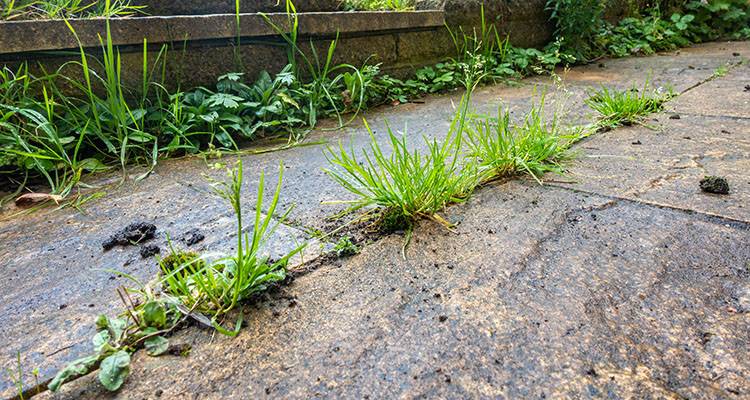
In the UK, the average cost for a professional to weed your garden is £55. However, weeding costs vary significantly based on the size of your garden, the amount and severity of weeds, and the removal method required. A small border containing a few small weeds might cost £20 to £45 to tidy up, whereas a large, overgrown garden could cost £150 to £300+ once waste removal is factored in.
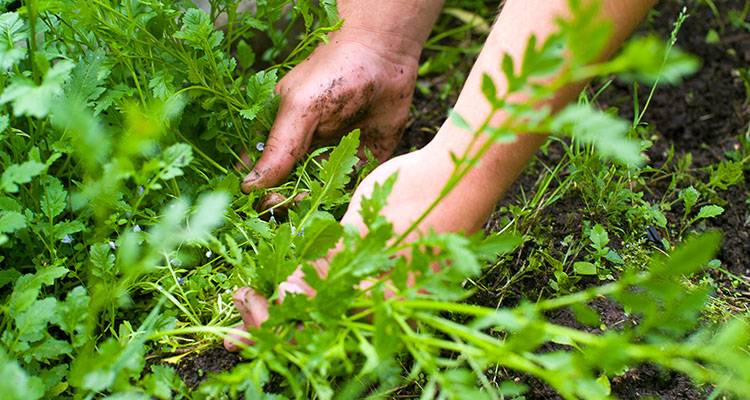
The type of surface being weeded also affects cost. Manual weeding of lawns and flower borders typically takes longer than quicker methods like chemical treatment or power washing on patios and driveways. If you have invasive weeds such as Japanese knotweed, you may need a licensed specialist, which increases costs and may require multiple visits.
Which area of your garden needs weeding?
Lawn
0 votes - 0%0% of votes
Flower beds or borders
1 votes - 50%50% of votes
Patio or driveway
0 votes - 0%0% of votes
Gravel garden
1 votes - 50%50% of votes

2 votes
See results
Hide results
Weeding Prices
To help you calculate the cost of your weeding project, here's a breakdown of average costs and timescales:
| Weeding Job | Average Cost | Estimated Timescale |
|---|---|---|
| Small garden (up to 100m²) | £20–£60 | 1 to 2 hours |
| Medium garden (100 to 250m²) | £45–£90 | 2 to 3 hours |
| Large garden (250m²+) | £65–£150 | 3 to 5 hours |
| Small flower bed (up to 10m²) | £20–£45 | 1 to 2 hours |
| Patio or driveway | £45–£120 | 1 to 3 hours |
| Garden maintenance (including weeding) | £65–£150 | 3 to 5 hours |
Want a custom price?
Post your job
Is It Cheaper to Book Regular Weeding Visits?
Regular weeding is usually the more cost-effective option over time. A gardener who visits every few weeks deals with small, young weeds that take little time to clear, keeping each visit short and affordable.
One-off deep weeding, by contrast, often involves established roots, dense growth, and sometimes waste removal, all of which add to the time and cost of the job.
| Visit Type | Average Cost |
|---|---|
| Regular maintenance visit (2 to 4 weekly) | £20–£40 per visit |
| One-off deep weeding | £65–£150+ |
Want a custom price?
Post your job
If a garden has been left unattended for a while, it might be worth booking a one-off clearance first, then switching to a regular schedule to keep costs down going forward.
How much should I expect to pay to clear an overgrown garden of grass and weeds, including waste removal?
"Based on size and that it's overgrown I would be looking to charge around the £450–£500 mark. Prices might vary if I was to visit the garden prior to work been done."
Labour Costs and Timescales of Weeding
Labour is a significant part of the weeding cost. Before hiring a gardener, it's important to understand how they charge for their time and what timescales you can expect.
| Charging Method | Typical Rate | Best For |
|---|---|---|
| Hourly rate | £15–£30 per hour | Smaller jobs or when scope is unclear |
| Daily rate | £150–£250 per day | Larger projects or full-day work |
| Fixed price per job | £20–£200 (varies) | Well-defined projects with clear scope |
Want a custom price?
Post your job
Depending on where you live in the UK, typical gardener rates vary. Labour costs are generally highest in London and the South, and lowest in parts of the North and Wales.
Weeding Costs by Region
The table below shows approximate average hourly rates for a few major UK cities, based on typical regional labour cost variation:
| City | Average Hourly Rate |
|---|---|
| London | £26–£32 |
| Bristol | £24–£30 |
| Birmingham | £18–£24 |
| Manchester | £16–£22 |
| Cardiff | £16–£20 |
| Glasgow | £15–£20 |
Want a custom price?
Post your job
These are indicative averages rather than fixed prices. Getting a few local quotes is the most reliable way to find out what weeding costs in your specific area.
Supply Costs of Weeding
If you prefer to tackle weeding yourself as a DIY project, here are the basic tools and equipment you'll need. Most are fairly affordable, making DIY a budget-friendly option for small weeding jobs:
- Weeding knife or trowel — £10 to £30.
- Garden hoe — £15 to £30.
- Long-handled weed puller — £15 to £40.
- Patio scraper and brush — £10 to £20.
- Gardening gloves — £3 to £10.
- Kneeler — £10 to £20.
- Grabber scoop — £10 to £20.
- Wheelbarrow — £30 to £60.
- Broom — £10 to £20.
- Weed killers or herbicides — £5 to £20.
- Weed control fabric — £10 to £15.
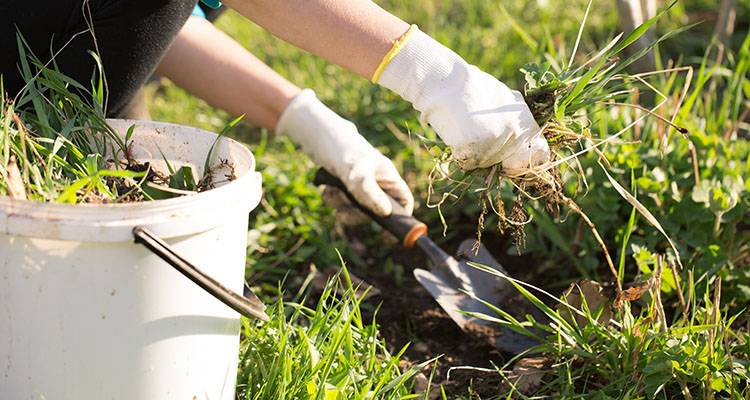
For large or spiky weeds, wear rugged trousers, long sleeves, and sturdy boots for protection. However, successfully removing weeds requires pulling up all roots, which can be tricky if weeds are well established. This is why many homeowners still choose to hire a professional gardener.
Buying tools is a one-off cost, which can make DIY weeding a reasonable option if the garden is small and the weeds haven't taken hold yet. It might be worth handling light, occasional weeding yourself if you have the time and don't mind the physical work.
For anything more established, hiring a gardener could work out better value. A professional already owns the right tools, knows how to fully remove roots rather than just the visible growth, and can usually finish the job faster than a DIY approach. This becomes particularly worthwhile for larger gardens, recurring weed problems, or any weeds that need chemical treatment.
Weed Treatment Costs
For persistent or difficult weeds, professional weed control treatments may be required. These include:
- Herbicides for controlling weeds on paved areas.
- Organic or natural weed control products for perennial and annual weeds.
- Moss and weed treatments for lawns.
- Systemic weedkillers for large, overgrown areas.
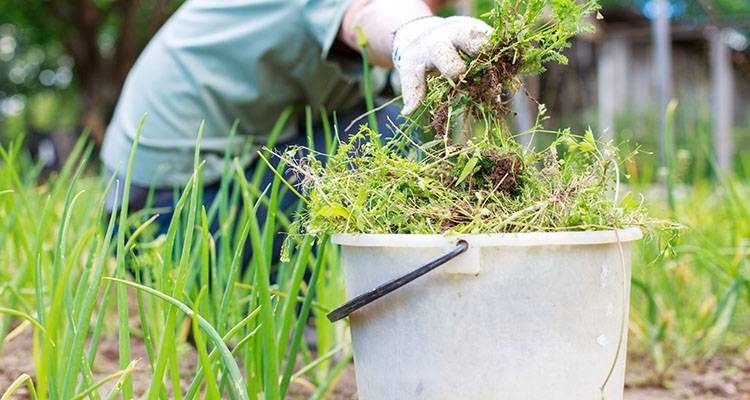
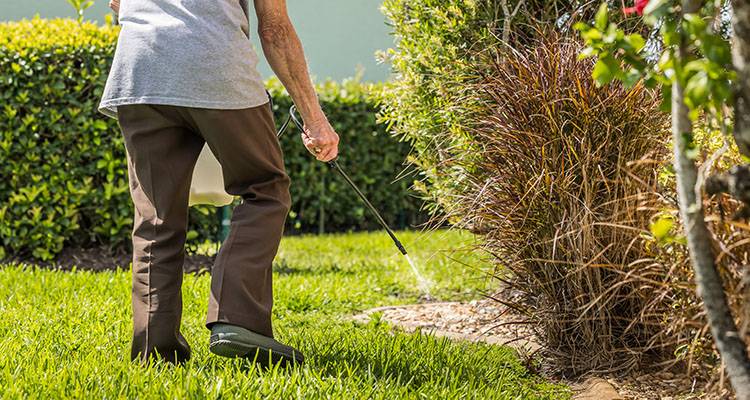
Chemical or organic treatments typically add £20 to £60 to your weeding costs. Multiple applications may be needed, which will increase the total expense. It's wise to leave garden treatments to professional gardeners unless you're confident in your knowledge, as not all weedkillers are suitable for use around children and pets.
Additional Costs of Weeding
Beyond basic weeding, your garden may need extra tidying or weed control measures. Consider these additional costs:
Lawn Maintenance Cost
If your lawn contains lots of moss and dead material alongside weeds, scarifying may help. This raking process improves air circulation and nutrient uptake, giving you a healthier lawn. Lawn scarification costs between £45 and £120 depending on size. Additional lawn treatments like overseeding, fertilising, or aeration typically cost around £45 per treatment.
Garden Clearance Cost
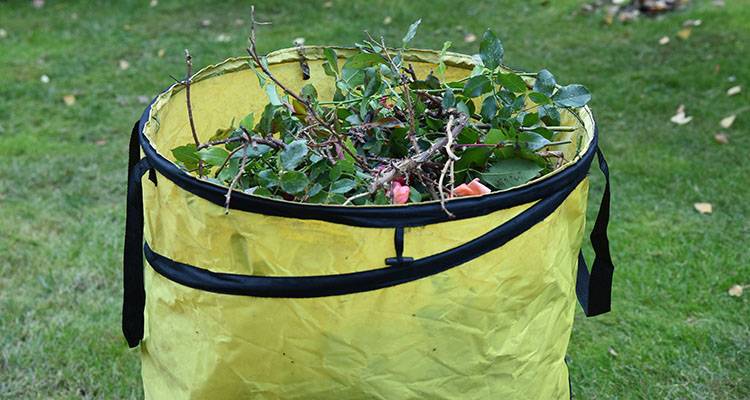
Heavily overgrown gardens may need garden waste removal alongside weeding. Depending on the amount of vegetation, this could add £15 to £300 to your costs.
Garden Tidying Jobs Cost
Once weeds are removed, other maintenance may be needed. General garden maintenance jobs such as hedge trimming, lawn mowing, pruning, and leaf raking could add £20 to £100 depending on the scope. Getting these done alongside weeding is often more cost-effective than separate visits.
Patio and Driveway Cleaning Cost
Pressure washing paved areas removes dirt, moss, algae, and weeds while refreshing your exterior. Power washing a driveway costs £100 to £400 depending on size.
Large or Invasive Weed Removal Cost
Some weeds need specialist contractors rather than a general gardener. These are typically deep-rooted, fast-spreading species that often require herbicide injection or repeated treatment visits:
- Japanese knotweed
- Giant hogweed
- Bamboo roots
- Himalayan balsam
- Horsetail
- Rhododendron ponticum
Costs can range from £1,000 to £7,000 depending on the species and the extent of the problem. If a garden has become significantly overgrown around invasive growth, a wider garden renovation might be more cost-effective than tackling it in stages.
What Impacts the Cost of Weeding?
Several key factors influence the final cost of your weeding project:
- Weed severity and size — Small weeds are quicker to remove than large, deeply-rooted weeds.
- Garden size — Larger gardens take longer to work through, regardless of weed extent.
- Accessibility — Steep surfaces, hard-to-reach areas, and space limitations increase labour time and costs.
- Surface type — Some surfaces are faster to weed (large borders for hoeing, paved areas for pressure washing) versus gravel paths which take longer.
- Treatment requirements — Large or invasive weeds may need specialist treatments, adding cost and repeat visits.
- Maintenance frequency — Regular maintenance visits mean faster, cheaper weeding compared to one-off overgrown clearance.
- Regional labour rates — Rates vary around the UK, with London and the South typically costing 25% more than the national average.
- Garden condition — Unmaintained gardens may need preliminary work like cutting back bushes before weeding can begin.
Types of Weed Removal Costs
Different garden areas require different weeding approaches and timescales:
Lawn Weeding Cost
Average cost: £30 to £60 (around 1 hour)
- Best removed by hand with a weed puller to avoid damaging the grass.
- Common lawn weeds include clover, dandelions, plantain, and creeping buttercup.
- Weed before applying fertiliser, otherwise weeds feed on the extra nutrients.
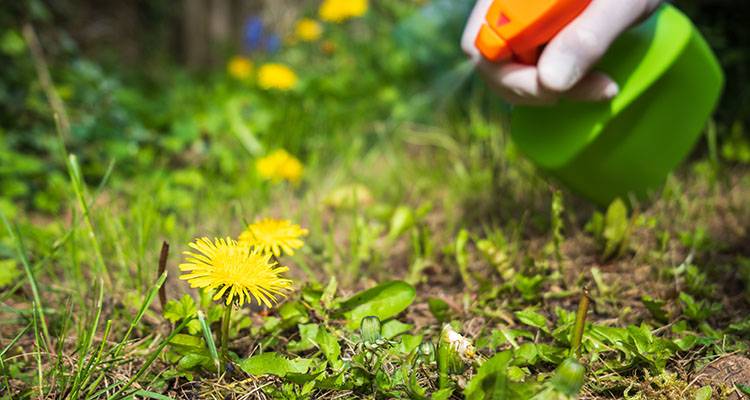
Manual removal is time-consuming if weeds are extensive. Regular mowing, scarifying, and treating the lawn help prevent weeds from spreading in the first place. Adding chemical treatment reduces labour time but typically adds around £45 to the total.
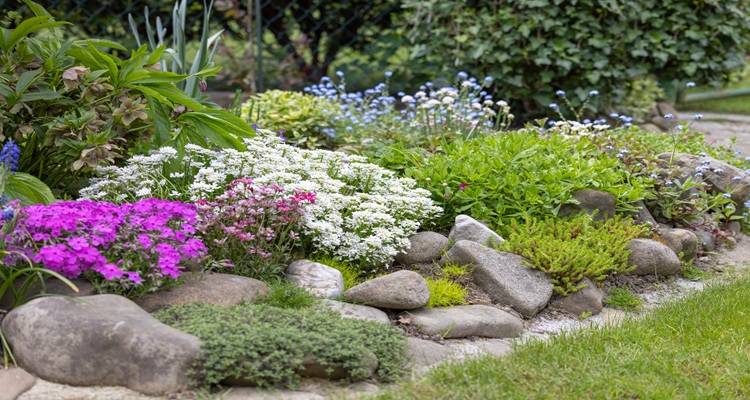
Flower Bed and Border Weeding Cost
Average cost: £20 to £45 (1 to 2 hours)
- Large borders with gaps between plants may only need a quick hoe.
- Dense or established borders usually require hand weeding.
- Costs rise if the border is very overgrown.
Patio and Driveway Weed Removal Cost
Average cost: £45 to £120 (1 to 3 hours)
- Manual removal with a brush and scraper suits light growth.
- Targeted weedkiller works well for cracks and joints.
- Pressure washing clears weeds and cleans the surface at the same time.
The best method depends on the surface and how established the weeds are. Power washing takes 1 to 3 hours and costs £100 to £400, and is worth considering if the paving needs a general clean alongside weed removal.
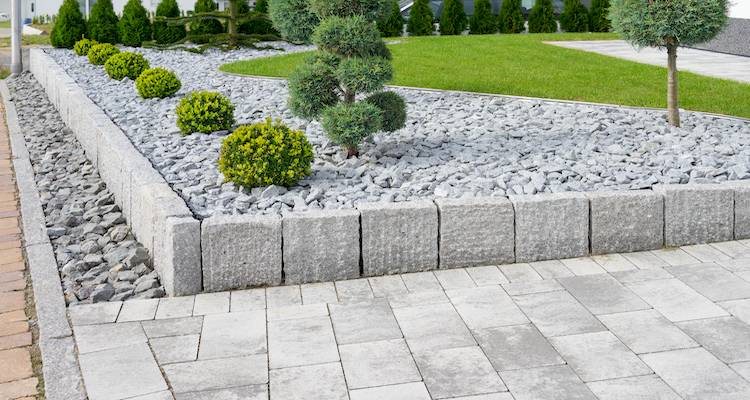
Gravel Garden Weeding Cost
Average cost: £15 to £30 (under 1 hour)
- Gravel gardens are generally low-maintenance.
- Self-seeding plants are the main issue, especially without a membrane.
- Manual weeding is the recommended approach.
Adding or replacing a weed control membrane costs £3 to £10 per m². For a lower-maintenance alternative altogether, some homeowners compare gravel against artificial grass.
Cost of Alternative Weed Control Methods
Implementing weed control measures reduces the need for regular weeding and keeps long-term maintenance costs down:
- Mulching garden beds — A mulch layer blocks light and reduces weed growth. Costs typically range from £50 to £200 including materials and labour.
- Weed control membranes — Horticultural fabric allows water drainage while blocking weed growth. Cost from £3 per m².
- Raised garden beds — Growing plants in enclosed spaces minimises weed spread. Installation costs £30 to £600 depending on size.
- Ground cover plants — Dense-growing plants like sedums and creeping thyme suppress weeds. Plug plants cost from £5, with professional planting at £20 to £120 depending on plant quantity.
- Dense planting scheme — Filling gaps in borders with plants naturally suppresses weed growth.
- No-dig gardening — Minimal soil disturbance and mulching reduce weed seed germination.
Checklist: Hiring a Local Gardener for Weeding
Ready to hire a professional? Use this checklist to ensure you choose the right gardener:
- Get multiple quotes — Use MyJobQuote to obtain quotes from local gardeners and compare prices.
- Check experience — Ask about their experience with garden maintenance and request examples of previous work.
- Verify herbicide qualifications — If they'll use chemical treatments, confirm they have PA1 and PA6 qualifications and a certificate of competency.
- Clarify what's included — Confirm whether waste removal is included and, for treatments, whether multiple visits are covered in the quoted price.
- Check reputation — Review online feedback and customer testimonials on their MyJobQuote profile or website.
- Confirm timescale — Get agreement on when work will be done and how long the job should take.
Ask a Trade
Got a question that only a tradesperson can answer? We have thousands of trades ready to answer any question you may have.
Ask your question

FAQs
Can I Save Money by Doing My Own Weeding?
Basic weeding tools are affordable (£10 to £40 each), making DIY budget-friendly for small jobs. However, you need to remove all roots to prevent regrowth. Professional help is often worth the cost for large or heavily overgrown gardens.
Do I Need to Remove All Weeds From My Garden?
You should do some weeding to keep your garden tidy and stop weeds outcompeting your plants. However, you might choose to leave a few native plants, such as nettles or dandelions, to encourage wildlife and pollinators.
When Is the Best Time of Year to Weed a Garden?
Spring and early summer are generally the best times, since this is when most weeds are actively growing and easier to pull out while young. Late autumn is also a good opportunity to clear any remaining growth before winter.
How Often Should I Weed My Garden?
Weekly checks during the growing season help stop weeds becoming established. If you're hiring a gardener, a visit every 2 to 4 weeks is usually enough to keep on top of things without the cost of a full clearance later.
How Long Do Weed Control Membranes Last?
Depending on the material, a weed control membrane typically lasts between 5 and 20 years, making it a cost-effective long-term solution to reduce regular weeding.
What's Included in a Professional Weeding Service?
Services typically include manual weed removal, waste removal, and minor tidying. Always confirm what's included before hiring, as some gardeners charge extra for treatments, disposal, or multiple visits.
How Much Do Weed Treatments Cost?
Chemical or organic weed treatments typically add £20 to £60 to your weeding cost. Multiple applications may be needed for persistent weeds, increasing the total expense.