Builders
 Carpenters
 Electricians
 Flooring Specialists
 Gardeners
 Handymen
 Heating Engineers
 Painters & Decorators
 Plasterers & Renderers
 Plumbers
 Roofers
 Tilers
 my
myWater Supply Pipe Replacement Cost
At a Glance
- The average water supply pipe replacement cost in the UK is around £3,200.
- Typical installed costs are £100 to £200 per metre depending on pipe length, access, and excavation method.
- Moling (trenchless installation) costs around £150 to £200 per metre.
- Lead pipe replacement typically costs between £400 and £1,000 for a short run, or £2,000 to £4,000 for a full 20m replacement.
- Most jobs take 1 to 3 days to complete.
- Water supply pipe replacement costs per metre.
- Lead pipe replacement and moling costs.
- Additional costs, labour, and timescales.
- Factors that affect the overall price.
Get free estimates
Are you a trade? Get more work today!
The average water supply pipe replacement cost in the UK is around £3,200, although prices can range from roughly £1,200 to £4,400+ depending on the length of the pipe run, access, excavation method, and whether you need a new water supply pipe or a full main water pipe replacement.
Most contractors price water pipe replacement cost by the metre, with typical installed costs of £100 to £200 per metre. If trenchless installation is used, the moling cost per metre in the UK is often around £150 to £200, a good option where you want to avoid digging up a driveway, path, or lawn.
Lead pipes can cause traces of lead to enter your drinking water, which is most harmful to babies, unborn babies and children, and can also affect the kidneys, heart and circulation in adults. If you have lead water pipes, the water company must replace its section once you've given written notice and the lead at the tap exceeds 10 micrograms per litre.
In this guide, we break down pipe replacement cost by metre, labour charges, mains water installation prices, lead pipe replacement cost, and the main factors that affect the overall price. When you need a professional plumber to install a new water pipe, we can help you get free quotes too.

£3,200
Table of Contents
- How Much Does Water Supply Pipe Replacement Cost?
- Water Supply Pipe Replacement Costs
- Labour Cost to Replace a Water Supply Pipe
- Factors That Impact Water Supply Pipe Replacement Costs
- Types of Water Supply Pipes
- Water Main Replacement Cost
- Cost of Moving a Mains Water Pipe
- Lead Pipe Replacement Cost
- Moling Cost per Metre UK
- Additional Water Supply Pipe Replacement Costs
- Building Regulations for Water Supply Pipe Replacement
- Checklist: Hiring Contractors for a Water Supply Pipe Replacement
- Removing Old Water Pipes
- FAQs
How Much Does Water Supply Pipe Replacement Cost?
Water pipe replacement costs vary according to where in the UK you are located. Prices for services in London and the South East of England are usually higher than in other parts of the UK.
Prices will also depend on the length of the pipe, how easy it is to access and the property type. For example, the average length of a water pipe from, say, the kitchen to the main water pipe outside might range from 8 metres to 16 metres.
Accessibility is also a factor that must be taken into consideration. If the installation is more complex than standard, then you will pay more.
The cost of supplying and installing the pipework is usually priced on a per-metre basis. The average cost per metre is around £150. That means at 8 metres, the total cost will be around £1,200 and at 16 metres, the cost will be approximately £2,400. The distance from the external stop tap or boundary stopcock to your property will directly affect the total pipe replacement cost, as longer runs require more materials, more labour, and often more excavation.
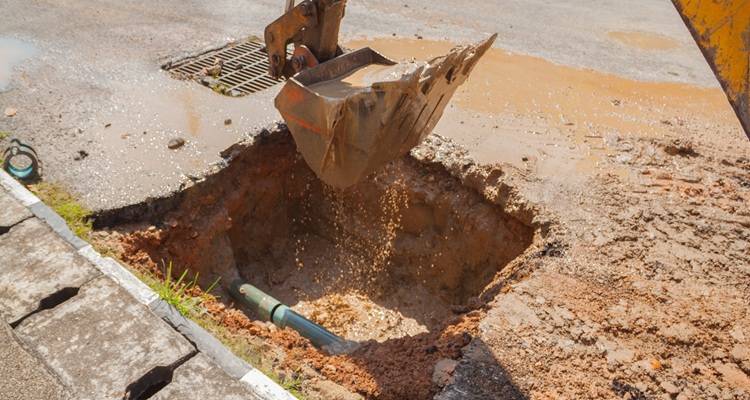
A plumber or a water installation expert can install a new pipe. A plumber, on average, charges between £27 and £80 an hour, but for a job like a replacement water pipe, they are more likely to charge per metre.
Water Supply Pipe Replacement Costs
Prices that are charged per metre will depend, of course, on the distance between the stopcock and your property.
Have a look at this chart for the average costs of replacing a water pipe per metre:
Replacing Water Pipe Cost
| Length of Pipe | Cost at £100 per metre | Cost at £150 per metre | Cost at £200 per metre |
|---|---|---|---|
| 8 metres | £800 | £1,200 | £1,600 |
| 10 metres | £1,000 | £1,500 | £2,000 |
| 12 metres | £1,200 | £1,800 | £2,400 |
| 14 metres | £1,400 | £2,100 | £2,800 |
| 16 metres | £1,600 | £2,400 | £3,200 |
| 18 metres | £1,800 | £2,700 | £3,600 |
| 20 metres | £2,000 | £3,000 | £4,000 |
| 22 metres | £2,200 | £3,300 | £4,400 |
Want a custom price?
Post your job
Labour Cost to Replace a Water Supply Pipe
Labour costs for installing a water pipe will typically be higher than the cost of materials because the job is labour intensive. Many installations will involve digging a trench, which can add to the overall cost.
If you're quoted a price per metre, this will usually include the trenching work. There are 2 main methods. The traditional method involves excavating the land for the entire length of the pipework, done by hand for short distances or by digger for longer runs. The average cost for a traditional trench is between £100 and £125 per metre.
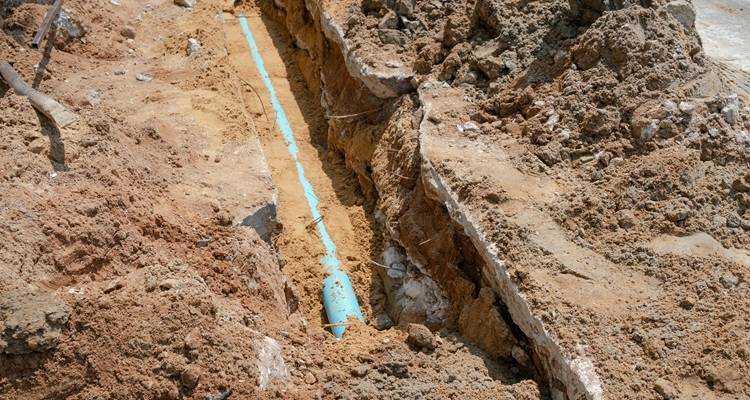
The second method is moling, a trenchless process that is less disruptive and often more cost-effective overall. The average cost for moling is between £150 and £200 per metre.
Labour costs will increase if the job is complex or access is difficult. On average, you can expect a water pipe installation on a typical UK property to take between 1 and 3 days, though excavating and laying pipework on a large plot could take 6 days or more.
Factors That Impact Water Supply Pipe Replacement Costs
When installing a new water supply pipe, several key factors influence the overall cost. Below is a breakdown of the main considerations that impact pricing:
1. The Length of the Pipework
The total length of the pipe required is one of the biggest cost factors. The longer the pipe, the more materials and labour will be needed, increasing the overall cost. If your home is farther from the main water connection, expect to pay more for both materials and installation.
2. The Type of Pipes Used
Different types of pipes come with varying costs and durability. Common options include:
- Copper Pipes — Durable and long-lasting but more expensive.
- PVC Pipes — More affordable and resistant to corrosion, but may not be suitable for all applications.
- MDPE (Medium-Density Polyethylene) Pipes — A popular choice for underground water supply due to flexibility and resistance to leaks.
The choice of material affects both upfront costs and long-term maintenance expenses.
3. Contractor Rates
Labour costs vary depending on the contractor's experience, location, and complexity of the job. Highly skilled professionals may charge more, but they ensure the work meets safety and quality standards. It's advisable to obtain multiple quotes to find a balance between quality and affordability.
4. Building Works Fees
If the installation requires modifications to existing structures, additional building work costs may apply. This can include:
- Digging up driveways, gardens, or pavements.
- Reinstating surfaces after the pipe installation.
- Potential structural adjustments to accommodate the new piping.
These additional construction expenses can significantly impact the final cost.
5. Excavation Method
Whether your contractor uses traditional trench excavation or trenchless moling will affect both the installation cost and the level of disruption to your property.
Types of Water Supply Pipes
As you can see from the chart, there are a number of different water supply pipes available. Plastic pipes are popular because they are lightweight and cost-effective, while copper is another popular choice for all types of water applications including water main replacement. Although copper is more expensive to buy per metre, it can last decades, handles high temperatures well, and resists bacteria, making it ideal for drinking water pipes. Here's some information about the most popular types:
Copper Pipes
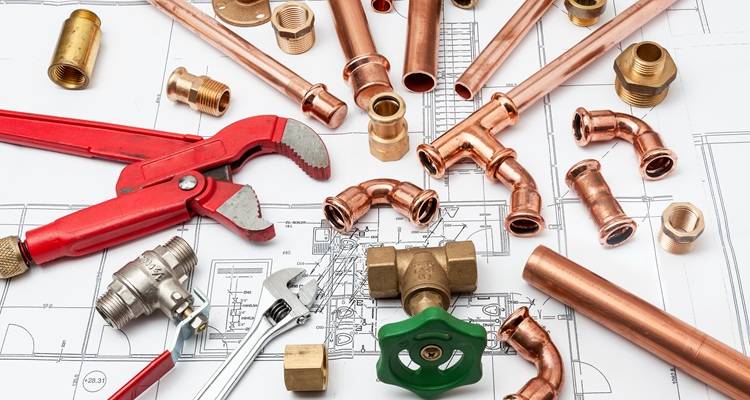
Copper has always been a popular choice for pipework. Although copper is more expensive to buy, it can last for between 40 and 50 years.
| Size | Average Cost Per Metre |
|---|---|
| 22mm | £17 |
| 28mm | £28 |
Want a custom price?
Post your job
Pros
- ✔ Long-lasting
- ✔ Lightweight and easy to install
- ✔ It has antibacterial properties, making it ideal for transporting drinking water
- ✔ Recyclable
Cons
- ✖ More expensive than some other piping options.
- ✖ Must be insulated to cope with freezing weather.
- ✖ It can produce a build-up of scale and chlorine over time.
Cast Iron Pipes
Many older homes have cast iron pipework, as it used to be the 'go-to' material for water and drainage systems.
| Size | Average Cost Per Metre |
|---|---|
| 50mm | £85 |
| 100mm | £110 |
Want a custom price?
Post your job
Pros
- ✔ Durable, lasting around 100 years.
- ✔ High water pressure rarely causes leaks or burst pipes.
- ✔ Reduced noise from water flow.
- ✔ Resistant to external corrosion.
Cons
- ✖ May rust over time.
- ✖ Expensive to buy.
- ✖ Heavy to handle, making them more difficult to install than other materials.
PEX Pipes (Cross-Linked Polyethylene)
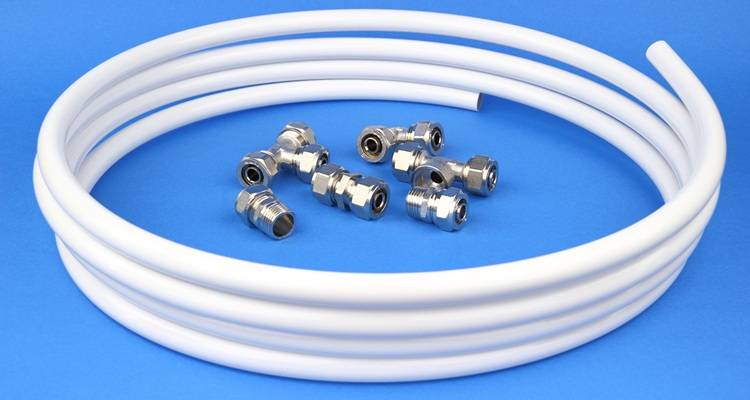
PEX (cross-linked polyethylene) pipe is made using high-density polyethylene. It is a popular choice with plumbers working on residential water installations because it is flexible, which makes it easy to install.
| Size | Average Cost Per Metre |
|---|---|
| 15mm | £6 |
| 22mm | £10 |
Want a custom price?
Post your job
Pros
- ✔ Flexible to handle, bending around corners.
- ✔ Reduced need for fittings and joints.
- ✔ Good resistance to heat.
- ✔ Resistant to scale build-up and corrosion.
Cons
- ✖ Not suitable for outdoor use.
- ✖ Solvents and chemicals will damage pipework.
- ✖ It may not last as long as other types of pipework.
PVC Pipes
PVC pipes are made from a combination of plastic and vinyl. It is a cost-effective option for homeowners who don't want to pay for copper. You can also buy chlorinated PVC piping (CPVC), which is often used in pipes that transport hot water.
| Size | Average Cost Per Metre |
|---|---|
| 20mm | £4 |
| 32mm | £6 |
Want a custom price?
Post your job
Pros
- ✔ Rust and corrosion-resistant
- ✔ Lightweight and easy to install
- ✔ Affordable
Cons
- ✖ When PVC isn't chlorinated, it can warp in contact with heat.
- ✖ Sizing options are limited.
- ✖ Only suitable for underground pipes.
Stainless Steel
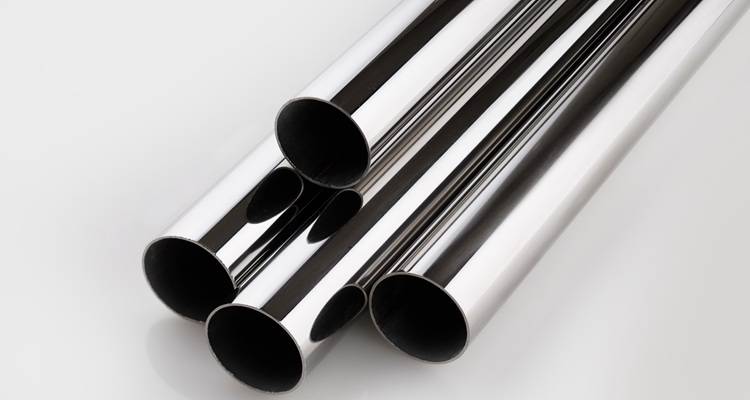
Stainless steel is used for water pipes because it is strong, durable and corrosion-resistant. It isn't as cheap as other materials, but it will last for decades.
| Size | Average Cost Per Metre |
|---|---|
| 21.3mm | £20 |
| 26.7mm | £34 |
Want a custom price?
Post your job
Pros
- ✔ Resistant to corrosion
- ✔ Durable
- ✔ Recyclable
Cons
- ✖ Expensive
- ✖ Needs professional installation
- ✖ Heavy to handle
HDPE Pipes (High-Density Polyethylene)
HDPE pipes are used in plumbing because they are cost-effective and flexible.
| Size | Average Cost Per Metre |
|---|---|
| 20mm | £14 |
| 32mm | £21 |
Want a custom price?
Post your job
Pros
- ✔ Lightweight, making them easy to handle and transport.
- ✔ Freeze-resistant, making them ideal in cold climates.
- ✔ Resistant to corrosion.
Cons
- ✖ It can become brittle and crack over time.
- ✖ More difficult to bond together than other materials.
- ✖ Not as strong as steel or copper.
Water Main Replacement Cost
The terms "water main," "main water pipe," and "mains water pipe" are often used interchangeably by homeowners, although responsibility for the pipework depends on whether it sits on private land or forms part of the public network.
If you need a main water pipe replacement on your property, installed costs are usually similar to standard underground water supply pipe replacement prices and are typically charged per metre. The final cost to replace a main water pipe will depend on excavation depth, route length, surface reinstatement, and whether the pipe passes under a driveway or paved area.
If the work affects the public side of the connection, your local water company may need to inspect or approve the installation before it can proceed.
Cost of Moving a Mains Water Pipe
If you need to relocate a mains water pipe, for example, during a home extension, driveway replacement, or property renovation, costs are generally similar to a standard water supply pipe replacement and are typically priced per metre.
The main factors affecting the cost of moving a mains water pipe are the distance the pipe needs to be rerouted, the excavation method used, and whether any surfaces such as driveways or patios need reinstating afterwards. If the relocation affects the public side of the connection, your local water company will need to be notified and may need to inspect the work before it is signed off.
Always notify your local water company before moving or rerouting a mains water pipe, as a section 50 street works licence from the council is required for any work on the public highway.
Lead Pipe Replacement Cost
The average lead pipe replacement cost for a domestic property in the UK is typically between £800 and £2,500, though this rises for longer pipe runs. A full 20m replacement tends to cost between £2,000 and £4,000 depending on access, excavation method, and surface reinstatement required.
| Job | Typical Cost Range | Average Cost |
|---|---|---|
| Lead pipe replacement — stopcock to house (5m, WIAPS-approved) | £500–£1,000 | £750 |
| Lead pipe replacement — stopcock to house (5m, private plumber) | £400–£800 | £600 |
| Full lead water pipe replacement (20m) | £2,000–£4,000 | £3,000 |
Want a custom price?
Post your job
Many homeowners choose to replace lead pipes because old lead plumbing can affect drinking water quality. Lead builds up in the body over time, so exposure should be kept as low as possible, as it can affect how babies and children develop, and can affect the kidneys, heart and circulation as you get older. If you suspect you have lead pipes, give your water company written notice, as they must then replace their section where lead at the tap is over 10 micrograms per litre.
Once you've given written notice and the lead at the tap is over 10 micrograms per litre, the water company must replace the section of lead pipe up to the outside stop valve free of charge, though you'll remain responsible for the pipework within your property. Using a WIAPS-approved contractor rather than a private plumber can also speed up the process, as approved contractors can certify the work without requiring a separate trench inspection.
Moling Cost per Metre UK
The moling method is a trenchless way of installing a new water pipe underground with less disruption than digging a trench along the entire length of the run. The average moling cost per metre in the UK is around £150 to £200, compared to £100 to £125 per metre for a traditional dug trench.
| Method | Cost Per Metre | Best Used For |
|---|---|---|
| Traditional trench excavation | £100–£125/m | Open ground with no surface reinstatement needed |
| Moling (trenchless) | £150–£200/m | Driveways, paths, lawns, or where disruption must be minimised |
Want a custom price?
Post your job
Moling works by firing the pipe in a straight line between a launch pit and a reception pit, minimising the amount of ground that needs to be disturbed. Although the job is still labour intensive, moling can significantly reduce reinstatement costs and is the preferred method where the water supply pipe runs under a driveway, paved path, or landscaped garden.
Because the pipe must travel in a straight line, extra pits may be needed if the route bends around obstacles, which can increase the overall cost. Your contractor should advise on the most suitable method based on your property layout and ground conditions.
Additional Water Supply Pipe Replacement Costs
When budgeting for a water supply pipe replacement, there are several additional costs to factor in beyond the pipe and installation itself.
- Excavation — If trenching is required, you may need to budget for hiring a digger and labourers. The cost of hiring a digger is around £200 a day. If you have 2 men working for a day, you'll be looking at between £10 and £40 per hour, which works out to between £80 and £320 for a day's work.
- Waste Removal — If you have the soil excavation removed, the cost will depend on the volume of soil you need to take away. For example, 500 kilos of soil will take around an hour to remove and cost in the region of £145. Alternatively, you can bag up the soil and take it to your local council tip — charges vary by borough but average between £3 and £6 per 25-litre bag. Another option is to hire a skip, which costs around £220 on average, or between £90 and £130 for a mini skip for a week's hire.
- Removal of Old Pipework — Some contractors will include the removal of old pipework in their quote, but others will expect you to arrange the removal and disposal yourself. Always check before accepting a quote.
- Permits and Utility Reports — You'll need to budget for a permit, which costs on average between £90 and £150. Before digging a trench, you may also need a utility report to pinpoint the location of other underground pipes and cables. The average cost for this service is between £100 and £300, depending on the company used and your location in the UK.
Ask a Trade
Got a question that only a tradesperson can answer? We have thousands of trades ready to answer any question you may have.
Ask your question

Building Regulations for Water Supply Pipe Replacement
England and Wales follow the Water Supply (Water Fittings) Regulations 1999, Scotland follows the Water Supply (Water Fittings) (Scotland) Byelaws 2014, and Northern Ireland follows the Water Supply (Water Fittings) Regulations (Northern Ireland) 2009, and your contractor will work to whichever applies where you live.
There are four approved contractor schemes, including the Water Industry Approved Plumbers Scheme (WIAPS), and using an approved contractor means they can issue a certificate of compliance when the job is done, giving you a legal defence if the work later turns out not to comply.
If you use an independent plumber, the trench for the pipework needs to be inspected by the water company to make sure it complies with regulations. If you use an approved plumber, you don't need a trench inspection.
Apart from WIAPS, the other three approved schemes are:
- The Association of Plumbing and Heating Contractors (APHC).
- Chartered Institute of Plumbing and Heating Engineering (CIPHE).
- Scottish and Northern Ireland Plumbing Employers Federation (SNIPEF).
Checklist: Hiring Contractors for a Water Supply Pipe Replacement
Here is a checklist of things you should consider when you want to hire a contractor to do your water supply pipe replacement.
- Request a fully itemised quote so you can see exactly what's included.
- Make sure the contractor has the relevant qualifications and experience for the job.
- Check to see whether or not they are an approved contractor, especially if you want to avoid a trench inspection.
- Make sure they are insured. The minimum a contractor should have is Public Liability Insurance, which will cover property damage or an accident while they are working at your premises.
- Ask if trenching, digger hire, and soil and pipe removal are included in the quote. If not, you will have to obtain separate quotes for these items.
- Obtain at least 3 quotes with the same inclusions so that you can compare each one.
Removing Old Water Pipes
Pipework left in the ground doesn't need an environmental permit, since it's treated as part of the land rather than waste. Once it's dug up, however, it becomes waste and must go to a licensed disposal site, with old asbestos cement pipe treated as hazardous.
A length of pipe left connected but unused can hold stagnant water that contaminates the supply, so it's best to remove it or cut it back as short as possible.
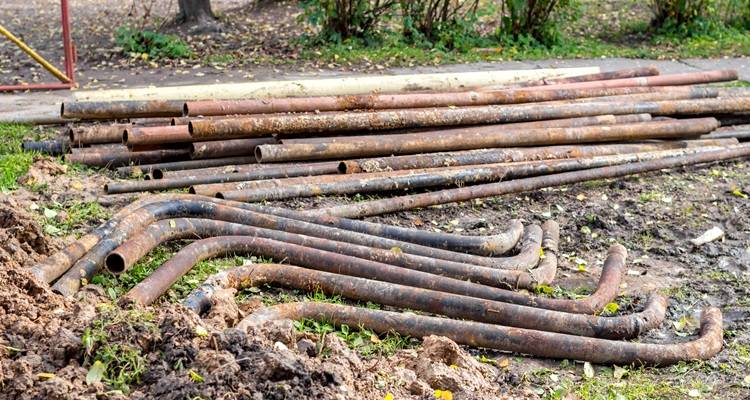
If you want the pipework removed, find out if your contractor will include the removal in your quote.
If you have to remove the pipes yourself, then you'll need to take them to your nearest recycling centre. Lead and copper are recyclable, and most plastic pipes are recyclable, too, but there are recycling centres that won't accept ABS (acrylonitrile butadiene styrene) and PVC pipes, so check with your local centre.
FAQs
Do I Need Permission from My Local Council for Pipe Replacement?
Planning permission isn't normally required to replace water pipes. But if you live in a conservation area or in a listed building, then you might need council approval, and you should visit your local planning department.
Can I Replace the Water Supply Pipes Myself?
Due to the rules and regulations regarding main water pipe installations, we recommend that you have your pipes installed by a professional contractor to prevent incorrect installation or non-compliance with regulations.
Using a professional will likely take less time, especially if you use an approved contractor to avoid time-consuming inspections. DIY is fine for simpler plumbing jobs, but laying a new water supply pipe is better left to a professional.
How Do I Know if My Water Pipes Need Replacing?
There are several signs. Corrosion in your pipes may mean your water will be brown or rust-coloured. Deteriorating pipes are likely to leak, and low water pressure could be caused by corrosion or a pipe blockage.
Who Is Responsible for Replacing Water Pipes on My Property?
Homeowners are responsible for any pipes running from the outside stop valve to the house, which may include a length running under the pavement. The water company is responsible for the pipe running from the water main in the street to that valve.
How Much Does It Cost to Fix a Leaking Underground Water Pipe?
The cost to repair a leaking underground water pipe in the UK typically ranges from £200 to £600 for a straightforward repair, though costs can rise significantly if the leak is under a driveway or requires extensive excavation. If the pipe is old or has suffered repeated leaks, a full replacement may be more cost-effective than ongoing repairs.
How Do I Know if I Have Lead Pipes?
Lead pipes are typically dull grey in colour and soft to the touch. If you wear gloves and gently scratch the surface with a coin at the internal stop tap, they reveal a shiny silver colour underneath. If your property was built before 1970, there is a good chance it may have lead pipes. If you're unsure, a professional plumber can confirm the pipe material.
What Is the Cheapest Way to Replace a Water Pipe?
The cheapest way to replace a water supply pipe depends on your property layout and ground conditions. Moling is often the most cost-effective overall as it reduces reinstatement costs, and choosing a plastic pipe material such as MDPE or PVC over copper will keep material costs down. Getting at least 3 quotes will help ensure you get a competitive price.