Builders
 Carpenters
 Electricians
 Flooring Specialists
 Gardeners
 Handymen
 Heating Engineers
 Painters & Decorators
 Plasterers & Renderers
 Plumbers
 Roofers
 Tilers
 my
myCost of Lawn Scarification
At a Glance
- Typical lawn scarification costs between £45 and £120.
- Lawn scarification usually takes 1 to 3 hours.
- A breakdown of lawn scarification costs by lawn size and lawn condition.
- What lawn scarification quotes usually include.
- Typical supply costs, scarifier hire costs, and related lawn care treatments.
- How to compare lawn care professionals through MyJobQuote.
Get free estimates
Are you a trade? Get more work today!
What is scarification?
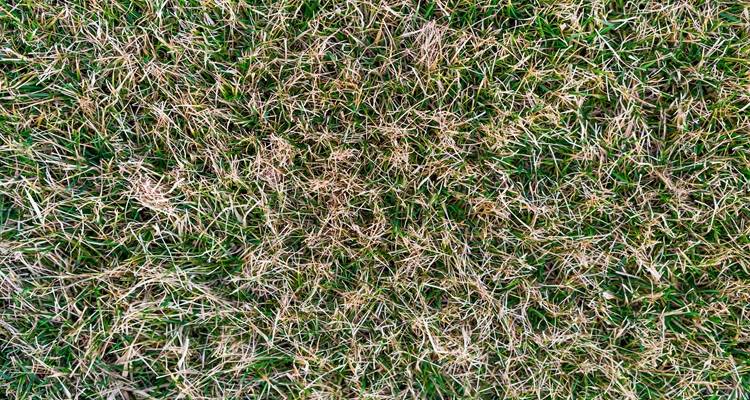
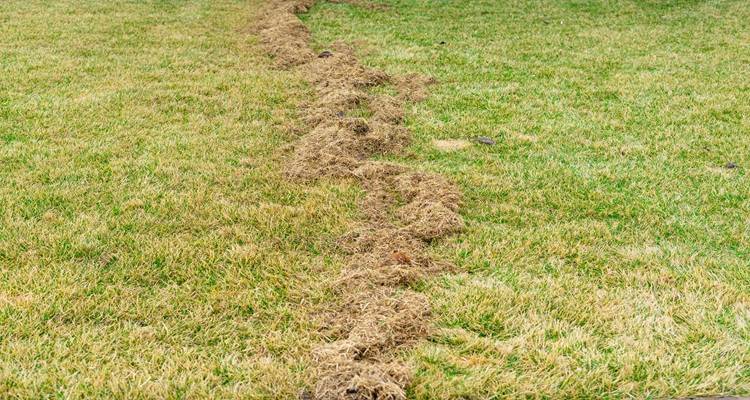
Lawn scarification removes built-up moss, dead grass, surface thatch, and subsurface thatch from your lawn. This helps air, water, and essential nutrients reach the grass roots, which can support healthier grass growth and better lawn health.
If your lawn has bare patches, moss growth or feels spongy underfoot, hiring a lawn care professional to scarify it can help restore its condition. Most professional scarification work is carried out in spring or autumn, when the lawn has the best chance to recover.
£80
Table of Contents
- How Much Does Lawn Scarification Cost?
- What Does Lawn Scarification Cost Include?
- How Much Are the Supply Costs of Lawn Scarification Treatments?
- Additional Lawn Scarification Costs
- How Much Are Labour Costs for Lawn Scarification?
- Benefits of Lawn Scarification
- Factors That Impact the Cost of Lawn Scarification
- Types of Lawn Scarification
- Alternative Types of Lawn Treatments
- Checklist: Hiring a Lawn Scarification Professional
- Lawn Care After Scarification
- FAQs
How Much Does Lawn Scarification Cost?
The average cost of lawn scarification is between £55 and £240, depending on the size and condition of the lawn. A small lawn will usually cost less, while a larger lawn or one with heavy moss and thatch may need more time and extra treatment, which can increase the initial cost.
Most quotes are based on lawn size, the amount of scarification needed and whether green waste disposal is included. Additional treatments, such as fertiliser, overseeding, or aeration, are usually priced separately, so it is worth comparing lawn scarification prices with MyJobQuote before agreeing to the work.
You are also likely to pay more if you live in London or the South East of England, where labour prices are higher than in other parts of the UK.
Lawn Scarification Prices
| Lawn Size | Average Cost |
|---|---|
| Small lawn, around 100m² | £55–£95 |
| Medium lawn, around 200m² | £81–£100 |
| Large lawn, around 300m² | £135–£175 |
| Heavily mossed lawn | £200–£240 |
Want a custom price?
Post your job
What Does Lawn Scarification Cost Include?
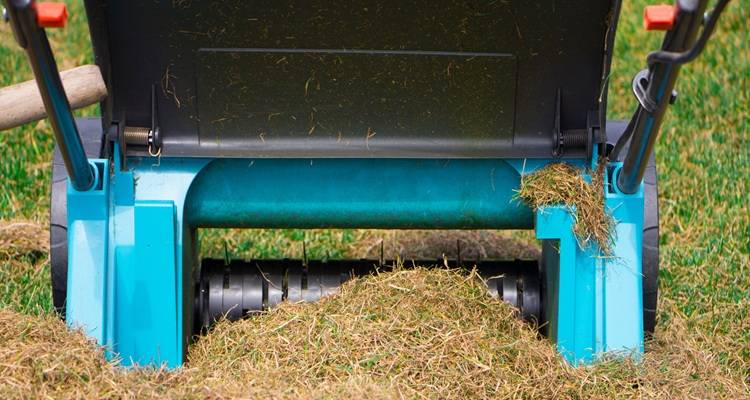
Most lawn scarification quotes include 1 standard pass over the lawn, use of a professional scarifier, and clearing loose moss, thatch, and dead grass from the surface afterwards.
If the lawn has heavy moss, thick thatch, or large bare patches, the gardener may recommend a second sweep, deeper scarification, or extra clearance time. Green waste collection may be included, but some gardeners charge separately for bagging and removing the debris.
- Labour — The time needed to scarify the lawn, check the surface, and clear loose debris afterwards.
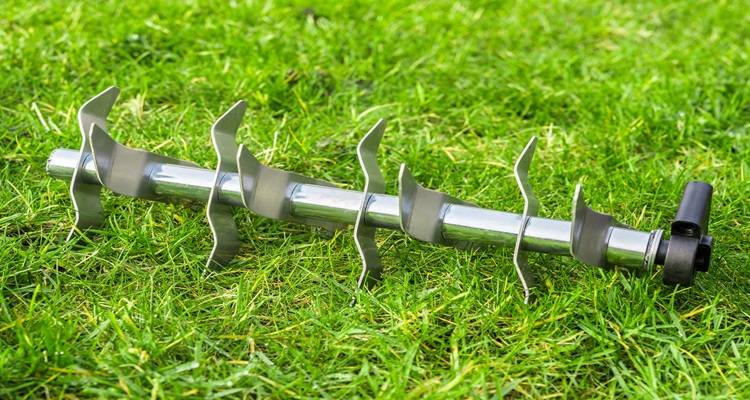
- Equipment Use — Use of a manual, electric, or petrol scarifier, depending on the lawn size and condition.
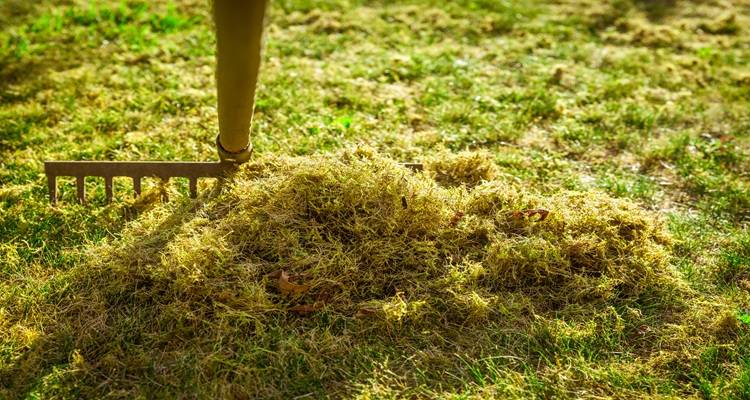
- Moss and Thatch Removal — Removing built-up moss, thatch, and dead grass from the lawn surface.
- Green Waste Collection — Some gardeners include this in the quote, while others charge separately.
How Much Are the Supply Costs of Lawn Scarification Treatments?
Supply costs usually apply if you scarify the lawn yourself or add treatments after scarification. This can include buying or hiring a scarifier, as well as buying moss killer, lawn feed, fertiliser, or grass seed.
Scarifier hire and buying costs:
- Spring-Tine Rake — Around £15 to buy.
- Manual Scarifier — £30 to £50 to buy.
- Electric Scarifier — £90 to £250 to buy.
- Scarifier Hire — Around £50 to £74 for 1 day.
| Treatment | Typical Supply Cost | What It Is Used For |
|---|---|---|
| Moss killer | £3–£10 | Treating moss before or after scarification |
| Lawn feed | £5–£30 | Helping the grass recover and grow |
| Fertiliser | £11–£16 per kilo | Adding nutrients back into the soil |
| Grass seed | £8–£20 per kilo | Overseeding bare or thin patches |
| Lawn top dressing | £0.23–£1.08 per kg | Improving soil drainage and condition |
Want a custom price?
Post your job
Additional Lawn Scarification Costs
When a gardener gives you a quote for lawn scarification, they may recommend extra treatments if the lawn needs more recovery work afterwards.
- Green Waste Removal — This can cost around £50 to £200 if moss, thatch, and grass waste are not included in the main quote.
- Fertiliser Application — Adding fertiliser after scarification usually costs around £15 to £35 and can help the lawn recover.
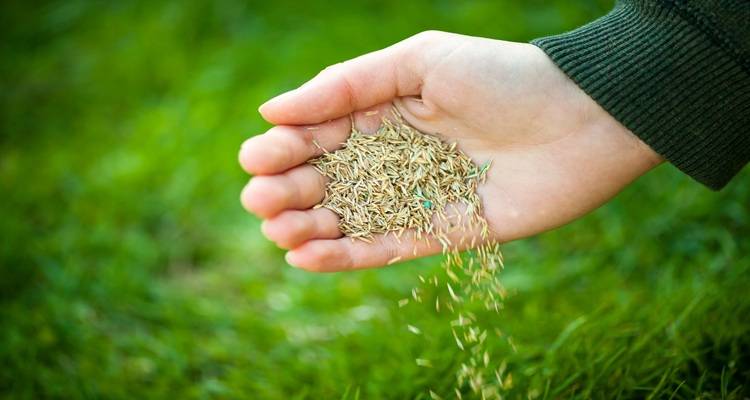
- Overseeding — Adding grass seed to thin or bare patches usually costs around £25 to £45.
- Lawn Aeration — Aeration can cost around £30 to £120 and may be recommended for compacted soil or poor drainage.
- Moss Treatment — Moss control treatments can cost around £20 to £150, depending on the lawn condition and treatment needed.
- Turf Replacement or Lawn Repairs — Small repairs may be needed if the lawn is badly damaged, patchy, or slow to recover.
How Much Are Labour Costs for Lawn Scarification?
When hiring a gardener for lawn scarification, labour usually makes up most of the final price. This is because the main cost is the gardener's time, equipment use, lawn size, and the amount of moss or thatch that needs removing.
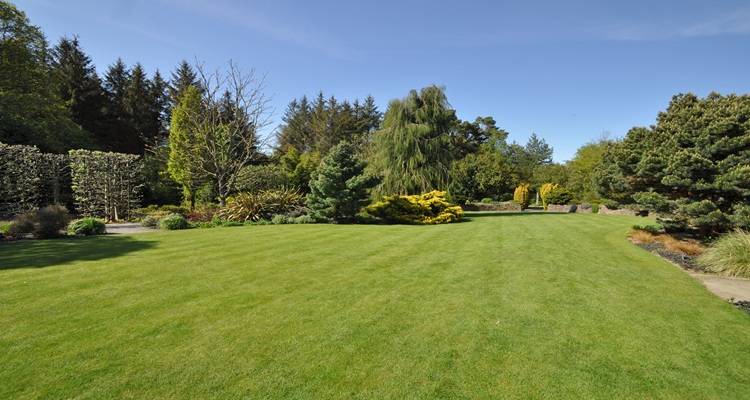
Most straightforward scarification jobs take 1 to 4 hours. Heavily mossed lawns may cost more because they can need extra passes, more clearance time, or additional treatments after scarification.
Quotes usually only cover the scarification work itself. Extra treatments, such as fertiliser, overseeding, aeration, moss treatment, or green waste removal, may be added separately if the lawn needs more work.
Benefits of Lawn Scarification
Lawn scarification can improve the health and appearance of your lawn, but it can also help reduce future maintenance costs if problems are treated early.
- Healthier Grass Growth — Removing moss and thatch helps air, water, and essential nutrients reach the grass roots, supporting healthier growth.
- Lower Future Maintenance Costs — A healthier lawn may need fewer repair treatments later.
- Reduced Moss and Weed Problems — Scarification can make it harder for moss and weeds to take over, which may reduce future weeding or moss treatment costs.
- Better Drainage — Removing thatch can help water reach the soil instead of sitting on the surface.
- Improved Lawn Appearance — The lawn may look thinner at first, but it should recover with stronger, healthier growth.
Factors That Impact the Cost of Lawn Scarification
The cost of lawn scarification depends on several factors, which may increase or reduce the final quote.
These factors include:
- Lawn Size — Labour costs will increase as removing thatch and moss takes longer on a larger lawn.
- Level of Moss or Thatch — Heavy moss and thatch growth may need more than one scarification sweep.
- Accessibility of the Garden — Limited access may mean the gardener has to use smaller equipment, which can increase labour time.
- Additional Lawn Treatments — Fertilisation, overseeding, aeration, or moss treatment can increase the final quote.
- Soil Condition — Soil compaction can affect soil aeration, soil structure, and root development. Poor soil condition can also make it harder for water and nutrients to reach the grass roots.
- Regional Labour Rates — Labour costs are usually higher in London and the South East.
- Frequency of Lawn Maintenance — A well-maintained lawn is usually quicker and easier to scarify than a neglected lawn.
Types of Lawn Scarification
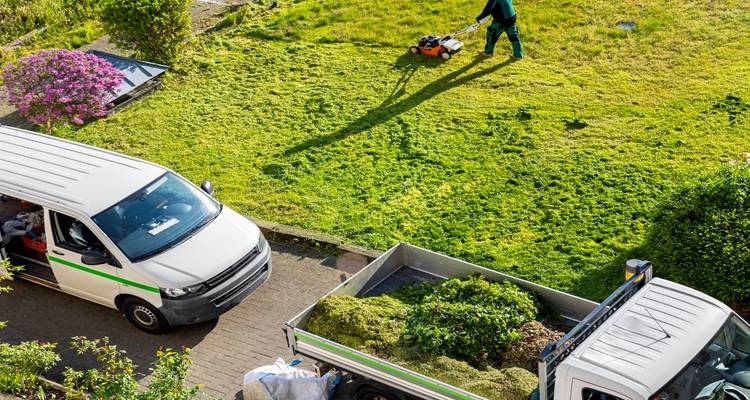
There are three common ways to scarify a lawn. Professional gardeners will usually use powered scarifiers because they are faster and more effective on larger or heavily mossed lawns.
What type of scarifier are you planning to use?
Manual scarifier
2 votes - 29%29% of votes
Electric scarifier
4 votes - 57%57% of votes
Petrol scarifier
1 votes - 14%14% of votes
Hiring a professional gardener
0 votes - 0%0% of votes
7 votes
See results
Hide results
Manual Scarifier
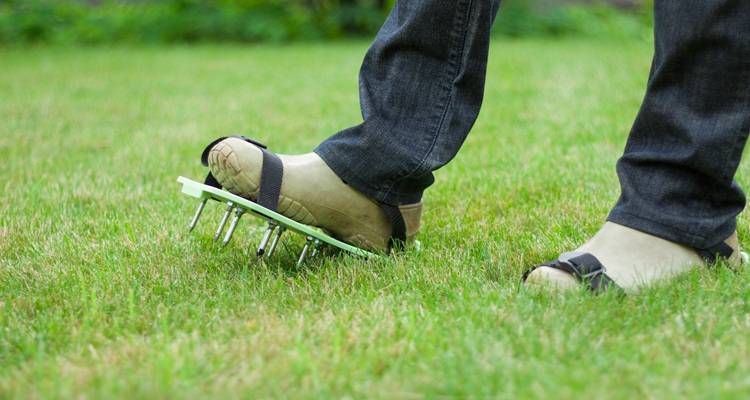
You can do the job using a spring-tine rake for around £15, or a manual scarifier, which costs on average between £30 and £50. Although it's a cheaper method, it will take more time and effort.
Pros
- ✔ Easy storage
- ✔ Cheap to buy
Cons
- ✖ Hard work. Large gardens will need plenty of effort and strength.
- ✖ The job will take longer to do.
Electric Scarifier
Another way is to use an electric scarifier. These are inexpensive to buy and worth owning if you are going to scarify your lawn every year. You can buy an electric scarifier from a DIY store or online, and they cost on average between £90 and £250.
Pros
- ✔ Easy to handle.
- ✔ Collection box for debris.
Cons
- ✖ You need a power supply or a cordless machine, which are more expensive.
- ✖ Can be noisy.
Petrol Scarifier
Finally, there are petrol-powered scarifiers, which are often used by professional gardeners because they don't need to be charged up or plugged into a power supply.
Pros
- ✔ More powerful than other models.
- ✔ Ideal for larger gardens.
Cons
- ✖ Need regular maintenance.
- ✖ It can be more expensive to run.
Alternative Types of Lawn Treatments
There are other lawn treatments you can use in place of scarification or alongside it, depending on the condition of your lawn.
Lawn Aeration
Lawn aeration is the process of making small holes in your lawn so that nutrients, air, and water can reach the grass roots more easily. It can help improve drainage, reduce soil compaction, and support healthier grass growth. The average cost of lawn aeration as a one-off job is between £30 and £120.
Top Dressing
Top dressing improves the soil's texture. It can help with drainage problems if you apply a top dressing once you've finished aerating your lawn and push the soil into the freshly made holes. This will improve water absorption. The cost for a professional gardener to apply a top dressing to your lawn is on average between £80 and £180.
Overseeding
Overseeding is when you spread new grass seeds on your lawn. On a healthy lawn, it will help new, thicker growth. On a lawn that needs some attention, reseeding can repair a damaged lawn by covering bare patches and encouraging new growth. On average, overseeding will cost between £60 and £160.
Moss Control Treatments
There are several treatments you can use to get rid of moss. Scarifying your lawn is one method. Another is to use a moss remover. You can buy a chemical moss remover, but you will have to rake out the dead moss afterwards. An organic one digests the moss instead, but may not remove all of the moss.
Moss treatment usually costs between £3 and £10 per litre for supplies, although a gardener may include it as part of a wider lawn care treatment package.
Artificial Grass Installation
If you'd prefer an artificial lawn, you can lay artificial grass in rolls and install it in your garden, on average, in a couple of days. Although moss can still grow on it, artificial grass usually requires much less maintenance to look good year-round.
The initial cost isn't cheap, but it can last well with the correct maintenance. The cost of artificial grass will depend on the amount you need and the quality of the finish. On average, you can pay between £300 and £8,000.
Ask a Trade
Got a question that only a tradesperson can answer? We have thousands of trades ready to answer any question you may have.
Ask your question

Checklist: Hiring a Lawn Scarification Professional
Before hiring someone to scarify your lawn, compare quotes through MyJobQuote and consider these key points:
- Lawn scarification experience — Ask whether they have worked on lawns with similar levels of moss, thatch, or bare patches.
- Quote details — Check whether labour, equipment, moss and thatch removal, and green waste collection are included.
- Aftercare advice — A good lawn care professional should explain whether your lawn needs fertiliser, overseeding, aeration, or moss treatment after scarification.
- Public liability insurance — This protects you if accidental damage happens while they are working at your property.
- Recent reviews — Check feedback from other homeowners on MyJobQuote to see whether they are reliable, tidy, and clear about costs.
Lawn Care After Scarification
There are several steps you should take after scarification:
- Pull up any weeds that have been exposed.
- Apply moss treatment to any remaining moss.
- Treat your lawn with a seasonally-appropriate feed if it is growing poorly to add nutrients and encourage growth.
- Overseed any bare patches.
During the first few weeks after the scarification process, it's best to avoid heavy foot traffic.
When the grass needs mowing, use a higher setting than normal on your mower so that the grass height is not cut too short. As part of ongoing grass cutting and lawn care, use sharp blades and avoid cutting more than one third of the grass at once. This will protect newly seeded areas, help prevent new moss growth, and encourage stronger grass growth.
FAQs
How Often Should I Scarify My Lawn?
Most lawns only need scarifying once a year. If you already have a healthy lawn and a good lawn care routine, you may not need it done as often, while lawns with heavy moss or thatch may benefit from annual scarification as part of a wider lawn care plan.
What Are the Signs My Lawn Needs Scarifying?
Common signs include heavy moss growth, thinning grass, bare patches, poor drainage, a spongy feel underfoot, or visible thatch on the lawn surface. If these issues are left untreated, the lawn may need more repair work later, which can increase maintenance costs.
When Is the Best Time of Year to Scarify a Lawn?
The best time to have your lawn scarified is usually late spring or early autumn, when the grass is actively growing and can recover more quickly. Scarifying at the wrong time can slow recovery and may mean you need extra treatments, such as fertiliser or overseeding.
Can I Scarify the Lawn Myself?
You can scarify a lawn yourself, but you may need to hire or buy the right equipment. Hiring a scarifier can cost around £50 to £74 for one day, while a professional may get better results because they can judge the right depth, timing, and aftercare for your lawn.
Does Lawn Scarification Require Building Regulations Approval?
No, routine lawn scarification does not usually need planning permission or building regulations approval. If the work is part of a larger landscaping project involving drainage or structural changes, you may need to check the wider project requirements.
Should I Mow the Lawn Before Scarifying?
It is usually best to mow the lawn shortly before scarification so the scarifier can reach the thatch more easily. If you are hiring a professional, ask whether mowing is included in the quote or whether you need to do this beforehand.
How Long Does Scarification Take to Work?
A lawn can take around 4 to 12 weeks to recover after scarification, depending on the time of year, weather, and lawn condition. Heavily neglected lawns may take longer and may need extra treatments, such as overseeding or fertiliser.
Should I Keep Children and Pets Off the Lawn After Scarification?
Yes, it is best to keep children and pets off the lawn while it recovers, especially if fertiliser, moss treatment, or grass seed has been applied. Heavy foot traffic, digging or pet urine can damage weakened grass and may lead to extra costs for overseeding, lawn repairs, or further treatment.