Builders
 Carpenters
 Electricians
 Flooring Specialists
 Gardeners
 Handymen
 Heating Engineers
 Painters & Decorators
 Plasterers & Renderers
 Plumbers
 Roofers
 Tilers
 my
myWashing Machine Repair Costs
At a Glance
- The average washing machine repair cost in the UK is around £130.
- Most washing machine repairs take between 1 and 3 hours to complete.
- Supply costs for common washing machine parts.
- Labour costs, call-out fees and repair timescales.
- When to repair or replace a washing machine.
- How to find a local washing machine repair technician using MyJobQuote.
Get free estimates
Are you a trade? Get more work today!
Does your washing machine need a repair?
Washing machines are found in most UK homes. A breakdown can cause major disruption, especially for families with school-aged children. Regular maintenance, such as cleaning the door seal, detergent drawer and filter, can help reduce the risk of common faults.
Often, it is cheaper to repair the machine than replace it, and, in this guide, we explain what factors affect repair costs and your options if repairs aren't viable. We also give you the most common reasons for a washing machine breakdown and the average repair costs.

£130
Table of Contents
- How Much Is a Washing Machine Repair?
- Labour Costs and Timescales for Washing Machine Repair
- Supply Costs for Washing Machine Repair
- Is It Worth Repairing an Old Washing Machine?
- Additional Costs for a Washing Machine
- Cost Factors for Washing Machine Repair
- Types of Washing Machine Repairs
- Alternative Washing Machine Solutions
- Checklist: Hiring a Washing Machine Repair Technician
- Removing Washing Machines: Considerations and Costs
- FAQs
How Much Is a Washing Machine Repair?
The cost of washing machine repairs in the UK depends on the brand of washing machine, the type of repair that's needed, and the parts required.
For example, parts for certain brands may be more expensive, and an integrated washing machine will take longer to repair than one that's freestanding.
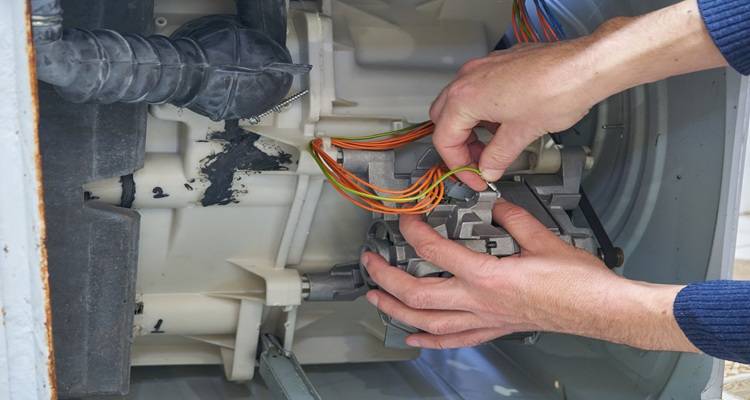
In London and the South East of England, you'll pay more for the services of a tradesperson because of the increased cost of living in those areas. The average cost to repair a washing machine is between £80 and £225.
Washing Machine Repair Prices
The repair price will usually include the call-out fee, parts and labour. Here are some average costs of typical repairs for parts and labour only, based on labour at £60 per hour.
These prices can change if the repair is complex, the machine is integrated, or the repair is an emergency, or done over the weekend or out of hours.
| Fault | Typical Repair | Average Timescale | Average Price |
|---|---|---|---|
| Not spinning | Replace motor | 2 to 2.5 hours | £220–£400 |
| Not draining | Fit new pump | 1 hour | £80–£150 |
| Water leaking | Fit new door seal | 1 hour | £78–£120 |
| Won't start | Install control board | 1.5 to 2 hours | £150–£290 |
| Noisy or vibrating | Replace drum bearings | 2 to 3 hours | £150–£280 |
| Won't fill | Replace inlet valve | 1 hour | £70–£100 |
Want a custom price?
Post your job
Labour Costs and Timescales for Washing Machine Repair
A washing machine repair is usually charged by the hour, as a fixed price job or with a call-out fee added. Most repairs take between 1 and 3 hours, depending on the fault and how easy the machine is to access.
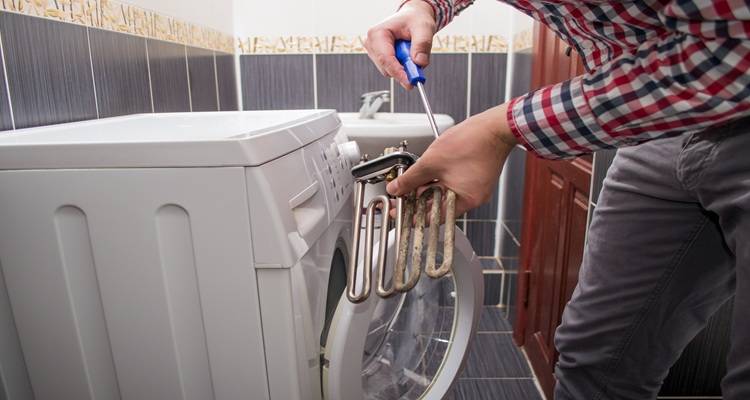
Costs for labour are usually higher in London and the South East. Integrated washing machines can also cost more to repair because they may need to be removed from the unit and refitted afterwards.
| Labour Cost Type | Typical Cost |
|---|---|
| Standard hourly rate | £50–£90 per hour |
| Call-out charge | £50–£120 |
| Diagnostic fee | £40–£60 |
| Emergency repair | £100–£200 extra |
| Weekend or out-of-hours repair | £50–£100 extra |
Want a custom price?
Post your job
Supply Costs for Washing Machine Repair
Washing machine parts vary in price depending on the brand, model and whether you need original equipment manufacturer (OEM) parts or third-party parts.
For supply-only parts, you can expect to pay the following:
| Part | Supply Cost | Common Fault |
|---|---|---|
| Motor | £100–£250 | Machine not spinning |
| Pump | £20–£90 | Water not draining |
| Door seal | £18–£60 | Water leaking from door |
| Control board | £60–£170 | Machine not starting |
| Drum bearings | £15–£50 | Unusual noises or excessive shaking |
| Water inlet valve | £10–£40 | Machine not filling |
Want a custom price?
Post your job
The cost of these parts is often influenced by the washing machine brand and the availability of parts.
If your washing machine is under warranty, you may have to use OEM parts. If you don't, the warranty could be invalidated and the manufacturer may not cover future repairs.
Machines not covered by a warranty or guarantee can often be repaired using third-party parts, which are usually cheaper.
Parts for older washing machines may be harder to find because some may have been discontinued or are no longer available.
Most quotes include the cost of parts. If you are completing a DIY repair, you can buy washing machine parts from a local supplier or online shop.
Is It Worth Repairing an Old Washing Machine?
Whether it's worth mending a washing machine depends on its age, condition and the cost of the repair. The lifespan of a washing machine depends on how often it is used and maintained.
Repairing is usually recommended if:
- The machine is under 8 years old.
- The repair is minor.
- The repair costs less than half the price of a similar new model.
Replacement may be better value if:
- The machine is over 8 to 10 years old.
- The repair costs more than 50% of the price of a similar new model, or more than around £150.
- The machine uses a lot of water or electricity.
Ask a Trade
Got a question that only a tradesperson can answer? We have thousands of trades ready to answer any question you may have.
Ask your question

Additional Costs for a Washing Machine
Not all repairs involve additional costs, but some do, and if you are aware of the possible extra charges, you won't get any surprises when the time comes to pay for the washing machine repair.
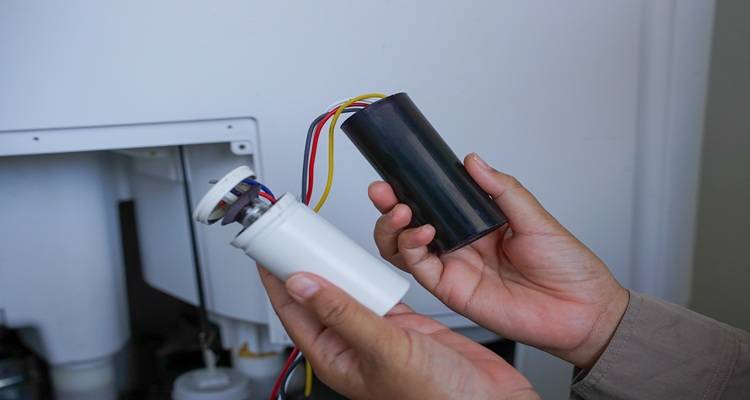
Typical extra charges include:
- Call-Out Charge — Most repair services charge a call-out fee, which is added to the repair cost. This usually costs between £50 and £120.
- Diagnostic Fee — Some technicians charge to inspect the machine before confirming the fault. This usually costs between £40 and £60.
- Emergency Repairs — Urgent repairs can add around £100 to £200 to the normal repair cost.
- Out-of-Hours or Weekend Repairs — Evening or weekend repairs can cost around £50 to £100 more.
- Increased Labour Costs — Awkward access, upstairs locations and integrated machines can increase labour time.
- Removal and Disposal — If a handyperson disconnects and disposes of your old washing machine, you may pay between £20 and £40 per hour, plus disposal and travel costs.
Cost Factors for Washing Machine Repair
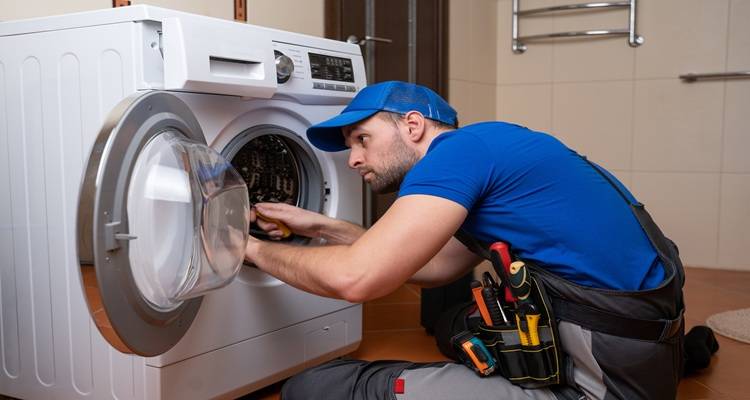
The main factors that affect washing machine repair costs include:
- Type of Fault — Motor, drum and control board faults usually involve more costly repairs.
- Parts Needed — Branded or OEM parts can increase the price.
- Brand and Model — Older or premium models may need harder-to-source parts.
- Machine Type — Integrated machines often take longer to access and refit.
- Labour Time — Simple repairs may take 1 hour, while complex repairs take longer.
- Call-Out Fees — Some technicians charge to inspect the machine first.
- Urgency — Same-day, weekend and evening repairs usually cost more.
- Location — Labour costs are often higher in London and the South East.
- Disposal — You may need to pay if the machine cannot be repaired.
Types of Washing Machine Repairs
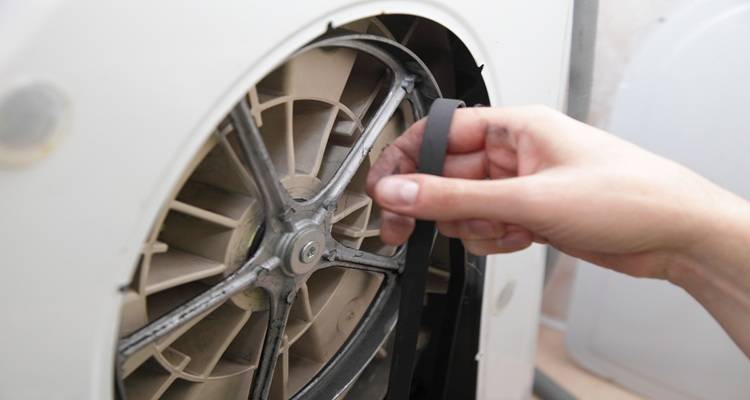
Washing machine repairs can be broken down into 4 common types, which are:
Mechanical Repairs
Mechanical repairs include issues such as broken drum bearings and door switch failures. These types of repairs commonly cost between £50 and £200 to repair and take between 1 and 3 hours to complete.
Pros
- ✔ Normally increases your washing machine's lifespan.
- ✔ Worth doing if the machine is under 8 years old.
Cons
- ✖ Labour costs can be expensive.
Electrical Repairs
Electrical repairs include motor replacement, which might be needed if the washing machine isn't spinning. These types of repairs involving circuit board or other key components tend to cost more because parts are expensive. You can expect to pay between £220 and £400 for a repair, which will take, on average, around 2 to 3 hours to complete.
Pros
- ✔ Returns the machine to optimum efficiency.
- ✔ The repair will likely stop any further, more serious damage.
Cons
- ✖ Needs specialist repair, not a DIY repair.
Plumbing Repairs
Plumbing-related problems with a washing machine are often drainage issues or hose-related. Repairs are usually between £50 and £100, and many issues can be solved in 1 to 2 hours.
Pros
- ✔ Improves washing machine efficiency
- ✔ Affordable repair
Cons
- ✖ Repair best carried out by a professional due to a washing machine's combination of water and electricity.
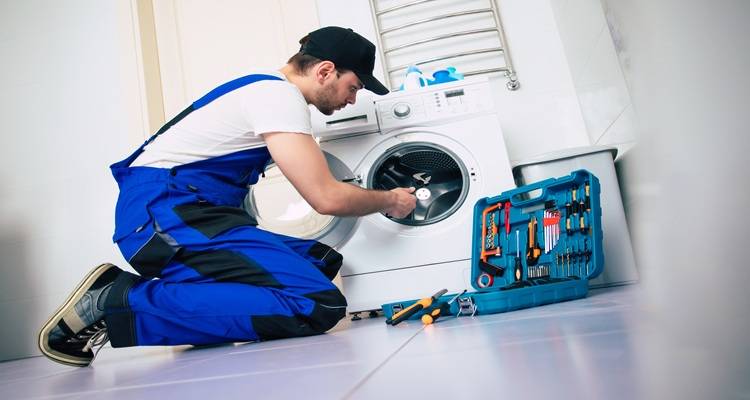
Sensory and Control Board Repairs
Electronic sensors and control boards are important components in modern washing machines. They control almost every function, and sometimes a sensor or control board fault can mean the machine stops working completely. The cost to replace sensors or a control board is, on average, between £150 and £290.
Pros
- ✔ May resolve more than one problem.
- ✔ Restores energy efficiency.
Cons
- ✖ May not be a cost-effective repair if your machine is between 8 and 10 years of age.
Alternative Washing Machine Solutions
Replacing the Washing Machine
If your washing machine is more than 8 years old and has already had one or more repairs, then it might be time to think about a replacement. You can pay between £200 and £2,250 for a new machine, depending on the brand. Average prices range from £200 to £300.
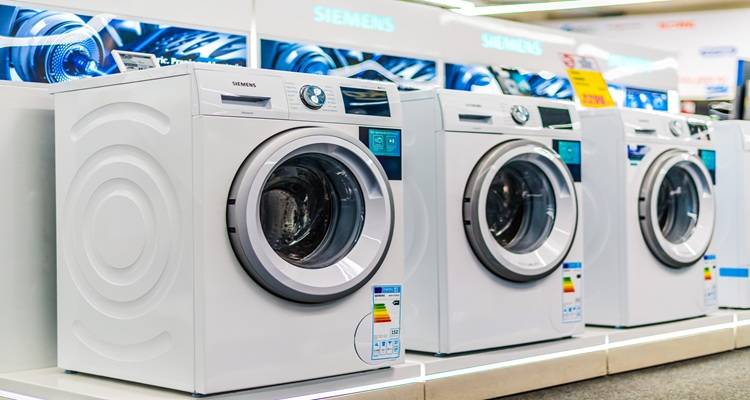
One benefit of a newer machine is lower running costs. A newer model may use less electricity and water. The Energy Saving Trust recommends using a machine with a high energy rating. A is the highest and G is the lowest.
Buying a Refurbished Model
Buying a refurbished model might allow you to buy a better-quality brand or a machine that was bought new, but isn't within your budget. Always buy a refurbished model from a trusted retailer who will confirm the machine has been fully tested and offer a guarantee or warranty.
Attempting DIY Before Calling in a Professional
A common problem with a washing machine is a failure to drain. DIY fixes should include checking that the hose isn't twisted or blocked, or that something in the filter is causing a blockage.
Another check you can do before calling out a technician is to see if the switch mechanism inside the door is damaged or broken. If it is broken, you will need to call a technician to replace it.
Maintenance Services to Extend the Washing Machine's Lifespan
Regular maintenance will always help to extend the lifespan of a domestic appliance, and washing machines are no exception. When you buy a new machine, you might be offered a warranty, which is normally added to the total cost of the washing machine.
You can also take out a warranty yourself through retailers or specialist companies. The annual cost of the warranty can be paid in full or over a 12-month period as a monthly payment. The average cost of a warranty for a washing machine is between £6 and £8 a month.
Checklist: Hiring a Washing Machine Repair Technician
Before hiring a washing machine repair technician, check the following:
- Do they repair washing machines regularly? Choose someone with experience fixing leaks, drainage issues, motor faults, and control board problems.
- Do they work with your brand? Some brands need specific parts, tools or approved repairs.
- Is there a call-out fee? Ask whether this is included or charged separately.
- Will they give a written quote? It should include labour, parts, VAT, and any extra fees.
- What parts will they use? OEM parts may be needed if the machine is under warranty.
- Is the repair guaranteed? Check how long parts and labour are covered.
- Are they insured? Public liability insurance protects you if damage occurs.
- Do they have recent reviews? Reviews can show reliability, punctuality and clear pricing.
Removing Washing Machines: Considerations and Costs
If your old machine can't be repaired, then it is going to have to be removed and disposed of, which might involve extra costs. Here are some of the factors you need to consider for a washing machine removal and disposal:
Disconnection: If you can disconnect the machine yourself, then it won't cost you any money at all.
- You'll need to turn off the electricity and the water supply.
- Move the machine so that you can access the hose.
- Lay towels on the floor and use a bucket for any escaping water.
- Unscrew the cold-water inlet pipe.
- Remove the hose from the washing machine along with the wastewater hose.
If you need a professional to do the job, a handyperson will be able to help you. A handyperson, on average, charges between £20 and £30 an hour.
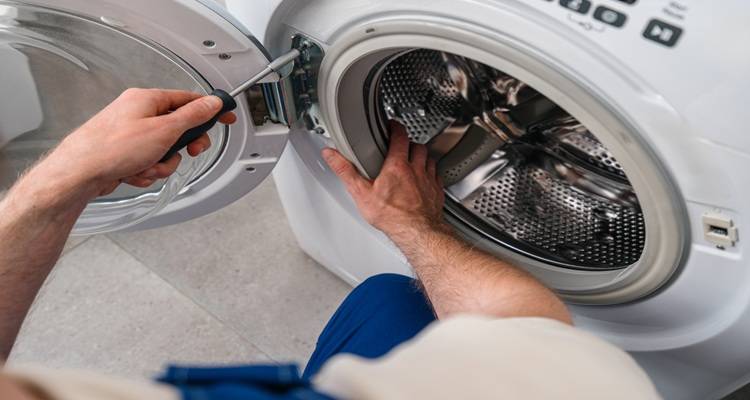
Disposal: The old washing machine must go to someone who is legally allowed to take it. That means you can either use:
- A High Street Store — Retailers selling you a new washing machine must also offer you a way to get rid of your old one. A shop with its own take-back service must accept the old machine back for free, but they may charge around £20 to £25 to collect it from your home.
- A Private Company — Check that the company is on the upper tier of the register of waste carriers. Private collection usually costs between £25 and £50.
- Council Bulky Waste Collection — Some councils collect washing machines for free, but many charge around £25 to £40.
- Recycling Centre Drop-Off — You may be able to take the appliance to a recycling centre yourself. Check whether you need a van permit first.
- Charity Donation — If the machine still works, a charity may accept it and collect it from your home.
FAQs
Can I Repair a Washing Machine Myself?
You can check simple issues yourself, such as a blocked filter, kinked hose or overloaded drum. Repairs involving electrics, water pipes or internal parts should usually be handled by a professional.
What Is the Most Common Fault in a Washing Machine?
Common washing machine faults include not draining, not spinning, leaking water and making strange noises. These faults may be caused by blocked hoses, worn seals, faulty pumps, damaged bearings or control board problems.
Do Washing Machine Repairs Come with a Warranty?
Many repair technicians offer a warranty or guarantee on parts and labour. Ask how long the repair is covered for before agreeing to the work.
How Long Does a Washing Machine Repair Take?
Most washing machine repairs take between 1 and 3 hours. Integrated machines, complex faults and repairs that need extra testing may take longer.
Do Washing Machine Repair Technicians Charge a Call-Out Fee?
Many technicians charge a call-out fee, diagnostic fee or both. Ask whether this is included in the final repair price or charged separately.
Are Washing Machine Parts Included in the Repair Cost?
Parts are often included in fixed repair quotes, but not always. Check whether the quote includes labour, parts, call-out fees, and VAT.
Do Building Regulations Apply to Washing Machine Repairs?
Most washing machine repairs don't involve building regulations. However, if the repair needs plumbing work, such as a new pipe to be laid, or changes to fixed wiring, the work should be completed by a suitably qualified professional.
Does It Cost More to Repair an Integrated Washing Machine?
Integrated washing machines can cost more to repair because the technician may need extra time to remove the machine from the unit and refit it afterwards.
Is Emergency Washing Machine Repair More Expensive?
Emergency, evening and weekend repairs usually cost more than standard appointments. You may pay a higher call-out fee, a higher hourly rate or an extra fixed charge.