Builders
 Carpenters
 Electricians
 Flooring Specialists
 Gardeners
 Handymen
 Heating Engineers
 Painters & Decorators
 Plasterers & Renderers
 Plumbers
 Roofers
 Tilers
 my
myConservatory Roof Insulation Cost
At a Glance
- The average cost of conservatory roof insulation is £2,850 in the UK.
- It typically takes between 1 and 3 days to insulate a conservatory roof.
- A breakdown of conservatory roof insulation costs in 2026, including plaster, uPVC, and aluminium insulation materials.
- What impacts the conservatory insulation prices you're quoted by installers, expert advice from tradespeople on MyJobQuote, and an overview of the installation process.
- How to find and hire a thermal insulation installer near you with MyJobQuote.
Get free estimates
Are you a trade? Get more work today!
£2,850
Table of Contents
- How Much Does an Insulated Conservatory Roof Cost?
- Cost of Conservatory Roof Insulation Materials
- Cost of Conservatory Roof Insulation Labour
- Should You Insulate Your Conservatory Roof or Replace It?
- Can I Insulate My Conservatory Roof?
- What Impacts Conservatory Roof Insulation Costs?
- Types of Conservatory Roof Insulation
- Benefits of Insulating a Conservatory Roof
- What's Involved in Insulating a Conservatory Roof?
- Checklist: Hiring Contractors to Insulate a Conservatory
- FAQs
How Much Does an Insulated Conservatory Roof Cost?
In most conservatories, the internal conservatory roof insulation panels are constructed of several layers of high-quality polished reflective film and thermal webbing.
This insulation tucks between the ceiling beams neatly. It is then coated with either a uPVC finish or plaster finish, which conceals the insulation and improves the aesthetic appearance of the roof.
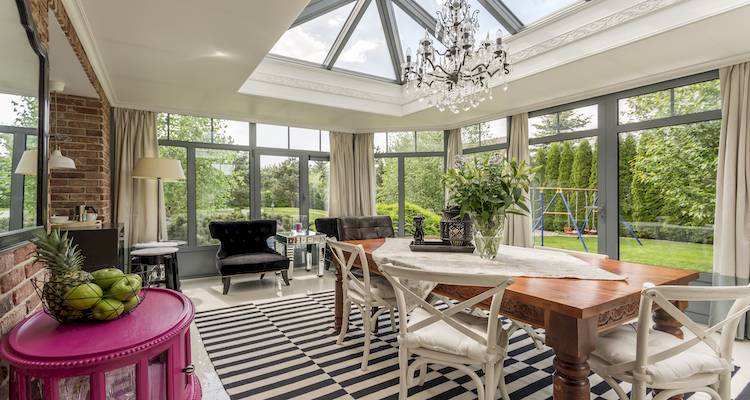
The average conservatory roof insulation cost is around £2,850. The exact price you're quoted by tradespeople will depend on the size and style of your conservatory roof.
The price quoted will include all of the costs, including labour costs, material costs, and decorating costs if needed.
What is your main reason for insulating your conservatory roof?
To reduce energy bills and heating costs
4 votes - 22%22% of votes
Improve home-comforts (temperature control, soundproofing etc)
12 votes - 67%67% of votes
Enhance the appearance of your property
0 votes - 0%0% of votes
Increase property value
2 votes - 11%11% of votes

18 votes
See results
Hide results
There are several different types of insulation for a conservatory. Each of these different types comes with various price points. While insulating a conservatory isn't cheap, it is worth it in the long run as it can reduce your energy costs and prevent heat from escaping.
My conservatory is in good condition, but looks a bit dated. Are there any changes I can make to modernise it?
"Conservatory roof upgrades are a common upgrade now and can help with insulation. Warm in winter and cool in summer."
Conservatory Roof Insulation Prices
The table below shows the average prices for various conservatory roof insulation projects to give you a clearer idea of overall costs, combining both materials and labour.
| Conservatory Size | Plastered Insulation | uPVC Insulation | Aluminium Panel Insulation |
|---|---|---|---|
| 3m x 2m | £1,100–£1,650 | £975–£1,200 | £800–£1,100 |
| 3m x 3m | £2,200–£2,750 | £1,200–£1,450 | £1,050–£1,200 |
| 4m x 4m | £3,250–£4,100 | £2,150–£3,400 | £2,100–£2,850 |
| 6m x 4m | £5,000–£5,400 | £3,400–£3,950 | £2,900–£3,200 |
| 8m x 6m | £6,500–£7,500 | £4,000–£5,300 | £3,850–£4,200 |
Want a custom price?
Post your job
Conservatory Roof Insulation Cost per m²
The table below shows typical costs per m² for each insulation type, including both materials and labour:
| Insulation Type | Cost per m² |
|---|---|
| Plastered Insulation | £145–£275 |
| uPVC Insulation | £95–£180 |
| Aluminium Panel Insulation | £85–£160 |
Want a custom price?
Post your job
Cost of Conservatory Roof Insulation Materials
If you plan to tackle conservatory roof insulation as a DIY project, the figures below give a good idea of what to budget for materials alone. Even if you're hiring a professional, understanding material costs helps you see how the overall quote breaks down.
In 2026, materials typically make up around 25% to 35% of the total installed cost. As a general guide, expect to pay around £20 to £50 per m² for materials depending on the insulation method and finish quality, with larger roofs usually working out cheaper per m² due to economies of scale.
The table below shows estimated total material costs for common conservatory sizes:
| Conservatory Size | Estimated Total Material Cost |
|---|---|
| Small (3m × 3m) | £180–£450 |
| Medium (4m × 4m) | £320–£800 |
| Large (5m × 5m) | £500–£1,000 |
Want a custom price?
Post your job
These figures cover the main components such as insulation panels or multifoil rolls, timber battens, plasterboard, tape, and finishing products. Costs can increase for premium materials, thicker insulation, or higher-end finishes, and delivery fees may also apply.
For context, materials for a medium-sized conservatory may total £320 to £800, but once labour is factored in, the full installed price often reaches £2,000 to £3,000. Labour costs are covered in more detail in the next section.
Cost of Conservatory Roof Insulation Labour
Labour typically makes up around 65% to 75% of the total project cost. For most conservatory insulation jobs, at least 2 tradespeople will be on site for efficiency and safety, at a combined rate of around £325 to £550 per day.
The table below gives an indication of likely labour-only costs based on conservatory size and job duration:
| Conservatory Size | Estimated Duration | Estimated Labour Cost |
|---|---|---|
| Small (3m × 3m) | 1 day | £325–£550 |
| Medium (4m × 4m) | 1 to 2 days | £325–£1,100 |
| Large (6m × 4m) | 2 to 3 days | £650–£1,650 |
| Extra Large (8m × 6m) | 3+ days | £975–£1,650+ |
Want a custom price?
Post your job
These figures cover labour only and do not include materials. A small lean-to conservatory will typically take around 1 day to complete, while a large Victorian conservatory can take 3 days or more.
For full installed costs combining both labour and materials, refer to the pricing table at the top of this guide.
Ask a Trade
Got a question that only a tradesperson can answer? We have thousands of trades ready to answer any question you may have.
Ask your question

Should You Insulate Your Conservatory Roof or Replace It?
Before committing to insulation, it's worth considering whether insulating your existing roof is the right solution, or whether a full conservatory roof replacement would serve you better in the long run.
Internal insulation is typically the more affordable and less disruptive option, but it won't suit every conservatory. Here's a quick guide to help you decide.
When Insulation Is the Better Choice
- Your conservatory roof is structurally sound and in good condition.
- You want to improve comfort without a major renovation.
- You're working with a tighter budget and want a quicker turnaround.
- Your conservatory is relatively new or mid-life with years of use left.
- You want minimal disruption — most insulation jobs complete in 1 to 2 days.
When Roof Replacement Is the Better Choice
- Your existing roof is leaking, damaged, or nearing the end of its lifespan.
- You want the best possible thermal performance year-round.
- You're considering upgrading to a tiled conservatory roof for a more permanent, home-like finish.
- The existing polycarbonate or glass panels are discoloured, cracked, or letting in draughts.
- You want to add significant value to your home.
If you're unsure which route is right for you, getting quotes for both options from a specialist is the best way to compare costs and outcomes side by side.
Can I Insulate My Conservatory Roof?
Most conservatory roofs can be insulated, but the right approach depends on the type of roof you have. Some materials are well suited to internal insulation panels, while others may need a different solution.
Roof Types and Suitability
- Polycarbonate Roofs — the most common type and well suited to internal insulation panels. Fitting insulation beneath a polycarbonate roof is straightforward and usually cost-effective.
- Glass Roofs — standard insulation panels are not suitable for glass conservatory roofs, as they would block natural light. A solar reflective film is often the recommended alternative, helping to reduce heat gain in summer.
- Solid or Tiled Roofs — these are already better insulated than polycarbonate or glass, but may still benefit from additional internal insulation depending on their age and construction.
- Ageing or Damaged Roofs — if your roof is leaking or structurally compromised, insulation alone won't solve the problem. In these cases, a full roof replacement is usually the recommended first step.
If you're unsure whether your roof type is suitable for insulation, a specialist can assess the structure and recommend the most appropriate option before any work begins.
What Impacts Conservatory Roof Insulation Costs?
Several factors can affect the final price you're quoted for conservatory roof insulation. The most common ones to consider when budgeting are:
- Type of Insulation — plastered finishes cost more than uPVC or aluminium panels, both in materials and installation time. See the types section below for a full breakdown.
- Conservatory Size — larger roofs require more materials and more labour time, increasing overall costs.
- Roof Type — polycarbonate, glass, and tiled roofs each have different structural requirements, which can affect how the insulation is fitted and what it costs.
- Condition of the Existing Roof — older or damaged conservatories may need reinforcement or repairs before insulation can be installed safely.
- Ventilation Requirements — breathable membranes and adequate ventilation must be installed to prevent condensation and moisture build-up, which can add to the overall cost.
- Access to the Property — difficult or restricted access can increase labour time and therefore costs.
- Location in the UK — labour rates vary across the country. Those in and around London can typically expect to pay more than those based in the north or other regions.
- Additional Work — electrical adjustments for overhead lighting, waste removal, or structural repairs will all add to the final bill.
Is it possible to put a tiled or solid roof on my uPVC conservatory?
"You can put a lightweight insulated roof on it, but not concrete tiles, as they are too heavy."
Types of Conservatory Roof Insulation
There are 3 main types of conservatory roof insulation. Each comes with different costs, thermal performance levels, and finishes. Costs per m² for each type are shown in the pricing section above.
- Plastered Insulation — best all-rounder for thermal efficiency and interior finish.
- uPVC Panels — a cost-effective option with a clean, modern look.
- Aluminium Panels — lightweight and reflective, particularly effective at reducing summer heat.
Plastered Conservatory Roof Insulation
This option uses foil-backed insulation boards with a plaster finish. It provides excellent thermal performance, retaining warmth in winter and keeping the space comfortable in summer. The plastered ceiling creates a smooth, integrated look that makes the conservatory feel like part of the main home. Despite the added boards and plaster, there is minimal loss of ceiling height.
Pros
- ✔ Durable and long-lasting.
- ✔ Excellent thermal efficiency.
- ✔ Creates a fully integrated interior.
Cons
- ✖ Higher cost than other options.
- ✖ More complex to install.
- ✖ Usually requires professional fitting.
uPVC Conservatory Roof Insulation
uPVC panels are fitted to the interior of the roof structure. They help regulate the ambient temperature year-round, improve soundproofing, and maintain a bright, modern appearance. Installation is relatively quick, making this one of the most cost-effective options.
Pros
- ✔ Good temperature control.
- ✔ Easy to install and maintain.
- ✔ Clean, modern appearance.
Cons
- ✖ Less durable than plastered finishes.
- ✖ Limited design options.
- ✖ May discolour or warp over time.
Aluminium Panel Conservatory Roof Insulation
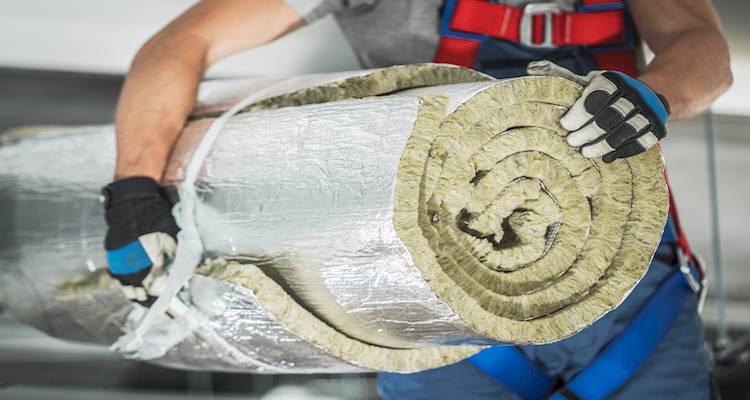
Aluminium insulation boards are lightweight, reflective, and quick to install. They are particularly effective at reducing solar gain, keeping the conservatory ceiling cooler in summer. For best results, they're often paired with a plastered finish inside to improve aesthetics and winter performance.
Pros
- ✔ Low-cost installation
- ✔ Lightweight and durable
- ✔ Quick to fit
Cons
- ✖ Less effective at retaining heat in winter.
- ✖ Less attractive without additional finishing.
- ✖ May need to be paired with other insulation for best results.
Ours is freezing in winter and boiling in summer. What are the best options we have if we go ahead with replacing it with something new?
"There's a few options you can either insulate and use cladding inside the existing roof or go with a complete new roof it can be converted to a felt roof or tiles/slate roof once insulated will be warmer in winter and prevent the direct sunlight beaming through in the summer"
Benefits of Insulating a Conservatory Roof
Most homeowners insulate their conservatory roof for one simple reason. Without it, the space is unusable for much of the year. A glass or polycarbonate roof allows heat to escape in winter and turns the room into a greenhouse in summer. Insulation fixes this problem, making the space genuinely practical.
The main benefits include:
- Year-Round Usability — without insulation, many conservatories sit empty for two-thirds of the year. Insulating your conservatory roof keeps it warm in winter and cool in summer, so you can comfortably use the space year-round.
- Lower Energy Bills — reducing heat loss in winter can help with reducing energy bills. This works in the same way as loft insulation, improving overall home efficiency.
- Improved Comfort — insulation helps block excess solar gain in summer, keeping the room cooler and preventing that "stifling" effect under the glass.
- Noise Reduction — insulated ceilings reduce outside noise, which is especially useful if the conservatory faces a road or busy garden area.
- Condensation Control — stable internal temperatures help with temperature regulation, reducing condensation, damp and mould, and protecting furniture and fittings.
- Enhanced Aesthetics — modern insulated panels give the ceiling a plastered finish, making the conservatory feel more like an extension of the main home.
- Added Property Value — a year-round usable conservatory is more attractive to buyers, boosting your home's market appeal.
Many households find that it's worth the investment, not only through lower bills, but by transforming an underused conservatory into valuable living space.
I'm thinking of getting a conservatory but I'm worried that it will have a negative impact on our home's energy efficiency. Are some conservatories more thermally efficient than others? What should I look for?
"Hi there, only a conservatories will have proper thermal efficiency is with a solid roof installed with insulation"
What's Involved in Insulating a Conservatory Roof?
If you are planning on having conservatory roof insulation, then you may be interested in learning the steps involved.
In most cases, people prefer to leave this type of work to the professionals. By doing so, you'll ensure that the work is completed correctly and safely. This will also ensure no damage is done to your existing conservatory roof or structure.
With MyJobQuote, you can request several quotes from local conservatory roof insulation installers. It's fast, free, and there is no obligation to go ahead.
Below is an overview of the steps that are taken when installing conservatory roof insulation:
Before the Job Starts
- Conservatory Roof Inspection — The installer will inspect your current conservatory roof and advise on the best type of insulation for your particular conservatory.
- Sourcing Materials — The installer will then gather the materials needed to install your insulation before the agreed date of the work.
During the Job
- Installing the Conservatory Roof Insulation — On the insulation day, the contractors will install fire-retardant insulation that covers the roof structure. All electrical wiring that is required to power the overhead lighting is also fixed into position during this stage.
- Fitting the External Conservatory Roof — An external water-tight roof layer will then be added to the aluminium subframe, and the installers will put your external roof in place.
- Completing the Internal Conservatory Roof — Your installers will then complete your internal roof to the highest standard possible and create a beautiful ceiling which can be decorated or painted as you want.
After the Job
- Final Checks — Finally, the installers will check over everything to ensure it is of the highest standard, and they will check with you to ensure you're happy with the final result.
How do you make sure that a conservatory doesn't get too hot or cold?
"You can now fit an insulated tiled roof to a conservatory, with the option to include Velux or glass panels if additional light is required. We manufacture and install a system specifically designed to reduce heat in the summer, and retain warmth in the winter."
Checklist: Hiring Contractors to Insulate a Conservatory
Once you know that you want to have insulation installed in your conservatory, it's time to find the right contractor for the project. So, how exactly do you find a good contractor for conservatory roof insulation?
Below is a list of the questions that you should consider asking when finding the right insulation specialist for the job.
- Qualifications and Experience – does the contractor have relevant training and a track record in conservatory insulation? Can they provide photos or testimonials from past work?
- Insurance Cover – do they carry insurance for property damage and personal injury, and is their work guaranteed?
- Guarantees – what does the guarantee include, and how long does it last?
- Timescale and Team – how long will the work take, and how many tradespeople will be on site?
- Recommended Approach – which insulation method do they suggest for your conservatory, and are you happy with that option?
- Preparation and Waste – do you need to prepare the space beforehand, and will the contractor remove waste materials after the job?
FAQs
How Much Can Conservatory Roof Insulation Save on Bills?
Insulating a conservatory roof can help to cut heat loss through the roof. In practice, this can help to reduce the cost of heating your conservatory in winter, depending on conservatory size, insulation type, and how often the space is used. Actual savings vary by property and energy tariffs, but over time the reduction in heating costs helps offset the upfront installation price.
Are There Any Grants to Help with Conservatory Roof Insulation Costs?
There is currently no funding available to UK residents to help with conservatory roof insulation costs.
The latest iteration of the Energy Company Obligation (ECO) only helps eligible tenants and homeowners in Great Britain access funding to help with essential upgrades (e.g., loft insulation, boiler replacement) that improve energy efficiency and lower heating costs.
What if My Conservatory Roof Is Made from Glass?
If you have a glass conservatory roof, ordinary roof insulation would not be an appropriate option. A good alternative, in this case, would be a solar reflective film. This type of insulation reflects some of the solar energy from the sun so that your conservatory remains at a cooler and more comfortable temperature.
Can I Install a Proper Roof on My Conservatory?
It is possible to install a solid roof on your conservatory, but swapping a glazed roof for a solid one will need building control approval before making any changes. This type of roof can improve the energy efficiency of the room, which can help it remain warm in the winter months and cool in the summer months. This means that you can enjoy your conservatory space all throughout the year.
How Long Does Conservatory Roof Insulation Last?
Most modern conservatory roof insulation systems come with guarantees, but these will vary by supplier. The actual lifespan will depend on the materials used, installation quality, and exposure to weather, but in many cases insulation will remain effective for the lifetime of the conservatory roof.
Can I Install Conservatory Roof Insulation Myself?
If you have a lot of knowledge in the area of installing conservatory roof insulation, then you may be able to complete this project yourself. However, it can be quite labour-intensive and requires skill, so it is always recommended to hire a professional.
Will Conservatory Roof Insulation Reduce Rain Noise?
Conservatory roof insulation significantly reduces rain noise. An insulated roof adds multiple layers between the exterior and your conservatory ceiling, helping to absorb rain noise, rather than let it resonate through. Most homeowners notice a dramatic reduction in rain noise after installation, making the space far more usable during wet weather.
Will Conservatory Roof Insulation Affect Natural Light?
Internal roof insulation panels are fitted to the underside of the roof structure, but these will block light coming through your glass or polycarbonate roof. The best way to preserve the natural light in your conservatory would be to install roof lights or retained glass panels.
What Is Multifoil Conservatory Roof Insulation?
Multifoil insulation is an insulation material made up of multiple layers of reflective foil and wadding. It works by reflecting heat back into the room in winter and deflecting it away in summer, making it one of the most energy efficient options for conservatory roof insulation.
Do I Need Planning Permission to Insulate My Conservatory Roof?
Any work on the inside of your home, such as installing roof insulation, will not need planning permission, but if your property is a listed building you will need listed building consent to make any changes. If you're unsure what restrictions might apply, check with your local planning authority.
Building regulations approval is typically required if you're replacing the conservatory roof entirely with a solid structure. If you're unsure, your local authority can confirm what's needed before work begins.