Builders
 Carpenters
 Electricians
 Flooring Specialists
 Gardeners
 Handymen
 Heating Engineers
 Painters & Decorators
 Plasterers & Renderers
 Plumbers
 Roofers
 Tilers
 my
myLead Paint Removal Cost
At a Glance
- The average cost to remove lead paint is between £70 and £770, depending on wall size.
- It will take about 3 hours for one small room, but for larger projects, 1 to 2 weeks.
- A breakdown of the pricing details.
- How long the work is likely to take.
- Regulations relating to the use and removal of lead paint.
Get free estimates
Are you a trade? Get more work today!
Discovering that your home has lead paint is never welcome news, and figuring out how to remove it safely can be a time-consuming, worrying task.
Lead paint is most prevalent in UK homes built before the early 1980s, when it was still used for its durable and moisture-resistant properties. However, owing to its toxic properties, the sale and use of paint containing lead carbonates or lead sulphates has been banned since 1992.
Exposure to lead paint can result in physical symptoms, especially concerning for children and pregnant women. If lead paint exposure is continued and uncontrolled over a long period, it can lead to kidney, nerve, and even brain damage.
Lead paint in good condition can actually be left and painted over. However, if it is flaking or chipping off, or producing dust, it must be removed safely and professionally to eliminate toxic hazards.
In this article, we'll discuss lead paint removal and the average cost to help you budget effectively if you suspect your home has the substance present and, crucially, what to do about it.
£420
Table of Contents
- How Much Does Lead Paint Removal Cost?
- Supply Cost to Remove Lead Paint
- Labour Cost of Lead Paint Removal & Timescales
- Factors That Impact Lead Paint Removal Costs
- Regulations Related to Lead Paint Removal
- Types of Lead Paint Removal Methods
- Alternative Types of Paint Removal
- Removing Lead Paint Yourself: Considerations and Costs
- Checklist: Getting Lead Paint Removed from Your Home
- FAQs
How Much Does Lead Paint Removal Cost?
Lead removal costs anywhere from £70 to £770. The prices you're quoted will depend on your chosen removal method, the condition of the existing lead paint, and the size of the affected area.
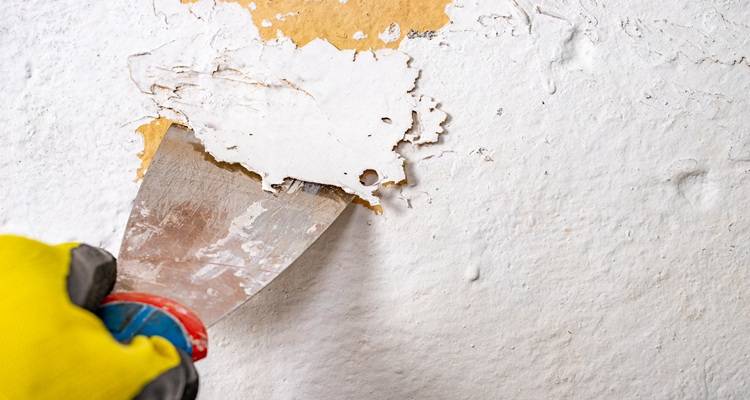
On average, lead paint removal costs between £6.30 and £11.80 per square foot of affected wall. If you opt for sealing instead of lead paint removal, a process where the original lead paint is temporarily 'sealed' in with encapsulation paint (epoxy, polymer or cement-type materials), this will commonly cost around £230.
This is not a DIY job. We always recommend hiring specialised contractors for this task due to the toxic nature of lead dust and the associated health risks, which outweigh potential cost savings of doing the job yourself.
Submit some basic details about your job on MyJobQuote and we'll connect you with local tradesmen who'll give you free, no-obligation quotes.
Lead Paint Removal Prices
Let's take a closer look at the general cost of lead paint removal to help you budget for your project.
| Activity | Estimated Cost |
|---|---|
| Lead paint removal per square foot | £6.30–£11.80 |
| Lead paint removal (including an X-ray of the wall to determine lead content, creation of a lead removal report, and recommendation of removal) | £420 |
| Lead paint encapsulation (including an x-ray of the wall to determine lead content, creation of a lead removal report, and recommendation of encapsulation/sealing) | £230 |
Want a custom price?
Post your job
Lead paint removal will always be more expensive than lead paint sealing, as the former process is longer, more complete, and carries higher risks for professionals.
Supply Cost to Remove Lead Paint
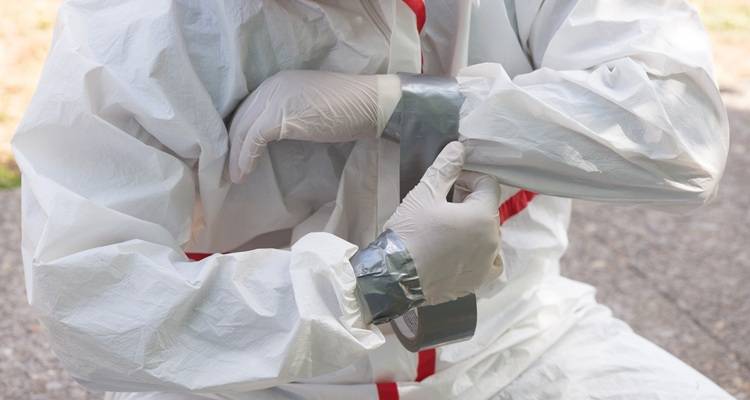
When it comes to removing your home's lead paint, your contractor will typically need the following supplies to do so safely and effectively, depending on their removal method:
| Item | Avg. Price |
|---|---|
| Lead paint test kit | £17 |
| Chemical paint stripper | £20–£25 per tub |
| HEPA filter vacuum | £100–£300+ |
| Protective gear | £50+ |
| Disposal of waste | Varies according to local area |
Want a custom price?
Post your job
As the table shows, there are some major variables. For instance, while you may already have some protective equipment, paying for a respirator, overalls, gloves, safety goggles, and a decent hair covering could add up to a high initial outlay.
Labour Cost of Lead Paint Removal & Timescales
Labour costs will be added to your base fees for lead paint removal. Depending on your contractor's skill and expertise, these will often range from £20 to £40 per hour.
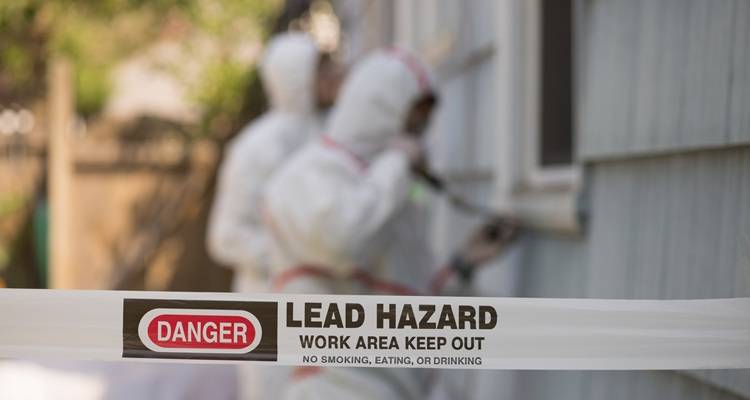
Timescales for lead paint removal vary greatly depending on the size of your project. If you have a four-bedroom detached home with lead paint throughout the interior, your project will take longer than someone in a one-bedroom flat with just a lead-painted bathroom to tackle.
While some projects can take 1 to 3 days to fix, others can take 1 to 2 weeks. The removal method and the condition of the walls will determine the timescale of the project. The more damaged they are, the more complex the encapsulation will be, and the removal process will last longer as a result.
Factors That Impact Lead Paint Removal Costs
The cost range involved in lead paint removal is directly related to several determining factors:
Condition of the Paint
The condition of your lead paint will determine the price you pay for its removal. If you have several layers of paint, it'll take longer to remove, while deteriorated paint will also cost more, as the removal time will be lengthened due to the enhanced safety precautions that need to be considered.
Removal Method
Some lead paint removal methods are faster than others. Chemical stripping is cheaper but slower, while abrasive blasting is faster but more expensive, and some carry higher risks than others, which also plays into their final fee.
Area Size
As with all projects, the more space, the higher the cost, and vice versa. If you have a significant number of affected rooms with large square footage, you can expect to pay more for the service.
Complexity
Ease of access is another factor to consider, with additional scaffold hire adding to your project's overall cost. Hard-to-reach areas may require more labour or people, further increasing your costs.
Scaffolding Hire
If accessibility is an issue, you may need to hire scaffolding to access hard-to-reach areas. Scaffolding typically costs £4,500 to cover the front of the house, depending on your hire length.
Safety Measures
Professional containment setups can add to the expense of your project, but they are non-negotiable owing to the hazardous nature of lead paint removal. They shouldn't ever be skipped to trim down costs, as doing so will have harmful health impacts both in the short- and long-term.
Making Good
Following lead paint removal, you'll likely want to improve the surface left behind! You should factor in the cost of plastering and the cost of re-painting to help calculate your final budget.
Regulations Related to Lead Paint Removal
While lead paint was used liberally pre-early 1980s in the UK, since 1992, it has not been used in new build constructions.
This is owing to The Environmental Protection (Controls on Injurious Substances) Regulations 1992, which banned the sale and use of paints containing lead sulphates and lead carbonates (except for the maintenance and restoration of fine and decorative works of art and historic buildings), with the same ban now part of the REACH chemical rules.
Since 1992, further legislation has come into play to ensure the safety of lead paint. The Control of Lead at Work Regulations 2002 applies to employers and self-employed individuals working with lead.
These regulations require a written risk assessment before any work begins, the control of lead dust and fumes, as well as the provision of the appropriate clothing, respiratory equipment, and blood-lead monitoring where necessary, to help ensure the safe handling of lead paint.
As is well documented, lead paint can cause significant problems in children and pregnant women, so handling the substance, whether in paint flakes, dust clouds, or otherwise, should be done with the utmost care and attention. Illegal disposal, such as dumping, fly-tipping, or burning, can cause further health-related and environmental issues.
When lead paint removal is in progress, your contractor has a legal duty to ensure that the following safety steps are adhered to:
- Anyone not involved in the removal should leave the property/building during the process.
- No eating, drinking or smoking in the area.
- Any soft furnishings should be removed or covered fully to avoid contamination of lead particles.
- Personal protective equipment (PPE) must be worn at all times during the removal process.
Types of Lead Paint Removal Methods
Let's take a look at the most common lead paint removal methods:
Chemical Stripping
This is a slower, safer method that produces minimal dust. Some available paint stripping products advertise that they'll permanently render heavy metals non-hazardous for disposal, as they chemically contain lead and other heavy metals to allow it to be disposed of as non-hazardous waste.
Abrasive Blasting
This method is less safe than chemical stripping as it creates dust clouds which contain toxic lead particles, meaning the process requires containment.
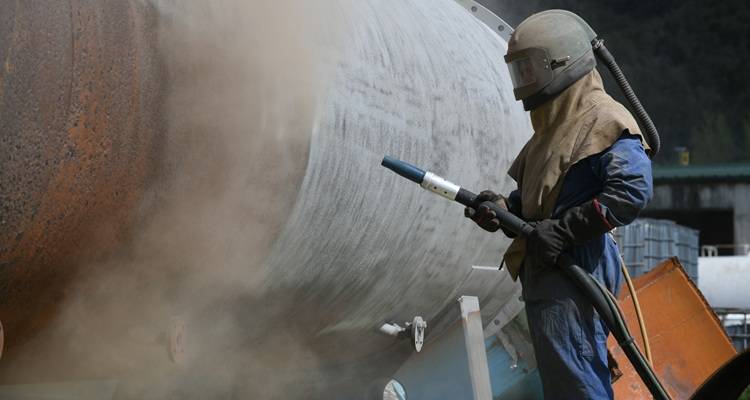
Any escaping lead paint particles can cause a range of issues, from:
- Lead poisoning.
- Lung disorders.
- Nervous system damage.
- Ongoing exposure for those inhaling the air post-removal.
An alternative blasting method is soda blasting. This service offers dust-free blasting, or vacuum blasting, which collects waste lead materials inside machinery during removal, mitigating some of the risks.
Heat Removal
This lead paint removal method involves using heat guns or infrared equipment (blow lamps and gas torches are strictly forbidden) to soften the paint before removing with a scraper. It's a relatively slow process and equipment needs to be kept below 500°C as overheating the paint risks creating toxic fumes.
Encapsulation
In scenarios where the lead paint is considered stable, you may be able to opt for a non-removal method. In this method, the lead paint is sealed in place via encapsulation, providing a temporary, low-cost solution.
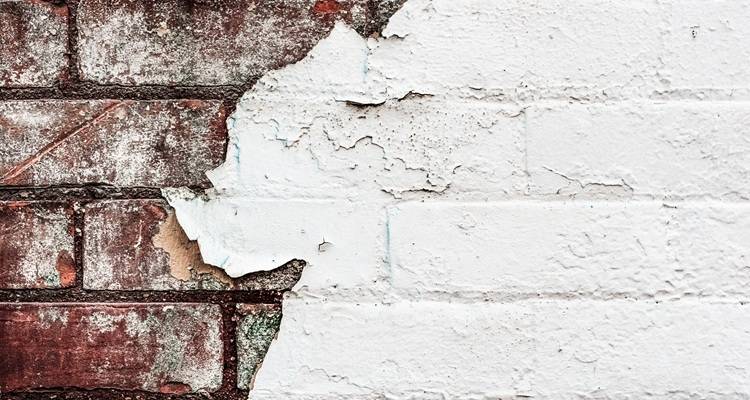
In these cases, the lead paint isn't removed but covered with epoxy, polymer, or cement-type materials to "lock" the paint in place, allowing you to paint over the new surface.
As the risks of lead paint are so high, it's important to have a professional contractor advise you on your possible options. Check your contractor's experience of lead paint removal, and ask for a risk assessment of your situation so you can understand their dust-control measures and be confident everything will be completed as safely and responsibly as possible.
Alternative Types of Paint Removal
If you have carried out a lead paint test that has come back negative, you won't need to go to such extremes to remove your existing paint. Painted non-lead surfaces can be removed via alternative methods, such as eco-friendly paint strippers, steam-based removal, or even sanding.
- Eco-friendly paint strippers are good alternatives. They are usually low-odour and water-based yet still effective. Tubs cost around £25.
- Steam-based paint removal uses pressurised steam to break down and soften existing paint, making it easier to scrape away. Unlike sandblasting, steam is a gentle option for walls and can be used externally, too, but you may need to hire a professional kit to get the job done.
- Sanding is another option for non-lead paint surfaces, but it is less effective than paint strippers and will not remove thick layers of paint as effectively. Sanders start at around £22.
It's important to remember that these methods are suitable for non-lead paint only. Lead paint that's flaking, chipping, or producing dust needs to be removed carefully and responsibly with the appropriate PPE and dust control to ensure debris doesn't contaminate your home and cause health risks.
Ask a Trade
Got a question that only a tradesperson can answer? We have thousands of trades ready to answer any question you may have.
Ask your question

Removing Lead Paint Yourself: Considerations and Costs
Removing lead paint is not recommended as a DIY project. This is because it poses health risks to both you as the remover and those in your household.
Lead paint particles can be especially harmful to children and pregnant women, and even once the paint has been removed, any leftover residue or dust can still cause harm.

If you are considering DIY removal and are well-versed in the task, be sure to wear the correct PPE, as this will help to protect you from the toxic substance.
You must also remember to contain dust with a HEPA filter vacuum and bag and seal the waste properly. To get rid of the waste from your DIY removal, check with your local council about disposing of lead paint waste at Household Waste Recycling Centres.
Ventilation is important during and after lead paint removal, and air quality tests may need to be carried out following the removal of the substance to ensure no particles are left behind.
If you are unsure about how to remove lead paint safely, it's best to enlist the help of a professional lead paint removal specialist. They will have all the tools, equipment, and knowledge to remove the substance carefully, saving you the time and effort of doing it yourself.
Checklist: Getting Lead Paint Removed from Your Home
Removing lead paint can be a dangerous process because of its hazardous properties. If it isn't removed responsibly, leftover debris and particles can cause harm, with long-lasting physical side effects and, in some cases, nerve damage from prolonged exposure to the substance.
With these safety issues in mind, consider the following when choosing a professional to remove lead paint:
- Check the contractor's experience of lead paint removal work, the training their operatives have received to effectively complete the job, and the respiratory protection they intend to use. Asking for a risk assessment of your job will also show how well-experienced they are.
- What are their plans to ensure safety during the project, and what PPE will they use? As lead particles can still be damaging after their removal, it's important to understand what safety measures are being taken.
- How do they plan to dispose of the waste? To comply with regulations, they will need to use an approved hazardous waste service rather than a standard household waste centre.
- What are their customer reviews like? Are people happy with the results?
- Is their quote a little too good to be true? Remember that lead paint is hazardous, and don't compromise on safety to save a bit of money with a suspiciously cheap quote.
- Do they agree to provide a written quotation and timeline for the work? Having the proposal in writing avoids miscommunication and covers both you and your chosen contractor.
FAQs
How Can I Tell if My Home Has Lead Paint?
If your home in the UK was built before the early 1980s, lead paint may have been used, as the substance was used liberally and wasn't banned until 1992. To be certain, it's best to use a lead paint test kit to determine if your walls need professional attention.
What Do I Need to Do if I Find Lead Paint in My Home?
If your lead paint test comes back positive, it's important to keep the surface undisturbed to avoid releasing harmful toxins into the air. If the paint is already peeling or flaking off, it's best to tape off the area, especially if children or pregnant women are present, and wait for professional services to arrive to take care of it for you.
Can Lead Paint Be Safely Painted Over?
Yes, lead paint can be painted over as long as it isn't flaking or peeling off, as painting over it in this state may lead to more damage. The process is called encapsulation, whereby an encapsulation paint (epoxy, polymer or cement-type materials) seals the surface and encapsulates the harmful lead paint.
What Is the Best Thing to Do with Lead Paint?
If you're unsure and don't want to deal with the substance yourself, it's best to enlist the help of a professional lead-based paint removal service to take care of the issue for you. They can determine whether it's best to remove or encapsulate the paint if it's in good condition, helping to improve the safety of your home.
Why Was Lead Used in Paint?
Lead was used in paint due to its long-wearing, water-resistant and durable properties. Since 1992, the sale and use of paints containing lead sulphates and lead carbonates have been banned in the UK and lead paint is no longer used in house buildings, but it can still be found in properties predating the early 1980s.