Builders
 Carpenters
 Electricians
 Flooring Specialists
 Gardeners
 Handymen
 Heating Engineers
 Painters & Decorators
 Plasterers & Renderers
 Plumbers
 Roofers
 Tilers
 my
myRockery Installation Cost
At a Glance
- The cost of installing a rockery in the UK is usually between £100 and £2,500, depending on the size, design complexity, ground preparation and choice of decorative stones.
- A basic garden rockery installation typically takes 1 to 2 days, but large rock gardens or tiered rockeries can take upwards of 3 days.
- A breakdown of the cost of installing a rockery per square metre.
- What to expect with professional labour costs and timescales.
- How to find and hire a gardener to build a rockery with MyJobQuote.
Get free estimates
Are you a trade? Get more work today!
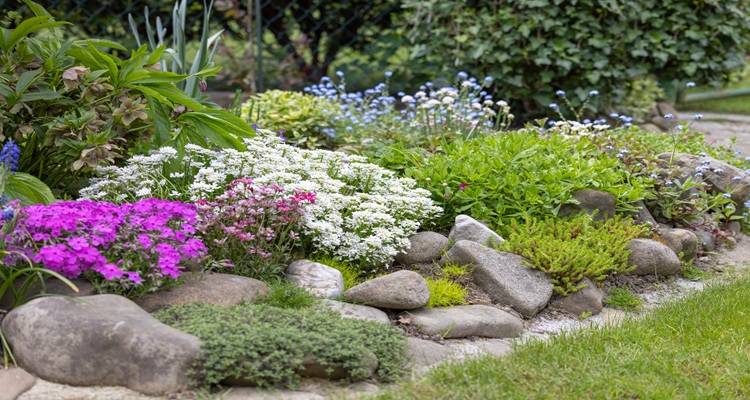
If your garden has problematic or uneven ground, or if you find it needs some visual interest, a rockery could be the perfect solution. Rockeries are natural-looking landscaping features, usually made with natural or decorative stones, free-draining soil and low-maintenance, drought-tolerant plants like alpines and succulents.
The cost of installing a rockery depends on the size, stone type, planting scheme, ground preparation and labour involved. Small garden rockeries can work as DIY projects, but larger-scale designs, boulders, retaining walls or water features are best handled by a professional landscape gardener.
£800
Table of Contents
- How Much Is Rockery Installation?
- Labour Costs and Timescales
- Supply Costs
- Soil and Planting Costs
- Additional Costs
- Cost Factors for Rockery Installation
- Building Regulations for Rockeries
- Types of Rockery
- Alternative Garden Features
- Hiring Contractors Checklist for Rockery Installation
- Removing or Replacing a Rockery
- FAQs
How Much Is Rockery Installation?
First off, it's helpful to know how much it costs to install a garden rockery in the UK. The average cost of building a rockery is between £100 and £2,500. However, the average cost is dependent on the size and design of your project.
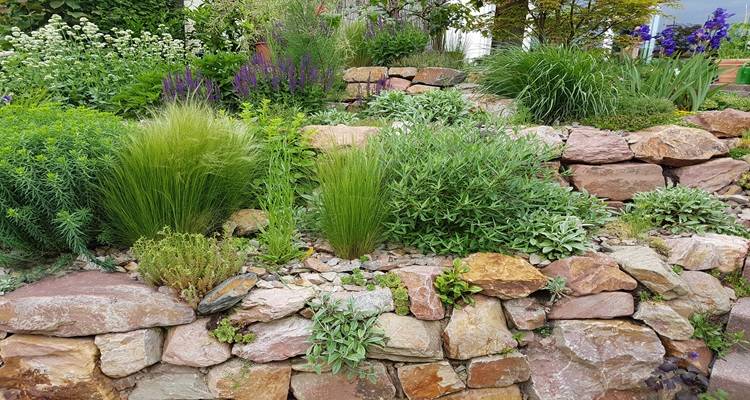
Small rockeries with a simple design and low height are generally the most budget-friendly. Large rockeries take longer to complete and require more soil, stones, and plants. There is also more planning and prep work involved. Therefore, the material and labour costs are higher.
On average, you'll pay between £100 and £400 per m² for a garden rockery. Local labour rates, material prices, and design factors all contribute to this variation in cost. To help you determine how much your landscaping project will cost, here are some examples of different rockery installations:
| Rockery Type | Typical Price Range | Average Installation Time |
|---|---|---|
| Small, basic alpine rockery (1m x 1m) | £100 - £250 | Up to 1 day |
| Small decorative rockery with a mix of plants, stones and gravel (1m x 1m) | £200 - £400 | 1 to 2 days |
| Medium-sized rockery with decorative stones and flowering alpines (3m x 1m) | £450 - £1,200 | 1 to 3 days |
| Large, landscaped rockery with a mix of rocks, small shrubs, perennials and alpines (4m x 2m) | £1,000 - £2,500 | 3+ days |
| Tiered rockery built on a slope (3m x 2m) | £1,500 - £2,500 | 3+ days |
Want a custom price?
Post your job
Labour Costs and Timescales
One of the biggest costs to consider when you're installing a rock garden is professional labour. Landscape gardeners can charge between £100 and £200 per day, depending on where you're based. For example, in London and the South East, jobs will often cost more than projects in the North. Also, if your design includes large boulders, your landscaper may need to bring in other workers to position them.
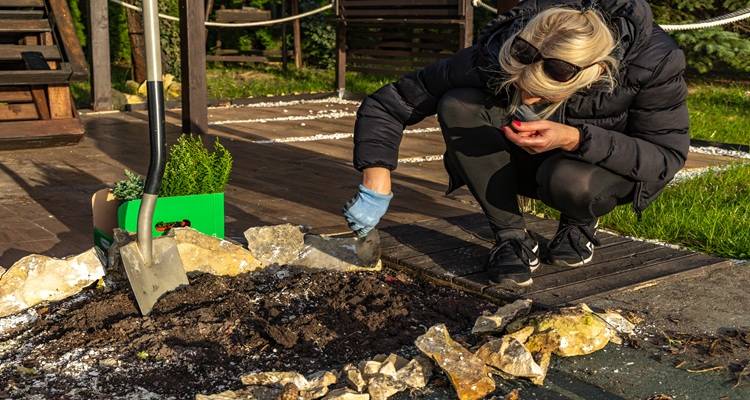
To make budgeting easier to work out, the breakdown below outlines what you might expect to pay for professional labour, as well as the standard time frames based on project size:
| Project Size | Expected Timescale | Typical Labour Cost |
|---|---|---|
| Small Rockery (e.g., 1m x 1m basic Alpine) | 1–2 days | £100–£360 |
| Medium Rockery (e.g., 3m x 1m Decorative) | 1–3 days | £200–£550 |
| Large or Tiered Rockery (e.g., 4m x 2m on Slopes) | 3+ days | £330–£700+ |
Want a custom price?
Post your job
These timescales can get longer if your garden has tight access, or if manual equipment has to be used for any reason. Also, complex parts like water fountains can extend timeframes.
A larger rockery may involve bigger or heavier rocks, more planting, extra preparation, or a second worker, increasing daily labour rates.
Supply Costs
Whether you're planning a DIY garden rockery or budgeting for a professionally installed one, it's helpful to understand the cost of materials.
Here's what you might need:
- Decorative rocks and stones — £10 to £250, depending on the type and quantity.
- Large boulders — £40 to £800, depending on the size and how many you use.
- Gravel mulch or decorative aggregates — £25 to £50 per m², depending on the type.
- Landscape fabric or weed-control membrane — £1 to £1.50 per m², depending on strength and durability of fabric.
- Hardcore or coarse rubble for base — £50 to £100 per bulk bag.
The price of rocks and stones does vary, depending on the size and type you go for and whether they're locally sourced or imported from elsewhere. For instance, you can expect to pay between £0.30 and £0.60 per kg for rustic pieces of slate and Cotswold stone, while more decorative cobbles and pebbles typically cost £1 to £2 per kg.
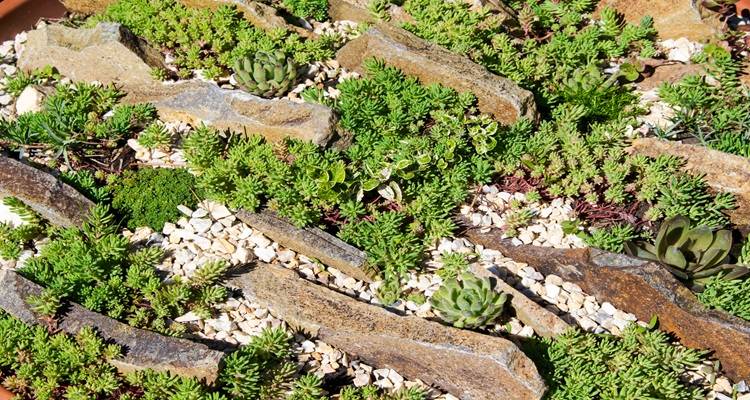
Because of the weight of larger stones and boulders, you may need to pay for specialist delivery, which will increase your total cost. However, you may find the price for bulk orders is less per kg than it is for just a few rocks. You may also find it cheaper to use reclaimed materials.
Soil and Planting Costs
Alongside the basic material costs, there are also soil and planting costs to consider. This includes:
- Topsoil — £50 to £100 per bulk bag.
- Compost or specialist soil — £60 to £150 per bulk bag.
- Grit to improve soil drainage — £0.30 to £0.60 per kg or £6 to £12 for a small bag and £50 to £100 for a bulk bag.
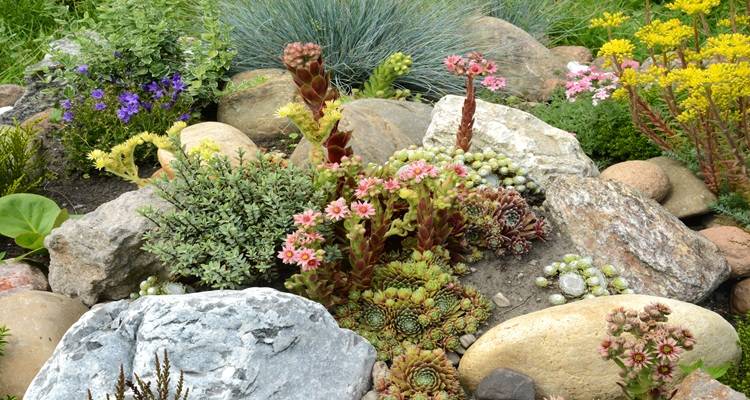
- Small plants, such as alpines and succulents — Mixed pack of plug plants £20 to £60.
- Low-maintenance, drought-resistant plants, including perennials and evergreens — £20 to £80 for a mixed collection of garden-ready plants.
- Trailing and ground-cover plants — £10 to £30 for a small mixed collection of plug plants.
Bear in mind that the bigger your rockery, the more soil and plants you'll need to fill it. Therefore, your costs will be higher. Small plug plants, bulbs, and seeds are cheaper to buy than mature and potted plants, but you may need to wait a few seasons for your plants to fill out the space.
Additional Costs
Aside from the materials needed to build your rockery, there are some additional costs you may need to factor in:
Ground Excavation and Levelling
In most cases, levelling isn't required. However, sometimes it's necessary to create a stable base for boulders or to suit a particular landscape design. Garden levelling cost is £200 to £800, depending on the size of the area.
Removing Existing Turf or Plants
If your rockery is replacing a lawn or border, you may need to factor in an extra £100 to £500 to remove turf or reposition plants.
Installing Drainage Systems
Those who live in a particularly wet area or have clay soil may need to build in additional drainage. Soakaway drainage installation can add £100 to £600 to your total budget depending on the work that needs doing.
Decorative Edging or Borders
Decorative edging is a great way to zone your rockery and tie the landscaping into your wider garden design. However, this typically costs £20 to £60 per metre.
Pathways Around the Rockery
To keep your garden accessible without walking over your plants, you might wish to create new paths around the rockery. This could cost an extra £80 to £120 per m².
Garden Waste Removal
Should you need to clear overgrowth and clutter from your garden to create space for your rockery, you might need to factor in garden waste removal costs. This is an additional £15 to £400.
Incorporating Other Features
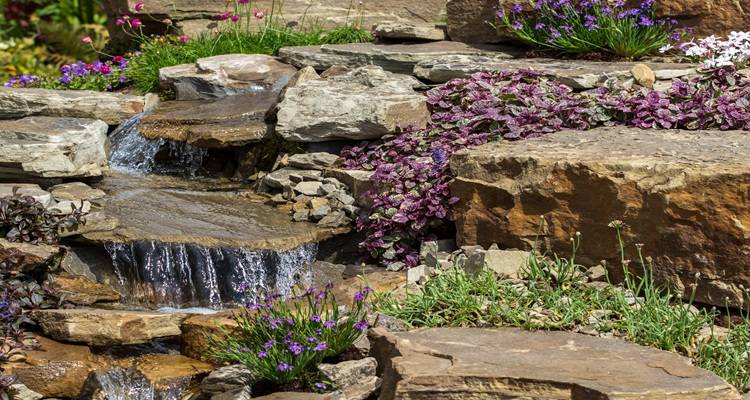
To boost the visual appeal of your rockery, you might choose to incorporate other elements, such as a water feature, stone sculptures, or lighting. Costs vary depending on what you install, but you can expect to pay around £500 for a pond or fountain and between £120 and £200 to fit decorative lighting.
Undertaking extra landscaping work in your garden will increase the cost of your project. However, it can improve the overall look and design of the area, so it's often worth the additional spend.
Cost Factors for Rockery Installation
To avoid unexpected budget surprises, it's important to review the primary cost factors collectively. When building a garden rockery, your overall quote will be determined by the following things:
Rockery Size and Design Complexity
Size is the biggest factor for how long your project takes and how much material is used. A simple rockery layout keeps costs down, while bespoke multi-tiered features need professional engineering. Architectural planning or customised garden design can add an extra £30 to £150 per m² to your budget.
Type, Size and Number of Rocks Used
Rocks are priced by weight, meaning big boulders often cost more. Delivery fees will also be higher if heavy-duty, specialist vehicles are needed to transport the stone. Also, premium, highly-textured stones like rounded river pebbles or geometric slate slices cost more per kilogram than common local sandstone or limestone block options.
Quantity and Type of Plants
Scaling up the surface area of your rock garden means you also need to match the amount of greenery. Choosing young alpine plug packs is great for cost but also means you need patience over the seasons. Alternatively, if you want an immediate impact or you're designing a minimalist Japanese rockery, it's a good idea to budget for slightly pricier plants.
Ground Conditions and Site Preparation
Rockeries need excellent drainage and weed-suppressed subsoil. If your garden sits on clay or experiences waterlogging, you will have to pay extra costs to lay land drains or consider other options. Also, certain rockeries need a compacted hardcore or rubble foundation base to try and mitigate shifting or sinkage over time.
Garden Accessibility
If materials can't be delivered directly into your garden, professionals will have to transport them manually using wheelbarrows or high-load trolleys. This manual handling will add to the hours and costs of labour.
Machinery and Equipment Hire
Manually lifting and shifting massive feature boulders is unsafe and difficult. For big rock installations, expect to add equipment hire fees to your budget. Renting a mini dumper or powered micro excavator typically costs between £100 and £300 per day.
Regional Labour Rates
Professional tradesperson fees are tied to your location across the UK. Landscaping companies based in London and the South East often have premium day rates that can be higher than the national average. Homeowners in the North, Midlands, or Wales will generally benefit from more competitive labour quotes.
Ask a Trade
Got a question that only a tradesperson can answer? We have thousands of trades ready to answer any question you may have.
Ask your question

Building Regulations for Rockeries
As garden rockeries are a landscaping feature, they don't usually require Building Regulations or Planning Permission.
However, you're best checking with your local authority if:
- You're planning a rockery that will significantly alter the ground levels in your garden.
- Garden landscaping is being done close to or on the boundary.
- Your home is listed or in a Conservation Area.
Types of Rockery
There are quite a few different styles of garden rockery. To help you decide which is best for your outside space, let's run through the most popular types:
Alpine Rockery
An alpine rockery is a traditional garden rockery. It features an arrangement of small stones with small alpine plants such as campanula, sedums, and saxifraga planted in between to create a natural, mountain-style garden feature. A small, simple alpine rockery costs between £120 and £250, but a larger one will cost much more.
Pros
- ✔ Cost-effective garden feature
- ✔ Possible to do as a DIY project
- ✔ Adds year-round colour and texture
Cons
- ✖ Needs well-draining soil
- ✖ Not suitable for heavily shaded gardens, as most alpine plants like full sun
- ✖ Plants can quickly outgrow small alpine rockeries
Raised Rockery
A raised rockery is built above ground level. Some simply use soil and stones to create height and structure, while others encompass a garden wall or raised bed. This type of rockery tends to be more eye-catching and is ideal for zoning spaces, but does require more materials and labour. For this reason, costs tend to range between £500 and £1,200, depending on the rockery size and type of stone used.
Pros
- ✔ Works well in compact and sloping gardens
- ✔ Great for zoning spaces
- ✔ Adds height and visual interest
- ✔ Suitable gardens with poor soils
- ✔ Improves drainage
Cons
- ✖ More labour-intensive to construct
- ✖ Unless you're making use of an existing raised area, material costs can be high
Sloping or Terraced Rockery
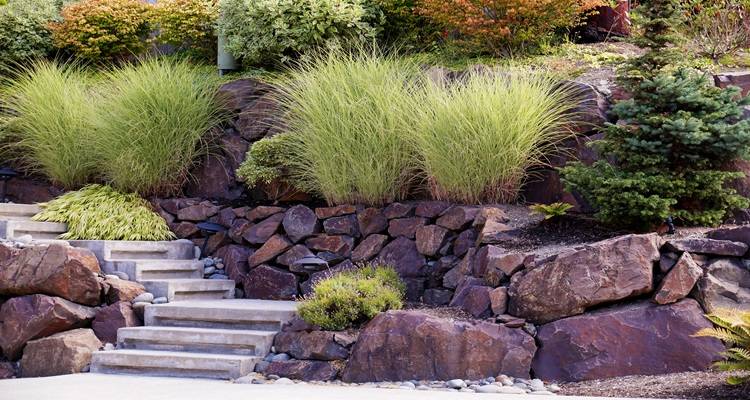
This is a multilevel rockery, making it a good solution for sloped gardens. It can help to stabilise soil and create a practical planting area, enabling you to turn a problem space into an attractive and usable garden. You don't need to level the garden first, so it can be cost-effective. However, with stone and landscaping costs, you could pay between £500 and £1,300.
Pros
- ✔ Great way to show off trailing plants
- ✔ Adds height and visual interest to gardens
- ✔ Don't need to level the garden
Cons
- ✖ Due to the need for a stable design, it's not recommended as a DIY project
- ✖ Material and labour costs can be high
- ✖ Sloped rockeries can become unstable if not maintained
Crevice Rockery
Crevice rockeries are natural-looking and rustic. Rather than using round stones or small boulders, a crevice rockery uses thin slabs of stone. These are bedded vertically or tilted at an angle to resemble a craggy cliff edge. The slabs are packed closely together, creating small gaps or crevices, in which alpines, perennials, and trailing plants grow. Creating one will cost between £150 and £800, depending on the size and whether you do it as a DIY project or use a professional landscaper.
Pros
- ✔ Works with smaller stone slabs, reducing labour
- ✔ Attractive rockery style
- ✔ Suitable for small spaces
- ✔ Provides excellent drainage for plants
Cons
- ✖ It can be fiddly to build and maintain
- ✖ Only suitable for small, slow-growing plants
Japanese-Style Rockery
A Japanese-style rockery uses natural landscapes as its inspiration, much like a traditional rockery. However, this type of rockery has a more minimalist design and often incorporates other nature-inspired features such as trickling water and manicured mosses, as well as sculptures and raked or decorative gravel. The planting usually includes some small shrubs, ornamental grasses, and ferns. It typically costs between £500 and £1,500, depending on the size and features included.
Pros
- ✔ Aesthetically pleasing
- ✔ Works well in contemporary gardens
Cons
- ✖ Manicured style requires extra pruning
- ✖ Can take up more space than conventional rockeries
- ✖ The hardscaping and water features can make it expensive to install
Modern Decorative Rockery
Modern decorative rockeries embrace a contemporary design and share some elements with Japanese rock gardens. They combine decorative stones and gravel with a minimalist planting scheme; typically, slow-growing and low-maintenance, foliage-heavy plants. This type of rockery usually costs between £400 and £1,000.
Pros
- ✔ Suits modern homes
- ✔ Low maintenance and drought-tolerant, thanks to reduced planting and weed suppression
Cons
- ✖ High cost of decorative stones and gravel
- ✖ It can be one-dimensional if there are too many grey stones and not enough plants
Boulder Rockery
A boulder rockery uses much bigger stones than a traditional rockery, creating a visually striking garden feature. With this decorative and textural type of rockery, the stones typically take centre stage over the planting. However, due to the size of the stones, labour and material costs can be quite high. So, expect to pay between £800 and £1,500 for a boulder rockery.
Pros
- ✔ Low maintenance
- ✔ Ideal for very steep gardens
- ✔ Visually striking
Cons
- ✖ Not suitable for DIY
- ✖ High material, delivery and labour costs
Alternative Garden Features
Rockeries aren't the only option for sloping gardens and spaces in need of additional landscaping. Here are some alternative garden features to consider:
Raised Garden Beds
Raised garden beds are a low-maintenance way to grow plants. There are lots of ways to build them, including with brick, timber, and stone. A typical, medium-sized raised garden bed costs between £300 and £600, including labour and materials.
Gravel Gardens
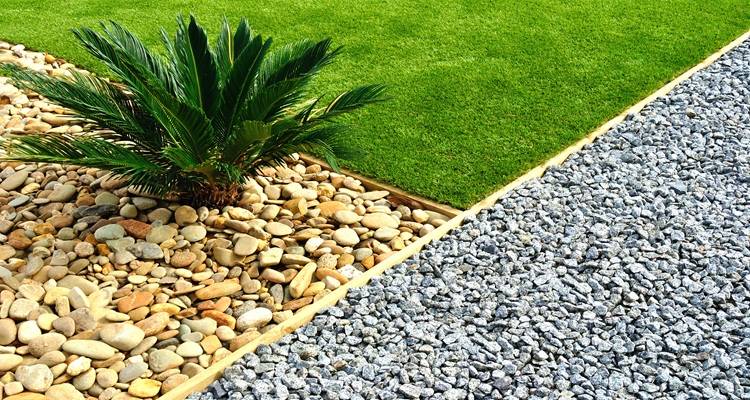
Gravel gardens are another low-maintenance option. They're ideal for homes in warmer regions, as they're well-suited to growing drought-tolerant plants and don't require as much watering. Gravel gardens can take a bit of effort to install, as you need a good design and you may need to condition the soil with sand and grit. You'll also need to install a membrane to keep weeds down. That said, gravel gardens are budget-friendly, costing between £10 and £40 per m².
Garden Borders with Decorative Stones
Placing a few decorative stones in your garden border is a cheap alternative to a rockery. You can expect to pay between £20 and £40 for 3 or 4 medium-sized rocks or a small bag of decorative stones. However, if you need to create a border and add some new planting, you could be looking at costs between £20 and £80 per m².
Retaining Walls with Planting Areas
If you have a sloped garden, you could build planting areas into your retaining walls. Like rockeries, you can use alpines, ground cover plants, and trailing plants to create visual interest. You can expect to pay between £70 and £120 per m² for a brick or stone wall, plus extra for planting.
Water Feature
A natural-looking water feature with aquatic plants is another good way to add height and interest to your garden. It's also wildlife-friendly. A small water feature will cost £300 to £600.
Stumpery
A stumpery uses logs and old tree stumps instead of rocks to create a natural garden feature. It's wildlife-friendly and better suited to heavily-shaded gardens. You can grow ferns and other woodland plants, and it's cheap and easy to create, but it's not for those who like neat, manicured garden spaces. A DIY stumpery can be done for as little as £50 to £150.
Mediterranean Gardens
If you'd like to add bigger plants and small trees to your garden, a Mediterranean-style garden might work better. You can add Cypress trees and palms to create height and add lots of ornamental grasses, scented plants, and flowers for additional interest. This relaxed garden style works well with gravel paths and other cost-effective, low-maintenance features. However, using larger plants and trees means initial planting costs are high.
Hiring Contractors Checklist for Rockery Installation
Thinking of hiring a gardener or landscaper to install your rockery? Use this checklist to find a reputable contractor:
- Ask around: Have friends or family previously used a good landscape gardener?
- Choose someone local: A local contractor is more likely to be on hand to manage material deliveries and will be able to adapt better to weather conditions.
- Get at least three quotes: Comparing quotes will help you evaluate costs and services. Many people skip this step due to time constraints, but it needn't be a hassle if you use a free quote-gathering service like MyJobQuote.
- Ask questions: Not sure whether your quote includes garden waste removal, or when your landscaper is available to start? Make sure you ask questions before hiring, so there are no nasty surprises.
- Experience: Check what experience your landscaper has. How long have they been in business, and what similar jobs have they completed? Feel free to ask for examples of other rockeries they've built.
- Reviews: It's a good idea to check customer reviews on MyJobQuote and other platforms. Were they happy with the result and with the way the landscaper worked?
Removing or Replacing a Rockery
Sometimes it's necessary to remove or replace a garden rockery. Perhaps you're undertaking a large landscaping or garden design project or wish to relocate a rockery to a more suitable spot.
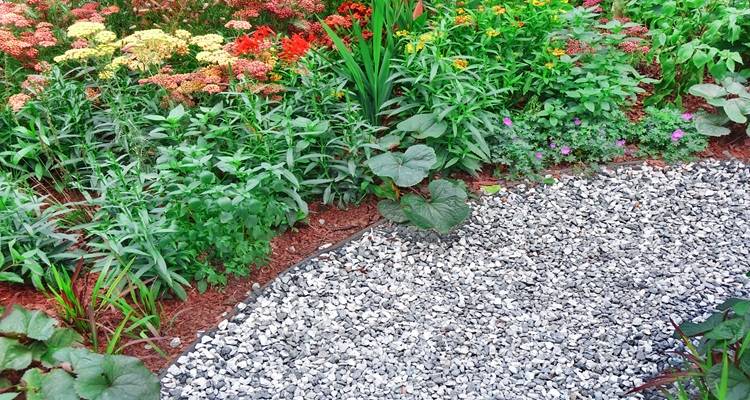
This could cost between £200 and £800, depending on:
- The size of the rockery.
- How many stones does it contain, and how heavy are they.
- Whether your garden has any access issues.
- How much waste needs removing.
Should you fancy updating an old rockery with new stones or planting, you could be looking at replacement costs between £50 and £500.
FAQs
How Do You Make Sure a Rockery Is Stable?
It's important to get your design right, including the angle of the slope and the size of the rocks. To ensure the rocks are fixed in place, you should remove all the weeds in the area first and include drainage and filtration layers to help stabilise the stones and stop soil erosion. A professional landscape gardener can help you with these details, and their expertise will be reflected in your labour costs.
What Are the Best Plants for a Small Garden Rockery?
Alpine plants all work perfectly in small rockeries. Compact succulents, low-growing dwarf conifers, ground-cover phlox, and trailing species like aubrieta are ideal because they hug the stones and naturally limit their growth footprint. Young plug plants are the most cost-effective option, though mature plants will create an immediate impact at a higher upfront cost.
How Often Should I Water a Rockery Garden?
Newly-planted rockeries need deep watering once or twice a week during their first season to ensure they grow strong roots. Once settled, alpine and succulent rockeries are drought-tolerant and rarely require watering except during long spells of hot, dry UK weather. This low-maintenance aspect means reduced long-term care costs.
What's the Best Time of Year for Building a Rockery?
Autumn or winter is typically the best time to install a rockery. This is because the soil should be moist, making it easy to work with. Plus, there aren't as many other jobs to do in the garden at that time of year. There should also be less active weed growth to deal with. However, you can install a rockery at any time of the year.
How Can I Create an Eye-Catching Rockery?
Flowering alpines combined with interesting foliage plants and textural stones will help make your rockery eye-catching. You could also consider adding a water feature or a seating area, although these will increase your total installation costs significantly — water features can add £500, while decorative lighting costs between £120 and £200.
What Is the Cheapest Rock to Use for a Garden Rockery?
Locally-sourced limestone and sandstone blocks are generally the most affordable options for a rock garden in the UK, typically costing between £0.30 and £0.60 per kg. Reclaimed stones and bulk builder bags can also help reduce supply and delivery costs because they do not need long-distance transport.
Do I Need a Landscape Fabric Layer Beneath My Rockery Stones?
Yes, installing a heavy-duty, permeable weed-control membrane underneath your top layer of gravel or soil is highly recommended. Although this will add £1 to £1.50 per m² to the cost of building the rockery, it prevents weeds and aggressive lawn grasses from growing up through your stones, cutting down on long-term garden maintenance and reducing repeat costs.
Can You Build a Rockery on a Flat Lawn or Does It Need a Slope?
You can easily build a rockery on completely flat ground. To create a natural look, builders use coarse rubble, hardcore, and topsoil to sculpt mounds or raised tiers. This can add to material and labour costs, but it may still be cheaper than carrying out major garden levelling work, which typically costs £200 to £800.
How Do I Prevent My Rockery From Becoming Waterlogged?
Drainage is essential for rockeries. You should add in a base layer of coarse stone, rubble, or gravel before adding soil. Also, mix lots of horticultural grit or sharp sand directly into your topsoil layer to ensure rainwater drains away rapidly from delicate plant roots. These materials will add to the upfront cost, but they can reduce the risk of expensive repair or replacement costs later.
Will Home Insurance Pay to Remove or Repair a Collapsing Rock Garden?
No, standard UK home insurance policies don't usually cover the removal, repair, or cosmetic renovation of garden rockeries. Home insurance is generally reserved for sudden, unexpected damage to the main house structure, so rockery repair or removal costs (typically £200 to £800) usually need to be budgeted for separately.