Builders
 Carpenters
 Electricians
 Flooring Specialists
 Gardeners
 Handymen
 Heating Engineers
 Painters & Decorators
 Plasterers & Renderers
 Plumbers
 Roofers
 Tilers
 my
Chimney Sweep Cost
At a Glance
- The average cost of chimney sweeping is around £105.
- The job will take approximately 1 to 2 hours to complete.
- A complete breakdown of chimney sweeping costs for different chimneys.
- How long the job should take and what's involved.
- How to find and hire a local chimney sweep using MyJobQuote.
Get free estimates
Are you a trade? Get more work today!
£105
Table of Contents
How Much Does a Chimney Sweep Cost?
The average chimney sweep cost in the UK is around £105. Professional chimney cleaning typically costs £80 to £150, with most standard sweeping jobs costing £90 to £120. The job usually takes 1 to 2 hours.
One of the more difficult types of chimneys to sweep is an unlined chimney. You can expect the cost to sweep an unlined chimney to be around £30 to £60 more than a standard chimney sweep, depending on its condition and access.
What is your main reason for hiring a chimney sweep?
Remove soot and prevent any potential chimney fires
1 votes - 17%17% of votes
Part of regular maintenance and cleaning
3 votes - 50%50% of votes
Comply with home insurance or legal requirements
0 votes - 0%0% of votes
Prepare the chimney/fireplace after not using it for a long period
2 votes - 33%33% of votes
6 votes
See results
Hide results
The price you will pay for chimney sweeping can vary based on several factors, including the type of chimney, the difficulty of the job, the state of the chimney, and your location in the UK.
If the sweep identifies damage, any chimney repairs will need to be priced separately from the cleaning.
My chimney hasn't had a clean in some time. I'm planning to hire a chimney sweep. How much will it cost to have my chimney swept in total? I have a medium semi-detached house.
"This would cost you approx £80-100, depending if the chimney is lined and what material has been used to line it."
Chimney Sweep Price List
For wood burners and log burners, chimney sweep costs are shown in the lined and unlined stove rows below.
Below is a table highlighting the average chimney sweep prices that you can expect to pay for different types of chimney sweeping, with jobs in London and the South East often landing at or above the upper end of the range provided.
| Type of Chimney | Typical UK Cost |
|---|---|
| Sweeping an open fire chimney | £80–£120 |
| Sweeping a lined stove chimney | £90–£140 |
| Sweeping an unlined stove chimney | £110–£150 |
Want a custom price?
Post your job
Gas Fire Chimney Sweep
A gas fire chimney may need sweeping if soot or debris is blocking the flue. This is separate from servicing the gas fire itself. If the appliance needs disconnecting to allow access, a Gas Safe registered engineer will need to disconnect it, reconnect it, and test it afterwards.
Labour Cost to Sweep a Chimney & Timescales
Chimney sweeps usually charge a fixed price for the job. The typical costs and timescales for an open fire chimney and an unlined chimney are shown below.
| Type of Chimney Sweep | Typical Cost | Typical Timescale |
|---|---|---|
| Open fire chimney | £80–£120 | Around 1 hour |
| Unlined chimney | £110–£150 | 1 to 2 hours |
Want a custom price?
Post your job
Difficult access, the condition of the chimney, and your location can affect the price. Any additional work may also increase the cost and the time needed.
Factors That Impact Chimney Sweeping Costs
There are several cost-affecting factors when it comes to having your chimney swept. Below is a list of things that may affect the overall cost of the job:
Type of Chimney
The type of chimney that needs to be swept can play a big part in the price you will pay for the job.
For example, a chimney sweep on an open fire chimney will cost around £80 to £120, a chimney sweep on a lined stove chimney will cost around £90 to £140, and a chimney sweep on an unlined stove chimney will cost around £110 to £150. As you can see, each different type of chimney comes at a different cost.
Size of Chimney
The size of the chimney can affect the overall cost of the job. A larger chimney will take much longer to sweep, and, therefore, you can expect to pay more for the job. Most average-sized chimneys will only take around an hour to complete.
If your chimney ends up taking longer than that due to its size, then you may be looking at some additional costs.
Location of Property
Your property's location can affect the price that you can expect to pay for a chimney sweep.
Those based in London can expect to pay around £40 to £80 more for a chimney sweep than those based in the North or other parts of the UK.
Also, chimneys that are difficult to access may end up costing more.
State of Chimney
The state of the chimney can also affect the cost of the job. A chimney in a very bad state will take much longer to sweep than one that is well-maintained.
If your chimney hasn't been swept for a good few years, then you can expect the job to take a little bit longer and, therefore, you may end up paying slightly more than average for the job.
Fuel Type
The total chimney sweep cost can also be impacted by the type of fuel being used. For example, chimneys connected to a fire that uses solid fuel such as coal or wood burning stoves generally take longer to clean.
In contrast, if the chimney is no longer in use and has an electric fire installed in front of the chimney breast, sweeping isn't necessary, and only an occasional inspection for ventilation and blockages is required.
Ask a Trade
Got a question that only a tradesperson can answer? We have thousands of trades ready to answer any question you may have.
Ask your question

Additional Chimney Sweeping Costs to Consider
While most jobs will be within the typical price range for a standard sweep, there are various factors that could add to your chimney sweeping costs that it pays to be aware of:
Bird Nest and Blockage Removal
The cost to remove a bird's nest from a chimney is around £40 to £100 when carried out alongside chimney sweeping, depending on the extent of the blockage. If you book bird nest removal as a standalone service, expect to pay £80 to £150.
Active nests must not be disturbed, so removal may need to wait until nesting has finished.
Removing other blockages, such as fallen masonry or debris lodged in the flue, can also increase the cost if extra work is needed beyond a standard sweep.
Multiple Chimneys
It may be obvious, but if you live in a property with multiple chimneys, then the additional costs will soon add up. Not only will the actual chimney sweep cost increase, but there's more chance of repair work being required. However, when multiple chimneys are swept at the same time, the cost per chimney will be lower, with each additional chimney costing around £60 to £100 to sweep.
Additional Flues
A chimney may have a single flue that needs sweeping, or it could contain multiple flues that will each need to be swept. More flues will mean a higher cost, and expect to pay £40 to £80 for each additional flue.
CCTV Inspection
During the course of your chimney sweep, it may be necessary to check the flue for blockages or damage, using CCTV inspection equipment (especially with older chimneys or when moving into a new property). CCTV inspection can cost an extra £80 to £250 depending on what needs to be checked.
If the inspection finds a damaged liner, you may also need to budget for the cost of installing a new chimney liner.
Installing a Chimney Cowl or Cap
A chimney cowl or cap can help to improve and maintain airflow through the chimney, and also prevent birds from nesting and blocking the flue. Expect to pay around £80 to £200 extra to have this done when you get your chimney swept.
Heavy Soot and Creosote Removal
If your chimney hasn't been swept for a while, heavy deposits of soot, tar, or creosote may need extra work to remove. This can add £40 to £120 to the cost of a standard sweep, depending on the amount of build-up.
Smoke and Draw Testing
A smoke draw test may be included in a standard sweep. Further testing to investigate suspected leaks or draught problems can add to the overall cost.
Carbon Monoxide Alarm Fitting
A new or replacement carbon monoxide alarm typically costs £15 to £40 for the unit alone, with fitting charged separately.
Hi, we have a gas fire, getting some large debris coming out the chimney. I’ve approached chimney sweeps but they need fire disconnecting?
"The chimney should have a flue liner inside of it. Gas safe engineers can disconnect the fire, then they can either swap the liner or have the sweeps clean it and then gas engineer turn back on and test."
What's Involved in a Chimney Sweep?
A chimney sweeping job should be done safely. If it's not completed correctly, this could result in carbon monoxide leaking into your home, which could be fatal for you and your family.
Due to the risks involved, most homeowners choose to hire a local professional chimney sweep.
With MyJobQuote, you can compare multiple quotes from chimney sweeps near you. It's fast, free, and there's no obligation to go ahead.
Below you will find a guide on what's involved in a standard chimney sweeping process:
- Preparation — Before chimney sweeping begins, the contractor covers the fireplace with a vacuum-sealed protective sheet and may close all doors and windows to prevent soot entering the home.
- Inspection — The contractor inspects the chimney for any damage or blockages such as cracks, creosote build-up, or debris that could affect performance or safety concerns.
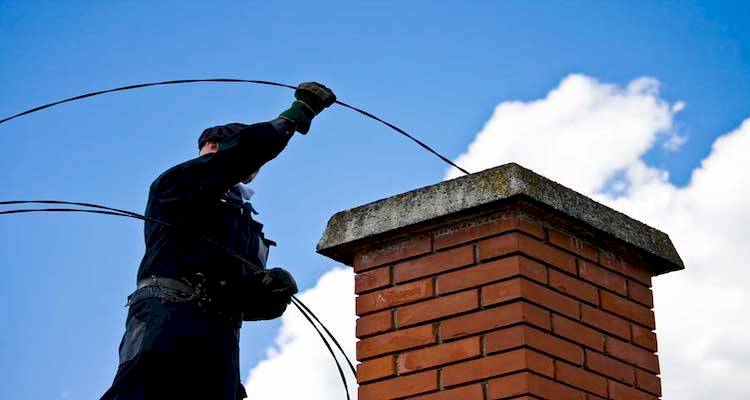
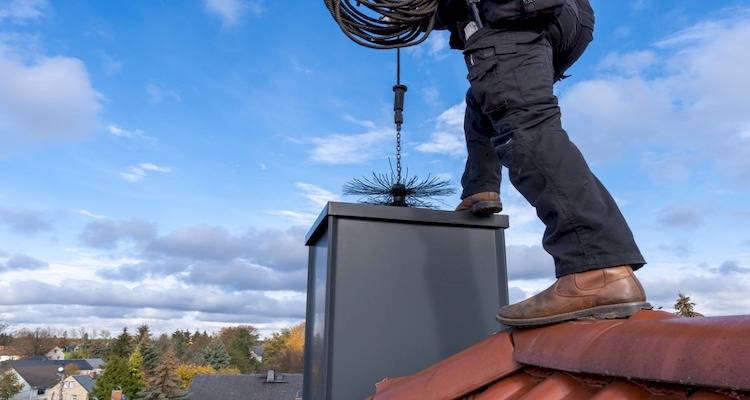
- Chimney Cleaning — In the UK, the majority of chimney sweeps work from inside your property. Using specialist rods and brushes, power-sweeping equipment, and industrial vacuums, they thoroughly sweep your chimney without needing to go up on the roof.
- Final Steps — The contractor or their assistant will clean the firebox and smoke shelf with a long-handled brush and vacuum to remove any remaining soot.
Checklist: Find a Chimney Sweep Near You
There are a few things you will need to consider before hiring someone to sweep your chimney.
Below is a list of some of the main things that you should consider when looking for the right contractor for the job:
- Are they members of a recognised chimney sweep trade body? Trade bodies like NACS, APICS, or the Guild of Master Chimney Sweeps aren't legally required, but they're a good sign of training and standards.
- Do they have experience? Ensure the person you hire has plenty of experience with similar chimney setups and can provide evidence of their work.
- Will they provide a chimney sweep certificate? This provides your home insurance company with proof that the chimney has been professionally swept and checked.
- Are they insured? They should have public liability insurance in case anything goes wrong during the job.
- Will they take care of waste removal? Some sweeps include waste removal, but not all do, so it's worth confirming in advance to avoid surprises.
- Do they have positive reviews? Check their MyJobQuote profile to see what other homeowners are saying about their work.
- What if they are working on your gas fire? If the contractor is carrying out any work on your gas fire at the same time as sweeping your chimney, they will need to be registered on the Gas Safe Register.
FAQs
How Often Do You Need to Sweep a Chimney?
How often you should have your chimney swept can depend on the type of fire you have. You should arrange an annual gas fire service, which includes checking the flue. Fires burning smokeless fuel will need the chimney swept at least once a year, while chimneys for fires burning coal or wood burning stoves should be swept at least twice a year.
What Is the Best Time of Year to Have a Chimney Swept?
The best time to have your chimney swept is before the colder months, so it's clean and ready to use when you start using your fireplace again. If your chimney needs sweeping twice a year, it's worth arranging a second sweep after winter to remove any soot and deposits that have built up during the heating season.
How Do I Know My Chimney Needs Sweeping?
If black smoke is blowing back into your room once the fire is alight or you can smell a tar-like substance, these are strong indicators it's chimney cleaning time. It's also time for a sweep if you can see or hear debris falling down the chimney, or if it's coming up to heating season and you've not had a professional sweep since the previous year.
What Happens if I Don't Get My Chimney Cleaned?
If you don't arrange chimney cleaning on a regular basis to remove soot and other debris, it can cause smoke to re-enter your home rather than disperse properly. A blocked chimney also increases the chance of carbon monoxide poisoning as well as the risk of a chimney fire.
How Are Wood Burner and Log Burner Flues Swept?
A professional chimney sweep uses suitable rods and brushes or power-sweeping equipment to remove soot and deposits from the flue, with a specialist vacuum collecting the debris. Depending on the stove design, access may be through the stove or a separate sweeping access point. The equipment must be suitable for the flue liner to avoid damaging it.
Does the Chimney Sweep Price Include a Certificate?
If you use a HETAS Approved Chimney Sweep, you'll usually receive a sweeping certificate as part of the service. This confirms that your chimney has been swept and records any issues found during the visit. Check whether a certificate is included in the quoted price before booking, as this will help you compare costs and avoid any unexpected charges.
Do Chimney Sweeps Need Planning Permission?
No, chimney sweeping doesn't require any planning permission or have any specific building regulations. However, you will need to liaise with any neighbours if your property shares a chimney with an adjacent property.
Can I Sweep a Chimney Myself?
The only time you should sweep your chimney as a DIY job is if you have the correct experience and equipment. Chimney sweeping can be a dirty job without the right equipment, and some insurers may require proof that chimneys have been properly swept on a regular basis, which is why most people opt to hire a professional.
Do Gas and Oil Fireplaces Need Sweeping?
Yes, while a standard chimney sweep may usually be associated with an open fire, it's also important to have a chimney inspection carried out with gas or oil fireplaces. This is to ensure the flue is clear and the appliance is operating correctly without any damage, and it also reduces the risk of carbon monoxide.