Builders
 Carpenters
 Electricians
 Flooring Specialists
 Gardeners
 Handymen
 Heating Engineers
 Painters & Decorators
 Plasterers & Renderers
 Plumbers
 Roofers
 Tilers
 my
myGas Fire Service Cost
At a Glance
- The average cost to service a gas fire is around £95.
- The job will take approximately 1 to 2 hours to complete.
- A complete breakdown of gas fire service charges in 2026, and the cost factors that impact them.
- How long the job can be expected to take, and an overview of what's involved.
- How to find and hire a heating engineer with MyJobQuote.
Get free estimates
Are you a trade? Get more work today!
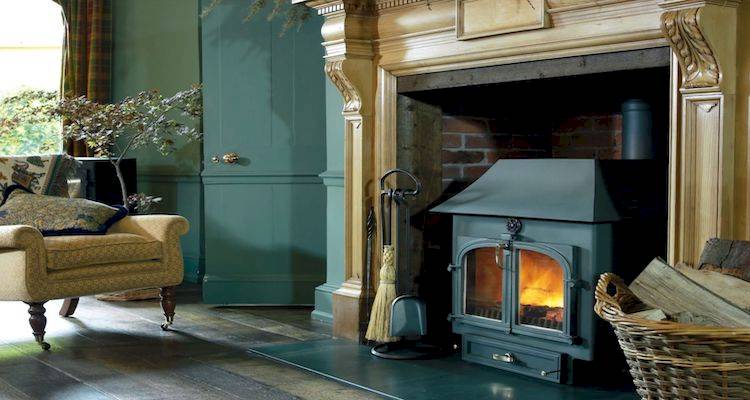
A gas fire service and safety check will usually cost around £95 in the UK.
Are you looking for a detailed breakdown of gas fire servicing?
Then check out this cost guide, which is full of information on the cost of gas fire servicing.
Ready for a quote?
We have a range of local heating engineers ready to offer you a free quote!
Let's take a look...
£95
Table of Contents
- How Much to Service a Gas Fire?
- Additional Gas Fire Service Costs
- Labour Cost of a Gas Fire Service & Timescales
- Factors That Impact Gas Fire Service Costs
- What's Involved in a Gas Fire Service?
- Common Gas Fire Issues and Repair Costs
- Checklist: How to Find and Hire a Gas Safe Registered Engineer to Service Your Gas Fire
- FAQs
How Much to Service a Gas Fire?
A gas fire service and safety check will usually cost around £70 to £120, with an average cost in the UK of £95.
These prices are based on one gas fire only. Additional gas fires would be charged at an extra cost per fire.
If you are based in London, you can expect the cost of a gas fire service to be around £20 to £30 more than those based in the North or other parts of the UK.

A gas safety check alone costs on average £60 to £100. However, many people will choose to have an annual gas fire service, which usually includes a safety check.
Some gas providers may offer free gas safety checks in some circumstances. For example, if you are registered disabled, a pensioner, chronically ill, or have children under 5 years old.
Gas Fire Servicing Prices
The table below highlights the average cost for a gas fire service and a gas fire safety check:
| Job Description | Typical Range | Average Cost |
|---|---|---|
| Annual gas fire service and safety check | £70–£120 | £95 |
| Gas safety check only | £60–£100 | £80 |
| Combined gas fire and boiler service | £130–£170 | £150 |
Want a custom price?
Post your job
How Often Should You Service a Gas Fire?
Gas fires should be serviced once a year by a Gas Safe registered engineer. This annual service keeps the appliance running safely and efficiently, and is especially important as fires age.
You should also contact an engineer sooner if you notice any of the following signs:
- A yellow or orange flame instead of a strong blue one.
- An unusual smell, such as gas or burning, when the fire is in use.
- The fire failing to ignite or cutting out unexpectedly.
- Soot or black marks appearing around the fire.
- Increased condensation in the room when the fire is on.
Any of these could indicate a fault that needs prompt attention. If you smell gas or suspect a leak, call the National Gas Emergency Service on 0800 111 999 straight away. If you're in Northern Ireland, call your local emergency line instead.
While waiting for help, ventilate the property by opening doors and windows where possible. Avoid using naked flames, electrical switches or anything else that could create a spark, and turn off the gas supply at the meter if it is safe to do so.
Additional Gas Fire Service Costs
You may need to consider various additional costs when servicing your gas fire:
New Gas Supply
In the event you require a new gas supply or are moving into a home not yet connected to a mains supply, the average cost of running gas to a property is around £650.
Installing Central Heating
Some older properties may not have a gas supply or boiler. Likewise it might be that you're installing central heating or completely renovating the current system. In these instances, expect to be charged an average cost of £4,250, although this may be higher depending on the size and type of system you require.
Boiler Service
Along with your gas fire service, you'll also need an annual boiler service. The cost to get your boiler serviced averages around £100, and it helps ensure your boiler runs efficiently with all parts working properly.
Combined Gas Fire and Boiler Service
Many engineers will service both your gas fire and boiler in a single visit, which can work out cheaper than booking each separately. A combined gas fire and boiler service typically costs £130 to £170, compared to around £195 if you were to book both as separate jobs.
As both appliances require an annual service, combining them into 1 visit is a practical way to keep costs down and reduce the number of appointments you need to arrange.
New Gas Fire Installation
As part of your gas fire service, your heating engineer may instead suggest you have a new gas fire installed. This can be due to a number of reasons:
- Your existing gas fire is deemed unsafe to use.
- Your gas fire doesn't meet modern efficiency or safety standards.
- Upgrading to a modern appliance for aesthetic reasons.
In these situations, you'll want to ask about having your old gas fire removed, as well as the cost of installing a new gas fire (at around £200 for the removal and, on average, £500 for a replacement unit).
Labour Cost of a Gas Fire Service & Timescales
The average labour cost for having your gas fire serviced is around £70 to £120.
The average gas fire service will take around 1 to 2 hours, providing there is no additional work needed.
The cost for labour can vary depending on a number of factors, including:
- Whether you hire a local contractor or a national company.
- Where your property is located.
- If any additional work needs to take place.
By hiring a local contractor to carry out your gas fire service, providing they are qualified to do so, you can expect to pay a lot less than if you were to opt for a national company.
If your property is located in London, you can expect the job to cost around £20 to £30 more in labour fees than those based in the North or other parts of the UK.
Factors That Impact Gas Fire Service Costs
There are several cost-affecting factors of getting a gas fire service. Below is a list of things that may affect the price of the job:
Size and Type of Fire
The size and type of the fire may affect the overall cost of the job.
A fire that is more difficult to examine, or one that is larger than most, can end up taking much longer to service. This will result in higher labour costs for the job.
Location of Property
The location of your property can affect the overall cost of the gas fire service.
If your property is located in London, you can expect to pay more for the cost of labour than those based in the North or other parts of the UK.
Additional Repair Work
On rare occasions, some additional work may need to be carried out. If that is the case, this will add extra costs to the price of the job.
The contractor may need to install new parts or repair some of the old parts. With this in mind, you may need to pay for materials and extra labour costs if additional work is needed.
Ask a Trade
Got a question that only a tradesperson can answer? We have thousands of trades ready to answer any question you may have.
Ask your question

What's Involved in a Gas Fire Service?
Gas work must be carried out by someone with the right skills and knowledge to do it safely. If you pay someone to service your gas fire, they must be Gas Safe registered.
As such, you will need to hire a suitable gas fire engineer who is able to confirm they are eligible to complete any required gas safety checks on your behalf. With the help of MyJobQuote you can easily find local heating engineers in your area, where it is highly recommended to request at least 3 separate quotes before hiring someone for the job.
Once you have arranged your annual gas safety check, here is an idea of the process involved:
Before the Service
- Visual Inspection — As the initial step of a gas safety check, the engineer will take a look at the general condition of the appliance to see if everything is working properly or if there are any obvious gas fire repairs that are needed.
During the Service
- Gas Pipework Check — Following the initial review, the gas pipework and connections are then checked to ensure they are all correct and not damaged in any way.
- Component Cleaning — Another gas fire safety check is to clean key unit components as standard. This is in order for them to be fully operational without causing any unnecessary faults.
- Flue Inspection — The engineer will also look for signs of wear and tear on the flue, making sure it's unobstructed and not in danger of releasing any harmful gases.
- Ventilation Check — The engineer will check that the room has enough ventilation to reduce the risk of carbon monoxide building up.
- Combustion Clearance — Clear away any waste combustion products, including the likes of soot and debris, preventing blockages to ensure the gas fire operates safely and efficiently.
After the Service
- Additional Tests — These include a Flue Analyser Test and a Gas Tightness Test, which are carried out to test gas appliances are burning correctly and efficiently. This also includes further checks that there aren't any harmful gases escaping.
- Service Report — Most engineers will provide homeowners with a service report. However, this is not a legal requirement, so it is worth asking whether one is included when you book the service.
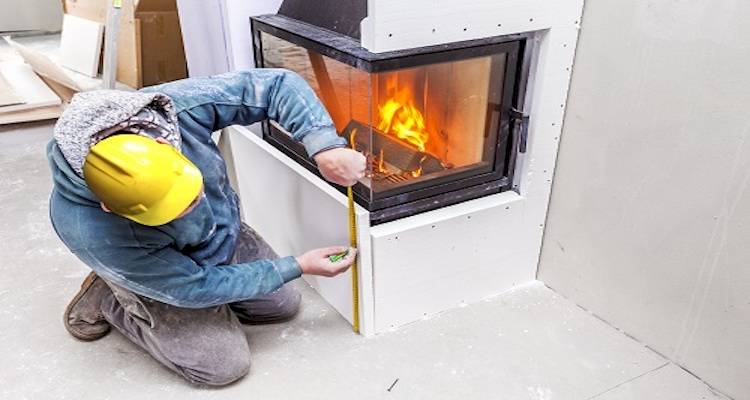
Common Gas Fire Issues and Repair Costs
Here are some of the most common gas fire problems, along with typical repair costs:
- Leaking Pipework — If you can smell gas when the fire isn't on, treat it as an emergency and call the National Gas Emergency Service on 0800 111 999 straight away. Once the leak has been made safe, a Gas Safe registered engineer will carry out the repair. Gas pipe repair costs typically range from £100 to £300, depending on the location and severity of the leak.
- Burner Issues — A dirty or blocked burner can prevent your gas fire from working properly. Burner cleaning is usually included as part of an annual gas fire service, but if a burner jet needs replacing, you can expect to pay £50 to £150 in parts and labour.
- Blocked or Faulty Gas Valve — If there's no ignition and you can't smell gas, the gas valve may be blocked or faulty. A gas valve replacement typically costs £100 to £250, including parts and labour.
- Incorrect Operating Pressure — Gas fires need to run at the right operating pressure to function safely and efficiently. If pressure is too low or too high, the fire may not ignite properly. Diagnosing and correcting a pressure issue typically costs £50 to £100 as part of a call-out.
- Pilot Light or Thermocouple Failure — A faulty pilot light or worn thermocouple can prevent the fire from lighting, or cause it to go out intermittently. A thermocouple replacement typically costs £80 to £150, including parts and labour, and is one of the more common gas fire repairs.
- Blocked Flue or Chimney — A blocked flue can cause harmful gases, including carbon monoxide, to leak back into the room. Flue cleaning or unblocking typically costs £50 to £150, depending on the extent of the blockage.
If you notice a yellow or orange flame instead of a strong blue flame, this can be an early sign of incomplete combustion and a potential carbon monoxide risk. Stop using the fire and contact a Gas Safe registered engineer straight away. For any gas fire repairs, always use a qualified professional.
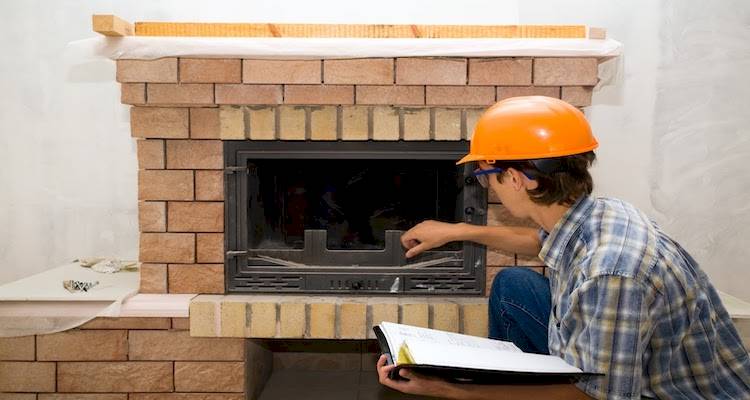
Checklist: How to Find and Hire a Gas Safe Registered Engineer to Service Your Gas Fire
Here are some key points to consider when choosing a qualified heating engineer to carry out a gas fire service on your behalf:
- Are they listed on the Gas Safe Register? Check their registration before hiring them, as engineers must be registered to carry out paid gas work.
- Do they have the right experience? Look to see if the engineer has experience working on your particular type of gas fire and check what other gas appliances they have worked on previously.
- Are they appropriately insured? While this isn't a legal requirement, most reputable gas engineers will at least be covered by public liability insurance, in the event of personal injury or damage to you or your property.
- Have you received at least 3 quotes? With the help of MyJobQuote, it is best to get quotes from at least 3 different gas engineers so you are able to compare prices and establish a realistic gas fire service cost.
- Are the quotes itemised? If they are not already, ask for a breakdown to ensure you're paying a fair price for each element and ensure you have this in writing when confirming the work.
- Does their gas safety check come with a guarantee? Check if the engineer provides any warranties or guarantees on their work. This should ensure peace of mind once the job has been completed.
- Do they have positive reviews? Check their online feedback such as social media and their MyJobQuote profile. Here you should find examples of previous work and any comments from prior customers.
FAQs
Can I Service a Gas Fire Myself?
No. Gas work must only be carried out by someone who is competent to do it safely. Servicing a gas fire requires specialist training and knowledge, so you should always use a suitably qualified Gas Safe registered engineer.
Is an Annual Gas Fire Service a Legal Requirement?
For most homeowners, it isn't a legal requirement. However, it is strongly recommended by professionals and gas providers.
Landlords must arrange for every gas appliance and flue to be safety checked by a Gas Safe registered engineer at least once every 12 months. They must also keep the appliances in a safe condition, which will usually involve regular servicing. Tenants must receive a copy of the safety record within 28 days of the check, or before moving into a new tenancy.
Do I Need Building Regulations Approval for a Gas Fire Service?
No. A routine gas fire service or repair does not require building regulations approval. These rules only apply if you are having a new gas fire installed or making changes to the flue, pipework, or ventilation system.
Do I Need Planning Permission for a Gas Fire Service?
No. A gas fire service or repair does not require planning permission, as it doesn't affect the structure, flue, or external appearance of the property. If you're undertaking more extensive work, your local council can advise on whether permission is needed.
What Happens if My Gas Fire Fails Its Safety Check?
If the engineer finds a safety issue, they will record and classify it under the Gas Industry Unsafe Situations Procedure as either "At Risk" or "Immediately Dangerous". They must explain the problem to you and will normally ask to disconnect or cap the fire if it cannot be used safely. You must not use the fire until the fault has been repaired.
Can I Get a Combined Gas Fire and Boiler Service?
Yes. Many Gas Safe registered engineers offer a combined service for both appliances in a single visit. This typically costs £130 to £170 and is often cheaper than booking each service separately.