Builders
 Carpenters
 Electricians
 Flooring Specialists
 Gardeners
 Handymen
 Heating Engineers
 Painters & Decorators
 Plasterers & Renderers
 Plumbers
 Roofers
 Tilers
 my
myRender Cleaning Cost (UK Guide 2026)
At a Glance
- The average cost per m² to clean render is £8
- Render usually needs re-cleaning every two to four years
- Render cleaning prices per m² and by property size
- Why soft washing matters and pressure washing should be avoided
- What affects the cost
- How often does the render need cleaning
- How to find someone to do the work
Get free estimates
Are you a trade? Get more work today!
Render cleaning is a simple way to refresh your home’s exterior without the cost of repainting or re-rendering. Over time, rendered walls can become stained by algae, mould, lichen, pollution and general weathering, especially in damp, shaded or coastal areas.
As a rough guide, render cleaning usually costs around £6-£12 per m2. A terraced house may cost around £420-£1,080, while a semi-detached house can cost around £600-£1,680. Detached homes usually cost more, depending on the size of the property, access and level of staining.
In this guide, we’ll explain typical render cleaning costs, what affects the price, soft washing vs pressure washing, how often render needs cleaning, whether you can clean render yourself and how to find a render cleaning company.
£1,140
Table of Contents
- How Much Does Render Cleaning Cost?
- Soft Washing vs Pressure Washing: Why it Matters
- How is Render Soft Washed?
- What Affects the Cost of Render Cleaning?
- How Often Does Render Need Cleaning?
- Can You Clean Render Yourself?
- Additional Costs to Budget For
- Render Cleaning vs Re-Rendering
- Checklist: Hiring a Render Cleaning Company
- FAQs
How Much Does Render Cleaning Cost?
It costs £6-£12 per m2 to clean render, depending on the render type and how much algae growth and staining there is. The bigger the property or area of render, the more it costs to clean.
Based on the average render cleaning cost per m2, you can expect to pay around £760 to clean the exterior of a typical terraced house and £1,140 to clean a semi-detached house. For a detached house, render cleaning costs around £1,260 on average.
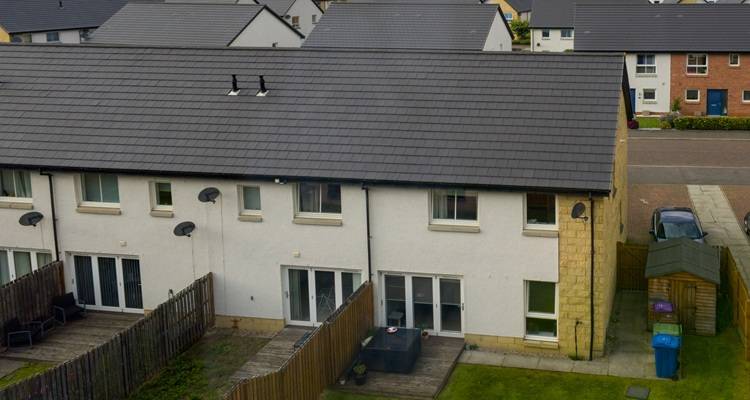
Here are some typical render cleaning costs by property type:
| Property Type | Cost Range | Average Cost |
|---|---|---|
| Terraced house | £420-£1,080 | £760 |
| Semi-detached house | £600-£1,680 | £1,140 |
| Detached house | £720-£1,800 | £1,260 |
On average, render cleaning costs around £9 per m2.
Why Does Render Need Cleaning?
- Road and air pollution can cause black staining and leave a grimy film on render.
- Our damp climate encourages the growth of mould, fungus, algae and lichen. These types of biological growth are particularly common in rainy and coastal locations, as well as on walls that are heavily shaded or north-facing.
- If left, these biological growths can penetrate below the surface of the render, weakening it. It can also leave the render permanently damp, potentially leading to other structural issues.
- Algae and lichen produce acids that can break down lime renders. Similarly, surface water from busy roads can contain salts, which can also damage lime renders.
- If you’re planning to refresh the colour of your render, it usually needs cleaning before you get it painted.
Cleaning your render helps to maintain it and prolong its lifespan.
Soft Washing vs Pressure Washing: Why it Matters
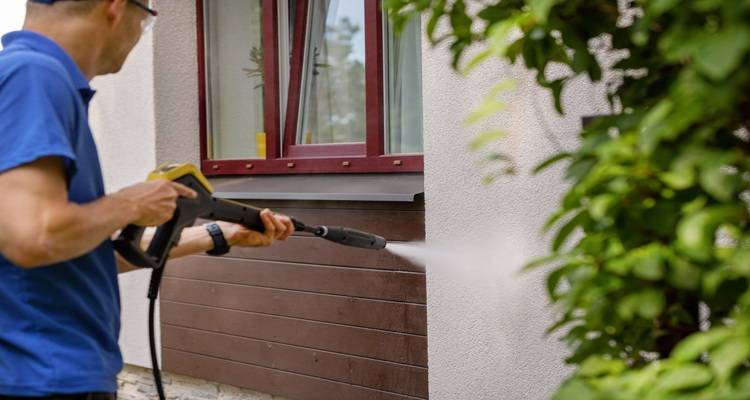
Pressure washing might seem like the ideal solution for cleaning render, but high-pressure jets of water can easily strip the surface away. It can damage the protective coatings and colour from thin-coat render systems like monocouche, silicone and acrylic renders.
This type of cleaning can also contribute to cracking and potentially drive water behind the render and into the walls of your home.
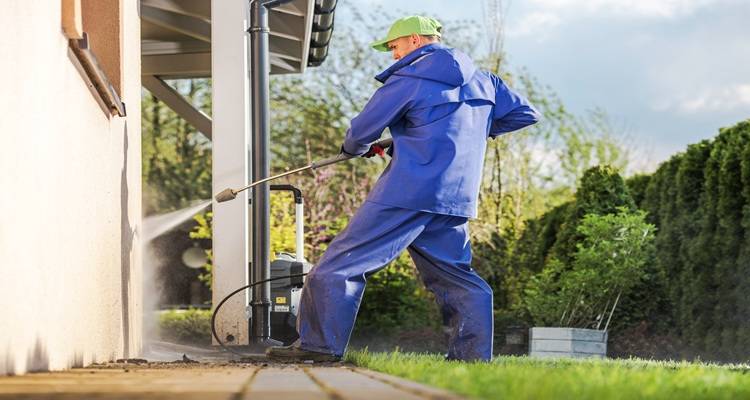
Even if pressure washing is done carefully and appears to have cleaned the render, it may fail to kill off root growth and spores beneath the surface. This means the render can quickly become discoloured again.
That’s why soft washing, a low-pressure cleaning method combined with biocide treatment, is recommended for most render types.
When you’re hiring someone to clean your home’s render, ask whether they use a pressure wash or soft wash method.
How is Render Soft Washed?
The soft-wash process usually starts with an inspection to assess the render type and its condition. This helps the cleaning company determine the best treatment to use and ensures you get an accurate quote for the job.
A porosity test should be carried out, along with checks to ensure your render is free from cracks and other damage. If damage is found, this needs to be fixed first to ensure water and cleaning agents don’t seep into your home’s structure.

Site visits are also a good time to identify areas that need protecting during the clean, such as vents and plants.
If a chemical solution is being applied rather than a biodegradable detergent or biocide, a temporary dam may be set up before cleaning begins to prevent run-off into the drains. Scaffolding or platforms may also be erected if sections of render are hard to reach.
The soft wash process is usually carried out from top to bottom. A biocide treatment or mild detergent is used along with water. The solution is typically left for between 15 and 60 minutes to allow it to penetrate the algae and mould. This is then rinsed off at low pressure.
Heavy staining or algae growth may require a second application of the cleaning solution at a later date.
What Affects the Cost of Render Cleaning?
These are the main factors that affect render cleaning costs:
The Total Surface Area
The more square metres there are to clean, the more you’ll pay. For instance, the cost to clean the front of a small terrace will be less than cleaning the four walls of a large detached house.
Render Type
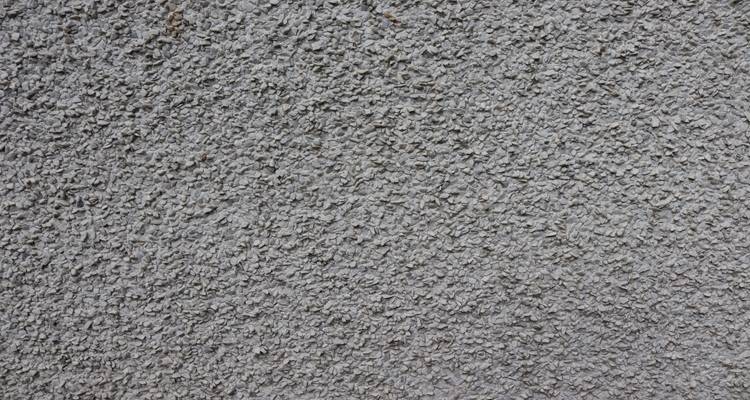
Cleaning methods and solutions are tailored to the type of render. For example, some older buildings with lime render need cleaning with a soft brush and steam rather than chemicals. Some renders require a pH-neutral or acid-free cleaner.
The methods and cleaning solutions required will affect the overall supply and labour costs. The more porous the render, the more likely it is to suffer from algae growth and staining, which can also affect how often you need to clean your render.
Your Location
Homes in coastal areas and locations with heavy rainfall tend to see more red algae growth. Walls that are heavily shaded or north-facing can also see a lot of algae, lichen and mould growth.
Access
If rendered walls are hard to access, scaffolding, platforms or cherry pickers could be needed. This means there may be equipment hire and set-up costs to consider.
Additional Services
You may choose to get other exterior areas, such as soffits and fascias, cleaned at the same time. After cleaning, you might opt for a colour-enhancing or render-protecting treatment.
Despite the upfront costs, protective treatments can reduce how often your render needs cleaning.
How Often Does Render Need Cleaning?
Render typically needs cleaning every two to four years. The more porous your render, the more often it will need cleaning. Renders with hydrophobic coatings usually need cleaning less often.
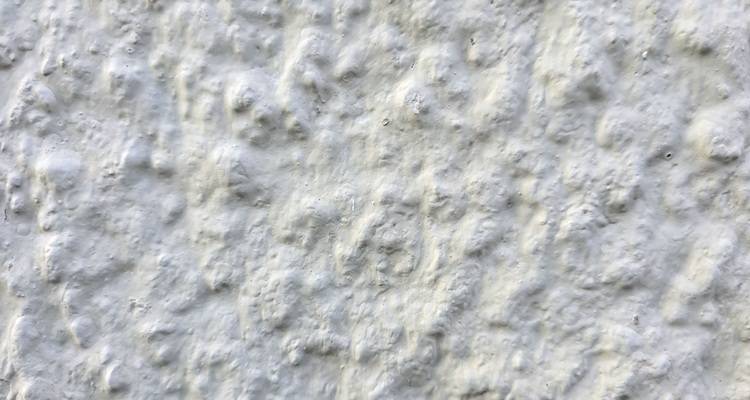
Moisture and shade encourage algae and mould to grow. Therefore, walls exposed to rain, north-facing walls or walls overshadowed by trees typically need cleaning every two to three years.
Homes next to busy roads can also quickly accumulate dirt and staining from air pollution and spray from vehicles.
Biocide treatments help to inhibit growth, prolonging the time between cleans.
Can You Clean Render Yourself?
If there’s only a small patch of staining in a spot that’s easy to access from the ground, you can clean the render yourself using a soft brush and some mild detergent.
However, it’s best not to use a domestic pressure washer, as you may cause damage to your walls. For safety reasons, you should also avoid trying to clean your render from a ladder, using harsh chemicals or mixing your own cleaning solution.
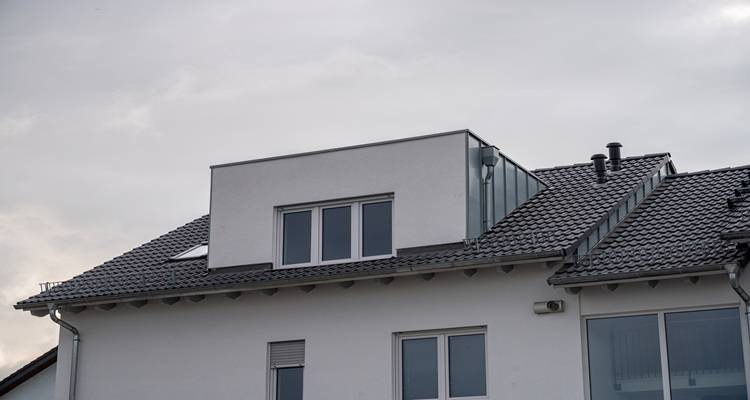
Often, it’s best to use a soft wash cleaning service. They will understand what solutions are required for the type of render and will have training in working at height and handling cleaning products.
Additional Costs to Budget For
Depending on the job, you may need to budget for:
Follow-Up Treatments
If your home’s render has heavy staining, follow-up treatments may be required.
Protective Treatments
Hydrophobic coatings help to reduce staining and algae growth on certain renders, such as K-Rend. Treatments help to protect your home’s exterior and cost around £20 per m2 on average.
Colour-Enhancing Coatings
If you’re aiming to improve kerb appeal, you may choose to enhance the look of your K-Rend or monocouche render with a colour-enhancing coating.
Exterior Painting
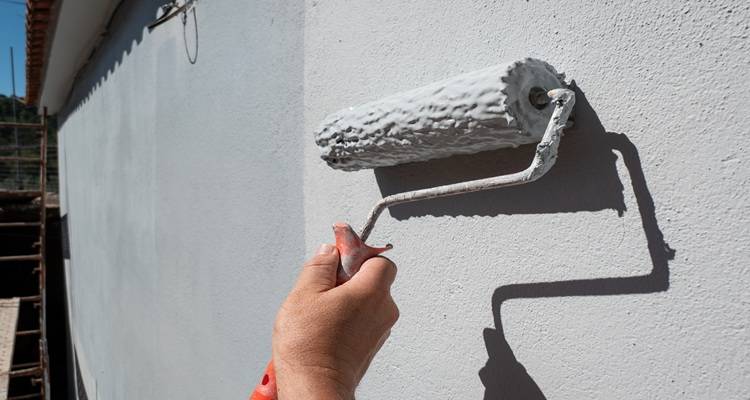
Alternatively, most renders, including cement and acrylic renders, can be painted once they’ve been cleaned. Traditional lime render can be limewashed. Painting the exterior could cost £1,500-£7,700.
You may also wish to paint other parts of your home’s exterior, including the soffits, fascias and front door.
Access Equipment
For taller properties and rendered walls that are difficult to access from the ground, scaffolding, platforms or similar equipment may be needed. Scaffolding hire typically costs £65 for a small access tower and from £600 for full exterior scaffolding.
Render Repairs
Minor repairs, such as small cracks, should be fixed before cleaning is carried out. This could add £200-£300 to your budget.
Render Cleaning vs Re-Rendering
Render cleaning is a great way to renew the exterior of your home. It removes stains and dirt along with algae and mould. Treatments can also be added to enhance the colour and protect the render.
As algae, lichen and mould can damage render, cleaning is also a good way to prolong its lifespan.
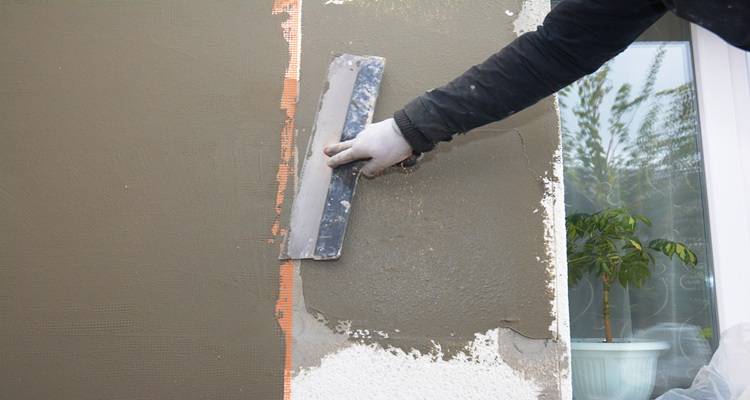
However, cleaning won’t fix blown and crumbling render or cracks. Small issues can be repaired, but re-rendering is needed for larger problems. An inspection before cleaning should highlight any potential issues.
Checklist: Hiring a Render Cleaning Company
Before hiring a render cleaning company, make sure you’ve ticked off the following:
- Cleaning companies have visited your home before providing quotes.
- A render porosity test has been carried out during the visits.
- Your chosen company has confirmed it uses soft washing rather than pressure washing.
- The company has explained what cleaning products they’re using and has confirmed they’re safe for your render type.
- The company has explained whether mild detergent, biodegradable biocide, hypochlorite biocide or another solution will be used.
- You have checked whether they will protect plants and other areas where necessary.
- You have asked whether any extra repair services are included or charged separately.
- You have confirmed they have public liability insurance to protect against accidental damage to your property and neighbouring properties.
FAQs
How much does it cost to clean render per m2?
Render cleaning costs between £6 and £12 per m2. Ease of access, the type of treatment used and the amount of algae growth, staining and dirt will affect the exact cost.
Can you pressure wash render?
It’s not advisable to pressure wash render, as this can strip away the surface, including protective coatings and paint. Soft washing is a much safer method for cleaning render.
How often should render be cleaned?
Render should be cleaned every two to three years, unless staining or algae growth occurs before then. If your render has a protective coating, it may not need cleaning as often.
Does render cleaning remove all algae and staining?
In most cases, cleaning does remove algae and stains. However, heavily stained render may need more than one treatment.
Is render cleaning different for K-Rend or monocouche render?
Both renders are suitable for soft washing. However, as K-Rend typically has a lower porosity level than monocouche, treatments can be left to work for a longer period before rinsing.