Builders
 Carpenters
 Electricians
 Flooring Specialists
 Gardeners
 Handymen
 Heating Engineers
 Painters & Decorators
 Plasterers & Renderers
 Plumbers
 Roofers
 Tilers
 my
myPitched Dormer Loft Conversion Cost
At a Glance
- The average cost of a pitched dormer loft conversion is around £40,000.
- Most jobs take between 4 and 12 weeks to complete, depending on size and complexity.
- Pitched dormer loft conversion costs in 2026 by size and type.
- How long the job takes and what's typically involved.
- How to find a local loft conversion specialist using MyJobQuote.
Get free estimates
Are you a trade? Get more work today!
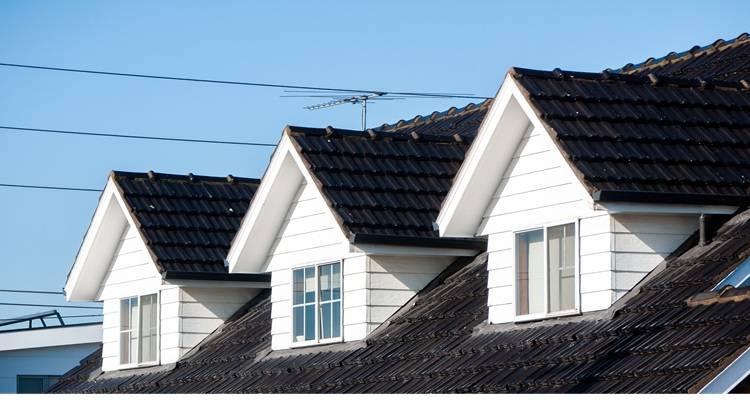
A pitched dormer loft conversion is a type of dormer loft conversion that adds a windowed structure with its own pitched roof to an existing sloping roof. Also known as a cottage dormer, it creates extra loft space, along with headroom and natural light, while keeping a more traditional look.
The cost of a pitched dormer loft conversion depends on the dormer size, roof structure, finish level, and any extras, such as an en-suite, storage, or roof windows.
£40,000
Table of Contents
- How Much Does a Pitched Dormer Loft Conversion Cost?
- Labour Costs and Timescales for a Pitched Dormer Loft Conversion
- Supply Costs for a Pitched Dormer Loft Conversion
- Additional Costs of a Pitched Dormer Loft Conversion
- Pitched Roof Dormer Cost Factors
- Building Regulations for a Pitched Dormer Loft Conversion
- Types of Pitched Dormer Loft Conversion
- Alternative Types of Loft Conversion
- Checklist: Hiring Contractors for a Pitched Dormer Loft Conversion in the UK
- FAQs
How Much Does a Pitched Dormer Loft Conversion Cost?
The cost of a pitched dormer loft conversion in the UK typically ranges from £20,000 to £60,000, depending on the size of the dormer, the complexity of the structural work, and the finish you choose.
What best describes your pitched dormer conversion project?
Standard bedroom or living space
0 votes - 0%0% of votes
With en-suite bathroom
3 votes - 100%100% of votes
With new staircase installation
0 votes - 0%0% of votes
With significant roofing work
0 votes - 0%0% of votes

3 votes
See results
Hide results
Costs may be higher where bespoke design is involved, the roof needs significant alteration, or the conversion includes an en-suite, a custom staircase, upgraded insulation, or premium windows and finishes.
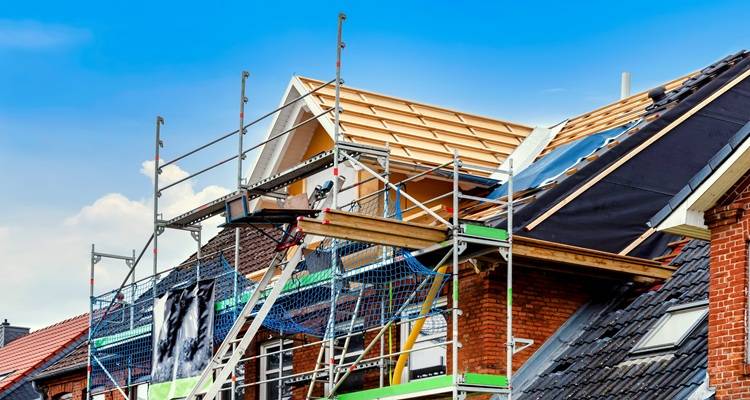
Pitched Dormer Loft Conversion Prices
Here are the typical costs by size:
| Type of Job or Project | Job Timescale | Average Price |
|---|---|---|
| Small Pitched Dormer Loft Conversion | 4 to 6 weeks | £20,000–£40,000 |
| Medium Pitched Dormer Loft Conversion | 6 to 8 weeks | £30,000–£50,000 |
| Large Pitched Dormer Loft Conversion | 8 to 10 weeks | £40,000–£60,000 |
| Pitched Dormer Loft Conversion with En-Suite | 6 to 13 weeks | £24,000–£80,000 |
Adding extras such as structural steel or a new staircase will increase the overall price:
| Type of Job or Project | Job Timescale | Average Price |
|---|---|---|
| Pitched Dormer Loft Conversion with Structural Steel Installation | 4 to 11 weeks | £21,000–£62,500 |
| Pitched Dormer Loft Conversion with Staircase Installation | 5 to 11 weeks | £21,000–£65,000 |
Want a custom price?
Post your job
Labour Costs and Timescales for a Pitched Dormer Loft Conversion
Labour makes up the largest share of a pitched dormer loft conversion's cost, typically accounting for 50% to 60% of the total budget. For a project averaging £40,000, that works out at roughly £20,000 to £24,000 in labour costs.
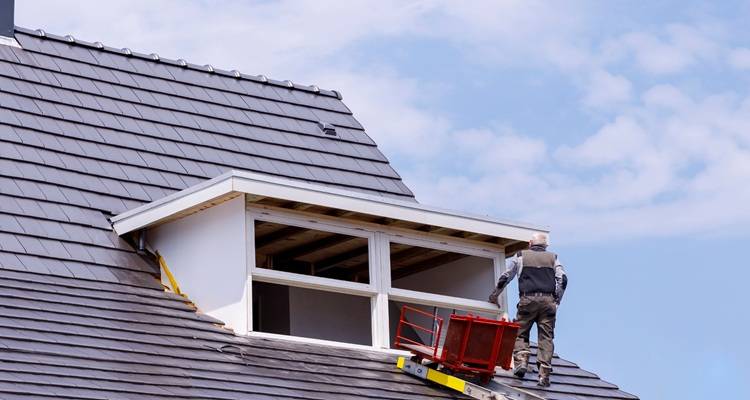
The tradespeople involved can include loft conversion specialists, builders, roofers, carpenters, electricians, plumbers, plasterers, and decorators. Here are the estimated day rates for each:
- Loft Conversion Specialists — £150 to £300 per day.
- Builders — £150 to £250 per day.
- Roofers — £200 to £350 per day.
- Carpenters — £100 to £200 per day.
- Electricians — £150 to £250 per day.
- Plumbers — £200 to £400 per day.
- Plasterers — £150 to £300 per day.
- Decorators — £150 to £300 per day.
Labour rates vary throughout the UK, with prices generally highest in the southeast of England and lower in northern England, Scotland, and Northern Ireland.
Most pitched dormer loft conversions take between 4 and 12 weeks. Pitched dormers often take longer than flat-roof dormers, due to the more complex roof design and additional external finishing involved.
Supply Costs for a Pitched Dormer Loft Conversion
The total cost of a pitched dormer loft conversion consists of labour and supply costs. Here we'll take a look at some of the specific supply costs to give you an idea of the more and less expensive options.
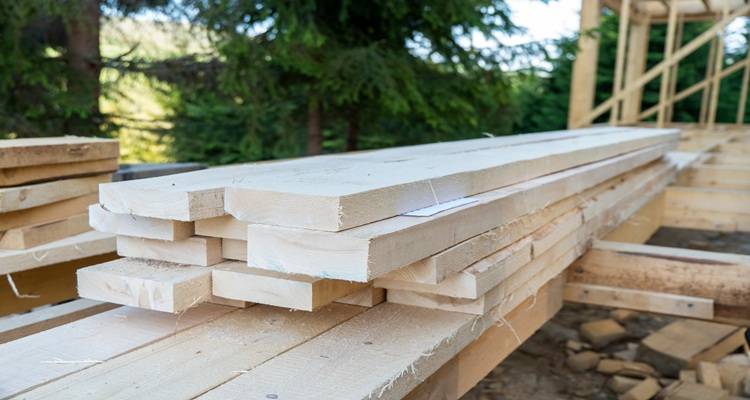
Materials for the structural shell and roofing typically cost:
| Item | Supply Cost |
|---|---|
| Timber | £1,000–£3,000 |
| Structural Steel | £500–£1,500 |
| Insulation | £20–£40 per m² |
| Roof Tiles/Slates | £1–£5 per tile |
| Breathable Membrane | £100–£200 |
| Lead Flashing | £200–£300 |
| Roof Windows | £500–£600 |
| Dormer Windows | £300–£4,700 |
Costs for fixtures, fittings, and finishes inside the new room include:
| Item | Supply Cost |
|---|---|
| Plasterboard | £15–£40 per m² |
| Staircase Materials | £850–£4,000 |
| Flooring | £50–£80 per m² |
| Doors | £20–£100 |
| Skirting | £15–£25 per linear metre |
| General Fittings and Fixtures | Up to £3,000 |
| Sanitaryware | £1,000–£5,000 |
| Taps | £100–£200 |
| Pipework | £1,250–£2,250 |
| Tiling | £50–£150 per m² |
| Extractor Fans | £50–£200 |
Want a custom price?
Post your job
Additional Costs of a Pitched Dormer Loft Conversion
Beyond the main build cost, several additional costs may apply depending on your project:
- Scaffolding – £500 to £2,000.
- Skip Hire – £150 to £450 per week.
- Waste Removal – £200 to £800.
- Architectural Drawings – £2,000 to £5,000.
- Planning Application Fees – £200 to £300.
- Party Wall Surveyor – £1,000 to £3,000.
- Decorating – £1,500 to £2,000.
- Heating Upgrades – £1,000 to £2,000.
- Electrics Upgrades – £200 to £6,000.
- Chimney Alterations – £300 to £1,000.
- Strengthening Floor Joists – £400 to £1,000.
- Moving Pipework or Tanks – £800 to £3,000.
- Repairing Existing Roof Defects – £20 to £200 per square metre.
- Improving Insulation Elsewhere in the Loft – £20 to £40 per square metre.
- Removal or Repair Work – If a pitched dormer ever needs fixing or removing (e.g., due to poor workmanship, leaks, or rotten timber), budget for waste disposal (£300 to £1,200), roof repairs (£100 to £150 per square metre), and reinstating the loft structure, which can run to several thousand pounds.
Fixtures and fittings can also add to the cost. A fitted wardrobe costs £2,000 to £3,000, a desk £50 to £200, and loft blinds £25 to £140. A radiator costs around £120 to £370 per unit, and recessed lighting typically costs £300 to £500.
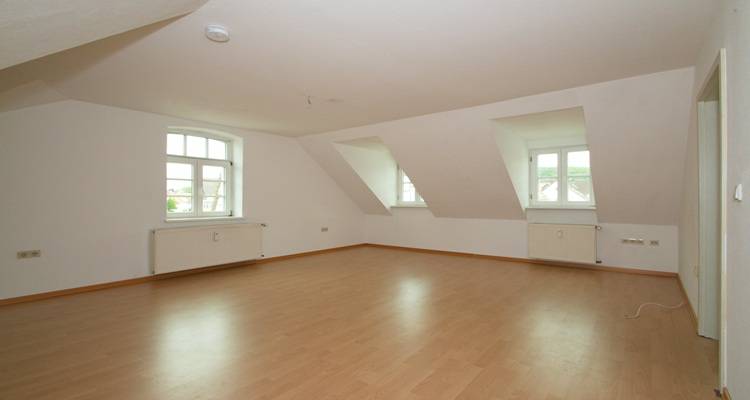
Pitched Roof Dormer Cost Factors
Key cost factors for a pitched dormer loft conversion include:
- Size of the Loft – can cause price differences of tens of thousands of pounds.
- Roof Pitch and Structure – affects how much structural work is needed.
- Steel or Timber Support – more support required increases cost.
- Dormer Size and Style – larger, more complex dormers cost more.
- Roof Covering – matching the existing covering can add cost.
- Insulation Standard – for example, mineral wool or PIR rigid insulation boards.
- Internal Finish – the quality of finish chosen for the new room.
Other considerations include whether you're adding an en-suite, the complexity of the staircase, ease of access to the site, and the need for scaffolding.
Older properties, such as those with roof defects, may need extra remedial work, which can add to your final budget.
Building Regulations for a Pitched Dormer Loft Conversion
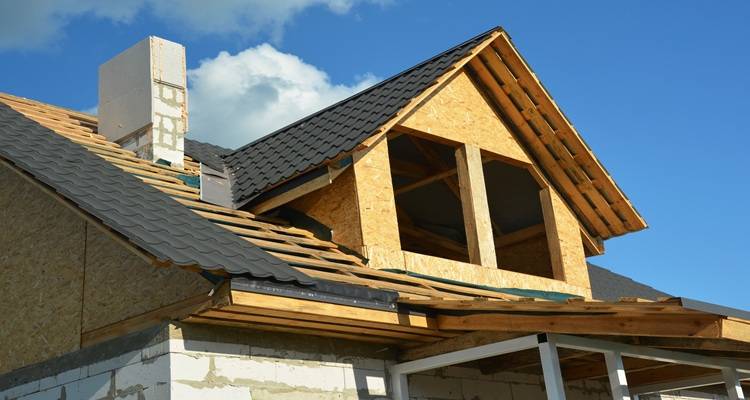
A pitched dormer loft conversion normally needs to meet building regulations covering structural stability, fire safety, insulation, ventilation, and safe escape routes. Applying for building regulations approval typically costs £200 to £500, though this can reach £1,000 or more for larger or more complex projects.
Planning permission may also be required, depending on the size of the dormer, your property type, and whether you live in a conservation area. See our FAQs below for more on this.
Ask a Trade
Got a question that only a tradesperson can answer? We have thousands of trades ready to answer any question you may have.
Ask your question

Types of Pitched Dormer Loft Conversion
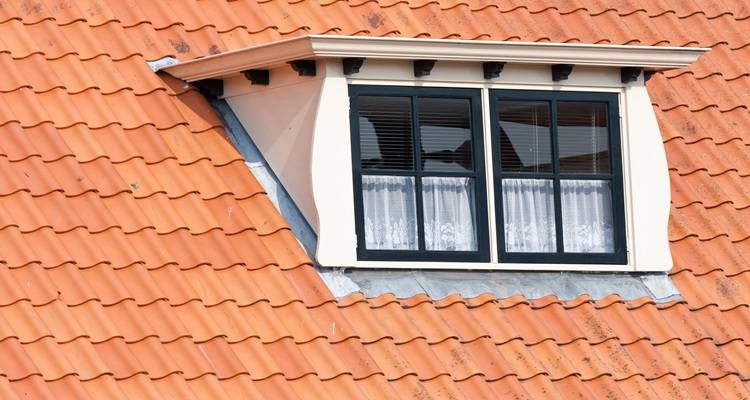
Pitched dormer loft conversions come in several styles, each affecting cost and floor space differently:
- Single-Pitched Dormers – the most affordable option, with a smaller footprint.
- Multiple-Pitched Dormers – add more floor space, at a higher cost.
- Rear Pitched Dormers – often add more floor space with less impact on the property's front-facing appearance.
- Shed Dormers – feature a single sloped roof and maximise natural light, though they're one of the more visible options, along with flat roof dormers.
Front-facing pitched dormers are also possible in some cases, though planning restrictions often apply.
Alternative Types of Loft Conversion
There exists a wide range of alternative types of loft conversions you may also want to consider before settling on a pitched dormer loft conversion. Let's compare with some of the popular alternatives.
Roof Light Loft Conversions Cost
A roof light loft conversion is a conversion that works with the property's existing roof line, with skylights added to let natural light in. Given these considerations, a roof light loft conversion is less disruptive than most. It costs approximately £15,000 to £30,000, making it one of the most budget-friendly loft conversion options.
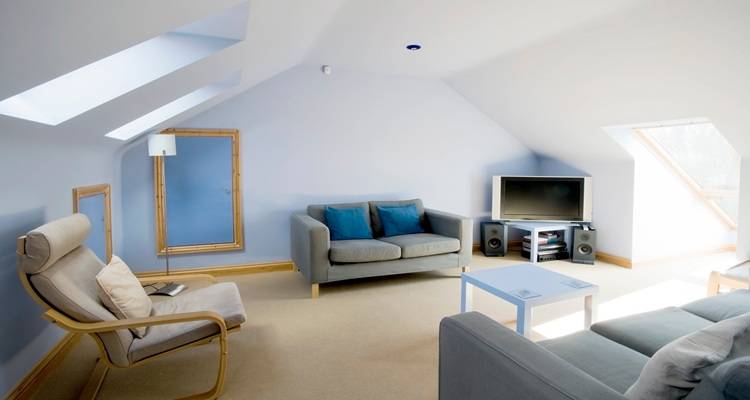
As with loft conversions in general, planning considerations apply, such as minimum height requirements, access and staircase design, ventilation, insulation, and how it may affect existing rooms. Notably, a roof light loft conversion does not add additional space since it is working with the existing roof line as it is.
Flat-Roof Dormer Loft Conversions Cost
Flat-roof dormer loft conversions require extending the loft's vertical walls to introduce both added headspace and a new flooring area for habitability. They are more disruptive than options such as roof light loft conversions and cost around £30,000 to £60,000, depending on key factors like the size of the conversion.
Hip-to-Gable Loft Conversions Cost
Priced at around £40,000 to £65,000, hip-to-gable loft conversions involve straightening a property's sloped roof while extending the roofline to establish a vertical gable wall. This type of loft conversion can add approximately 20 square metres in additional flooring space. It is unsurprisingly a relatively disruptive loft conversion.
Side Dormer Loft Conversions Cost
A side dormer loft conversion extends the roof's side slope. This adds headspace and can significantly increase floor space. It costs approximately £30,000 to £60,000 and is reasonably disruptive.
Mansard Loft Conversions Cost
Last but not least, a mansard loft conversion, priced at around £55,000 to £80,000, is one of the more expensive and premium options.
A mansard loft conversion, generally added to the rear of a house, is, as with many loft conversions, designed to add additional space. It is generally constructed with a central flat roof.
Checklist: Hiring Contractors for a Pitched Dormer Loft Conversion in the UK
It's a good idea to compare quotes from several contractors before deciding who to hire. Here are some key things to consider before hiring a contractor for your pitched dormer loft conversion:
- How much experience do they have with pitched dormer loft conversions? Ensure the contractor you hire has completed similar projects before and can provide evidence of their work.
- Are they familiar with building regulations for loft conversions? Building regulations cover structural stability, fire safety, insulation, and safe escape routes, so check they understand these requirements.
- Does their quote include design, drawings, and structural calculations? Confirm that design work, structural calculations, and building control coordination are all covered in the price.
- Do they have insurance? Look for public liability insurance, which is essential if anything goes wrong.
- What is their payment schedule? Agree a clear payment schedule and realistic timescales before work begins.
- Do they have positive reviews? Check their MyJobQuote profile to see what other homeowners are saying about their work.

FAQs
What Is the Most Expensive Part of a Pitched Dormer Loft Conversion?
Structural work is usually the most expensive part of a pitched dormer loft conversion. This includes strengthening floor joists, installing structural steel, and building the dormer's roof and walls, all of which require skilled labour from carpenters, roofers, and builders.
Will a Pitched Dormer Loft Conversion Increase My Council Tax?
It could. A pitched dormer loft conversion may increase your council tax if it creates an extra bedroom or significantly increases your home's usable floor space. Council tax bands are usually reassessed when a property is sold, though major renovations can sometimes trigger an earlier review. Contact your local council or the Valuation Office Agency to check how your project might be affected.
Is Planning Permission Required for a Pitched Dormer Loft Conversion?
This depends on whether your project is considered permitted development, where planning permission isn't required. The Planning Portal provides relevant details, though it's best to contact your local council to verify whether planning permission will be needed for your specific project.
Do Pitched Dormer Loft Conversions Add Value to a Property?
Yes, a pitched dormer loft conversion may add somewhere between 10% and 25% to your property's value, depending on factors like the size and type of the conversion.
Is a Pitched Dormer Loft Conversion Worth the Cost Compared to Other Options?
This depends on your budget and how much extra space you need. Cheaper options, such as a roof light loft conversion, cost less but don't add extra floor space, unlike a pitched dormer. It's worth weighing the pros and cons of each option against your budget and space requirements.