Builders
 Carpenters
 Electricians
 Flooring Specialists
 Gardeners
 Handymen
 Heating Engineers
 Painters & Decorators
 Plasterers & Renderers
 Plumbers
 Roofers
 Tilers
 my
myConifer Tree Removal Cost
At a Glance
- The average conifer tree removal cost is between £250 and £1,500 per tree.
- It usually takes around 1 to 3 hours to remove a small conifer tree, but large conifers can take a whole day to remove.
- A breakdown of the cost of conifer removal in the UK, by tree size and job type.
- An idea of how long the work is likely to take.
- How to find a local tree surgeon using MyJobQuote.
Get free estimates
Are you a trade? Get more work today!
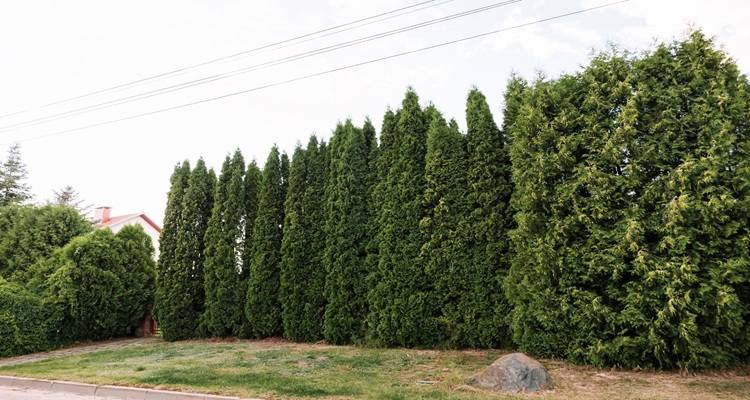
Conifer tree removal costs can vary depending on the size of the tree, how easy it is to access, and whether stump removal, stump grinding, and waste disposal are included. While conifers are popular for privacy and screening, they can quickly become too large, block light, and cause problems in the garden.
Because of their height, density, and weight, conifer removal is usually best left to a professional tree surgeon.
This guide explains the average conifer tree removal cost, what affects the final price, and how to find the right contractor for the job.
£875
Table of Contents
- How Much Is Conifer Tree Removal?
- How Much Does Conifer Hedge Removal Cost?
- Labour Costs and Timescales
- Supply Costs
- Additional Costs
- Cost Factors for Conifer Tree Removal
- Types of Conifer Tree Removal
- Alternative Options to Removing Conifers
- Hiring Contractors Checklist for Conifer Tree Removal
- Removing Conifer Stumps
- FAQs
How Much Is Conifer Tree Removal?
The average conifer tree removal cost in the UK is usually around £250 to £1,500 per tree, but the prices can be higher for large conifers or difficult-to-access gardens.
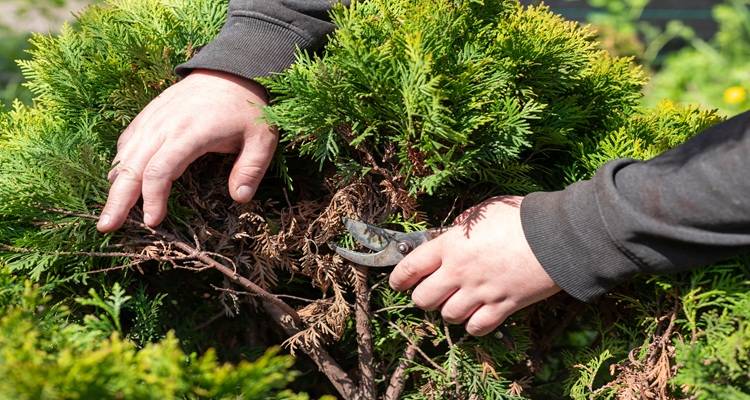
Smaller conifers and shrubs are usually quite quick and easy to remove, so these are a cheaper option. However, larger conifers require more time, labour, and specialist equipment, so these can cost a lot more to remove.
Removing multiple conifers at the same time may reduce the price per tree, so this is something to keep in mind if you are planning to remove more of your conifers in the future. It may be more cost-effective to get them all removed at the same time instead of some now and others later.
Conifer Tree Removal Prices
Below is a table showing the typical conifer tree removal prices that you can expect to pay based on the size of the tree and the type of job:
| Tree Size/Job Type | Average Price Range | Estimated Time |
|---|---|---|
| Small conifer (up to 3m) | £150–£300 | 1 to 3 hours |
| Medium conifer (3m to 6m) | £300–£700 | 3 to 5 hours |
| Large conifer (6m to 12m) | £700–£1,200 | 4 to 8 hours |
| Very tall conifer (12m+) | £1,200–£2,000+ | 1 to 2 days |
| Conifer hedge removal | £150–£400+ | 1 to 2 days |
Want a custom price?
Post your job
The figures listed above represent the conifer removal cost for professional tree surgeons. The overall costs may vary depending on the complexity of the job, garden access, waste disposal, and your location.
How Much Does Conifer Hedge Removal Cost?
Conifer hedge removal is usually more involved than removing a single small conifer tree, as there may be several trunks, branches, and more waste to dispose of. The cost will usually depend on the height and length of the hedge, how easy it is to access, and whether the stumps or roots also need to be removed.
Below is a table showing the typical conifer hedge removal prices that you can expect to pay based on the size and type of job:
| Type of Hedge Removal | Average Cost | Estimated Time |
|---|---|---|
| Small conifer hedge removal | £150–£200 | Up to 1 day |
| Medium conifer hedge removal | £200–£300 | 1 day |
| Large conifer hedge removal | £300–£400 | 1 to 2 days |
Want a custom price?
Post your job
If you are removing a full row of mature conifers, the cost will depend on the total length and number of stems involved. While this is still usually priced as hedge removal, very large or overgrown rows with multiple stumps and restricted access can increase costs to £1,500 or more, depending on the size of the hedge.
In general, hedges are cheaper to remove than individual trees as they are generally thinner and shorter, so less specialised equipment is required.
Labour Costs and Timescales
Labour is one of the biggest parts of the total cost when cutting down conifers.
A tree surgeon will usually charge around £200 to £400 per day. In many cases, they will work in a team of two for safety reasons. A team of two will usually cost around £400 to £700 per day.
Typical timescales may include:
- Small Conifers — 1 to 3 hours.
- Medium Conifers — 3 to 5 hours.
- Large Conifers — half a day or longer.
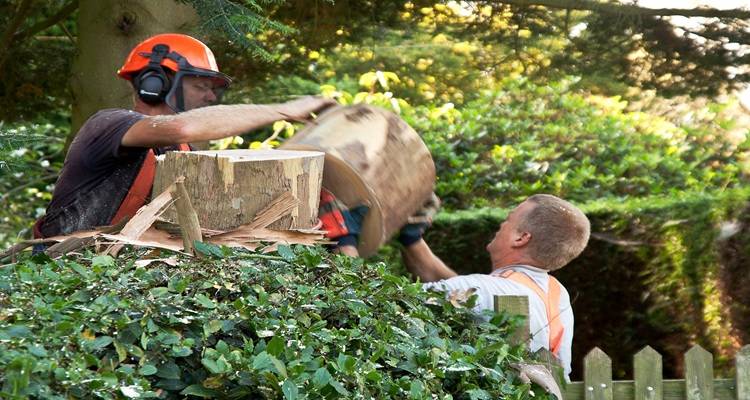
Tall or dense conifers may need to be dismantled in sections for safety, which can increase labour time and the overall price.
Your location can also affect the cost that you can expect to pay, as labour rates vary across the UK.
Supply Costs
Removing a conifer tree will require specialised tools and equipment, which are usually used by trained tree surgeons. Some examples of the equipment needed for removing a conifer tree include:
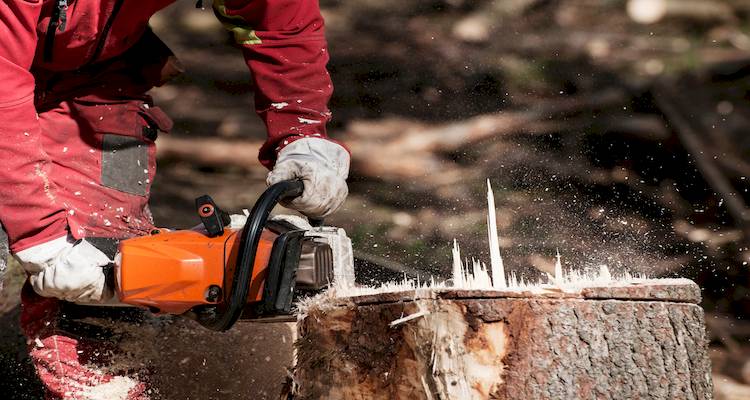
- Chainsaws for cutting branches and trunks.
- Climbing ropes, harnesses, and rigging systems.
- Protective safety equipment (helmets, gloves, boots).
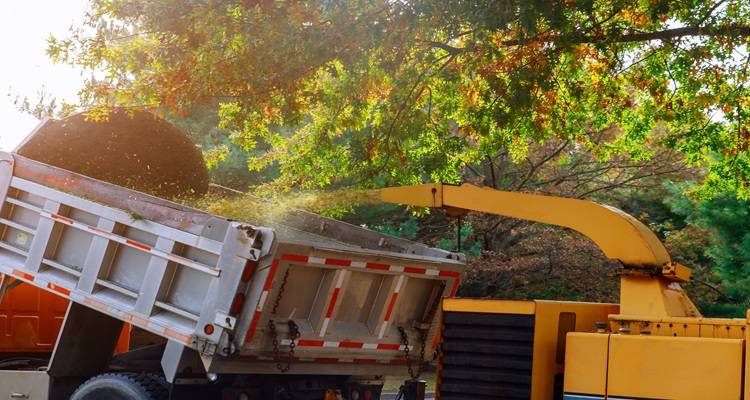
- Wood chippers for processing the branches.
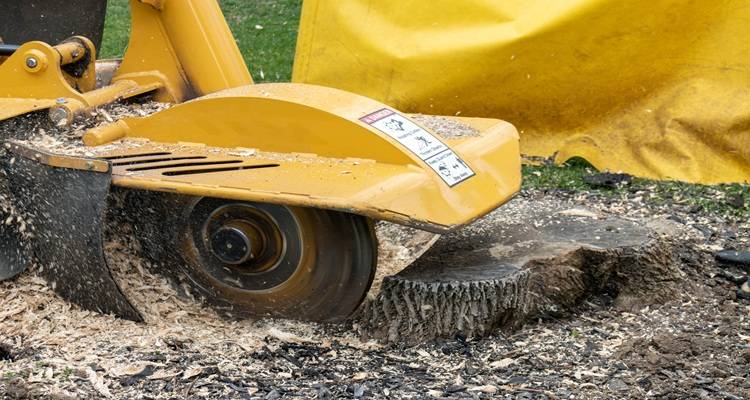
- Stump grinders for removing tree bases.
- Rigging systems for controlled dismantling.
Because of the complexity of the job and the risks involved, it is not recommended that you attempt to remove a conifer as a DIY job, especially if you are dealing with a larger tree.
For very small conifers or shrubs, basic tools may be sufficient for the removal. Here is a list of things you'll need to remove a small conifer as a DIY job:
- Hand Saw — £20 to £50.
- Loppers — £30 to £80.
- Small Chainsaw — £80 to £200.
Safety should always be the priority when removing a conifer. Anything beyond minor cutting is best left to the professionals. If you do choose to remove a small conifer tree yourself, make sure to protect your eyes, wear gloves, and keep your skin covered to prevent small cuts or irritation.
Additional Costs
When you are calculating the conifer tree removal cost, it is important that you consider any additional services that may increase the overall price.
Examples include:
- Stump Grinding or Stump Removal — £60 to £300.
- Waste Removal and Disposal — £50 to £200+.
- Log Splitting or Wood Chipping — £50 to £150.
- Tree Health Inspections — £100 to £300.
- Garden Repairs After Tree Removal — £100 to £500+.
- Wall or Fence Repairs if Roots Have Caused Damage — £150 to £1,000.
Access equipment, such as cherry pickers or cranes, may also increase the overall price if the conifer tree is particularly tall or located near buildings. This can significantly increase the costs and can often add hundreds of pounds to the cost of the job.
Cost Factors for Conifer Tree Removal
There are certain factors that can influence the overall cost of conifer tree removal. Understanding these factors will help you to better plan your budget and avoid any unexpected expenses.
Below is a list of the things that could affect the cost of removing a conifer tree:
Tree Height and Density
The height and density of the conifer are some of the most significant factors that can affect the overall price of a removal job. Larger trees will need more time, specialist equipment, and often additional safety measures to safely remove them.
Denser conifer trees with thicker foliage and heavy branches can also take much longer to cut and remove, so this can increase the labour times and costs.
Number of Trees Being Removed
If you are removing conifers in bulk, this may make it cost less per tree to remove them. This is because the contractors will be able to complete the work more efficiently in one visit, so this reduces the setup and travel time.
However, large-scale jobs may still have a higher total cost due to the increased volume of waste and labour required.
Access to the Garden
Easier access to the tree will make the job a lot quicker and more affordable. If the contractors can easily bring in the equipment and remove all of the waste, the work will be a lot more straightforward.
However, if there is restricted access, such as narrow pathways, terraced houses, steep slopes, or no rear access, this can increase the labour time and may require manual handling or smaller equipment, which can increase the overall conifer removal cost.
Location of the Tree
The location of the tree within your property can quite significantly affect how the job is carried out. If the trees are located close to any buildings, fences, sheds, or power lines, then they will require more careful planning and controlled cutting techniques.
This often means the tree will need to be dismantled in sections rather than just felled in one piece. This can increase both the time and cost of the job.
Safety Risks or Nearby Structures
If your conifer tree poses any safety risks, such as being unstable, diseased, or leaning, it may need some additional precautions to safely remove it.
If the tree is near any roads, public footpaths, or neighbouring properties, it also requires extra care and possibly traffic management measures. Larger or more complex jobs may also require more than one tree surgeon on site for safety. These added safety requirements can increase both the labour costs and the overall price of the job.
Waste Removal Requirements
The amount of waste that is generated from cutting down conifer trees can be substantial, especially if you are dealing with a large number of trees. If waste removal is included in the job, the contractors will need to chip the branches, load up the debris or wood chippings, and transport it for disposal.
All of these additional things take up time and resources. Some companies will include this within their quote, but others may charge it separately, so it's important to check what is included in the cost before going ahead with the job.
Regional Labour Rates
Labour costs vary depending on where you live in the UK. Those based in London and the surrounding areas can expect to pay more for the labour side of things than those based in the North or other parts of the UK.
Ask a Trade
Got a question that only a tradesperson can answer? We have thousands of trades ready to answer any question you may have.
Ask your question

Types of Conifer Tree Removal
There are different approaches used when removing conifer trees. Take a look at the list below of the different methods and the pros and cons of each method:
Straight Felling
This is where the tree is cut at the base and allowed to fall in one piece. This method is usually only possible where there is sufficient space. This is usually the cheapest option.
Pros
- ✔ Quick and efficient.
- ✔ Lower labour costs.
Cons
- ✖ Requires plenty of space.
- ✖ Not suitable near buildings.
Sectional Dismantling
This is where the tree is cut down in sections from the top down using climbing equipment and ropes. This is commonly used in gardens with limited space and is often more expensive due to the complexity.
Pros
- ✔ Safe in confined spaces.
- ✔ Suitable for urban gardens.
Cons
- ✖ Time-consuming.
- ✖ Higher labour costs.
Mechanical Removal
This is where specialist machinery may be used for large conifers or hedge removal projects. The cost for this type of removal is usually moderate to high, depending on the equipment used and the scope of the job.
Pros
- ✔ Efficient for multiple trees.
- ✔ Ideal for large areas.
Cons
- ✖ Requires access to machinery.
- ✖ Higher equipment costs.
The method used will affect the cost and timescale of the job.
Alternative Options to Removing Conifers
If a full conifer tree removal is not necessary, there are some other cheaper alternatives that you may want to consider instead.
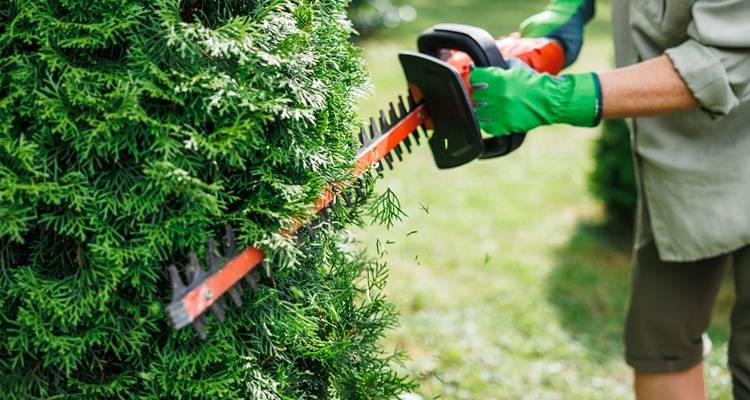
Examples include:
- Conifer Trimming or Pruning — This reduces the height and improves its appearance.
- Crown Reduction — This limits its overall size.
- Hedge Reduction — This helps to control growth.
- Reshaping or Thinning — This improves light and air flow.
These options may be more affordable if the goal is simply to reduce height or control growth rather than completely remove the tree.
Hiring Contractors Checklist for Conifer Tree Removal
Consider these key points before hiring a tree surgeon for conifer tree removal:
- Do they have experience removing conifers of a similar size? Large conifers, dense trees, and conifer hedges can be more difficult to remove safely than smaller garden trees.
- Do they have public liability insurance? This is important in case nearby fences, sheds, buildings, or neighbouring properties are damaged during the work.
- Will they check for Tree Preservation Orders (TPOs) or conservation area restrictions? You need the council's written consent before removing a tree that has a TPO, and you must give 6 weeks' notice before removing a tree in a conservation area.
- Is stump removal or stump grinding included? Some quotes only cover cutting down and removing the tree, so check whether the stump will cost extra.
- Is waste disposal included in the quote? It's worth checking whether branches, logs, wood chippings, and other garden waste will be taken away once the job is complete.
- Will the tree need sectional dismantling? If the conifer is close to buildings, fences, power lines, or public areas, it may need to be removed in sections rather than felled in one piece.
- Do they have examples or reviews from similar jobs? Look for previous conifer removal work, before-and-after photos, or feedback from homeowners on MyJobQuote.
Choosing the right contractor ensures that the job is completed safely and efficiently.
Removing Conifer Stumps
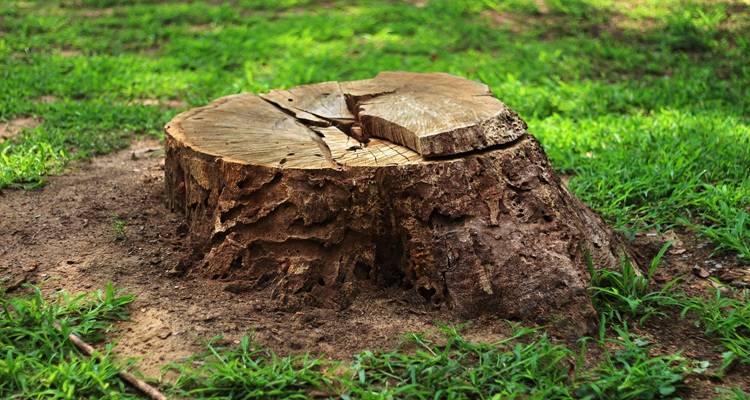
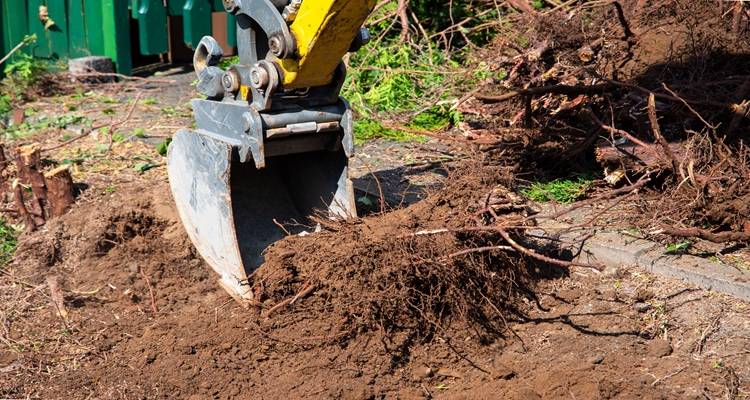
After a conifer tree is removed, the stump may still remain in the ground. This can be unsightly and could mean paying extra for stump removal or stump grinding.
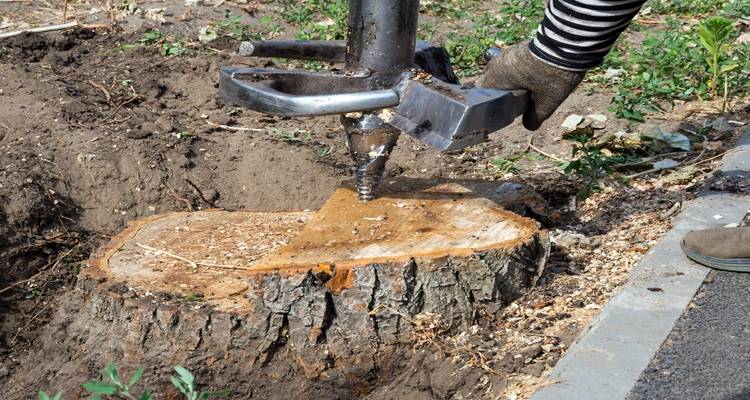
Below are some options you could choose to deal with the stump:
- Stump Grinding — This is the most common method.
- Full Stump Removal — This is where the stump and its main roots are removed.
- Chemical Stump Treatment — This kills the stump and its roots so they start to break down.
Stump removal may add an additional cost, but it is usually recommended if you are planning to install, lay, or replace anything in that area, such as turf, paving, or fencing.
Conifer Root Removal
Conifer root removal may be needed if you want to replant the area, lay turf, install paving, or remove a trip hazard. Tree root removal typically costs between £200 and £750, depending on the size and spread of the roots, access, location, and the method of removal.
Conifer roots are usually shallow rather than deeply rooted, but they can spread widely through the surrounding soil. Root removal is usually more costly than stump grinding because it may require digging out or extracting more of the root system. Smaller root removal jobs may only take a few hours, while larger or more complex roots can take around 1 to 3 days to remove.
FAQs
Do I Need Permission to Remove a Conifer Tree?
Check if the conifer tree is protected by a Tree Preservation Order (TPO). If it is, you need the council's written consent before removing it. In a conservation area, you must give the council 6 weeks' notice before the work starts, after which you can go ahead, unless the council issues a TPO in the meantime. A tree surgeon or contractor may be able to advise, but it is ultimately the homeowner's responsibility to make sure the work is allowed.
Can I Remove a Conifer Tree Myself?
You may be able to remove a very small conifer tree yourself using basic tools, but larger conifers are usually best left to professional tree surgeons. Cutting down conifers can be dangerous due to their height, weight, and the risk of damage to nearby fences and other structures.
Do Conifer Roots Need to Be Removed?
Conifer roots do not always need to be removed, as the tree is unlikely to grow back even with the roots left in place, although yews sometimes can. Conifer root removal usually costs more than stump grinding because it can involve stump grinding, stump removal, or full extraction. This can add to the total cost but will provide a clean, usable space afterwards.
Can Conifers Grow Back After Being Cut Down?
No, most conifers won't grow back after being cut down, although yew trees can. By grinding or removing the stump, you can reuse the area afterwards.
Is It Cheaper to Remove Multiple Conifers at Once?
Yes, removing multiple conifers at the same time can reduce the cost per tree because the tree surgeon can complete the work in one visit. However, the total cost will still depend on the size of the trees, access, labour time, stump removal, and how much waste needs to be cleared.
How Long Does Conifer Removal Usually Take?
The time it takes to complete a conifer removal will depend a lot on the size and complexity of the job. Small conifers can often be removed in a few hours, while larger conifers may take a full day or longer. The job can take more time if the tree needs sectional dismantling, stump grinding, root removal, waste disposal, or work in a restricted space. Your contractor should be able to give you a decent idea of a more accurate timeframe after assessing the job at hand.
When Is the Best Time to Remove a Conifer Tree?
The best time to remove a conifer tree is usually outside the main nesting season and when access to the garden is safe and clear. Many tree surgeons prefer late autumn to early spring, but urgent or dangerous trees may need to be assessed sooner.
Will Home Insurance Cover Conifer Tree Removal?
Home insurance may cover tree work if the conifer has fallen, become dangerous, or caused damage, but it all depends on your policy. It's best to check with your insurer before booking the work.