Builders
 Carpenters
 Electricians
 Flooring Specialists
 Gardeners
 Handymen
 Heating Engineers
 Painters & Decorators
 Plasterers & Renderers
 Plumbers
 Roofers
 Tilers
 my
myGlass Room Extension Cost
At a Glance
- The average glass extension cost is around £40,000.
- Most glass room extensions take 2 to 3 weeks to complete.
- Typical costs for different types of glass room extensions.
- How long building this type of extension takes.
- How to find a glass extension builder using MyJobQuote.
Get free estimates
Are you a trade? Get more work today!
Want to know how much it costs to install a glass room extension?
Every aspect of a glass extension will impact the price, including size, custom features, materials, and the glass. In this guide, we'll cover everything you need to know about glass extensions and how much they cost.
A glass extension differs from project to project. Some may have sliding doors, others may have retractable roofs, and others may be entirely unique and bespoke.
With MyJobQuote, you can request several glass box extension quotes from local glass extension builders. It's fast, free, and there's no obligation to go ahead!
Read our full glass extension guide below
£40,000
Table of Contents
- How Much Does a Glass Room Extension Cost?
- Supply Costs for Glass Room Extensions
- Additional Costs
- Labour Costs and Timescales for Glass Room Extensions
- Cost Factors for Glass Room Extensions
- Types of Glass Room Extensions
- Alternative Types of Extensions
- Building Regulations Related to Glass Room Extensions
- Checklist: Hiring Contractors for Glass Extensions
- Removing Existing Structures Before Installing a Glass Room Extension
- FAQs
How Much Does a Glass Room Extension Cost?
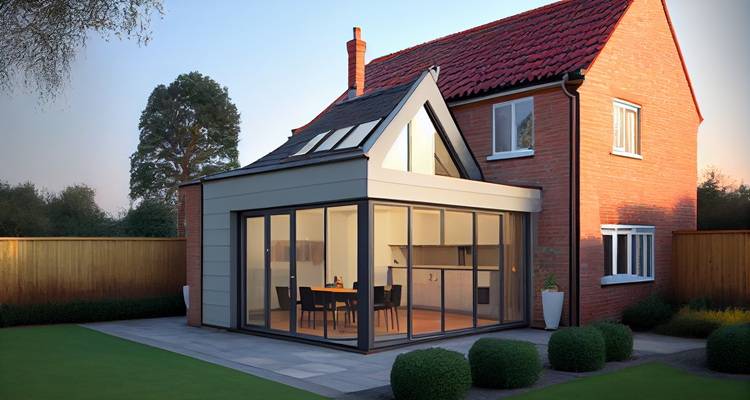
Glass room extension costs average around £3,000 per m², with a typical 14m² extension costing approximately £40,000. Glass extension costs typically include the glass panels, frames, and installation.
Before we offer specific price ranges, it is important to note what is included within glass extension costs. The majority of projects will include the glass panels, the frames, and the installation. A huge selling point of a glass extension is that, unlike other traditional home extensions, a glass extension is lighter and can work with narrower foundations, and as such, the project tends to be much quicker to complete.
The complexity of the project will impact glass extension costs, so any bespoke features must be considered. There is also price variation between full glass room extensions and smaller side return glass extensions.
What is your main reason for planning a glass room extension?
Create additional living space with natural light
3 votes - 38%38% of votes
Enjoy garden views and indoor/outdoor living
2 votes - 25%25% of votes
Expand property without needing to move
0 votes - 0%0% of votes
More affordable than brick-built extension
3 votes - 38%38% of votes
Increase property value
0 votes - 0%0% of votes

8 votes
See results
Hide results
Below, we have laid out the key prices in a helpful table.
Glass Room Extension Prices
| Item | Estimated Cost |
|---|---|
| Glass Extension Cost per m² | £2,750–£3,250 |
| Glass Extension Cost | £15,000–£70,000 |
| Glass Side Return Extension per m² | £1,750–£2,250 |
| Glass Side Return Extension Cost | £10,000–£50,000 |
Want a custom price?
Post your job
Supply Costs for Glass Room Extensions
Glass room extension supply costs account for a good portion of the overall project budget. You will need glass and frames, typically made from aluminium for structural stability and sleekness.
Glass panels cost £200 to £500 per m², although for larger designs the total material cost can be as much as £3,000 per m² for high-performance glazing systems. People usually opt for double-glazing for thermal efficiency, as single glazing does not meet the standards required for a new extension.
Frame costs vary by material:
- Aluminium Framing (per m²) — £50 to £150.
- Steel Framing (per m²) — £100 to £300.
- uPVC Framing (per m²) — £40 to £100.
Bespoke options require extremely high-quality glass and therefore increase costs significantly.
Additional Costs
Structural Work and Reinforcement
The beauty of glass room extensions is that they do not require the same level of foundations as other extension designs. However, they will still need structural reinforcements on your existing home to ensure that the glass room is stable and sound. Now, this is typically included in the overall price, but if extensive work is required on your existing home, this would raise the price of your glass extension project.
Heating and Cooling Systems
While glass may not offer the same natural thermal insulation as other materials, advances like double glazing, high-quality glass, and modern triple-glazed units can enhance comfort and help maintain a pleasant environment year-round, making a glass extension enjoyable in most seasons.
In winter, underfloor heating and installing central heating will be crucial for keeping a glass extension comfortable enough to spend time in. Similarly, in the summer, you may find that the glass amplifies the temperature, so installing air conditioning and fans can make it manageable.
Blinds and shading are also cost-effective ways to keep heat out of your glass extension during the warm months.
Plumbers and Electricians
Depending on how you are planning to use your glass extension, you may need to consider plumber prices with a day rate of around £130 to £200 (although this can rise to £500 in areas such as London).
Meanwhile, for jobs such as installing plug sockets and wiring, electricians in the UK charge around £250 to £375 (again with higher prices within the capital).
Architectural and Design Fees
When planning a glass extension, asking for help from a professional designer or architect can play a vital role in the final appearance, especially if you're aiming for a bespoke finish or need to adapt the glass extension structure to suit your existing property layout.
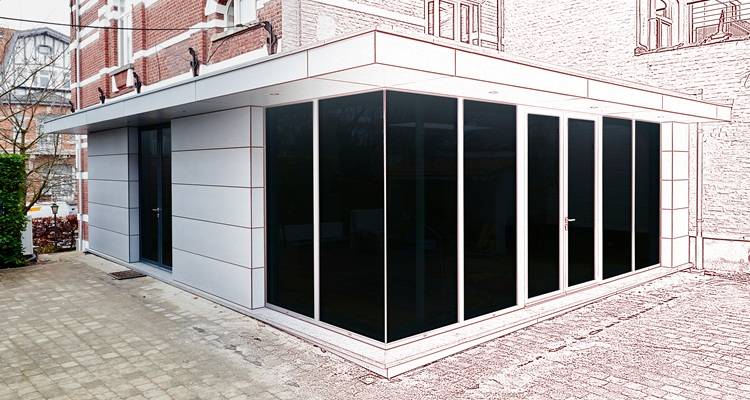
Architectural design may need to be taken into consideration, even for a straightforward glass extension build. However, it is particularly important for a bespoke project or unique renovation and if required, can cost between £1,000 and £3,000.
Other potential fees related to planning permission and building regulation are covered separately.
Additional Features
Additional features can add to your overall glass extension cost but significantly improve how the space functions. Popular additional features include:
- LED Lighting — A popular additional feature for glass extensions, which allows you to enjoy the space well into the evening.
- Infrared Heating — Keeps your glass extension warm and usable throughout the year, without the installation costs of traditional heating systems.
- Smart Glass — Toughened glass panels that switch from clear to opaque, giving your glass extension greater privacy and solar control.
- Drop-Down Screens — Remote-controlled screens that offer shade and privacy without impacting the overall style of your glass extension.
Ask a Trade
Got a question that only a tradesperson can answer? We have thousands of trades ready to answer any question you may have.
Ask your question

Labour Costs and Timescales for Glass Room Extensions
The cost of labour must be considered when planning a glass extension, and while it will be included in the final quote you receive, it can be helpful to see how this is worked out.
Most glass extension specialists provide fixed total project quotes based on area and complexity, though supporting trades typically charge hourly rates for electrical and plumbing work.
The table below breaks down labour costs and timescales by project phase:
| Project Phase | Duration | Labour Cost |
|---|---|---|
| Site preparation and groundwork | 2 to 3 days | £50–£150 per m² |
| Glass installation and framing | 5 to 10 days | £175–£500 per m² |
| Electrical and plumbing work | 2 to 4 days | £40–£70 per hour |
| Finishing and cleanup | 1 to 2 days | £150 per day |
Want a custom price?
Post your job
Cost Factors for Glass Room Extensions
Glass Type and Quality
As glass is the main component in a glass extension, the different types of glass you have as an option impact the price quite greatly.
| Glass Type | Cost per m² |
|---|---|
| Single Glazing | £200 |
| Double Glazing | £300–£450 |
| Triple Glazing | £500 |
Want a custom price?
Post your job
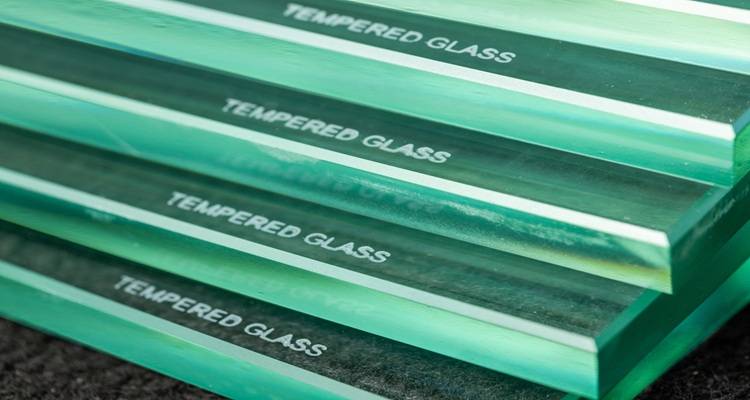
Single glazing sits at the lower end of the range, but it does not meet the standards required for a new extension, while triple glazing with UV protection is at the top of the range for both quality and durability.
Location and Property Type
The type of property you live in can impact the price, mainly based on access and size. If you have a semi-detached home, you probably won't have a space as large as that of a full detached, but this really depends on a project-by-project basis and, of course, how big you want your glass extension to be. On another note, the price of materials and labour differs from region to region, so you may see that highlighted as you begin to attain quotes.
Custom Features
Any custom or bespoke features will drive the price of your project up. Complex glass extension installations take more time and effort, but there will also be a lot more time spent on the planning and design stage. Architectural designs, sliding doors, and impressive additions like motorised blinds will all be incredibly effective but costly, so factor this into your budget.
Size and Position on Property
The position of your glass extension on your house can affect the cost. Glass rear extensions tend to have a larger footprint and therefore a higher overall cost, while a side return glass extension is generally cheaper, given the narrower space along the side of the property.
Roof Style
Roof style is another factor that can affect your glass extension cost. Flat roofs are the most affordable, but a sloped glass roof extension adds structural complexity, which increases the price. If you want something simpler and more cost-effective, a glass lean-to extension leans against the existing house wall and avoids the complexity of a full glass box design.
Types of Glass Room Extensions
Frameless Glass Box Extension
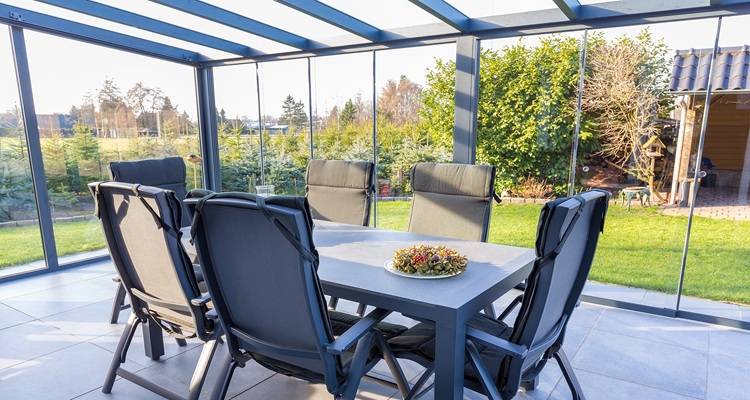
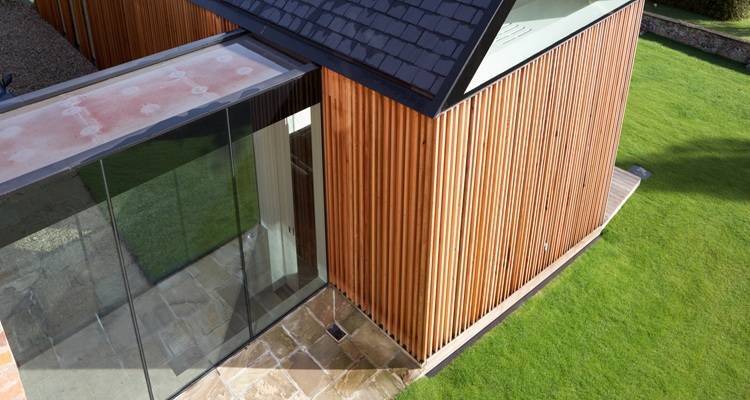
A frameless glass box extension is made primarily of glass panels without much visible structural framing. Essentially, it provides an unobstructed, clear view, letting in ample natural light and creating an open, modern aesthetic. These are the types of glass room that will cost around £40,000 and are most commonly installed.
Pros
- ✔ Lots of natural light.
- ✔ Sleek, high-end design.
- ✔ Makes great use of outdoor areas.
Cons
- ✖ Lack many features.
- ✖ Can be costly to maintain temperature in extreme weather months.
Conservatory Style
This glass room style is designed to look more like a traditional extension with very clear, visible framing. It is still made up predominantly of glass, so you still get all of the light and extra living space effects, but it is somewhat subdued in comparison to the frameless. These may be a little less than £40,000 due to the more visible framing.
Pros
- ✔ Some natural light
- ✔ Cost-effective
- ✔ Makes great use of outdoor areas
Cons
- ✖ Lack many features.
- ✖ It can be costly to maintain temperature in extreme weather months.
- ✖ Visible frames are not always the desired aesthetic.
Retractable Roof Extensions
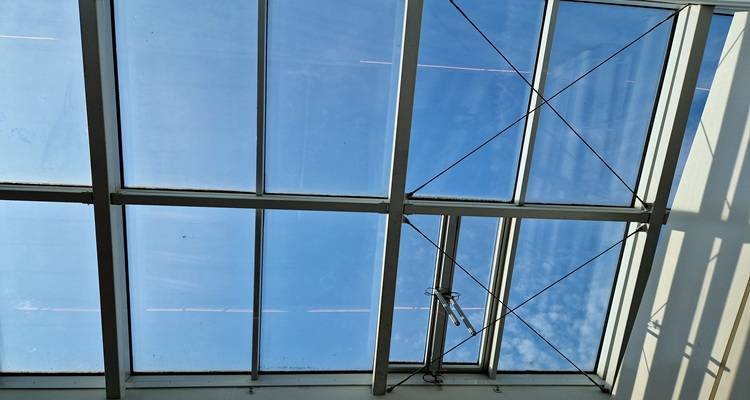
This option is similar to frameless but with the added feature of a retractable roof for open air. Not only is this very comfortable to use in the summer months, but it allows the maximum possible light and living space effects. This will be on the more expensive end of the range, costing around £55,000.
Pros
- ✔ Lots of light.
- ✔ Makes great use of outdoor areas.
Cons
- ✖ Can be costly to install.
- ✖ It can be costly to maintain temperature in extreme weather months.
Alternative Types of Extensions
Traditional Conservatories
Conservatories (such as a lean-to conservatory) are usually a cheaper option than a glass extension to erect, and they offer more insulation, making it easier to maintain interior temperatures. They typically feature glass panels with uPVC framing, but can look old-fashioned and don't always have the same indoor-outdoor connection as glass extensions.
Sunrooms
Sunrooms are somewhat in between glass rooms and conservatories. Sun room extension costs are typically cheaper than glass rooms and offer more natural light and space than conservatories, but they are still not at the same level as glass rooms. They are built with a combination of brickwork walls, glass, and frames and can be considered a hybrid of the two.
Orangeries
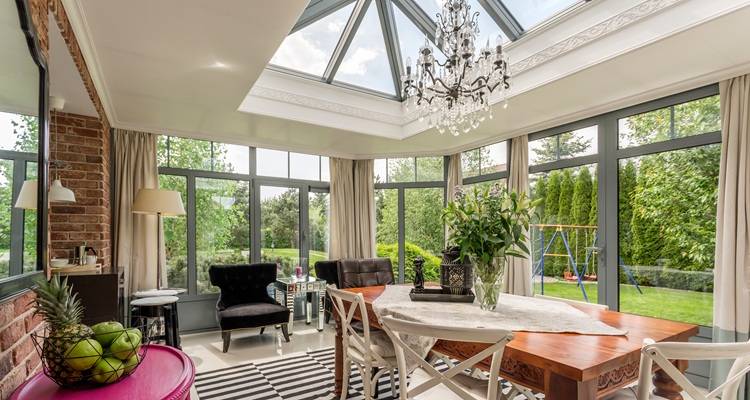
Orangeries are generally extensions of the home entirely, usually with standard bricked exterior walls but with large glass roofing for a more solid, structured look. They offer plenty of natural light but without offering the feeling of bringing the outdoors in.
Building Regulations Related to Glass Room Extensions
Building regulations are in place to ensure that any new glass extension in the UK is safe, energy-efficient, and structurally sound. Now, these regulations apply to most types of extensions and are not limited to glass rooms, covering areas such as structural integrity, fire safety, and thermal efficiency. Here are the main building regulations related to glass room extensions:
Thermal Efficiency
Glass rooms often involve extensive glazing, so they need to meet insulation requirements to prevent excessive heat loss. Building regulations require that walls, floors, roofs, and windows are thermally efficient, so, for instance, the U-values of each window, glass and frame together, should meet minimum standards to retain heat during colder months and reduce overheating in summer.
Using double or triple glazing is often necessary, but for a mostly glazed extension your contractor will need to carry out a calculation across the whole build to show it meets these standards.
Structural Integrity
Here we need to ensure that the structural stability of the glass room can support the weight of the glass panels. Your contractor must verify that the supporting walls, beams, and other structural elements can safely bear the load. If your glass room has a retractable or sliding roof, it will also need to be designed to withstand local wind levels.
Fire Safety
Glass rooms must have appropriate fire-resistant materials and follow escape route guidelines if they are part of the main home. In addition, certain fire safety standards apply to buildings close to boundaries or neighbouring properties. For instance, the structure may need to include fire-resistant walls or partitions, especially if close to property lines. Again, this will be reviewed by your contractor and advice provided.
Planning Permission
Glass extensions usually fall under the permitted development rights, meaning you don't normally require planning permission, just as long as the new glass extension meets size and placement rules, and the outside materials match the look of your existing home.
However, if your property is a listed building, you'll need listed building consent. If you're in a conservation area, permitted development is more limited, so you may face restrictions. You should check with your council before starting any work.
Checklist: Hiring Contractors for Glass Extensions
Hiring a professional is one of the most important steps in any glass extension project, and it's worth dedicating time and thought to the process. Here are some top tips for finding and hiring the right professional.
- Are they accredited? Look for membership of recognised bodies such as the Glass and Glazing Federation (GGF), TrustMark, or the Federation of Master Builders (FMB), all of which indicate the contractor meets industry standards.
- Do they have insurance? Public liability insurance protects you if something goes wrong during the glass extension installation.
- Do they offer a guarantee? A reputable glass extension contractor should offer a guarantee on their workmanship.
- Will they provide an itemised quote? Ask for a full breakdown, so you know exactly what is included in your glass extension cost.
- Is waste removal included? Confirm that the disposal of any materials and packaging is factored into the total glass extension cost.
- Have you compared multiple quotes? Reach out to several glass extension builders in your area to ensure you are getting a fair price.
- Do they have positive reviews? Check their MyJobQuote profile to read feedback from previous customers and see examples of past glass extension projects.
Removing Existing Structures Before Installing a Glass Room Extension
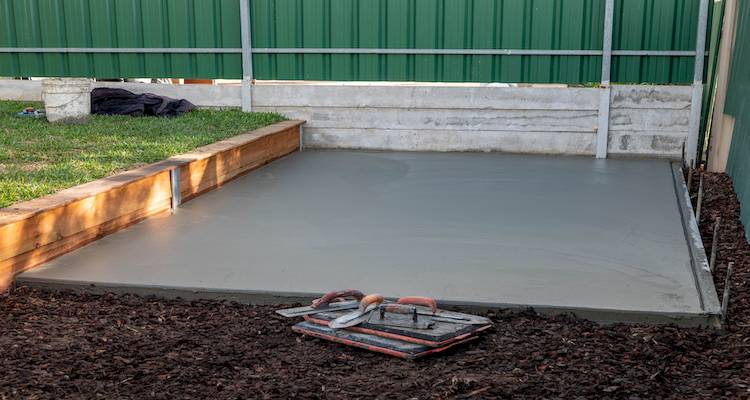
We mentioned earlier that the preparation work before the erecting of your glass box extension is crucial. A good base for your new glass box extension will ensure everything from weatherproofing to levelling is completed and will stand you in good stead for the rest of your glass extension project. This initial preparation will cost in the region of £50 to £150 per m², and it will be money well spent.
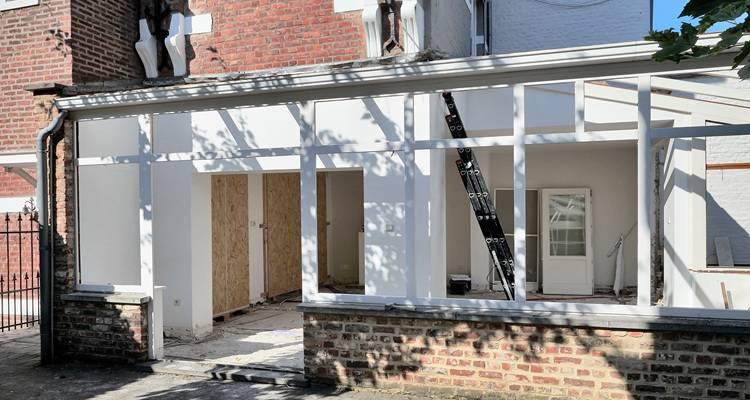
If there are any existing structures, these will need to be removed first. This is generally undertaken by a labourer at a rate of around £150 per day, and you should ensure that this has been factored into your glass extension quote.
FAQs
What's the Difference Between a Glass Extension and a Conservatory?
The main difference is the amount of glass used. Conservatories are made up of a combination of brickwork walls, uPVC, and glass, meaning the glass element is reduced considerably. If your goal is to maximise natural light, you may find that a conservatory does not offer the same effect as a full glass extension.
How Energy-Efficient Are Glass Extensions?
Your glass extension will need to meet specific U-values to be compliant with building regulations. The contractor you select for the work will be able to show this through a calculation across the whole extension, as a glass room uses more glazing than a standard extension.
Do Glass Extensions Require Much Maintenance?
Glass extensions require less structural maintenance than other extension types, but they still require regular cleaning to keep the glass looking its best and to manage condensation. Professional cleaning for a glass extension costs between £50 and £150 per visit and is recommended two to four times per year.
Can I Change the Flooring in My Glass Extension?
Yes, you can install whatever flooring you wish. Many people opt for something functional like tile or laminate, but you can install anything you like.
Are Glass Extensions Cheaper Than Brick?
Glass extension costs are generally higher than a standard brick extension due to the specialist materials and installation required. Brick extensions typically cost £1,700 to £1,900 per m², compared to £2,750 to £3,250 per m² for a glass room extension.
Is a Glass Room Extension Cheaper Than a Conservatory?
Conservatories are generally the more affordable option, as they combine brickwork, uPVC, and glass rather than using full glass panels throughout. A glass room extension requires specialist materials and installation, which makes it a more costly build overall.
Do I Need Foundations for a Glass Extension?
Glass extensions do require foundations, but typically narrower ones than other extension types. The depth will depend on your ground conditions, and your contractor will advise based on the size and position of your glass extension.