Builders
 Carpenters
 Electricians
 Flooring Specialists
 Gardeners
 Handymen
 Heating Engineers
 Painters & Decorators
 Plasterers & Renderers
 Plumbers
 Roofers
 Tilers
 my
myHow Much Does a Walk-in Bath Cost?
At a Glance
- The average cost to install a walk-in bath is £3,000.
- It will take about 2 to 5 days to complete.
- Simple calculator for you to quickly estimate walk-in bath installation costs.
- Detailed pricing for different types of walk-in baths and what impacts the cost.
- How long your walk-in bath installation is likely to take.
- How to find a local walk-in bath fitter using MyJobQuote.
Get free estimates
Are you a trade? Get more work today!
£3,000
Table of Contents
- How Much Is a Walk-In Bath?
- Walk-In Baths Prices: Supply Only
- Walk-In Bath Installation Cost (Labour Only)
- Additional Walk-In Bath Installation Costs
- Factors That Impact Walk-In Bath Costs
- Walk-In Bath Maintenance and Repair Costs
- What's Involved in Installing a Walk-In Bath?
- UK Grants and Tax Relief for Installing a Walk-in Bath
- Types of Walk-In Baths
- Alternative Types of Accessible Baths
- Checklist: Hiring a Walk-In Bath Installer Near You
- FAQs
Walk-In Bath Cost Calculator
How Much Is a Walk-In Bath?
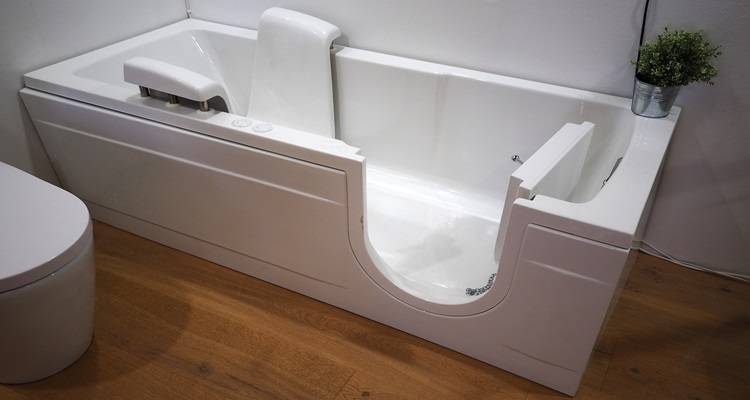
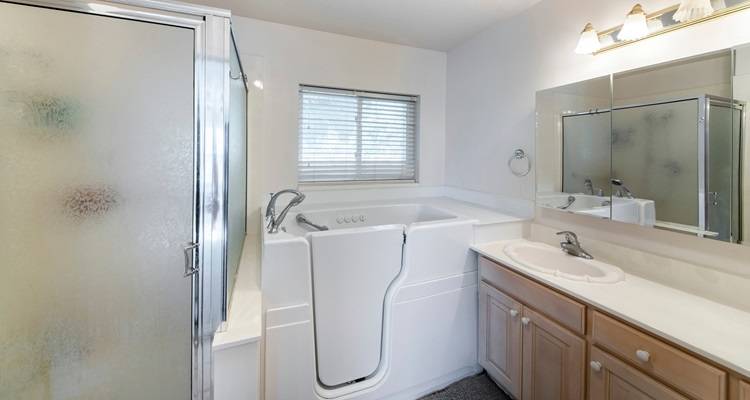
A walk-in bath (sometimes called a mobility bath, easy access bath, or walk-in bathtub) features a watertight door that lets you step inside before filling the tub, removing the need to climb over a high side. This makes them a popular choice for elderly people, those with limited mobility, and anyone with a disability who finds a standard bathtub difficult or unsafe to use.
Typical walk-in bath costs range from around £2,700 to £4,750, depending on the type of bath, its size, the materials used, and any additional features. Professional installation is included in these figures and is strongly recommended.
How can I go about having a mobility bathroom created? How much more expensive might this be than having a non-mobility bathroom fitted of the same size?
"There are various options to increase the accessibility of a bathroom, from door-accessible baths and low-level shower trays through to floor-level trays or a complete wet room.
Costs shouldn't vary massively unless the bathroom is being completely resited or the waste and drainage need reconfiguring. Ultimately, it comes down to personal preference, budget, and desired functionality."
Costs shouldn't vary massively unless the bathroom is being completely resited or the waste and drainage need reconfiguring. Ultimately, it comes down to personal preference, budget, and desired functionality."
Walk-In Bath Prices
The table below shows typical installed costs (materials and labour) by bath type. A compact or basic model is the most affordable option, while full-length and hydrotherapy walk-in baths cost more due to their size and features.
| Walk-In Bath Type | Typical Size | Avg. Cost (Installed) |
|---|---|---|
| Compact / Basic Soak Bath | ~1060mm x 660mm | £2,700–£3,000 |
| Standard Full-Length Bath | ~1700mm x 750mm | £3,300–£3,700 |
| Bath and Shower Combo | ~1675mm x 850mm | £4,250–£4,750 |
Want a custom price?
Post your job
Walk-In Bath Extra Feature Prices
As well as differences in quality, brand, and material, due to the likely users of a walk-in bath, there is a wide range of additional features that can be installed with the walk-in bath.
For example, things like handrails and anti-slip flooring are usually essential, along with a multitude of seating options from motorised seats to manual lifting seats.
What other walk-in bath features would you like installed?
Static or motorised seat
3 votes - 100%100% of votes
Chromotherapy lights
0 votes - 0%0% of votes
Spa/Whirlpool
0 votes - 0%0% of votes
Massage jets
0 votes - 0%0% of votes

3 votes
See results
Hide results
At the higher end of the price scale, a luxury walk-in bath, complete with chromotherapy lights, motorised seats, and safety equipment, could cost between £9,950 and £10,500 to purchase and have installed.
The table below shows how much some common extra features cost to install with a walk-in bath.
| Walk-In Bath Feature | Avg. Cost |
|---|---|
| Motorised Seat | £1,550–£1,750 |
| Static Seat | £450–£550 |
| Chromotherapy Lights | £1,150–£1,350 |
| Air Spa / Whirlpool Jets | £2,750–£3,050 |
| Grab Bars / Handrails (set of 2–3) | £100–£200 |
| Anti-Scald (Thermostatic Mixing) Valve | £250–£600 |
| Shower Screen (for Bath-Shower Combos) | £100–£500 |
| Quick-Fill Taps | £160–£650 |
Want a custom price?
Post your job
Walk-In Baths Prices: Supply Only
The bath unit itself is the largest single cost of the project. Prices vary significantly depending on the type of bath, the materials used, and any additional features you choose, so it's worth getting a clear idea of what's included before committing to a purchase.
On top of the bath unit, you'll also need to budget for:
- Seals and fixtures — each bath has specific fitting requirements, typically costing £25 to £100.
- Optional features — items like motorised seats, hydrotherapy jets, or chromotherapy lights are usually purchased alongside the bath (see the feature prices table above).
- Taps and fittings — if not included with the bath, allow an additional £50 to £200.
Walk-In Bath Installation Cost (Labour Only)
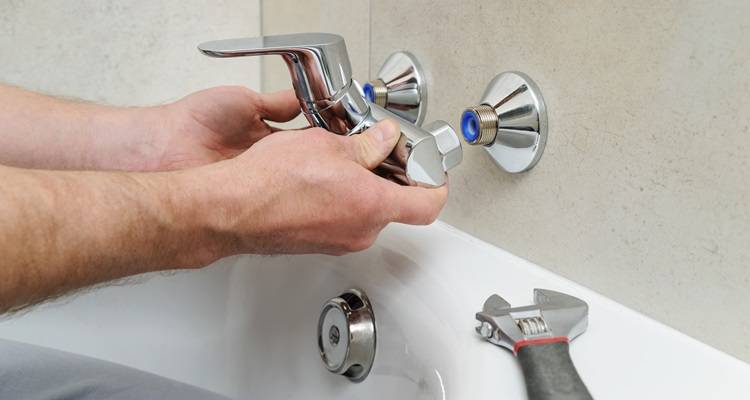
You'll need a bathroom fitter to install your walk-in bath. Labour costs depend on the complexity of the job, the preparation work required, and any additional features being installed.
Most walk-in baths can be installed within 1 to 3 days, though this depends on the complexity of the job and any additional features being fitted.
| Installation Type | Typical Labour Cost | Typical Duration |
|---|---|---|
| Simple installation | ~£500 | 1–2 days |
| Average installation | ~£1,000 | 1–3 days |
| Complex installation (additional features, extensive prep work) | Up to £1,500 | Up to 5 days |
Want a custom price?
Post your job
Most of the work is typically completed within the first 2 days. This includes removing the old bath, adjusting any plumbing, and fitting and testing the new bath. Additional features or finishing touches may extend this into a third day or beyond.
Additional Walk-In Bath Installation Costs
There may be some additional costs to consider outside of the supply and installation costs, primarily relating to preparing the bathroom for a walk-in bath.
Plumbing Upgrades
Your plumbing will need to be in good working condition to have a walk-in bath installed. There are also some upgrades that could make the walk-in bath easier to use and safer.
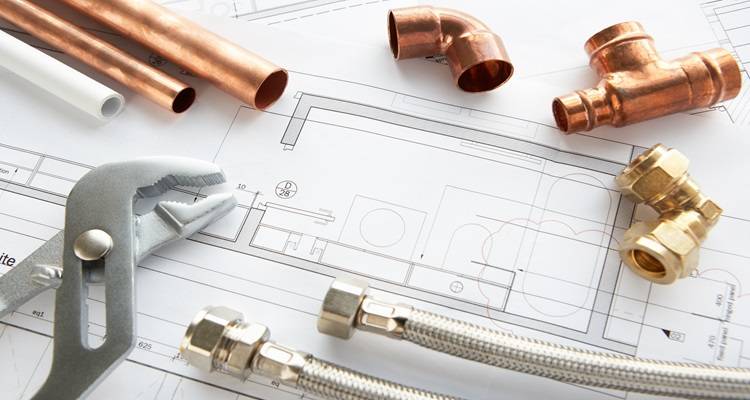
Here are some examples of plumbing improvements you may need or choose to have:
- Re-routing existing bath drainage system.
- Pipework repositioning.
- Improvements to drainage capacity.
- Rapid drain technology within modern or renovated homes.
- Installing thermostatic mixing valve (TMV) for safety.
Your plumber will be able to advise whether any of these need to be added to your walk-in bath cost, but be aware that plumbing alterations can increase both material and labour costs. As a rough guide, work such as adding a rapid-drain system or fitting new hot water lines typically adds £400 to £1,200.
Electrical Work
If you plan on incorporating things such as chromotherapy lights or motorised seats into your walk-in bath, you must ensure that the electricity network within your house can cope in compliance with electrical safety requirements related to the bathroom.
This could be anything from adding a few extra lights in strategic places to undertaking a complete rewire which costs around £4,000 on average. For smaller jobs, wiring upgrades for powered features such as heated seats, jets, or lighting typically add £400 to £1,600.
Structural Modifications
If the bathroom needs structural changes to fit the bath (such as widening a doorway, reinforcing the floor, or updating flooring), this can add around £800 to £4,000, depending on the extent of the work.
Bathroom Extension
If your bathroom is not quite large enough for a walk-in bath, you may want to consider some alterations to your home.
This will drastically increase the overall cost of a walk-in bath, but if it is an investment for the long-term enjoyment of your home, it might be worth the outlay.
On average, the cost of building a bathroom extension is about £1,300 per square metre.
Aesthetic Improvements
You could also take the opportunity to make some visual improvements to your bathroom at the same time as installing a walk-in bath.
For example, the cost to tile a bathroom is around £750 or you could pay around £450 to install a new toilet.
Removal and Disposal of Your Old Bath
Taking out and disposing of your existing bath or shower is sometimes included in a fitter's quote, but not always. Where it's charged separately, allow for skip hire or disposal fees, especially if other bathroom fixtures are being removed at the same time.
Factors That Impact Walk-In Bath Costs
When purchasing and installing a walk-in bath, several cost factors come into play, from the initial price of the tub to installation and additional features. Here's a breakdown of what to consider:
Basic vs Luxury Models
The specification of the bath is one of the biggest factors in the overall price:
- Basic models — usually include a simple watertight door, a seat, and grab bars, and sit at the lower end of the price range.
- Luxury models — add features such as hydrotherapy or air jets and quick-drain systems, pushing the price up considerably.
Materials and Build Quality
The material a walk-in bath is made from affects both its price and its longevity. The two most common options are:
- Acrylic — the most popular choice, offering a smooth, warm-to-the-touch finish, and good durability. Acrylic baths tend to be more expensive but are resistant to chipping and easier to repair if scratched.
- Fibreglass (GRP) — a more budget-friendly option, though generally less durable than acrylic over time. A good choice if cost is the primary concern.
Higher-end models may use reinforced acrylic or composite materials, which can add to the supply cost but improve longevity, a worthwhile consideration for a bath that may be used daily.
Installation Complexity
How much work the installation involves has a direct impact on labour costs. A straightforward like-for-like swap is cheaper, while jobs that need repositioned pipework, a new drainage route, or extra preparation add to the total.
Bathroom Size and Layout
The size and shape of your bathroom affects how much work is involved. A larger or awkwardly laid-out room can take longer to prepare and fit, while a compact, straightforward space is usually quicker and cheaper.
Access
Getting the bath into position can add to the cost where access is difficult. Narrow hallways, tight corners, or an upstairs bathroom reached by a winding staircase can all make delivery and installation more time-consuming.
Location
Labour rates vary across the UK, so your location has a real bearing on the final price. Installers in London and the South East typically charge more than those in other regions.
Walk-In Bath Maintenance and Repair Costs
Walk-in baths are generally low-maintenance, but some components may need attention over time. The door seal is the most common item. Inspect it regularly and replace it if it shows signs of wear to prevent leaks. Hydrotherapy jets and air spas benefit from an annual service, though many manufacturers provide self-maintenance instructions. With proper care, a walk-in bath can last 20 years or more.
| Maintenance or Repair Task | Typical Cost |
|---|---|
| Door seal replacement | £180–£450 |
| Whirlpool / air jet servicing | £150–£300 |
| Pump repair | £250–£500 |
| Pump replacement | £250–£850 |
| Thermostatic valve replacement | £180–£350 |
| Electrical component repair | £100–£200 |
Want a custom price?
Post your job
Door seal replacement costs vary depending on the bath model and manufacturer, so it's worth checking with your installer or supplier for an accurate quote. For baths with hydrotherapy or air jet systems, many issues can be avoided with regular cleaning. Most manufacturers provide guidance on this in the product documentation.
What's Involved in Installing a Walk-In Bath?
While you could potentially fit a walk-in bath yourself if you were proficient at plumbing and electrics, most users choose to hire a specialist fitter for their walk-in bath installation.
It's also a good idea to get several quotes from different fitters to find the best contractor for your project and budget.
MyJobQuote makes it easy to get fast, free, no-obligation quotes from local bathroom fitters and plumbers who specialise in walk-in bath installations.
Once you've found the right contractor for your project, here's an overview of the process of getting a walk-in bath installed:
Before the Job
- Survey and Quote — Your contractor will measure the bathroom, check the plumbing and electrics, and provide a finalised written quote for the work.
- Preparation and Scheduling — Once you agree to proceed, materials are ordered and an installation date is confirmed.
During the Job
- Removal and Setup — The old bath or shower is removed, any necessary plumbing and electrical work is completed, and the new walk-in bath is fitted, levelled, and connected.
- Sealing and Finishing — The surrounding area is tiled and sealed, and any panels, trims, and accessories are fitted.
After the Job
- Testing and Handover — The fitter tests the bath for leaks, demonstrates the safety features, and provides all relevant certificates and guarantees.
- Clean-Up and Aftercare — The area is cleared and you're left with maintenance guidance for ongoing care of your new bath.
UK Grants and Tax Relief for Installing a Walk-in Bath
If you or someone in your household has a disability, mobility condition, or chronic illness, you may be eligible for financial support towards the cost of a walk-in bath. The main options are outlined below. If you're unsure whether you qualify, contact HMRC, your local council, or Citizens Advice for guidance.
0% VAT Relief
If a walk-in bath is required to meet the needs of someone with a disability or chronic illness, the supply and installation can be zero-rated for VAT, saving 20% on the total cost.
Your supplier or fitter can apply this at the point of purchase, but you'll need to complete a declaration confirming eligibility before the work begins. This cannot be applied retroactively.
Reduced 5% VAT for Older Homeowners
If you're 60 or over, you may qualify for a reduced VAT rate on walk-in baths and other mobility aids, even if you're not classed as disabled.
Disabled Facilities Grant (DFG)
Local councils in England, Wales, and Northern Ireland provide means-tested grants to help cover the cost of essential home adaptations for people with disabilities. Maximum grant amounts are £30,000 in England, £36,000 in Wales, and £25,000 in Northern Ireland.
An occupational therapist will assess whether the adaptation is necessary and appropriate for your needs, and any approved work must be completed within 12 months. You must apply and receive approval before any work begins, as starting early may invalidate the grant. Note that DFGs are not available in Scotland, where separate support schemes apply.
Ask a Trade
Got a question that only a tradesperson can answer? We have thousands of trades ready to answer any question you may have.
Ask your question

Types of Walk-In Baths
Soak Walk-In Bath Cost
Average cost: £2,000
These are the most basic (and cheapest) walk-in baths available, consisting of a watertight door and a seat for a comfortable soak. They're a good starting point for those who want simple, safe, easy access bathing without paying for features they don't need.
Pros
- ✔ Cheap
- ✔ Easy to Install.
Cons
- ✖ No features
- ✖ Can look plain and boring.
Hydrotherapy (Whirlpool) Walk-In Bath Cost
Average cost: £3,500
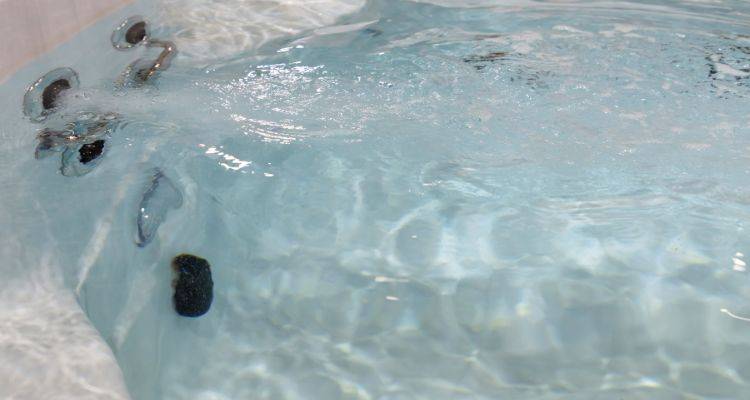
Hydrotherapy walk-in baths are equipped with strong jets to create a massaging effect for the user. This is primarily designed for muscle relief and circulation improvement, helping with ailments like arthritis and joint pain.
Pros
- ✔ Massaging effect
- ✔ Comfortable and relaxing.
Cons
- ✖ More costly than others.
- ✖ More complex installation.
Air Jet Walk-In Bath Cost

Average cost: £3,500
Similar to hydrotherapy baths, air jet walk-in baths use soft air pressure to provide a much softer massage. This is ideal for those with ailments like fibromyalgia, as the firmer hydrotherapy baths may be too much for the condition.
Pros
- ✔ Massaging effect
- ✔ Comfortable and relaxing.
Cons
- ✖ More costly than others.
- ✖ More complex installation.
Lay-Down Walk-In Bath Cost
Average cost: £2,500
These baths are longer, more like traditional baths, but still feature a walk-in door to allow the user to lie down. These are best for those who want the traditional experience without the access issues.
Pros
- ✔ Ability to lie down.
- ✔ Look more traditional.
Cons
- ✖ Take up more surface area.
- ✖ Slightly more complex to install.
Walk-In Shower-Baths Prices
Average cost: £3,000
These bath combos feature a walk-in bath combined with the addition of a shower, giving you a choice between the two. Not only is a shower often more convenient, but they can also prove cost-effective and potentially save you money when used effectively if you are using less water than a regular bath.
Pros
- ✔ Ability to take a bath or a shower.
- ✔ Water savings
Cons
- ✖ Larger surface area.
- ✖ More complex to install.
- ✖ More expensive
Bariatric Baths
Average cost: £4,500
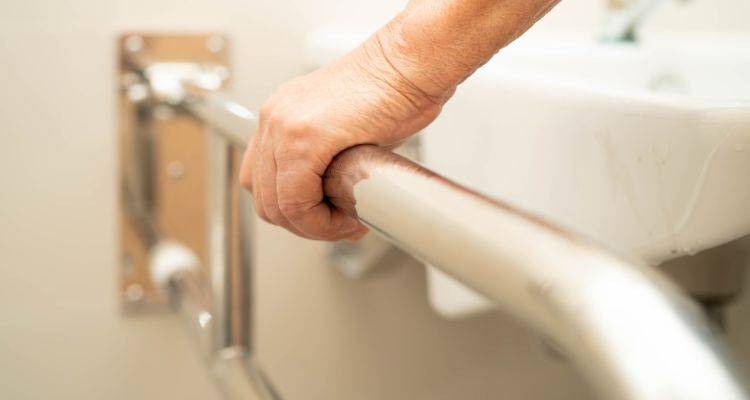
These baths are designed with a wider seat and a much more spacious interior to accommodate any larger users, whilst still providing a safe and comfortable experience.
Pros
- ✔ Larger space within the bath.
- ✔ Accommodates more users.
Cons
- ✖ Requires more surface area within the bathroom.
Alternative Types of Accessible Baths
There are some alternatives to walk-in baths that may be more suitable for you personally.
Walk-In Showers
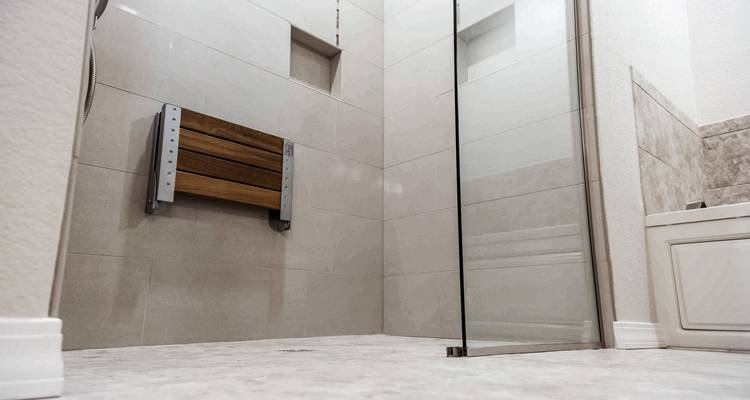
A walk-in shower with accessibility features (such as a fold-down seat and grab rails) typically costs £1,500 to £3,000 installed, making it a cheaper alternative to a walk-in bath in most cases.
It's a practical option for those who prefer showering or have limited bathroom space, though it doesn't offer the same soaking or hydrotherapy benefits.
Bath Lifts
A bath lift fits into an existing standard bathtub and lowers the user gently into the water, removing the need for a full bath replacement. At £200 to £1,000, this is significantly cheaper than a walk-in bath and can be a good short-term or lower-budget solution.
The trade-off is that the user must still get over the side of the bath to use it, which may not be suitable for those with significant mobility challenges.
Wet Rooms
A wet room converts the entire bathroom floor into a shower-ready space with sloped drainage, ideal for wheelchair users or those who need maximum space and ease of access.
Wet room costs typically start at around £3,000 to £5,000 and can exceed £10,000 for larger or more complex installations, putting them broadly in line with or more expensive than a mid-range walk-in bath. The benefit is a fully open, step-free environment that's easier to keep clean.
I want to remove my bathtub and have a wet room instead. What would you suggest?
"Without seeing this project, I would suggest you can install a 1700 x 700 minimum-size tray with a side screen and deflector at 300mm, and an end panel at the end of the tray. You can then walk into the shower without any water spray from the shower area reaching the floor."
Checklist: Hiring a Walk-In Bath Installer Near You
Consider the following points before hiring a professional to install your walk-in bath:
- Have you been provided with multiple quotes? Don't settle for the first price you're given. Reach out via MyJobQuote to at least three professionals in your area and request a quote in writing. This helps ensure you get a fair rate and can compare ideas for the project.
- Do they have reviews or testimonials? Check the online presence of each company and review their MyJobQuote profile for customer feedback. Positive reviews often include examples of past work, giving you a clearer sense of skills and reliability.
- Have you asked for personal recommendations? Referrals from friends, family, or neighbours who have had a similar project are invaluable. Seeing completed work firsthand is one of the best ways to assess an installer's ability.
- Do they have the relevant qualifications? Ensure the installer has appropriate credentials for plumbing and any electrical work required for installing your walk-in bath. Qualified professionals reduce the risk of mistakes and ensure compliance with building regulations.
- Do they have public liability insurance? It may not be a legal requirement, but any reputable tradesperson should be insured. At minimum, this will include public liability insurance, covering against personal injury or accidental damage.
- Is waste removal included? By having an itemised breakdown of what's included, you can ensure there aren't any hidden extras or parts of the job you're expected to complete yourself, such as waste removal.
- Will they handle any sign-off documentation? Ask if they can self-certify any work that needs to be officially signed-off, such as providing a Building Regulations Compliance Certificate or completing any electrical certifications.
I had panelling put in by a building company and it's a botch job, uneven edges and poor finishing. I want to redo it. Which tradesperson is best to use?
"The best person to use would be a carpenter or bathroom fitter. You can hire a carpenter who can bring their plumber in to complete the whole job."
FAQs
How Long Does a Walk-In Bath Last?
A well-made walk-in bath will typically last around 20 years, and longer if it's well looked after, which is a similar lifespan compared to a standard bath. Choosing a durable material such as acrylic or reinforced acrylic helps it last towards the upper end of that range.
Is a Walk-In Bath More Expensive to Run Than a Standard Bath?
Not by much. A single bath costs roughly 40p to 50p to run when your water is heated by gas, around 25p for the water and 15p to 20p for the energy, rising to about £1 with an electric immersion heater. A walk-in bath uses a broadly similar amount of water to a standard bath. It's deeper and filled once you're seated, but the built-in seat displaces some of the volume, so the difference is usually small. Larger or full-length models may cost a little more per bath.
Will Floor Strengthening Be Required for a Larger Walk-In Bath?
If your walk-in bath is to hold significantly more water than a regular bath tub, then in some cases your flooring may need to be reinforced before installation. This is something to factor into your budget, especially for older properties or upstairs bathrooms.
Can My Walk-In Bath Fit Through the Door?
Walk-in baths are designed to fit the majority of standard UK bathrooms. However, it is still possible access may cause an issue due to narrow hallways, staircases or tight corners. As such it is best to have your bathroom installer check before starting work in case any modifications are required.
Do Walk-In Baths Need to Meet Building Regulations?
There are no building regulations that apply specifically to walk-in bath installations, but any related work must still comply with the relevant standards. Plumbing must meet Part G requirements for hot water safety and scald prevention, and any electrical work must comply with Part P and be carried out or signed off by a qualified electrician. Any existing emergency safety features, such as pull cords or alarms, must remain operational.
Does a Walk-In Bath Add Value to Your Home?
It depends on your buyer. A walk-in bath appeals most to older buyers and anyone planning to stay in their home long term, and is less likely to attract younger families. Estate agents generally advise keeping at least one bath in the property for resale, so a walk-in bath can tick that box while making the home more accessible. It's best seen as an investment in safety and independence rather than a guaranteed way to raise your home's value.
Can You Spread the Cost of a Walk-In Bath?
Yes. Many walk-in bath suppliers and installers offer finance or monthly payment plans that let you spread the cost over a set period, sometimes interest-free. A personal loan is another option, as it doesn't require using your home as security.
Why Does a Wet Room Cost More Than a Walk-In Bath?
A wet room often costs more because the entire room has to be fully waterproofed (tanked), the floor re-graded to fall towards a drain, and the drainage reconfigured, all of which is specialist work. A walk-in bath, by contrast, can usually be fitted as a straightforward swap for an existing bath, keeping labour and preparation costs lower.
Can I Install a Walk-In Bath Myself?
It's not usually recommended. Any electrical work must be signed off by a qualified electrician, so a full DIY installation generally isn't possible. Fitting it yourself could save on labour, but mistakes can be costly to put right, and DIY work can invalidate the bath's warranty and any VAT relief. For most people, a specialist fitter is the safer and more cost-effective choice.