Builders
 Carpenters
 Electricians
 Flooring Specialists
 Gardeners
 Handymen
 Heating Engineers
 Painters & Decorators
 Plasterers & Renderers
 Plumbers
 Roofers
 Tilers
 my
myQuartz Worktop Cost
At a Glance
- The average cost of a quartz worktop installation is £350 per metre.
- Depending on the complexity, the job will take approximately 3 hours to complete.
- The cost of installing quartz worktops and what affects the final price.
- Quartz worktop prices and additional costs you need to budget for.
- How to find a local kitchen fitter using MyJobQuote.
Get free estimates
Are you a trade? Get more work today!
Quartz kitchen worktops are growing in popularity in the UK due to their durability, great looks, and low maintenance. The non-porous surface is scratch and stain-resistant, and quartz is available in a wide range of colours and patterns.
How much do quartz kitchen worktops cost to install?
Read on to discover all the latest information on quartz prices, the factors that can affect the cost of your new worktops, and the additional costs that you need to keep in mind and budget for.
£1,750
Table of Contents
- How Much Is a Quartz Worktop?
- What Impacts Quartz Worktop Installation Costs?
- Additional Quartz Worktop Installation Costs
- Quartz Worktop Installation Cost (Labour Only)
- Types and Finishes of Quartz Worktops
- Cost of Alternative Kitchen Worktops
- Checklist: Hiring a Quartz Worktop Installer in the UK
- Cost of Removing Existing Quartz Worktops
- FAQs
How Much Is a Quartz Worktop?
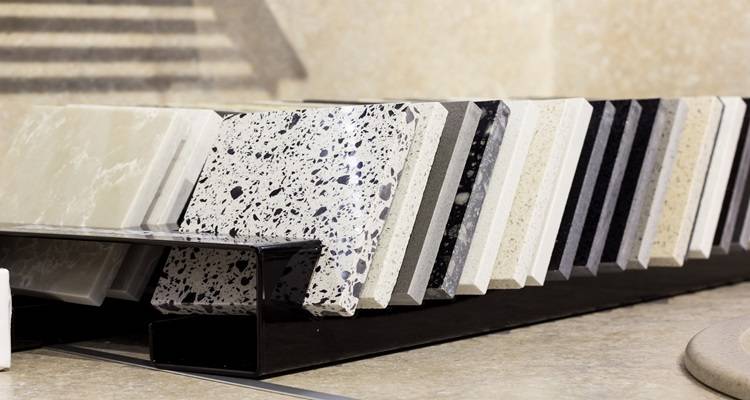
The cost of supplying and installing quartz worktops is typically between £250 and £600 per linear metre, although basic options may be available for slightly less, and premium finishes can cost more.
Your total installation costs will mostly depend on the size of your worktop, the complexity of the layout and design, and the type of quartz worktop you choose.
What is your main reason for installing a quartz worktop?
Replacing existing worktop
1 votes - 50%50% of votes
Durability and long-lasting
0 votes - 0%0% of votes
Low-maintenance
0 votes - 0%0% of votes
Heat, scratch, or stain resistance
1 votes - 50%50% of votes
Part of a wider kitchen refurbishment
0 votes - 0%0% of votes

2 votes
See results
Hide results
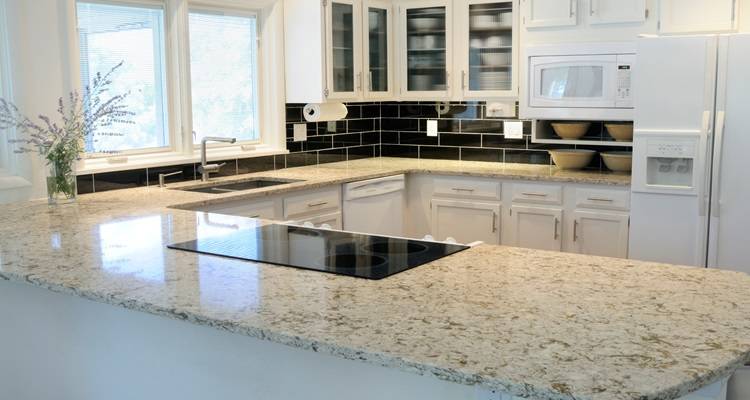
Supplying and installing a 5m quartz worktop in a typical kitchen should cost around £1,750.
Below, we look at the average UK prices you'll pay for the supply and installation of your new quartz worktops in 2026, and then different factors that can impact your final costs later on.
Quartz Worktop Installation Prices per Linear Metre
Quartz worktop installation costs quoted by the majority of installers will typically include the total cost for supplying and fitting your new worktops, covering the length of quartz worktop required, and all the necessary labour to fit it as specified.
The type of quartz worktop you choose will affect your total installation costs, and the table below shows you the typical supply and install costs per linear metre for some common types and thicknesses of quartz worktops:
| Quartz Type | Standard (per linear metre) |
Mid-Range (per linear metre) |
High-End (per linear metre) |
|---|---|---|---|
| Polished Quartz (20mm) |
£205–£260 | £355–£415 | £600–£660 |
| Polished Quartz (30mm) |
£220–£280 | £370–£440 | £640–£685 |
| Leathered Quartz (20mm) |
£320–£345 | £375–£425 | £670–£750 |
| Leathered Quartz (30mm) |
£350–£395 | £420–£500 | £700–£800 |
| Honed Quartz (20mm) |
£220–£280 | £400–£550 | £600–£800 |
| Honed Quartz (30mm) |
£290–£320 | £550–£600 | £650–£850 |
Want a custom price?
Post your job
Quartz Worktop Installation Prices by Kitchen Size
The table below gives you an idea of the total supply and installation costs for the different types of quartz in different kitchen sizes, with the prices based on 20mm mid-range quality quartz worktops:
| Kitchen Size | Typical Length | Polished Quartz | Leathered Quartz | Honed Quartz |
|---|---|---|---|---|
| Small Kitchen | 3m | £1,050–£1,250 | £1,150–£1,300 | £1,200–£1,650 |
| Medium Kitchen | 5m | £1,800–£2,100 | £1,900–£2,150 | £2,000–£2,750 |
| Large Kitchen | 7m | £2,500–£2,900 | £2,650–£3,000 | £2,800–£3,850 |
| Large Kitchen with Island |
9m | £3,200–£3,750 | £3,400–£3,850 | £3,600–£4,950 |
Want a custom price?
Post your job
What Impacts Quartz Worktop Installation Costs?
When you choose quartz worktops for your kitchen, there are a few things that can affect the price of your new quartz worktop you need to be aware of, and they include:
Thickness
Machine-manufactured quartz worktops are commonly available as 20mm or 30mm thickness. With more material in a 30mm quartz worktop, these thicker worktops will typically be more expensive.
Brand and Quality
Some brands of quartz are more expensive than others, with higher-end ranges usually offering more choice of colours, patterns, and finishes. Higher quality, premium options will therefore usually have a higher price.
Size
Obviously, the total linear metre or square footage has a direct impact on cost. While most worktops may be a standard depth, when you start to factor in breakfast bars and large kitchen islands, the total square meterage and costs will increase.
Design and Pattern
Cheaper quartz worktops don't tend to have as much variety in design and pattern as high-end options. Complex veining, marble-effect designs, and premium finishes are more complex to manufacture and will cost more as a result.
Edge Profile
The edge you choose for your quartz worktop can also affect the price. Standard square or pencil edges are usually the most affordable, while decorative bullnose or bevelled edges require additional fabrication, which increases the cost.
Cut-Outs
Cut-outs in your worktop for sinks, hobs, taps, or pop-up sockets all add to the manufacturing costs. Choosing an undermount sink rather than an inset will require additional finishing, so all these different cut-outs will affect your costs.
Layout and Joints
The layout of your kitchen can impact the costs of your quartz worktops, as complex dimensions and larger spaces that require more joints will mean more labour and fabrication, and more costs.
Preparation
If your old worktops need to be removed and disposed of, your cabinets need replacing (or reinforcing for thicker, heavier worktops), or plumbing and electrical fittings need to be moved in preparation for your new worktops, this may increase your costs.
Templating
For the perfect finish, an accurate measure of the size and layout of your quartz worktop is required to create a template for its manufacture. Most installers will include this in the price, but some may charge separately, particularly if adjustments or repeat visits are required.
Additional Quartz Worktop Installation Costs
The additional cost of a quartz worktop could include:
Upstands. Quartz upstands are usually sold in 300mm lengths, and the price on average is between £70 and £140.
Trimmings. Trimmings or edging strips cost, on average, between £8 and £17 for a roll of 3 metres.
Optional protective coating or sealer. You can expect to pay between £20 and £30 for coating or sealer, which are usually sold in half or one-litre containers.
Splashbacks. The cost of a splashback will depend on the size you want. But prices on average range from £200 to £400.
Edge profiling and customisation. Creating a curved corner or a rounded edge will cost in the region of £15 per edge or corner.
Waste Removal and Disposal of Old Worktops Cost
A specialist kitchen shop might offer to take the old worktop away if you are having the old one replaced. If you have to dispose of it yourself, you may need to hire a driver and a van to transport the old worktop to the waste or recycling centre.
The cost of a driver and van will depend on where you live in the UK. Average costs are between £30 and £60 per hour. You'll pay more in London and the South East of England.
Disposing of the worktop at a waste or recycling centre depends on your local authority. Check your local or recycling centre website for information on charges.

Another additional cost might also be the hire of a skip, which you may need if you have a large kitchen or are removing your worktops and cabinets. Skip hire will cost, on average, between £90 and £440, depending on whether you are hiring a mini skip or a large 12-yard skip.
Transport and delivery fees. These costs depend on where you buy your worktop. If you buy from a shop or online, then delivery could be between £20 and £40. If your worktop has been made by a local carpenter and they are also going to install the slab, then it may be that delivery will be free because travel may be included in the quote for installation.
New Kitchen Cost
You might well be looking at a quartz worktop because you are renewing your kitchen cupboards and units, too. The average cost of fitting a new kitchen is between £2,000 and £10,500, depending on the size of your kitchen.
Labour costs for installation can range from £500 to £1,500, working between 4 and 6 days.
Kitchen Cabinets Cost
Whereas refurbishing a kitchen may involve white goods and buying furniture, you may decide instead to only replace your kitchen units alongside your new worktops.
The average cost is around £3,000 and takes up to 5 working days to complete properly. However, this price can vary depending on the size of your kitchen and how many units you're renewing.
Kitchen Floor Cost
There are various options when it comes to a new floor, with the laminate often being the cheapest option. Alternatively, the average cost for tiling a floor is approximately £700 and installing a wood floor can cost in the region of £1,300.
Although, again the actual cost will depend on a number of factors. These can include the size and shape of your kitchen and choosing the right material to complement your quartz worktop. With budget and high-end options available, you can easily pay either side of the average quoted above.
Quartz Worktop Installation Cost (Labour Only)
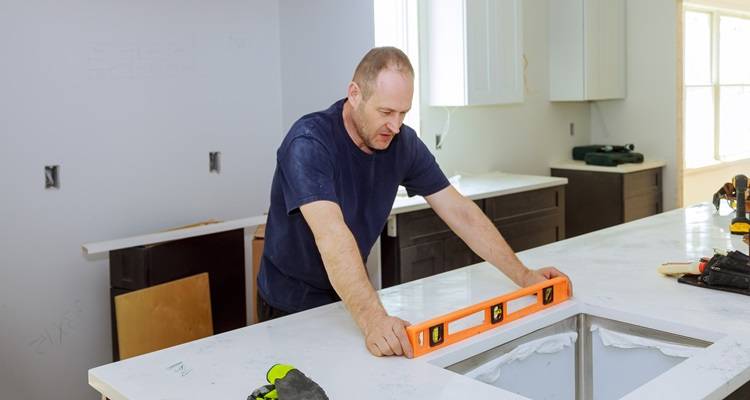
Most quartz worktop installers will quote a total price for supplying and installing your worktops, either separately or as part of a full kitchen installation. However, with materials accounting for around 75% of the total cost, labour costs will make up the remaining 25%.
Labour-only rates for a quartz worktop fitter are around £250 to £350 per fitter, per day. Because quartz slabs are heavy and awkward to handle, fitting is almost always a two-person job, so a full working day typically costs around £500 to £700 for the team.
Bear in mind that the total labour cost for a job covers more than the time spent fitting on site. It also includes the templating visit and the fabrication of your worktop, so it won't simply equal the day rate multiplied by the hours a fitter spends in your kitchen. With that in mind, the table below shows the typical time fitters spend on site and the estimated total labour cost (all installers and work included) for different-sized kitchens:
| Kitchen Size | Typical Time on Site | Typical Labour Cost |
|---|---|---|
| Small Kitchen | 2 to 3 hours | £250–£350 |
| Medium Kitchen | 3 to 4 hours | £400–£500 |
| Large Kitchen | 4 to 6 hours | £600–£700 |
| Large Kitchen with Island | 1 to 1.5 days | £800–£1,000 |
Want a custom price?
Post your job
Various factors can affect the total labour cost of your quartz worktop installation, such as complex kitchen layouts and whether any cutouts or additional finishing is required, as these will all take more time.
Your location can also affect your labour costs, with rates for installers in London and the South East being around 15% to 25% higher than the average for the rest of the UK.
Types and Finishes of Quartz Worktops
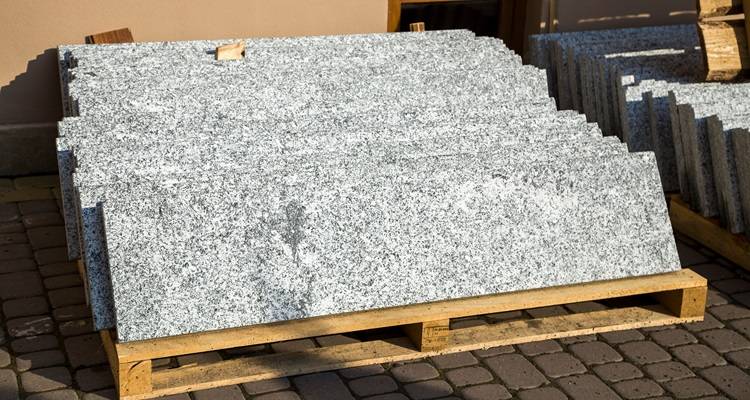
The supply costs for quartz kitchen worktops depend mainly on the quality and the brand you buy.
Standard Quartz
Usually made with roughly 90% quartz and 10% resin. While still a solid option, it may be slightly more porous and less scratch-resistant than higher-grade materials.
- Contains higher percentage of resin.
- End finish may not be perfect.
- Doesn't always have as much of a shine.
Mid-Range Quartz
Typically has about 93% quartz and 7% resin. It offers a good balance between durability and affordability, performing well in everyday use while keeping costs moderate.
- Contains more resin than a high-end slab.
- The finish may contain some flaws.
- It has less shine.
High-End Quartz
Contains around 96–97% natural quartz and only 3–4% resin. This makes it extremely strong, dense, and highly resistant to scratches and stains (ideal for premium kitchens and high-traffic areas).
If you are paying for top-quality quartz, it will:
- Have minimal veining.
- Contain a low level of resin.
- Have a smoother finish.
- Have a good shine.
Polished Quartz Cost
Polished quartz costs between £205 and £685 per metre, depending on the quality of the quartz.
The surface of polished quartz has been ground using fine abrasives to produce a natural shine. Polished worktops are also non-porous, which means spills (if cleaned up quickly) won't leave stains.
Leathered Quartz Worktop Cost
Leathered quartz costs, on average, between £320 and £800 per metre.
A leathered finish is achieved by removing the shine and creating a texture that resembles leather. It has a rougher texture, which gives the worktop a country-style look. Another advantage is that it doesn't chip or scratch.
Honed Quartz Worktop Cost
Honed quartz costs, on average, between £220 and £850 per metre.
Honed quartz is a matte satin finish, and while honed worktops are non-porous, the matte finish means fingerprints or residue can be more noticeable, so you should clean up any liquids promptly.
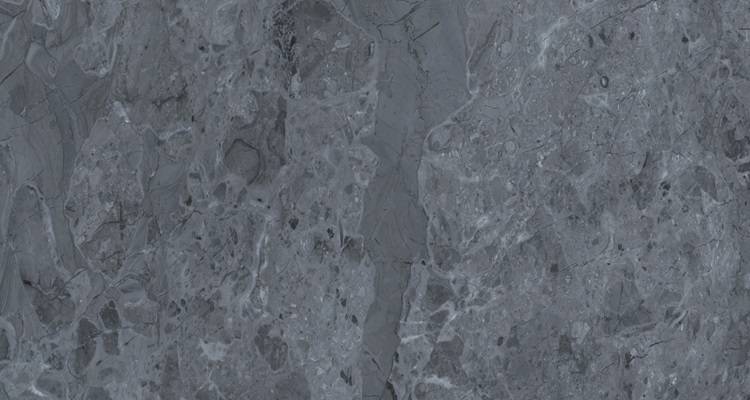
Pros
- ✔ Resistant to stains and bacteria
- ✔ Wide range of colours and designs
- ✔ Scratchproof and hard to damage
- ✔ Strong, durable, and reliable
- ✔ Non-porous and doesn't require sealing
- ✔ Low Maintenance
Cons
- ✖ High initial cost.
- ✖ Heat damage may lead to discolouration.
- ✖ Isn't a natural material.
- ✖ Can be heavy to install.
Also, unlike granite worktops, quartz worktops are engineered for consistent colours and patterns, and require a lot less maintenance, though both quartz and granite worktops are good premium options, so it's worth comparing finishes and costs to see which is the best option.
Low-cost options are also available, containing as little as 40% quartz (and 60% resin), although these are far less durable and subject to general wear and tear, and not recommended for installations that are in regular use.
If a carpenter cuts your holes and cutouts after you have bought the worktop, you could be looking at between £175 and £190. Polished cutouts are more expensive than unpolished cutouts.
Creating grooves for a drainer is, on average, between £140 and £160. Sealant and adhesive are likely to cost under £50.
Other items that will have a bearing on the cost of a quartz worktop will be:
- Tap holes
- Cutouts
- Sink drainer
- Sealants and adhesive
- Amount of worktop required
Ask a Trade
Got a question that only a tradesperson can answer? We have thousands of trades ready to answer any question you may have.
Ask your question

Cost of Alternative Kitchen Worktops
If you're considering the installation of a kitchen worktop, quartz may seem expensive, but you are paying for a material that's long-lasting and highly practical for a kitchen surface, and performs well compared to many other stone worktops.
Having said that, comparing the different types of materials used for worktops before you buy quartz is always a good idea. These are some of the most popular worktop materials you'll come across:
Laminate Worktops Cost
If you want an affordable option, then laminate will save you money. The cost of a laminate worktop per linear metre is between £40 and £120 depending on the pattern, style, and thickness.
Laminate worktops are made of MDF particleboard, which gives them strength and durability. The board is then covered with a sheet of laminate. This is manufactured with colours and patterns and can also mimic the look of wood or stone.
Pros
- ✔ Less expensive than other worktop materials.
- ✔ Available in a wide range of designs and colours.
- ✔ Easy installation — A good DIY choice.
- ✔ Easy to fix if you need a DIY repair.
Cons
- ✖ Water and heat can cause the laminate to warp.
- ✖ Less durable than other materials.
- ✖ The seams and edges are visible.
Stainless Steel Worktops Cost
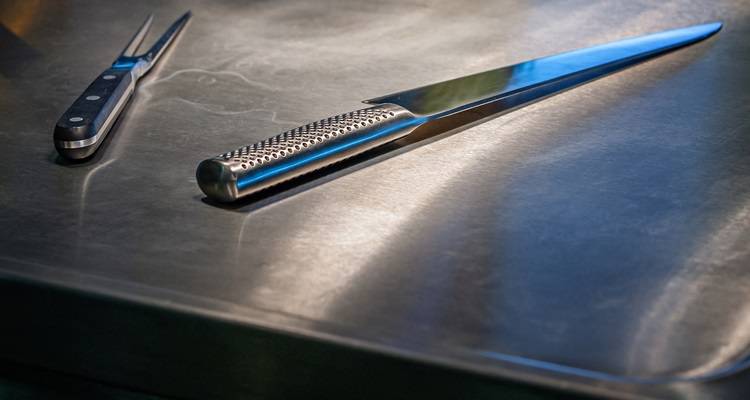
Stainless steel is a popular choice in professional kitchens because it is easy to clean and heat resistant. Stainless steel costs around £150 for a 600mm worktop length.
Pros
- ✔ Easy to clean
- ✔ Heat resistant
- ✔ Resists germs and bacteria
Cons
- ✖ Cost
- ✖ Its industrial appearance may not suit your kitchen style
- ✖ Dents and scratches easily
Wood Worktops Cost
Wood is a popular choice for a kitchen worktop because it is stylish and practical. It can be sanded and stained if it begins to look worn. It's also an affordable option. You can expect to pay around £110 per linear metre, and it can potentially be fitted by a carpenter and joiner rather than a kitchen fitter.
Pros
- ✔ It's a natural material
- ✔ Easily repaired
- ✔ Long-lasting
Cons
- ✖ Must be oiled to prevent water damage.
- ✖ More complex to install than other materials.
- ✖ It can easily be scratched.
Porcelain Worktops Cost
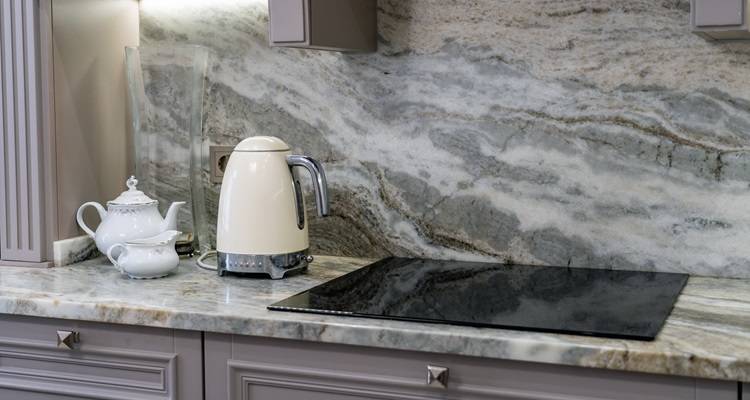
Porcelain worktops are popular with householders who want the look of natural stone without the price tag. It is of similar strength to quartz and stronger than granite. You can pay on average between £200 and £300 per m².
Pros
- ✔ Doesn't scratch or stain easily
- ✔ Heat-resistant
- ✔ Durable
Cons
- ✖ Cost — more expensive than some other worktop materials.
- ✖ Will crack under pressure from a very heavy object.
- ✖ It can't be fixed once broken.
Copper Worktops Cost
Copper is a practical worktop material that also ticks the boxes for beauty and style. It develops its own patina over time, which means your worktop won't look like any other's, and it will be unique to your household. Copper isn't cheap to buy. You'll pay around £400 for a 1000mm length of worktop.
Pros
- ✔ Hygienic — Copper is anti-bacterial
- ✔ Easy to keep clean
- ✔ Unique
Cons
- ✖ Can scratch and dent.
- ✖ Very hot pans and plates could leave burn marks.
- ✖ More expensive than some other worktop materials.
Natural Stone Worktops Cost
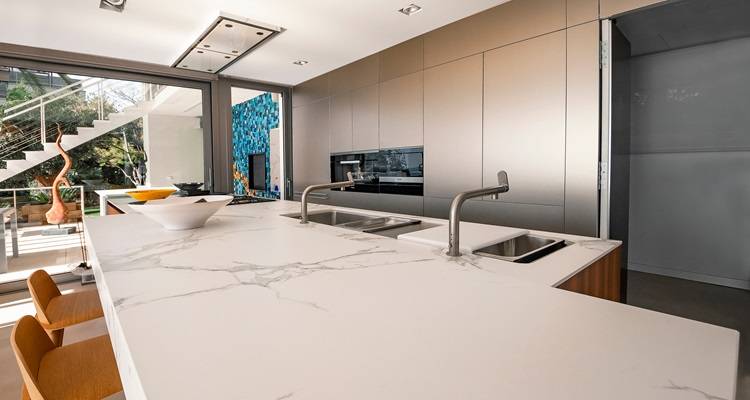
Natural stone worktops aren't cheap, but they are very practical materials for a kitchen, especially one that has an enthusiastic cook. Natural stone includes quartz and marble, but granite worktops are also a popular choice for a worktop surface. Natural stone is an expensive investment. Expect to pay between £275 and £600 per m².
Pros
- ✔ Heat proof — you can put a hot pan on the surface of a stone worktop
- ✔ Long-lasting
- ✔ Unique appearance
Cons
- ✖ Will need sealing before use.
- ✖ More expensive than most other materials.
- ✖ Edges can chip.
Marble Worktops Cost
Marble has always been associated with luxury and style. It comes in colours that include greens and pinks, and it has a naturally cool surface. The cost of a marble worktop is, on average, between £300 and £400 per m².
Pros
- ✔ Long-lasting
- ✔ Heat resistant
- ✔ Each worktop is unique
Cons
- ✖ Can scratch
- ✖ Needs to be sealed before use
- ✖ Can stain easily
Stone Composite Worktops Cost
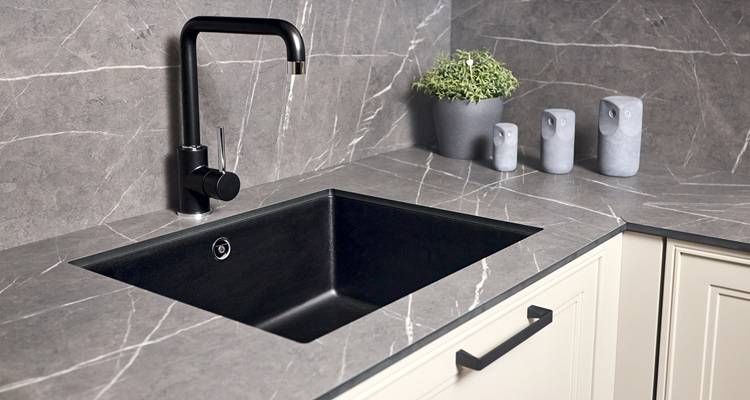
Composite worktops are made of stone, minerals, resin, and pigments for colour. Corian worktops are an example of this. It is a malleable material, which means it can be shaped or coloured to create a unique kitchen design. You can pay between £200 and £250 per m² for a stone composite worktop.
Pros
- ✔ Scratch and stain-resistant
- ✔ Durable
- ✔ Low maintenance
Cons
- ✖ May discolour over time.
- ✖ Heat resistant, but not heatproof like stone.
- ✖ Heavy — Not as easy to install as some other worktop material.
Checklist: Hiring a Quartz Worktop Installer in the UK
When you're hiring someone to fit quartz worktops in your kitchen, use our checklist to make sure you're hiring a professional:
- Do they specialise in quartz worktops? Installing a quartz worktop is more complex than fitting laminate or wood worktops and requires specialist tools and experience, so make sure they're quartz specialists.
- Do they provide professional templating? A laser-measured template will need to be created for your worktop. This service should be provided, but check whether it's included in the cost and what happens if adjustments are needed.
- Is fabrication done in-house or outsourced? If your installer is using a separate fabricator to manufacture your worktop, make sure you have confirmation of lead times and who is responsible for accuracy and resolving any issues.
- Is removal and waste disposal included? If you're replacing worktops, clarify who is responsible for removing and disposing of the old worktops, disconnecting/reconnecting plumbing and electrics, and if there are any additional costs.
- Are they insured? A professional fitter should have Public Liability Insurance as a minimum, which covers you for any accidental damage to your property during the installation process.
- How much quartz installation experience do they have? Check how much experience your fitter has installing quartz worktops, particularly projects similar to yours. Ideally, look for at least a couple of years' experience.
- Can they show examples of similar work? Check their MyJobQuote profile for photos and reviews. Look for projects they've completed that are similar to yours or include features such as undermounted sinks, islands, or waterfall edges.
- What warranty or guarantee is provided? Check whether the quartz comes with a manufacturer's warranty and ask if the installer provides a workmanship guarantee for their work.
- How long will the process take? A typical installation will involve a template visit followed by fabrication and a separate installation day. Clarify the timescales and scheduling so you know what to expect.
Ready to get a quote for your quartz worktop installation?
Quickly and easily get quotes from kitchen fitters near you with MyJobQuote – it's free, there's no pressure, and no obligation.
Cost of Removing Existing Quartz Worktops
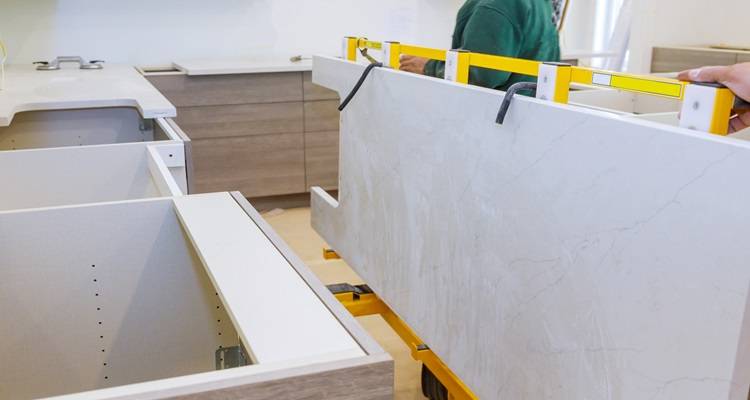
Ask for the quote for installation to include the removal of the old worktop if you don't want to do the job yourself or the old worktop is made of heavy material like stone. It is likely that an installer will charge you for around an hour's work at the cost of between £18 and £22 an hour.
If you decide you can remove the worktop, then it is usually done by unscrewing the worktop from the cabinets below and manoeuvring the top until it comes away.
If your worktop is still in good condition or it's the type that can be renovated, you may want to consider giving it away or selling it through your local free ads or a Facebook page.
FAQs
What Is a Quartz Kitchen Worktop Made of?
Quartz worktops are made of engineered stone. This means they contain a high percentage of natural quartz with added pigments, resins, and polymers.
What's the Difference Between Quartz Worktops and Granite Worktops?
Granite is a natural stone and is porous, so granite worktops need sealing (and regular resealing). As quartz is an engineered stone, quartz worktops are non-porous, so they don't need resealing and are easier to maintain and use day-to-day.
How Do You Clean a Quartz Worktop?
You can clean a quartz worktop with warm, soapy water and a soft cloth. Don't use harsh chemicals like bleach, as this will discolour the worktop. Clear up any spills quickly. Don't leave spilt foods like berries or beetroot or drinks like red wine to lay on the worktop for longer than necessary.
Can You Put a Hot Plate Directly onto a Quartz Worktop?
A quartz countertop is heat resistant, not heatproof. This means you can't put down a pan or dish that's come straight out of the oven, but you should be able to leave plates that have been warmed on the top. It's advisable, though, to use worktop protectors when you want to put anything hot on the worktop.
Do I Need to Reinforce My Cabinets for a Quartz Kitchen Worktop?
Most modern kitchen cabinets should be able to support the weight of a standard quartz kitchen worktop. However, quartz is much heavier than laminate and wood, and a 30mm thick quartz countertop could weigh well over 100kg, so it's important your fitter makes sure your cabinets are level and structurally sound enough to support your quartz worktop.
Do You Need Building Regulations Approval to Install Quartz Worktops?
In the majority of cases, you won't need Building Regulations approval to install new quartz worktops.
It's only if your installation involves moving or adding gas appliances or electric circuits that Building Regulations could apply. In that case, you need to make sure the work is carried out by the appropriate professional in line with Building Regs, and the appropriate compliance certificates are issued.
Can I Install Quartz Worktops Myself?
It's probably not advisable. If you're investing in quartz worktops, you're going to want a professional finish. You need experience and specialist tools to properly fit quartz worktops and polish and finish the cut-outs and edges, so it's not really a DIY job.
What Happens if My Quartz Worktop Gets Damaged or Chipped?
Because quartz is engineered, unlike granite worktops, if you damage or chip your quartz worktop, it can usually be invisibly repaired by a specialist, using colour-matched acrylic or epoxy resin.